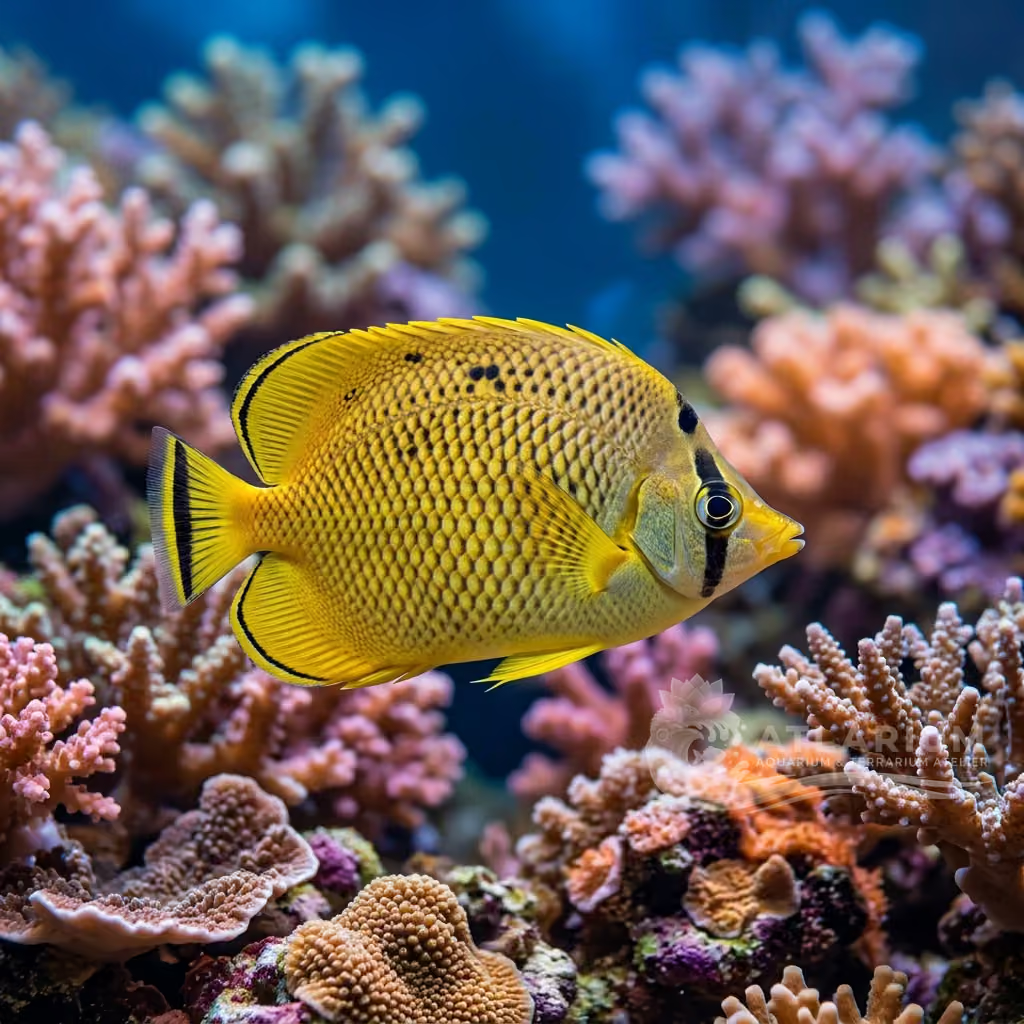
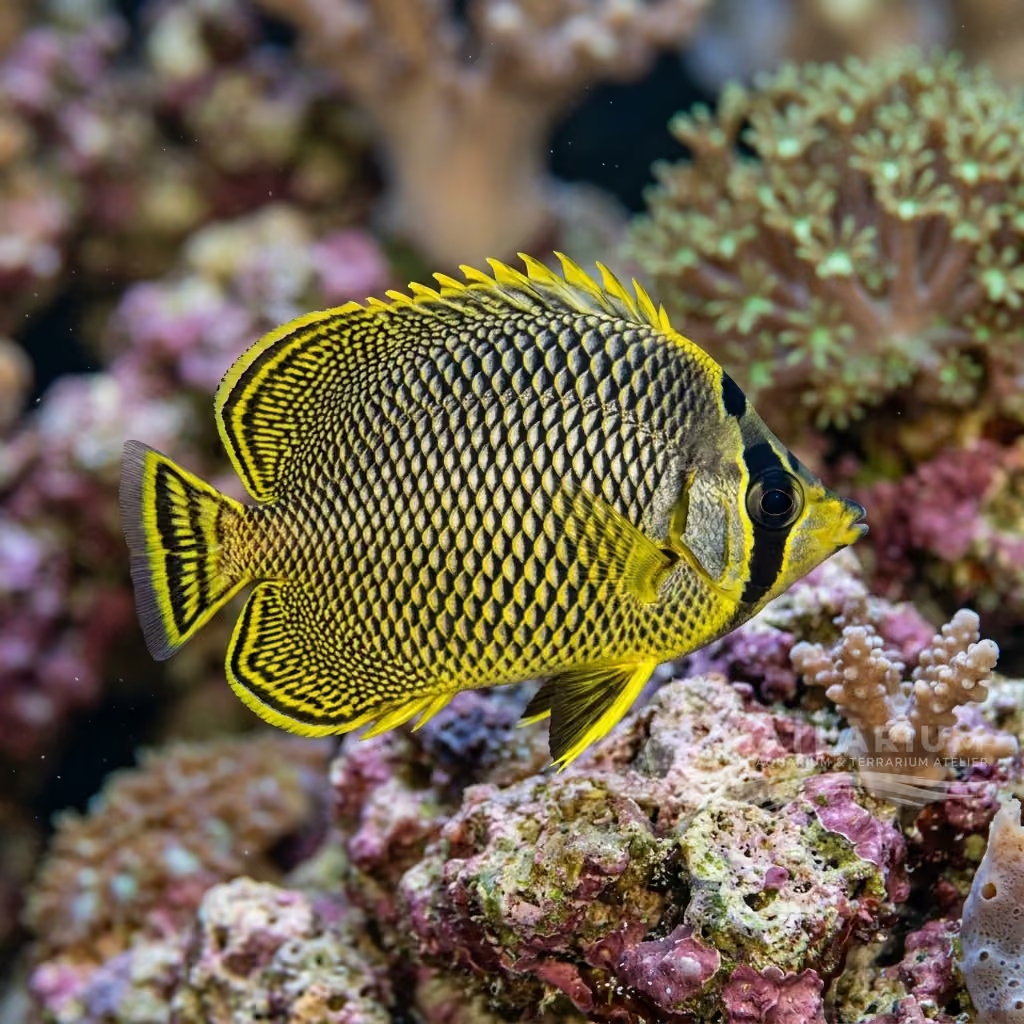
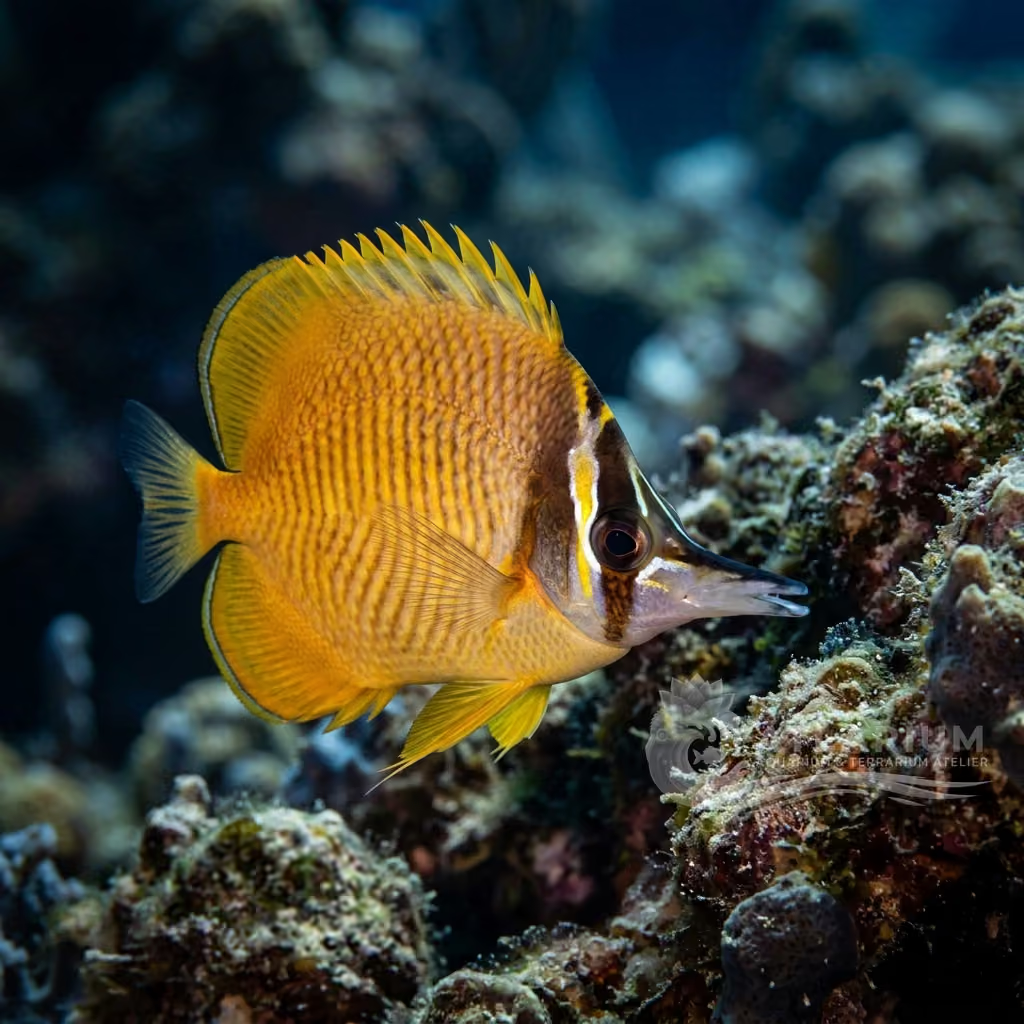
Fourspot Butterflyfish
Chaetodon quadrimaculatus
A specialized Pacific butterflyfish that poses a severe feeding challenge. It requires a 400L mature tank heavily stocked with live stony corals to survive.
Water Temperature
22 - 27 °C
pH Value
8.1 - 8.4
Water type
Marine
Tank level
All levels
Adult size
16 cm
Minimum tank volume
>= 300 L
Minimum group
>= 1

Species description
Geographical Origin and Habitat: Chaetodon quadrimaculatus is widely distributed throughout the tropical Pacific Ocean, from the coasts of Taiwan and the Ryukyu Islands to the Hawaiian Islands, the Marquesas, and south to the outer reefs of Australia and Pitcairn. It primarily inhabits seaward reef slopes exposed to ocean currents and rich in hard corals, at depths of 2 to 15 meters.
Taxonomy and Morphology: It belongs to the family Chaetodontidae. It features a deep, circular, and highly compressed body, with a short snout equipped with a small mouth and brush-like teeth. Adults can reach a maximum length of about 16 centimeters. The dorsal fin has strong erectable spines used to deter predators and lock themselves in rocky crevices.
Social Behavior: This species lives mostly in stable monogamous pairs or singly. It shows strong territorial behavior towards conspecifics and other competing butterflyfishes. In the wild, it spends the entire day patrolling coral colonies to feed. It is an active diurnal fish that retreats into rocky caves and crevices during the night.
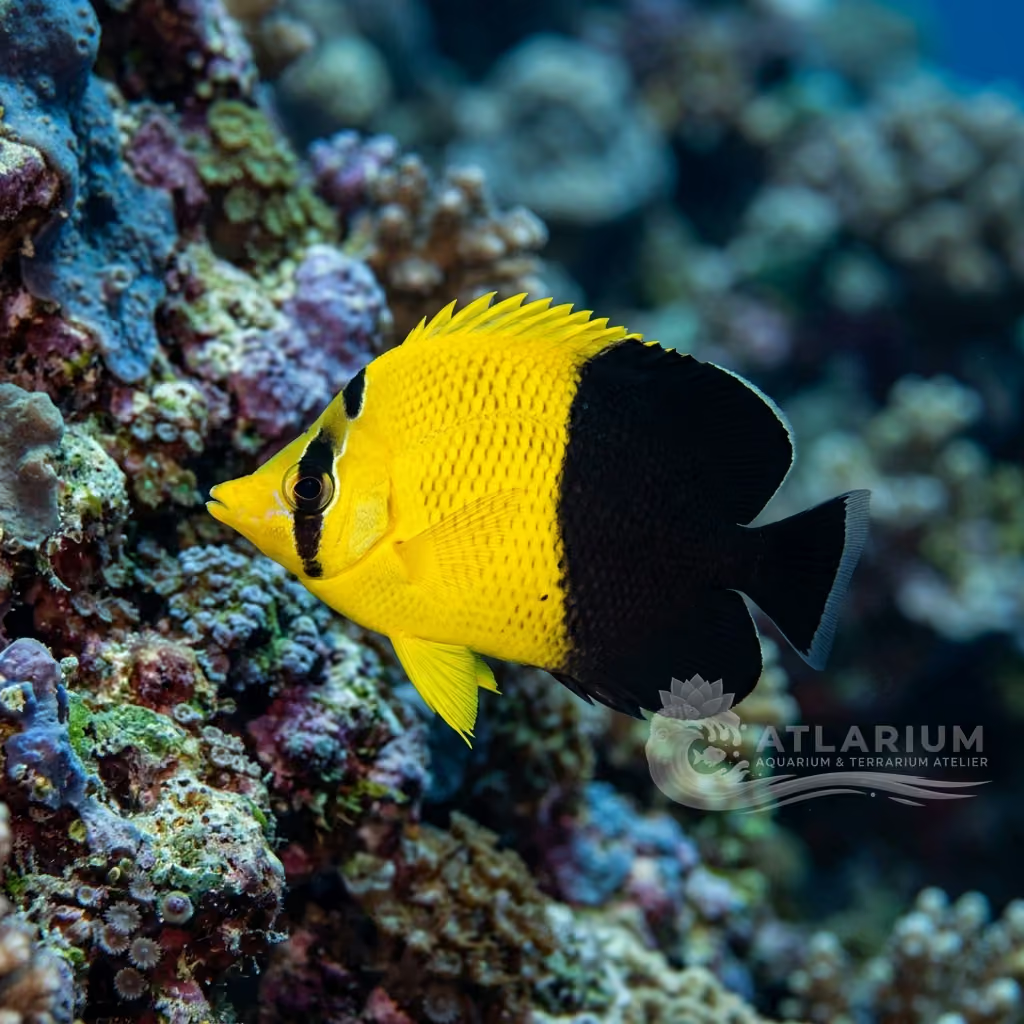
Coloration and Sexual Dimorphism: The coloration is unique: the upper half of the body is dark or blackish with two prominent white spots on each side (giving it its common name), while the lower half is a bright golden-yellow. An orange band bordered with blue runs vertically through the eye. There is no externally visible sexual dimorphism between males and females.

Care, breeding and tankmates
Aquarium Setup: Requires a large aquarium of at least 400 liters, with a mature setup containing plenty of live rock covered in microalgae and ample open space for swimming. It is necessary to create numerous caves and visual barriers to allow the fish to feel secure and exhibit its natural behaviors without being stressed.
Diet and Feeding: Diet is the primary challenge: it is an obligate corallivore feeding mainly on hard coral polyps (especially Pocillopora) in the wild. In the aquarium, transitioning it to alternative foods is extremely difficult. Offer lobster eggs, fresh opened clams, minced seafood, and specialized gel foods. Sacrificial live corals are often required.
Water Quality: Requires pristine and constant water quality, with a powerful filtration system including an oversized protein skimmer. Ideal values are: temperature 24-26°C, pH 8.1-8.4, specific gravity 1.022-1.025, and nitrates/phosphates close to zero. Water movement must be strong and highly oxygenated.
Compatibility and Cohabitation: It is not compatible with reef aquariums containing stony corals, soft corals, or clams, as it will actively feed on and destroy them. It can coexist with peaceful, active reef fish that occupy different zones of the tank, such as tangs, clownfish, and damselfish, but avoid aggressive tankmates that compete for food.
Aquarium Breeding: Reproduction of this species in the aquarium has never been successfully documented. They are pelagic spawners that release eggs and sperm directly into the water column during twilight spawning rises. The larvae undergo a complex planktonic stage called tholichthys, which is impossible to sustain in a home aquarium.
Risks and Diseases: The risk of mortality from starvation in the first few months is extremely high due to food rejection. It is also highly sensitive to common external parasitic infections like Cryptocaryon irritans when subjected to stress or sudden changes in water temperature. A strict preventative quarantine period is highly recommended.

Geographic origin and distribution
Chaetodon quadrimaculatus is widely distributed throughout the tropical Pacific Ocean, from the coasts of Taiwan and the Ryukyu Islands to the Hawaiian Islands, the Marquesas, and south to the outer reefs of Australia and Pitcairn. It primarily inhabits seaward reef slopes exposed to ocean currents and rich in hard corals, at depths of 2 to 15 meters.
Origin
Tropical oceans and reefsEast AsiaAustralia, New Guinea, and Oceania

Fish profile
- Temperament
- Aggressive
- The Fourspot Butterflyfish has a peaceful but shy temperament, making it vulnerable to bullying by aggressive or boisterous tankmates. However, it displays strong territorial behavior towards members of its own species or closely related butterflyfishes with similar color patterns. In a large system, they remain peaceful citizens of a community reef or fish-only setup. Providing sufficient hiding spots allows this species to retreat when threatened, helping to maintain its calm and stress-free demeanor.
- Diet
- Omnivore
- In nature, the Fourspot Butterflyfish is an obligate corallivore, feeding almost exclusively on stony coral polyps, particularly Pocillopora species. In captivity, this specialized diet makes them exceptionally difficult to feed, and they must be transitioned to alternative foods. Offering live foods like brine shrimp, blackworms, or placing frozen mysis inside coral skeletons can help stimulate their feeding response. Over time, they may accept high-quality prepared foods, marine paste, and fresh seafood on the half-shell, though live coral remains their preference.
- Life expectancy
- 8-10 years
- Adult size
- 16 cm
- Sex ratio
- 1:1 ratio
- This species is best kept individually or as a confirmed, bonded male-female pair, as there are no visible external differences between sexes. Keeping multiple specimens of the same sex or similarly colored butterflyfishes in a restricted space will trigger intense territorial aggression. If attempting to house a pair, it is strongly advised to acquire them as a bonded couple or introduce them simultaneously to a spacious system. A ratio of 1:1 or single stocking is standard, while groups are only feasible in exceptionally large aquariums.
- Feeding frequency
- Twice daily
- Due to their active nature and small stomachs, Fourspot Butterflyfish require frequent feeding throughout the day. It is highly recommended to feed them three to four times daily in small portions to mimic their natural grazing behavior on reefs. Offering constant foraging opportunities, such as grazing stones coated in gel foods or live rock with natural growth, is beneficial. Infrequent feeding will quickly lead to starvation, muscle wasting, and ultimate decline of this delicate species.
- Bioload
- Medium
- The Fourspot Butterflyfish produces a medium level of biological waste, but it requires highly efficient, robust filtration and skimming due to its sensitivity to poor water quality. As a species accustomed to pristine seaward coral reefs, it demands low nitrate levels, high dissolved oxygen, and regular water changes. Standard biological and chemical filtration must be combined with active protein skimming to maintain optimal aquarium conditions. Poor water chemistry or organic accumulation quickly compromises its immune system and leads to health decline.
- Flow
- Strong
- Hailing from exposed seaward reefs, the Fourspot Butterflyfish is adapted to moderate to strong water flow. This current replicates their natural habitat, aids in oxygenation, and encourages natural swimming patterns. However, they also require calmer zones behind large rock formations where they can rest without fighting the current. Ensuring a dynamic environment with varied flow zones will support their health, keep them active, and help maintain high water quality.
- Jump risk
- Yes
- Although not classified as high-risk jumpers compared to wrasses or gobies, Fourspot Butterflyfish are agile and quick, capable of jumping when startled or during territorial disputes. They can easily leap out of an open-top aquarium if spooked by sudden light changes or aggressive tankmates. To prevent accidental loss, a tight-fitting cover, screen lid, or canopy is highly recommended. Adequate lighting control, such as gradual dimming, also reduces the likelihood of startle-induced jumping.
- Reproduction
- Oviparous
- In the wild, the Fourspot Butterflyfish is a pelagic spawner that forms monogamous pairs for breeding. Spawning occurs in open water where eggs and sperm are released, and the resulting eggs drift with the ocean currents. In captivity, reproducing this species is considered extremely difficult to impossible, with no successful commercial breeding programs established. The complex pelagic larval stage, coupled with their specialized diet, makes raising the fry in a home aquarium currently unfeasible.
- Compatibility & tankmates
- Peaceful
- This species is compatible with peaceful, non-aggressive tankmates such as small wrasses, gobies, cardinals, and anthias. It should not be housed with aggressive fishes like large angels, triggerfishes, or territorial tangs, which will easily intimidate it. Furthermore, it is not compatible with most corals and sessile invertebrates, as it will actively graze on polyps. It can be housed with other peaceful butterflyfishes only if the aquarium is sufficiently large and provides ample territory.
- Tank level
- All levels
- The Fourspot Butterflyfish is a highly active swimmer that utilizes all levels of the aquarium, though it spends the majority of its time in the middle and bottom zones. It continuously patrols the rockwork and reef structures, searching for food and inspecting crevices. To support this behavior, the aquarium should combine open swimming space in the upper-middle areas with complex rock formations below. Adequate hiding spots near the substrate are critical for security, while clear pathways allow for constant swimming.

Scientific Parameters & Models
FishBase
Window to the official scientific data of the species
FishBase v25.04Data synced on: 06/15/2026
- Trophic level
- 4.2 ± 0.2 se
- Resilience
- High (less than 15 months)
- Phylogenetic uniqueness (PD50)
- 0.5
- Bayesian Length-Weight
- a = 0.02291, b = 3
- VulnerabilityLow vulnerability (10 / 100)

Related species
Recommendations grouped by close relatives, companion choices, and similar care.