Eightband butterflyfish
Chaetodon octofasciatus
The eightband butterflyfish is a delicate marine species native to the Indo-Pacific. Because it is an obligate corallivore, it is extremely difficult to maintain and is reserved for experienced aquarists.
Water Temperature
22 - 27 °C
pH Value
8.1 - 8.4
Water type
Marine
Tank level
Bottom and middle
Adult size
12 cm
Minimum tank volume
>= 250 L
Minimum group
>= 1
KH
8 - 12 dKH

Species description
Geographical Origin and Habitat:
This species is widely distributed throughout the tropical waters of the Indo-West Pacific, ranging from the eastern coasts of India and Sri Lanka to the Solomon Islands, extending north to southern Japan, and south to the Great Barrier Reef in Australia. It inhabits shallow, sheltered coral reefs, coastal lagoons, and silt-affected silt flats with abundant live coral growth, particularly branching Acropora species, at depths ranging from 1 to 20 meters. It is frequently observed near river mouths where waters are slightly turbid.
Taxonomy and Morphology:
Belonging to the family Chaetodontidae and the genus Chaetodon, Chaetodon octofasciatus features a highly compressed, disk-shaped body. It possesses a short snout and a small mouth containing fine, brush-like teeth specialized for feeding on live coral polyps. Adults typically grow to a maximum total length of 12 centimeters, maintaining a round and compact silhouette throughout their life cycle.
Social Behavior:
This butterflyfish is a diurnal, timid, and highly localized species. Juveniles are solitary and live in close association with branching Acropora corals for protection. Adults are almost always found in stable, monogamous pairs that patrol and defend a small feeding territory, showing remarkable mate fidelity and coordinated swimming behaviors.
Coloration and Sexual Dimorphism:
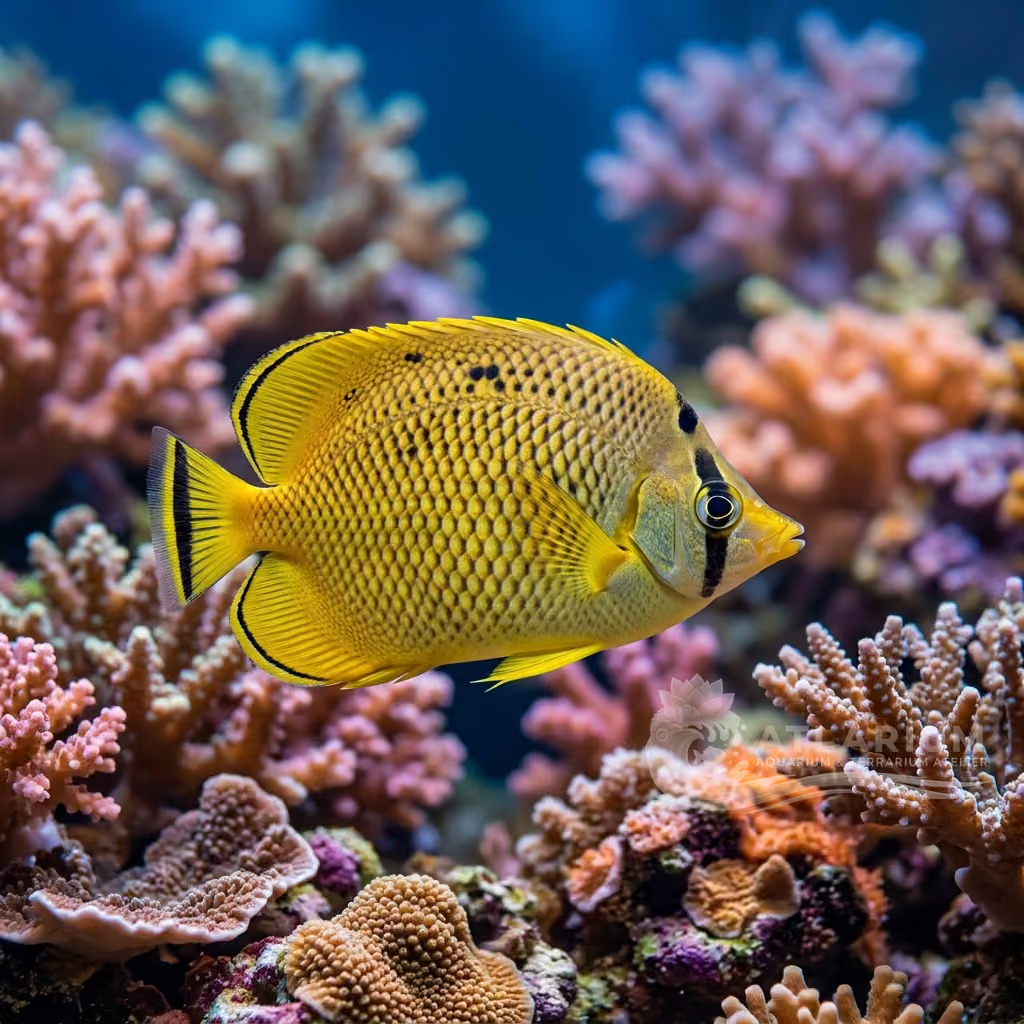
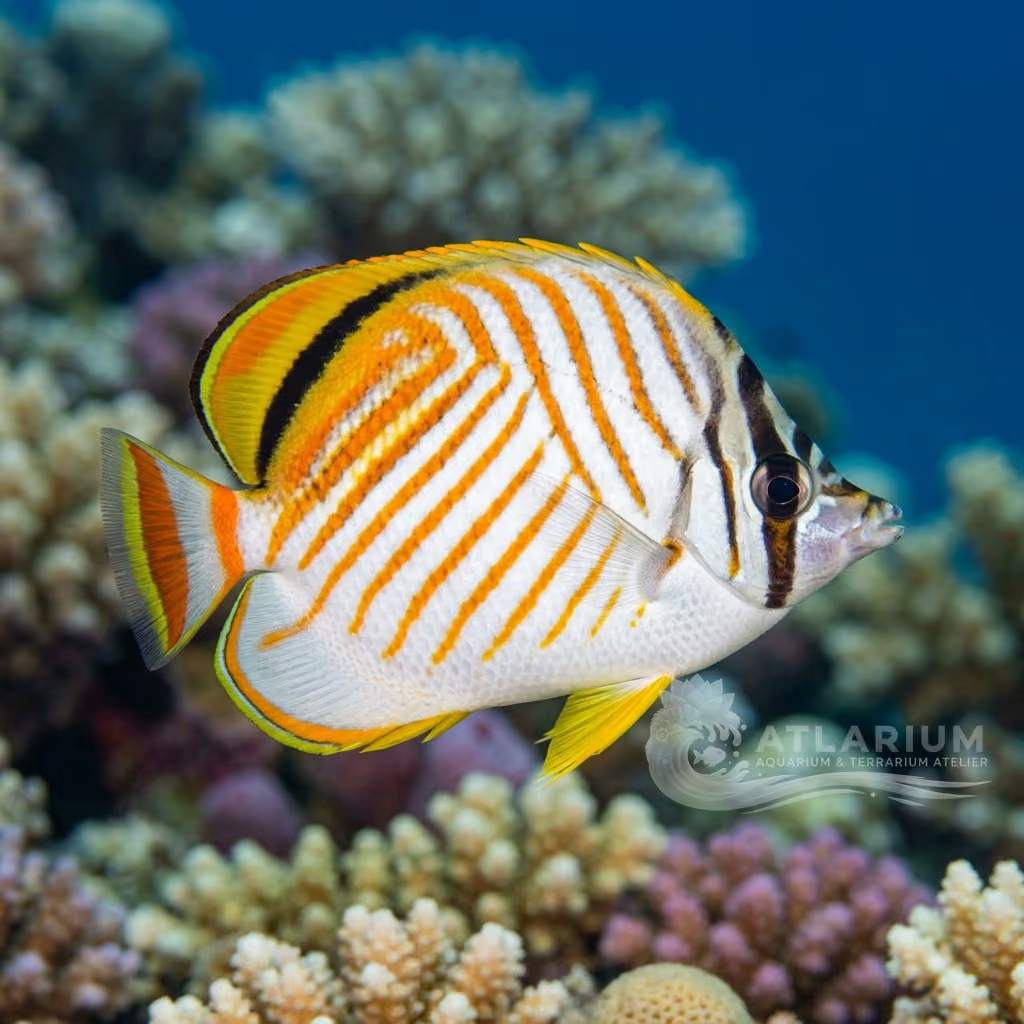
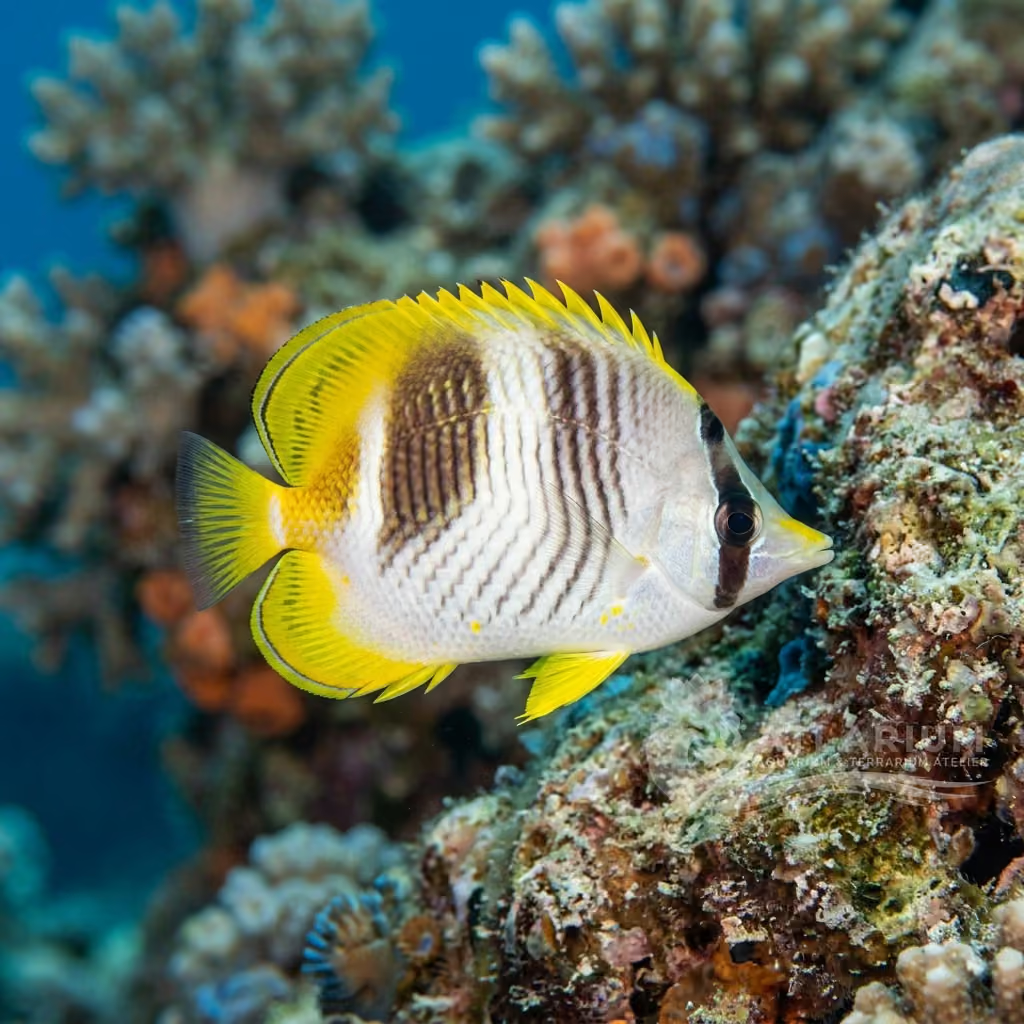
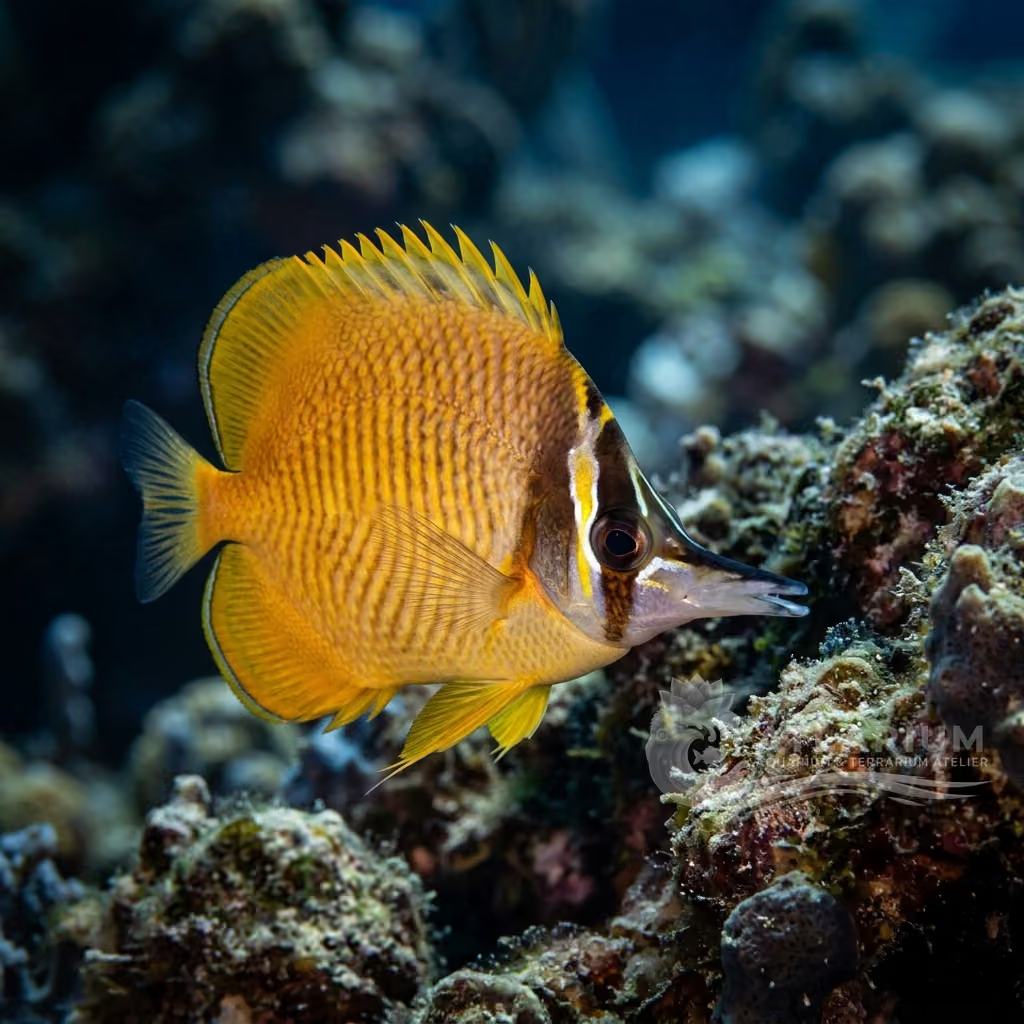
The body is cream-white to pale yellow, decorated with eight prominent, vertical black-to-dark brown bands, including a distinct band running through the eye and one on the caudal peduncle. The dorsal, anal, and caudal fins feature a narrow black margin. There is no visible external sexual dimorphism; males and females are phenotypically identical.

Care, breeding and tankmates
Aquarium Setup:
Requires a mature marine aquarium of at least 300 liters, decorated with a significant amount of high-quality live rock arranged to create numerous caves, tunnels, and visual barriers. The tank must feature established microfauna and plenty of shelter. Excellent filtration, high-quality water, and a reliable protein skimmer are essential to keep nutrient levels near zero, mimicking their pristine natural habitat.
Diet and Feeding:
Feeding is exceptionally difficult as it is an obligate corallivore. In the wild, its diet consists solely of live coral polyps from stony corals (SPS). In captivity, it almost always refuses standard frozen foods, flakes, or pellets. Aquarists may attempt to feed it by pressing finely chopped clam or shrimp meat into dead coral skeletons, but starvation remains the primary cause of mortality.
Water Quality:
Requires highly stable and pristine marine parameters: temperature between 24°C and 27°C, pH between 8.1 and 8.4, specific gravity (SG) from 1.020 to 1.025, and carbonate hardness (KH) of 8 to 12 dKH. Ammonia and nitrite must be kept at absolute zero, with nitrates maintained under 10 ppm and phosphates kept at minimum levels.
Compatibility and Cohabitation:
Strictly not safe for reef aquariums with live corals, as it will quickly decimate SPS colonies, especially Acropora. It should be housed with peaceful, non-aggressive tankmates such as small wrasses, gobies, or clownfish. Avoid large, hyperactive, or predatory fish that could intimidate this shy species or outcompete it for food.
Aquarium Breeding:
Captive breeding has not been successfully achieved in home aquariums. In nature, they are broadcast spawners that release pelagic eggs into the water column to drift with currents. The larval stage is prolonged and requires specialized microscopic live planktonic foods, making it impossible to rear them in standard closed aquarium systems.
Risks and Diseases:
This species is highly susceptible to external parasites such as Cryptocaryon irritans (marine ich) and Oodinium (velvet), especially when stressed by shipping or nutritional deprivation. Starvation-induced muscle wasting is a major threat. A long, stress-free quarantine period is mandatory before introducing it to the display tank.

Geographic origin and distribution
This species is widely distributed throughout the tropical waters of the Indo-West Pacific, ranging from the eastern coasts of India and Sri Lanka to the Solomon Islands, extending north to southern Japan, and south to the Great Barrier Reef in Australia. It inhabits shallow, sheltered coral reefs, coastal lagoons, and silt-affected silt flats with abundant live coral growth, particularly branching Acropora species, at depths ranging from 1 to 20 meters. It is frequently observed near river mouths where waters are slightly turbid.
Origin
Tropical oceans and reefsSouth and Southeast AsiaEast AsiaAustralia, New Guinea, and Oceania

Fish profile
- Temperament
- Territorial
- Chaetodon octofasciatus is generally a peaceful and non-aggressive fish toward other species, making it suitable for community tanks with peaceful tankmates. However, they can display territorial behavior and aggression toward members of their own species or similarly patterned butterflyfishes. They are shy and easily intimidated by larger or highly active and boisterous tankmates, which can prevent them from feeding. Ensuring a calm environment is vital for helping them feel secure and adjust to captivity.
- Diet
- Corallivore
- In nature, this species is an obligate corallivore, feeding almost exclusively on live coral polyps, especially from the genus Acropora. This extremely specialized diet makes feeding them in captivity the greatest challenge for aquarists. Most individuals refuse standard aquarium foods and will starve unless provided with live coral or successfully transitioned to alternative foods. Offering live blackworms, clam on the half shell, or paste foods spread on coral skeletons can sometimes stimulate a feeding response.
- Life expectancy
- 3-10 years
- Adult size
- 12 cm
- Sex ratio
- 1:1 ratio
- In the wild, Chaetodon octofasciatus is a monogamous species that typically forms stable heterosexual pairs. In an aquarium, they are best kept in established male-female pairs or as single individuals. Introducing multiple specimens together is only recommended in very large tanks with plenty of hiding spots to avoid territorial disputes. If a pair is formed, they will usually swim close together and exhibit cooperative behavior.
- Feeding frequency
- Twice daily
- Because of their specialized diet and active grazing behavior, Chaetodon octofasciatus must be fed multiple times a day. In the wild, they spend all daylight hours constantly grazing on coral polyps. In an aquarium, they should be offered food at least three to four times daily in small portions. Frequent feedings are especially critical during the acclimation phase to prevent rapid weight loss and encourage interest in new food items.
- Bioload
- Low to Medium
- Eight-banded butterflyfish have a moderate biological load. However, because they are obligate corallivores and very sensitive to water parameters, they require highly efficient filtration systems. Clean, stable, and well-oxygenated water is absolutely crucial for their survival. Regular water changes and a strong protein skimmer are highly recommended to keep organic waste at near-zero levels.
- Flow
- Strong
- Chaetodon octofasciatus prefers low to moderate water flow within the aquarium. In their natural habitat, they are commonly found in sheltered coastal reefs, lagoons, and silt-affected areas where the water currents are relatively gentle. Strong, turbulent currents can stress these delicate fish and make swimming difficult, especially for juveniles. The water circulation should be designed to provide uniform flow without creating high-velocity jets, ensuring plenty of calm resting spots.
- Jump risk
- Yes
- While not known as notorious jumpers compared to some other marine species, Chaetodon octofasciatus can easily jump out of the aquarium if startled, stressed, or chased by tankmates. A secure, tight-fitting lid or cover net is highly recommended to prevent accidental escapes. Providing ample hiding spots will also reduce their stress levels and lessen the likelihood of panic flights. Sudden lighting changes should be avoided to minimize startle responses.
- Reproduction
- Oviparous
- Chaetodon octofasciatus is an oviparous, pelagic spawner that forms monogamous pairs. During spawning, the pair rises into the water column to release eggs and sperm simultaneously, which are then carried away by currents. There is no parental care provided to the eggs or larvae, making captive reproduction virtually impossible in home aquariums. There are no records of successful commercial or private breeding of this species in captivity due to these complex spawning behaviors and the difficult larval rearing phase.
- Compatibility & tankmates
- Peaceful
- Because they are obligate corallivores, Chaetodon octofasciatus is absolutely not reef-safe and will destroy live corals in the aquarium. They are highly compatible with other peaceful, non-aggressive marine fish that do not compete for the same specialized foods. Larger, semi-aggressive, or boisterous fish should be avoided as they will easily intimidate this shy species, leading to stress and starvation. Safe tankmates include peaceful gobies, dartfish, and small wrasses.
- Tank level
- Middle/Bottom
- This species primarily occupies the bottom and middle zones of the aquarium, where it seeks shelter and searches for food among rockwork. They are strongly associated with live corals, particularly Acropora, and will hover closely around these structures. Providing plenty of crevices, caves, and open swimming paths in these lower levels is essential for their comfort. They rarely venture to the very top of the tank unless during feeding times or when highly active.

Scientific Parameters & Models
FishBase
Window to the official scientific data of the species
FishBase v25.04Data synced on: 06/15/2026
- Trophic level
- 2.6 ± 0.4 se
- Resilience
- High (less than 15 months)
- Phylogenetic uniqueness (PD50)
- 0.5
- Bayesian Length-Weight
- a = 0.02291, b = 3
- VulnerabilityLow vulnerability (10 / 100)

Related species
Recommendations grouped by close relatives, companion choices, and similar care.