Sunset butterflyfish
Chaetodon pelewensis
Native to the Central Pacific, this butterflyfish features striking patterns. It requires a mature 250L tank rich in caves, open swimming space, and vigorous flow.
Water Temperature
22 - 27 °C
pH Value
8.1 - 8.4
Water type
Marine
Tank level
Bottom and middle
Adult size
12.5 cm
Minimum tank volume
>= 250 L
Minimum group
>= 1

Species description
Geographical Origin and Habitat: Chaetodon pelewensis is native to the tropical waters of the Central and Western Pacific. Its range includes the islands of Palau, the Great Barrier Reef, Fiji, Samoa, and French Polynesia. It primarily inhabits outer reef slopes, shallow lagoons, and areas rich in hard corals at depths ranging from 1 to 30 meters. It is often found in areas with moderate to strong currents, where branching corals grow.
Taxonomy and Morphology: Belonging to the family Chaetodontidae, genus Chaetodon. It has a disc-like, laterally compressed body with a pointed frontal profile and a small terminal mouth. Adults reach a maximum length of about 12-13 centimeters, making them one of the smaller butterflyfish species. It features small brush-like teeth suitable for picking food from rocks and corals.
Social Behavior: It is an active and curious species. In the wild, it lives solitarily or in stable pairs. It exhibits strictly diurnal habits, constantly patrolling the coral reef in search of food. In the aquarium, it may show moderate territoriality toward conspecifics or other butterflyfishes with similar coloration, while generally ignoring other species.
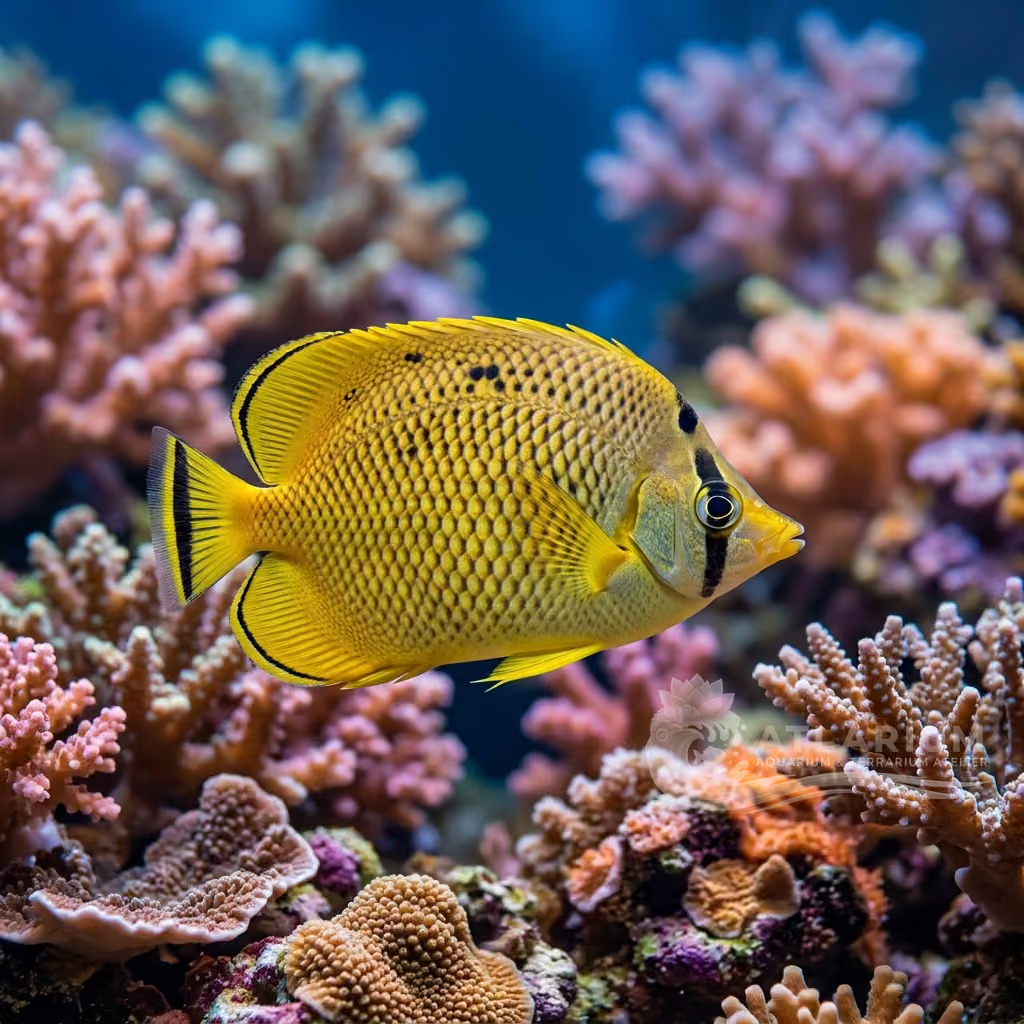
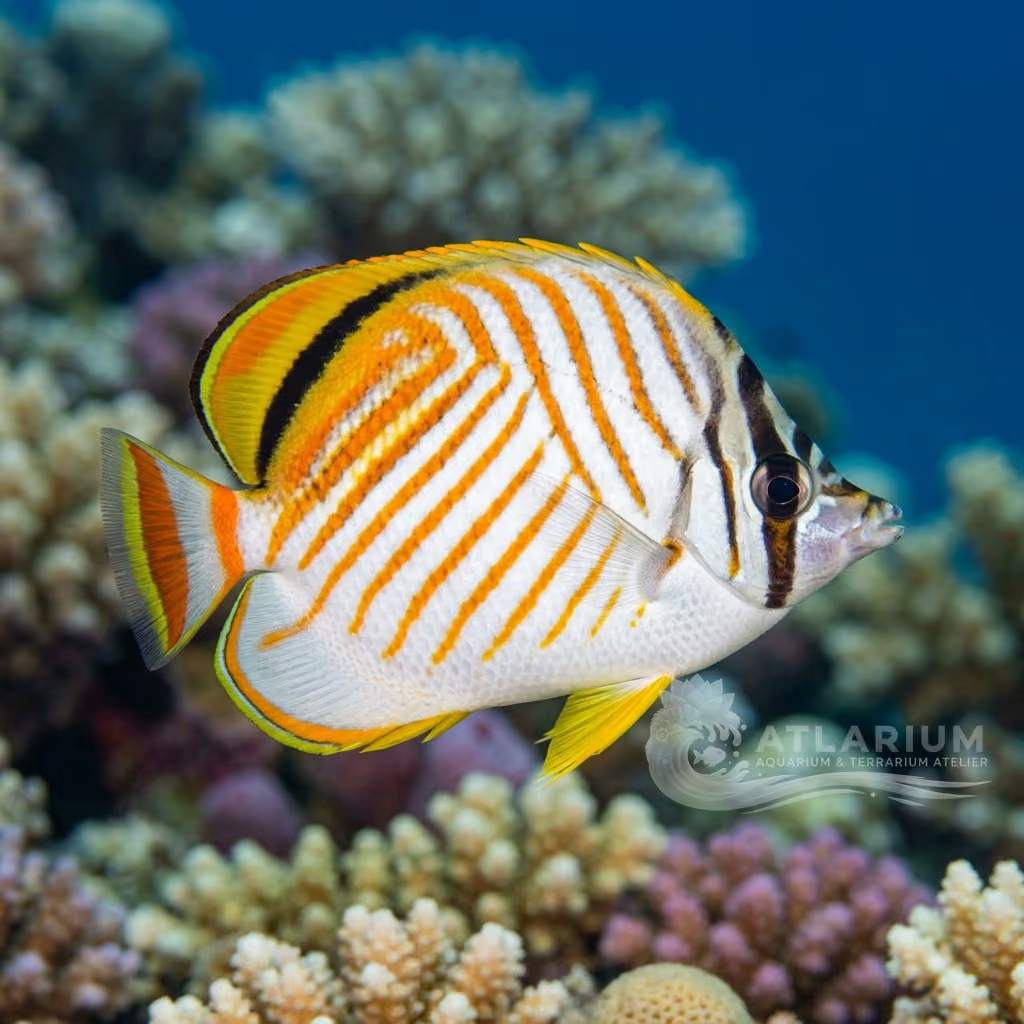
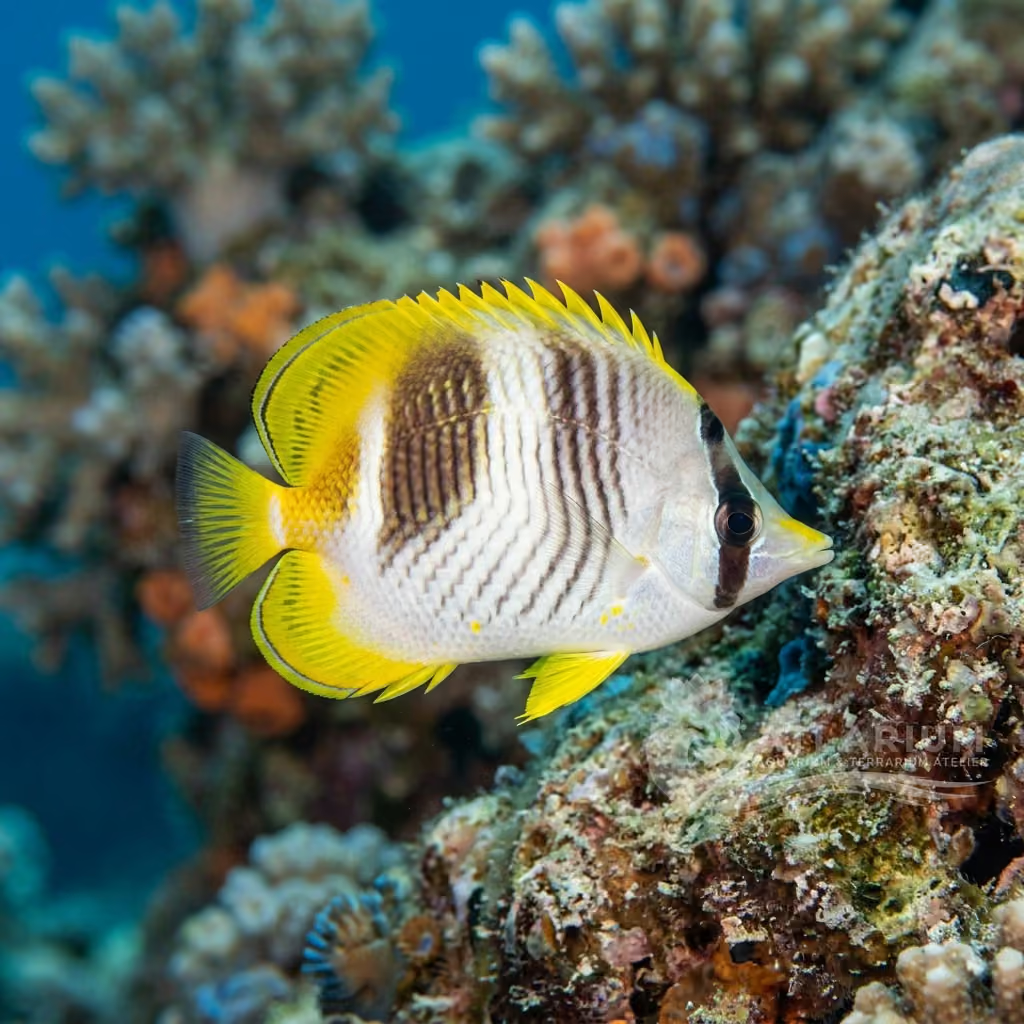
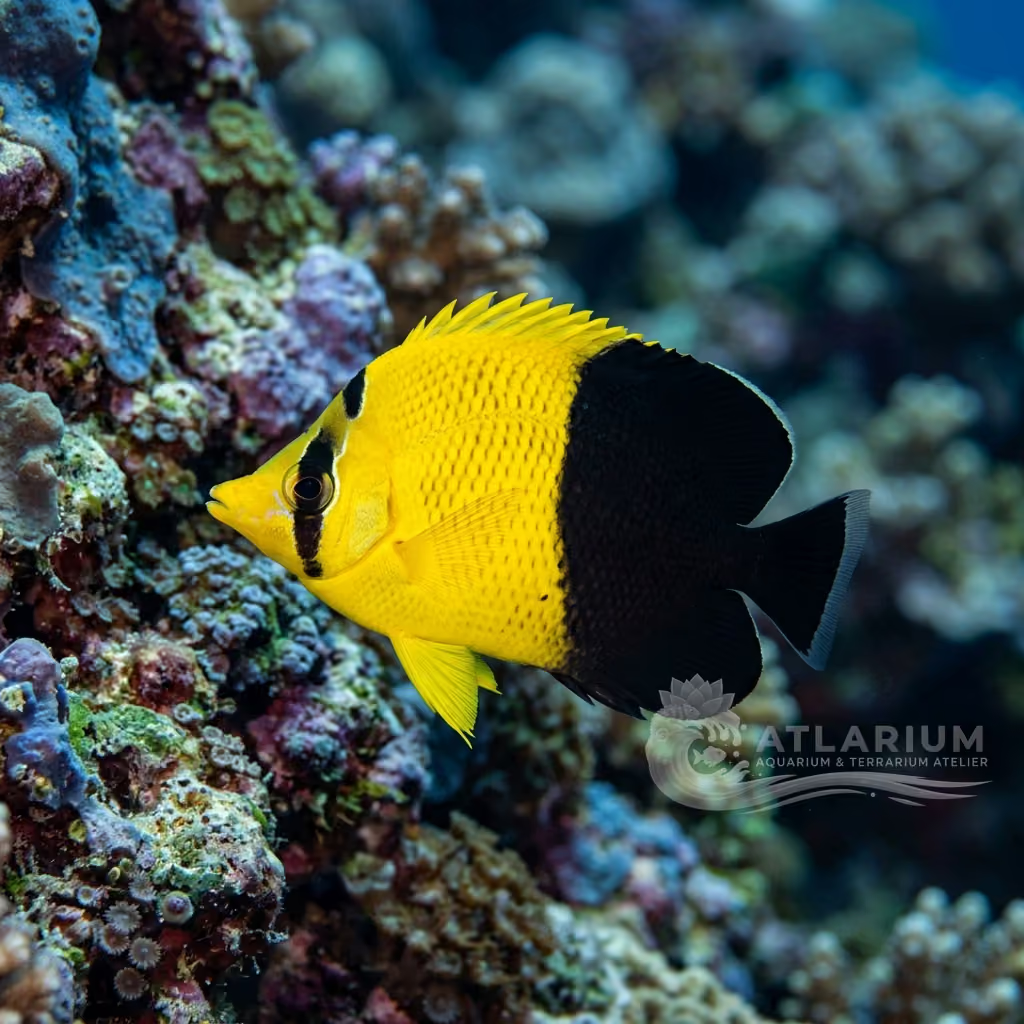
Coloration and Sexual Dimorphism: The base coloration is yellowish or silvery-white on the sides, shading into a deeper yellow on the back and belly. The body is crossed by a series of parallel dark diagonal lines running upward and backward. A vertical black band runs through the eye, and a dark patch is present on the caudal peduncle. There is no visible sexual dimorphism.

Care, breeding and tankmates
Aquarium Setup: Requires a mature marine aquarium of at least 250-300 liters (approx. 65-80 gallons) for a single specimen or a pair. The layout should include live rock structures rich in crevices and caves where the fish can hide when startled, while ensuring ample open space for swimming. A vigorous, well-oxygenated water flow is recommended.
Diet and Feeding: In the wild, it feeds on coral polyps and small benthic invertebrates. In the aquarium, although it is a partial corallivore, it is more inclined to accept commercial foods compared to other Chaetodon species. The diet must include mysis, brine shrimp, chopped krill, clam meat, and algae-based preparations, distributed in multiple daily portions.
Water Quality: Demands stable and excellent parameters: temperature 24-27°C (75-81°F), pH 8.1-8.4, specific gravity 1.021-1.025, and nitrates below 15 mg/l. An efficient protein skimmer and regular partial water changes (10-15% every two weeks) are necessary to keep the organic load low.
Compatibility and Cohabitation: Coexists with peaceful fish such as wrasses, gobies, and clownfish. It is not reef-safe: it will inevitably nip at the polyps of stony corals (SPS and LPS) and clam mantles, so keeping it in reef tanks with prized corals is discouraged. It can be housed in fish-only tanks with live rock.
Aquarium Breeding: Breeding in captivity is not documented in the commercial trade. They practice pelagic spawning in pairs, releasing buoyant eggs into the water column. Larval development involves a planktonic phase and feeding with microscopic live zooplankton, which is highly complex to manage.
Risks and Diseases: It is sensitive to skin parasitic diseases such as Oodinium and Cryptocaryon irritans under transport stress or sudden temperature changes. A careful quarantine before introduction is recommended. Providing a rich and varied diet is essential to stimulate appetite and prevent starvation.

Geographic origin and distribution
Chaetodon pelewensis is native to the tropical waters of the Central and Western Pacific. Its range includes the islands of Palau, the Great Barrier Reef, Fiji, Samoa, and French Polynesia. It primarily inhabits outer reef slopes, shallow lagoons, and areas rich in hard corals at depths ranging from 1 to 30 meters. It is often found in areas with moderate to strong currents, where branching corals grow.
Origin
Tropical oceans and reefs

Fish profile
- Temperament
- Aggressive
- Chaetodon pelewensis possesses a generally peaceful temperament toward most other marine species in the community. However, they can display significant territorial aggression toward conspecifics or other butterflyfishes with similar color patterns. They are somewhat shy and can easily be intimidated by larger, highly aggressive fish, which may prevent them from feeding. It is best to introduce them to the tank early or alongside other peaceful tank mates.
- Diet
- Omnivore
- In nature, this species is an obligate or facultative corallivore, feeding primarily on hard coral polyps and small benthic invertebrates. In captivity, they can be difficult to transition to prepared foods, requiring patience and a variety of offerings. Aquarists should offer live foods like blackworms or brine shrimp initially, then transition to frozen mysis, krill, and preparations containing spirulina or marine algae. Because of their natural feeding habits, they are not considered safe for reef aquariums containing stony corals.
- Life expectancy
- 5-8 years
- Adult size
- 12.5 cm
- Sex ratio
- 1:1 ratio
- In the wild, Chaetodon pelewensis is typically found in monogamous pairs, exhibiting strong pair-bonding behavior. In a home aquarium, it is usually recommended to keep them singly unless a confirmed, mated pair can be acquired. Attempting to house multiple individuals without a established bond often leads to severe conspecific aggression. If a pair is kept, a larger tank with ample hiding places is necessary to minimize potential territorial disputes.
- Feeding frequency
- Twice daily
- The Sunset Butterflyfish should be fed small portions multiple times a day, ideally two to three times. They are continuous grazers in the wild and have relatively small stomachs, making frequent feeding necessary to maintain their body weight. Offering food in small increments prevents excess waste from polluting the aquarium water. Placing food on rocks or feeder clips can simulate their natural foraging behavior and encourage shy individuals to eat.
- Bioload
- Medium
- The Sunset Butterflyfish generates a medium biological load due to its active nature and requirement for multiple daily feedings. To maintain the pristine water quality this species needs, a highly efficient filtration system, including a protein skimmer, is essential. Regular water changes and monitoring of nitrates and phosphates are necessary to prevent stress and disease. Providing adequate water volume helps dilute biological waste and maintain stable parameters.
- Flow
- Strong
- This marine species inhabits coral-rich outer reefs and lagoons where water movement is moderate to strong. In the aquarium, they thrive when provided with a similar dynamic flow to encourage natural swimming patterns and maintain water oxygenation. High-quality wavemakers or powerheads should be positioned to create clean, moving water without blasting the fish directly. Hiding spots with lower flow should also be available so they can rest during the night.
- Jump risk
- Yes
- The Sunset Butterflyfish is not considered a high-risk jumper compared to other reef fish like wrasses or firefish. However, they can easily leap out of the tank if startled by sudden light changes, maintenance, or aggressive tank mates. To prevent tragic accidents, a tight-fitting lid or mesh cover is strongly recommended for the aquarium. Providing plenty of rocky hiding spaces can also help them feel secure and reduce panic-induced jumping behavior.
- Reproduction
- Oviparous
- In the wild, Chaetodon pelewensis reproduces by broadcast spawning in open water, typically forming monogamous breeding pairs. During dusk, the pair will perform a courtship ritual, swimming upward into the water column to release eggs and sperm simultaneously. The eggs are pelagic and drift with ocean currents until they hatch into larvae. Breeding this species in a home aquarium is exceptionally difficult, and there are no documented cases of successful captive breeding.
- Compatibility & tankmates
- Peaceful
- The Sunset Butterflyfish is compatible with a wide range of peaceful to semi-aggressive community fish, such as anthias, tangs, and clownfish. However, it should not be kept with other butterflyfishes or similar-looking species unless the tank is exceptionally large, as territorial fights will occur. Furthermore, because it feeds on coral polyps, it is not compatible with reef aquariums housing stony corals or delicate sessile invertebrates. Peaceful invertebrates like snails and larger ornamental shrimp are generally safe from harassment.
- Tank level
- Middle/Bottom
- This species primarily occupies the bottom and middle zones of the aquarium, where it spends most of its time swimming. They constantly graze along the surfaces of live rock, searching for small invertebrates or algae. An aquarium design with plenty of open swimming space in these levels, combined with rock structures, is ideal. They rarely venture near the surface except during feeding times or under high stress.

Scientific Parameters & Models
FishBase
Window to the official scientific data of the species
FishBase v25.04Data synced on: 06/15/2026
- Trophic level
- 2.9 ± 0.38 se
- Resilience
- High (less than 15 months)
- Phylogenetic uniqueness (PD50)
- 0.5
- Bayesian Length-Weight
- a = 0.02138, b = 3.02
- VulnerabilityLow vulnerability (10 / 100)

Related species
Recommendations grouped by close relatives, companion choices, and similar care.