Yellow-dotted Butterflyfish
Chaetodon selene
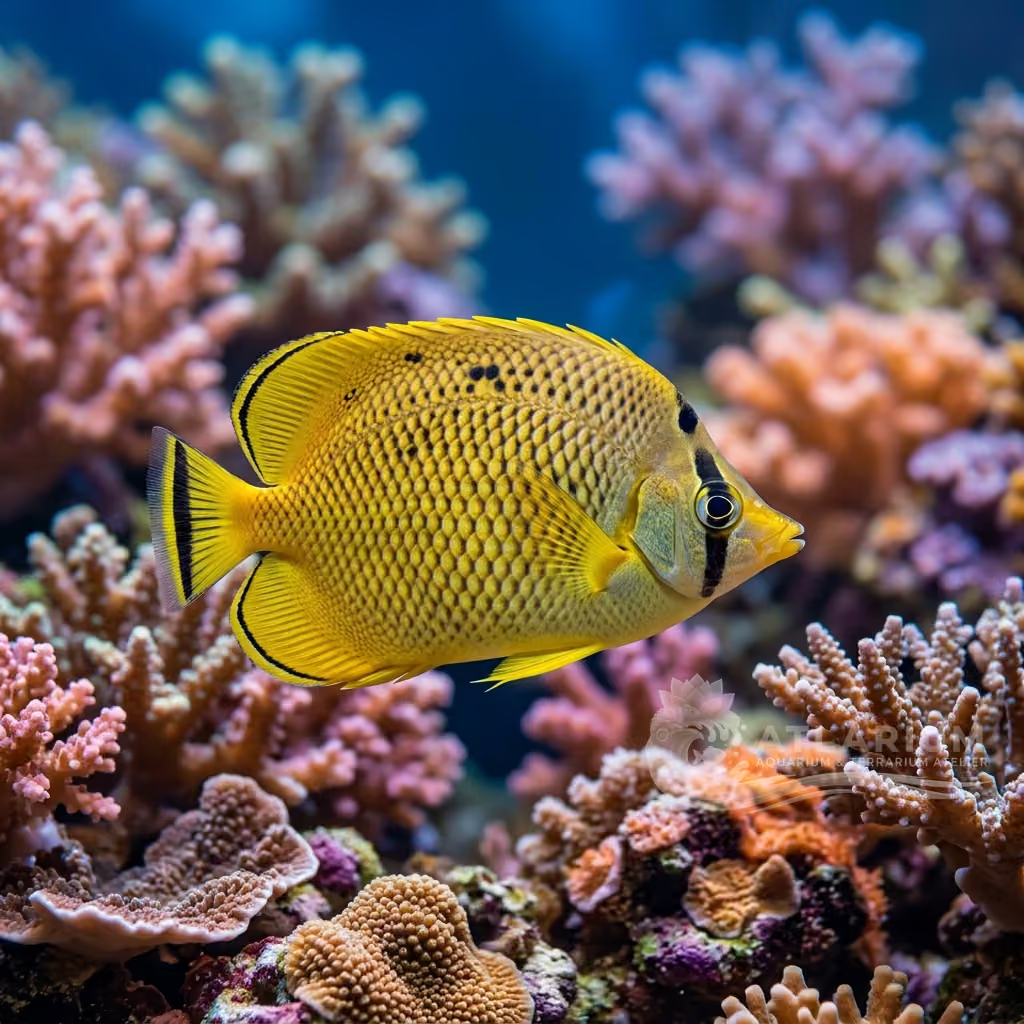
The Yellow-dotted Butterflyfish is a silvery-white marine fish with golden dots and a crescent-shaped tail mark. Best suited for large, mature FOWLR aquariums as it may nip at coral polyps.
Water Temperature
22 - 27 °C
pH Value
8.1 - 8.4
Water type
Marine
Tank level
Bottom and middle
Adult size
16 cm
Minimum tank volume
>= 300 L
Minimum group
>= 1

Species description
Geographical Origin and Habitat: Western Pacific: distributed from Indonesia and the Philippines north to southern Japan and south to the Great Barrier Reef in Australia. It inhabits sheltered coastal reefs, rubble slopes, and deeper seaward reefs at depths of 10 to 40 meters.
Taxonomy and Morphology: A member of the family Chaetodontidae. Features a highly compressed, disc-like body shape with a pointed snout and specialized bristle-like teeth designed for feeding on tiny invertebrates. Grows to a maximum length of about 16.0 cm.
Social Behavior: Diurnal, peaceful, and relatively shy species. Usually observed solitary or swimming in stable adult pairs. It will quickly retreat into rockwork or coral structures if startled. Peaceful towards unrelated fish but may be bullied by aggressive tankmates.
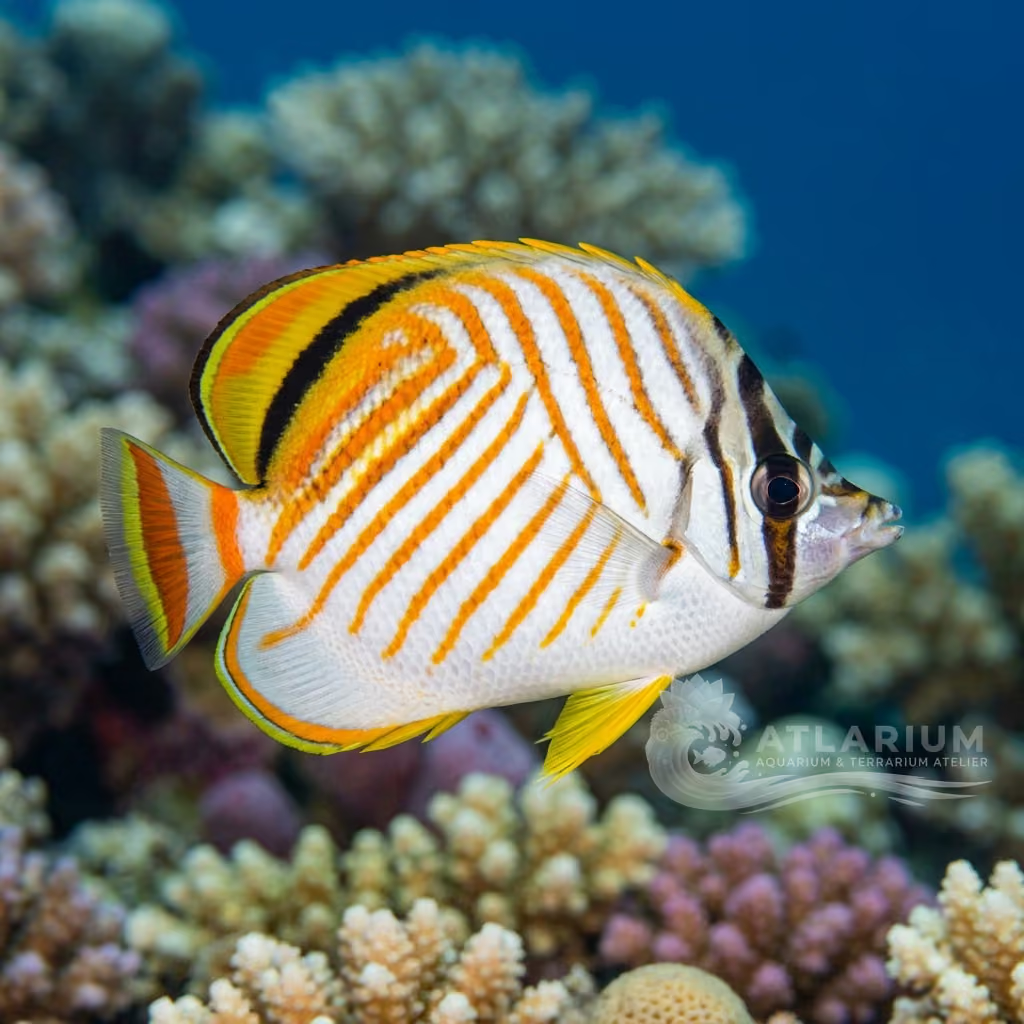
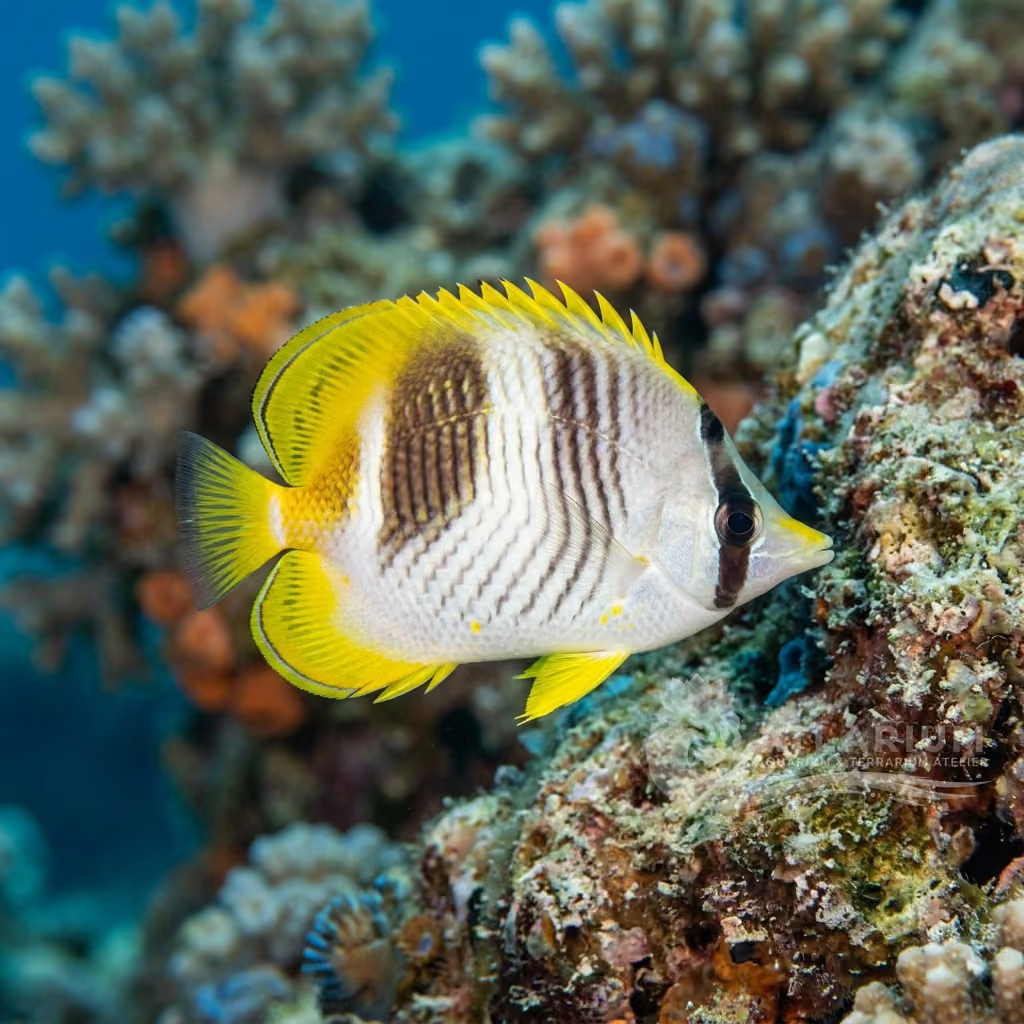
Coloration and Sexual Dimorphism: Features a silvery-white body coloration with diagonal rows of yellow-gold dots on the flanks. A dark black vertical band runs through the eye, and a black crescent-shaped band borders the base of the dorsal and anal fins. Genders look identical.

Care, breeding and tankmates
Aquarium Setup: Requires a mature, well-filtered aquarium of at least 400 liters (approx. 100 gallons). Arrange live rock to form numerous caves, arches, and shaded overhangs where the fish can hide when stressed. Provide open swimming areas.
Diet and Feeding: Omnivorous. In the wild, it feeds on coral polyps, small benthic invertebrates, and algae. In captivity, feed a varied diet of frozen foods like mysis, brine shrimp, finely chopped clam, and krill. Supplement with spirulina-based foods. Feed 2-3 times daily.
Water Quality: Requires stable marine conditions: temperature 24-28°C (75-82°F), pH 8.1-8.4, and specific gravity 1.020-1.025. A powerful protein skimmer and efficient biological filtration are mandatory to keep nitrates and other dissolved organics low.
Compatibility and Cohabitation: Caution in reef aquariums. It is prone to nipping at hard and soft coral polyps, clam mantles, and feather dusters. It is best suited for a fish-only-with-live-rock (FOWLR) aquarium with other peaceful community species.
Aquarium Breeding: Not successfully bred in captivity. They are pelagic broadcast spawners, releasing eggs that float in the water column. The larval stage is complex and long, making captive rearing extremely difficult with standard systems.
Risks and Diseases: Susceptible to marine ich (Cryptocaryon) and velvet (Oodinium) under stressful conditions. A major risk is initial feeding refusal. Using garlic extract or live blackworms can help entice the fish to start feeding.

Geographic origin and distribution
Western Pacific: distributed from Indonesia and the Philippines north to southern Japan and south to the Great Barrier Reef in Australia. It inhabits sheltered coastal reefs, rubble slopes, and deeper seaward reefs at depths of 10 to 40 meters.
Origin
Tropical oceans and reefsSouth and Southeast AsiaEast AsiaAustralia, New Guinea, and Oceania

Fish profile
- Temperament
- Aggressive
- Chaetodon selene has a generally peaceful and shy temperament, making them susceptible to being bullied by more aggressive fish. They spend much of their day actively swimming and investigating rockwork for food. While they are peaceful toward unrelated species, they can show significant territorial aggression toward conspecifics or similar-looking butterflyfish. Providing a stress-free environment with plenty of caves and retreat sites is key to helping them feel secure.
- Diet
- Omnivore
- In the wild, the Yellow-dotted Butterflyfish is an omnivore that feeds on small benthic invertebrates, algae, and occasionally coral polyps. In captivity, they can be difficult to acclimate to prepared foods and require a high-quality, varied diet. Offering live foods such as brine shrimp, blackworms, or fresh clams on the half-shell is often necessary to stimulate their initial feeding response. Once acclimated, they should be fed frozen mysis, enriched brine shrimp, chopped seafood, and vitamin-enriched flakes or pellets containing spirulina.
- Life expectancy
- 7-10 years
- Adult size
- 16 cm
- Sex ratio
- 1:1 ratio
- In their natural habitat, Chaetodon selene typically form monogamous pairs or are seen solitary. In a captive environment, it is best to house them singly unless a confirmed male-female mated pair can be obtained. Keeping multiple individuals of the same sex or adding them at different times can lead to intense territorial aggression, especially in smaller aquariums. If attempting to keep a pair, they should be introduced simultaneously to a spacious tank with plenty of visual barriers.
- Feeding frequency
- Twice daily
- Because of their active nature and relatively small, fast-processing digestive tracts, they should be fed multiple times throughout the day. A schedule of 3 to 4 small feedings daily is highly recommended to ensure they receive adequate nutrition and maintain their weight. Finicky individuals may require frequent, smaller offerings of live or frozen foods to prevent starvation during the acclimation phase. Automated feeders can be useful for dry foods once the fish has transitioned, but fresh and frozen foods remain essential.
- Bioload
- Medium
- The Yellow-dotted Butterflyfish reaches a size of up to 16 cm and is an active swimmer with a high metabolic rate, leading to a medium biological load on the aquarium filtration system. It requires a robust filtration setup, ideally including a high-capacity protein skimmer and efficient biological filtration to maintain low nutrient levels. Regular water changes and carbon filtration are highly recommended to ensure pristine water conditions and prevent stress-related illnesses.
- Flow
- Strong
- The Yellow-dotted Butterflyfish prefers a moderate water flow in the aquarium, mimicking the coastal reefs and rubble slopes they naturally inhabit. The current should be strong enough to ensure high oxygenation and clean water but not so powerful that it makes swimming difficult or creates excessive turbulence. Creating zones of varying flow rates allows the fish to choose between swimming in currents and resting in calmer areas. Adequate water movement also helps keep organic debris suspended, preventing waste buildup around the rockwork.
- Jump risk
- Yes
- Although not classified as high-risk jumpers compared to wrasses or gobies, the Yellow-dotted Butterflyfish can jump when startled or chased by tank mates. They are sensitive to sudden changes in lighting or activity outside the tank, which can cause them to leap in panic. A secure, tight-fitting lid or mesh screen is essential to prevent accidental jumps and escape. Ensuring a calm environment and providing plenty of rocky hiding places will also minimize startle behaviors.
- Reproduction
- Oviparous
- In the wild, Chaetodon selene are oviparous broadcast spawners that form monogamous breeding pairs and release pelagic eggs into the open ocean. However, reproducing this species in a home aquarium is exceptionally difficult and virtually unrecorded due to their complex larval stages. The pelagic larvae drift in water currents, requiring specialized planktonic foods that are very hard to culture in captivity. Currently, all specimens available in the aquarium hobby are wild-caught.
- Compatibility & tankmates
- Peaceful
- The Yellow-dotted Butterflyfish is generally compatible with peaceful reef-fish or other community-tank inhabitants, but they are not considered safe for reef aquariums containing corals and ornamental invertebrates. They may pick at coral polyps, feather dusters, sea anemones, and clams. Good tank mates include peaceful species like anthias, cardinalfish, clownfish, and small wrasses. Aggressive or dominant fish like large tangs or large angels should be avoided to prevent stress and competition for food.
- Tank level
- Middle/Bottom
- This species is bentho-pelagic, naturally inhabiting coastal reefs and rubble slopes at depths ranging from 8 to 50 meters. In the home aquarium, they are active swimmers that utilize all levels of the water column but spend most of their time in the bottom and middle zones. They actively forage along the substrate and live rock, searching for small invertebrates and organic matter. Providing a combination of open swimming space and structured rockwork will encourage natural vertical movement.

Scientific Parameters & Models
FishBase
Window to the official scientific data of the species
FishBase v25.04Data synced on: 06/15/2026
- Trophic level
- 2.7 ± 0.24 se
- Resilience
- High (less than 15 months)
- Phylogenetic uniqueness (PD50)
- 0.5
- Bayesian Length-Weight
- a = 0.02291, b = 3
- VulnerabilityLow vulnerability (10 / 100)

Related species
Recommendations grouped by close relatives, companion choices, and similar care.