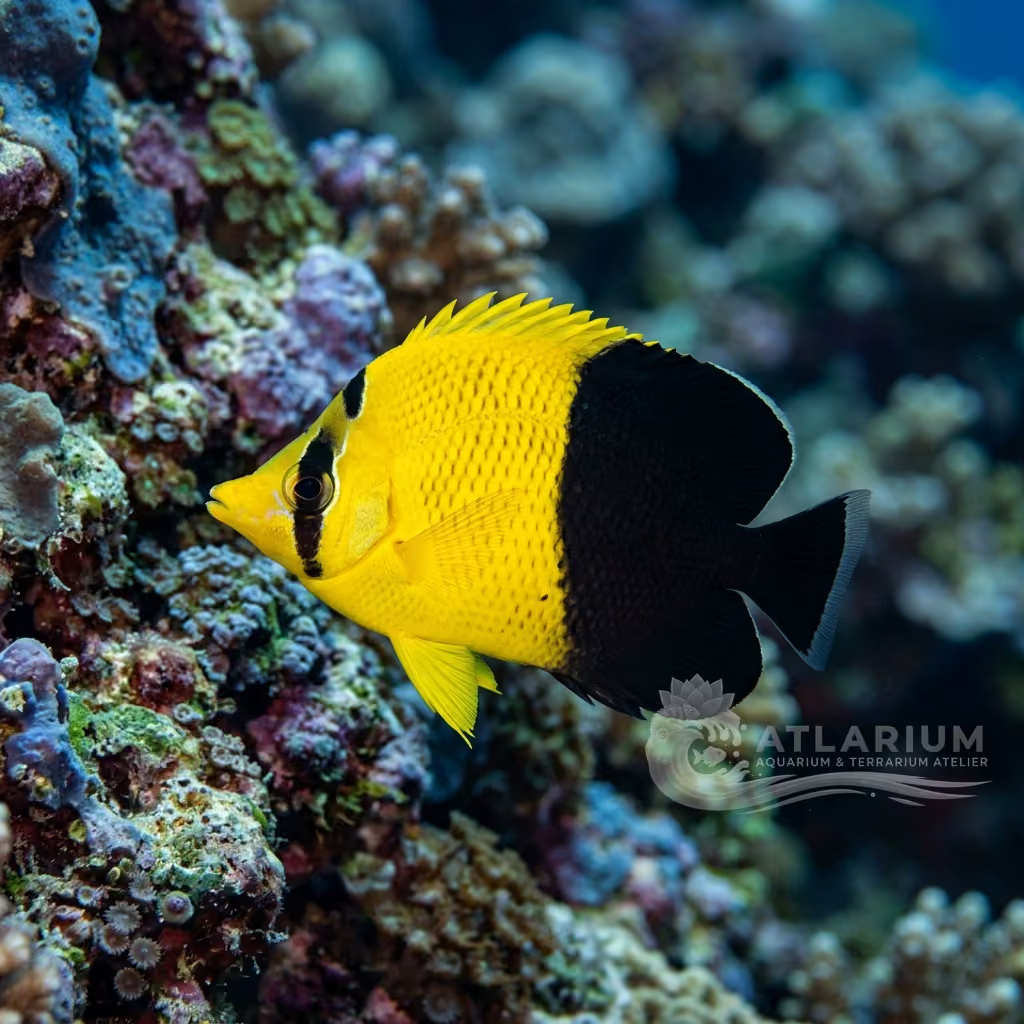
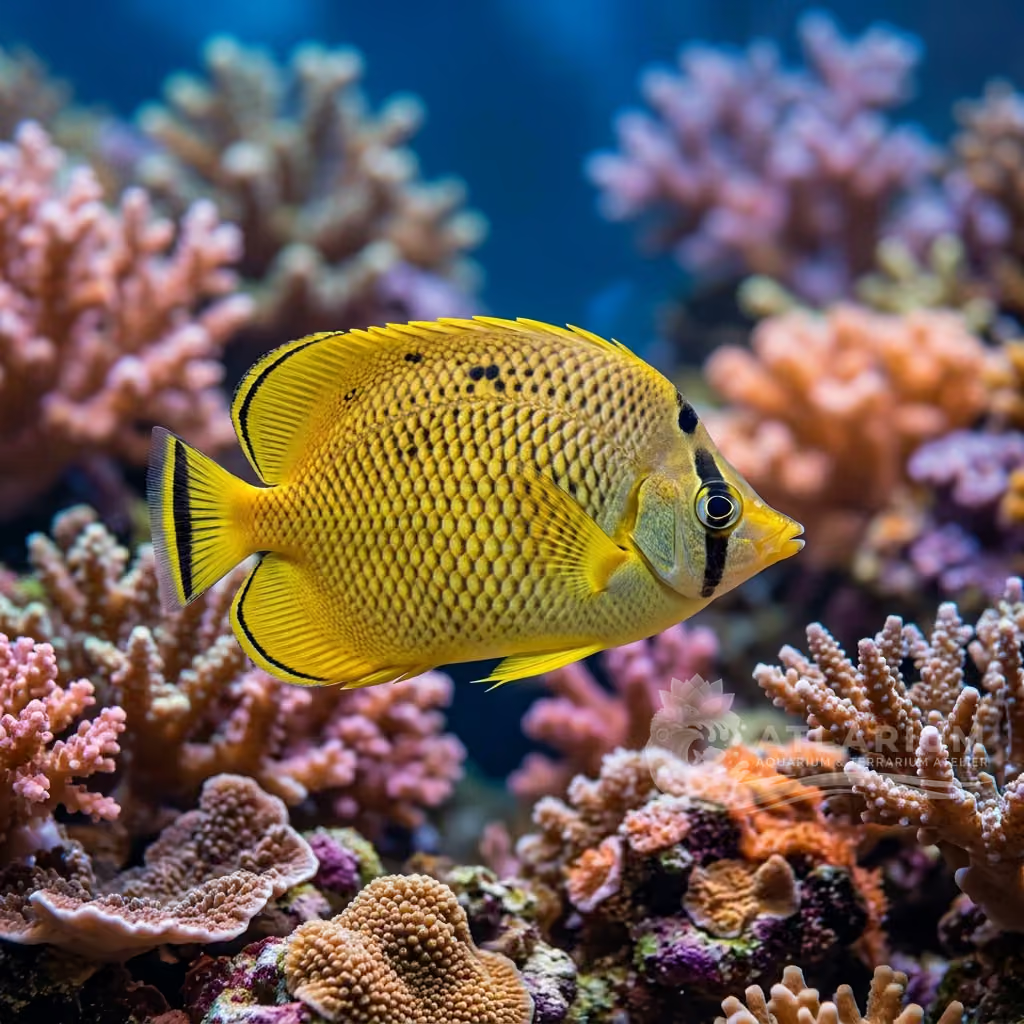
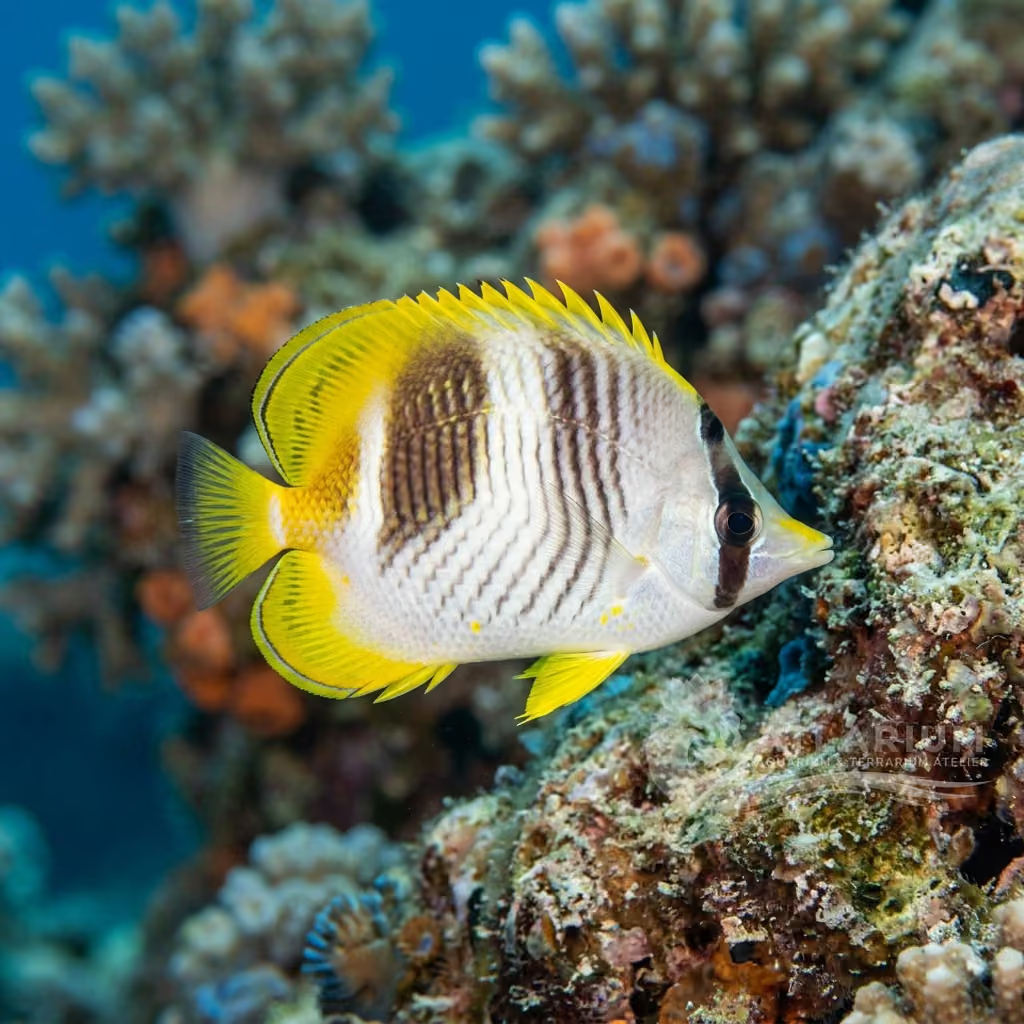
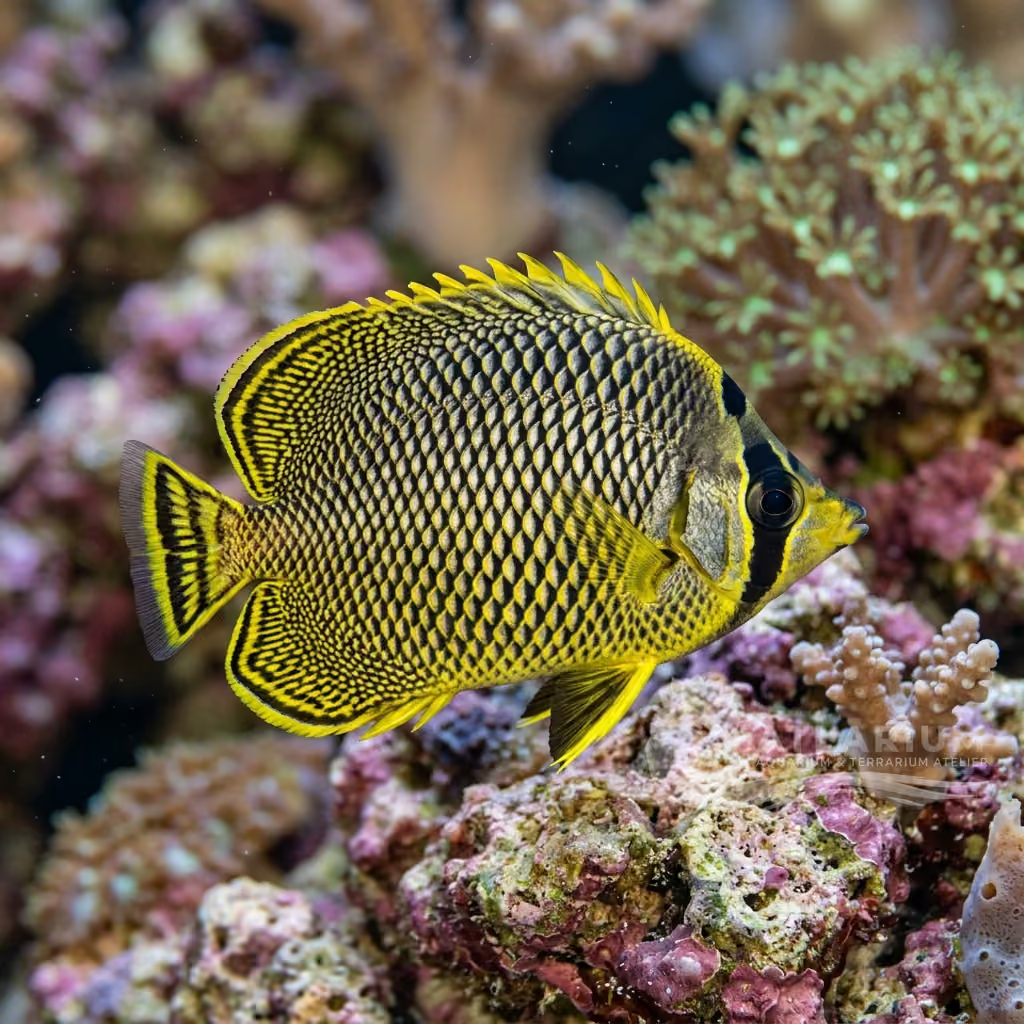
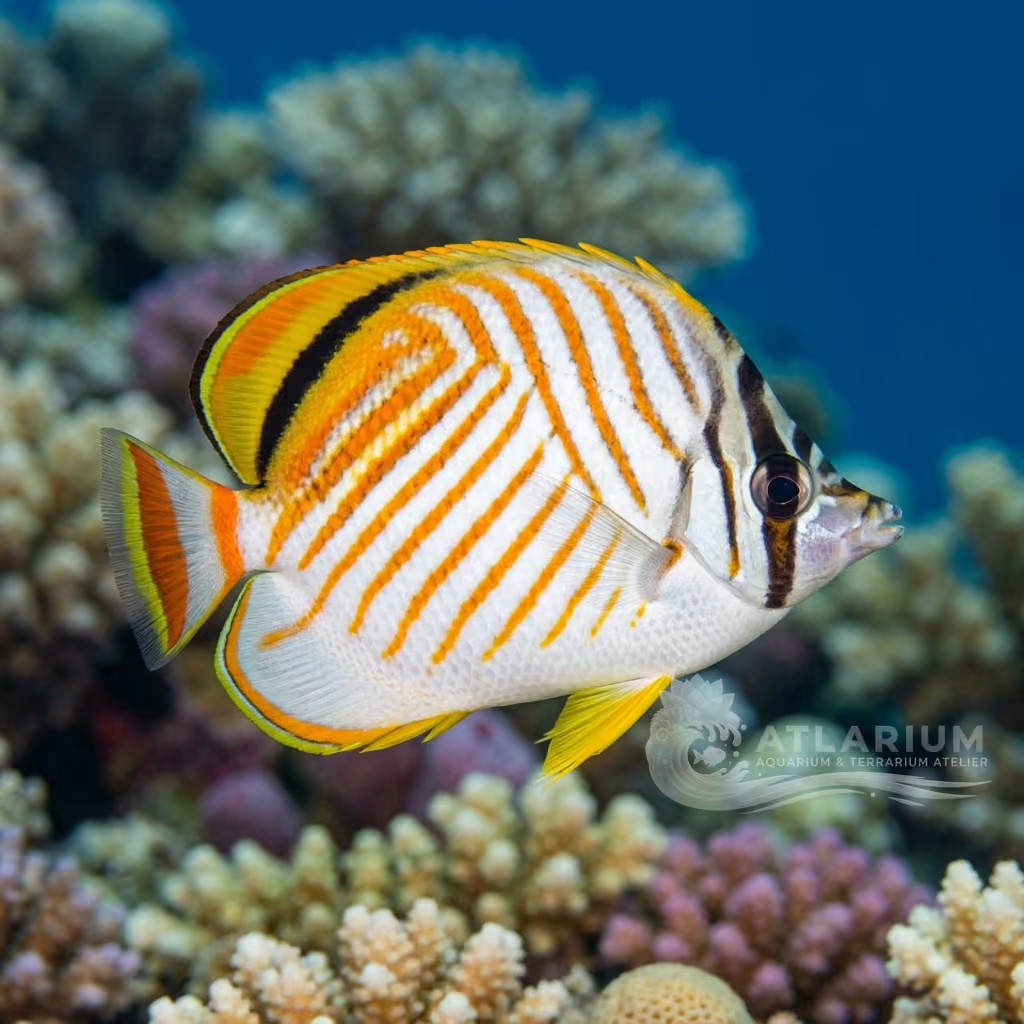
Three-banded butterflyfish
Chaetodon robustus
A rare Eastern Atlantic species, this striking butterflyfish features three bold vertical dark bands on a silvery-grey body. It requires a mature aquarium and careful dietary acclimation.
Water Temperature
20 - 26 °C
pH Value
8.1 - 8.4
Water type
Marine
Tank level
Bottom and middle
Adult size
14.5 cm
Minimum tank volume
>= 300 L
Minimum group
>= 1
KH
8 - 12 dKH

Species description
Geographical Origin and Habitat: Chaetodon robustus is native to the tropical waters of the Eastern Atlantic Ocean. Its geographic range extends along the western coast of Africa, encompassing coastal areas from Mauritania and Senegal south to the Gulf of Guinea, including the Cape Verde Islands and São Tomé. It inhabits shallow rocky reefs, isolated coral outcrops, and detrital hard bottoms at depths ranging from 10 to 70 meters, where water currents are constant.
Taxonomy and Morphology: This species belongs to the family Chaetodontidae. It features a high, laterally compressed body with a pointed snout that ends in a small mouth equipped with brush-like teeth, which are ideal for scraping small organisms from rock crevices. Adults reach a maximum length of 14-15 cm. The dorsal fin is supported by robust, sharp spines that serve as a strong defense mechanism against potential predators.
Social Behavior: In the wild, it is primarily a solitary species, though it can be found in stable pairs during the breeding season. It displays a shy and cautious behavior, constantly foraging near the rocky substrate. In captivity, it exhibits strong intraspecific aggression, making it difficult to keep more than one specimen per tank, while it generally ignores other non-aggressive fish species.
Coloration and Sexual Dimorphism: The body coloration consists of silvery-grey to light brown tones. It is characterized by three prominent dark brown to black vertical bands: the first band runs through the eye as a mask, the second is positioned mid-body, and the third extends across the posterior portion of the body onto the caudal peduncle. The posterior edges of the dorsal and anal fins feature a thin orange or bright yellow stripe.

Care, breeding and tankmates
Aquarium Setup: Requires a mature and spacious marine aquarium of at least 250 liters for a single specimen. The tank should be designed with a substantial amount of mature live rock, creating deep crevices and caves where the fish can retreat when startled, while still leaving ample open space for active swimming. Moderate lighting and a highly efficient filtration system with a protein skimmer are essential.
Diet and Feeding: Feeding is the primary challenge when keeping this species, as it may initially refuse commercial foods. In nature, it feeds on coral polyps, small benthic invertebrates, worms, and algae. In the aquarium, stimulate its appetite using live foods (such as brine shrimp or blackworms), gradually transitioning to high-quality frozen foods (mysis, krill, clams, and sponge-based formulas) and flakes.
Water Quality: Maintain clean and stable water parameters: temperature between 22 and 26 °C, pH 8.1-8.4, specific gravity 1.020-1.025, and KH 8-12. This species is highly sensitive to the accumulation of nitrates and phosphates, which can weaken its immune system. Frequent partial water changes and the active use of activated carbon are strongly recommended.
Compatibility and Cohabitation: It is not considered 100% reef safe, as it will likely nip at and consume the polyps of stony corals (both SPS and LPS) and small sessile invertebrates. It is best suited for FOWLR (Fish Only With Live Rock) systems or reef tanks containing unpalatable soft corals. Good tankmates include peaceful, medium-sized fish such as tangs, wrasses, and clownfish.
Aquarium Breeding: Breeding this species in captivity has not been achieved in home aquariums. In the wild, Chaetodon robustus is a pelagic spawner: pairs rise into the water column to release eggs and sperm simultaneously. The fertilized eggs drift with ocean currents, and the larvae undergo a long planktonic stage before settling onto the reef substrate as juveniles.
Risks and Diseases: The primary health risks are associated with transport stress and acclimation difficulties. It is highly susceptible to parasitic diseases such as marine ich (Cryptocaryon) and velvet (Amyloodinium). In addition, starvation due to food refusal is a common cause of failure. A dedicated quarantine period and using food attractants are highly recommended for new imports.

Geographic origin and distribution
Chaetodon robustus is native to the tropical waters of the Eastern Atlantic Ocean. Its geographic range extends along the western coast of Africa, encompassing coastal areas from Mauritania and Senegal south to the Gulf of Guinea, including the Cape Verde Islands and São Tomé. It inhabits shallow rocky reefs, isolated coral outcrops, and detrital hard bottoms at depths ranging from 10 to 70 meters, where water currents are constant.
Origin
Tropical oceans and reefsAfrica and Madagascar

Fish profile
- Temperament
- Territorial
- This butterflyfish is generally peaceful toward most tank mates, making it a great addition to community tanks. However, they can show territorial behavior toward other butterflyfish or species with similar shapes and coloration. Providing ample hiding spots and introducing them to the aquarium simultaneously can help minimize potential aggression.
- Diet
- Omnivore
- As omnivores, their natural diet consists of algae, polychaetes, hydroids, and small crustaceans. In the aquarium, they should be offered a varied diet of high-quality frozen foods like mysis, brine shrimp, and finely chopped seafood. Supplementing their meals with spirulina-enriched flakes or nori is also recommended to satisfy their herbivorous needs.
- Life expectancy
- 8-10 years
- Adult size
- 14.5 cm
- Sex ratio
- 1:1 ratio
- In their natural habitat, these fish are typically found singly or in breeding pairs. In an aquarium setting, they are best kept individually or as an established male-female pair. Attempting to keep multiple individuals of the same species or similar looking butterflyfish in a single tank may result in territorial aggression unless the aquarium is exceptionally large.
- Feeding frequency
- Twice daily
- The Three-banded Butterflyfish has a relatively high metabolic rate and should be fed small portions two to three times daily. Regular feeding helps maintain their energy levels and mimics their natural foraging behavior. Feeding smaller amounts multiple times also prevents excess food from decaying and affecting water quality.
- Bioload
- Medium
- The Three-banded Butterflyfish has a medium biological waste footprint due to its active lifestyle and requirement for regular, meaty feeds. To manage this waste and maintain pristine water conditions, a robust filtration system equipped with a powerful protein skimmer is highly recommended. Regular water changes and a well-maintained biological filter are necessary to prevent nitrate accumulation.
- Flow
- Strong
- This species prefers moderate to strong water currents, reflecting the dynamic reef environments of their native West African waters. Good water flow encourages natural swimming behavior, aids in oxygenation, and keeps detritus suspended for filtration. Aquarists should use powerheads to create gentle, varied flow patterns throughout the tank.
- Jump risk
- Yes
- While not known as notorious jumpers like wrasses, the Three-banded Butterflyfish can easily jump if startled or chased by tank mates. Sudden changes in lighting or activity outside the tank can cause them to dart upward in panic. A secure, tight-fitting lid or mesh cover is essential to prevent accidental jumps.
- Reproduction
- Oviparous
- Breeding this species in captivity is extremely difficult and has not been reliably accomplished in home aquaria. In nature, they are broadcast spawners that release pelagic eggs into the water column to drift with the current. Replicating the larval feeding requirements and water quality necessary for survival remains a significant challenge.
- Compatibility & tankmates
- Peaceful
- While highly compatible with peaceful or semi-aggressive fish like tangs and clownfish, this species is not considered reef-safe. They will readily nip at corals, anemones, and small decorative invertebrates. Therefore, they are best suited for a dedicated fish-only with live rock (FOWLR) system.
- Tank level
- Middle/Bottom
- This species is an active swimmer that primarily frequents the middle and bottom-middle regions of the aquarium. They spend much of their time foraging around rockwork for food but also require plenty of open space to swim. Designing the tank with both rocky structures and clear open areas will ensure they occupy and utilize these levels comfortably.

Scientific Parameters & Models
FishBase
Window to the official scientific data of the species
FishBase v25.04Data synced on: 06/15/2026
- Trophic level
- 3.3 ± 0.6 se
- Resilience
- High (less than 15 months)
- Phylogenetic uniqueness (PD50)
- 0.5
- Bayesian Length-Weight
- a = 0.02291, b = 3
- VulnerabilityLow vulnerability (10 / 100)

Related species
Recommendations grouped by close relatives, companion choices, and similar care.