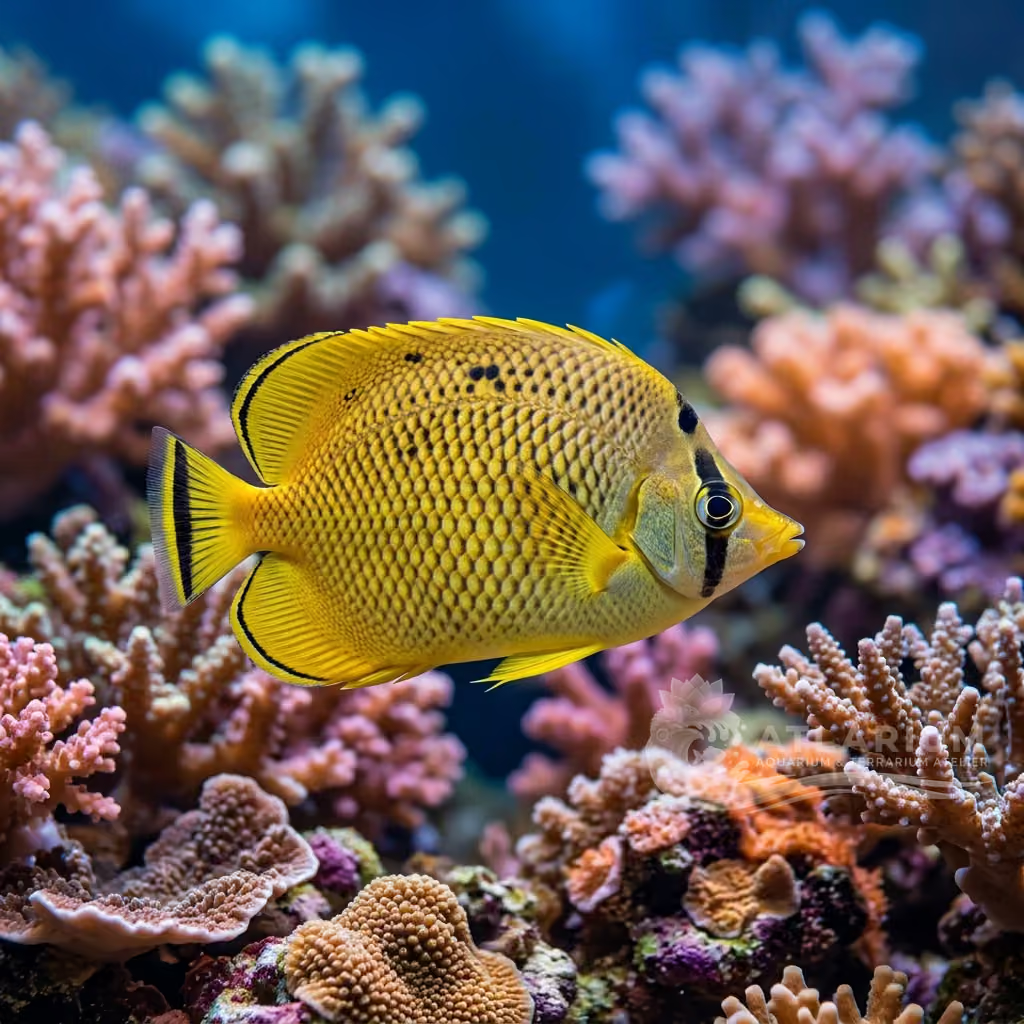
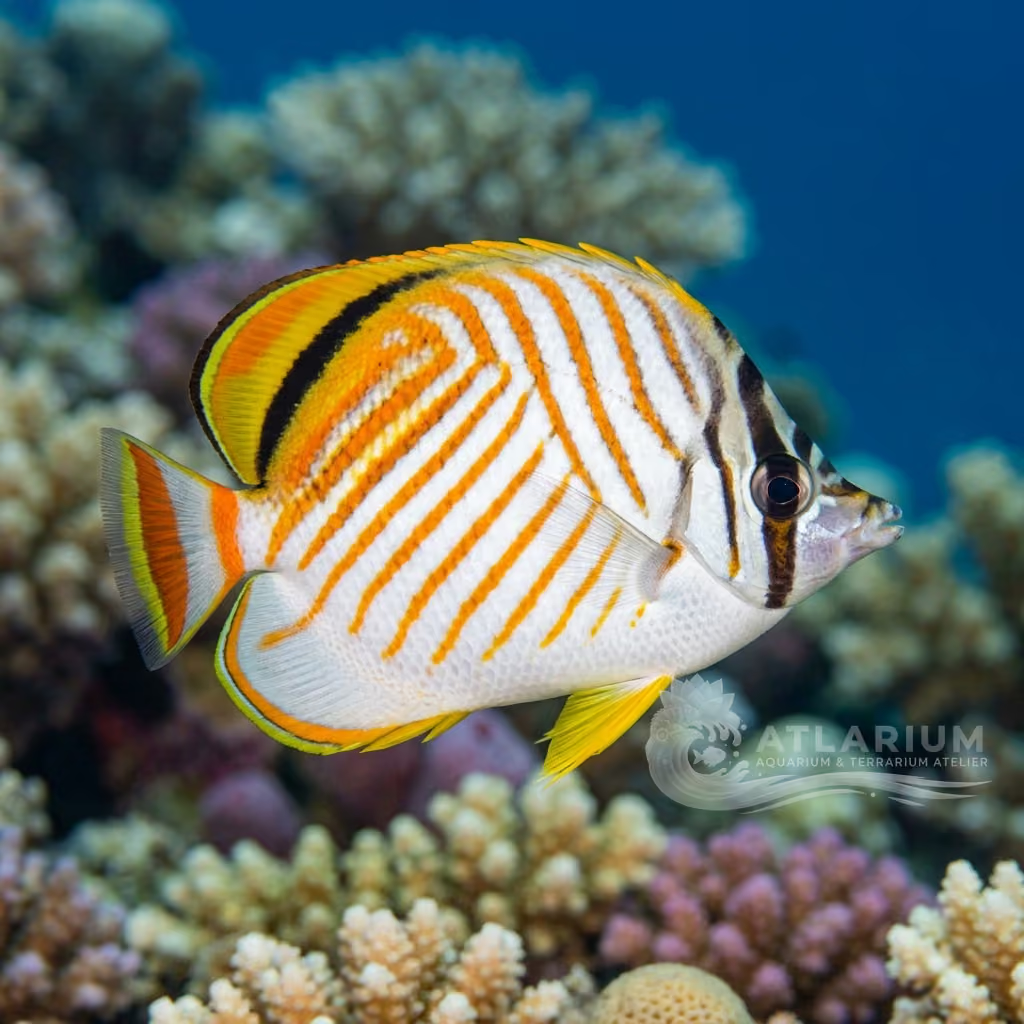
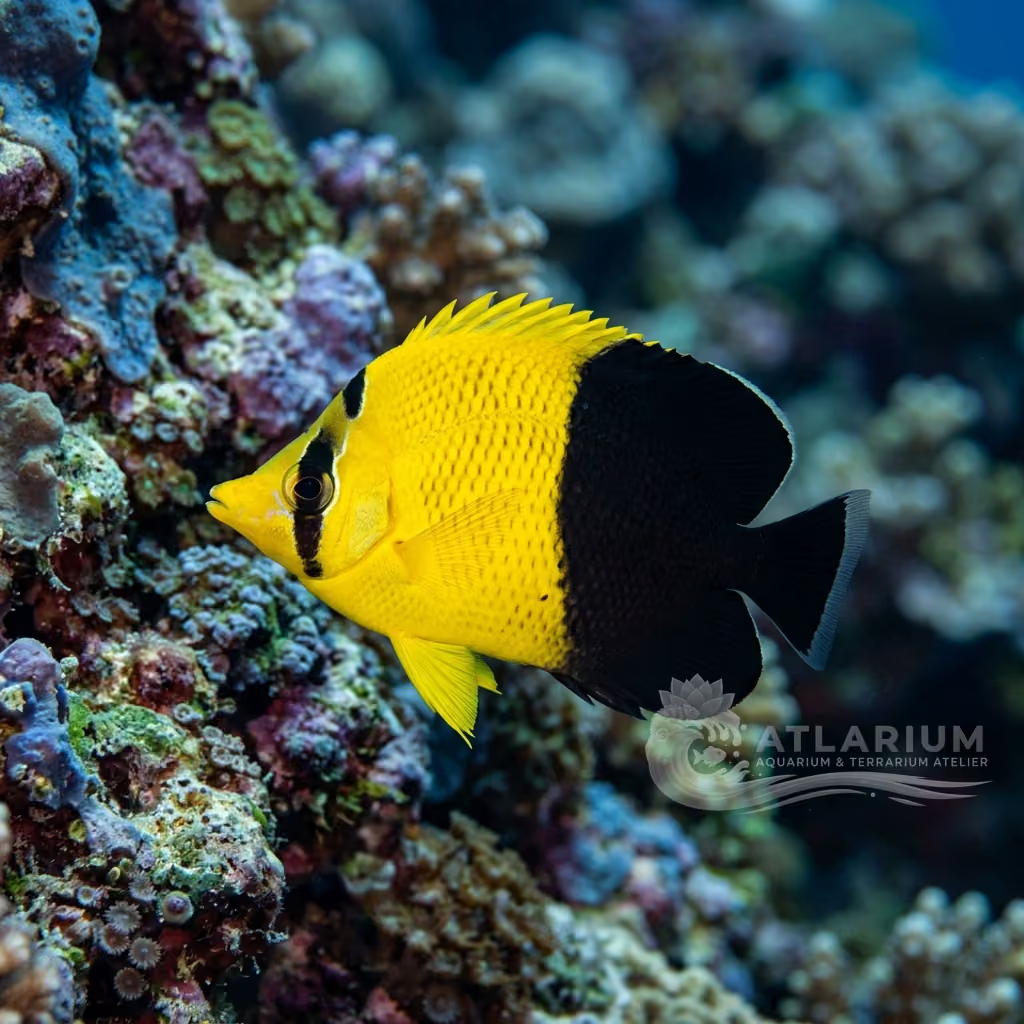
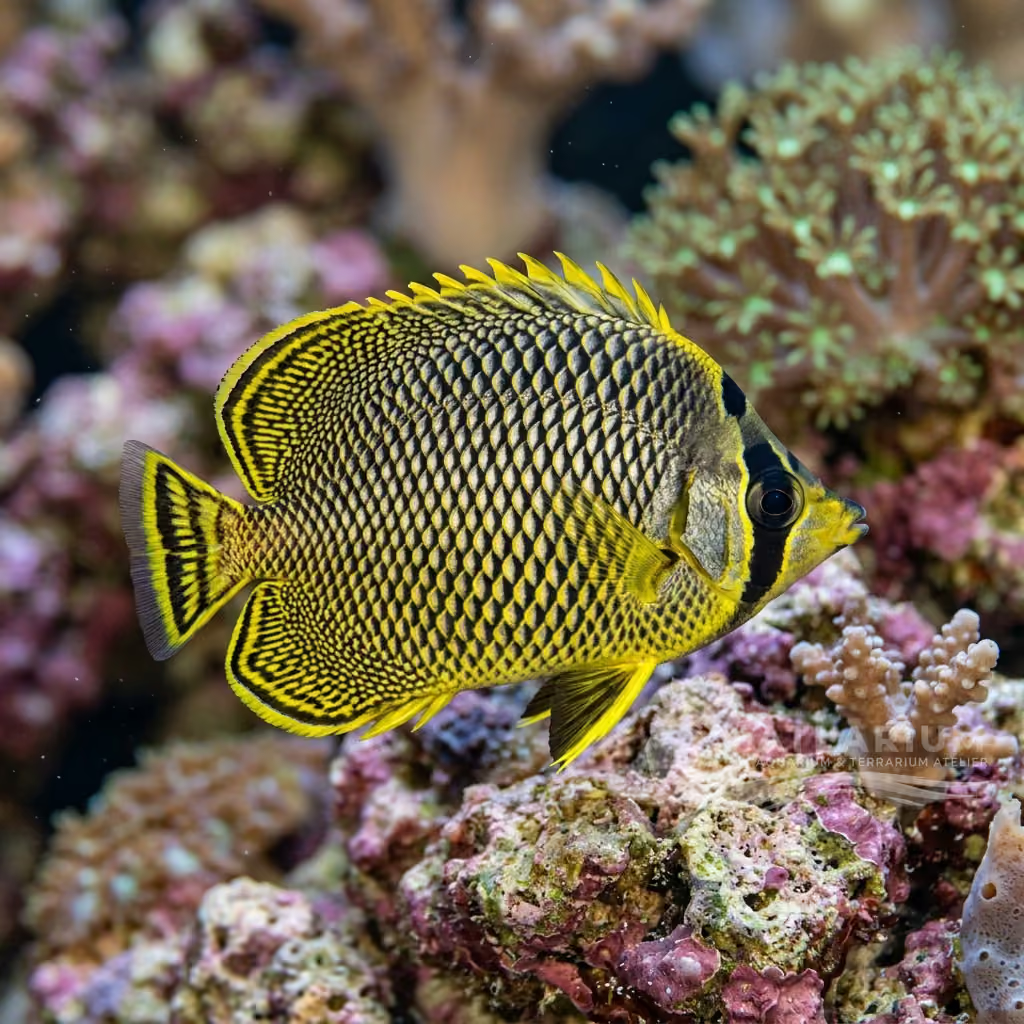
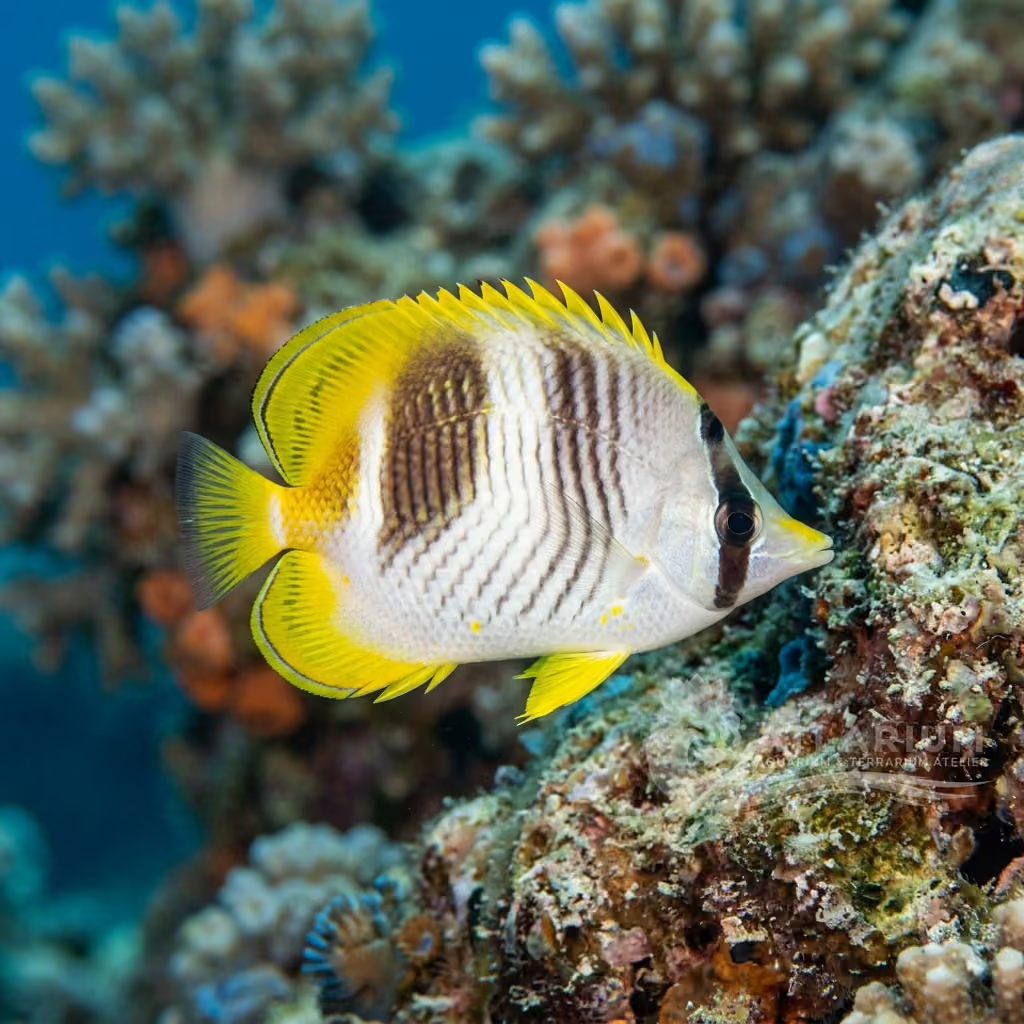
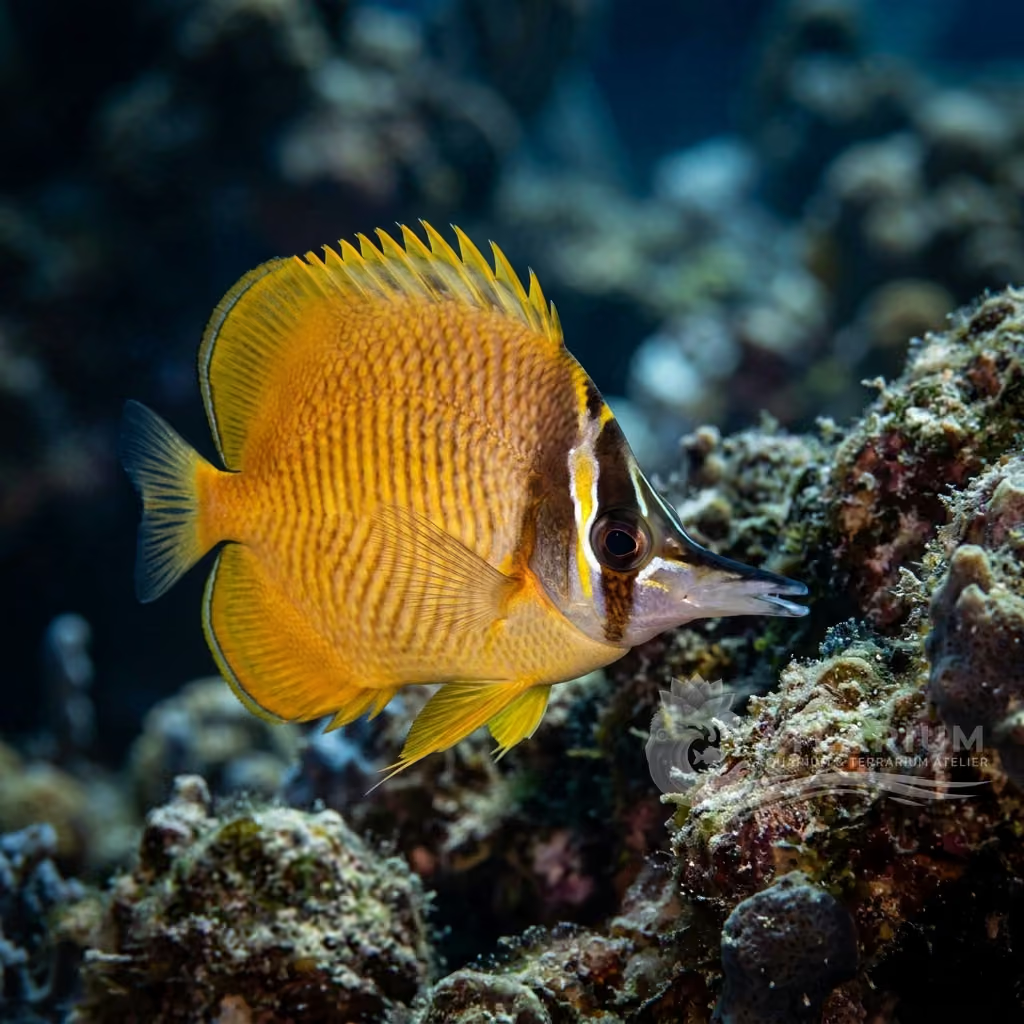
Redfin Butterflyfish
Chaetodon trifasciatus
A spectacular but exceptionally difficult butterflyfish that feeds exclusively on live coral polyps, requiring highly specialized public or expert aquariums.
Water Temperature
22 - 27 °C
pH Value
8.1 - 8.4
Water type
Marine
Tank level
All levels
Adult size
15 cm
Minimum tank volume
>= 300 L
Minimum group
>= 1

Species description
Geographical Origin and Habitat: Widely distributed in tropical coral reefs of the Indo-Pacific, from the East African coast to the Hawaiian Islands. It mainly inhabits coral-rich lagoons and shallow seaward reefs, at depths between 2 and 20 meters, in areas with lush stony coral growth.
Taxonomy and Morphology: Belongs to the family Chaetodontidae, genus Chaetodon. Features an oval-shaped, highly laterally compressed body, with a short, pointed snout equipped with brush-like teeth. Reaches a maximum size of about 15 centimeters as an adult, displaying a very elegant profile.
Social Behavior: Monogamous species that lives almost exclusively in stable pairs for life. The partners swim closely together and explore the reef in search of food. They show strong territorial aggression towards conspecifics and other butterflyfish with similar feeding habits.
Coloration and Sexual Dimorphism: Boasts a gorgeous coloration: bright yellow-orange body with thin horizontal blue-purple stripes on the sides. Features a black vertical band running through the eye, another black band on the nape, and anal and caudal fins shaded with intense orange-red. No visible sexual dimorphism.

Care, breeding and tankmates
Aquarium Setup: Requires a large aquarium of at least 300 liters, set up as a true reef tank with a massive growth of live stony corals. Needs plenty of open swimming space and rockwork arranged to create shelters and shaded areas.
Diet and Feeding: It is an obligate corallivore, meaning that in the wild it feeds almost exclusively on the polyps of live corals (especially Acropora and Pocillopora). In the aquarium, it almost always refuses traditional dry or frozen foods. Keeping this species requires the continuous supply of live coral colonies to feed on, making it nearly impossible to maintain long-term in standard home aquariums.
Water Quality: Requires pristine and stable water conditions, typical of a stony coral reef tank: temperature between 24 and 28 °C (75-82 °F), pH 8.1-8.4, and specific gravity stable at 1.020-1.025. Strong protein skimming, intense water movement, and active carbon filtration are essential.
Compatibility and Cohabitation: Very peaceful towards fish of other families (tangs, gobies, damselfish). It is absolutely not compatible with reef aquariums where stony corals are to be preserved, as they will be damaged or eaten. Avoid housing with other conspecifics or similar butterflyfish.
Aquarium Breeding: Breeding in aquariums is not documented and is considered impossible due to the extreme difficulties of maintaining and feeding the species, as well as the planktonic larvae that require specific nutrients.
Risks and Diseases: The risk of starvation (death by hunger) is nearly 100% in standard marine aquariums. This species is suitable only for public aquaria or advanced specialists who have coral cultivation systems to feed the fish. Very sensitive to skin parasites (Ich, Oodinium).

Geographic origin and distribution
Widely distributed in tropical coral reefs of the Indo-Pacific, from the East African coast to the Hawaiian Islands. It mainly inhabits coral-rich lagoons and shallow seaward reefs, at depths between 2 and 20 meters, in areas with lush stony coral growth.
Origin
Tropical oceans and reefsAfrica and Madagascar

Fish profile
- Temperament
- Territorial
- This species is generally peaceful toward most tankmates but can exhibit territorial behavior toward similar butterflyfish species. They are active, diurnal fish that spend their day grazing and swimming. They may defend their feeding territories, especially against conspecifics, but will ignore unrelated peaceful fish.
- Diet
- Corallivore
- The Redfin Butterflyfish is an obligate corallivore, meaning its natural diet consists almost entirely of live coral polyps, particularly from *Pocillopora* species. In captivity, they are notoriously difficult to feed, as they often refuse prepared foods and will starve. Success is rare and typically requires a constant supply of live corals or labor-intensive acclimation to gel foods and specialized pastes.
- Life expectancy
- 5-8 years
- Adult size
- 15 cm
- Sex ratio
- 1:1 ratio
- In the wild, *Chaetodon trifasciatus* is strictly monogamous and is almost always found in bonded pairs. In captivity, they should either be kept as a single individual or as an established male-female pair. Attempting to keep multiple specimens together without a confirmed pair bond can lead to intense intra-species aggression, particularly in smaller systems.
- Feeding frequency
- Twice daily
- Because they are constant grazers in nature, they should be fed multiple times throughout the day if they have been successfully transitioned to prepared foods. Feeding them three to four small meals daily is recommended to maintain their energy levels and body weight. If they rely on live corals, they need continuous access to healthy coral colonies.
- Bioload
- Medium
- The Redfin Butterflyfish produces a moderate amount of biological waste, but it requires exceptionally pristine water quality to survive. A high-efficiency protein skimmer, strong biological filtration, and frequent partial water changes are essential to keep nutrient levels near zero. Any accumulation of nitrate or organic waste will quickly stress this sensitive species, making robust filtration a priority.
- Flow
- Strong
- This butterflyfish prefers moderate to strong water flow, reflecting its natural coral reef habitat. Adequate water movement helps maintain high oxygen levels and clean water, which are vital for its health. Powerheads and wavemakers should be used to simulate reef currents while leaving some calmer areas for resting.
- Jump risk
- Yes
- Although they are not notorious jumpers compared to some other marine species, the Redfin Butterflyfish is active and can easily leap out of the tank if startled. Sudden changes in lighting or aggression from tankmates can cause them to dart upwards. A secure, tight-fitting lid or mesh cover is highly recommended to prevent accidental escapes.
- Reproduction
- Oviparous
- Breeding *Chaetodon trifasciatus* in captivity is exceptionally difficult and has not been successfully achieved in home aquariums. They are broadcast spawners that release their gametes into the water column during courtship rituals. The complex pelagic larval stage and their specialized diet make rearing the offspring virtually impossible with current methods.
- Compatibility & tankmates
- Peaceful
- Due to their obligate corallivorous diet, they are completely unsafe for reef aquariums, as they will quickly consume stony corals and damage soft corals or clams. They are compatible with peaceful, non-aggressive fish of similar size, such as tangs, wrasses, and gobies. They should not be housed with aggressive tankmates that might outcompete them for food or stress them.
- Tank level
- All levels
- This active species is primarily an open-water swimmer that utilizes all levels of the aquarium, though it spends much of its time in the middle and upper zones. It requires ample open swimming space to behave naturally, along with a complex structure of live rock. The fish will constantly weave in and out of rockwork in search of food while staying in the water column.

Scientific Parameters & Models
FishBase
Window to the official scientific data of the species
FishBase v25.04Data synced on: 06/15/2026
- Trophic level
- 3.3 ± 0.6 se
- Resilience
- High (less than 15 months)
- Generation time
- 0.8 years
- Phylogenetic uniqueness (PD50)
- 0.5
- Bayesian Length-Weight
- a = 0.02344, b = 3.05
- VulnerabilityLow vulnerability (10 / 100)

Related species
Recommendations grouped by close relatives, companion choices, and similar care.