Saddleback Butterflyfish
Chaetodon falcula
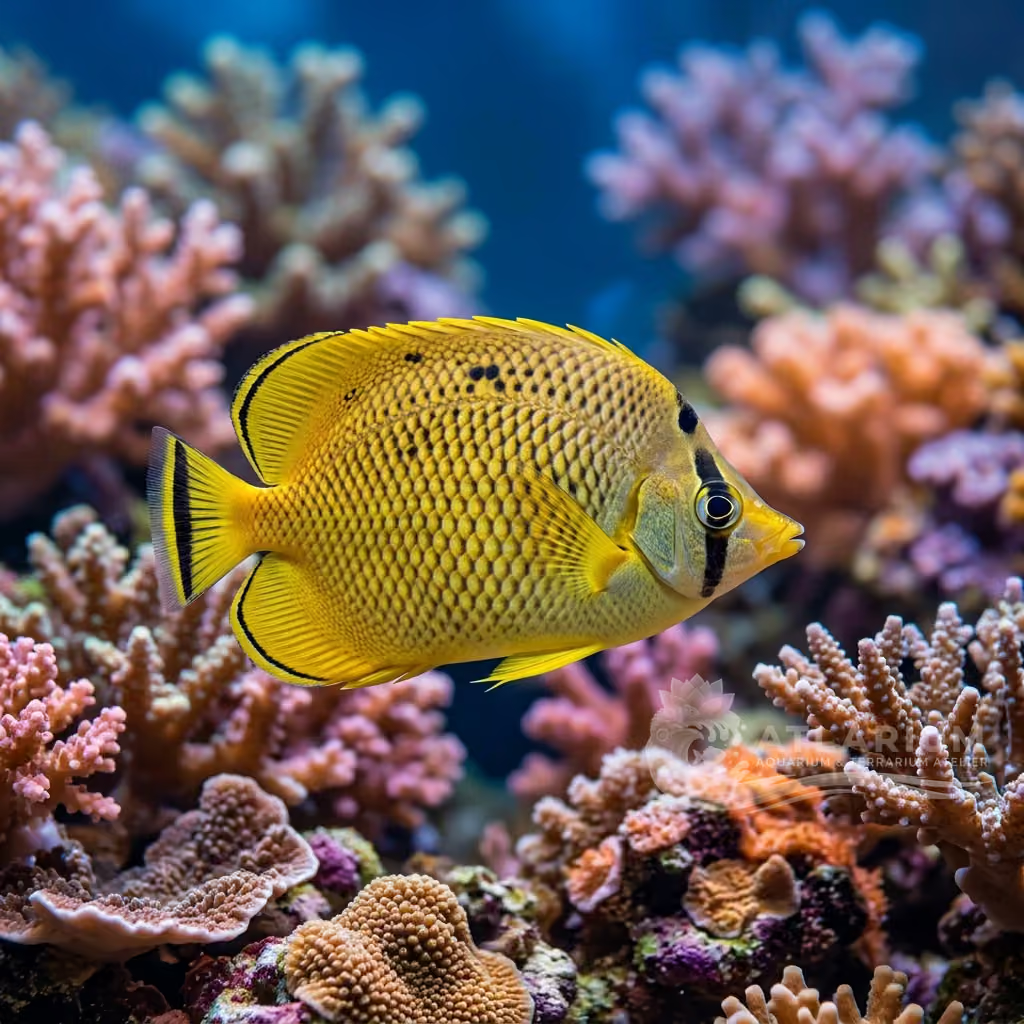
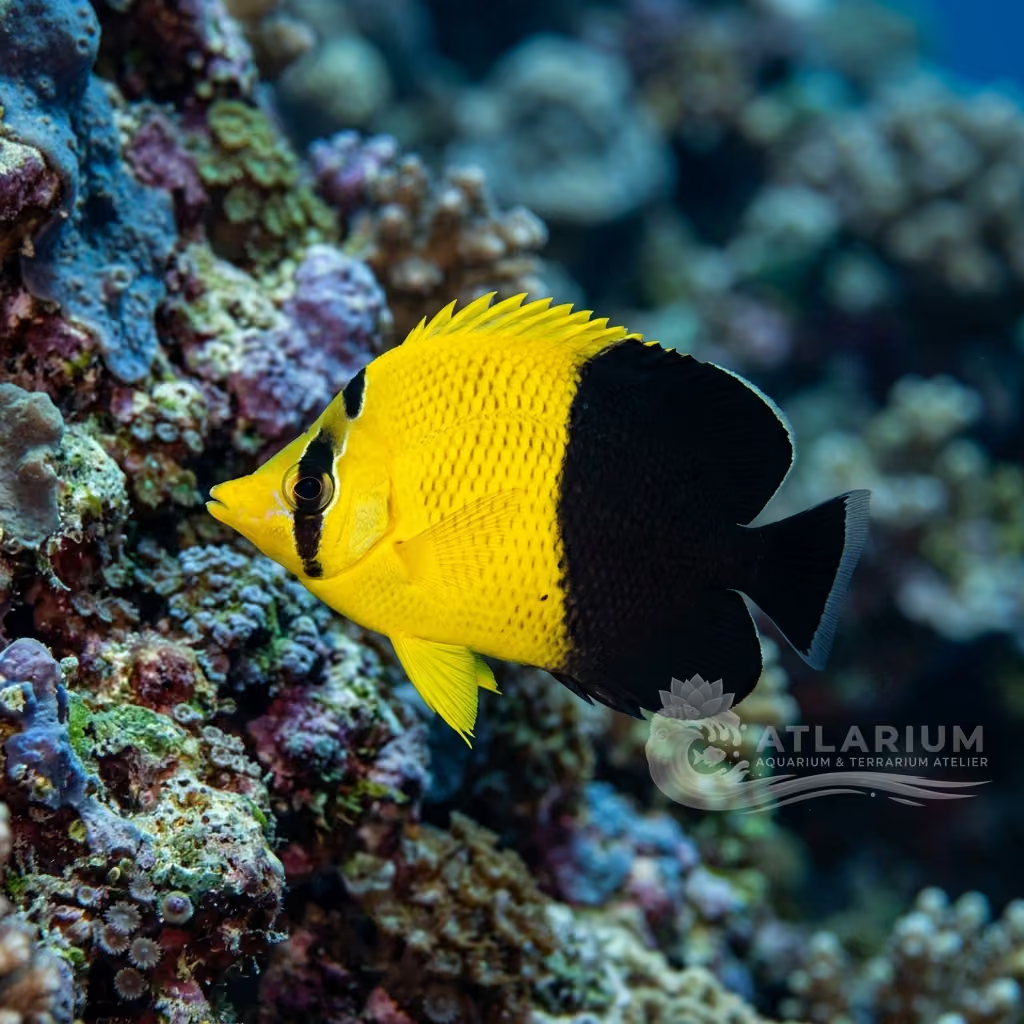
A stunning Indo-Pacific marine fish featuring a bright yellow body and two distinct black saddle-like markings. This species is an omnivorous coral-feeder and not reef-safe.
Water Temperature
22 - 27 °C
pH Value
8.1 - 8.4
Water type
Marine
Tank level
All levels
Adult size
20 cm
Minimum tank volume
>= 350 L
Minimum group
>= 1

Species description
Geographical Origin and Habitat: Indo-West Pacific: distributed from East Africa to Indonesia and the Western Pacific islands. It inhabits sandy lagoons, reef flats, and outer seaward slopes down to a depth of 20 meters, typically associating with rich coral growths, particularly Acropora species.
Taxonomy and Morphology: A member of the family Chaetodontidae. Features a highly compressed, disc-like body shape with a prominent, pointed snout ending in a small mouth adapted to nipping coral polyps and extracting tiny invertebrates from crevices. Grows to a maximum length of 20 cm.
Social Behavior: Diurnal species that is commonly observed swimming in stable pairs or small groups. They cover wide territories during the day while foraging. Generally peaceful towards unrelated tankmates, though they can show territorial disputes with other butterflyfishes.
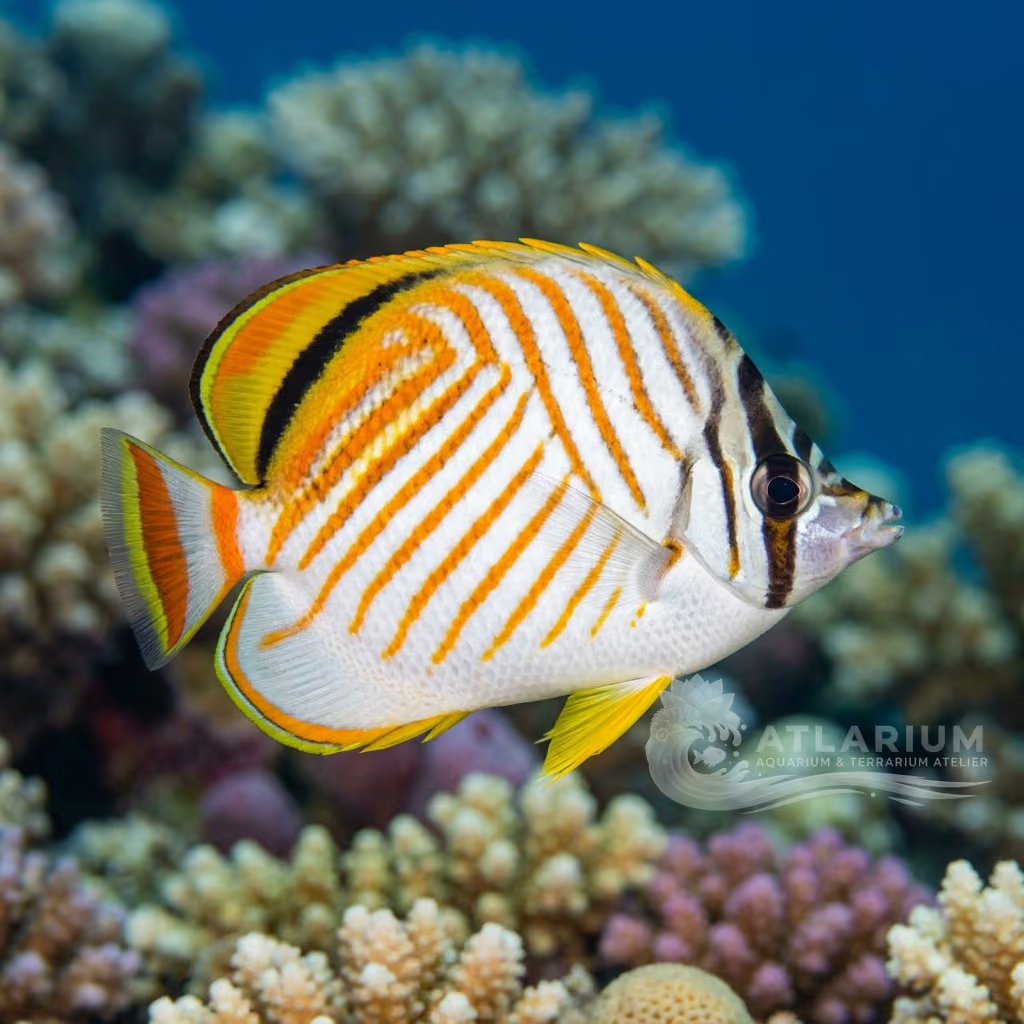
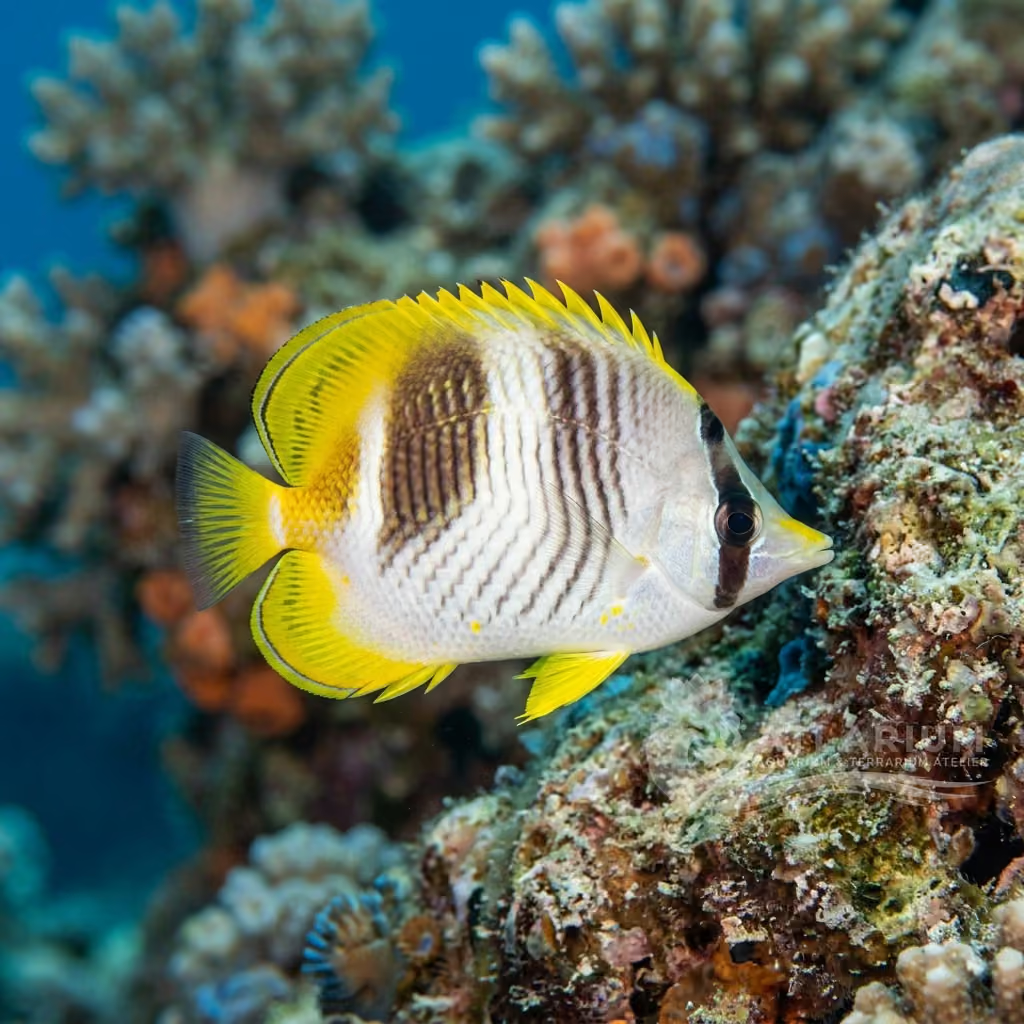
Coloration and Sexual Dimorphism: The body is white to pale yellow with bright yellow dorsal and anal fins. It is distinguished by two broad black wedge-shaped saddles on the back, a black band running through the eye, and vertical grey lines on the sides. No external sexual dimorphism.

Care, breeding and tankmates
Aquarium Setup: Requires a mature, well-established aquarium of at least 450 liters (approx. 120 gallons) with plenty of live rock configured to create caves and overhangs. Ample open swimming space is also necessary. Not suitable for newly set up tanks.
Diet and Feeding: Omnivorous coral-feeder. In the wild, it feeds mainly on coral polyps and small benthic invertebrates. In captivity, it can be difficult to feed initially; offer live or frozen foods like brine shrimp, mysis, finely chopped clams, and algae-enriched foods several times a day.
Water Quality: Demands pristine water conditions: temperature 24-28°C (75-82°F), pH 8.1-8.4, and specific gravity 1.020-1.025. Efficient protein skimming, high oxygenation, and regular partial water changes are mandatory to prevent toxic build-ups.
Compatibility and Cohabitation: Not reef-safe. It will readily nip at and consume hard coral polyps, anemones, and ornamental tube worms. It is best housed in a fish-only-with-live-rock (FOWLR) system alongside peaceful, active tankmates like tangs and wrasses.
Aquarium Breeding: Captive breeding is not documented in home aquariums. They are pelagic broadcast spawners, releasing buoyant eggs into the water column. The subsequent larval phase is extremely long and difficult to rear.
Risks and Diseases: Highly susceptible to marine ich (Cryptocaryon) and skin parasites under stressful conditions. A major risk is initial feeding refusal, which requires patient target feeding and the use of garlic or feeding stimulants.

Geographic origin and distribution
Indo-West Pacific: distributed from East Africa to Indonesia and the Western Pacific islands. It inhabits sandy lagoons, reef flats, and outer seaward slopes down to a depth of 20 meters, typically associating with rich coral growths, particularly Acropora species.
Origin
Tropical oceans and reefsAfrica and MadagascarSouth and Southeast Asia

Fish profile
- Temperament
- Semi-aggressive
- The Saddleback Butterflyfish generally exhibits a peaceful temperament toward unrelated tankmates but can be territorial and semi-aggressive toward members of its own species or genus. They should not be housed with aggressive fish that might bully them, as they are easily stressed and may stop feeding. Conversely, very small, delicate fish might feel intimidated by their active swimming style.
- Diet
- Omnivore
- In the wild, Chaetodon falcula feeds primarily on stony coral polyps, sea anemones, sponges, and small benthic invertebrates. In the aquarium, they are omnivorous but require a heavily meat-based diet consisting of high-quality frozen foods such as mysis shrimp, brine shrimp, chopped clams, and krill. Offering foods bound in gel or placed within live rock crevices can help stimulate their natural foraging behaviors and ease their transition to captive feeding.
- Life expectancy
- 7-12 years
- Adult size
- 20 cm
- Sex ratio
- 1:1 ratio
- In their natural habitat, Chaetodon falcula are typically found in monogamous pairs or occasionally in small groups. In a home aquarium, they are best kept individually unless a confirmed mated pair can be acquired. Attempting to house multiple individuals of the same sex or similar species in the same tank often leads to intense territorial aggression, particularly in smaller systems.
- Feeding frequency
- Twice daily
- To sustain their active metabolism and keep them in optimal health, the Saddleback Butterflyfish should be fed three to four times daily. Providing small, frequent meals throughout the day is much more beneficial than a single large feeding, as it mimics their continuous grazing behavior on the reef. Regular feeding also helps reduce the likelihood of them nipping at sessile invertebrates or corals in the tank.
- Bioload
- Medium to High
- The Saddleback Butterflyfish (Chaetodon falcula) produces a medium-high biological load due to its relatively large size of up to 20 cm and its active grazing nature. Because it requires multiple feedings throughout the day, a robust filtration system, including an efficient protein skimmer, is essential to manage biological waste. Regular, large water changes are highly recommended to keep nitrate and phosphate levels low, as this species is sensitive to poor water conditions.
- Flow
- Strong
- This species prefers moderate water flow, which reflects the lagoon and seaward reef slopes they inhabit in the wild. While they enjoy currents that stimulate their swimming and oxygenate the water, excessively strong, turbulent flows should be avoided so they can swim comfortably. Designing areas with lower flow behind rock formations allows them to rest when needed.
- Jump risk
- Yes
- Although not classified as notorious jumpers like wrasses or gobies, Chaetodon falcula can easily leap out of the water when startled or stressed. Sudden changes in lighting, aggressive encounters with tankmates, or maintenance activities can cause them to bolt upward. Therefore, a secure, tight-fitting lid or a mesh screen cover is highly recommended to prevent accidental escapes.
- Reproduction
- Oviparous
- Breeding Chaetodon falcula in captivity is exceptionally difficult and has not been successfully achieved in home aquariums. They are pelagic spawners that release their eggs and sperm into the water column, where the fertilized eggs drift as plankton. The complex environmental cues required for courtship, coupled with the challenges of feeding the microscopic, delicate larvae, make captive propagation unrealistic for hobbyists.
- Compatibility & tankmates
- Peaceful
- The Saddleback Butterflyfish is not reef-safe and will actively consume stony corals, anemones, and feather dusters. They are highly compatible with larger, peaceful marine fish such as tangs, clownfish, and reef-safe wrasses. However, they should not be housed with aggressive species like triggers or large groupers, nor with similar-looking butterflyfish that could trigger territorial disputes.
- Tank level
- All levels
- The Saddleback Butterflyfish is an active, open-water swimmer that will utilize all levels of the aquarium. They spend a significant portion of their time navigating the middle and lower zones, constantly inspecting live rock crevices for potential food sources. Providing ample open swimming space combined with an extensive rockwork structure allows them to exhibit their natural swimming behaviors.

Scientific Parameters & Models
FishBase
Window to the official scientific data of the species
FishBase v25.04Data synced on: 06/15/2026
- Trophic level
- 3.5 ± 0.37 se
- Resilience
- High (less than 15 months)
- Phylogenetic uniqueness (PD50)
- 0.5
- Bayesian Length-Weight
- a = 0.02291, b = 3
- VulnerabilityLow vulnerability (10 / 100)

Related species
Recommendations grouped by close relatives, companion choices, and similar care.