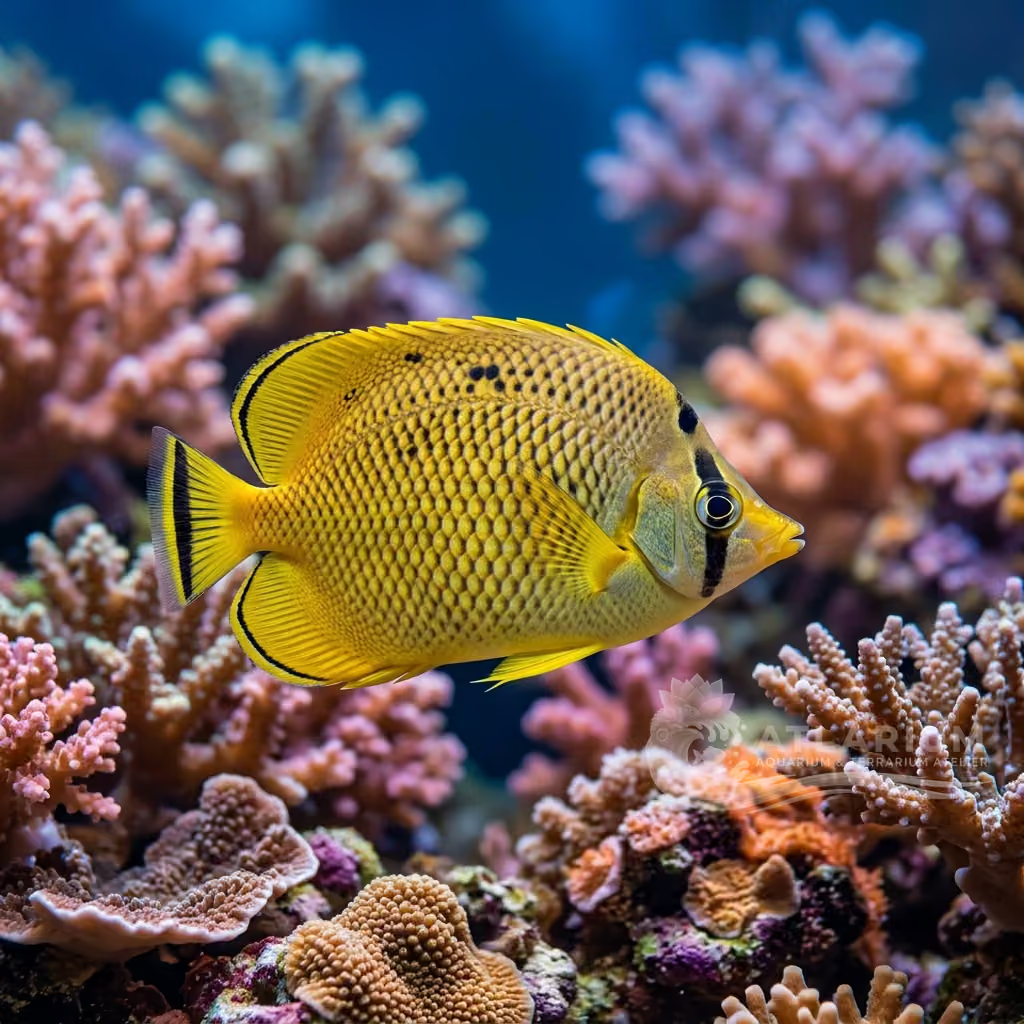
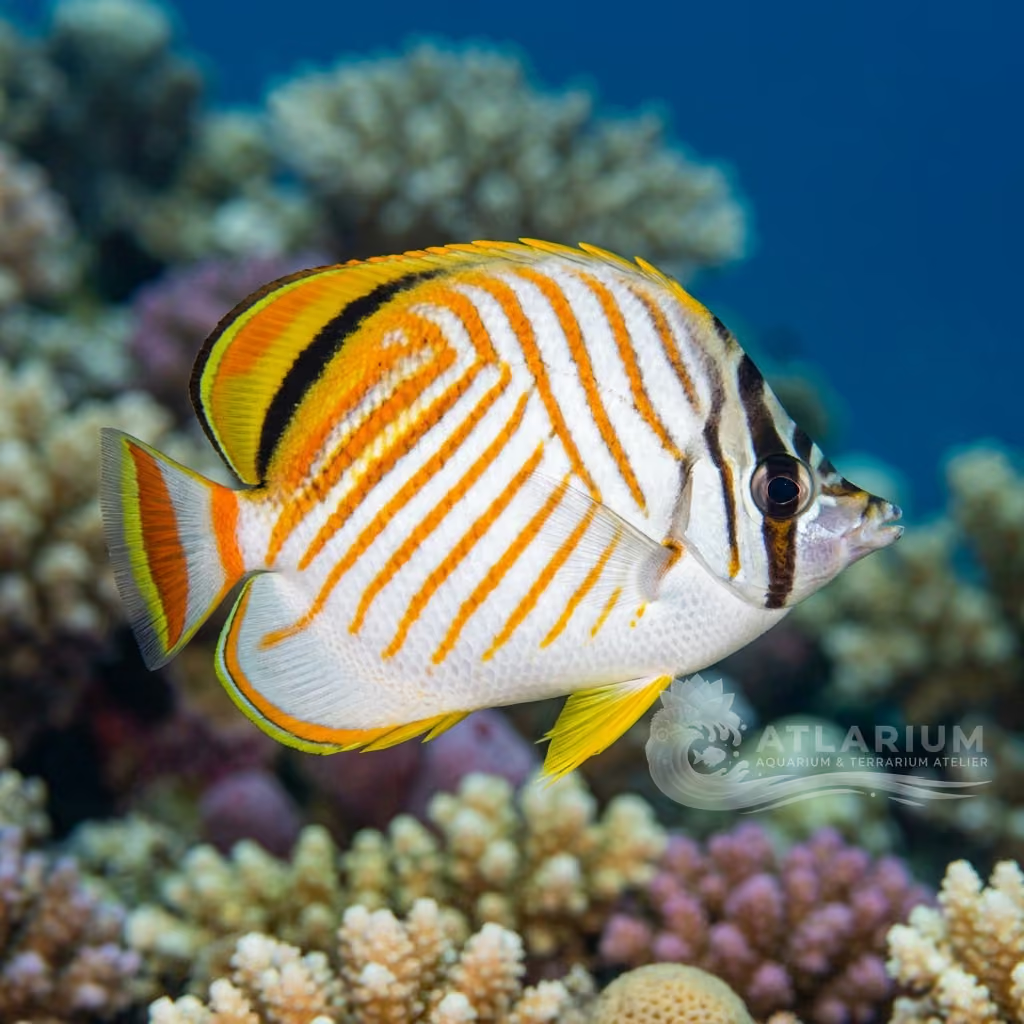
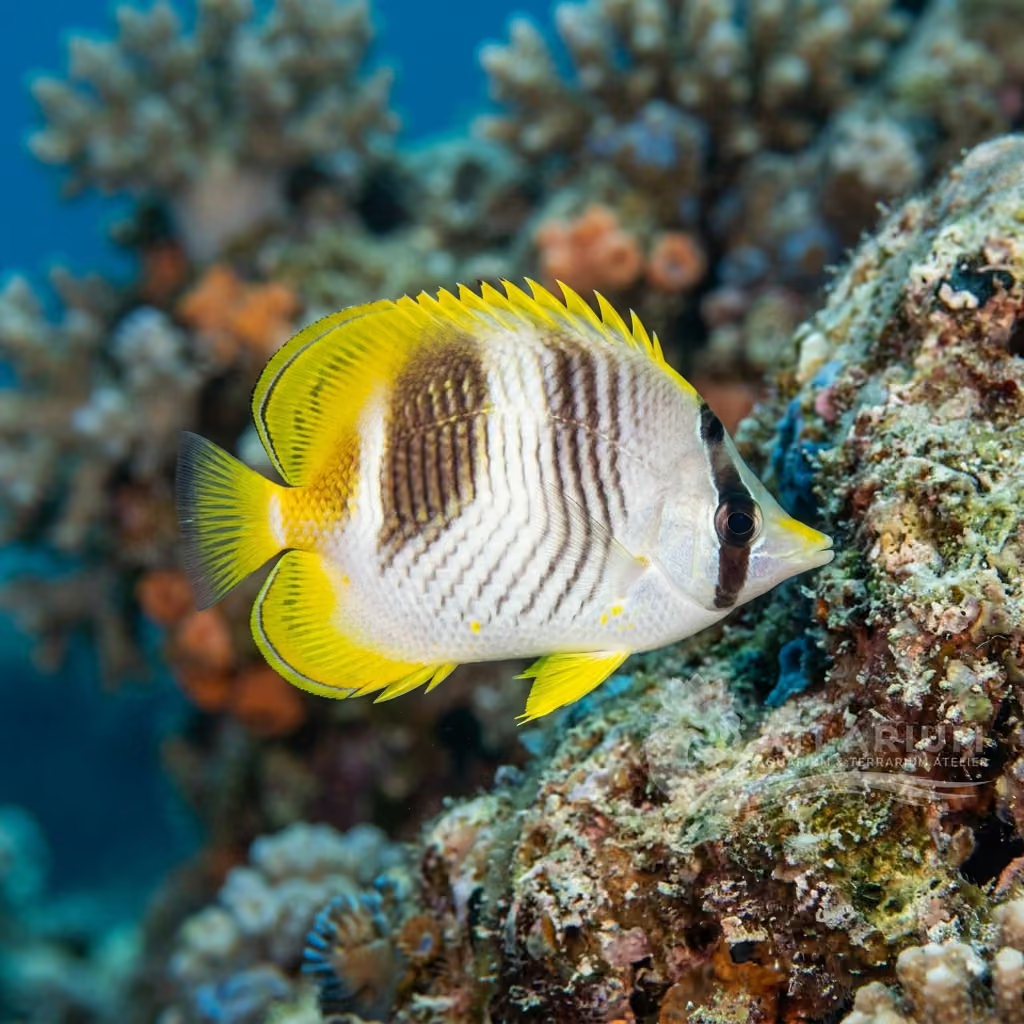
Yellowhead Butterflyfish
Chaetodon xanthocephalus
This striking Indian Ocean butterflyfish features a pearly grey body with a bright yellow head. It requires a large 500L marine tank and expert care due to its challenging corallivorous diet.
Water Temperature
22 - 26 °C
pH Value
8.1 - 8.4
Water type
Marine
Tank level
Bottom and middle
Adult size
20 cm
Minimum tank volume
>= 350 L
Minimum group
>= 1

Species description
Geographical Origin and Habitat: Chaetodon xanthocephalus is native to the tropical waters of the Indian Ocean, ranging from the East African coast to Sri Lanka and the Maldives. It inhabits shallow coral reefs and seaward reef slopes rich in live stony corals.
Taxonomy and Morphology: A member of the Chaetodontidae family, described by Bennett in 1833. It features a highly compressed, disk-like body shape and a prominent snout designed for picking polyps out of tight calcareous structures.
Social Behavior: Often observed swimming singly or in monogamous pairs. They are highly active diurnal swimmers that establish large feeding territories, which they defend against similar butterflyfish species.
Coloration and Sexual Dimorphism: Body is pearly grey with faint dark chevron markings along the sides. The head, throat, and edges of the dorsal and anal fins are a striking bright yellow. There is no distinguished sexual dimorphism between genders.

Care, breeding and tankmates
Aquarium Setup: Requires a large marine tank of at least 500 liters to accommodate its active swimming habits. Provide a large amount of cured live rock arranged into tunnels and overhangs, leaving the center open for free movement.
Diet and Feeding: Highly challenging as it is a natural corallivore. Success requires offering fresh clams on the half-shell, frozen mysis, brine shrimp, and gel foods containing sponge and algae. Feed small portions multiple times per day.
Water Quality: Demands pristine water chemistry. Maintain stable parameters: temperature 24-26°C, pH 8.1-8.4, specific gravity 1.020-1.025, and zero ammonia and nitrite. Use strong biological filtration and efficient protein skimming.
Compatibility and Cohabitation: Not reef-safe as it will consume stony coral polyps and feather dusters. Suitable for large fish-only tanks with peaceful tankmates. Avoid keeping with aggressive species like groupers or highly territorial damsels.
Aquarium Breeding: Unsuccessful in home aquaria due to their pelagic spawning nature. Eggs float in the water column and undergo a lengthy, specialized larval development stage (tholichthys stage) that is impossible to replicate in hobbyist setups.
Risks and Diseases: Starvation due to dietary refusal is the primary risk. Highly vulnerable to marine ich (Cryptocaryon irritans), velvet disease (Amyloodinium), and bacterial infections from stress. Quarantine all specimens before introduction.

Geographic origin and distribution
Chaetodon xanthocephalus is native to the tropical waters of the Indian Ocean, ranging from the East African coast to Sri Lanka and the Maldives. It inhabits shallow coral reefs and seaward reef slopes rich in live stony corals.
Origin
Tropical oceans and reefsAfrica and MadagascarSouth and Southeast Asia

Fish profile
- Temperament
- Semi-aggressive
- The Yellowhead Butterflyfish has a semi-aggressive and highly territorial temperament, particularly directed toward its own kind and similar-looking species. Within a community tank, they are generally peaceful toward unrelated fish, such as tangs, damselfish, and clownfish, provided there is enough space. However, they can establish dominance over smaller or more timid tankmates, especially if the aquarium is overcrowded. Providing a spacious environment with plenty of rockwork helps minimize territorial disputes and allows them to exhibit natural foraging behaviors.
- Diet
- Omnivore
- In the wild, this species is an omnivore that feeds primarily on coral polyps, algae, and small benthic invertebrates. Transitioning them to captive diets can be extremely challenging, and they may refuse standard aquarium foods initially. A varied diet consisting of live or frozen mysis shrimp, enriched brine shrimp, krill, and high-quality marine algae preparations should be provided. Offering food bound to open clam shells or live rock can encourage their natural grazing behavior and help stimulate their appetite.
- Life expectancy
- 5-10 years
- Adult size
- 20 cm
- Sex ratio
- 1:1 ratio
- In their natural habitat, adult Yellowhead Butterflyfish are typically observed swimming in pairs or as solitary individuals. In a home aquarium, they are generally best kept singly unless a confirmed, bonded male-female pair can be acquired. They exhibit strong territorial behavior toward members of their own species and other closely related butterflyfish, which can lead to severe aggression in confined spaces. If attempting to house a pair, a very large tank with numerous physical barriers and visual breaks is necessary to allow individual fish to establish their own spaces.
- Feeding frequency
- Twice daily
- Due to their active swimming nature and specialized digestive systems, Yellowhead Butterflyfish require frequent feeding to maintain their weight and health. They should be fed small portions at least three to four times a day, particularly during their initial acclimation phase. Skipping feedings can quickly lead to weight loss and a decline in their immune system, making them susceptible to diseases. Using an automatic feeder for dry foods or offering regular spot-feedings of frozen items ensures they receive adequate daily nutrition.
- Bioload
- Medium to High
- The Yellowhead Butterflyfish is a relatively large marine species that can reach up to 20 cm in length, meaning it produces a significant amount of biological waste. To sustain their high metabolism, they require frequent feedings of meaty and algae-rich foods, which can quickly degrade water quality if filtration is inadequate. A high-capacity protein skimmer, efficient mechanical filtration, and regular water changes are essential to keep nitrate and phosphate levels low. Maintaining pristine water conditions is crucial, as this species is highly sensitive to poor water quality and sudden changes in water parameters.
- Flow
- Moderate
- Coming from dynamic reef environments, the Yellowhead Butterflyfish prefers moderate to strong water flow in the aquarium. Active water movement helps keep the water well-oxygenated, which is essential for this sensitive species. It also simulates their natural habitat, encouraging active swimming and natural behavior. However, it is vital to provide lower-flow areas or caves where they can rest undisturbed, particularly during the night.
- Jump risk
- Yes
- While not classical surface-dwelling jumpers, Yellowhead Butterflyfish can easily leap out of the water when startled, chased, or during acclimation. Their reaction to sudden aquarium lighting changes or aggressive tankmates often involves rapid, erratic swimming that can direct them upward. Therefore, a secure, tight-fitting lid or a fine mesh cover is highly recommended to prevent tragic accidents. Any gaps around cables, filters, or overflow boxes should be sealed or minimized to ensure their safety.
- Reproduction
- Oviparous
- In the wild, Yellowhead Butterflyfish are oviparous and form monogamous pairs that spawn pelagic eggs directly into the water column. Unfortunately, there are no documented cases of successful reproduction or raising of this species in home aquariums. The primary obstacle is their complex larval development stage, known as the tholichthys stage, which requires specialized planktonic food and highly specific oceanic conditions. Consequently, all specimens available in the aquarium hobby are wild-caught.
- Compatibility & tankmates
- Reef safe
- The Yellowhead Butterflyfish is not considered reef-safe, as it will actively consume coral polyps, clams, and other sessile invertebrates. In a fish-only-with-live-rock (FOWLR) setup, they are compatible with other peaceful to semi-aggressive fish like tangs, large wrasses, and angels. They should not be housed with other butterflyfish unless the tank is exceptionally large, as intense territorial disputes will occur. Additionally, very aggressive or fast-moving species should be avoided to prevent stress and ensure the butterflyfish can feed comfortably.
- Tank level
- Middle/Bottom
- This species naturally inhabits shallow reef environments at depths ranging from 1 to 30 meters, closely associating with coral structures. In the aquarium, they are most active in the middle and lower zones, constantly scanning rockwork and corals for potential food sources. They require a balanced layout that provides both open water along the front of the tank for active swimming and complex rock formations at the bottom. Providing plenty of caves and crevices is important, as it mimics their natural reef environment and helps them feel secure.

Related species
Recommendations grouped by close relatives, companion choices, and similar care.