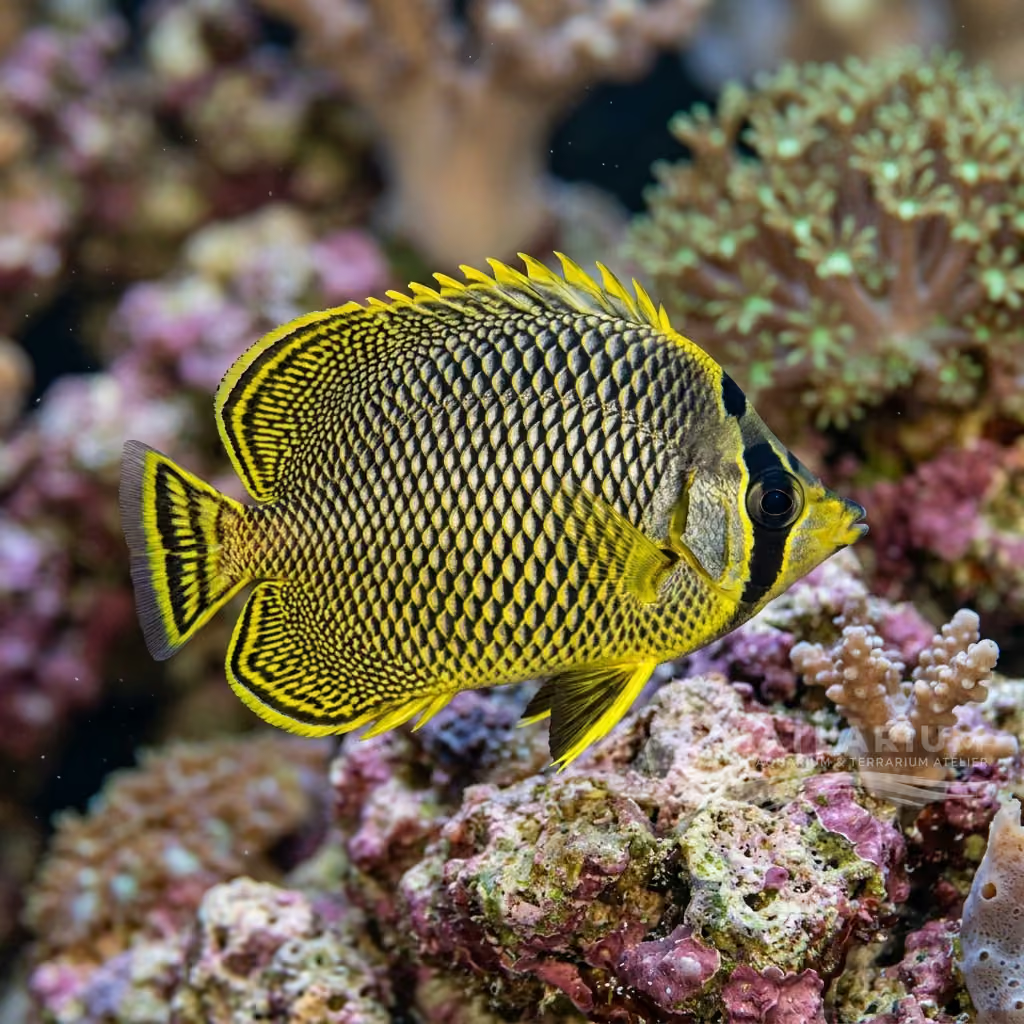
Rainford's Butterflyfish
Chaetodon rainfordi
Endemic to the Great Barrier Reef, this gorgeous butterflyfish grazes on algae and polyps. It needs a mature 350L reef tank filled with branching stony corals.
Water Temperature
22 - 27 °C
pH Value
8.1 - 8.4
Water type
Marine
Tank level
Bottom and middle
Adult size
15 cm
Minimum tank volume
>= 300 L
Minimum group
>= 1

Species description
Geographical Origin and Habitat: Southwest Pacific Ocean, endemic to the Great Barrier Reef, New Caledonia, and the Louisiade Archipelago. Inhabits shallow coastal reefs and algae-rich lagoons down to 20 meters. They are commonly associated with coral-rich areas, particularly flat reef tops and sheltered lagoons where branching stony corals provide shelter and food.
Taxonomy and Morphology: Member of the family Chaetodontidae. Named after E. H. Rainford, who collected the first specimens of the species in Queensland, Australia. Classified under the family Chaetodontidae, this species is noted for its disc-like body shape and specialized mouthparts adapted for coral polyp consumption.
Social Behavior: Shy and reserved species. Found singly or in monogamous pairs, swimming close to the reef structure and retreating into coral caves if threatened. They are social fish, usually seen swimming in monogamous pairs that establish long-term home ranges within specific sections of the reef.
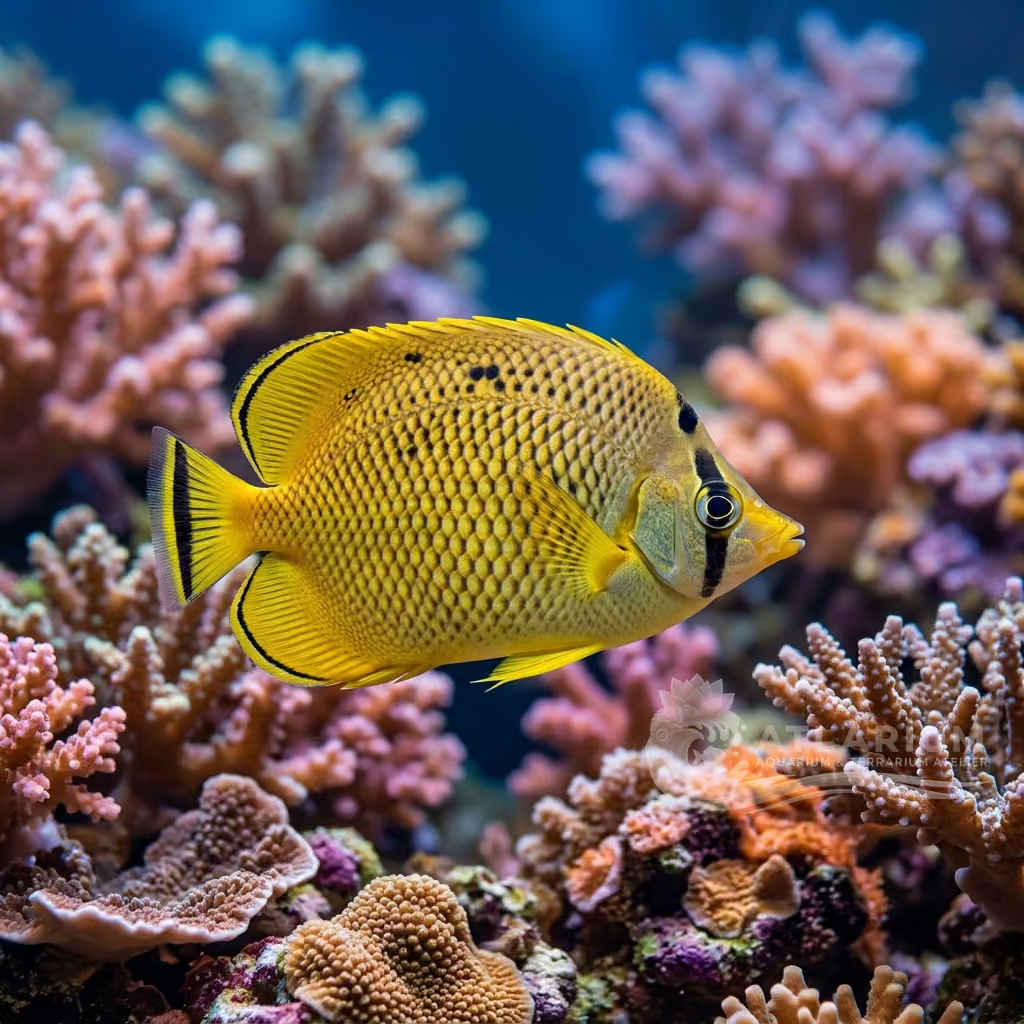
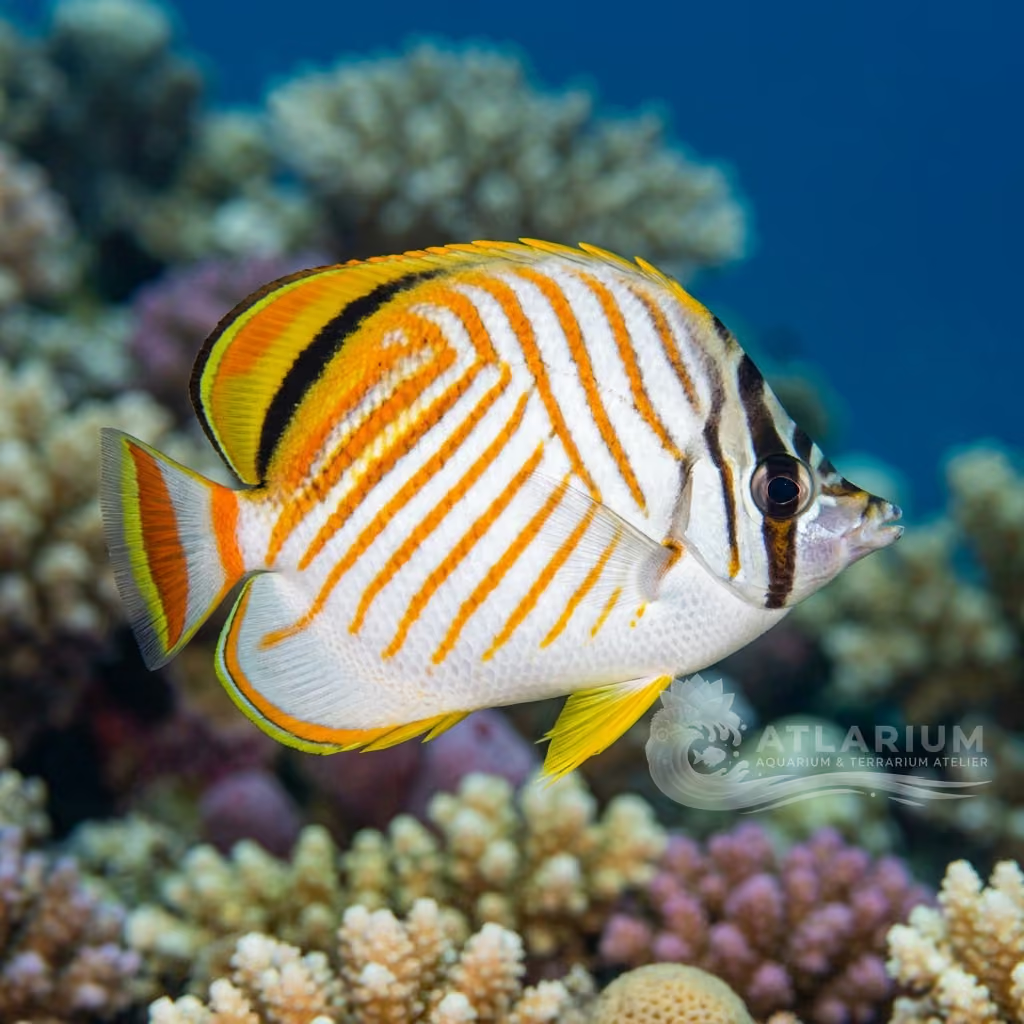
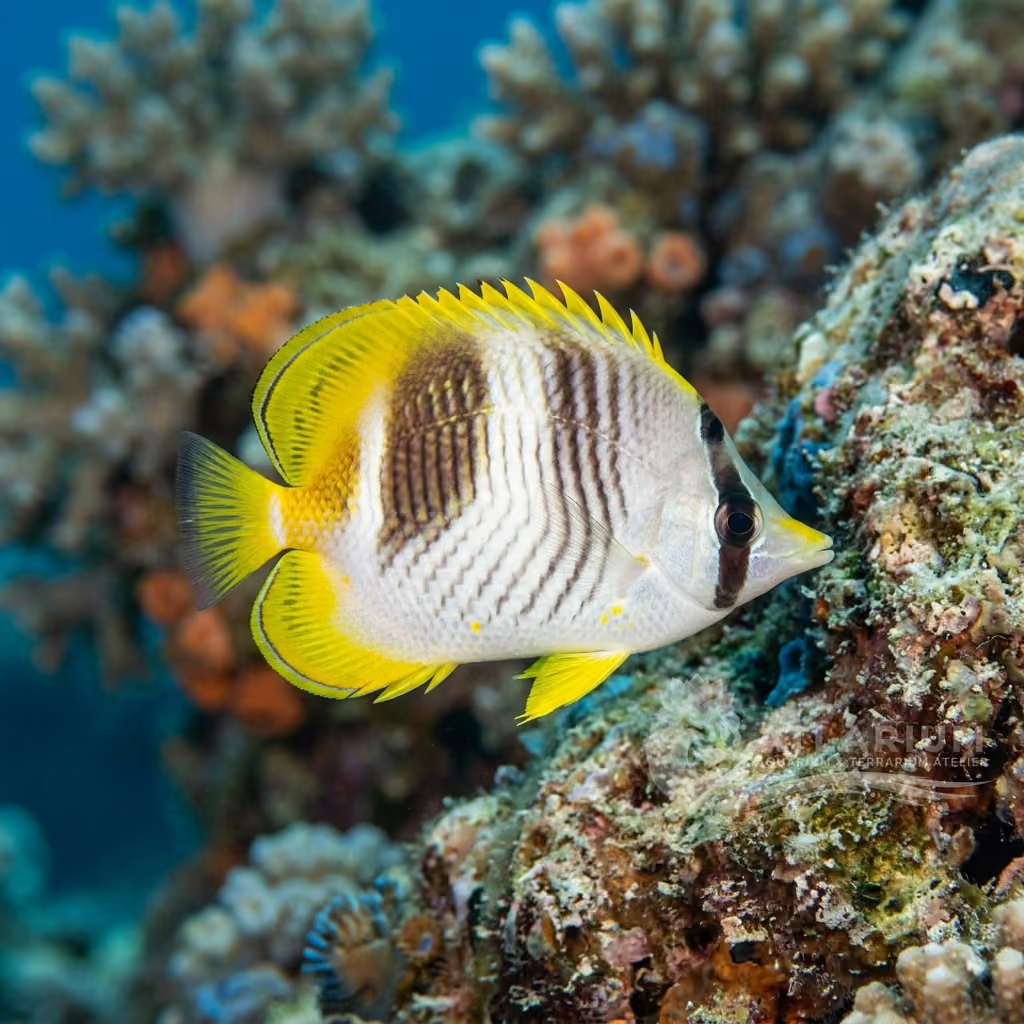
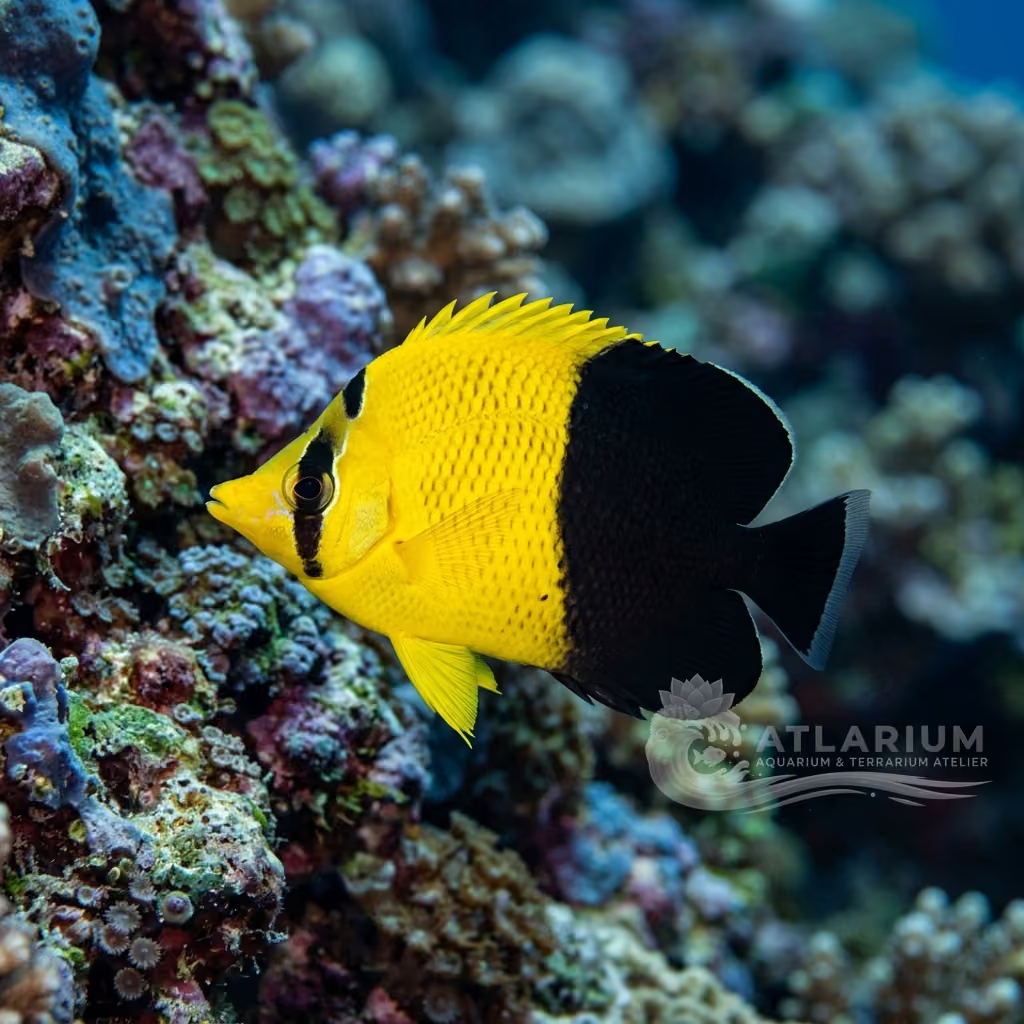
Coloration and Sexual Dimorphism: Bright golden-yellow or orange body. Marked by two prominent vertical grey-blue bands edged in dark orange on the body, and a black band masking the eye. Their body features yellow-greenish base tones with prominent orange-bordered blue bars, creating an effective disruptive camouflage pattern among reef corals.

Care, breeding and tankmates
Aquarium Setup: Requires a mature marine aquarium of at least 300 liters with plenty of live rock to provide hiding spots and natural grazing surfaces. Provide a mature reef tank of at least 350 liters filled with live rock and branching stony corals to simulate their natural feeding and shelter environment.
Diet and Feeding: Omnivorous. Feeds on algae, coral polyps, and small benthic invertebrates. Accepts high-quality flakes, pellets, frozen brine shrimp, mysis, and spirulina. Their diet is highly specialized; offer live foods, clam on the half shell, coral gel foods, and vitamin-fortified frozen foods to encourage feeding behavior.
Water Quality: Standard marine parameters: temperature 22-27 °C, pH 8.1-8.4, and salinity 1.020-1.025 with efficient filtration and moderate water movement. Excellent water parameters are required: temperature 24-28 °C, pH 8.1-8.4, and low organic nutrients with active carbon filtration to maintain water clarity.
Compatibility and Cohabitation: Highly peaceful. Not reef safe as it nips at stony corals. Best kept with quiet, non-aggressive species in a fish-only setup. Keep with peaceful community reef fish such as gobies, small wrasses, and anthias, avoiding fast-swimming or aggressive tankmates that cause stress.
Aquarium Breeding: Spawning in home aquariums is undocumented. Pelagic spawner. Eggs and larvae drift in the ocean column before settling onto reefs. Spawning occurs in open water at dusk in the wild; captive reproduction remains undocumented due to the pelagic nature of their egg and larval stages.
Risks and Diseases: Moderately delicate. Susceptible to marine ich (Cryptocaryon) and stress. Ensure the aquarium is fully cycled and stable before introduction. High risk of starvation if they do not acclimate to captive foods; quarantine is essential to treat for potential internal parasites before main tank introduction.

Geographic origin and distribution
Southwest Pacific Ocean, endemic to the Great Barrier Reef, New Caledonia, and the Louisiade Archipelago. Inhabits shallow coastal reefs and algae-rich lagoons down to 20 meters. They are commonly associated with coral-rich areas, particularly flat reef tops and sheltered lagoons where branching stony corals provide shelter and food.
Origin
Tropical oceans and reefsAustralia, New Guinea, and Oceania

Fish profile
- Temperament
- Territorial
- Rainford's Butterflyfish is a generally peaceful and non-aggressive species, making it an excellent candidate for community marine aquariums. They will largely ignore other fish species, focusing instead on grazing the rockwork. However, they can exhibit territorial behavior and aggression toward conspecifics or other butterflyfish of similar body shapes and color patterns. To prevent conflict, it is best to keep them as the only butterflyfish in the tank unless the system is exceptionally large.
- Diet
- Omnivore
- In the wild, Chaetodon rainfordi is an obligate corallivore, feeding primarily on live coral polyps and some algae. This specialized diet makes them extremely difficult to feed in captivity, and many specimens refuse standard aquarium foods. Successfully keeping them requires offering a variety of meaty options such as live or frozen brine shrimp, mysis shrimp, and high-quality marine preparations. Some hobbyists find success by pressing paste foods into the crevices of dead coral skeletons to simulate their natural feeding behavior.
- Life expectancy
- 5-10 years
- Adult size
- 15 cm
- Sex ratio
- 1:1 ratio
- In their natural habitat, Rainford's Butterflyfish are known to form monogamous pairs. In the home aquarium, they are best kept singly or as a verified male-female pair. Attempting to house multiple specimens of unknown sex in the same tank can lead to territorial disputes and stress. If you wish to keep a pair, it is recommended to purchase them as an established pair or introduce them simultaneously to a large tank to minimize aggression.
- Feeding frequency
- Twice daily
- Due to their active swimming behavior and specialized metabolism, Rainford's Butterflyfish should be fed multiple times a day. A feeding schedule of three to four small meals daily is highly recommended, especially during their acclimation period. Frequent feeding helps prevent them from losing weight and helps entice stubborn eaters to accept prepared foods. Consistent, small portions are preferred over single large feedings to maintain optimal health and avoid polluting the water column.
- Bioload
- Medium
- Chaetodon rainfordi produces a moderate amount of biological waste, placing it in the medium bioload category for home aquariums. Because of their sensitivity to water parameter fluctuations and poor water quality, a high-efficiency filtration system is absolutely essential. A reliable protein skimmer, along with mechanical and chemical filtration, should be utilized to maintain low nutrient levels. Regular water changes are also critical to ensure that waste products like nitrates do not accumulate and stress this delicate species.
- Flow
- Strong
- Rainford's Butterflyfish inhabits lagoons and seaward reefs where they experience moderate to strong water currents. In the aquarium, they prefer a moderate water flow that mimics these natural reef conditions and provides plenty of oxygenation. High water turnover helps maintain pristine water quality, which is crucial for this disease-prone species. However, it is important to provide some calmer areas within the tank where they can rest and escape strong currents when needed.
- Jump risk
- Yes
- While not categorized as notorious jumpers, Rainford's Butterflyfish can easily leap out of the aquarium if startled, chased, or stressed. Sudden lighting changes or aggressive tank mates can trigger a flight response, causing them to jump. Therefore, a secure, tight-fitting lid or mesh cover is strongly recommended to prevent accidental escapes. Providing ample hiding spots in the lower areas of the tank also helps reduce the likelihood of this behavior by offering immediate shelter.
- Reproduction
- Oviparous
- Chaetodon rainfordi is an oviparous species that forms monogamous pairs and spawns pelagically, releasing eggs directly into the water column. Breeding this species in a home aquarium is exceptionally difficult and has not been reliably achieved by hobbyists. The complex larval stages and the highly specific nutritional requirements of the fry present significant challenges. As a result, almost all specimens available in the aquarium trade are wild-caught.
- Compatibility & tankmates
- Peaceful
- This butterflyfish is peaceful and highly compatible with a wide range of docile reef fish, including gobies, firefish, and peaceful wrasses. However, they are not reef-safe as they will actively nip at and consume stony and soft corals, anemones, and feather dusters. They should also not be housed with highly aggressive or territorial species that might intimidate them and prevent them from feeding. Avoid housing them with similar-looking butterflyfish species to minimize territorial conflicts.
- Tank level
- Middle/Bottom
- Chaetodon rainfordi is an active swimmer that primarily occupies the bottom-middle areas of the aquarium. They spend much of their time hovering and swimming closely around live rock formations and coral structures. Providing a tank layout with plenty of open swimming channels in these lower zones will encourage natural active behavior. Additionally, creating numerous caves and overhangs near the bottom will allow them to retreat and feel secure when threatened.

Scientific Parameters & Models
FishBase
Window to the official scientific data of the species
FishBase v25.04Data synced on: 06/15/2026
- Trophic level
- 2.8 ± 0.25 se
- Resilience
- High (less than 15 months)
- Phylogenetic uniqueness (PD50)
- 0.5
- Bayesian Length-Weight
- a = 0.02291, b = 3
- VulnerabilityLow vulnerability (10 / 100)

Related species
Recommendations grouped by close relatives, companion choices, and similar care.