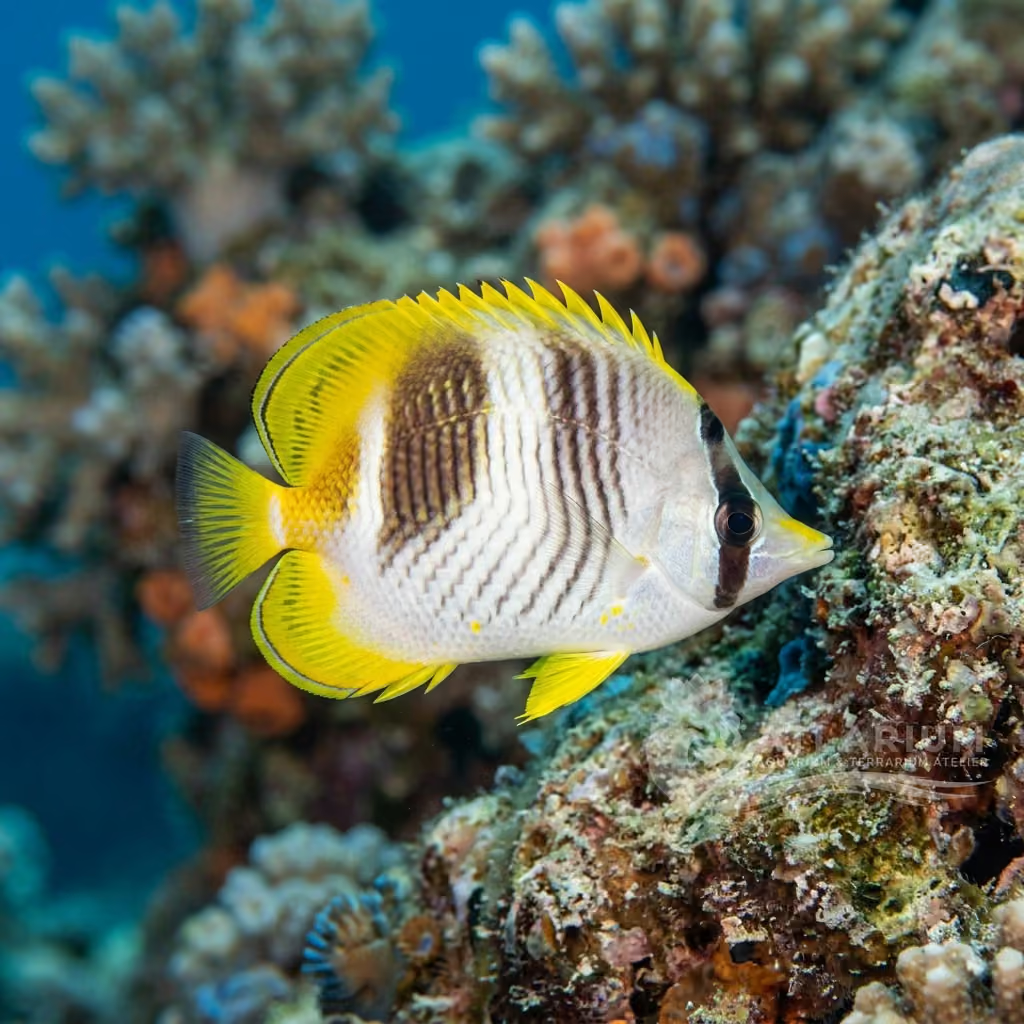
Crown Butterflyfish
Chaetodon paucifasciatus
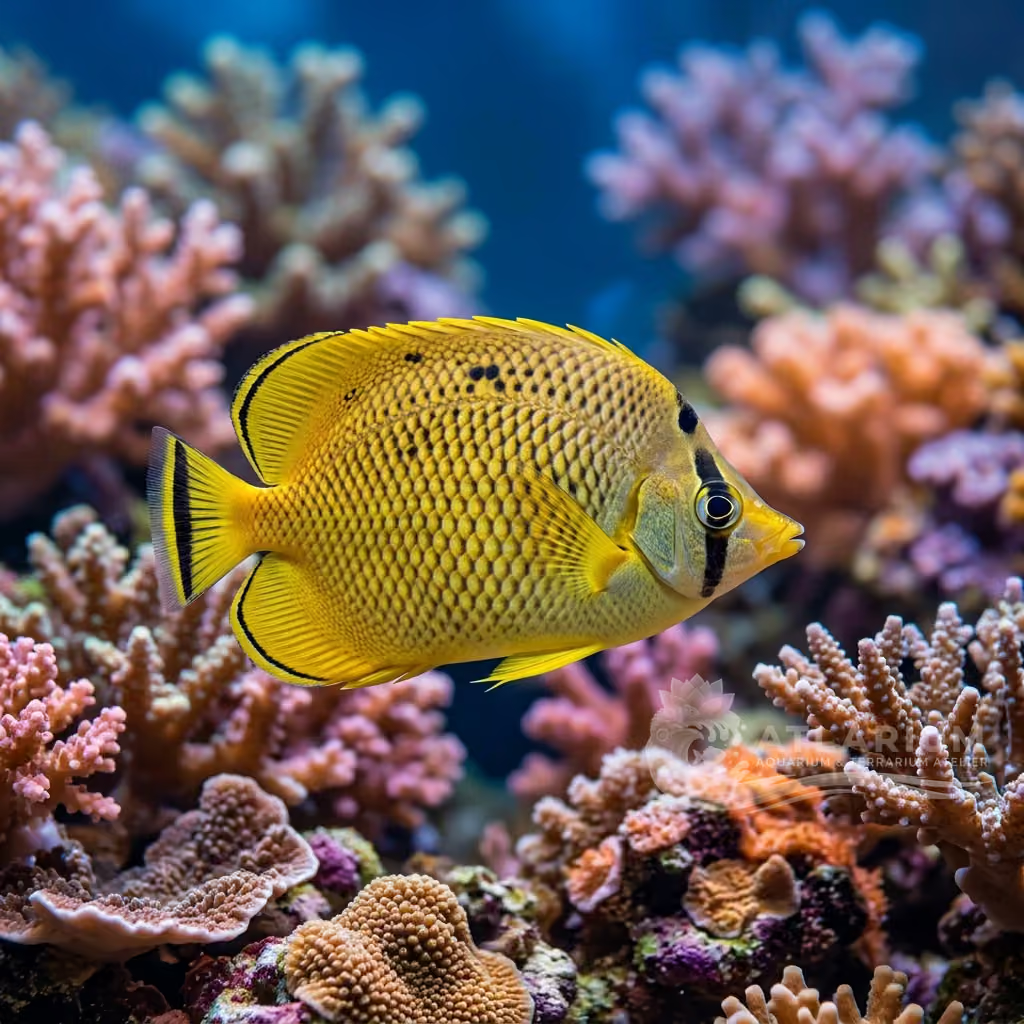
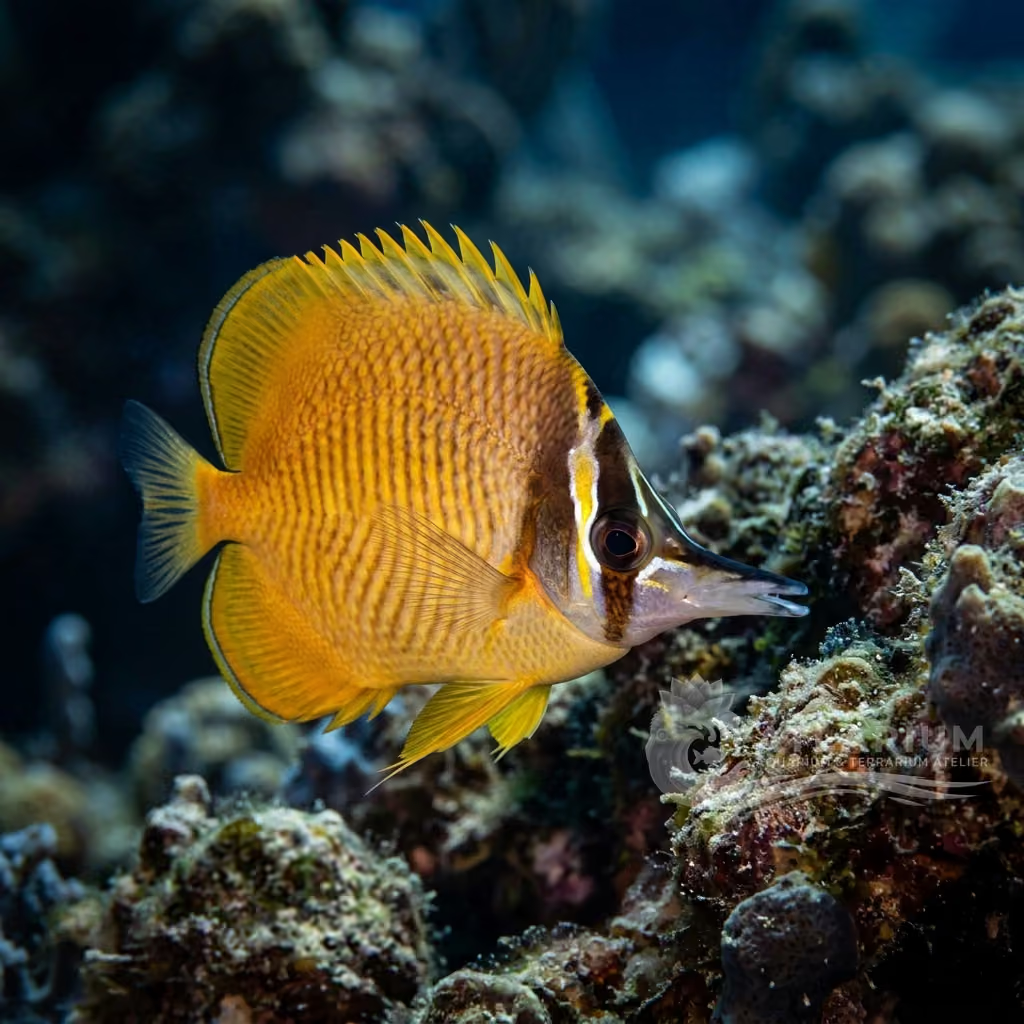
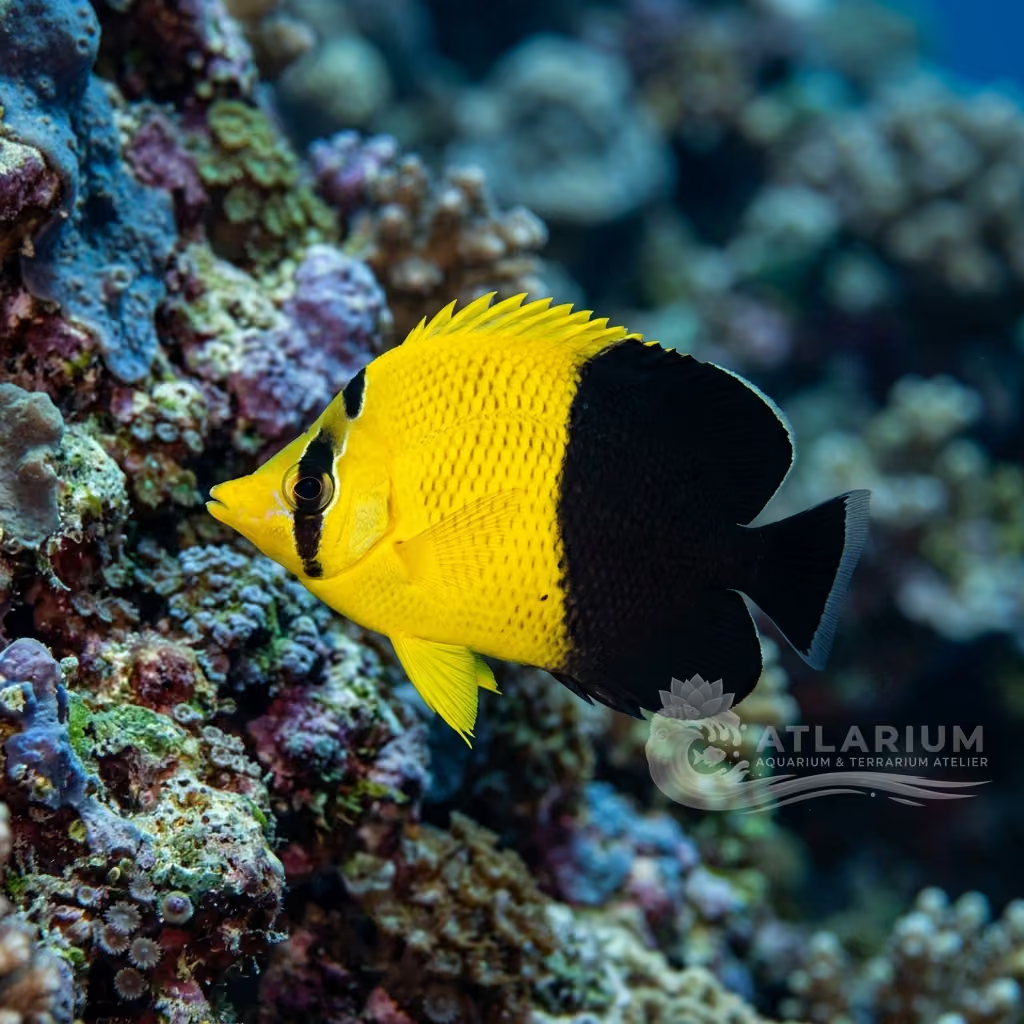
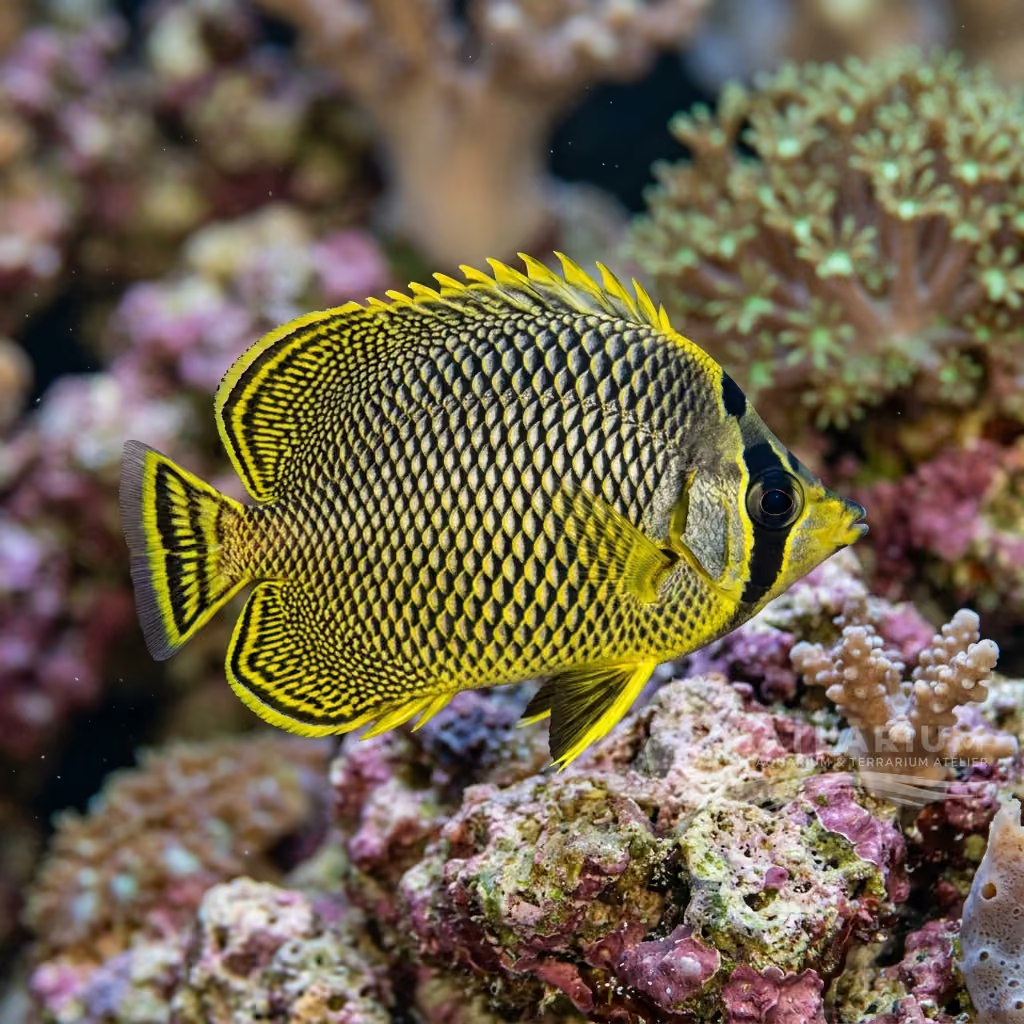
The Eritrean Butterflyfish from the Red Sea features striking black chevron bands and a red-orange tail. It is a relatively hardy and peaceful addition to spacious marine tanks.
Water Temperature
22 - 27 °C
pH Value
8.1 - 8.4
Water type
Marine
Tank level
All levels
Adult size
14 cm
Minimum tank volume
>= 250 L
Minimum group
>= 1
KH
8 - 12 dKH

Species description
Geographical Origin and Habitat: Primarily endemic to the Red Sea and the Gulf of Aden. Inhabits shallow, coral-rich reefs and sandy lagoons at depths of 1 to 30 meters, occasionally down to 60 meters.
Taxonomy and Morphology: Member of the family Chaetodontidae. Reaches about 14 cm in length. Possesses a highly compressed disc-like body and a pointed snout. Part of the Xanthurus complex.
Social Behavior: Diurnal, active, and curious. Found mostly in stable monogamous pairs or in small grazing schools. Exhibits good social behavior in larger aquariums.
Coloration and Sexual Dimorphism: Pearly-white body marked with black chevron-shaped stripes. The posterior portion of the body and the caudal fin feature a vivid red-orange band. A black crown patch adorns the head. No sexual dimorphism is noted.

Care, breeding and tankmates
Aquarium Setup: Requires an aquarium of at least 250 liters with plenty of live rock to encourage foraging behavior. A tight-fitting lid is highly recommended to prevent escape jumps.
Diet and Feeding: Carnivore/Omnivore. Feeds naturally on coral polyps, algae, and small worms. In captivity, it readily accepts dry pellets, flakes, mysis, brine shrimp, and frozen preparations.
Water Quality: Demands stable parameters. Temperature 22–27°C, pH 8.1–8.4, salinity SG 1.020–1.025, GH 15–25, and KH 8–12. Efficient filtration and regular protein skimming are required.
Compatibility and Cohabitation: Very peaceful toward other reef fish. Can be kept in pairs in larger tanks. Not reef-safe: it will feed on coral polyps, zoanthids, and small tubeworms.
Aquarium Breeding: Undocumented in captivity. In the wild, they are monogamous broadcast spawners releasing pelagic eggs.
Risks and Diseases: One of the easiest butterflyfishes to acclimate and keep. Can contract marine ich (Cryptocaryon) if stressed by transportation or sudden temperature drops.

Geographic origin and distribution
Primarily endemic to the Red Sea and the Gulf of Aden. Inhabits shallow, coral-rich reefs and sandy lagoons at depths of 1 to 30 meters, occasionally down to 60 meters.
Origin
Tropical oceans and reefs

Fish profile
- Temperament
- Aggressive
- The crown butterflyfish has a peaceful temperament, making it an excellent addition to a community marine aquarium. They do not exhibit aggression towards other fish species, except sometimes towards closely related butterflyfish. They can be somewhat shy initially and require peaceful tankmates to help them feel secure. During acclimation, they should not be housed with highly boisterous or aggressive species that might bully them.
- Diet
- Omnivore
- This species is an omnivore with a natural diet consisting of coral polyps, filamentous algae, polychaetes, and small invertebrates. In an aquarium, they can be challenging to feed initially, but they usually transition to high-quality frozen foods like mysis and brine shrimp. Offering dried seaweed (Nori) and spirulina-enriched flakes will satisfy their herbivorous needs. If a specimen is finicky, offering live blackworms or fresh clams on the half-shell can stimulate their feeding response.
- Life expectancy
- 5-10 years
- Adult size
- 14 cm
- Sex ratio
- 1:1 ratio
- In their natural habitat, these butterflyfish are monogamous and are typically observed in stable pairs or small groups. In a home aquarium, they are best kept as a established male-female pair or as a single specimen to avoid territorial aggression. If attempting to keep a small group, they must be introduced to the aquarium simultaneously in a very spacious tank. Providing sufficient hiding spots allows individuals to establish their own territories and reduce stress.
- Feeding frequency
- 2-3 times daily
- Because they have small stomachs and are active foragers, they should be fed small portions two to three times daily. Spreading out their meals mimics their natural grazing behavior on the reef and helps prevent malnutrition. Feeding them too infrequently can cause them to lose weight and decline in health over time. Automated feeders or target feeding can be useful methods to ensure they receive consistent nourishment throughout the day.
- Bioload
- Medium
- The crown butterflyfish generates a medium biological load due to its active swimming habits and need for frequent daily feedings. To maintain the pristine water quality it requires, a robust filtration system, efficient protein skimming, and regular water changes are highly recommended. A larger aquarium volume helps dilute organic waste, preventing the accumulation of nitrates and phosphates. Keeping this species in a stable, mature marine environment is crucial for its long-term health.
- Flow
- Strong
- A moderate water flow is preferred for this species, as it replicates the conditions of their native coral reef flats and slopes. The current should be strong enough to keep detritus suspended for filtration but not so overwhelming that the fish struggles to swim. Creating areas of varied flow with some lower-current resting zones is ideal. Proper water movement also assists in maintaining high oxygen levels, which is vital for their respiratory health.
- Jump risk
- Yes
- Although not notorious jumpers compared to some other marine species, the crown butterflyfish can easily leap out of the water if startled. Sudden changes in lighting, aggression from tankmates, or during the initial acclimation period can trigger this flight response. A tight-fitting lid or a secure mesh cover is essential to prevent accidental escapes. Providing low-stress conditions and avoiding aggressive tankmates will significantly reduce the risk of jumping.
- Reproduction
- Oviparous
- Reproduction in captivity is extremely difficult and rarely achieved in home aquariums. In the wild, they are pelagic spawners that form monogamous pairs, releasing their eggs and sperm into the water column where they drift with the currents. The complex larval stages and the requirement of microscopic live foods make raising the fry highly challenging. Consequently, almost all specimens available in the aquarium hobby are wild-caught.
- Compatibility & tankmates
- Not reef safe
- The crown butterflyfish is compatible with a wide range of peaceful marine fish, such as anthias, gobies, and passive wrasses. However, it is not considered reef-safe as it will actively nip at stony corals, soft corals, and gorgonians. It is best suited for fish-only with live rock (FOWLR) systems where its coral-eating habits will not cause damage. Avoid housing them with aggressive predators or semi-aggressive fish like large dottybacks and damselfishes.
- Tank level
- All levels
- This species is highly active and will utilize all levels of the aquarium, though they spend most of their time in the middle and lower water column. They are diurnal reef dwellers that continuously cruise around rockwork, looking for potential food sources. A tank layout with a mix of open swimming space and structured live rock mimics their natural reef flats and slopes. At night, they retreat to secure crevices in the lower regions of the tank to rest.

Scientific Parameters & Models
FishBase
Window to the official scientific data of the species
FishBase v25.04Data synced on: 06/15/2026
- Trophic level
- 3.2 ± 0.38 se
- Resilience
- High (less than 15 months)
- Generation time
- 0.9 years
- Phylogenetic uniqueness (PD50)
- 0.5
- Bayesian Length-Weight
- a = 0.02291, b = 3
- VulnerabilityLow vulnerability (12 / 100)

Related species
Recommendations grouped by close relatives, companion choices, and similar care.