Bluecheek Butterflyfish
Chaetodon semilarvatus
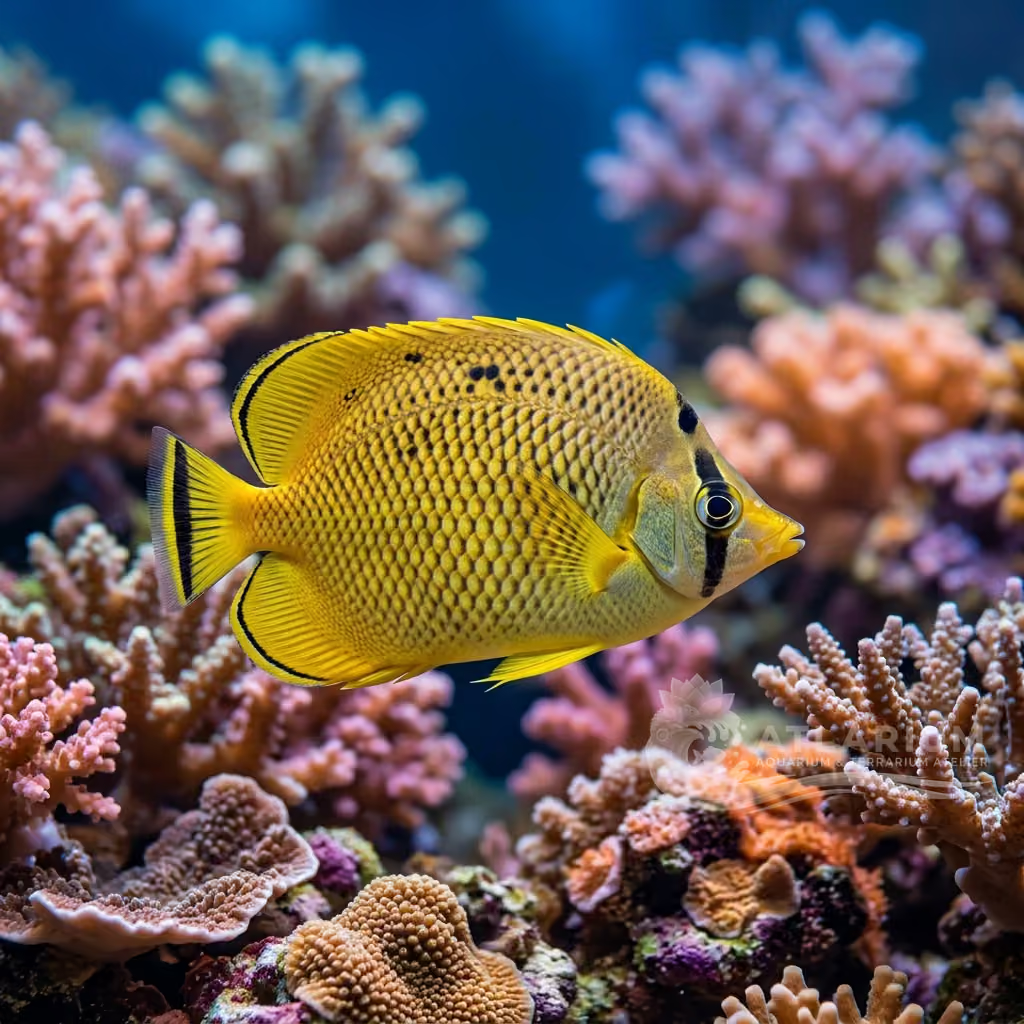
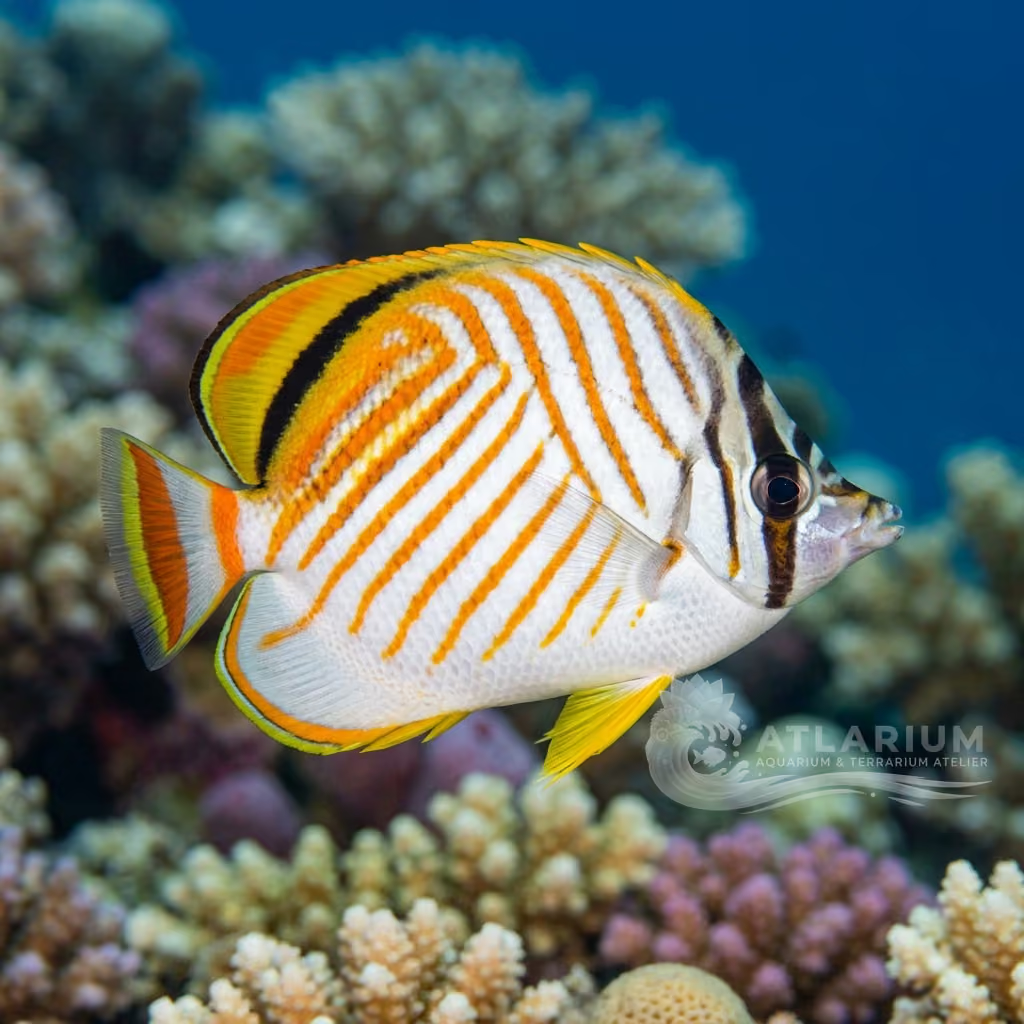
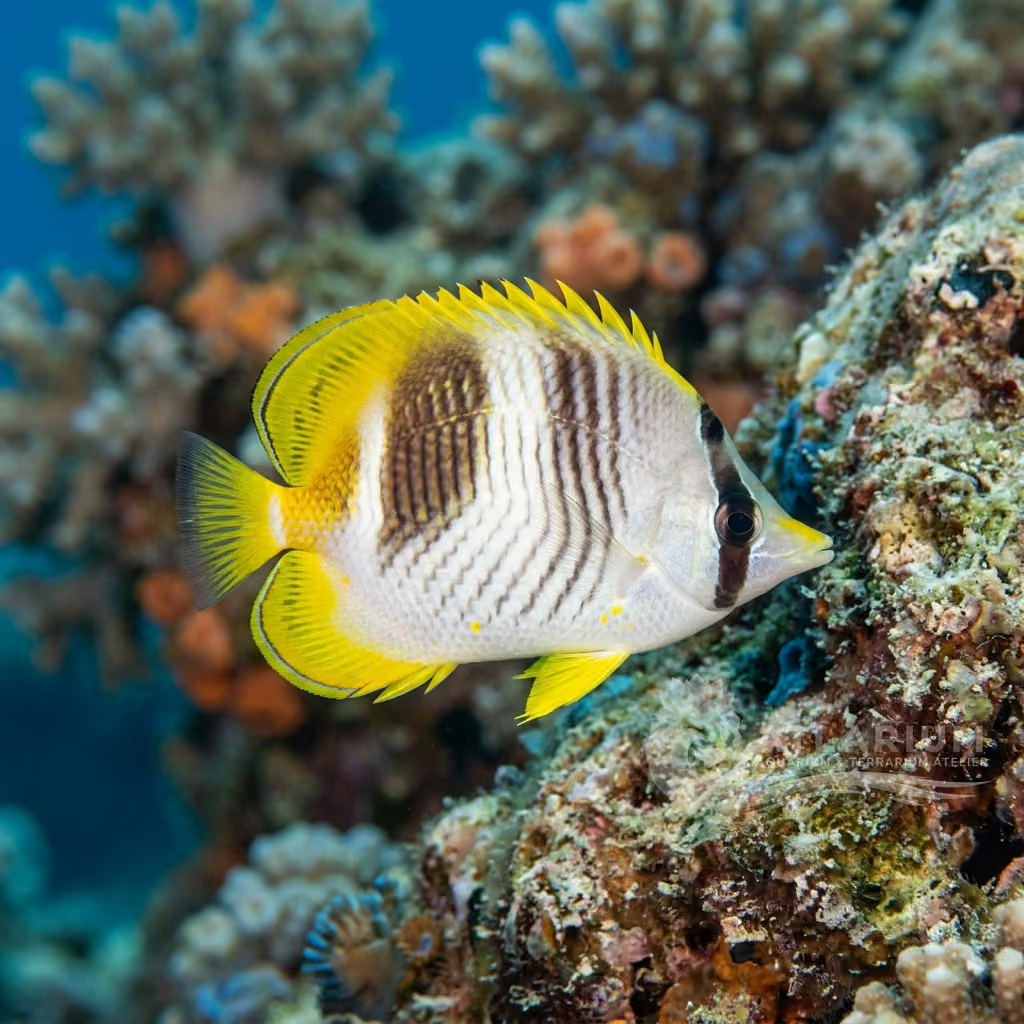
Spectacular butterflyfish native to the Red Sea (23 cm), featuring an entirely golden-yellow body with thin vertical red lines and a prominent blue mask behind the eye.
Water Temperature
24 - 27 °C
pH Value
8.1 - 8.4
Water type
Marine
Tank level
Bottom and middle
Adult size
23 cm
Minimum tank volume
>= 500 L
Minimum group
>= 1
KH
8 - 12 dKH

Species description
Geographical Origin and Habitat: Endemic to the Red Sea and Gulf of Aden. Inhabits shallow seaward reefs with rich coral growth and deep lagoons from 3 to 20 meters depth. Native to the coral-rich waters of the Red Sea and the Gulf of Aden, this butterflyfish occupies slopes with rich stony coral growth.
Taxonomy and Morphology: Member of the family Chaetodontidae. Features a deep, circular, and highly compressed body. Known as one of the most iconic and recognizable butterflyfish species. Belonging to the family Chaetodontidae, it exhibits a high-bodied, compressed shape that is ideal for navigating complex reef structures.
Social Behavior: Gregarious and highly social. Almost always observed in mated pairs or large schools hovering under the shade of tabular Acropora corals. They are social fish, frequently observed in monogamous pairs that establish and defend feeding territories on the reef.
Coloration and Sexual Dimorphism: Bright golden-yellow overall body color with thin, vertical orange-red lines. Distinguished by a large, prominent blue-grey patch behind the eyes. The brilliant yellow body is highlighted by fine vertical orange stripes and a distinctive blue patch behind the eye, resembling a mask.

Care, breeding and tankmates
Aquarium Setup: Needs a large marine aquarium of at least 400 liters to accommodate its size and social behavior. Provide stable, large rock structures with overhangs. A minimum tank volume of 400 liters is recommended, featuring massive rock formations that provide both caves and open swimming pathways.
Diet and Feeding: Omnivorous. Feeds on coral polyps and small benthic invertebrates. Readily transitions to high-quality dry pellets, flakes, frozen mysis, and brine shrimp. Provide a diverse diet consisting of vitamin-enriched brine shrimp, mysis, marine algae, and specialized gel foods for corallivores.
Water Quality: Standard marine parameters: temperature 22-27 °C, pH 8.1-8.4, and salinity 1.020-1.025 with efficient filtration and moderate water movement. High water turnover and heavy protein skimming are essential to maintain the pristine water parameters this species requires.
Compatibility and Cohabitation: Highly peaceful. Not reef safe as it nips at stony corals. Best kept in pairs or small groups in a large fish-only setup with non-aggressive tankmates. Keep in fish-only-with-live-rock (FOWLR) systems, as they will readily feed on stony corals and clams in a reef tank.
Aquarium Breeding: Reproduction in home aquariums is undocumented. Pelagic spawner. The larvae spend weeks drifting in ocean currents before settling. Breeding has not been successfully achieved in home aquaria due to the pelagic nature of their eggs and larvae.
Risks and Diseases: One of the hardiest and most resilient butterflyfish species in the hobby. Low risk of disease if standard water quality is maintained. Prone to environmental stress and diseases like Cryptocaryon irritans; use of a quarantine tank is highly recommended.

Geographic origin and distribution
Endemic to the Red Sea and Gulf of Aden. Inhabits shallow seaward reefs with rich coral growth and deep lagoons from 3 to 20 meters depth. Native to the coral-rich waters of the Red Sea and the Gulf of Aden, this butterflyfish occupies slopes with rich stony coral growth.
Origin
Tropical oceans and reefs

Fish profile
- Temperament
- Semi-aggressive
- This butterflyfish is generally a peaceful and social species that does not bother unrelated tankmates. However, they can show territorial behavior towards members of their own species or other butterflyfish of similar shape and color. They are best housed with other passive or moderately semi-aggressive fish like tangs, wrasses, and clownfish. Because of their docile nature, they should not be kept with highly aggressive species that might bully them or prevent them from eating.
- Diet
- Carnivore
- In the wild, the bluecheek butterflyfish is a specialized corallivore, feeding primarily on hard coral polyps. This specialized feeding habit makes them notoriously difficult to transition to captive diets, and they may initially refuse food. Aquarists must offer a diverse selection of meaty frozen foods such as mysis, brine shrimp, and chopped clams or mussels on the half-shell to stimulate feeding. Over time, some individuals can be trained to accept high-quality pellet or flake foods, but fresh or frozen options should always remain a staple.
- Life expectancy
- 5-12 years
- Adult size
- 23 cm
- Sex ratio
- 1:1 ratio
- In their natural habitat, these butterflyfish are known to form stable, monogamous pairs that remain together for life. In a home aquarium, they are best kept as a single specimen or as a established male-female pair, provided the tank is sufficiently large. Attempting to keep multiple individuals or random combinations can lead to intense intraspecific aggression unless they are introduced simultaneously in a massive system. If stocking a pair, it is crucial to monitor their behavior to ensure that one does not dominate or stress the other.
- Feeding frequency
- Twice daily
- Due to their high metabolic rate and active foraging habits, these fish require multiple small feedings throughout the day. It is highly recommended to feed them three to four times daily to ensure they receive adequate nutrition and maintain their body weight. Providing food in smaller, frequent portions also mimics their natural browsing behavior and reduces the amount of uneaten food that decomposes in the tank. Utilizing automated feeders for dry foods can assist in maintaining this schedule, though supplemental frozen feedings are still necessary.
- Bioload
- Medium to High
- The bluecheek butterflyfish is a relatively large marine species that can reach up to 23 cm in length, which translates to a significant biological load on the aquarium. Because this fish requires multiple daily feedings of rich, meaty foods, it produces substantial organic waste that can quickly degrade water quality. A robust filtration system, including a high-performance protein skimmer, is essential to manage this load. Regular water changes and active chemical filtration are highly recommended to maintain the low nitrate and phosphate levels required for their long-term health.
- Flow
- Strong
- The bluecheek butterflyfish prefers moderate water flow that mimics the conditions of their native coral reef habitats. They require enough water movement to ensure high oxygenation and efficient filtration, but the current should not be so strong that they struggle to swim. Creating areas of varied flow within the aquarium, including lower-flow zones behind rock formations, allows them to rest comfortably when needed. A well-designed circulation system with adjustable powerheads is ideal for achieving this balance.
- Jump risk
- Yes
- Like many members of the family Chaetodontidae, the bluecheek butterflyfish represents a moderate to high jumping risk, particularly when startled. Sudden changes in lighting, aggressive tankmates, or maintenance activities can easily trigger a flight response, causing the fish to leap from the water. A tight-fitting lid or a secure mesh cover is essential to prevent tragic escapes through any open sections of the tank. Additionally, utilizing programmable LED lights that simulate natural sunrise and sunset can help minimize the startle reflex that often leads to jumping.
- Reproduction
- Oviparous
- Reproduction of this species in the home aquarium is exceptionally difficult and rarely achieved. They are pelagic spawners that release their eggs directly into the water column, where the tiny larvae drift and feed on specialized plankton. Raising the larvae requires highly specific live cultures, such as copepod nauplii, and a dedicated rearing setup with precise environmental controls. While pairs may exhibit courtship behavior in large display systems, successfully rearing the offspring to adulthood remains a task for advanced breeders and public aquariums.
- Compatibility & tankmates
- Not reef safe
- This species is strictly not reef-safe, as it will actively consume coral polyps, tubeworms, and occasionally nip at clam mantles. They are ideally suited for large, fish-only-with-live-rock (FOWLR) systems where their destructive feeding habits will not destroy expensive corals. They are highly compatible with peaceful to semi-aggressive fish of similar size, provided there is enough space. Avoid housing them with aggressive predators or very small, timid species that could compete for food.
- Tank level
- Middle/Bottom
- This species is most active in the middle and lower zones of the aquarium, where it spends its time browsing the rockwork. They prefer swimming through caves, arches, and open channels in the lower half of the water column rather than hovering near the surface. Providing a complex aquascape with plenty of vertical structure allows them to establish territories and feel secure in these zones. While they will occasionally venture to the upper levels during feeding times, their primary activities remain centered in the bottom-middle region.

Scientific Parameters & Models
FishBase
Window to the official scientific data of the species
FishBase v25.04Data synced on: 06/15/2026
- Trophic level
- 3.5 ± 0.37 se
- Resilience
- High (less than 15 months)
- Generation time
- 1.4 years
- Phylogenetic uniqueness (PD50)
- 0.5
- Bayesian Length-Weight
- a = 0.02291, b = 3
- VulnerabilityLow vulnerability (17 / 100)

Related species
Recommendations grouped by close relatives, companion choices, and similar care.