Threebanded butterflyfish
Chaetodon humeralis
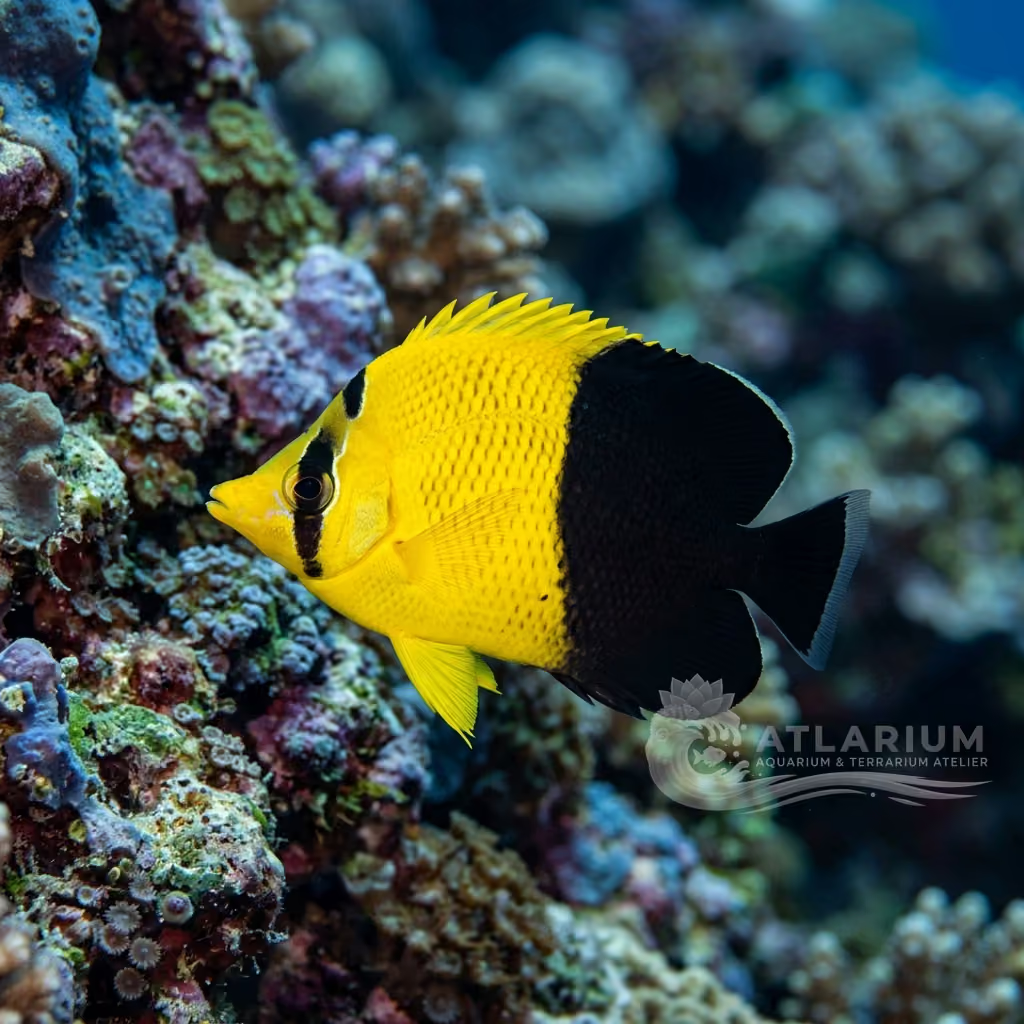
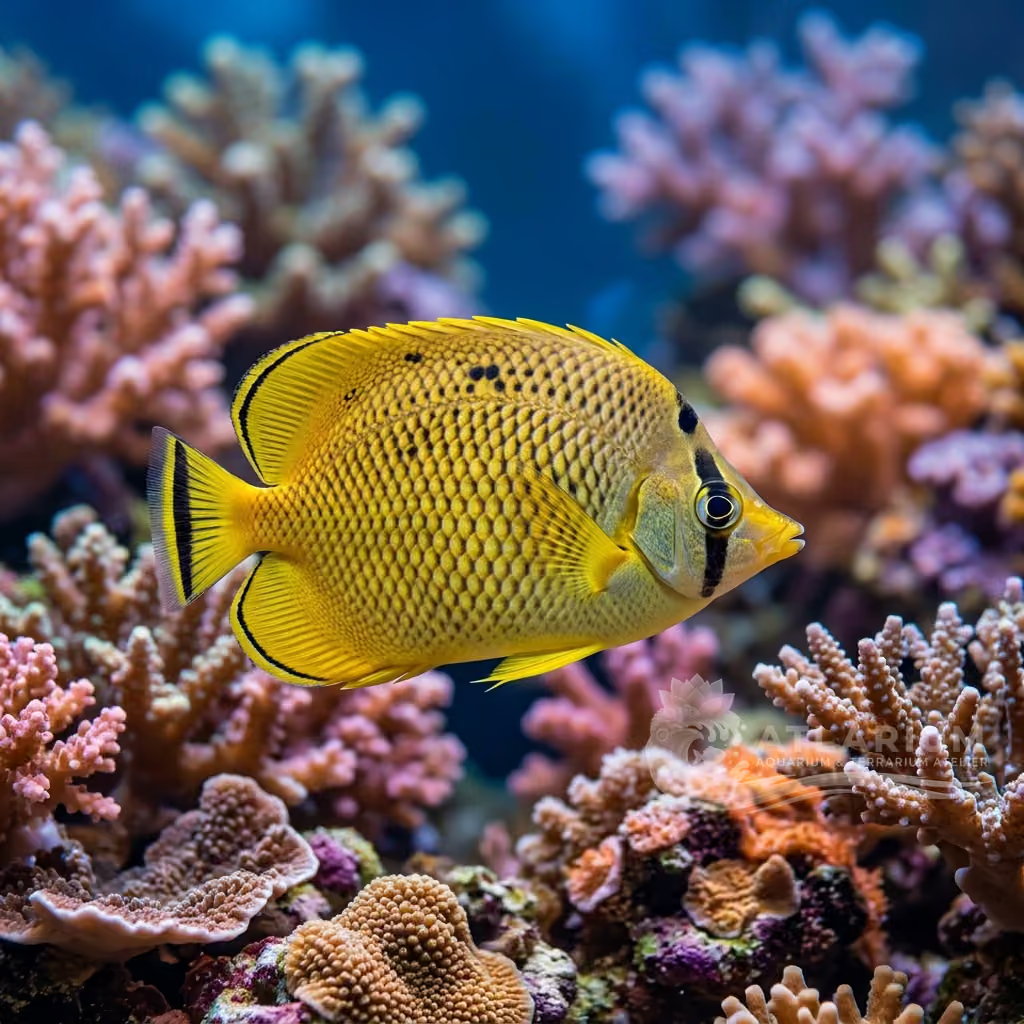
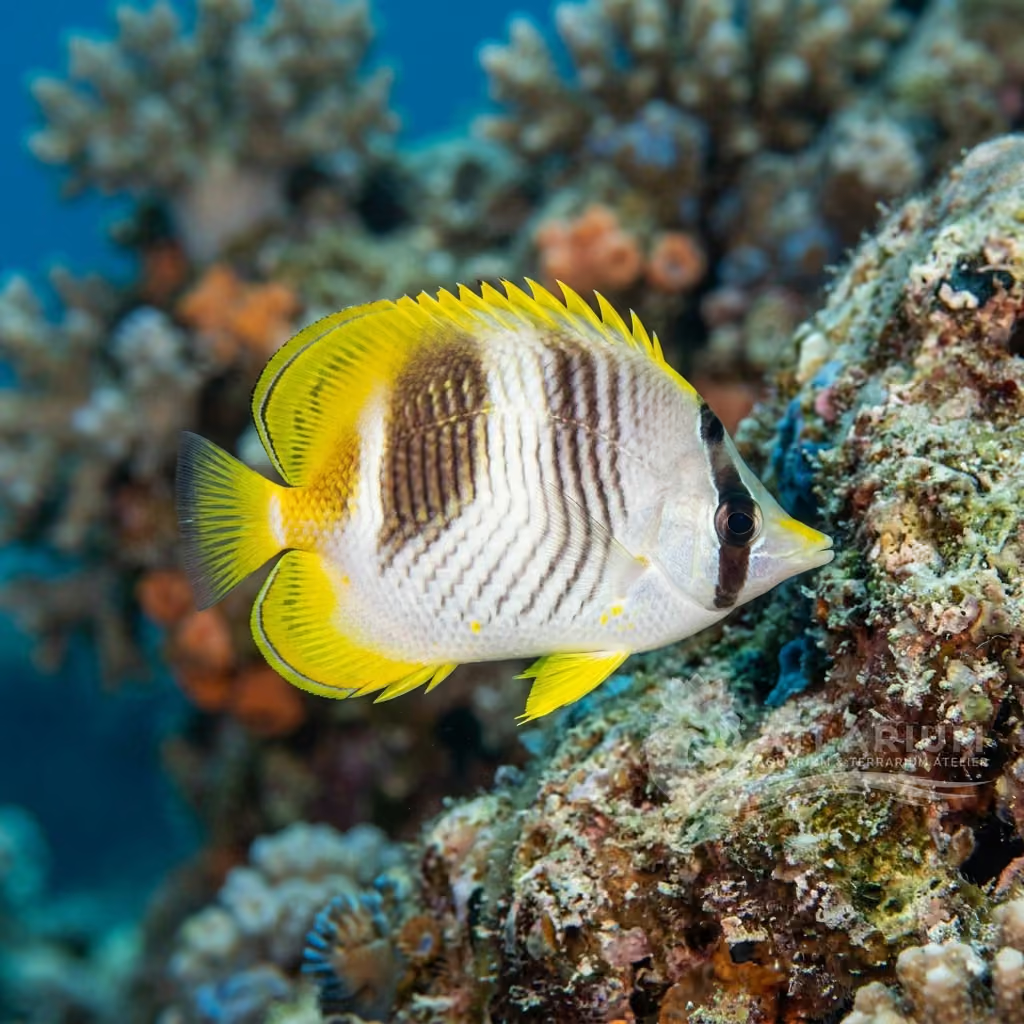
A striking butterflyfish from the Eastern Pacific, characterized by a silvery-white body crossed by three dark vertical bands. It prefers cooler marine environments.
Water Temperature
20 - 26 °C
pH Value
8.1 - 8.4
Water type
Marine
Tank level
Bottom and middle
Adult size
25 cm
Minimum tank volume
>= 400 L
Minimum group
>= 1

Species description
Geographical Origin and Habitat: The Threebanded butterflyfish is native to the warm-temperate and tropical waters of the Eastern Pacific Ocean. Its distribution ranges from Redondo Beach in southern California down to Peru, including the Gulf of California and the Galapagos Islands. It typically inhabits shallow rocky reefs, coral reefs, sandy bays, and estuaries, usually at depths ranging from 3 to 15 meters.
Taxonomy and Morphology: Belonging to the family Chaetodontidae, Chaetodon humeralis features a highly compressed, disc-like body shape with a pointed snout and small, brush-like teeth designed for picking tiny organisms from rock crevices. Adults can grow up to 25 centimeters in length, making them a robust and prominent species among the Pacific butterflyfishes.
Social Behavior: In their natural habitat, these fish are usually encountered in stable pairs or small schools moving together across the reef. They are generally peaceful toward other tankmates of different species, but they can exhibit significant intraspecific territoriality and aggression if kept in cramped conditions or if shelters are insufficient.
Coloration and Sexual Dimorphism: The body coloration is primarily silvery-white to light yellowish, highlighted by three prominent dark brown or black vertical bars. The first bar runs through the eye, the second crosses the middle of the body, and the third is located at the base of the caudal fin. There is no visible sexual dimorphism, as males and females look identical.

Care, breeding and tankmates
Aquarium Setup: A spacious marine aquarium of at least 400 liters is required for a single fish or a pair. The aquascaping should feature plenty of high-quality live rock arranged to create numerous caves, overhangs, and hiding spots, while still preserving a large open area in the center of the tank for active swimming.
Diet and Feeding: Omnivorous in nature, feeding on small benthic invertebrates, algae, and coral polyps. In captivity, they must be fed multiple times a day with a varied diet of frozen foods such as mysis shrimp, brine shrimp, chopped krill, and clam meat, along with marine algae preparations to support overall health.
Water Quality: Requires stable parameters and a highly efficient filtration system, including a protein skimmer. The water temperature should be kept between 20°C and 25°C, as they prefer cooler water than standard tropical reef fish. pH should range from 8.1 to 8.4, salinity at 1.021-1.025, and nitrates must be kept low.
Compatibility and Cohabitation: Best suited for a fish-only-with-live-rock (FOWLR) tank. They are not reef-safe, as they will actively nip at stony corals, soft corals, sea anemones, and small tubeworms. Suitable tankmates include active, non-aggressive species of similar size such as tangs, larger wrasses, and large angelfishes.
Aquarium Breeding: Breeding in home aquaria has not been successfully achieved. In the wild, they are pelagic spawners that release their eggs directly into the water column, where they drift with oceanic currents. Replicating the necessary current dynamics and providing suitable micro-foods for larvae is extremely difficult.
Risks and Diseases: Highly susceptible to common marine external parasites like Cryptocaryon irritans and Amyloodinium ocellatum. Poor water quality and stress can quickly lead to immune suppression, resulting in refusal of food and rapid decline. A dedicated quarantine tank is strongly recommended for all new specimens.

Geographic origin and distribution
The Threebanded butterflyfish is native to the warm-temperate and tropical waters of the Eastern Pacific Ocean. Its distribution ranges from Redondo Beach in southern California down to Peru, including the Gulf of California and the Galapagos Islands. It typically inhabits shallow rocky reefs, coral reefs, sandy bays, and estuaries, usually at depths ranging from 3 to 15 meters.
Origin
Tropical oceans and reefsExtra-Amazon South AmericaNorth America

Fish profile
- Temperament
- Aggressive
- This butterflyfish is generally peaceful toward other reef fish and non-similar species. However, they can show territorial behavior toward other butterflyfishes, especially those of the same genus. They can be quite shy during the acclimation period and may hide among the rockwork. It is best to avoid keeping them with highly aggressive or dominant tankmates that might bully them.
- Diet
- Omnivore
- The Threebanded Butterflyfish is an omnivore that feeds on algae and various benthic invertebrates in the wild. In captivity, they should be offered a diverse diet consisting of mysis shrimp, enriched brine shrimp, and chopped seafood like clams. They also require vegetable matter such as dried nori or spirulina flakes to satisfy their grazing instincts. Note that they are not reef-safe, as they will likely nip at hard and soft corals.
- Life expectancy
- 8-12 years
- Adult size
- 25 cm
- Sex ratio
- 1:1 ratio
- In their natural habitat, these fish form monogamous pairs and display strong social bonds. In a home aquarium, they are best kept singly or as an established, compatible male-female pair. Keeping multiple individuals of the same species in a small space can lead to intense intraspecific aggression. If you plan to house a pair, it is crucial to purchase them as a bonded pair from the start.
- Feeding frequency
- Twice daily
- It is recommended to feed this species small portions two to three times daily. Due to their active nature and relatively small digestive tract, frequent feedings help maintain their body mass and energy levels. Providing food on a regular schedule prevents them from excessively nipping at other aquarium inhabitants out of hunger. Automatic feeders can be useful, but manual target feeding is preferred to monitor their intake.
- Bioload
- Medium to High
- The Threebanded Butterflyfish has a medium-high biological load due to its potential adult size of up to 10 inches and active feeding habits. A powerful filtration system, including an efficient protein skimmer, is essential to handle the organic waste it produces. Regular water changes and monitoring of nitrates are highly recommended to maintain pristine water quality. Proper tank maintenance ensures this sensitive species remains healthy and free from stress-induced diseases.
- Flow
- Strong
- This species thrives in aquariums with moderate water flow, which mimics their natural coastal reef habitats. The movement of water helps keep the aquarium well-oxygenated, which is vital for this active swimmer. Strong linear flow should be avoided in favor of turbulent, dispersed currents that allow for comfortable swimming. Proper powerhead placement ensures there are no stagnant zones in the lower tank sections.
- Jump risk
- No
- Reproduction
- Oviparous
- Like other members of its genus, this species is an oviparous broadcast spawner that releases eggs into the water column. In the wild, they form monogamous pairs to breed, but successful spawning in captivity is extremely rare. Replicating the specific environmental cues and providing the vast space required for their courtship ritual is highly difficult. Consequently, there are no reliable records of hobbyists successfully breeding them in home aquariums.
- Compatibility & tankmates
- Peaceful
- The Threebanded Butterflyfish is compatible with a wide range of peaceful marine fish such as tangs, clownfish, and chromis. However, they should not be housed with other butterflyfish species due to potential territorial aggression. They are not compatible with reef aquariums housing prized corals, anemones, or feather dusters, which they will nip at. Careful selection of tankmates ensures a harmonious community without risk to delicate invertebrates.
- Tank level
- Middle/Bottom
- This species primarily occupies the bottom and middle zones of the aquarium where it searches for food. They spend most of their day swimming around live rock structures and grazing on algae or benthic organisms. Providing ample open swimming space in these levels is important for their active nature. The tank layout should include both caves for shelter and open paths in the lower-middle sections.

Scientific Parameters & Models
FishBase
Window to the official scientific data of the species
FishBase v25.04Data synced on: 06/15/2026
- Trophic level
- 2.7 ± 0.24 se
- Resilience
- High (less than 15 months)
- Phylogenetic uniqueness (PD50)
- 0.5
- Bayesian Length-Weight
- a = 0.02399, b = 3.04
- VulnerabilityLow vulnerability (15 / 100)

Related species
Recommendations grouped by close relatives, companion choices, and similar care.