Teardrop Butterflyfish
Chaetodon unimaculatus
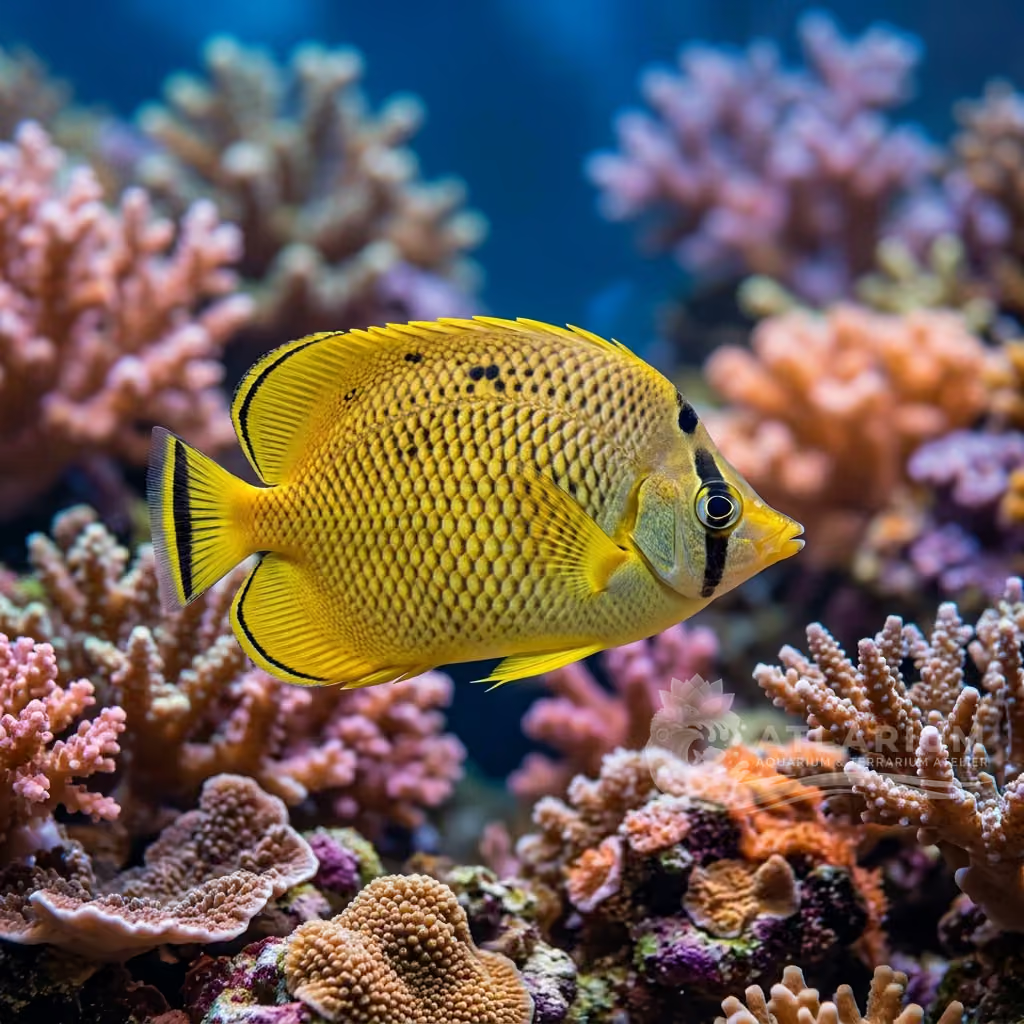
Large butterflyfish (20 cm) from the Indo-Pacific, featuring a silvery-yellow body with a prominent drop-shaped ('teardrop') black spot on the upper side.
Water Temperature
22 - 27 °C
pH Value
8.1 - 8.4
Water type
Marine
Tank level
Bottom and middle
Adult size
20 cm
Minimum tank volume
>= 350 L
Minimum group
>= 1

Species description
Geographical Origin and Habitat: Chaetodon unimaculatus, commonly known as the teardrop butterflyfish, is widely distributed in the tropical waters of the Indo-Pacific. Its range spans from the eastern coast of Africa and the Red Sea across the Indian Ocean to the Hawaiian Islands, the Marquesas, and Easter Island, extending north to southern Japan and south to the Great Barrier Reef. It typically inhabits reef flats, shallow lagoons, and outer reef slopes at depths between 1 and 60 meters, in areas abundant in coral cover.
Taxonomy and Morphology: Belonging to the family Chaetodontidae and classified under the genus Chaetodon. Adults reach a maximum size of approximately 20 centimeters. The body is highly compressed laterally and circular in shape, featuring a strong snout with robust jaws and teeth adapted for feeding on tough coral polyps. Its dorsal and anal fins are large, rounded, and sweep back to form a continuous silhouette.
Social Behavior: In the wild, it is most frequently encountered in stable monogamous pairs that defend feeding territories together. They can also be seen individually or in small groups on rich coral reefs. They are active, diurnal swimmers that continuously explore the reef substrate. In an aquarium environment, they can be shy initially but may show mild territoriality toward similar-looking butterflyfish.
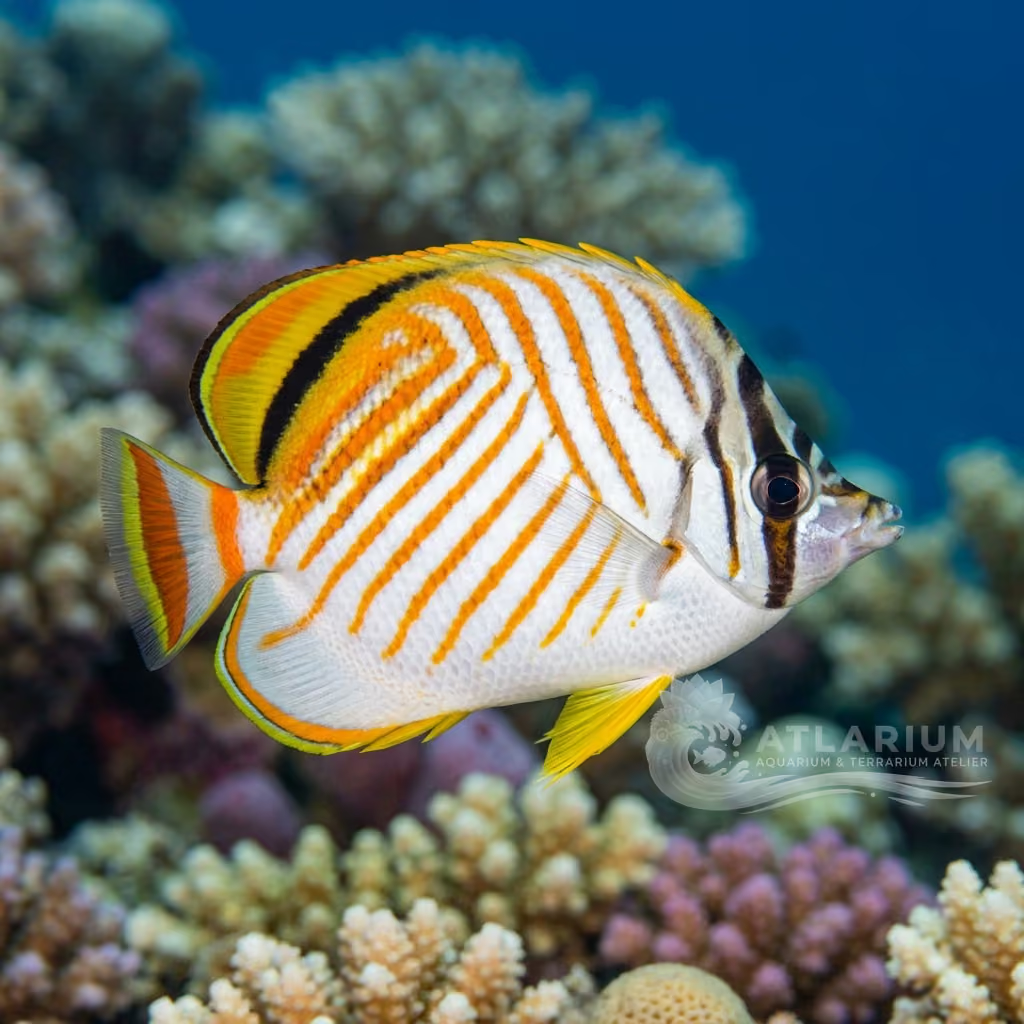
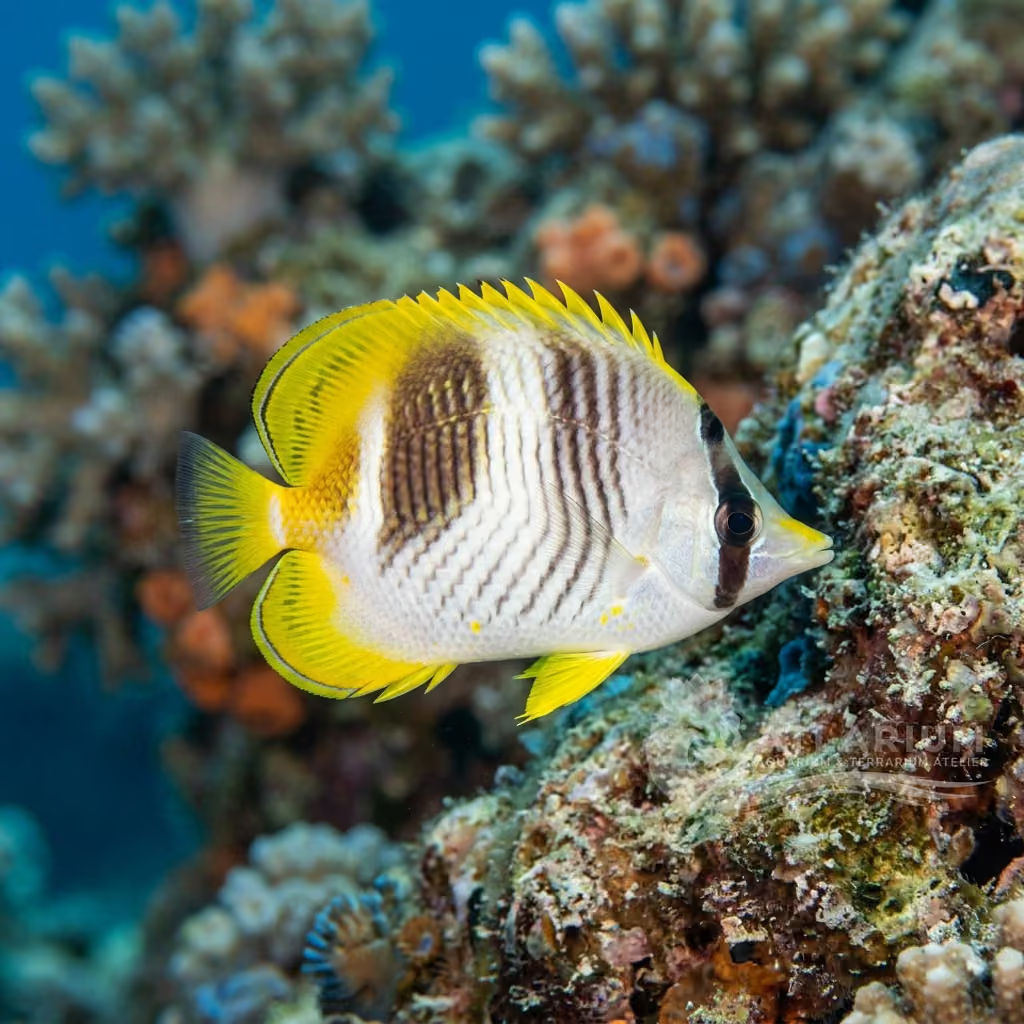
Coloration and Sexual Dimorphism: The body features a pearlescent white or silvery-white base color on the flanks, transitioning to a bright yellow on the dorsal, anal, and caudal fins. A bold black vertical bar runs through the eye. The defining feature is a large, drop-shaped black spot (hence 'teardrop') on the upper back. There is no visible sexual dimorphism between males and females.

Care, breeding and tankmates
Aquarium Setup: Requires a spacious tank of at least 350-400 liters to accommodate their size and active swimming behavior. Arrange high-quality live rock to create numerous caves, tunnels, and overhangs for shelter. An established tank containing microfauna and mature live rock is preferred, as it allows the fish to forage naturally during the day.
Diet and Feeding: An omnivore but specializes as a corallivore. In the wild, it feeds on hard coral polyps (especially Pocillopora and Acropora), soft corals (such as zoanthids and sarcophyton), polychaete worms, algae, and sponges. Acclimating them to aquarium food is challenging; offer opened fresh clams on the half-shell on the substrate, gradually transitioning to frozen mysis, brine shrimp, and sponge-based foods.
Water Quality: Demands high water quality typical of mature reef systems: temperature of 23-27 °C, pH of 8.1-8.4, specific gravity of 1.020-1.025, and low nitrates and phosphates. A strong protein skimmer and efficient mechanical filtration are required to manage the bioload of their frequent feeding schedule.
Compatibility and Cohabitation: Absolutely not reef-safe. They will rapidly consume hard corals, soft corals, zoanthids, sea anemones, and clam mantles. They are perfect for Fish-Only-With-Live-Rock (FOWLR) systems. Good tankmates include tangs, wrasses, damselfish, and other peaceful to semi-aggressive fish. Avoid housing them with highly aggressive tankmates that could prevent them from feeding.
Aquarium Breeding: These fish are broadcast spawners, forming pairs and rising to the surface to release pelagic eggs and sperm at dusk. Because of the extremely complex, long planktonic larval stage (the 'tholichthys' stage) and specialized feeding requirements of the fry, captive breeding has not been successfully achieved in home aquariums.
Risks and Diseases: Highly susceptible to stress-induced parasitic infections, including marine ich (Cryptocaryon irritans) and velvet (Amyloodinium). They can easily starve if they refuse to accept prepared foods during acclimation. The use of a quarantine tank is strongly recommended to treat any health issues and ensure they are eating before introduction.

Geographic origin and distribution
Chaetodon unimaculatus, commonly known as the teardrop butterflyfish, is widely distributed in the tropical waters of the Indo-Pacific. Its range spans from the eastern coast of Africa and the Red Sea across the Indian Ocean to the Hawaiian Islands, the Marquesas, and Easter Island, extending north to southern Japan and south to the Great Barrier Reef. It typically inhabits reef flats, shallow lagoons, and outer reef slopes at depths between 1 and 60 meters, in areas abundant in coral cover.
Origin
Tropical oceans and reefsAfrica and MadagascarEast Asia

Fish profile
- Temperament
- Aggressive
- This species is generally peaceful toward unrelated tankmates but can exhibit territorial behavior toward other butterflyfishes or similarly shaped species. They are active, curious, and constant grazers, meaning they are not reef-safe and will actively consume coral polyps and other sessile invertebrates. While they are not overly aggressive, they should not be kept with overly dominant or predatory fish that might stress them. A calm yet stimulating environment is ideal for their behavioral health.
- Diet
- Omnivore
- The Teardrop Butterflyfish is an omnivore with a diet that heavily features coral polyps, anemones, polychaetes, and algae in the wild. In an aquarium, they must be offered a varied diet that includes high-quality marine algae, spirulina, and meaty foods. Suitable options include mysis shrimp, brine shrimp, krill, and finely chopped fresh seafood. Providing a diverse menu is key to stimulating their appetite and maintaining their vibrant coloration.
- Life expectancy
- 8-12 years
- Adult size
- 20 cm
- Sex ratio
- 1:1 ratio
- In their natural habitat, these fish are often observed in monogamous pairs or small groups. In a home aquarium, they are best kept singly or as a confirmed mated pair (1:1 ratio). Attempting to keep multiple individuals of the same sex or mixing unbonded specimens will likely result in severe territorial aggression. A very large tank is required if one intends to house a group of these butterflyfish together.
- Feeding frequency
- Twice daily
- Due to their active lifestyle and relatively high metabolism, these fish require feeding 2 to 3 times daily. Offering small, frequent meals helps simulate their natural grazing behavior and prevents nutritional deficiencies. Newly introduced specimens may need even more frequent feedings to encourage them to start eating. Consistent feeding also helps reduce their urge to pick at any remaining decorative invertebrates or corals in the tank.
- Bioload
- Medium to High
- The Teardrop Butterflyfish (Chaetodon unimaculatus) has a medium-high biological waste footprint due to its active nature and frequent feeding requirements. To manage the waste effectively, a robust filtration system, including a high-capacity protein skimmer, is essential. Regular water changes and a well-established biological filter are critical to keeping ammonia, nitrite, and nitrate levels near zero. Suboptimal water conditions can rapidly affect the health of this sensitive marine species.
- Flow
- Strong
- This species prefers moderate to strong water flow, which mimics the dynamic reef environments they inhabit in the wild. Adequate flow is important for maintaining high dissolved oxygen levels and preventing detritus from settling. However, the aquascape should also include lower-velocity zones where the fish can rest comfortably without constantly fighting currents. A balanced combination of powerheads can create the ideal water movement.
- Jump risk
- Yes
- Although not known as habitual jumpers, the Teardrop Butterflyfish can easily leap out of the tank if startled or chased by tankmates. Sudden changes in lighting or sudden movements outside the aquarium can trigger a flight response. Therefore, a secure, tight-fitting lid or a mesh cover is highly recommended to prevent tragic escapes. Ensuring there are plenty of hiding spaces can also help the fish feel secure and reduce panic-induced jumping.
- Reproduction
- Oviparous
- Breeding the Teardrop Butterflyfish in captivity is exceptionally difficult and rarely accomplished in the hobby. They are pelagic broadcast spawners, releasing eggs and sperm into the water column where fertilization occurs. Rearing the resulting planktonic larvae requires specialized, continuous live food cultures and highly controlled water parameters. Additionally, because there are no clear external differences between males and females, pairing them for breeding is a significant challenge.
- Compatibility & tankmates
- Peaceful
- They are compatible with a variety of peaceful to semi-aggressive marine fish of similar size, such as tangs, wrasses, and larger clownfish. However, they are entirely incompatible with reef tanks containing stony corals, soft corals, clams, or feather dusters, as these will quickly become food. They should not be kept with aggressive tankmates like large groupers or triggerfish, which may bully or stress them. Slow-moving, timid species should also be monitored to ensure they are not outcompeted for food.
- Tank level
- Middle/Bottom
- This species is highly active and tends to occupy the bottom and middle zones of the aquarium. They spend a significant amount of time hovering near the live rock, searching for food and picking at surfaces. While they may occasionally venture to the upper water column during feeding, they generally prefer areas with structure and cover. Providing ample open swimming space within these lower and middle zones is vital for their well-being.

Scientific Parameters & Models
FishBase
Window to the official scientific data of the species
FishBase v25.04Data synced on: 06/15/2026
- Trophic level
- 3.3 ± 0.3 se
- Resilience
- High (less than 15 months)
- Phylogenetic uniqueness (PD50)
- 0.5
- Bayesian Length-Weight
- a = 0.02818, b = 3
- VulnerabilityLow vulnerability (10 / 100)

Related species
Recommendations grouped by close relatives, companion choices, and similar care.