Vagabond butterflyfish
Chaetodon vagabundus
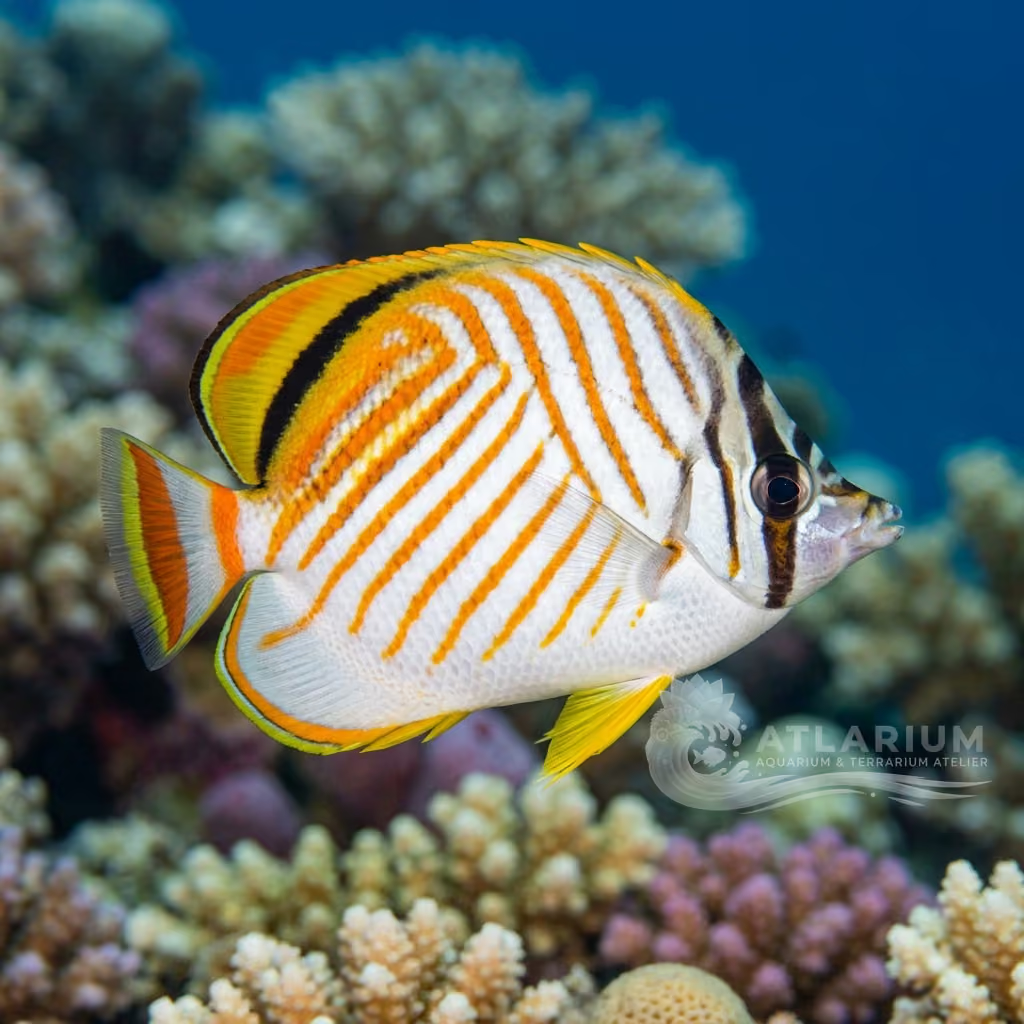
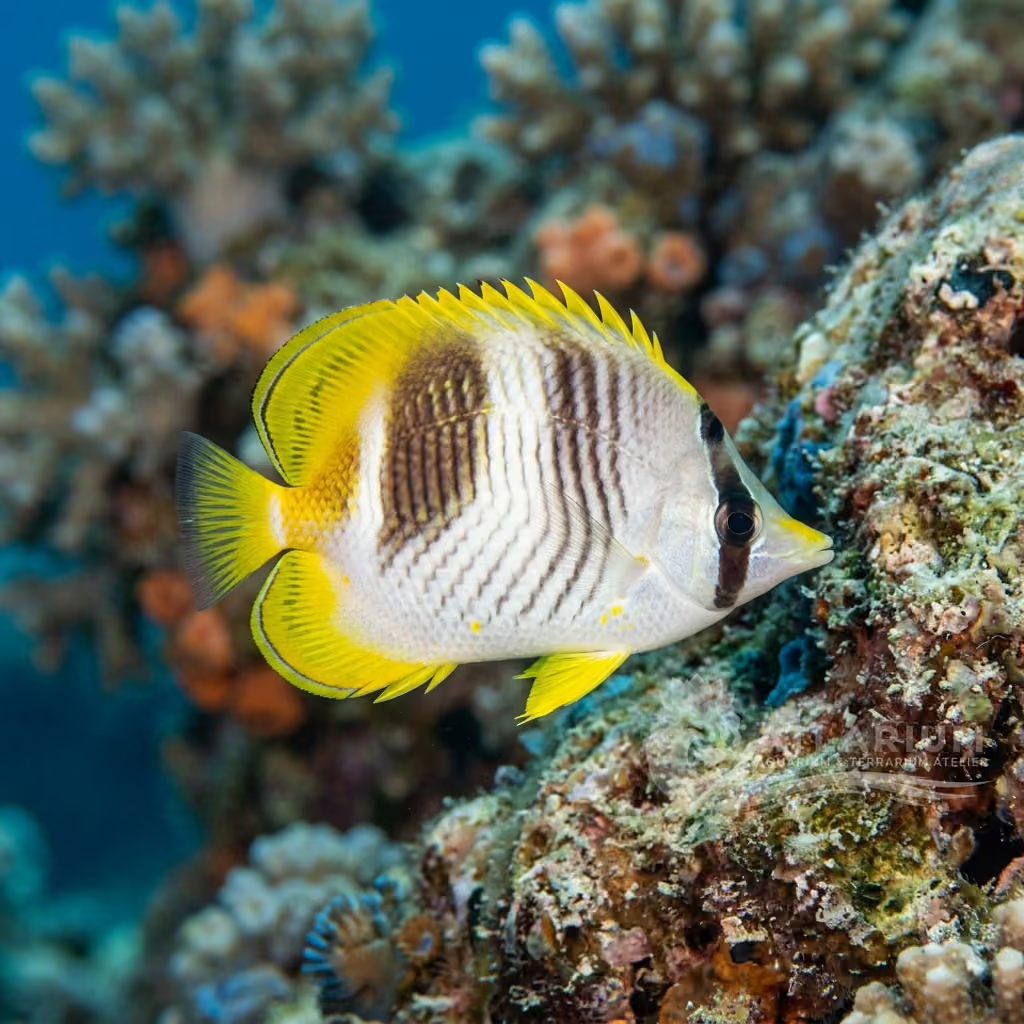
A hardy and active butterflyfish species, characterized by vertical black bands and criss-cross diagonal lines. Not suitable for tanks containing corals.
Water Temperature
22 - 26 °C
pH Value
8.1 - 8.4
Water type
Marine
Tank level
Bottom and middle
Adult size
23 cm
Minimum tank volume
>= 350 L
Minimum group
>= 1

Species description
Geographical Origin and Habitat: Widely distributed in the tropical Indo-Pacific, from East Africa and the Red Sea to the Tuamotu and Line islands, and north to southern Japan. It inhabits a variety of environments, including silty reefs, lagoons, and outer reef slopes down to 30 meters.
Taxonomy and Morphology: Belongs to the family Chaetodontidae, genus Chaetodon. Features a laterally compressed, disc-like body, a small mouth, and a pointed snout used to pluck food from small crevices.
Social Behavior: Monogamous and typically found in pairs, though solitary individuals and small groups are also observed. An active, inquisitive swimmer that can be territorial towards similar species.
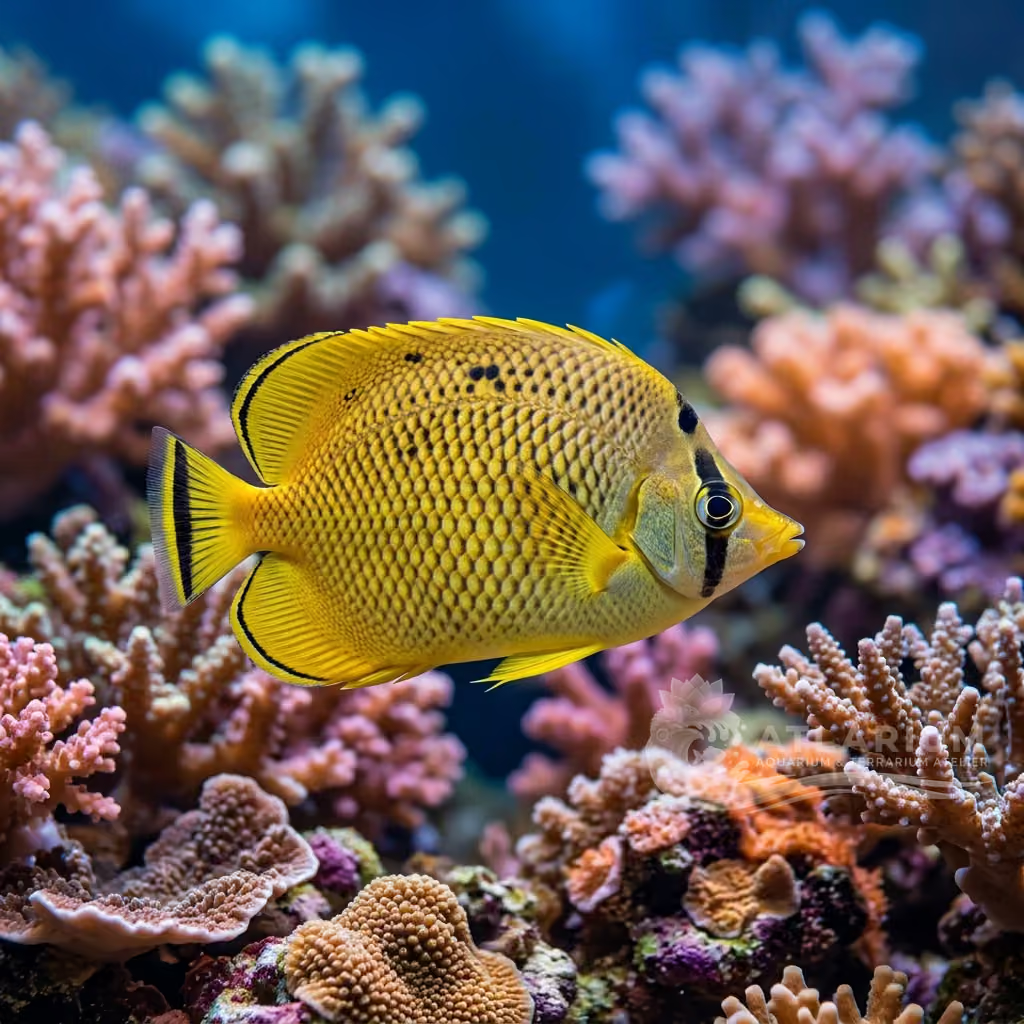
Coloration and Sexual Dimorphism: Features a silvery-white body with a criss-cross pattern of dark diagonal lines. It has a vertical black bar through the eye, a black band at the rear of the body, and another across the tail. No visible sexual dimorphism.

Care, breeding and tankmates
Aquarium Setup: Requires a spacious tank of at least 100-120 gallons (400-500 liters). Provide a layout with plenty of live rock forming caves and arches for cover, while leaving ample open areas for swimming.
Diet and Feeding: Adaptable omnivore. Easily accepts frozen foods (mysis, brine shrimp, chopped krill), flakes, pellets, and algae-based gel foods. Offer fresh open mussels or clams to enrich the diet.
Water Quality: Requires stable water conditions. Ideal parameters: pH 8.1-8.4, specific gravity 1.020-1.025, temperature 24-26°C (75-79°F). Efficient filtration and protein skimming are required.
Compatibility and Cohabitation: Not reef-safe; it will consume coral polyps, anemones, feather dusters, and small invertebrates. Best suited for fish-only systems with peaceful tankmates like tangs and wrasses.
Aquarium Breeding: Not successfully bred in home aquaria.
Risks and Diseases: Hardier than most butterflyfish, but still vulnerable to marine ich and velvet under stress. A quarantine period is highly recommended.

Geographic origin and distribution
Widely distributed in the tropical Indo-Pacific, from East Africa and the Red Sea to the Tuamotu and Line islands, and north to southern Japan. It inhabits a variety of environments, including silty reefs, lagoons, and outer reef slopes down to 30 meters.
Origin
Tropical oceans and reefsAfrica and MadagascarEast Asia

Fish profile
- Temperament
- Semi-aggressive
- The Vagabond Butterflyfish is generally peaceful toward most non-related tankmates, making it a good candidate for a large community fish-only aquarium. However, they can be highly territorial and aggressive toward other members of their own species or closely related butterflyfishes with similar color patterns. They are active, outgoing fish that will establish a hierarchy but usually cohabit peacefully with semi-aggressive species like tangs, angels, and wrasses. It is important to monitor their behavior, especially during feeding times or when new tankmates are introduced.
- Diet
- Omnivore
- In the wild, Chaetodon vagabundus is an opportunistic omnivore feeding on coral polyps, algae, anemones, polychaetes, and small benthic invertebrates. In captivity, they adapt relatively well to prepared aquarium foods compared to other obligate coral-feeding butterflyfish. Their diet should consist of a variety of frozen foods like mysis shrimp, brine shrimp, and chopped seafood, supplemented with algae-enriched preparations and high-quality flake or pellet food. Offering live food occasionally can stimulate their natural hunting instincts and help newly introduced individuals start feeding.
- Life expectancy
- 8-12 years
- Adult size
- 23 cm
- Sex ratio
- 1:1 ratio
- In the wild, Chaetodon vagabundus is typically observed living in stable, monogamous pairs. In the home aquarium, they are best kept singly or as a mated male-female pair, as they can be highly territorial and aggressive toward conspecifics or similar-looking butterflyfishes. Trying to keep them in larger groups or random multiple pairings in the same tank often leads to severe aggression unless the aquarium is exceptionally large (hundreds of gallons). If a pair is desired, it is recommended to purchase them as a verified bonded pair or introduce them simultaneously as juveniles.
- Feeding frequency
- Twice daily
- Due to their active nature and relatively small digestive systems, the Vagabond Butterflyfish should be fed multiple times throughout the day. A schedule of two to three small feedings daily is recommended to ensure they receive adequate nutrition and maintain their body weight. Spreading out the feedings helps replicate their natural wild behavior of continuous grazing along the reef. Consistent feeding also reduces territorial aggression, as the fish are less likely to compete aggressively for food when it is provided regularly.
- Bioload
- Medium to High
- The Vagabond Butterflyfish is a medium-sized, active marine species that generates a moderate to high bioload in the aquarium. As an omnivore with a hearty appetite, it produces significant organic waste, which requires a robust filtration system. Aquarists should use a powerful protein skimmer, along with regular water changes, to keep nitrate and phosphate levels low. A well-established biological filter and active mechanical filtration are essential to maintain the pristine water quality this species needs.
- Flow
- Moderate
- The Vagabond Butterflyfish inhabits reef flats, lagoons, and seaward slopes where they experience moderate to strong water currents. In the aquarium, they prefer a moderate to strong water flow that mimics these natural conditions and helps keep the water well-oxygenated. Providing areas of brisk movement alongside some moderate current zones allows the fish to choose their preferred swimming spots. Proper water movement also assists in filtration by keeping organic debris suspended so it can be efficiently removed by the mechanical filter.
- Jump risk
- Yes
- While the Vagabond Butterflyfish is not considered a notorious jumper like wrasses or firefish, it is still capable of leaping out of the water when startled or chased by tankmates. To ensure their safety, a tight-fitting lid or mesh cover is strongly recommended for the aquarium. Furthermore, providing adequate hiding places among the rockwork helps the fish feel secure, reducing the likelihood of a panic-induced jump. A cover also helps prevent other potential hazards, such as water evaporation and dust accumulation in the marine environment.
- Reproduction
- Oviparous
- In their natural habitat, Chaetodon vagabundus forms monogamous pairs and participates in pelagic spawning, releasing eggs into the water column during peak warmer months. Unfortunately, successful reproduction in captivity is extremely difficult and rarely achieved by home aquarists. The challenge lies in pairing them safely, inducing spawning behavior, and providing the appropriate microscopic planktonic foods required by the delicate pelagic larvae. Consequently, almost all Vagabond Butterflyfish available in the aquarium hobby are wild-caught.
- Compatibility & tankmates
- Reef safe
- The Vagabond Butterflyfish is compatible with a wide range of semi-aggressive marine fish such as tangs, wrasses, damselfish, and larger clownfish. It is not reef-safe, as it will readily nip at and consume stony corals, soft corals, and ornamental anemones, making it suitable only for fish-only or FOWLR (Fish Only With Live Rock) systems. Caution is advised when housing them with passive or very shy species that might be intimidated by their active swimming. They should also not be kept with conspecifics or similar butterflyfishes unless in a very large tank where they can establish distinct territories.
- Tank level
- Middle/Bottom
- The Vagabond Butterflyfish is an active swimmer that utilizes all levels of the water column, but is most commonly observed hovering in the middle and bottom sections where live rock is present. They naturally forage along the reef structure, darting in and out of crevices in search of food. An open swimming area is crucial in the mid-water zone, while plenty of rockwork at the bottom provides shelter and foraging opportunities. Consequently, they require a spacious tank configuration with both horizontal swimming space and vertical depth.

Related species
Recommendations grouped by close relatives, companion choices, and similar care.