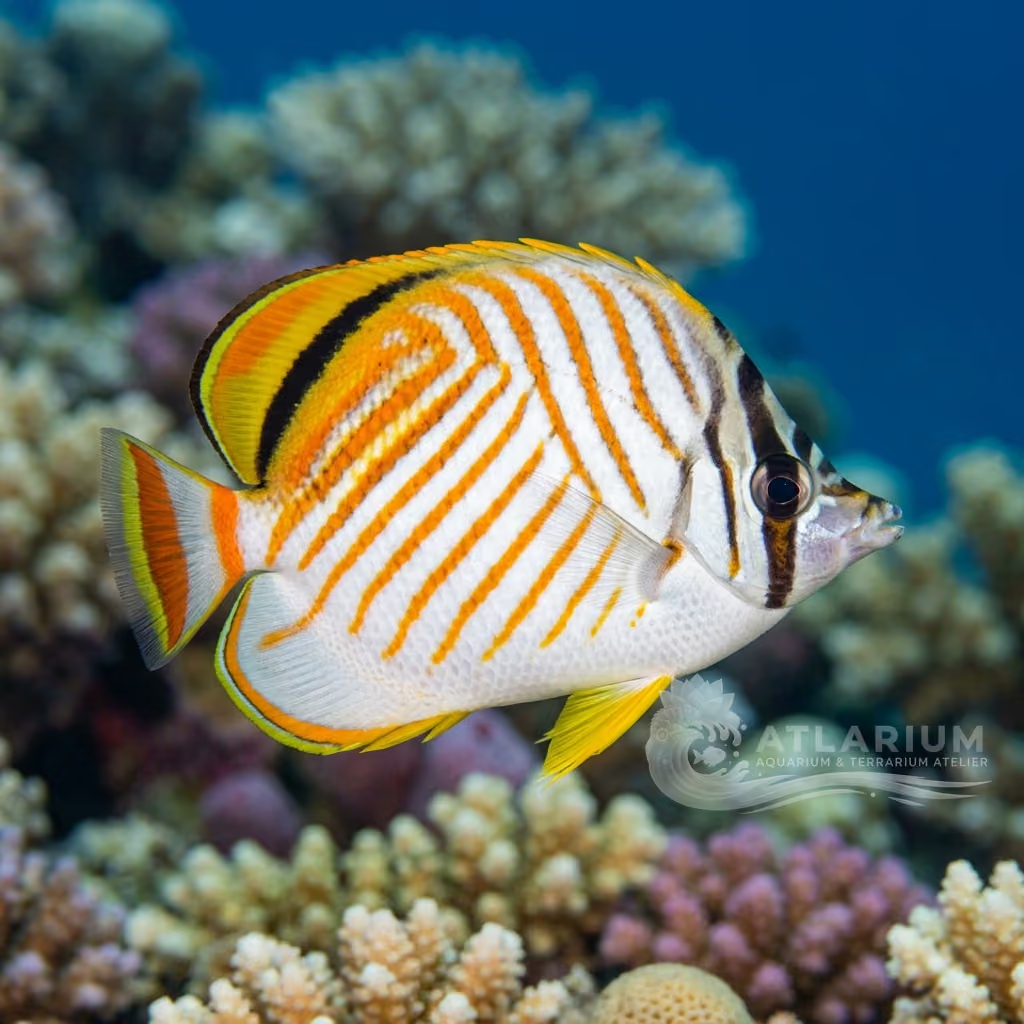
Doublesash Butterflyfish
Chaetodon marleyi
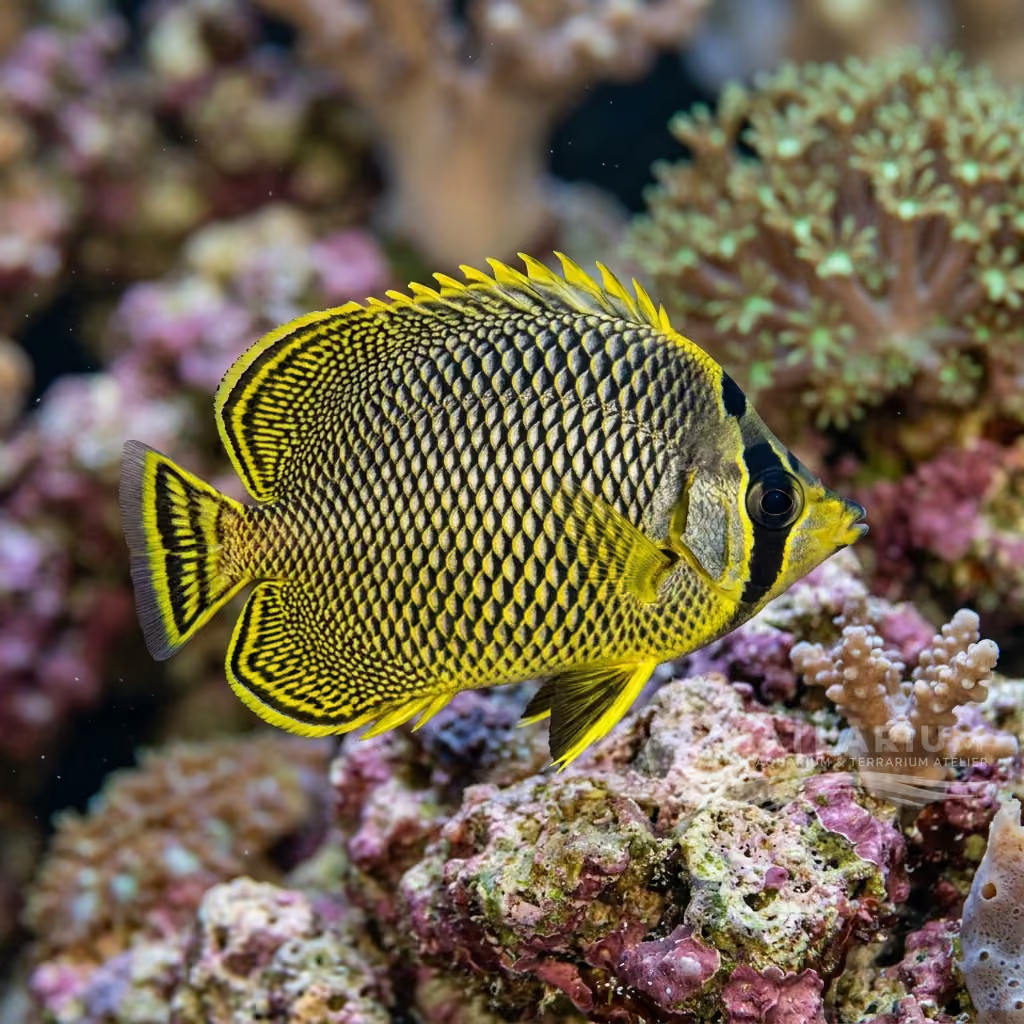
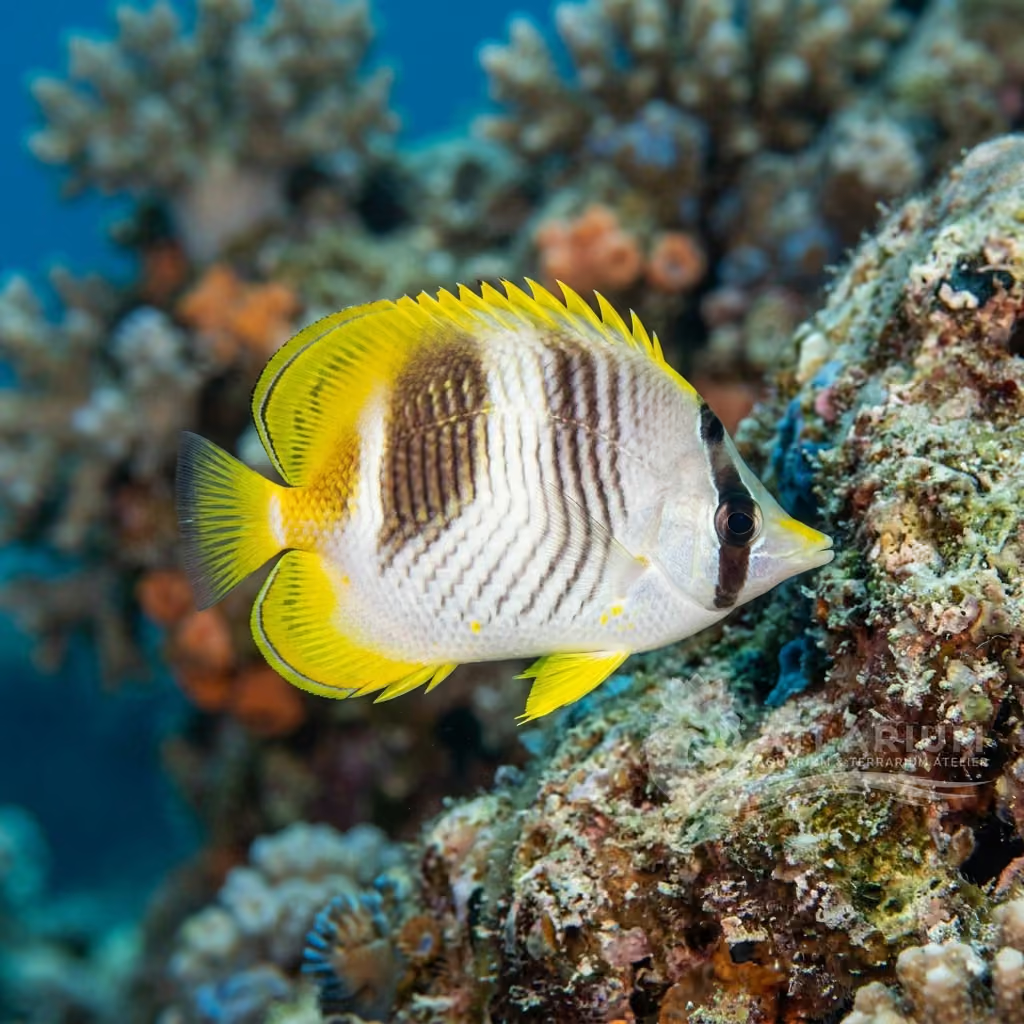
Hailing from subtropical southern Africa, this elegant silvery-grey butterflyfish features striking dark diagonal lines and twin black tail bands, thriving in mature aquariums.
Water Temperature
18 - 24 °C
pH Value
8.1 - 8.4
Water type
Marine
Tank level
Bottom and middle
Adult size
20 cm
Minimum tank volume
>= 350 L
Minimum group
>= 1

Species description
Geographical Origin and Habitat: Subtropical southern Africa, distributed from Namibia to Maputo in Mozambique. Found on rocky and sandy shores down to 120 meters.
Taxonomy and Morphology: Member of the family Chaetodontidae. Features a deep, circular, and highly compressed body. The specific name refers to the naturalist Marley.
Social Behavior: Peaceful, active, and curious species. Found singly or in mated pairs. Shows bold behavior in aquariums and is a popular control agent for marine pests.
Coloration and Sexual Dimorphism: Silvery-grey body with thin dark diagonal lines forming a chevron pattern. Marked by two parallel vertical black bands near the tail. The deep body and compressed shape allow this fish to maneuver with agility through eelgrass beds. Juveniles display much sharper dark bands compared to adults, which tend to develop faded golden-yellow hues over time.

Care, breeding and tankmates
Aquarium Setup: Requires a mature marine aquarium of at least 350 liters with plenty of live rock to provide hiding spots and natural grazing surfaces.
Diet and Feeding: Omnivorous. Feeds on small benthic invertebrates and algae. Accepts high-quality flakes, pellets, frozen brine shrimp, mysis, and marine algae.
Water Quality: Standard marine parameters: temperature 18-24 °C, pH 8.1-8.4, and salinity 1.020-1.025 with efficient filtration and moderate water movement.
Compatibility and Cohabitation: Highly peaceful. Not reef safe as it nips at stony corals. Best kept with quiet, non-aggressive species in a fish-only setup.
Aquarium Breeding: Spawning in home aquariums is undocumented. Pelagic spawner. Eggs and larvae drift in the ocean column before settling onto reefs.
Risks and Diseases: Once acclimated, it is relatively hardy. Susceptible to marine ich (Cryptocaryon) and stress. Ensure the aquarium is fully cycled. Efficient filtration combined with regular water changes is fundamental to prevent lateral line erosion. The aquarium setup should also include decorative live macroalgae, which the fish enjoys grazing on from time to time.

Geographic origin and distribution
Subtropical southern Africa, distributed from Namibia to Maputo in Mozambique. Found on rocky and sandy shores down to 120 meters.
Origin
Tropical oceans and reefsAfrica and MadagascarSouth and Southeast Asia

Fish profile
- Temperament
- Territorial
- The Doublesash Butterflyfish is generally a peaceful and active species that coexists well with a variety of non-aggressive tank mates. However, it can show territorial behavior and aggression toward members of its own species or other similarly shaped butterflyfishes. It is an active grazer, constantly exploring its environment, which makes it a dynamic addition to a cold-water marine setup. Because it is not a reef-safe fish, its inquisitive nature will lead it to nip at and damage various corals and sessile invertebrates.
- Diet
- Omnivore
- This species is an opportunistic carnivore and browser that feeds on a wide variety of benthic invertebrates, algae, and organic detritus in the wild. In the home aquarium, they should be offered a diverse diet consisting of high-quality frozen foods such as mysis shrimp, enriched brine shrimp, and chopped seafood. They are excellent algae grazers and will benefit from the inclusion of spirulina, nori, and prepared foods formulated for herbivorous marine fish. Finicky acclimating individuals can often be enticed to eat by placing fresh clams or mussels on the half-shell directly onto the rockwork.
- Life expectancy
- 5-10 years
- Adult size
- 20 cm
- Sex ratio
- 1:1 ratio
- In the aquarium, the Doublesash Butterflyfish is best kept individually or as a confirmed male-female mated pair. Attempting to keep multiple individuals of the same sex or adding them at different times can lead to intense territorial aggression and chasing. If you plan to house a pair, it is crucial to introduce them to the tank simultaneously to minimize conflict and ease acclimation. A stocking ratio of 1:1 is the standard recommendation to ensure a harmonious environment and prevent conspecific bullying.
- Feeding frequency
- Twice daily
- Because of their active nature and relatively small digestive systems, Doublesash Butterflyfishes should be fed small portions multiple times throughout the day. A schedule of two to three feedings daily is ideal to ensure they receive adequate nutrition and maintain their body weight. Providing a constant supply of natural grazing surfaces, such as live rock with microalgae and small invertebrates, will help supplement their diet between feedings. Consistent and frequent feeding also reduces stress and helps prevent territorial behaviors related to food competition.
- Bioload
- Medium to High
- The Doublesash Butterflyfish is a moderately large and active marine species that produces a significant amount of biological waste, placing a medium-high bioload on the aquarium. It requires robust filtration, including an efficient protein skimmer and mechanical filtration, to maintain the pristine water quality necessary for its health. Regular water changes and carbon chemical filtration are highly recommended to prevent the accumulation of dissolved organic compounds. Because this fish thrives in cool, well-oxygenated water, a high-capacity filtration system that promotes strong gas exchange is essential.
- Flow
- Strong
- The Doublesash Butterflyfish prefers moderate to strong water flow, which mimics the coastal reef and surge zones of its natural South African habitat. Adequate water movement is important to keep the water highly oxygenated and to facilitate the suspension of particulate foods for easy feeding. The flow should be structured to include both high-velocity zones for swimming and low-flow caves where the fish can rest securely. Utilizing multiple wavemakers or powerheads can help create a dynamic, natural current without creating excessive turbulence.
- Jump risk
- No
- Reproduction
- Oviparous
- Reproduction of the Doublesash Butterflyfish in captivity is extremely difficult and has not been successfully achieved in home aquariums. In nature, they are pelagic spawners that release their eggs into the water column, where the fertilized eggs drift with the currents. Rearing the tiny, delicate larvae requires specialized planktonic food sources, such as copepod nauplii, and complex rearing tanks that prevent physical damage. Consequently, all specimens available in the aquarium hobby are wild-caught, and captive breeding remains a challenge reserved for professional public aquariums.
- Compatibility & tankmates
- Peaceful
- This species is compatible with a wide range of peaceful to semi-aggressive cool-water marine fish, such as certain blennies, gobies, and temperate wrasses. It should not be kept with highly aggressive species that might bully it, nor with small, timid fish that it might outcompete for food. It is not compatible with reef aquariums, as it will readily consume coral polyps, anemones, feather dusters, and ornamental clams. When stocking, avoid adding other butterflyfish unless they are a mated pair or housed in an exceptionally large tank.
- Tank level
- Middle/Bottom
- This species is primarily reef-associated and tends to occupy the bottom-middle levels of the aquarium, where it actively grazes. It spends a large portion of its time picking at algae and invertebrates on live rock or searching for food in sandy substrates. However, it will also utilize the open swimming space in the middle of the water column to patrol its territory. Providing a layout with plenty of rocky structures, caves, and open pathways will encourage natural swimming patterns across these zones.

Scientific Parameters & Models
FishBase
Window to the official scientific data of the species
FishBase v25.04Data synced on: 06/15/2026
- Trophic level
- 2.7 ± 0.24 se
- Resilience
- High (less than 15 months)
- Phylogenetic uniqueness (PD50)
- 0.5
- Bayesian Length-Weight
- a = 0.02291, b = 3
- VulnerabilityLow vulnerability (10 / 100)

Related species
Recommendations grouped by close relatives, companion choices, and similar care.