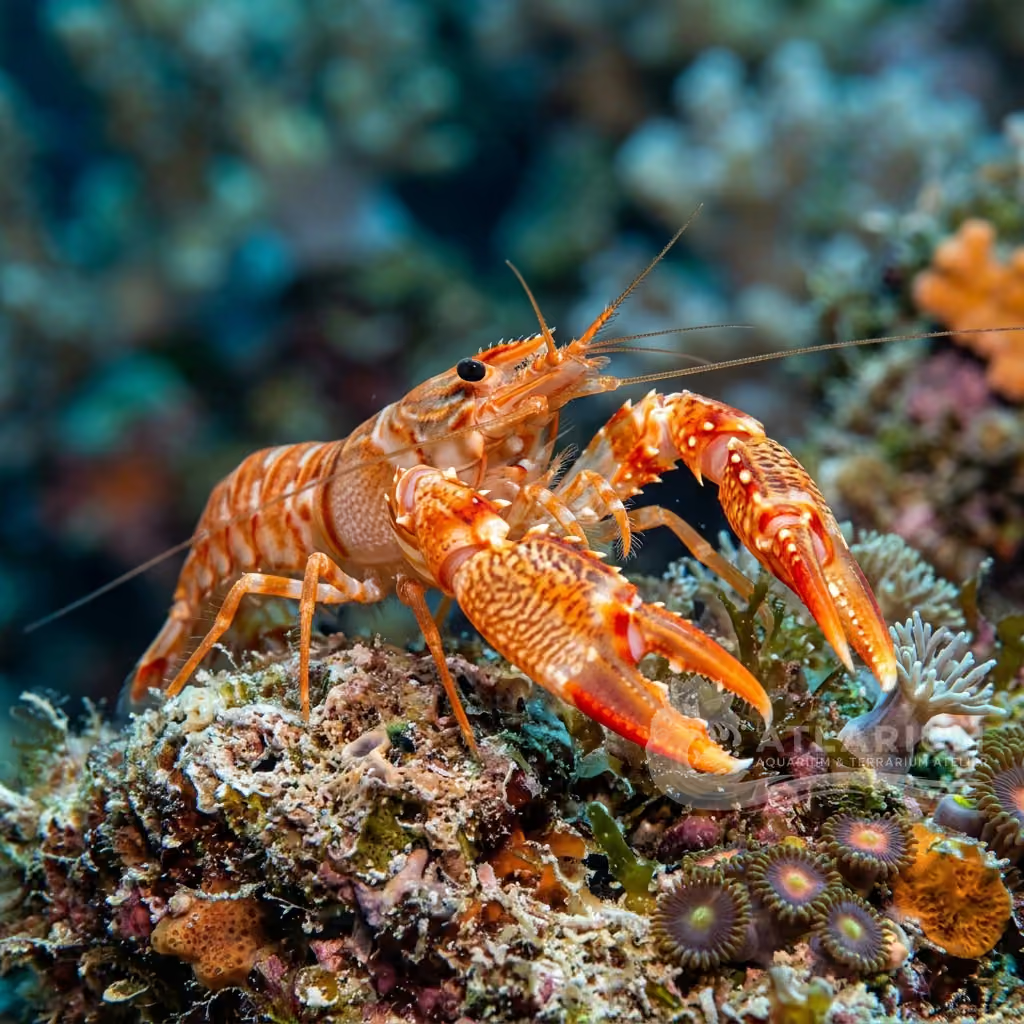
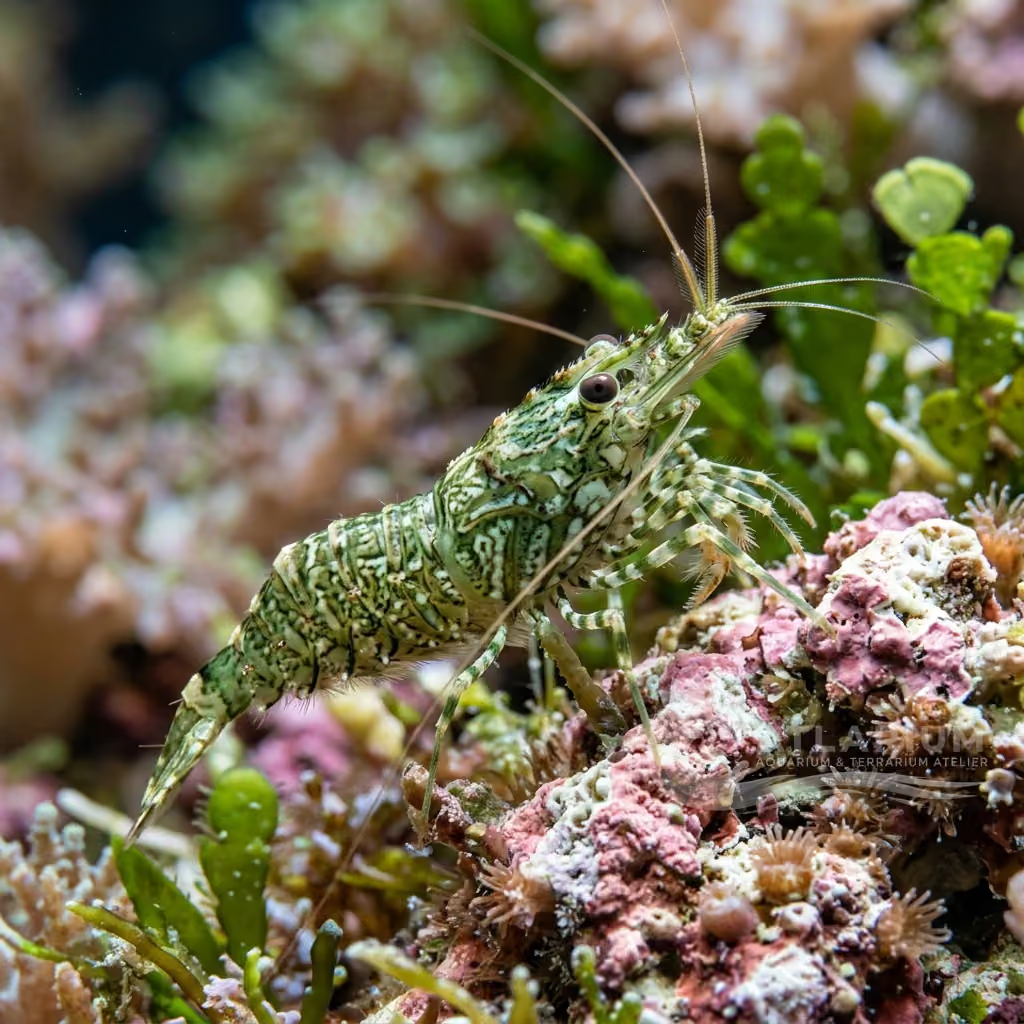
Bumblebee Shrimp
Gnathophyllum americanum
A tiny, striking marine shrimp with black and yellow zebra stripes, famous for its specialized diet feeding on echinoderms. Geographical Origin and Habitat: Gnathophyllum americanum has a...
Water Temperature
22 - 27 °C
pH Value
8.1 - 8.4
Water type
Marine
Invertebrate type
Marine shrimp
Adult size
2.5 cm
Minimum group
>= 1
KH
8 - 12 dKH
Ecological role
Scavenger
Copper sensitivity
High

Species description
Geographical Origin and Habitat: Gnathophyllum americanum has a wide circumtropical distribution. It is commonly found throughout the tropical waters of the Indo-Pacific (from the Red Sea to French Polynesia), the Caribbean Sea, and the western Atlantic Ocean. It inhabits shallow coastal coral reefs, seagrass beds, and rocky rubble zones, living tucked inside crevices and under live rock overhangs, typically at depths shallower than 20 meters.
Taxonomy: Belonging to the class Malacostraca, order Decapoda, and family Gnathophyllidae (bumblebee shrimps). It features a plump, short, and laterally compressed body shape with relatively short but strong claws and fine antennae. Its maximum adult size is extremely small, typically ranging between 1.0 and 2.0 centimeters in total length.
Social Behavior: A predominantly nocturnal, shy, and highly cryptic invertebrate. During the day, it stays hidden deep within rock crevices or coral branches. It shows no aggression toward fish or other peaceful invertebrates in the tank, except for echinoderms. It can be successfully kept in small groups or pairs in the same aquarium.
Coloration and Sexual Dimorphism: The color pattern is striking and serves as camouflage, featuring dense alternating transverse bands of black or dark brown and white-yellowish stripes, resembling a bumblebee or wasp. The tips of the legs and claws may have blue or orange accents. Sexual dimorphism is subtle, with mature females being slightly larger than males.

Care, breeding and tankmates
Tank Setup: Can be housed in small nano-reef aquariums starting from 40-50 liters (approx. 10-15 gallons). The tank must be arranged with plenty of live rock to provide small crevices and caves where the shrimp can hide during the day. It does not require special lighting or strong water movement, as long as conditions remain stable.
Diet and Feeding: A specialized predator of echinoderms. In the wild, it feeds on the tube feet and tissues of starfish and sea urchins. In captivity, to keep it healthy long-term, it must be offered starfish (such as Asterina pests or pieces of frozen starfish). While it may occasionally accept small pieces of shrimp meat or frozen food, it cannot survive without echinoderm tissue.
Water Quality: Demands stable marine parameters: water temperature between 23°C and 27°C, pH between 8.1 and 8.4, specific gravity between 1.023 and 1.025, and KH between 8 and 12 dKH. It is extremely sensitive to copper treatments and high levels of nitrates/phosphates. Sudden salinity changes can cause failed molting of their exoskeleton.
Compatibility and Tankmates: Reef-safe with corals, but a lethal threat to ornamental starfish (such as Linckia or Fromia species) and small sea urchins. It cohabitates well with small, peaceful fish like gobies, pipefish, and clownfish. Avoid large predatory fish like wrasses, hawkfish, or groupers that will easily eat it.
Aquarium Breeding: Breeding in home aquariums is extremely difficult. The female carries the eggs under her abdomen until they hatch. The released larvae are planktonic and go through several delicate larval stages before molts. They require specialized live foods such as rotifers and microalgae cultures to survive.
Risks and Diseases: The primary risk is starvation if not supplied with starfish to feed upon. Another danger is a failed molt due to iodine deficiency or fluctuating salinity. Being an invertebrate, it is highly sensitive to copper-based medications or formalin treatments used to treat marine fish diseases.

Geographic origin and distribution
Gnathophyllum americanum has a wide circumtropical distribution. It is commonly found throughout the tropical waters of the Indo-Pacific (from the Red Sea to French Polynesia), the Caribbean Sea, and the western Atlantic Ocean. It inhabits shallow coastal coral reefs, seagrass beds, and rocky rubble zones, living tucked inside crevices and under live rock overhangs, typically at depths shallower than 20 meters.
Origin
Tropical oceans and reefsCentral America and Caribbean

Invertebrate profile
- Diet
- Carnivore
- Gnathophyllum americanum is primarily an opportunistic omnivore that constantly scavenges the substrate. Its diet consists of detritus, uneaten fish food, and naturally occurring biofilm in the aquarium. Supplemental feedings of sinking pellets or blanched vegetables can help maintain optimal health.
- Ecological role
- Scavenger
- In its natural habitat, Gnathophyllum americanum acts as a crucial part of the cleanup crew. It helps to process waste materials and keeps the environment free from decaying organic matter. In captivity, it provides the exact same valuable sanitation services.
- Adult size
- 2.5 cm
- Jump risk
- Yes
- While not notorious jumpers, Gnathophyllum americanum can easily escape if startled by predators or abrupt light changes. A tight-fitting lid is always recommended to ensure they stay safely within the aquarium. Escaped shrimp will quickly desiccate and perish if they breach the water surface.
- Shock sensitivity
- High
- Gnathophyllum americanum is remarkably sensitive to sudden shifts in water parameters such as temperature and salinity. A slow drip acclimation is highly recommended when introducing this invertebrate to a new system. Rapid fluctuations can lead to shock, failed molts, or sudden death.
- Calcium and minerals
- High
- Maintaining adequate calcium levels is essential for Gnathophyllum americanum to develop a strong exoskeleton. Calcium deficiencies can result in molting problems and leave the shrimp vulnerable to predators or disease. Regular water changes and calcium-rich diets can support healthy carapace formation.
- Molting
- Yes
- Molting is a critical and stressful period in the life cycle of Gnathophyllum americanum. After shedding its exoskeleton, it will instinctively seek hiding places until its new shell hardens. The discarded molt should be left in the tank, as the shrimp will consume it to reclaim valuable minerals.
- Reproduction
- Oviparous
- Breeding Gnathophyllum americanum in captivity can be challenging depending on the specific larval stages required. Females often carry fertilized eggs under their pleopods until they are ready to hatch. Depending on the species, the young may hatch as miniature adults or undergo complex planktonic stages.
- Compatibility & tankmates
- Peaceful
- Gnathophyllum americanum is generally peaceful but vulnerable to being eaten by larger, aggressive fish. It is best housed with other small, peaceful tankmates and plenty of hiding spots. Care should be taken to avoid housing it with natural invertebrate predators.

Image gallery
Licensed images linked to the species or, when marked, to the closest representative taxon.

Related species
Recommendations grouped by close relatives, companion choices, and similar care.