Redhead Goby
Elacatinus puncticulatus
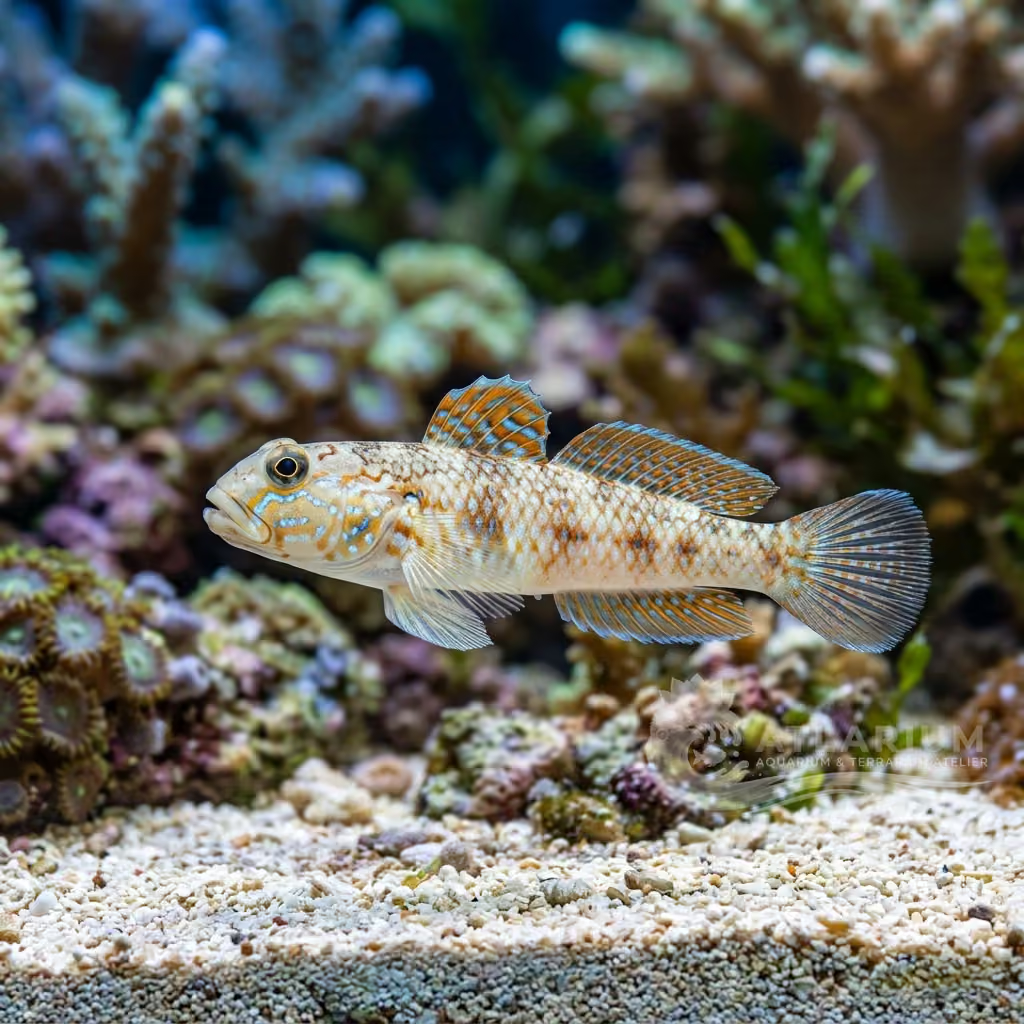
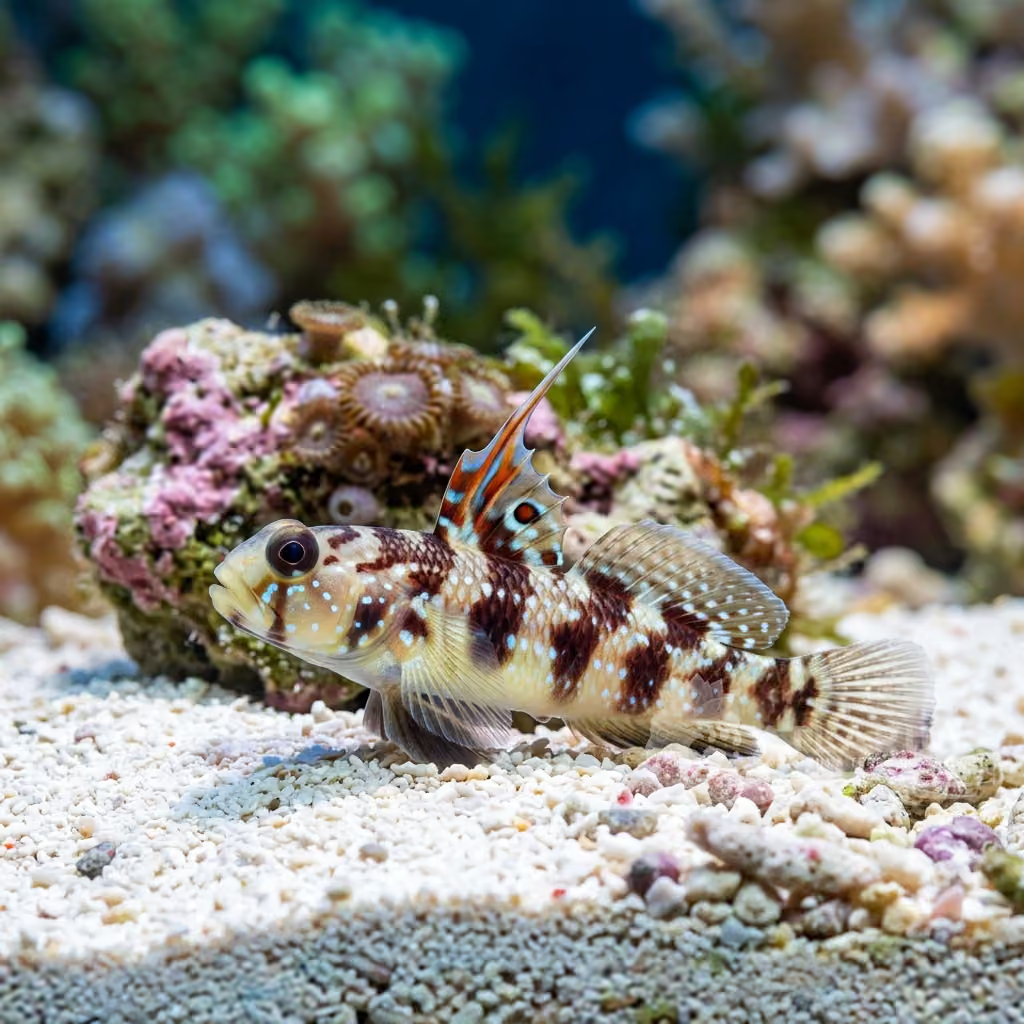
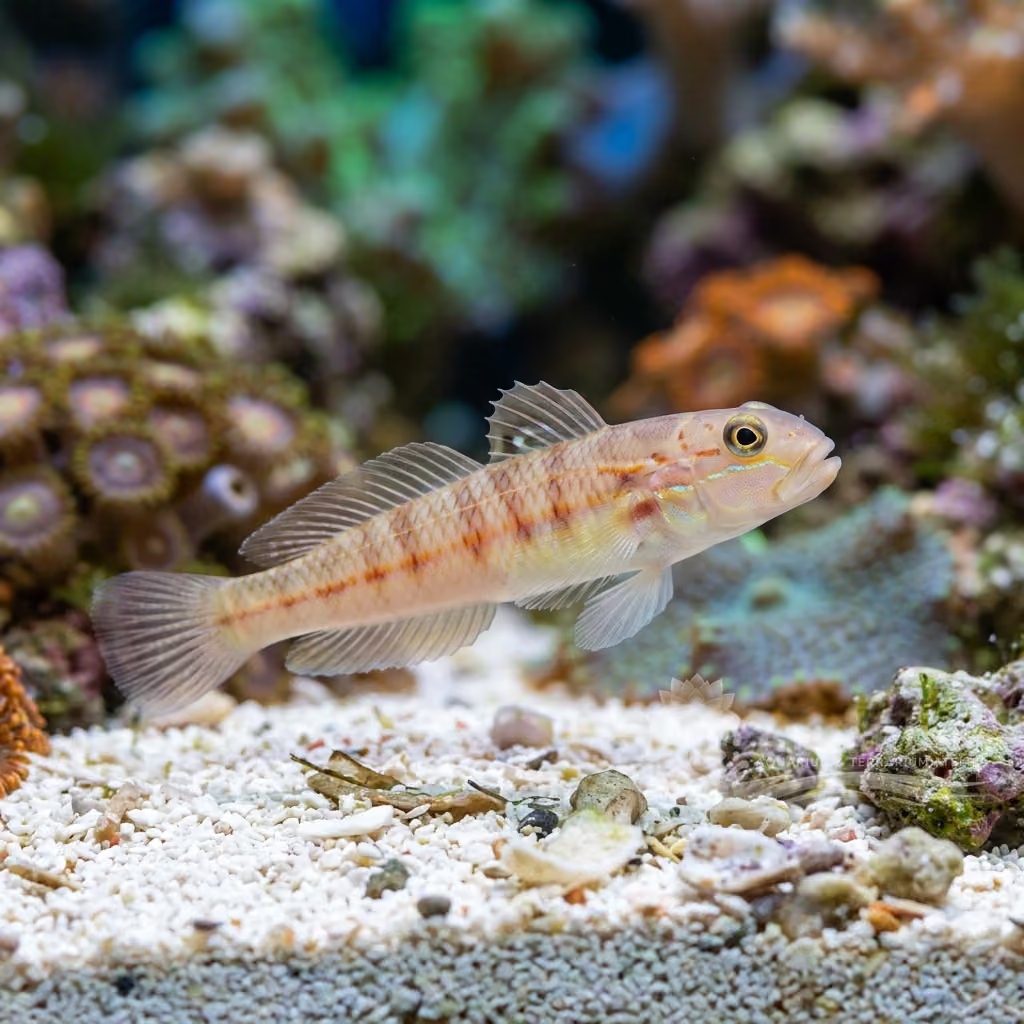
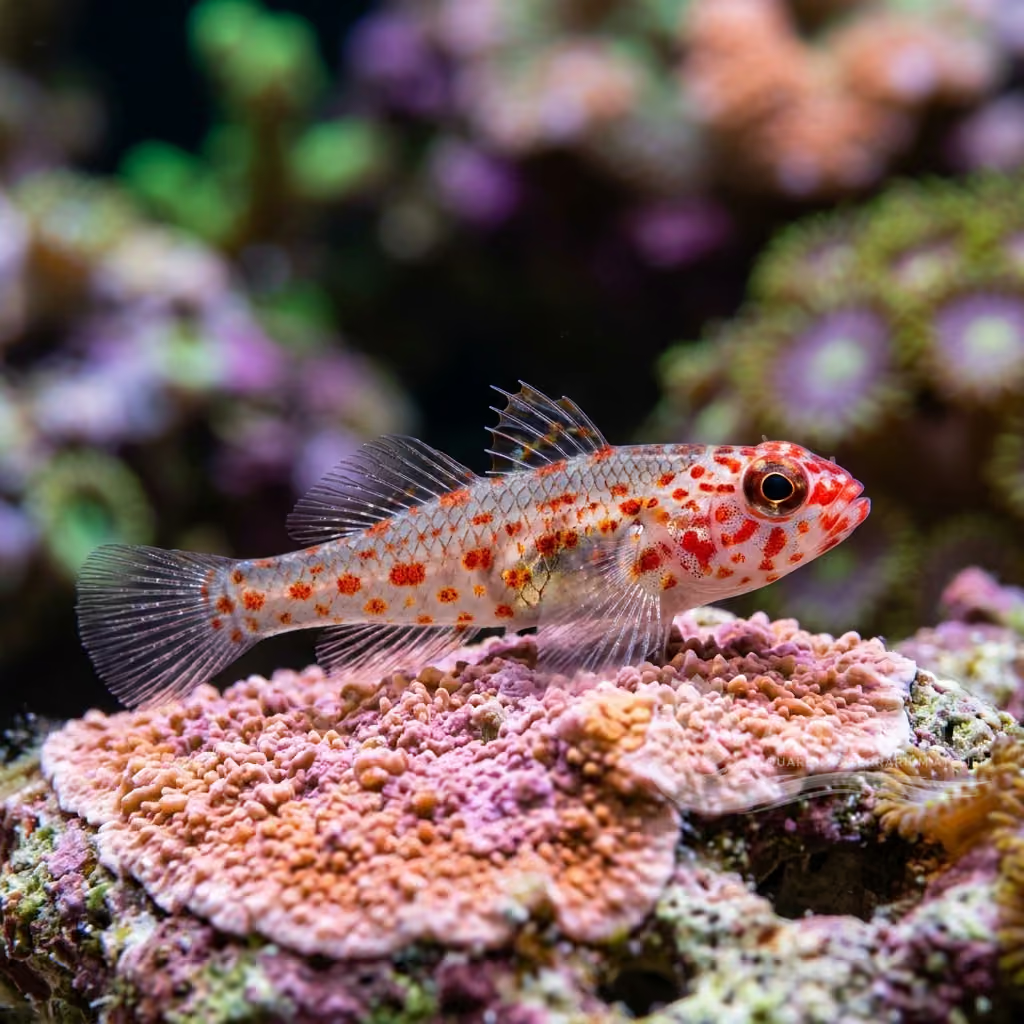
A charming Eastern Pacific nano-goby featuring a vivid speckled-red head and blue body stripes. Unlike its Caribbean cousins, it relies on benthic micro-prey instead of cleaning behaviors.
Water Temperature
22 - 27 °C
pH Value
8.1 - 8.4
Water type
Marine
Tank level
All levels
Adult size
4.5 cm
Minimum tank volume
>= 40 L
Minimum group
>= 1
KH
8 - 12 dKH

Species description
Geographical Origin and Habitat: Tropical and subtropical Eastern Pacific: widely distributed from the Gulf of California (Mexico) to the coast of Ecuador, including the Galapagos Islands. It commonly inhabits protected coral reefs, coastal lagoons, and shallow rocky areas, often living in mutualistic association with large sea urchins or nesting in empty barnacle shells.
Taxonomy and Morphology: Belongs to the family Gobiidae, subfamily Gobiinae. This species features a cylindrical and elongated body with a short, rounded snout. The maximum size is extremely small, reaching about 4.5 centimeters in adulthood. The eyes are large and prominent, positioned on top of the head to constantly scan the surrounding area.
Social Behavior: Very peaceful, social, and non-aggressive towards other species. However, it can exhibit moderate intraspecific territoriality towards individuals of the same sex if space is limited. Unlike its relatives in the Caribbean Sea, this Eastern Pacific species does not actively act as a cleaner fish.
Coloration and Sexual Dimorphism: Characterized by a bright red-orange or scarlet head, finely speckled with small, iridescent blue dots. The body has a dark, brownish-black base color, running longitudinally with a bright blue or greenish stripe along the sides. External sexual dimorphism is not prominent.

Care, breeding and tankmates
Aquarium Setup: Due to its small size, it is ideal for nano reefs starting from a minimum volume of 40 liters. The aquarium should be decorated with plenty of live rock to create crevices, caves, and hiding spots. Empty barnacle shells or shells are highly recommended. A secure lid is essential as this fish may jump if startled.
Diet and Feeding: Primarily carnivorous. In captivity, it readily accepts small-sized frozen foods, such as copepods, brine shrimp, and finely minced mysis, in addition to high-quality micro-pellets or flakes. It is recommended to feed them two or three times a day in small portions to maintain their energy levels.
Water Quality: Requires stable marine parameters: temperature between 22 and 26 °C, stable pH between 8.1 and 8.4, and constant density of 1.020-1.025. Efficient biological filtration and adequate water circulation are needed to keep the environment well-oxygenated without creating excessive currents.
Compatibility and Cohabitation: Excellent for community reef aquariums. It is completely reef-safe and does not harm corals, small shrimp, or other invertebrates. Avoid housing with large, predatory, or highly aggressive tankmates (such as scorpionfish, groupers, or triggerfish) that could easily prey on it.
Aquarium Breeding: Oviparous reproduction. Eggs are deposited inside a small rocky cavity or empty shell. The male takes on the task of guarding and constantly fanning the clutch until hatching. However, raising the larvae is extremely complex due to the need for microscopic live food.
Risks and Diseases: The primary risk is jumping out of the aquarium, making a lid mandatory. It is a hardy species that does not easily get sick, but it can suffer from stress if housed with overly active or boisterous fish, making it vulnerable to parasitic skin infections like Cryptocaryon.

Geographic origin and distribution
Tropical and subtropical Eastern Pacific: widely distributed from the Gulf of California (Mexico) to the coast of Ecuador, including the Galapagos Islands. It commonly inhabits protected coral reefs, coastal lagoons, and shallow rocky areas, often living in mutualistic association with large sea urchins or nesting in empty barnacle shells.
Origin
Tropical oceans and reefsExtra-Amazon South AmericaCentral America and CaribbeanNorth America

Fish profile
- Temperament
- Peaceful but territorial
- The {sp} is famous for its bold, industrious, and completely peaceful temperament. Despite its tiny size, it shows no fear of massive fish, eagerly swimming up to clean their gills and scales. It is fascinating to watch it interact with tank mates, setting up cleaning stations and performing its natural duties. It is a highly beneficial and entertaining addition to any marine setup.
- Diet
- Carnivore
- While it performs a cleaning function by picking parasites and dead skin off larger fish, this alone cannot sustain it in captivity. Its diet must be heavily supplemented with small, meaty foods like frozen cyclops, baby brine shrimp, and finely chopped mysis. They will also readily accept high-quality micro-pellets and crushed flakes. Ensuring they receive enough food directly is crucial, as they can be outcompeted by faster swimmers.
- Life expectancy
- 1-4 years
- Adult size
- 4.5 cm
- Sex ratio
- Group
- There are no significant visual differences between the sexes, making them difficult to pair based on appearance alone. They can be kept singly or in pairs, though buying an established mated pair is the easiest way to ensure harmony. Two males may fight in smaller tanks, so caution is advised if keeping multiple individuals in a confined space. In large tanks, a small group may establish a peaceful hierarchy.
- Feeding frequency
- Twice daily
- Because of their small stomachs and high metabolism, they should be fed multiple small meals a day. Two to three targeted feedings are ideal to keep them healthy and active. If kept in a tank with larger fish that they actively clean, they may supplement their own diet, but direct feeding is still necessary. Turning off the flow briefly during feeding helps them catch the food.
- Bioload
- Low
- The Elacatinus puncticulatus adds an extremely minimal bioload to the marine aquarium due to its tiny size. It produces almost imperceptible amounts of waste, making it perfect for nano reefs or heavily stocked larger tanks. Regular, standard filtration systems will handle its biological impact without any issues. It is one of the most environmentally friendly fish to keep in terms of water quality management.
- Flow
- Moderate
- They prefer moderate water flow that allows them to swim easily between their perching spots. Too strong a current can blow them around, making it difficult for them to establish a cleaning station or catch food. They often sit on prominent rocks or coral heads in areas of gentle flow to advertise their cleaning services. Ensure there are low-flow crevices for them to sleep in at night.
- Jump risk
- Yes
- Like most gobies, the {sp} is a known jumper, especially when startled by a sudden movement or aggressive tank mate. Because of their tiny, slender bodies, they can find their way through remarkably small gaps in an aquarium canopy. A perfectly fitted mesh screen lid is an absolute requirement to keep them safe. Uncovered tanks will almost inevitably result in the fish jumping out over time.
- Reproduction
- Oviparous
- This species can be bred in the home aquarium with dedicated effort and proper conditioning. The female lays a clutch of adhesive eggs in a small cave or crevice, which the male then aggressively guards until they hatch. The primary challenge lies in rearing the extremely tiny fry, which require microscopic live foods like rotifers immediately after hatching. Successful breeding often requires a dedicated rearing tank.
- Compatibility & tankmates
- Peaceful
- This goby is exceptionally peaceful and completely reef-safe, making it a stellar community fish. In the wild, it operates as a cleaner fish, and larger predatory fish in the aquarium will often recognize this and allow it to clean them. It gets along with almost all peaceful and even moderately aggressive fish that respect its cleaner status. It will not bother corals, clams, or small ornamental shrimp.
- Tank level
- All levels
- This goby is a benthic species that spends most of its time perched on live rock, corals, or the glass. It establishes a specific territory, often a prominent 'cleaning station', where it waits for other fish to approach. It rarely swims in the open water column unless darting out to grab a piece of food. You will often see it clinging vertically to the aquarium glass or tank decor.

Scientific Parameters & Models
FishBase
Window to the official scientific data of the species
FishBase v25.04Data synced on: 06/15/2026
- Trophic level
- 3.5 ± 0.4 se
- Resilience
- High (less than 15 months)
- Phylogenetic uniqueness (PD50)
- 0.5
- Bayesian Length-Weight
- a = 0.00832, b = 3.08
- VulnerabilityLow vulnerability (10 / 100)

Related species
Recommendations grouped by close relatives, companion choices, and similar care.