
Encyclopaedia
Banded Prawn Goby
Cryptocentrus fasciatus
A popular marine goby famous for its symbiotic relationship with Alpheus snapping shrimp. It inhabits sandy reef zones, requiring deep shell-mixed substrates to construct sturdy burrows.
Share
Check out Banded Prawn Goby on Atlarium
22 - 28 °C
8.1 - 8.4
Marine
Bottom
14 cm
>= 150 L
>= 1
8 - 12 dKH
Species description
Care, breeding and tankmates
Geographic Origin and Distribution
Origin
Fish profile
- Temperament
- Peaceful
- Diet
- Carnivore
- Sex ratio
- Flexible
- Feeding frequency
- Twice daily
- Bioload
- The Y-bar Watchman Goby has a minimal bioload, perfectly suited for nano reefs or larger marine community tanks. They consume small meaty foods and produce very little waste. Regular maintenance schedules appropriate for a reef tank will easily process any biological output they generate. They are highly efficient, low-impact additions to the marine aquarium.
- Flow
- Moderate
- Jump risk
- Yes
- Reproduction
- Oviparous
- Compatibility & tankmates
- Peaceful
- Tank level
- Bottom
Window to the official scientific data of the species
Scientific Parameters & Models
- Trophic level
- 3.4 ± 0.4 se
- Resilience
- High (less than 15 months)
- Phylogenetic uniqueness (PD50)
- 0.5
- Bayesian Length-Weight
- a = 0.00741, b = 3.09
Image gallery
Licensed images linked to the species or, when marked, to the closest representative taxon.
Related species
Recommendations grouped by close relatives, companion choices, and similar care.
Variants and close relatives
Same atlas type, nearby scientific identity, genus, or family.

Pinkspotted Shrimp Goby
Cryptocentrus leptocephalus
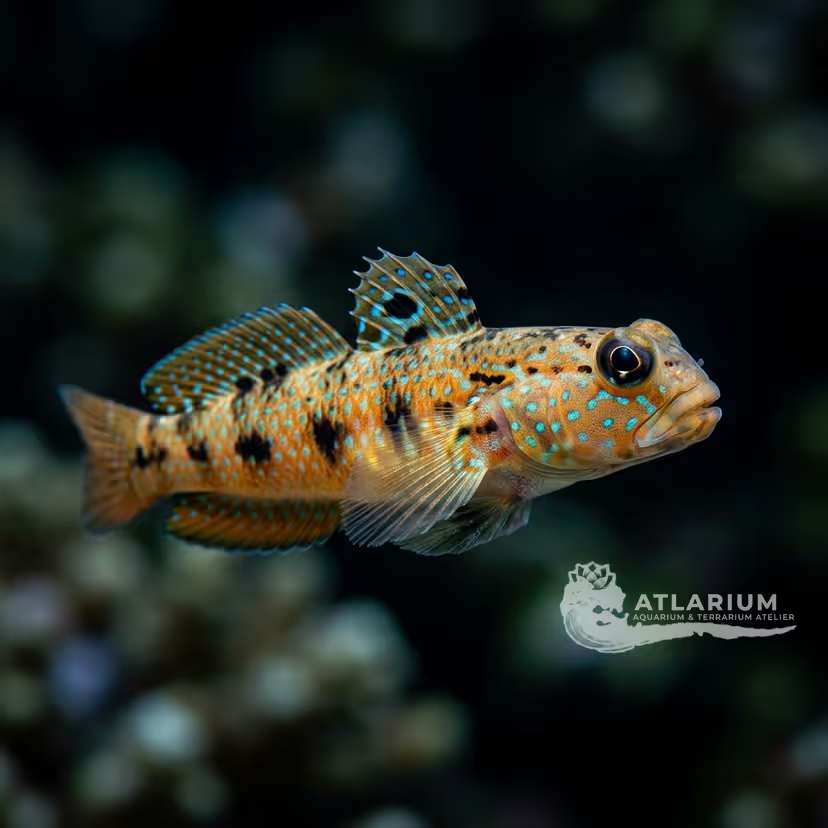
Luther's Goby
Cryptocentrus lutheri
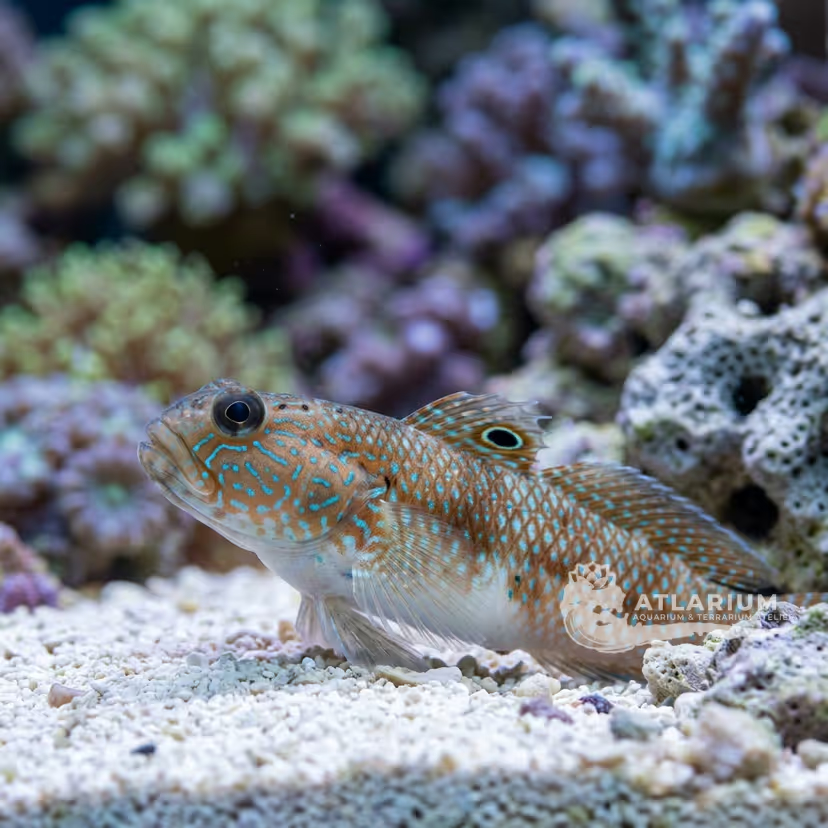
Peacock Prawn-goby
Cryptocentrus pavoninoides
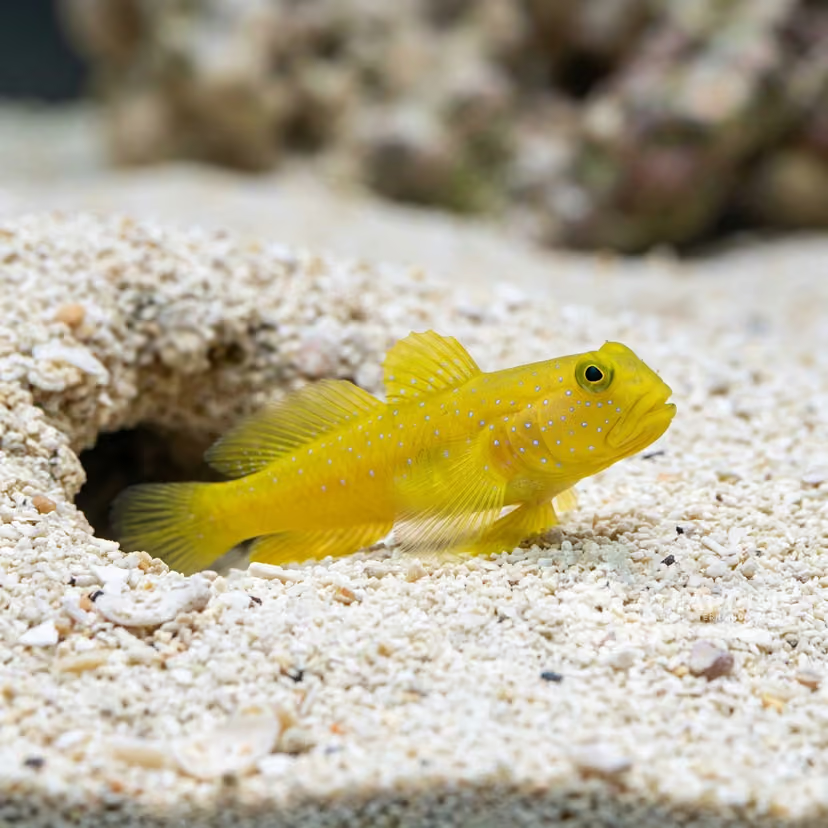
Yellow watchman goby
Cryptocentrus cinctus

Barber Goby
Elacatinus figaro
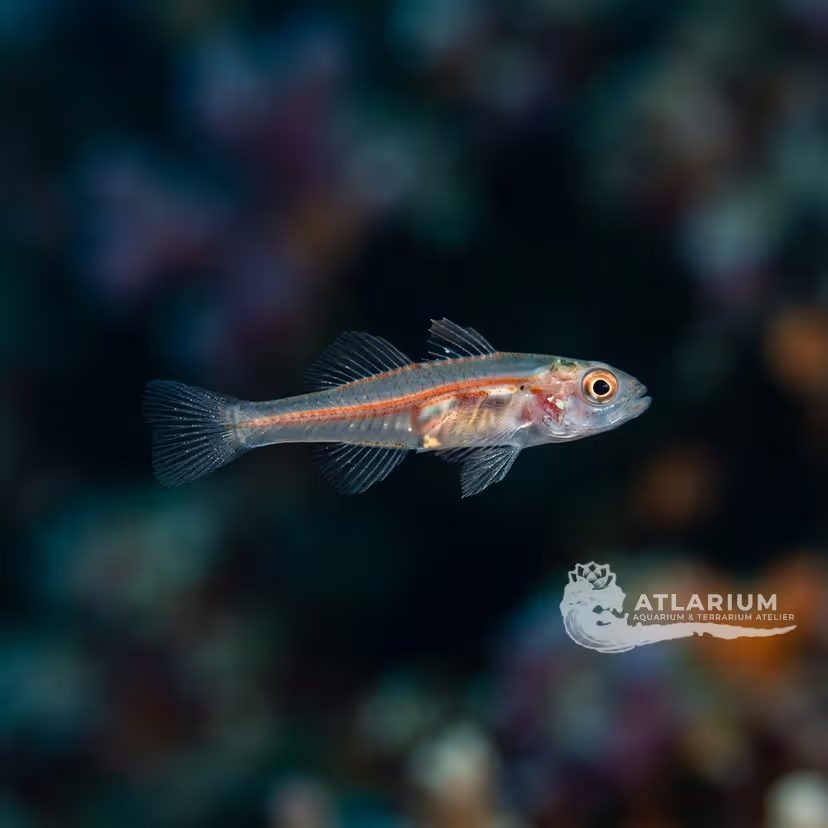
Gold Neon Eviota Goby
Eviota pellucida

Neon Goby
Elacatinus oceanops
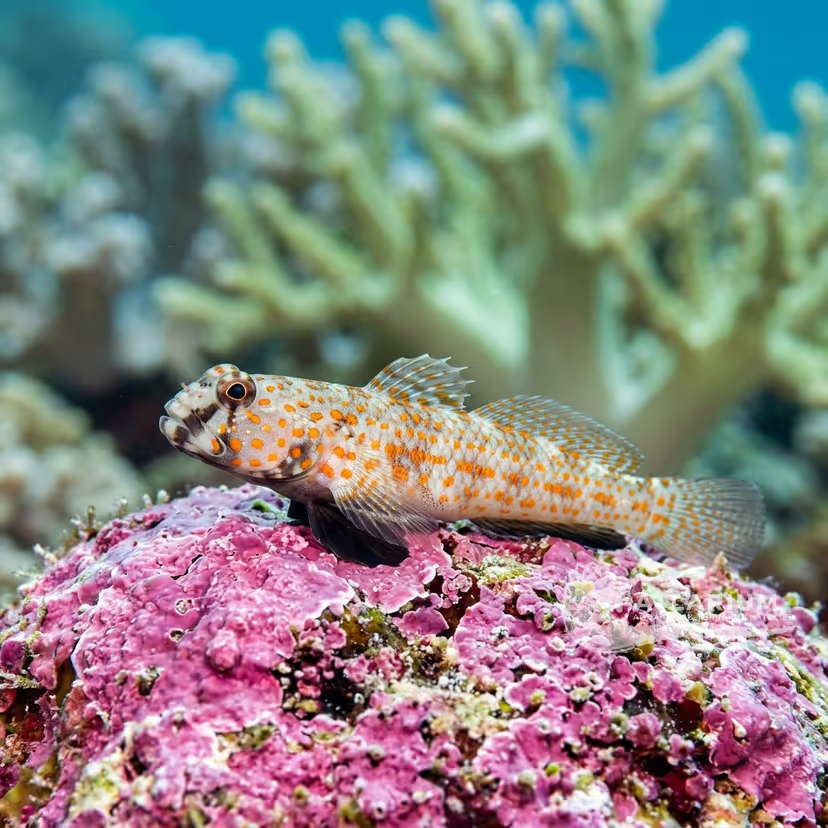
Orange-spotted Prawn-goby
Amblyeleotris guttata

Randall's Shrimp Goby
Amblyeleotris randalli

Redhead Goby
Elacatinus puncticulatus
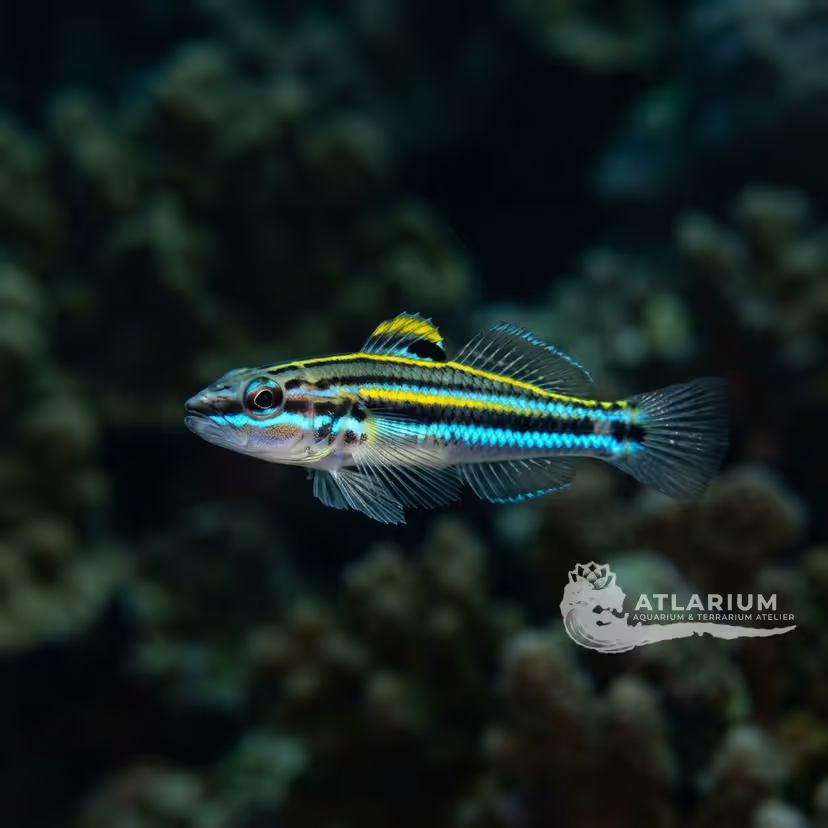
Sharknose Goby
Elacatinus evelynae
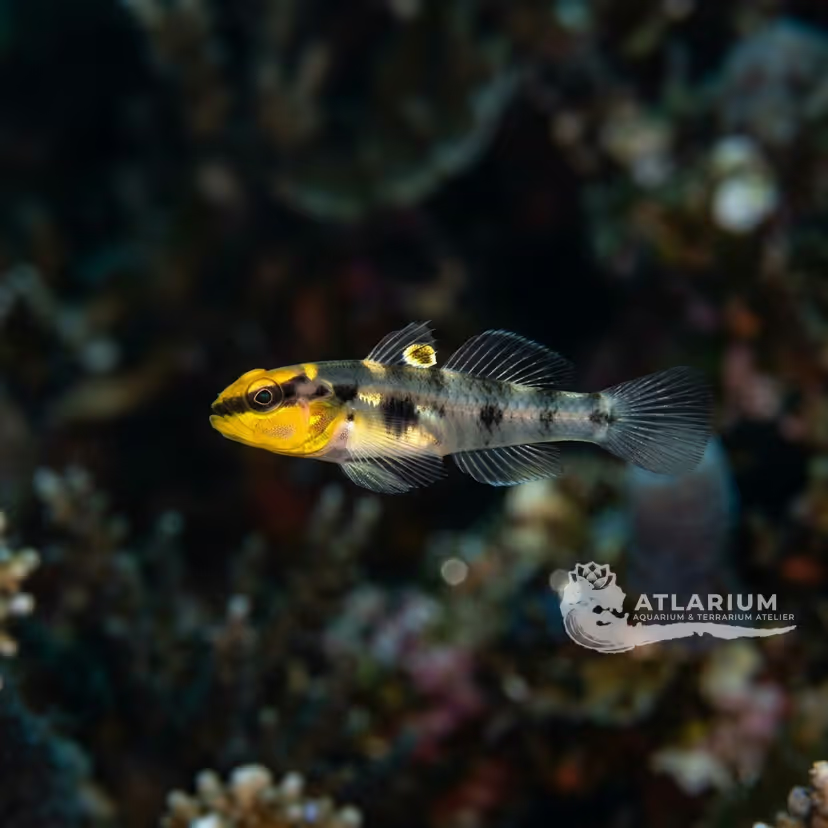
Shortstripe goby
Elacatinus chancei
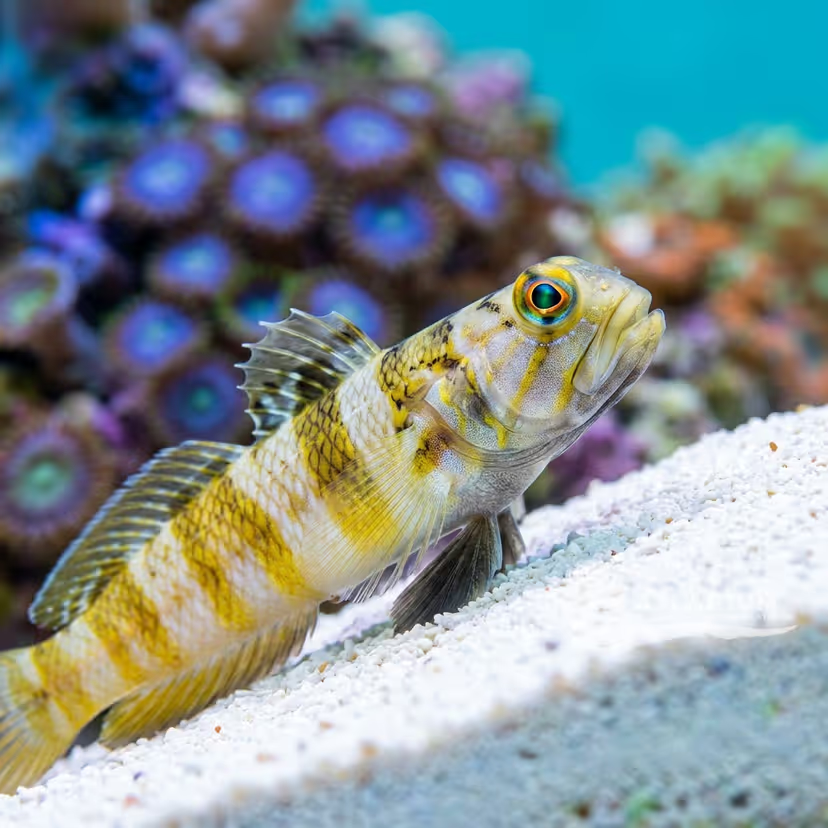
Steinitz' Goby
Amblyeleotris steinitzi
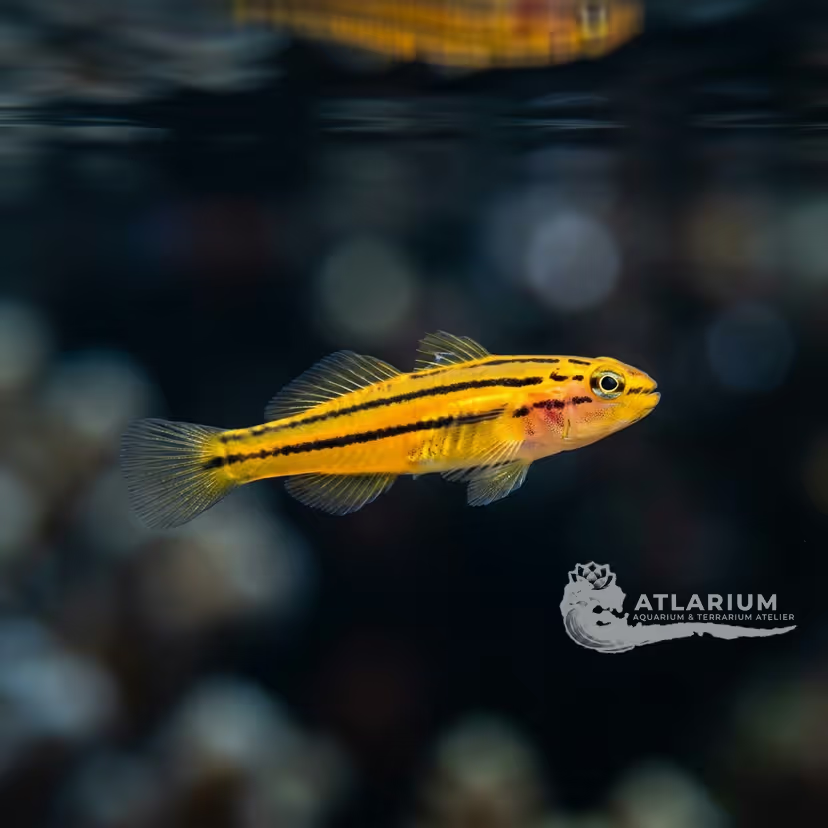
Yellowline Goby
Elacatinus horsti
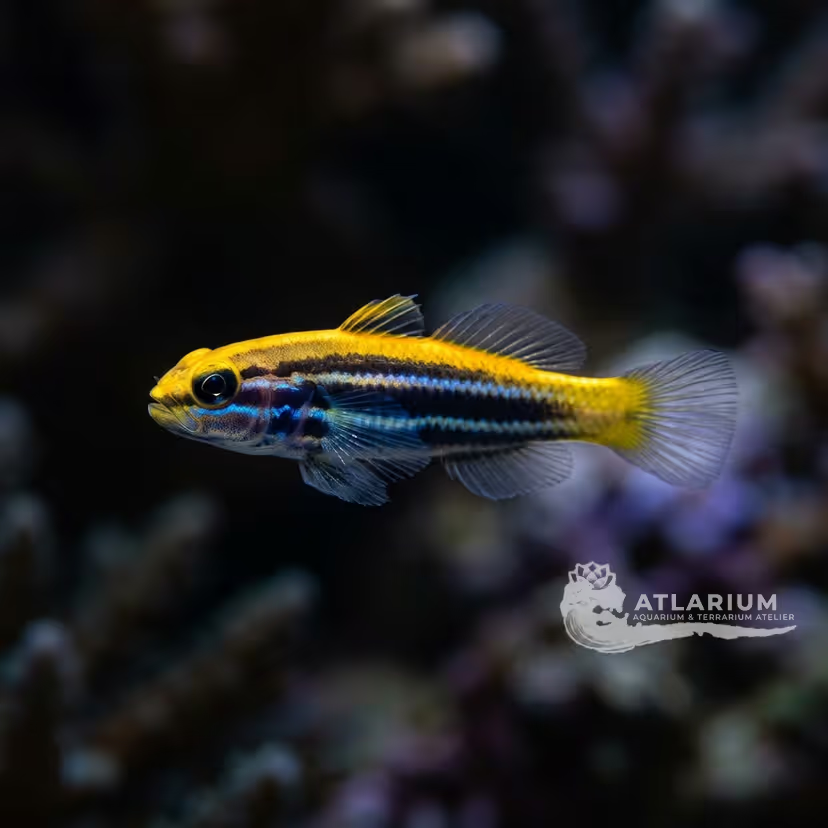
Yellowprow Goby
Elacatinus xanthiprora

Banded-head Shrimpgoby
Amblyeleotris cephalotaenius
Recommended companions
Compatible cards from coherent ecosystems with matching parameters.

Acorn dog whelk
Nassarius glans

Ambon Hermit Crab
Clibanarius ambonensis

Anchisteus Cleaner Shrimp
Lysmata anchisteus

Blue-eyed Hermit Crab
Clibanarius corallinus

Blue-legged Boxer Shrimp
Stenopus cyanoscelis

Blueish Hermit Crab
Clibanarius englaucus

Bluntclaw snapping shrimp
Alpheus amblyonyx
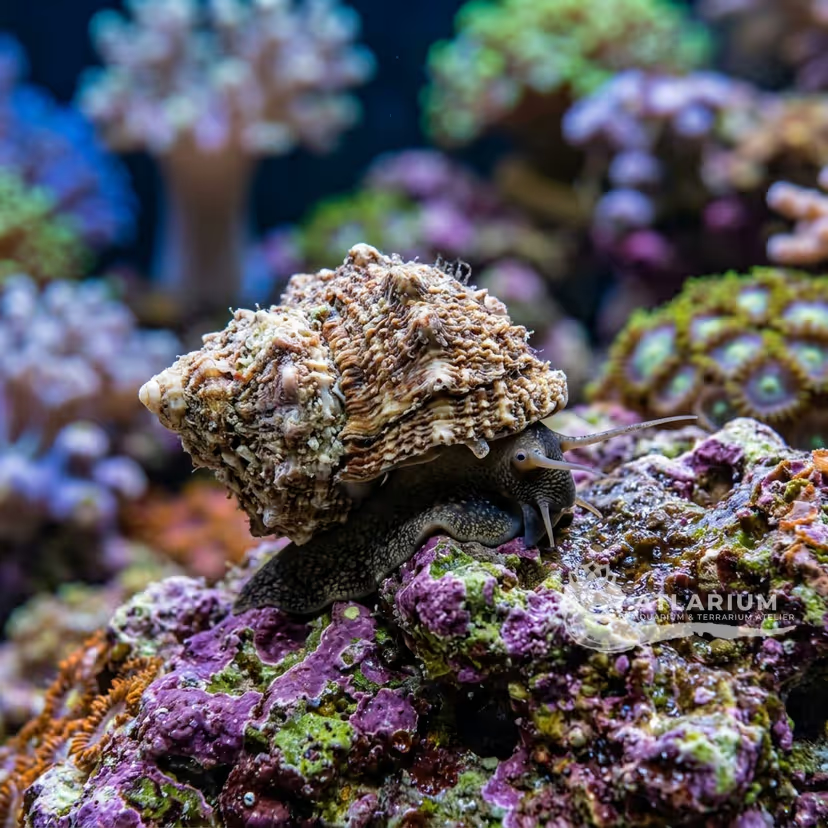
Brown Turbo Snail
Turbo bruneus
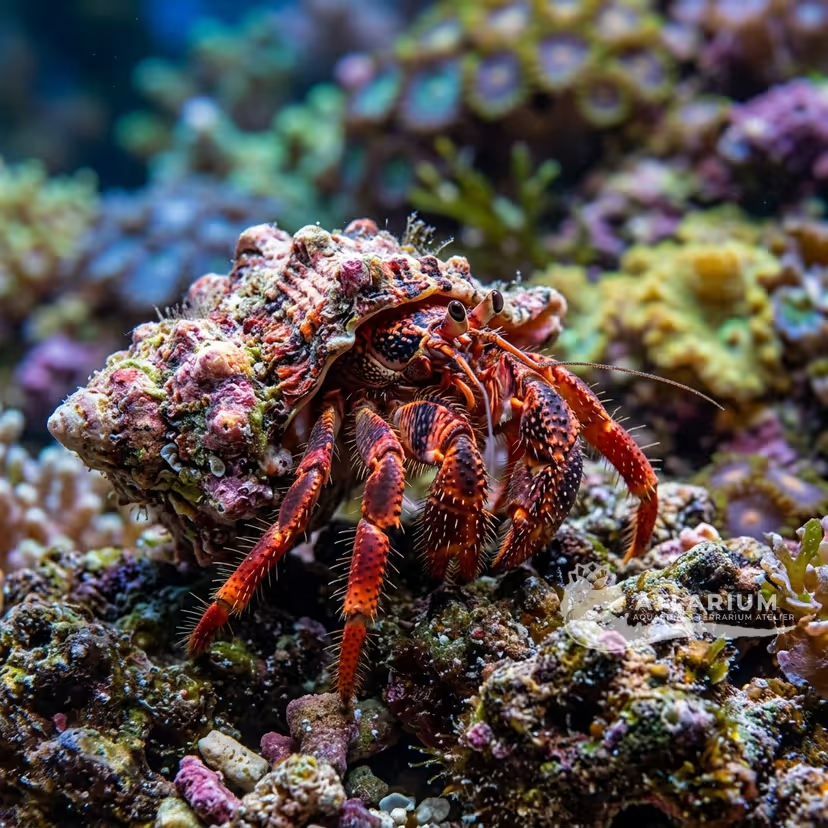
Carnifex Hermit Crab
Clibanarius carnifex

Carved Star Snail
Lithopoma caelatum

Chestnut Turbo Snail
Turbo castanea

Crested snapping shrimp
Alpheus cristulifrons

Dwarf Zebra Hermit Crab
Calcinus laevimanus

Eurysternus Hermit Crab
Clibanarius eurysternus

Fine-striped Pistol Shrimp
Alpheus

Hammer Snapping Shrimp
Alpheus malleator
Similar care
Cards with similar requirements, difficulty, habitat, and husbandry profile.
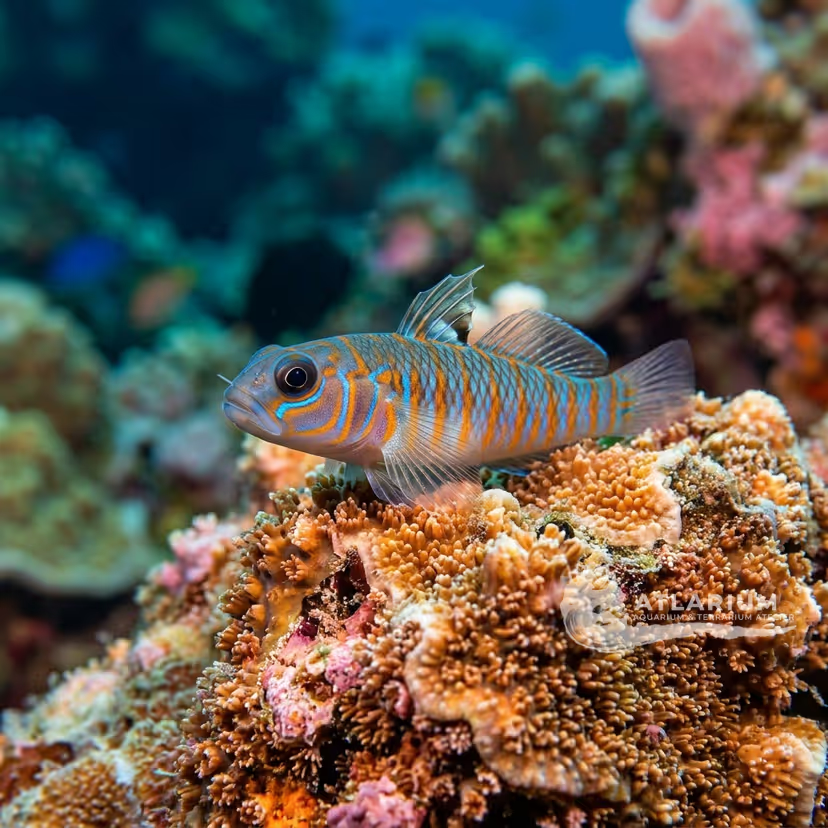
Randall's Neon Goby
Elacatinus randalli
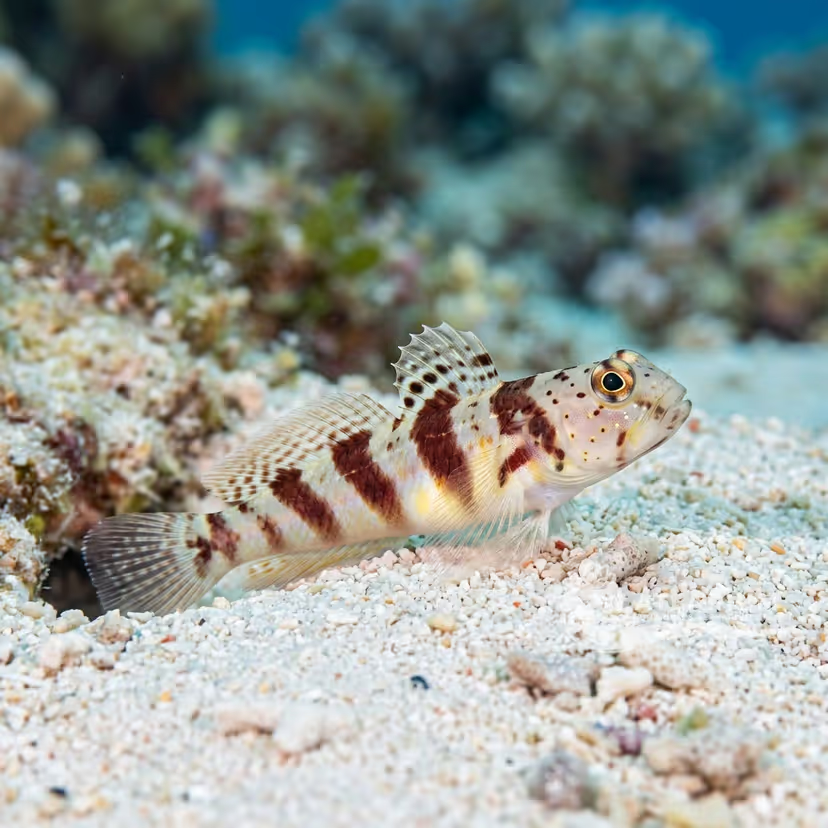
Diagonal-bar Shrimpgoby
Amblyeleotris diagonalis

Butterfly wrasse
Halichoeres papilionaceus
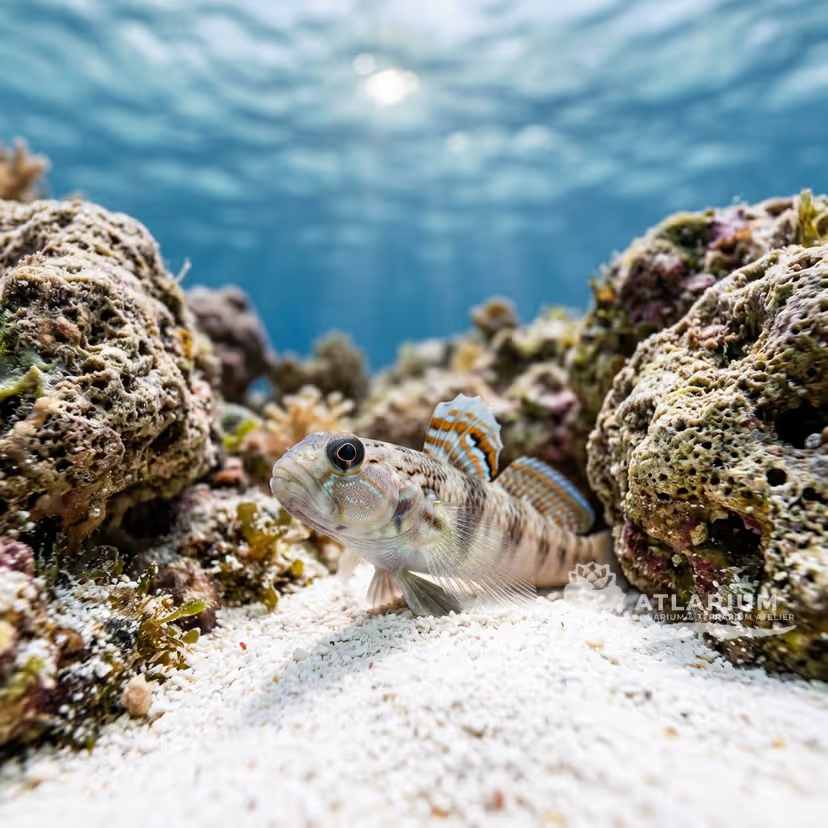
Downing's Shrimpgoby
Amblyeleotris downingi
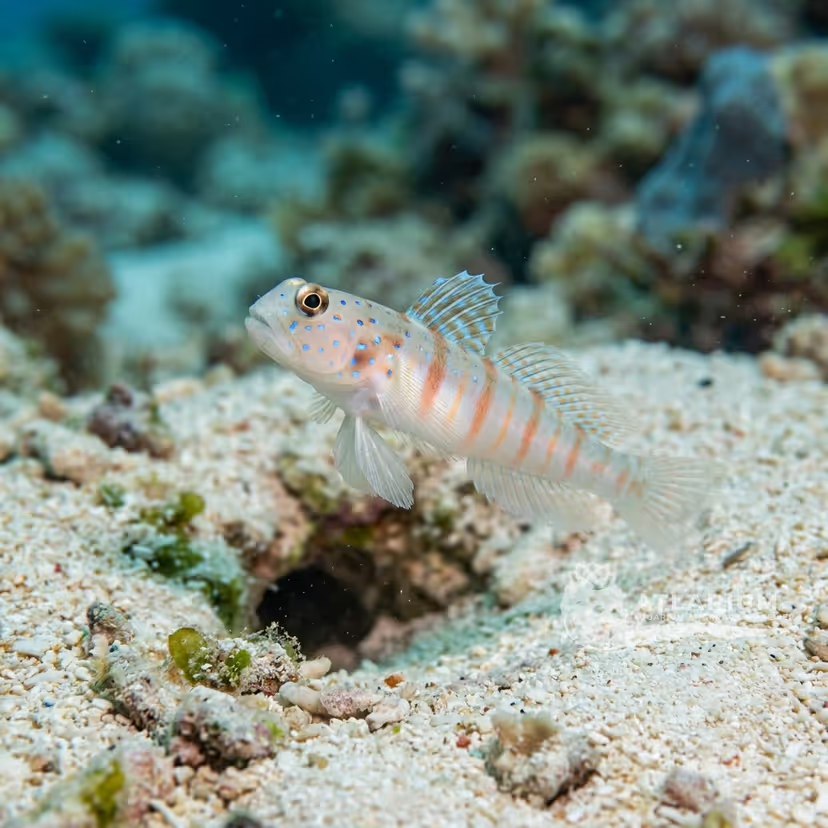
Memnonian Shrimpgoby
Amblyeleotris memnonia

Girdled goby
Priolepis cincta

Beautiful-cheek shrimpgoby
Amblyeleotris callopareia

Blackhead Shrimpgoby
Amblyeleotris melanocephala
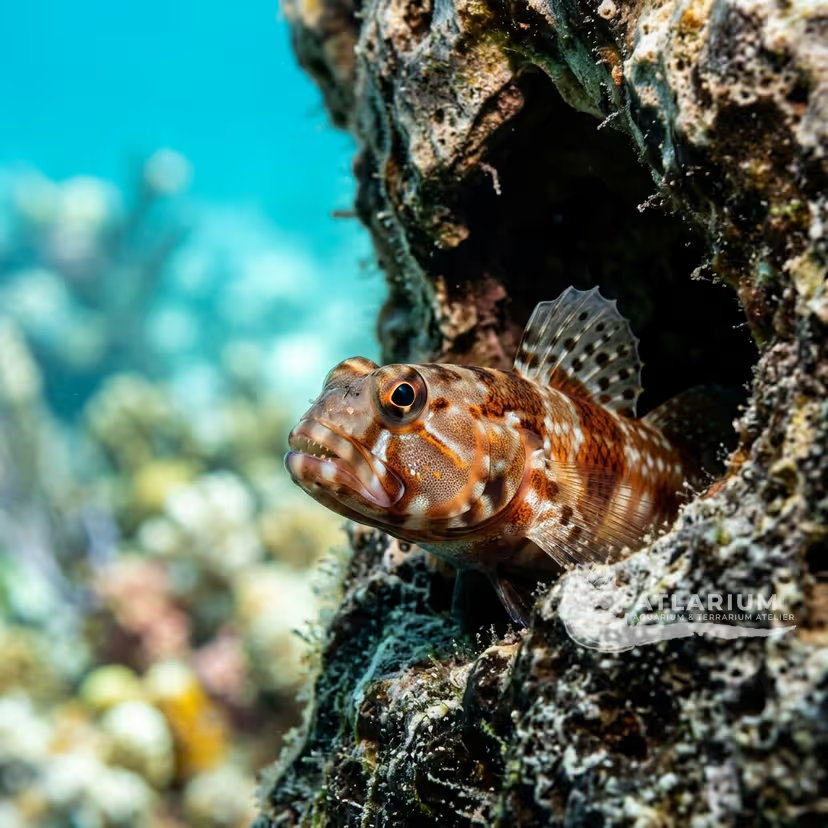
Ellipse shrimpgoby
Amblyeleotris ellipse
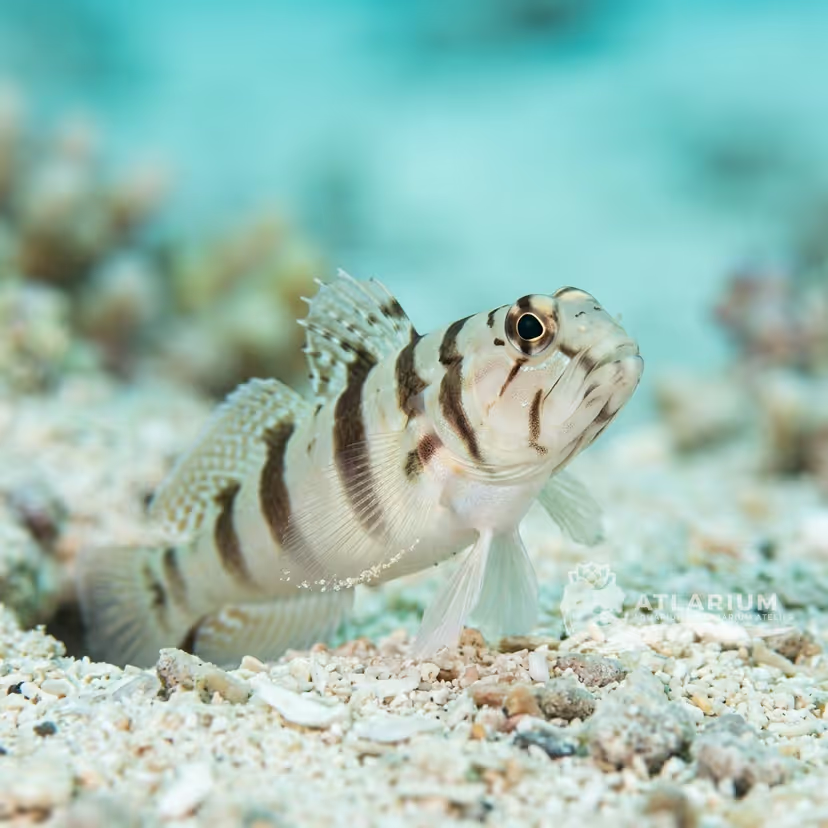
New Caledonia Shrimpgoby
Amblyeleotris novaecaledoniae

Red-banded Shrimpgoby
Amblyeleotris fasciata

Two-stripe Goby
Eviota bifasciata

Broadband Goby
Amblyeleotris latifasciata

Eyebar goby
Gnatholepis anjerensis
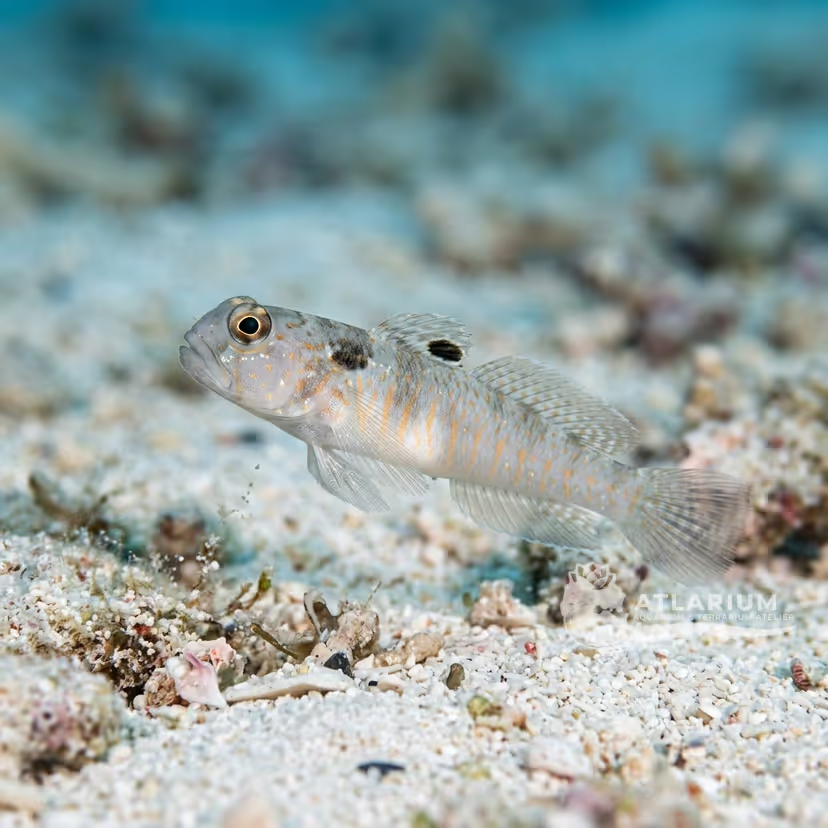
Neglected Shrimpgoby
Amblyeleotris neglecta

Linesnout Goby
Elacatinus lori