Encyclopaedia

FishMarineIntermediate
©AI Generated·Proprietary

Linesnout Goby

Elacatinus lori

Found in deep Belize lagoons, it lives symbiotically inside tubular sponges. It demands frequent planktonic feedings and is a unique gem for small reef displays.

Taxonomy
Class:Actinopteri
Order:Perciformes
Family:Gobiidae
Subfamily:Gobiinae
Genus:Elacatinus
Species:Elacatinus lori

Share

Check out Linesnout Goby on Atlarium

PracticeRecognition quizzesPhotos, names, origins, and puzzles to review Atlas species.Open quizzes
Water Temperature

23 - 27 °C

pH Value

8.1 - 8.4

Water type

Marine

Tank level

Bottom

Adult size

4.5 cm

Minimum tank volume

>= 40 L

Minimum group

>= 1

KH

8 - 12 dKH

Species description

Geographical Origin and Habitat: Endemic to the Western Central Atlantic, specifically found in Belize and the Gulf of Honduras. It inhabits outer reef slopes and deep lagoons, living in a symbiotic association inside tubular sponges like Aplysina lacunosa.
Taxonomy and Morphology: Belongs to the family Gobiidae and the genus Elacatinus. Reaches a maximum adult length of approximately 3.5 centimeters. It has a slender, cylindrical body with fused pelvic fins forming a ventral suction disk to cling to sponge walls.
Social Behavior: Shy and highly dependent on its sponge host. They live solitarily, in pairs, or in small groups within a single sponge tube, rarely venturing far from their host except to snatch passing micro-plankton.
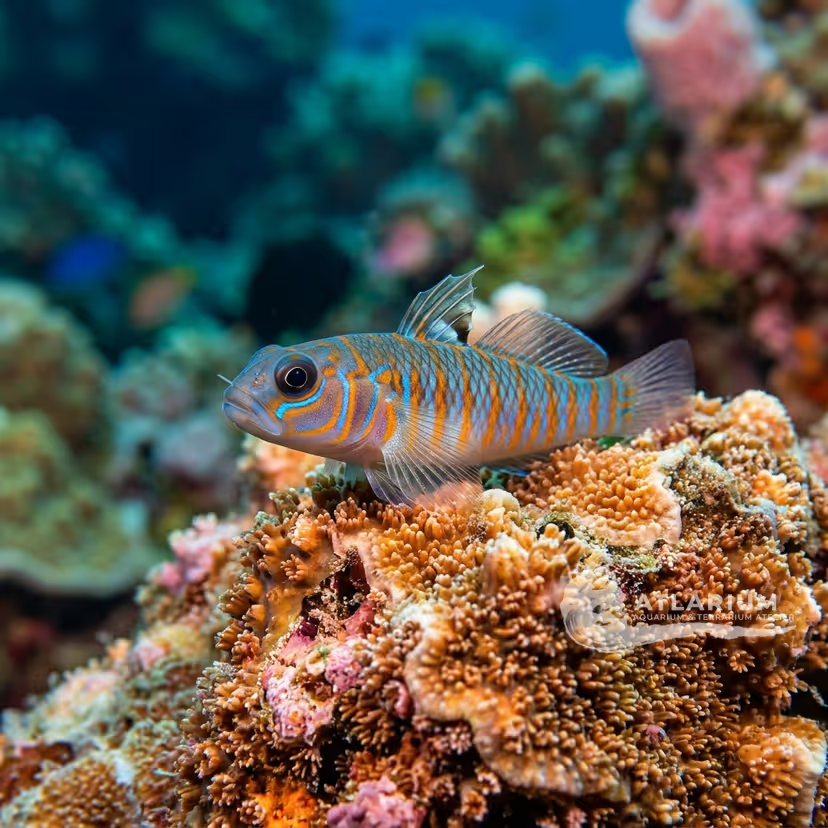
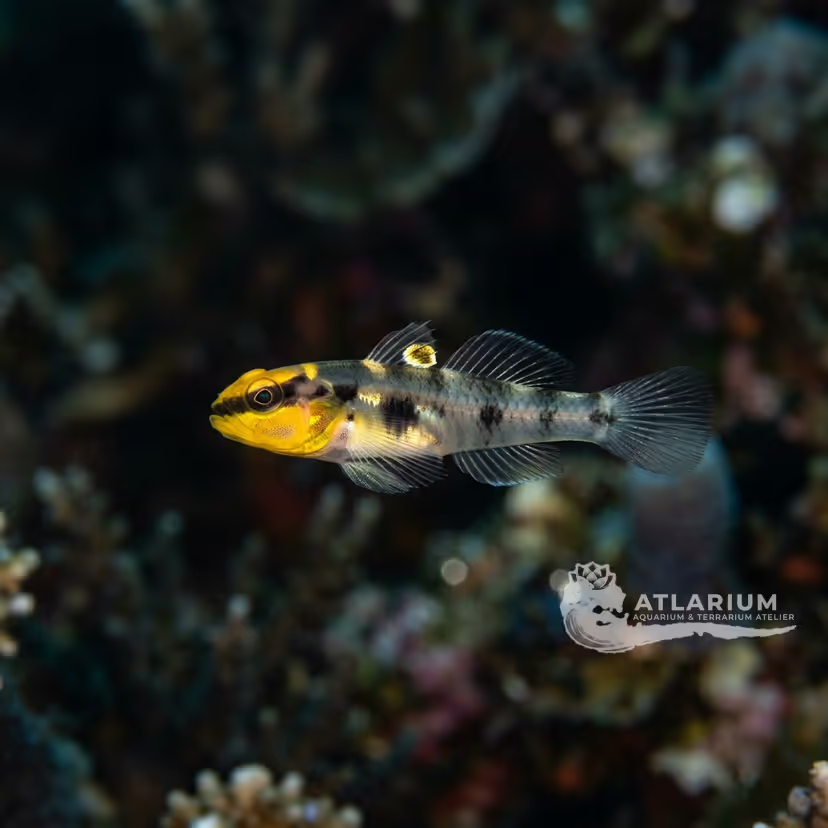
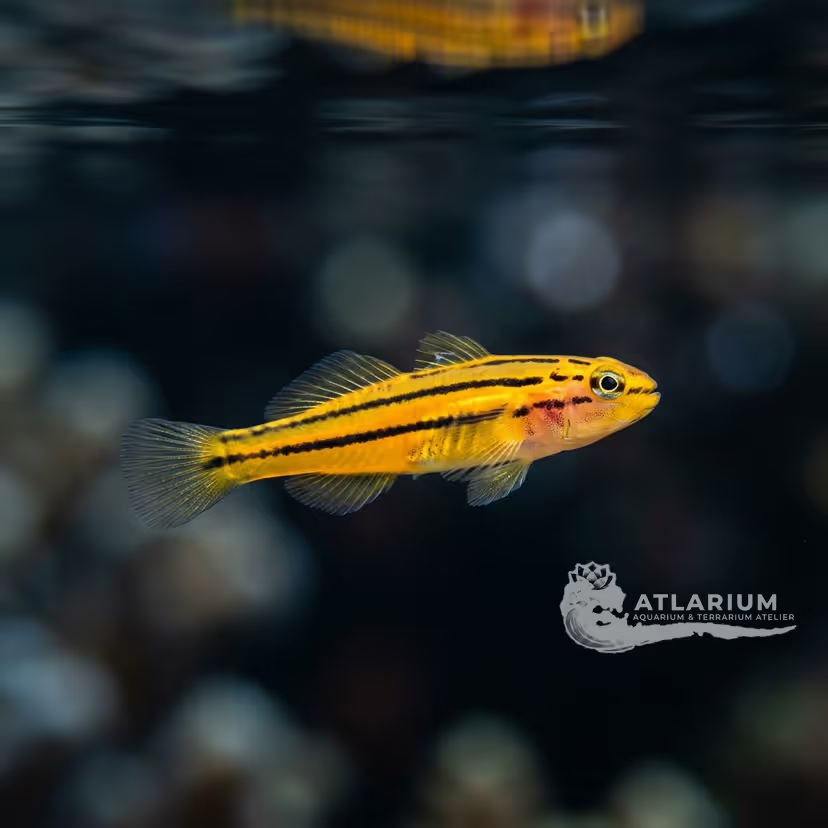
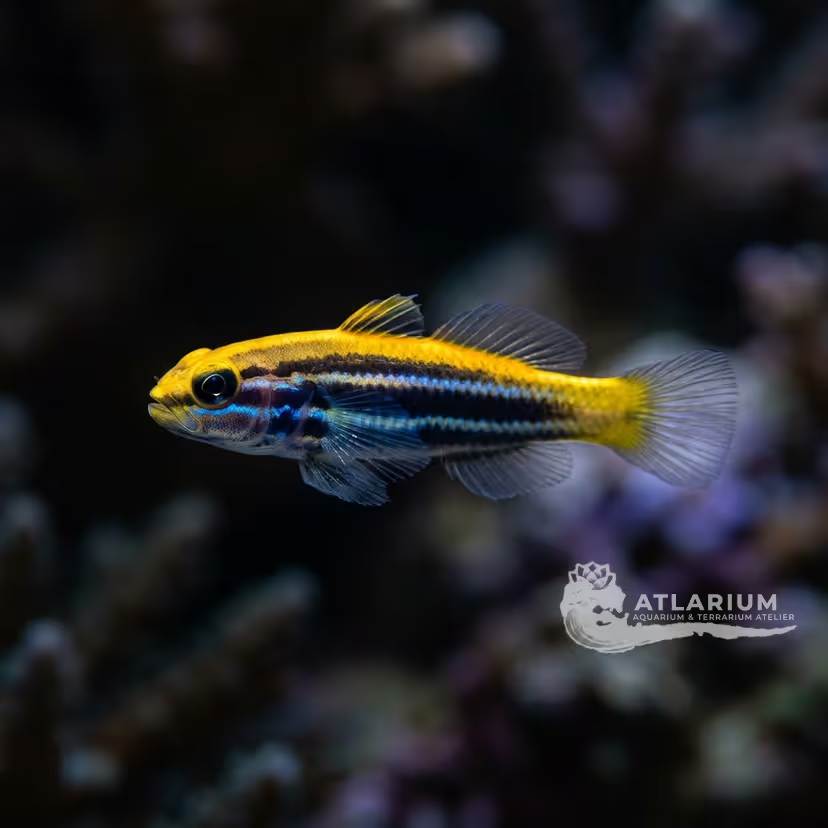
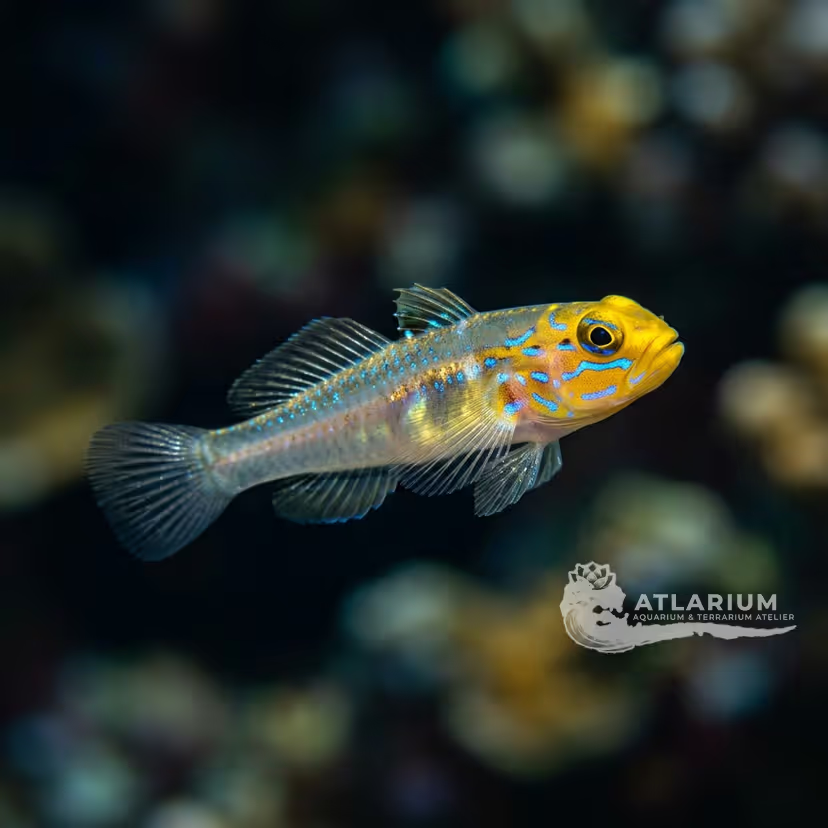
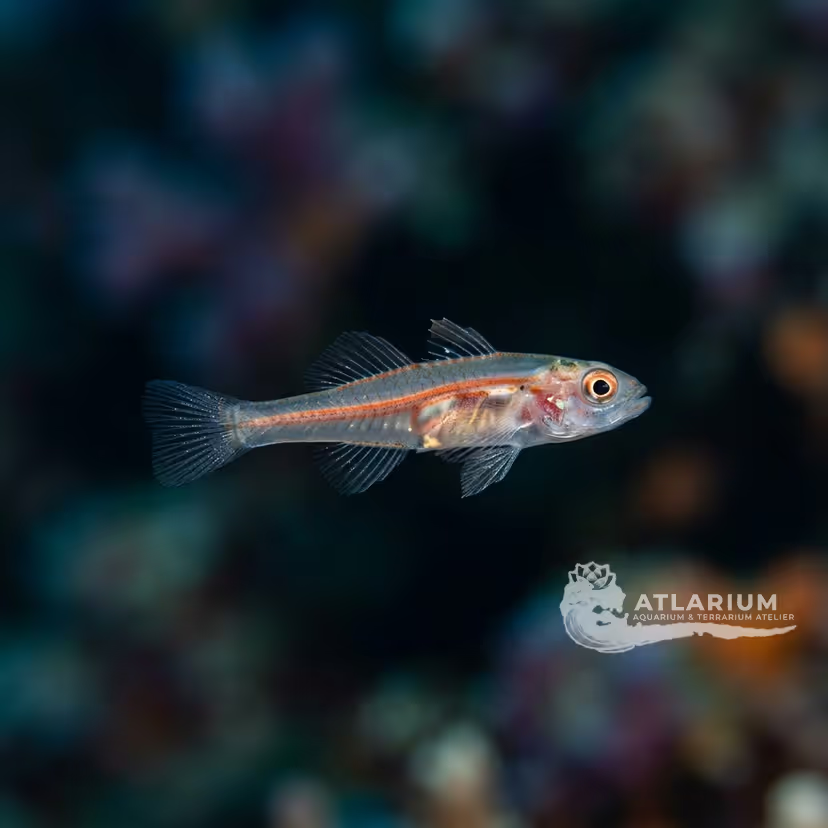
Coloration and Sexual Dimorphism: Body is translucent white with a dark black longitudinal stripe running along the side, and a bright yellow-green stripe extending across the snout. There is no visible sexual dimorphism between males and females.

Care, breeding and tankmates

Aquarium Setup: A tank of at least 40 liters is recommended. It is highly beneficial to include live tubular sponges (or high-quality artificial replicas) to mimic their natural habitat and encourage their unique perching and hiding behaviors.
Diet and Feeding: Specialized carnivore. Feeds on tiny planktonic organisms; in the aquarium, they must be fed small portions multiple times a day with fine frozen foods such as copepods, cyclops, baby brine shrimp, and rotifers.
Water Quality: Requires pristine reef water parameters: temperature of 23-26 °C, pH of 8.1-8.4, and salinity at 1.020-1.025. Maintain high oxygen levels and keep nitrate and phosphate levels minimal through regular water testing.
Compatibility and Cohabitation: Extremely peaceful and reef-safe. It does not harm corals or ornamental shrimp. Keep with other small, gentle species; avoid housing with larger, fast-swimming, or predatory fish that could easily prey on them.
Aquarium Breeding: Breeding in captivity is very rare and challenging. They spawn inside the host sponge tubes; raising the pelagic larvae requires specialized microfoods and extremely stable water conditions.
Risks and Diseases: Aside from common marine parasites like Cryptocaryon, starvation is a major risk due to their size and shy feeding nature. Ensure they receive adequate food and are not outcompeted by faster tankmates.

Geographic Origin and Distribution

Endemic to the Western Central Atlantic, specifically found in Belize and the Gulf of Honduras. It inhabits outer reef slopes and deep lagoons, living in a symbiotic association inside tubular sponges like Aplysina lacunosa.

Origin

Tropical oceans and reefsCentral America and Caribbean

Fish profile

Temperament
Territorial
The overall temperament of the Linesnout Goby can be best described as peaceful. Their disposition makes them a unique addition to the appropriate aquatic community, provided their specific needs are respected. Stressful conditions, such as poor water quality or overcrowding, can drastically alter their typical behavioral patterns. A quiet environment and a stable routine will bring out the most confident and engaging personality from this species.
Diet
Carnivore
This species is known to be a cleaner/carnivorous in its natural habitat, requiring a varied diet in captivity. To ensure optimal health and coloration, provide high-quality prepared foods alongside live or frozen options like brine shrimp or bloodworms. It is essential to match the food particle size to the fish's mouth structure to facilitate easy consumption. Regular rotation of dietary items will prevent nutritional deficiencies and keep the fish highly active.
Sex ratio
Flexible
To prevent undue stress, it is recommended to keep the Linesnout Goby in a carefully managed sex ratio. Providing more females than males reduces the constant harassment that a single female might endure. If keeping multiple males, the aquarium must be sufficiently large to allow for the establishment of distinct territories. Careful observation during the first few weeks will dictate if any aggressive individuals need to be rehomed.
Feeding frequency
TWO_THREE_DAILY
Establishing a consistent feeding routine is important, with 1-2 small meals per day being ideal for the Linesnout Goby. Aquarists should carefully monitor the fish during feeding time to ensure every individual gets its share. Any uneaten food should be promptly removed with a net or siphon to preserve the pristine aquatic environment. During periods of breeding or elevated temperatures, the feeding frequency may be slightly increased.
Bioload
The Linesnout Goby (Elacatinus lori) produces a low bioload in the home aquarium. Proper filtration is an absolute necessity to handle the waste output generated by this species. Enthusiasts should be prepared to maintain a strict water change regimen to keep parameters stable. Monitoring the biological capacity of the tank will ultimately prevent unwanted algae spikes and water quality deterioration.
Flow
Moderate
Providing a moderate current is highly recommended for the overall well-being of the Linesnout Goby. Adequate water circulation not only mimics their natural ecosystem but also ensures high dissolved oxygen levels throughout the aquarium. Hobbyists should avoid creating localized dead spots where debris might accumulate. Adjusting the filtration output angle can help achieve the perfect balance between steady circulation and calm resting areas.
Jump risk
Yes
Aquarists should be aware that the Linesnout Goby presents a moderate jump risk, especially when initially introduced or startled. A tightly fitting lid or a mesh screen cover is absolutely essential to prevent accidental escapes. Keeping the water parameters stable and avoiding aggressive tankmates will minimize the stress that often triggers jumping behavior. Ensuring the tank is kept in a relatively quiet environment can also help keep them securely in the water.
Reproduction
Oviparous
The reproductive strategy of the Linesnout Goby involves being a demersal egg layer. Breeding this species in captivity can be a rewarding challenge that requires dedicated conditioning of the broodstock. Specific triggers such as changes in temperature, diet, or water chemistry are often necessary to induce spawning. Once breeding occurs, specialized care for the fry, including appropriately sized live foods, is critical for their survival and development.
Compatibility & tankmates
Peaceful
The Linesnout Goby is known to be excellent community and reef safe fish when integrated into a carefully planned setup. They tend to exhibit the best colors and natural behaviors when kept with species of a similar temperament. Aquarists must be cautious to provide enough visual barriers if housing them with semi-aggressive tankmates. Overall, a well-thought-out stocking plan will yield a beautiful, drama-free aquatic display.
Tank level
Bottom
The Linesnout Goby naturally gravitates towards the all levels section of the water column. Decorating this specific zone with appropriate hardscape, such as driftwood branches or rocky caves, encourages them to display their natural behaviors. It is important to ensure that water flow and lighting are optimized for this specific depth. Layering the tank inhabitants thoughtfully creates a visually dynamic and biologically sound ecosystem.

Window to the official scientific data of the species

Data synced on: 06/15/2026

Scientific Parameters & Models

Trophic level
3.6 ± 0.4 se
Resilience
High (less than 15 months)
Phylogenetic uniqueness (PD50)
0.5
Bayesian Length-Weight
a = 0.01023, b = 3.01
VulnerabilityLow vulnerability (10 / 100)

Image gallery

Licensed images linked to the species or, when marked, to the closest representative taxon.

Related species

Recommendations grouped by close relatives, companion choices, and similar care.

Variants and close relatives

Same atlas type, nearby scientific identity, genus, or family.

Barsnout goby

Barsnout goby

Elacatinus illecebrosus
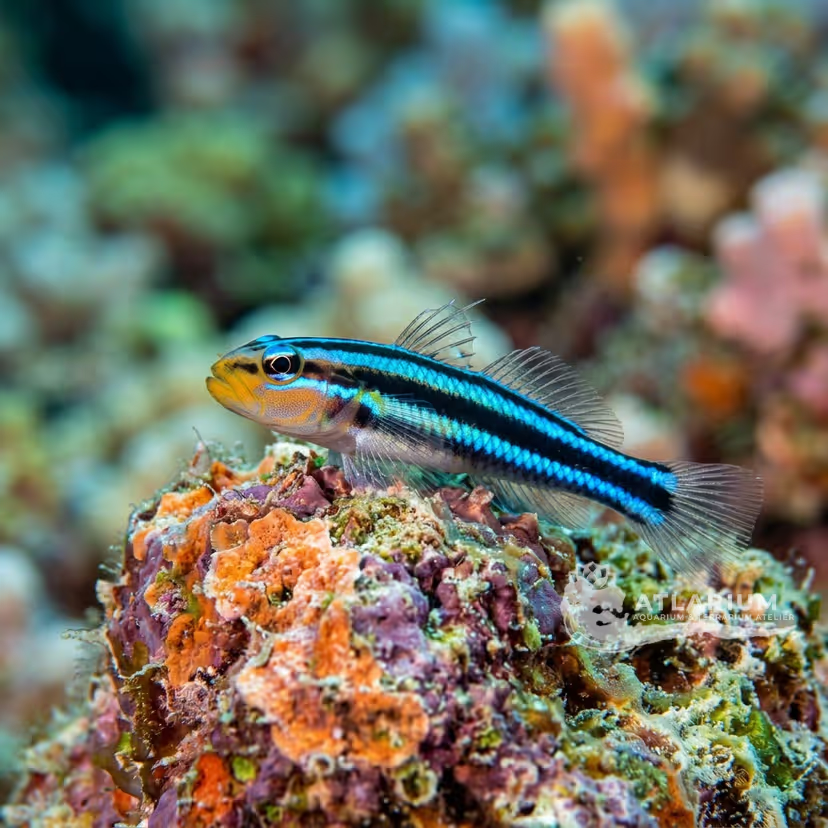
View details->
Cleaner Goby

Cleaner Goby

Elacatinus genie

View details->
Randall's Neon Goby

Randall's Neon Goby

Elacatinus randalli

View details->
Neon Goby

Neon Goby

Elacatinus oceanops

View details->
Redhead Goby

Redhead Goby

Elacatinus puncticulatus
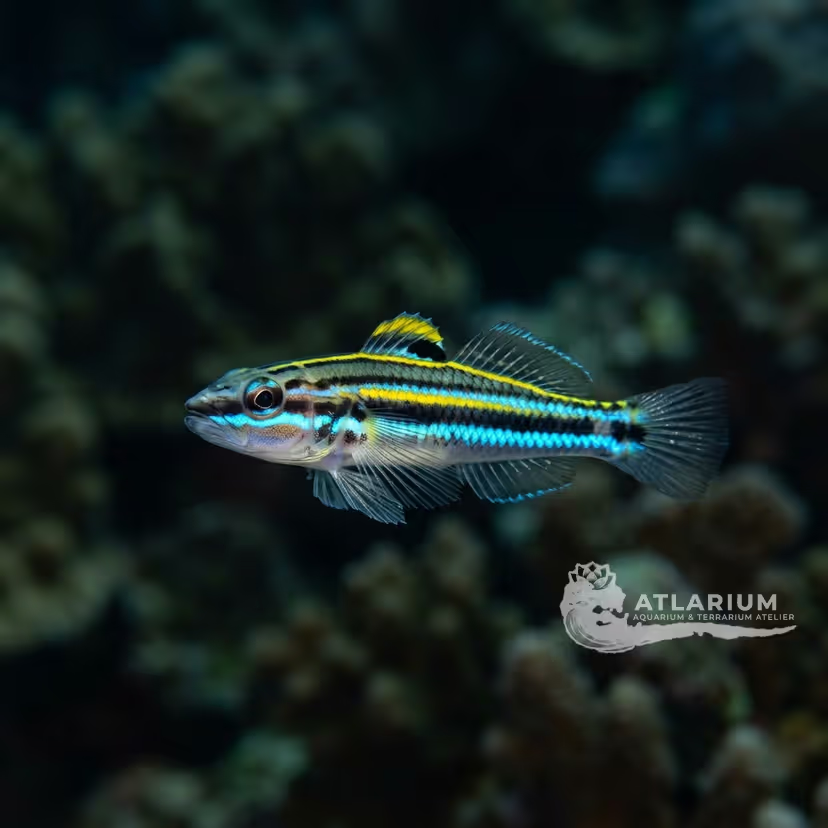
View details->
Sharknose Goby

Sharknose Goby

Elacatinus evelynae

View details->
Shortstripe goby

Shortstripe goby

Elacatinus chancei

View details->
Yellowline Goby

Yellowline Goby

Elacatinus horsti

View details->
Yellowprow Goby

Yellowprow Goby

Elacatinus xanthiprora

View details->
Barber Goby

Barber Goby

Elacatinus figaro

View details->
Key Goby

Key Goby

Elacatinus

View details->
Beautiful-cheek shrimpgoby

Beautiful-cheek shrimpgoby

Amblyeleotris callopareia
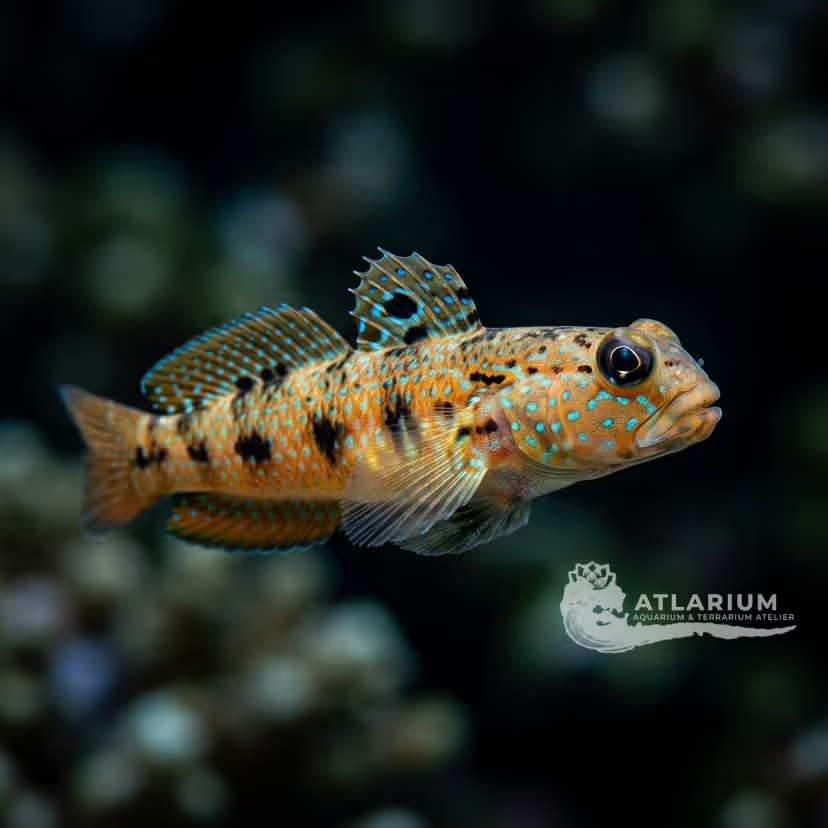
View details->
Luther's Goby

Luther's Goby

Cryptocentrus lutheri

View details->
Gold Neon Eviota Goby

Gold Neon Eviota Goby

Eviota pellucida
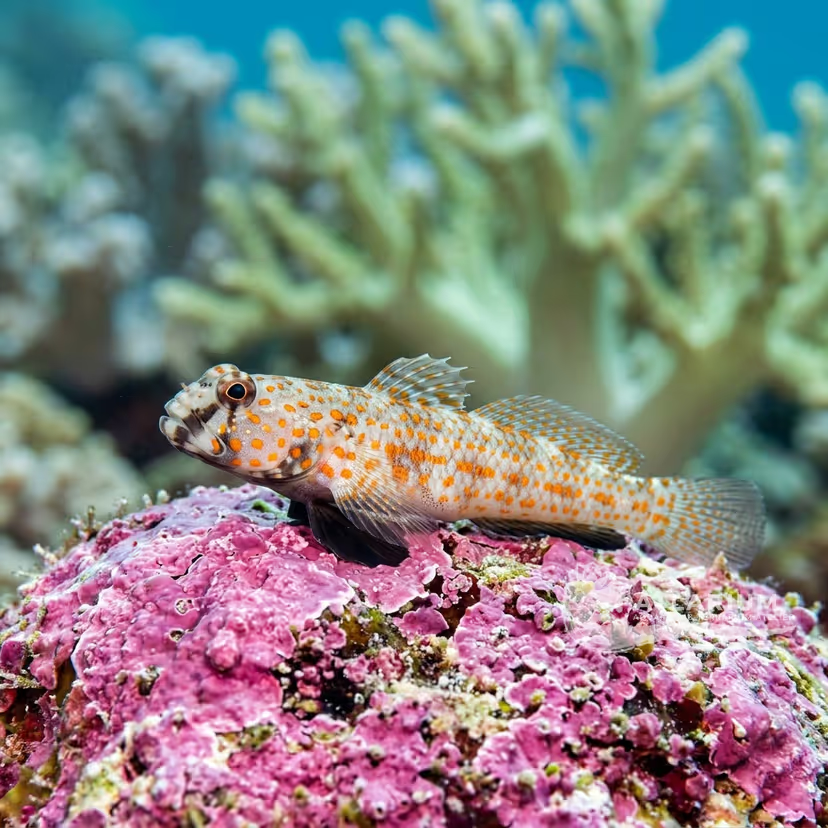
View details->
Orange-spotted Prawn-goby

Orange-spotted Prawn-goby

Amblyeleotris guttata

View details->
Pinkspotted Shrimp Goby

Pinkspotted Shrimp Goby

Cryptocentrus leptocephalus

View details->

Recommended companions

Compatible cards from coherent ecosystems with matching parameters.

Grape caulerpa
Plant

Grape caulerpa

Caulerpa racemosa

View details->
Caulerpa prolifera
Plant

Caulerpa prolifera

Caulerpa prolifera
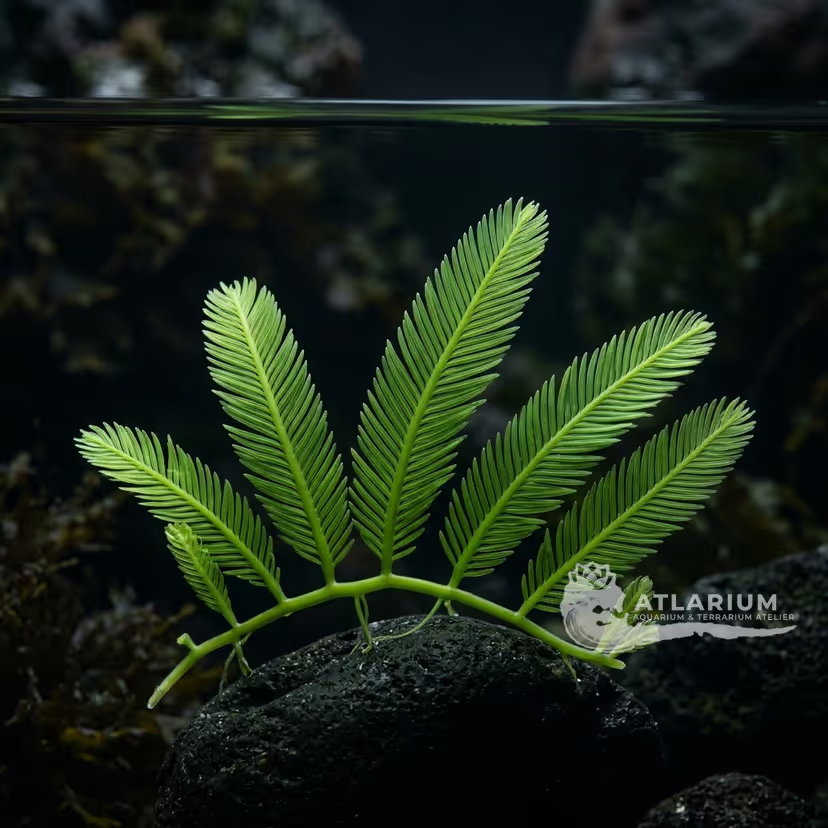
View details->
Caulerpa taxifolia
Plant

Caulerpa taxifolia

Caulerpa taxifolia
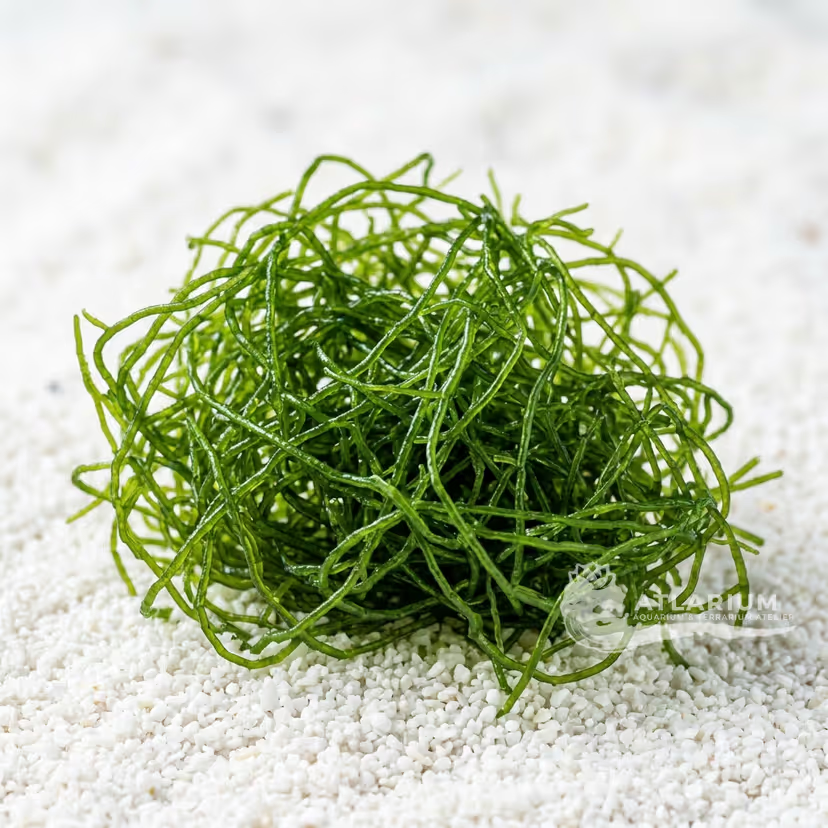
View details->
Chaetomorpha macroalgae
Plant

Chaetomorpha macroalgae

Chaetomorpha linum

View details->
Dead man fingers algae
Plant

Dead man fingers algae

Codium fragile

View details->
Halimeda macroalgae
Plant

Halimeda macroalgae

Halimeda opuntia

View details->
Peacock tail algae
Plant

Peacock tail algae

Padina pavonica

View details->
Red gracilaria
Plant

Red gracilaria

Gracilaria parvispora

View details->
Red grape algae
Plant

Red grape algae

Botryocladia uvaria

View details->
Sea lettuce
Plant

Sea lettuce

Ulva lactuca

View details->
Red Mangrove
Plant

Red Mangrove

Rhizophora mangle

View details->

Similar care

Cards with similar requirements, difficulty, habitat, and husbandry profile.

Spikefin goby

Spikefin goby

Discordipinna griessingeri

View details->
Two-stripe Goby

Two-stripe Goby

Eviota bifasciata

View details->
Randall's Shrimp Goby

Randall's Shrimp Goby

Amblyeleotris randalli
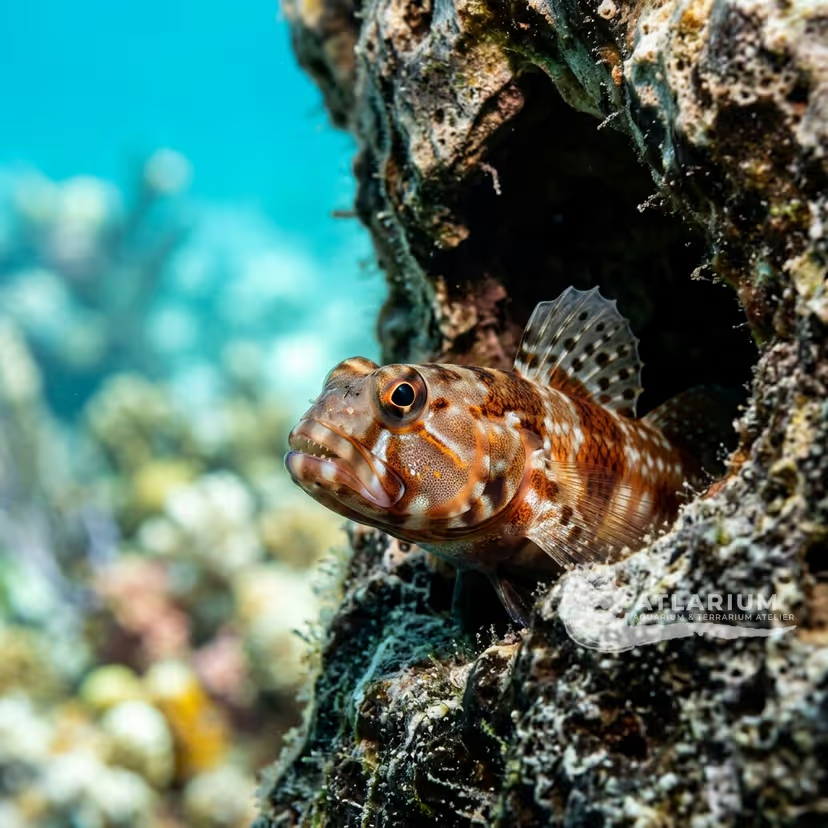
View details->
Ellipse shrimpgoby

Ellipse shrimpgoby

Amblyeleotris ellipse
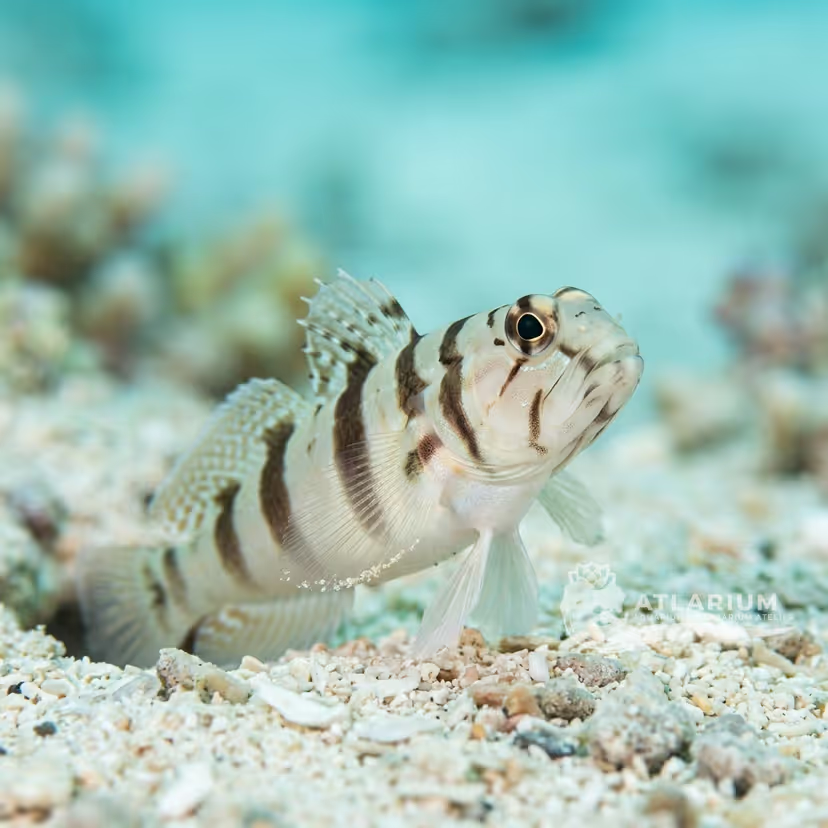
View details->
New Caledonia Shrimpgoby

New Caledonia Shrimpgoby

Amblyeleotris novaecaledoniae

View details->
Red-banded Shrimpgoby

Red-banded Shrimpgoby

Amblyeleotris fasciata

View details->
Spotted-tail Shrimpgoby

Spotted-tail Shrimpgoby

Amblyeleotris bellicauda

View details->
Eyebar goby

Eyebar goby

Gnatholepis anjerensis

View details->
Neglected Shrimpgoby

Neglected Shrimpgoby

Amblyeleotris neglecta

View details->
Arch-fin shrimpgoby

Arch-fin shrimpgoby

Amblyeleotris arcupinna
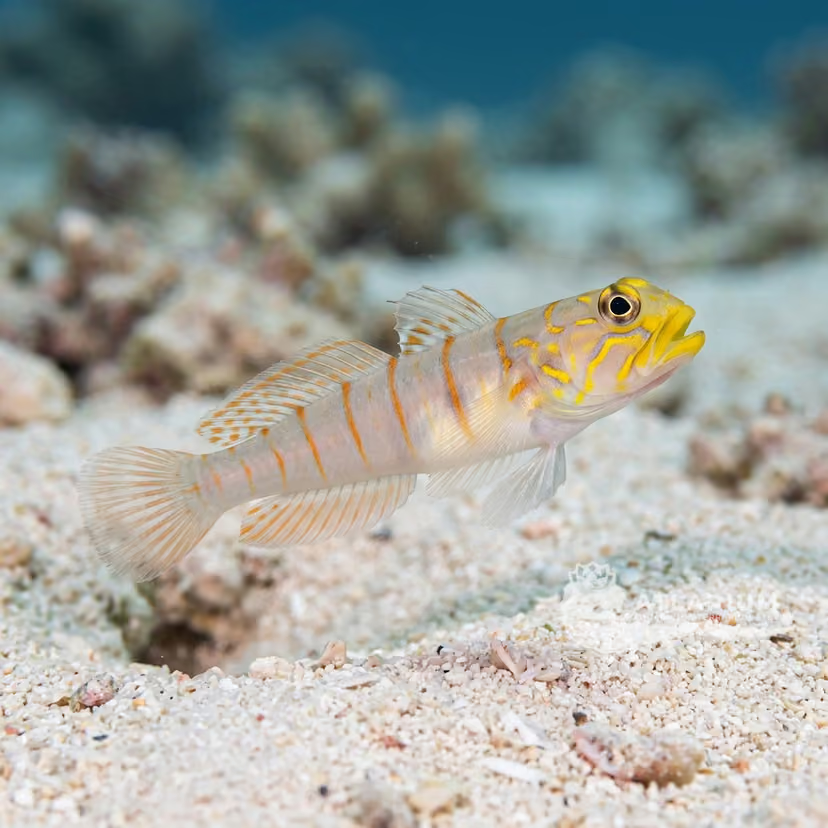
View details->
Morishita's Shrimpgoby

Morishita's Shrimpgoby

Amblyeleotris morishitai
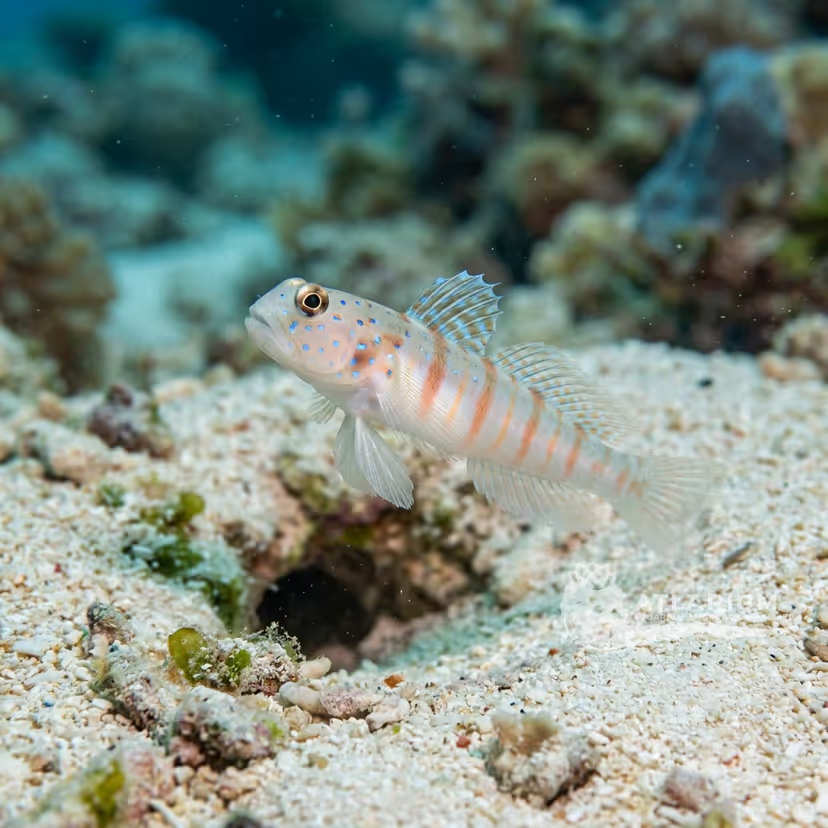
View details->
Memnonian Shrimpgoby

Memnonian Shrimpgoby

Amblyeleotris memnonia

View details->
Blackbelly Pygmy Goby

Blackbelly Pygmy Goby

Eviota atriventris

View details->
Banded-head Shrimpgoby

Banded-head Shrimpgoby

Amblyeleotris cephalotaenius
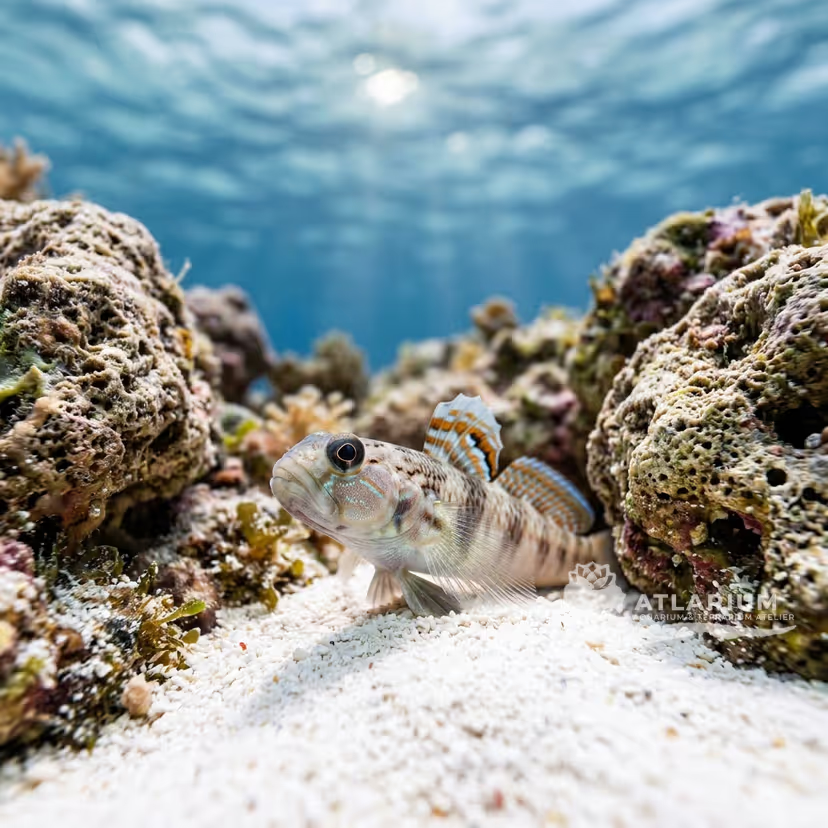
View details->
Downing's Shrimpgoby

Downing's Shrimpgoby

Amblyeleotris downingi

View details->
Five-lined Coral Goby

Five-lined Coral Goby

Gobiodon quinquestrigatus

View details->
Last updated: 06/30/2026
Linesnout Goby (Elacatinus lori) Care Guide & Tank Setup | Atlarium