Blackbelly Pygmy Goby
Eviota atriventris
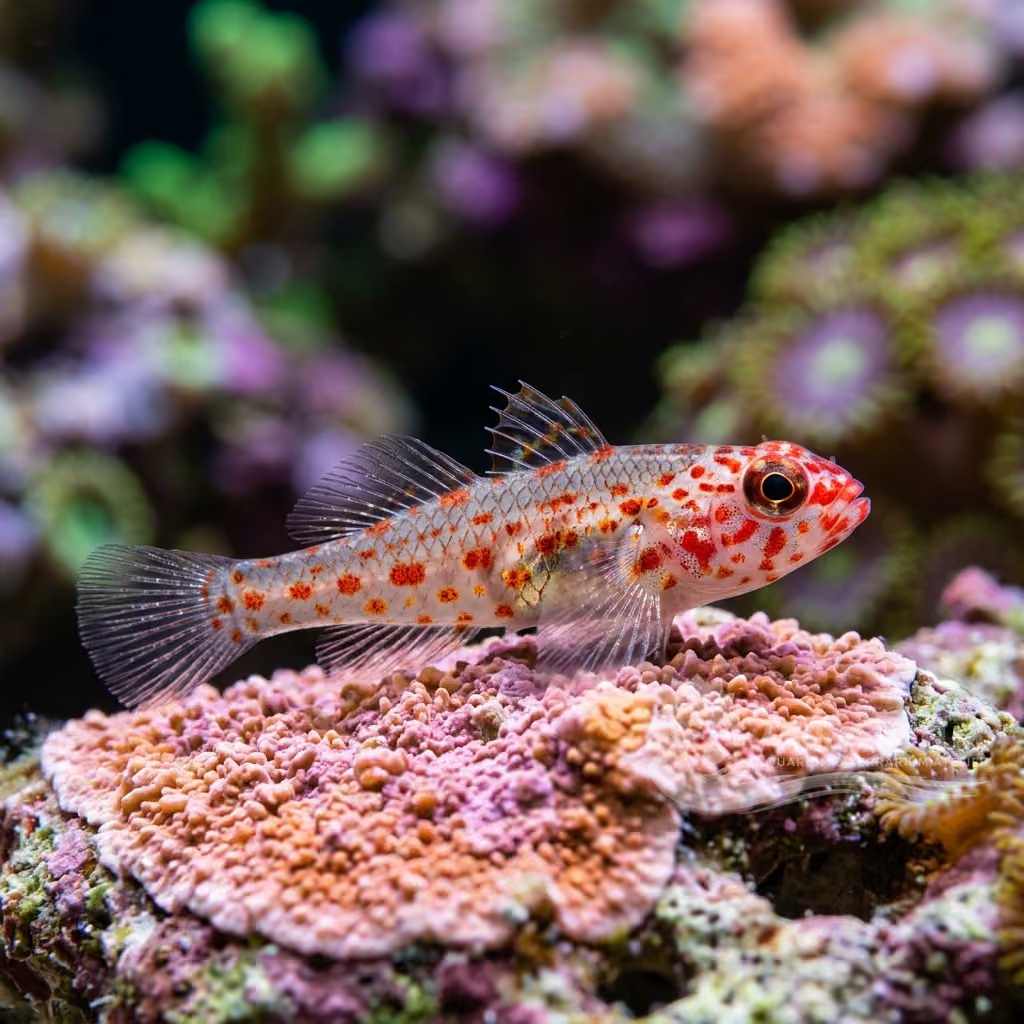
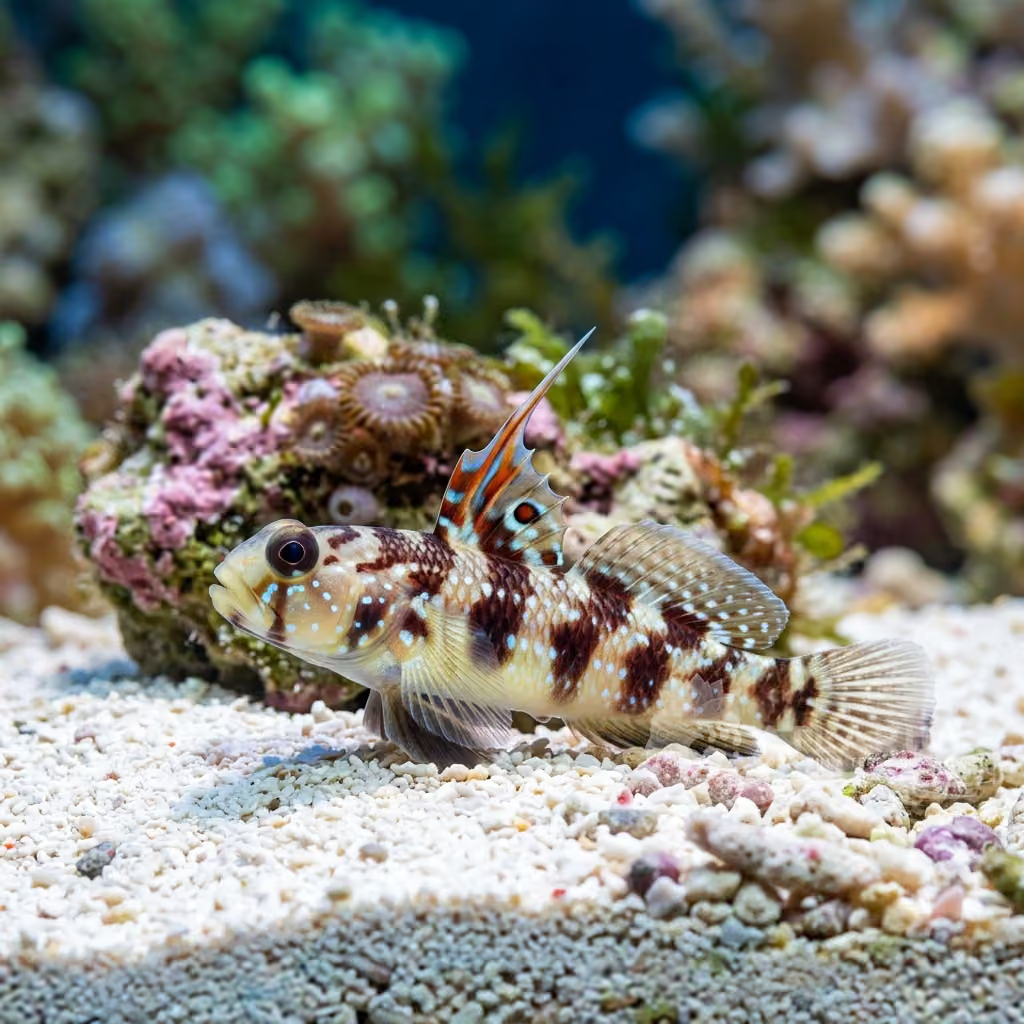
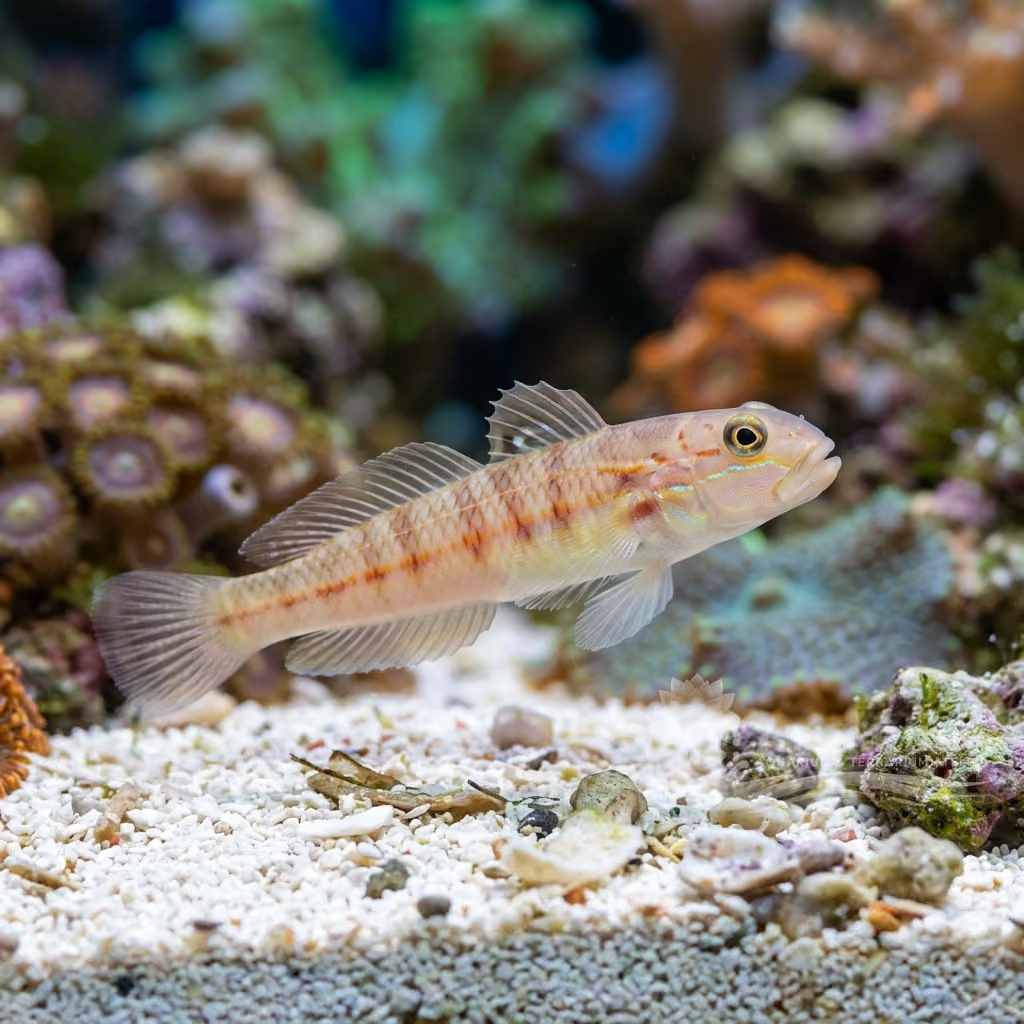
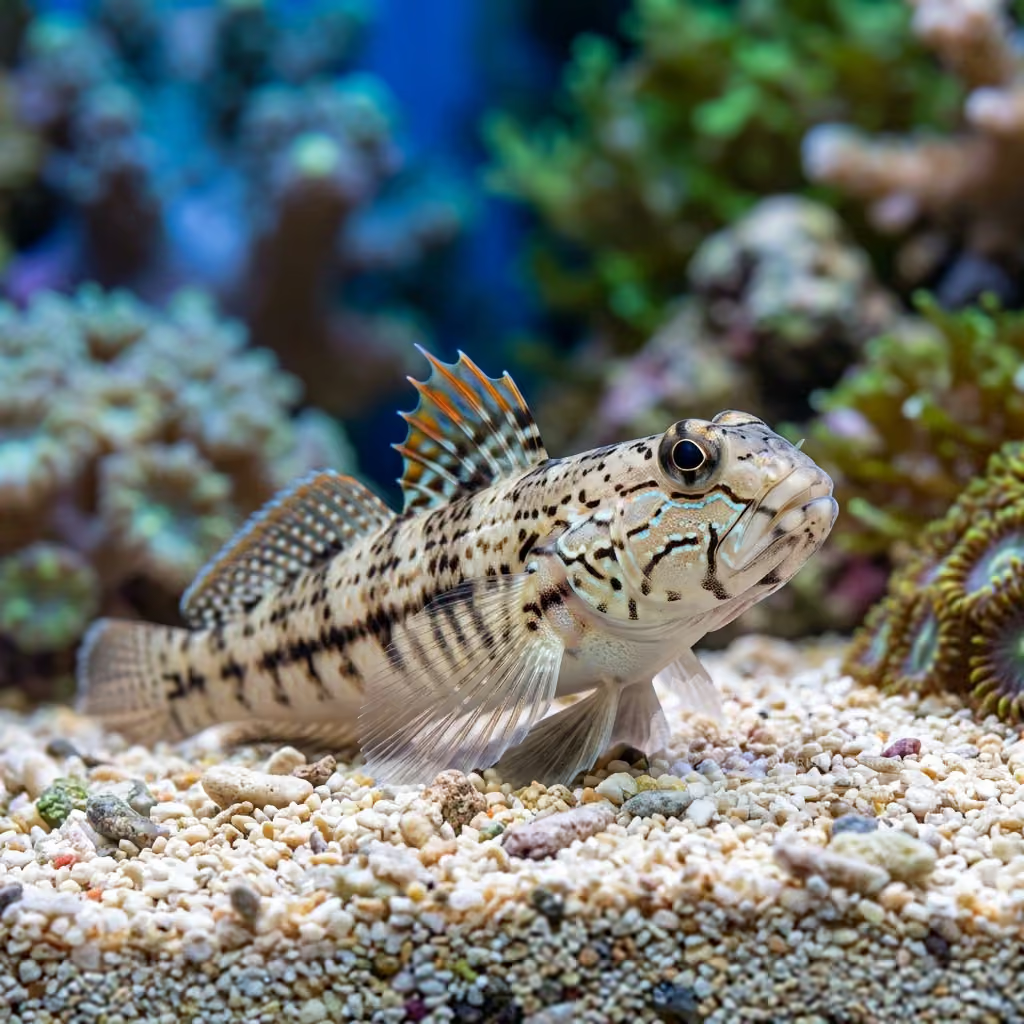
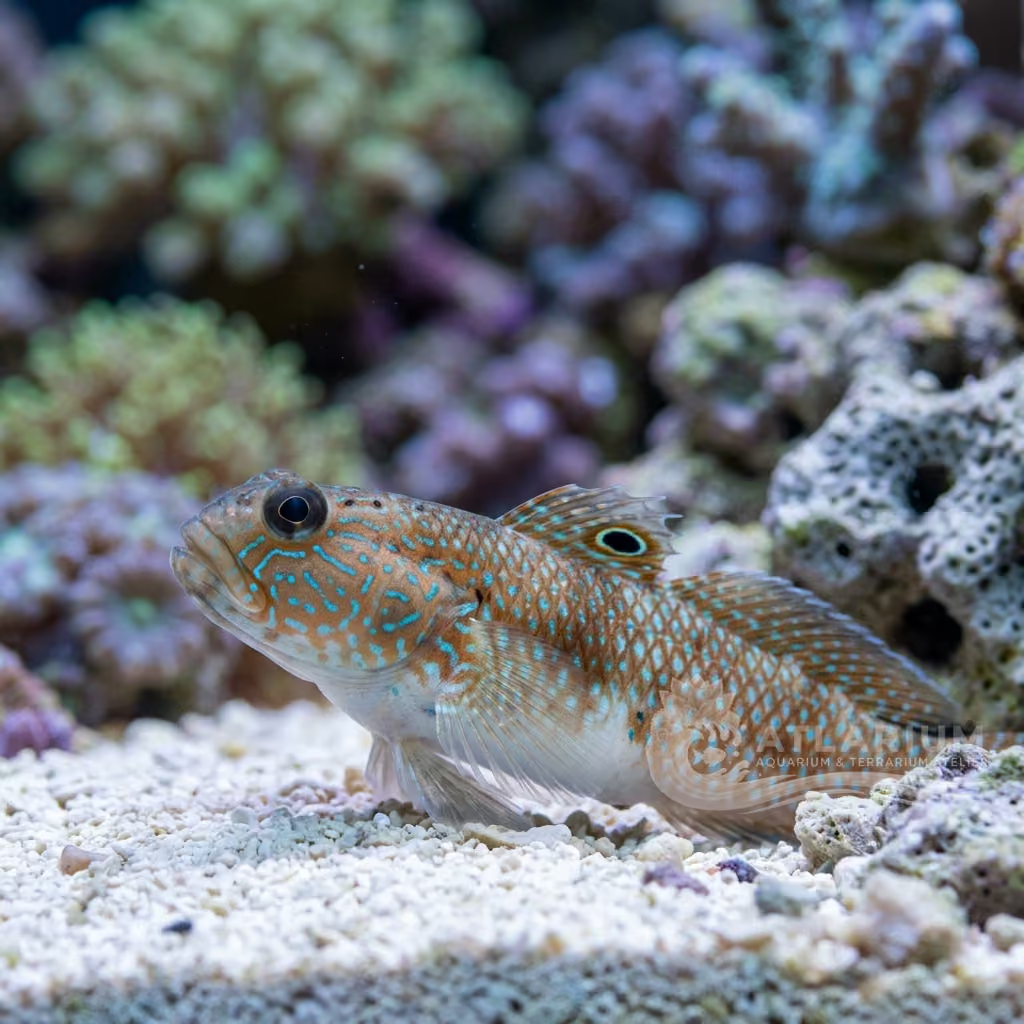
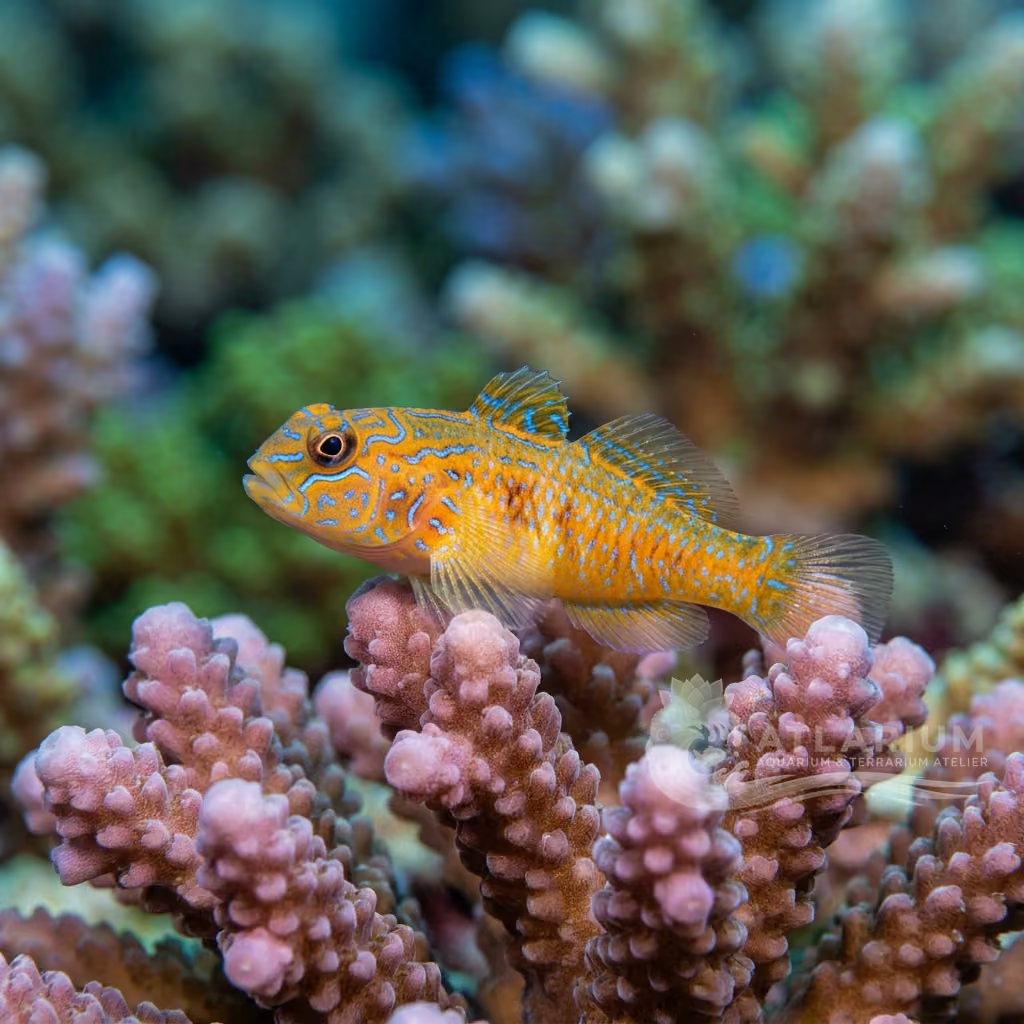
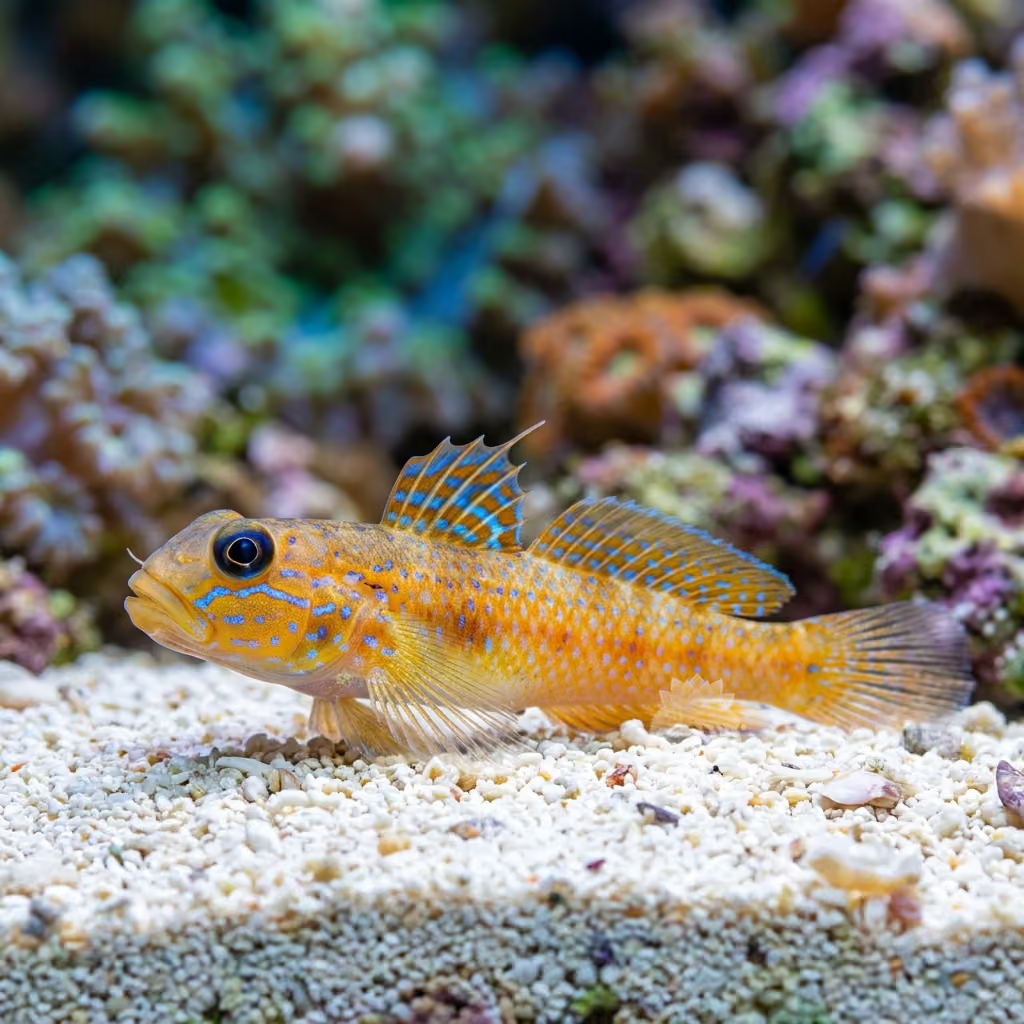
This translucent, diminutive goby showcases a distinctively dark underbelly and reddish speckles. Reaching barely two centimeters, it delightfully hovers near coral branches in tranquil nano-reefs.
Water Temperature
23 - 27 °C
pH Value
8 - 8.4
Water type
Marine
Tank level
Bottom
Adult size
2 cm
Minimum tank volume
>= 30 L
Minimum group
>= 3
KH
8 - 12 dKH

Species description
Geographical Origin and Habitat: Eviota atriventris is a tiny marine goby native to the Western Central Pacific Ocean, with a distribution covering the coral-rich waters of Indonesia, the Philippines, Palau, Papua New Guinea, and the Great Barrier Reef in Australia. It primarily inhabits sheltered coral reefs, shallow coastal lagoons, and rubble zones at depths of 2 to 20 meters, often found hovering near Acropora coral colonies.
Taxonomy and Morphology: Belonging to the Gobiidae family and Gobiinae subfamily, this species is one of the smallest members of the genus Eviota. It features an elongated, slightly compressed body with large, prominent eyes suited for spotting planktonic prey. The maximum adult size of this dwarf goby is extremely small, typically ranging between 1.5 and 2.0 cm in length.
Social Behavior: It is a peaceful, active, and highly curious bottom-to-midwater dweller that spends much of its time perching on live rock or hard coral branches. Although not a true schooling fish, it thrives when kept in small groups of its own species, where males may establish minor hierarchies and territories without causing physical harm.
Coloration and Sexual Dimorphism: The coloration is characterized by a translucent body with reddish-orange speckles and faint vertical bars. The defining feature, as suggested by its scientific name, is the dark or black peritoneal area visible through the underbelly. Mature males have slightly elongated dorsal fin rays and show brighter coloration during mating displays.

Care, breeding and tankmates
Aquarium Setup: This dwarf species is highly suited for nano-reef aquariums of 30 to 40 liters. The tank should feature stable live rock formations with small crevices and ledges for perching. It is essential to cover any filter intakes or pump powerheads with fine mesh to prevent these tiny fish from being sucked into the filtration system.
Diet and Feeding: Carnivorous micropredator. In the wild, they feed on zooplankton and tiny benthic micro-crustaceans. In captivity, they must be offered small-sized foods such as frozen cyclops, lobster eggs, baby brine shrimp, copepods, and finely minced mysis. Feed multiple small portions daily due to their high metabolism.
Water Quality: Maintain stable reef parameters: water temperature between 23 and 27 °C, pH between 8.1 and 8.4, and salinity at SG 1.020-1.025. Because they are typically kept in small nano-reef tanks, regular weekly water changes of 10% are highly recommended to prevent any accumulation of organic waste.
Compatibility and Cohabitation: 100% reef-safe, making them harmless to corals, clams, and ornamental invertebrates. Do not house with large, fast-moving, or predatory fish (such as groupers, dottybacks, or hawkfish) that may consume them. Suitable tankmates include other micro-gobies, peaceful blennies, and ornamental shrimp.
Aquarium Breeding: Breeding in captivity is extremely rare and difficult. They lay small adhesive eggs in tiny crevices or under coral branches, which are guarded by the male. Rearing the microscopic, pelagic larvae requires specialized live micro-zooplankton cultures and separate rearing systems.
Risks and Diseases: The primary risk is predation by larger fish or getting trapped in filtration equipment due to their size. They have low tolerance for sudden salinity drops or temperature shock. As with many small gobies, they are highly sensitive to copper-based medications.

Geographic origin and distribution
Eviota atriventris is a tiny marine goby native to the Western Central Pacific Ocean, with a distribution covering the coral-rich waters of Indonesia, the Philippines, Palau, Papua New Guinea, and the Great Barrier Reef in Australia. It primarily inhabits sheltered coral reefs, shallow coastal lagoons, and rubble zones at depths of 2 to 20 meters, often found hovering near Acropora coral colonies.
Origin
Tropical oceans and reefsAfrica and MadagascarSouth and Southeast AsiaEast AsiaAustralia, New Guinea, and Oceania

Fish profile
- Temperament
- Peaceful
- They are exceedingly peaceful, shy, and somewhat reclusive micro-fish. They rely entirely on their camouflage and ability to squeeze into tiny hiding spots for protection. If housed with larger tank mates, they will likely remain hidden and may eventually starve.
- Diet
- Carnivore
- They are micro-carnivores that naturally pick at tiny zooplankton and micro-crustaceans on live rock. Provide a varied diet of newly hatched artemia, copepods, rotifers, and crushed high-quality marine flakes. Ensuring food particles are small enough for their tiny mouths is absolutely critical.
- Life expectancy
- 1.5-2.5 years
- Adult size
- 2 cm
- Sex ratio
- Group
- They are generally peaceful towards conspecifics and can be successfully kept in small groups or pairs. Keeping them in small colonies often encourages more natural and outgoing behaviors. When kept in groups, they will peacefully establish their own tiny territories on the rockwork.
- Feeding frequency
- Twice daily
- Due to their high metabolism and tiny stomachs, they require frequent, small feedings. Feeding them very small pinches of food two to three times daily is highly recommended. Establishing a healthy population of copepods in the tank provides an excellent continuous food source.
- Bioload
- Low
- The Blackbelly dwarfgoby has an exceptionally small bioload, matching its tiny adult size. It is perfectly suited for pico and nano reef aquariums with gentle biological filtration. Weekly small water changes are easily sufficient to maintain pristine water conditions for them.
- Flow
- Strong
- They prefer low to moderate water flow, allowing them to effortlessly hover and perch. Strong, turbulent currents will quickly exhaust them and blow them around the tank. Gentle, randomized flow mimicking a calm reef environment is absolutely ideal for their well-being.
- Jump risk
- Yes
- Like many small gobies, they are easily spooked and possess a moderate to high jumping risk. A completely secure, tight-fitting mesh lid or glass canopy is essential to prevent tragic escapes. Ensure that the mesh size is small enough to prevent them from slipping through.
- Reproduction
- Oviparous
- Breeding in captivity is possible, but successfully rearing the microscopic fry is exceptionally challenging. They lay their eggs in small crevices or empty shells, which the male then guards diligently. The fry require microscopic live foods like rotifers immediately after hatching.
- Compatibility & tankmates
- Aggressive
- They are incredibly peaceful but exceptionally timid and vulnerable to being eaten. They must only be housed with similarly tiny, completely peaceful species like other small gobies or nano shrimp. Avoid all aggressive, boisterous, or moderately sized predatory fish to prevent stress and predation.
- Tank level
- Bottom
- They spend the vast majority of their time resting directly on rocks, corals, or the substrate. They will occasionally make short, darting movements into the lower water column to snatch passing food. Providing complex rockwork with numerous tiny crevices makes them feel completely secure.

Scientific Parameters & Models
FishBase
Window to the official scientific data of the species
FishBase v25.04Data synced on: 06/15/2026
- Trophic level
- 3 ± 0.3 se
- Phylogenetic uniqueness (PD50)
- 0.5
- Bayesian Length-Weight
- a = 0.00692, b = 3.09
- VulnerabilityLow vulnerability (10 / 100)

Related species
Recommendations grouped by close relatives, companion choices, and similar care.