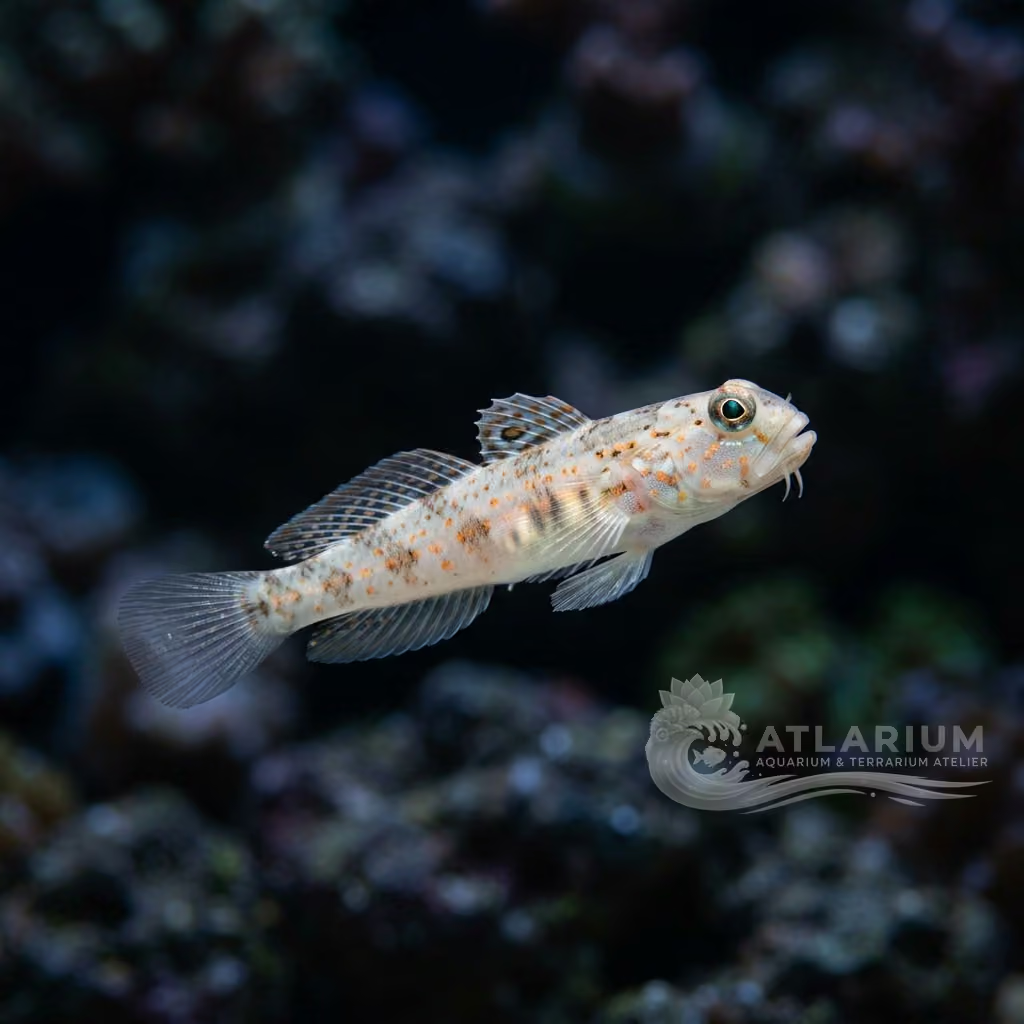
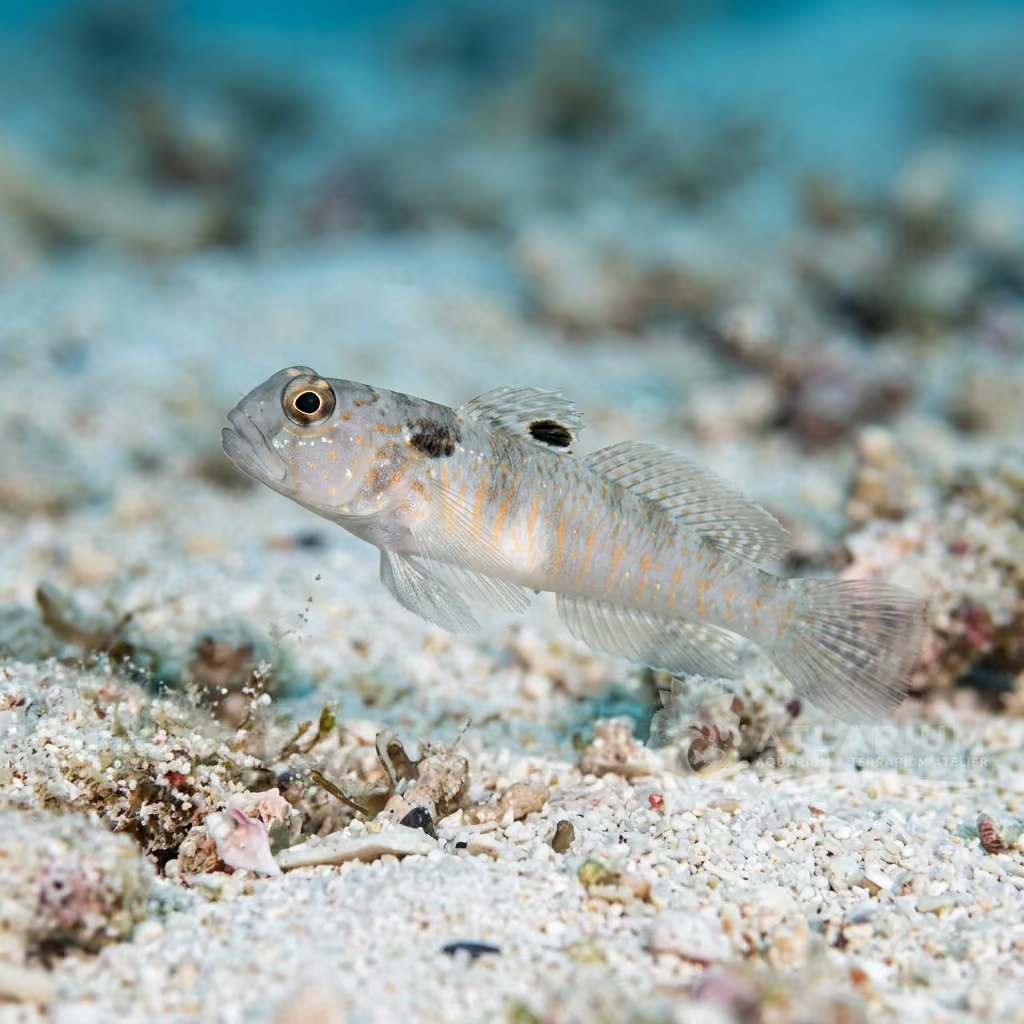
Orangeside Goby
Tigrigobius dilepis
This Caribbean cleaner goby perches on tubular sponges, picking ectoparasites. It is a fantastic addition to nano reefs, thriving on meaty micro-foods.
Water Temperature
23 - 27 °C
pH Value
8.1 - 8.4
Water type
Marine
Tank level
Bottom
Adult size
4 cm
Minimum tank volume
>= 40 L
Minimum group
>= 1
KH
8 - 12 dKH

Species description
Geographical Origin and Habitat: Native to the coral reefs of the Western Central Atlantic, including the Caribbean Sea, the Bahamas, and southern Florida. They live in close association with tubular sponges of the genera Callyspongia and Aplysina, which serve as shelters and cleaning stations.
Taxonomy and Morphology: A member of the Gobiidae family and the Elacatinus genus. This is a tiny fish reaching a maximum adult length of only 2.5 to 3 centimeters. It features an elongated, cylindrical body with pelvic fins fused into a cup-like suction disk used to cling to vertical sponge surfaces.
Social Behavior: A peaceful and cooperative species renowned for its symbiotic cleaning behavior. They establish territory on or near sponges, advertising their cleaning services to larger passing fish with a unique bobbing dance to feed on their external parasites.
Coloration and Sexual Dimorphism: The body is translucent to dark grey, highlighted by a vibrant bright yellow-orange longitudinal stripe running along the side, and blue iridescence around the eyes. Genders are visually identical, though gravid females will appear noticeably rounder.

Care, breeding and tankmates
Aquarium Setup: Prefers nano reef aquariums of at least 30 liters. It is highly beneficial to provide live rock and, if possible, live or realistic synthetic tubular sponges to replicate their natural habitat and satisfy their perching instincts.
Diet and Feeding: Specialized carnivore. In their natural habitat, they feed primarily on ectoparasites picked from other fish; in captivity, they must be supplied with fine frozen foods such as cyclops, copepods, oyster eggs, and enriched baby brine shrimp.
Water Quality: Requires stable marine parameters: salinity/specific gravity of 1.020-1.026, temperature of 22-26 °C, and a pH of 8.1-8.4. Keep nitrates and phosphates close to zero with regular water changes and efficient protein skimming.
Compatibility and Cohabitation: Extremely peaceful. Can be kept with reef invertebrates and small, passive fish; avoid housing them with large predatory fish or aggressive species that might hunt them despite their cleaning status.
Aquarium Breeding: Breeding is possible but challenging. They lay eggs inside the cavities of sponges or small tubes; the parents guard the nest, but raising the tiny pelagic larvae requires constant supplies of live rotifers and microalgae.
Risks and Diseases: Highly sensitive to poor water conditions and copper-based medications. Because they lack protective scales, aggressive chemical treatments are often fatal; use biological control or separate quarantine setups.

Geographic origin and distribution
Native to the coral reefs of the Western Central Atlantic, including the Caribbean Sea, the Bahamas, and southern Florida. They live in close association with tubular sponges of the genera Callyspongia and Aplysina, which serve as shelters and cleaning stations.
Origin
Tropical oceans and reefsCentral America and CaribbeanNorth America

Fish profile
- Temperament
- Territorial
- Behaviorally, the Orangespotted Goby is characterized as being peaceful. They exhibit fascinating social dynamics that can be a true joy to observe in a well-planned display. While generally agreeable, unexpected aggression can sometimes occur if their fundamental environmental needs are not met. Providing adequate hiding spots and sufficient swimming space will go a long way in ensuring their temperament remains calm and manageable.
- Diet
- Carnivore
- Feeding the Orangespotted Goby properly requires acknowledging its natural role as a carnivorous. A staple diet of premium flakes or pellets should be supplemented with nutrient-rich treats to replicate natural foraging. It is advisable to soak dry foods beforehand to prevent digestive issues and swim bladder complications. Consistently offering a diverse menu will significantly boost their immune system and overall vitality.
- Life expectancy
- 1-2 years
- Adult size
- 4 cm
- Sex ratio
- Flexible
- Maintaining an appropriate sex ratio is vital, and a balanced distribution of males and females often works best for the Orangespotted Goby. In many cases, keeping a ratio heavily skewed towards females can help disperse male aggression during the breeding season. It is important to monitor the group dynamics closely to quickly identify and isolate any bullied individuals. A well-structured environment with plenty of visual barriers will support a harmonious mixed-sex group.
- Feeding frequency
- Twice daily
- Establishing a consistent feeding routine is important, with 1-2 small meals per day being ideal for the Orangespotted Goby. Aquarists should carefully monitor the fish during feeding time to ensure every individual gets its share. Any uneaten food should be promptly removed with a net or siphon to preserve the pristine aquatic environment. During periods of breeding or elevated temperatures, the feeding frequency may be slightly increased.
- Bioload
- Low
- Maintaining this marine species requires understanding its low bioload profile. The Orangespotted Goby will thrive when the filtration system is carefully matched to its specific waste production. Frequent testing of the water chemistry is highly recommended to ensure no dangerous spikes occur. Excellent water quality is the foundation for preventing disease and promoting a vibrant, active fish.
- Flow
- Strong
- In terms of water movement, the Orangespotted Goby thrives best in environments with moderate flow. Replicating the hydrodynamic conditions of their native habitat is key to reducing stress and promoting natural behaviors. Powerheads or spray bars can be strategically placed to create adequate currents without overwhelming the fish. Careful placement of hardscape and plants can also provide sheltered resting zones away from the main flow.
- Jump risk
- Yes
- Aquarists should be aware that the Orangespotted Goby presents a moderate jump risk, especially when initially introduced or startled. A tightly fitting lid or a mesh screen cover is absolutely essential to prevent accidental escapes. Keeping the water parameters stable and avoiding aggressive tankmates will minimize the stress that often triggers jumping behavior. Ensuring the tank is kept in a relatively quiet environment can also help keep them securely in the water.
- Reproduction
- Oviparous
- The reproductive strategy of the Orangespotted Goby involves being a cave spawner. Breeding this species in captivity can be a rewarding challenge that requires dedicated conditioning of the broodstock. Specific triggers such as changes in temperature, diet, or water chemistry are often necessary to induce spawning. Once breeding occurs, specialized care for the fry, including appropriately sized live foods, is critical for their survival and development.
- Compatibility & tankmates
- Highly aggressive
- When considering tankmates, the Orangespotted Goby is generally considered good for nano reefs. It is important to avoid housing them with overly aggressive or large predatory fish that could bully them or outcompete them for food. Careful observation during the initial introduction period is highly recommended to ensure harmony within the community. Selecting species that occupy different levels of the water column can further reduce territorial disputes.
- Tank level
- Bottom
- The Orangespotted Goby naturally gravitates towards the bottom section of the water column. Decorating this specific zone with appropriate hardscape, such as driftwood branches or rocky caves, encourages them to display their natural behaviors. It is important to ensure that water flow and lighting are optimized for this specific depth. Layering the tank inhabitants thoughtfully creates a visually dynamic and biologically sound ecosystem.

Scientific Parameters & Models
FishBase
Window to the official scientific data of the species
FishBase v25.04Data synced on: 06/15/2026
- Trophic level
- 3 ± 0.3 se
- Resilience
- High (less than 15 months)
- Phylogenetic uniqueness (PD50)
- 0.5
- Bayesian Length-Weight
- a = 0.00741, b = 3.09
- VulnerabilityLow vulnerability (10 / 100)

Related species
Recommendations grouped by close relatives, companion choices, and similar care.