Bella Goby
Valenciennea bella
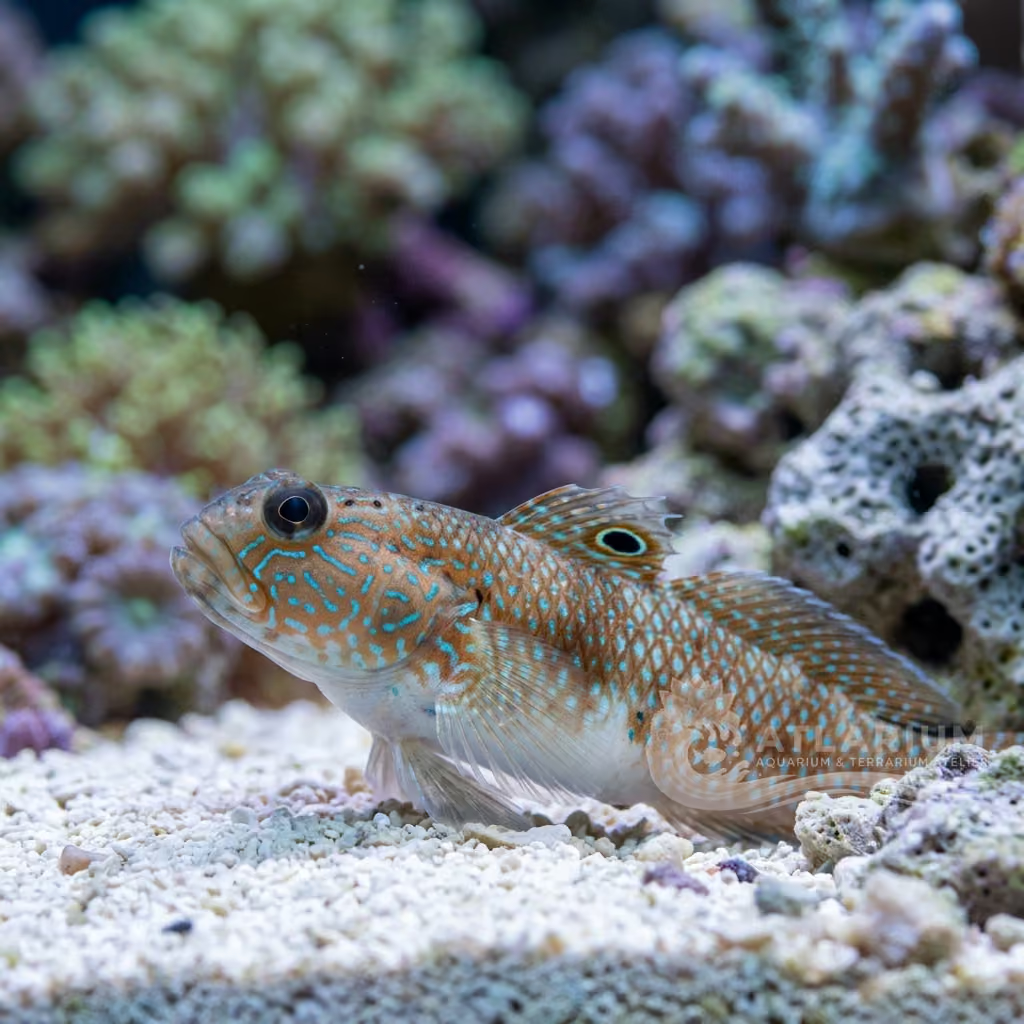
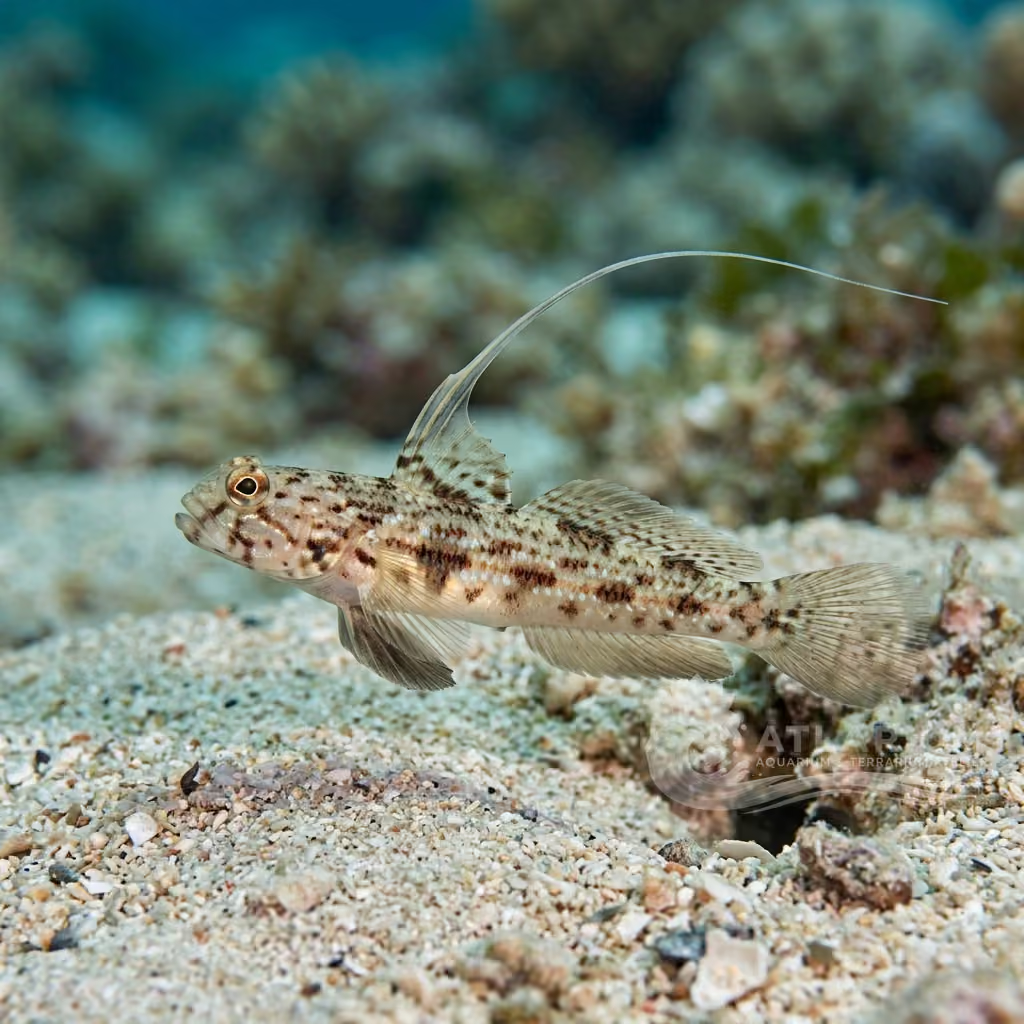
A stunning, sand-sifting marine goby known for its beautiful pinkish-orange body and blue facial markings, excellent for maintaining a clean substrate.
Water Temperature
22 - 26 °C
pH Value
8.1 - 8.4
Water type
Marine
Tank level
Bottom
Adult size
8 cm
Minimum tank volume
>= 100 L
Minimum group
>= 1
KH
8 - 12 dKH

Species description
Geographical Origin and Habitat: Valenciennea bella is native to the warm tropical waters of the Western Pacific Ocean. Its distribution is primarily focused around the southern Ryukyu Islands of Japan, Taiwan, and the Philippine archipelago. It inhabits the sandy slopes adjacent to coral reefs and protected coastal lagoons, generally preferring depths between 12 and 35 meters. In these biotopes, it occupies areas with deep, fine sand and coral rubble accumulations where it can dig burrows.
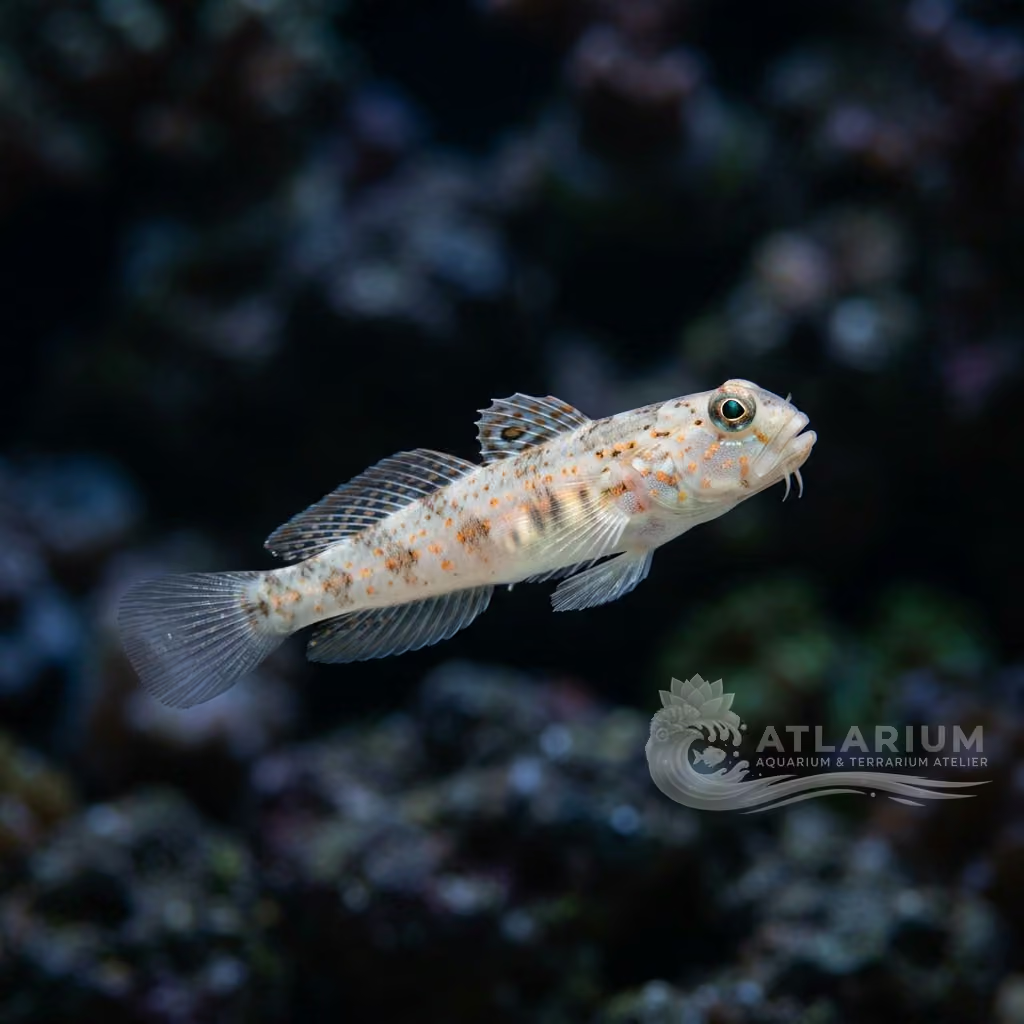
Taxonomy and Morphology: Belonging to the family Gobiidae, this species exhibits the typical elongated, sub-cylindrical body shape characteristic of benthic sand-sifting gobies. It features a large, downward-pointing mouth with fleshy lips, anatomically specialized for scooping up mouthfuls of sand to filter out food. The caudal fin is rounded or slightly trilobed. Adult specimens typically reach a maximum length of 12 to 15 centimeters.
Social Behavior: This is a peaceful, diurnal species that spends the majority of its active hours tirelessly sifting the substrate. They show no aggression toward other reef inhabitants but can exhibit notable intraspecific territorial behavior. It is best kept singly or as a mated pair, as individuals of the same sex will fight. Mated pairs are highly cooperative, working together to maintain and defend their burrow.
Coloration and Sexual Dimorphism: The coloration is exceptionally striking, featuring a light orange to peach-pink body contrasted by electric blue or metallic green horizontal stripes on the cheeks and below the eyes. The fins show vibrant red and yellow margins. Sexual dimorphism is subtle, with mature males sometimes displaying slightly longer dorsal fin filaments and a marginally larger body size compared to females.

Care, breeding and tankmates
Aquarium Setup: Requires a mature marine aquarium of at least 200 liters (approx. 50 gallons). The most critical component of the setup is a deep, fine sand bed of at least 5 to 8 centimeters. Coarse substrate or crushed coral must be avoided to prevent damage to their delicate gills. All rockwork must be secured directly onto the bottom glass pane to prevent collapses caused by the goby's constant excavation under the rocks. A tight-fitting lid or screen mesh is mandatory, as this species is an active jumper when startled.
Diet and Feeding: A carnivorous species that feeds on microfauna, small crustaceans, and worms residing in the sand. In captivity, they must be fed multiple times per day with high-quality frozen foods such as mysis shrimp, brine shrimp, finely chopped krill, and fresh seafood preparations. They can eventually be trained to accept sinking pellets, but a continuous supply of meaty food is required to prevent malnutrition.
Water Quality: Like all delicate reef fish, they demand stable marine water parameters. Keep the water temperature between 22°C and 26°C, pH between 8.1 and 8.4, specific gravity between 1.023 and 1.025, and carbonate hardness (KH) at 8-12 dKH. Nitrates and phosphates should be kept close to zero through efficient protein skimming, regular water changes, and proper mechanical filtration.
Compatibility and Cohabitation: Excellent candidates for reef aquariums (100% reef-safe). They are peaceful toward other non-aggressive marine fish such as clownfish, tangs, anthias, and small wrasses. Avoid keeping them with aggressive predators, highly territorial bottom-dwellers, or other sand-sifting species that might outcompete them for food or initiate territorial disputes.
Aquarium Breeding: Breeding in home aquariums is highly challenging and rarely successful. A compatible pair will excavate a burrow beneath a rock where the female deposits adhesive eggs on the ceiling. Both parents guard and fan the nest. Once hatched, the fry enter a pelagic stage and are extremely difficult to raise, requiring specialized live diets such as rotifers and copepods.
Risks and Diseases: The primary risk is starvation, especially when introduced to newly established aquariums lacking a rich microfauna population. Jumping is another common cause of mortality, requiring a secure enclosure. They are susceptible to typical marine external parasites like Marine Ich (Cryptocaryon irritans) and Velvet (Oodinium), which must be treated with copper-based medications in a separate quarantine tank.

Geographic origin and distribution
Valenciennea bella is native to the warm tropical waters of the Western Pacific Ocean. Its distribution is primarily focused around the southern Ryukyu Islands of Japan, Taiwan, and the Philippine archipelago. It inhabits the sandy slopes adjacent to coral reefs and protected coastal lagoons, generally preferring depths between 12 and 35 meters. In these biotopes, it occupies areas with deep, fine sand and coral rubble accumulations where it can dig burrows.
Origin
Tropical oceans and reefsSouth and Southeast AsiaEast Asia

Fish profile
- Temperament
- Peaceful
- The overall temperament of the Bella Goby can be best described as peaceful but territorial over burrows. Their disposition makes them a unique addition to the appropriate aquatic community, provided their specific needs are respected. Stressful conditions, such as poor water quality or overcrowding, can drastically alter their typical behavioral patterns. A quiet environment and a stable routine will bring out the most confident and engaging personality from this species.
- Diet
- Carnivore
- This species is known to be a benthic carnivorous in its natural habitat, requiring a varied diet in captivity. To ensure optimal health and coloration, provide high-quality prepared foods alongside live or frozen options like brine shrimp or bloodworms. It is essential to match the food particle size to the fish's mouth structure to facilitate easy consumption. Regular rotation of dietary items will prevent nutritional deficiencies and keep the fish highly active.
- Life expectancy
- 2 years
- Adult size
- 8 cm
- Sex ratio
- Flexible
- Maintaining an appropriate sex ratio is vital, and a balanced distribution of males and females often works best for the Bella Goby. In many cases, keeping a ratio heavily skewed towards females can help disperse male aggression during the breeding season. It is important to monitor the group dynamics closely to quickly identify and isolate any bullied individuals. A well-structured environment with plenty of visual barriers will support a harmonious mixed-sex group.
- Feeding frequency
- 3-4 times daily
- Establishing a consistent feeding routine is important, with 1-2 small meals per day being ideal for the Bella Goby. Aquarists should carefully monitor the fish during feeding time to ensure every individual gets its share. Any uneaten food should be promptly removed with a net or siphon to preserve the pristine aquatic environment. During periods of breeding or elevated temperatures, the feeding frequency may be slightly increased.
- Bioload
- Low to Medium
- Maintaining this marine species requires understanding its moderate bioload profile. The Bella Goby will thrive when the filtration system is carefully matched to its specific waste production. Frequent testing of the water chemistry is highly recommended to ensure no dangerous spikes occur. Excellent water quality is the foundation for preventing disease and promoting a vibrant, active fish.
- Flow
- Strong
- Providing a moderate current is highly recommended for the overall well-being of the Bella Goby. Adequate water circulation not only mimics their natural ecosystem but also ensures high dissolved oxygen levels throughout the aquarium. Hobbyists should avoid creating localized dead spots where debris might accumulate. Adjusting the filtration output angle can help achieve the perfect balance between steady circulation and calm resting areas.
- Jump risk
- Yes
- Due to its energetic nature, the Bella Goby carries a high probability of jumping out of an open-top aquarium. It is highly advised to secure the perimeter of the tank with a glass canopy or custom netting. Instances of leaping often happen at night or during sudden lighting changes, making a gentle sunrise/sunset lighting schedule beneficial. Maintaining exceptional water quality further discourages attempts to escape the enclosure.
- Reproduction
- Oviparous
- The reproductive strategy of the Bella Goby involves being a cave spawner. Breeding this species in captivity can be a rewarding challenge that requires dedicated conditioning of the broodstock. Specific triggers such as changes in temperature, diet, or water chemistry are often necessary to induce spawning. Once breeding occurs, specialized care for the fry, including appropriately sized live foods, is critical for their survival and development.
- Compatibility & tankmates
- Peaceful
- When considering tankmates, the Bella Goby is generally considered excellent at keeping sand beds clean. It is important to avoid housing them with overly aggressive or large predatory fish that could bully them or outcompete them for food. Careful observation during the initial introduction period is highly recommended to ensure harmony within the community. Selecting species that occupy different levels of the water column can further reduce territorial disputes.
- Tank level
- Bottom
- This species is predominantly a bottom dweller within the aquarium setup. Providing the appropriate spatial layout with open swimming areas or dense vegetation where they feel secure is highly beneficial. By understanding their preferred depth, aquarists can carefully select complementary species that occupy other regions of the tank. This spatial separation helps to reduce competition for food and minimizes unnecessary territorial disputes.

Scientific Parameters & Models
FishBase
Window to the official scientific data of the species
FishBase v25.04Data synced on: 06/15/2026
- Trophic level
- 3 ± 0 se
- Resilience
- High (less than 15 months)
- Phylogenetic uniqueness (PD50)
- 0.5
- Bayesian Length-Weight
- a = 0.00741, b = 3.09
- VulnerabilityLow vulnerability (10 / 100)

Related species
Recommendations grouped by close relatives, companion choices, and similar care.