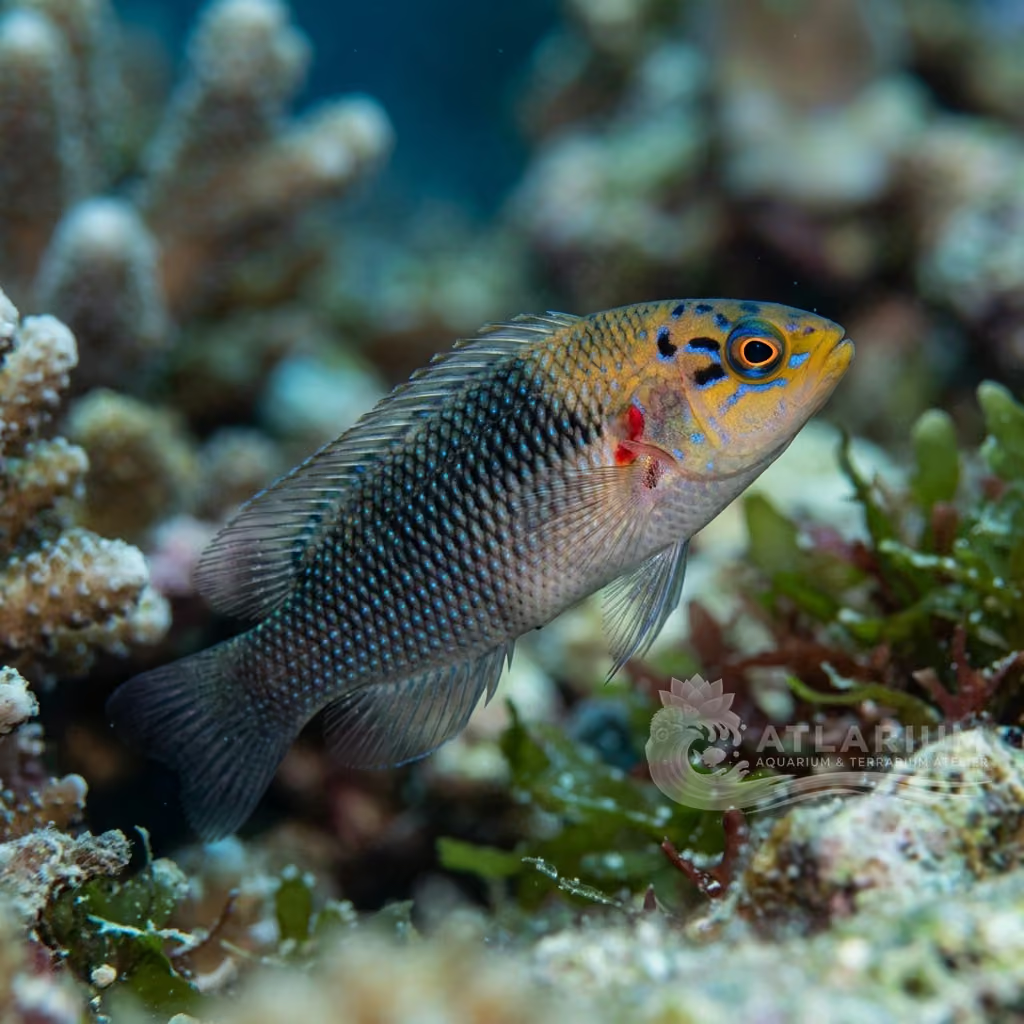
Peppermint basslet
Liopropoma rubre
The Swissguard Basslet is a stunning, deeply-colored cryptic marine fish native to the Caribbean. It requires a quiet reef environment with plenty of caves and a meaty diet.
Water Temperature
22 - 26 °C
pH Value
8.1 - 8.4
Water type
Marine
Tank level
Bottom
Adult size
8 cm
Minimum tank volume
>= 100 L
Minimum group
>= 1

Species description
Geographical Origin and Habitat: Liopropoma rubre is native to the tropical Western Atlantic Ocean, ranging from the Bahamas and southern Florida throughout the Caribbean Sea to the northern coasts of South America. It inhabits deep reef slopes, vertical walls, and coral caves at depths ranging from 15 to 60 meters, where it stays within shaded overhangs and deep recesses.
Taxonomy and Morphology: Belongs to the family Serranidae (groupers and sea basses), subfamily Liopropomatinae. It features an elongated, torpedo-shaped body with a pointed snout. The maximum adult size is small, reaching approximately 8 to 9 centimeters in length. It possesses large eyes adapted to the low-light conditions of its cave dwelling habitats.
Social Behavior: A highly cryptic and shy species that is territorial toward conspecifics. It spends most of its time hidden deep within live rock crevices, only darting out briefly to catch passing prey. It is completely peaceful toward non-related tankmates and does not pose a threat to other fish, except for tiny micro-crustaceans.
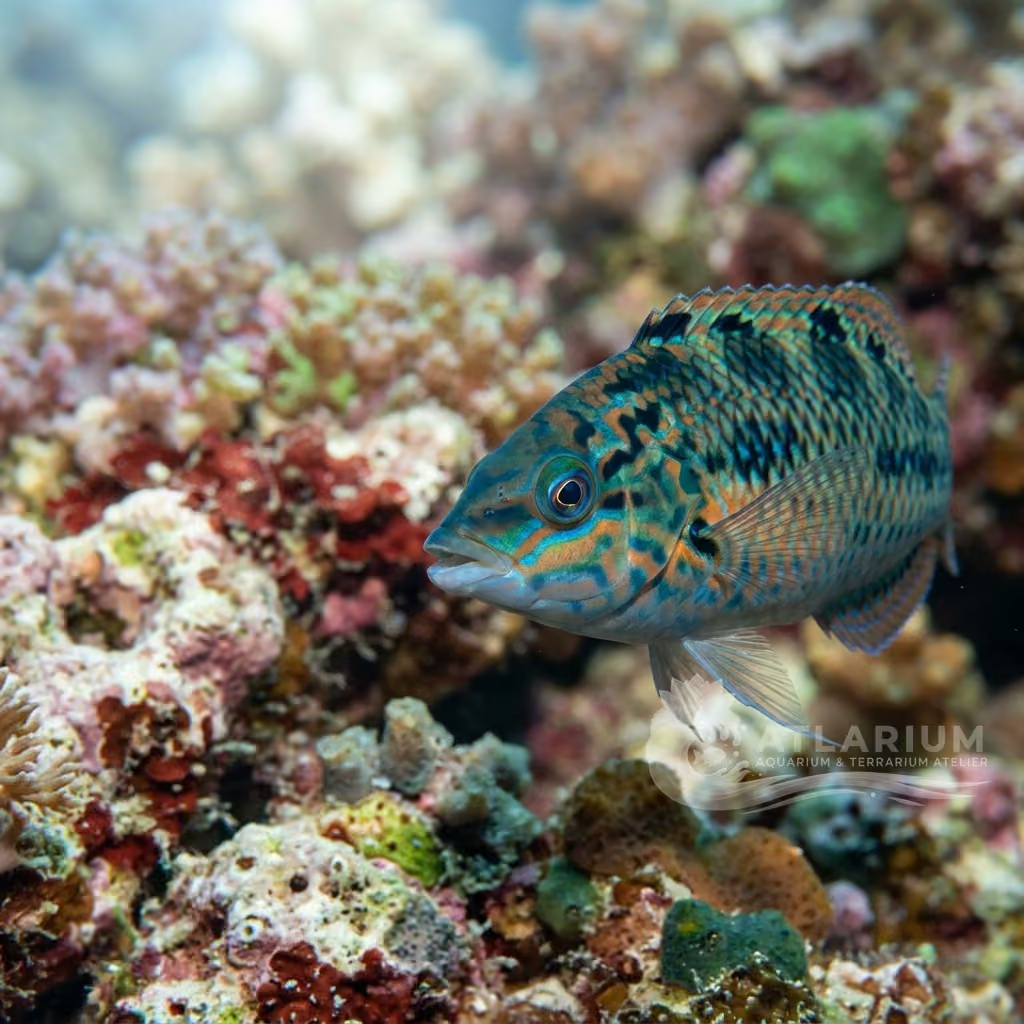
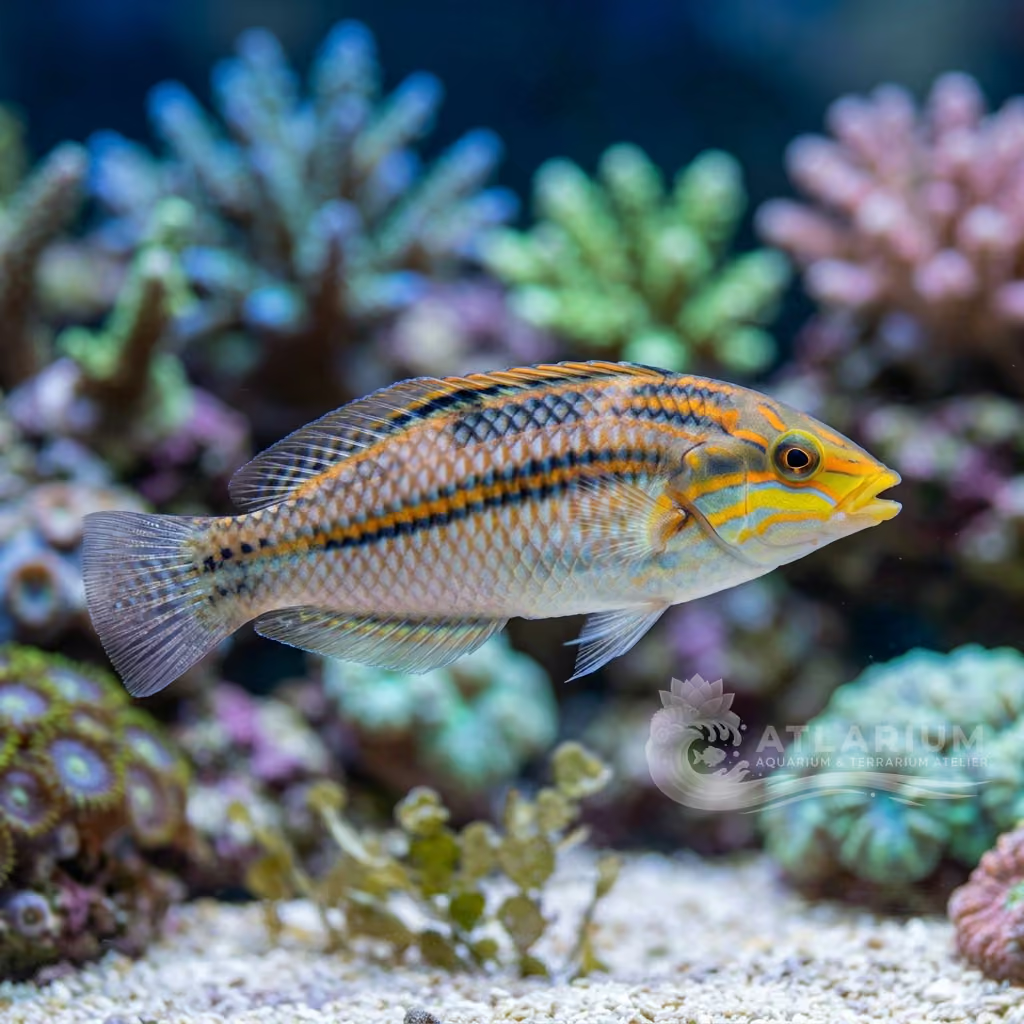
Coloration and Sexual Dimorphism: Displays a stunning color pattern of alternating horizontal stripes of bright reddish-orange and golden-yellow, separated by thin dark borders. The soft dorsal, anal, and caudal fins feature distinct black spots trimmed with electric blue. There is no visible external sexual dimorphism between males and females.

Care, breeding and tankmates
Aquarium Setup: Requires a reef aquarium of at least 100 liters. The aquascape must feature abundant live rock arranged to create deep caves, shaded arches, and narrow crevices where the fish can establish territory and feel secure. Subdued lighting is preferred, or at least plenty of dark zones to encourage it to explore.
Diet and Feeding: A carnivorous species. In captivity, it must be offered high-quality frozen foods such as mysis, brine shrimp, finely chopped krill, and lobster eggs. Over time, it may accept protein-rich dry pellets. Target-feeding near its preferred rock retreats is recommended to ensure it gets enough food.
Water Quality: Standard marine reef parameters are necessary: water temperature of 23 to 26 °C, pH levels between 8.1 and 8.4, and specific gravity of 1.020 to 1.025. Maintain clean, well-oxygenated water with low nitrates and phosphates using efficient protein skimming and regular 10-15% bi-weekly water changes.
Compatibility and Cohabitation: Fully reef-safe as it will not harm corals or sessile invertebrates. Coexists peacefully with docile tankmates like clownfish, gobies, and small wrasses. Avoid keeping it with large, aggressive fish that might bully it into hiding, or with very small ornamental shrimp which may be eaten.
Aquarium Breeding: Breeding in home aquariums is exceptionally difficult. They are pelagic spawners, releasing buoyant eggs into the water column during courtship. Rearing the delicate, planktonic larvae requires specialized setups and constant live micro-prey cultures, making captive breeding rare among hobbyists.
Risks and Diseases: Quite hardy once acclimated to a peaceful aquarium. The main risks are acclimation stress and lack of hiding spots, which can trigger immune suppression and make it susceptible to Marine Ich (Cryptocaryon). A tight-fitting lid is required as they may jump when startled.

Geographic origin and distribution
Liopropoma rubre is native to the tropical Western Atlantic Ocean, ranging from the Bahamas and southern Florida throughout the Caribbean Sea to the northern coasts of South America. It inhabits deep reef slopes, vertical walls, and coral caves at depths ranging from 15 to 60 meters, where it stays within shaded overhangs and deep recesses.
Origin
Tropical oceans and reefsExtra-Amazon South AmericaCentral America and CaribbeanNorth America

Fish profile
- Temperament
- Peaceful
- They possess a very shy and cryptic temperament, often hiding for days after introduction. Once acclimated, they exhibit a calm, observant nature and will quietly patrol their chosen caves. They pose absolutely no threat to corals or other peaceful fish.
- Diet
- Carnivore
- They are carnivores that hunt for small crustaceans and zooplankton among the rockwork. In the aquarium, they readily accept frozen mysis, enriched brine shrimp, and high-quality micro-pellets. A healthy population of live copepods in the tank will greatly supplement their diet.
- Life expectancy
- 2-5 years
- Adult size
- 8 cm
- Sex ratio
- Solitary
- They can be kept singly or as a mated pair if the aquarium is large enough to provide distinct territories. Two males will fight fiercely, so keeping multiple individuals is risky without confirmed sexes. In smaller tanks, a single specimen is the safest and most practical choice.
- Feeding frequency
- Twice daily
- Feed them one to two times daily with small, meaty portions. Because they are shy, target feeding with a pipette may be necessary to ensure they get their share. Over time, they may become bold enough to feed freely from the water column.
- Bioload
- Low to Medium
- The Swissguard Basslet has a very low bioload, making it ideal for nano reefs and smaller setups. Its minimal waste production easily goes unnoticed in tanks with standard filtration. Routine water changes are more than sufficient to manage their environmental impact.
- Flow
- Strong
- They prefer low to moderate water flow that allows them to navigate rock crevices easily. Extremely strong currents will force them to remain hidden deep within the rockwork. Gentle, varied flow encourages them to venture out and explore their surroundings.
- Jump risk
- Yes
- They present a moderate risk of jumping, especially if startled by sudden movements or aggressive tank mates. A tightly fitting lid is highly recommended to prevent accidental escapes. Ensure all small gaps around equipment are thoroughly covered.
- Reproduction
- Oviparous
- They are pelagic spawners, but breeding them in captivity is incredibly rare. Courtship involves rapid darting and displaying just before dusk. Rearing the microscopic fry is exceptionally difficult and generally outside the scope of hobbyists.
- Compatibility & tankmates
- Peaceful
- They are incredibly peaceful and can be easily intimidated by larger, boisterous fish. They are best housed with other small, peaceful species like gobies, dartfish, and peaceful blennies. Avoid keeping them with aggressive dottybacks or large wrasses that will outcompete them for food.
- Tank level
- Bottom
- They primarily inhabit the lower levels of the aquarium, staying very close to the rockwork. They spend most of their time darting in and out of caves and crevices. While secretive, they will become more visible once they feel completely secure in their environment.

Scientific Parameters & Models
FishBase
Window to the official scientific data of the species
FishBase v25.04Data synced on: 06/15/2026
- Trophic level
- 3.7 ± 0.6 se
- Phylogenetic uniqueness (PD50)
- 0.5
- Bayesian Length-Weight
- a = 0.01122, b = 3.04
- VulnerabilityLow vulnerability (10 / 100)

Related species
Recommendations grouped by close relatives, companion choices, and similar care.