Geometric Pygmy Hawkfish
Xenanthias inermis
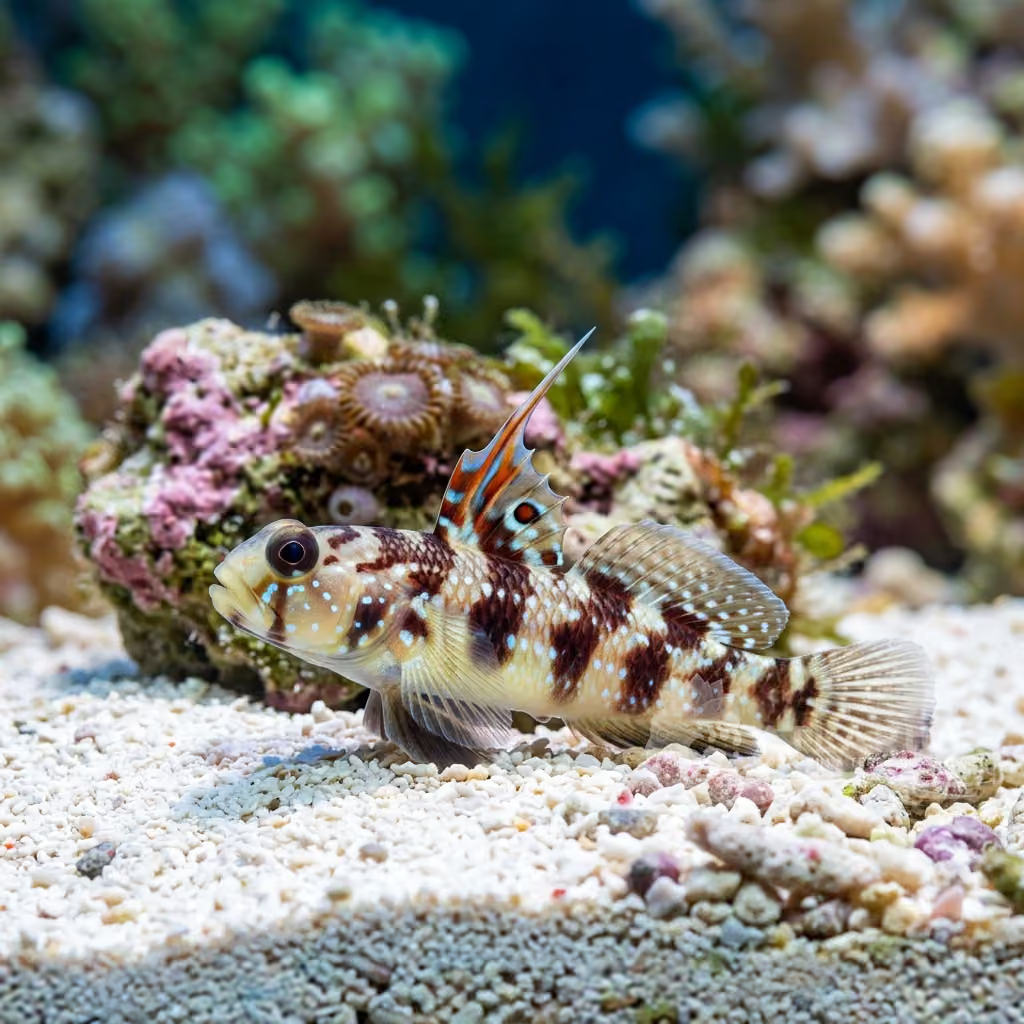
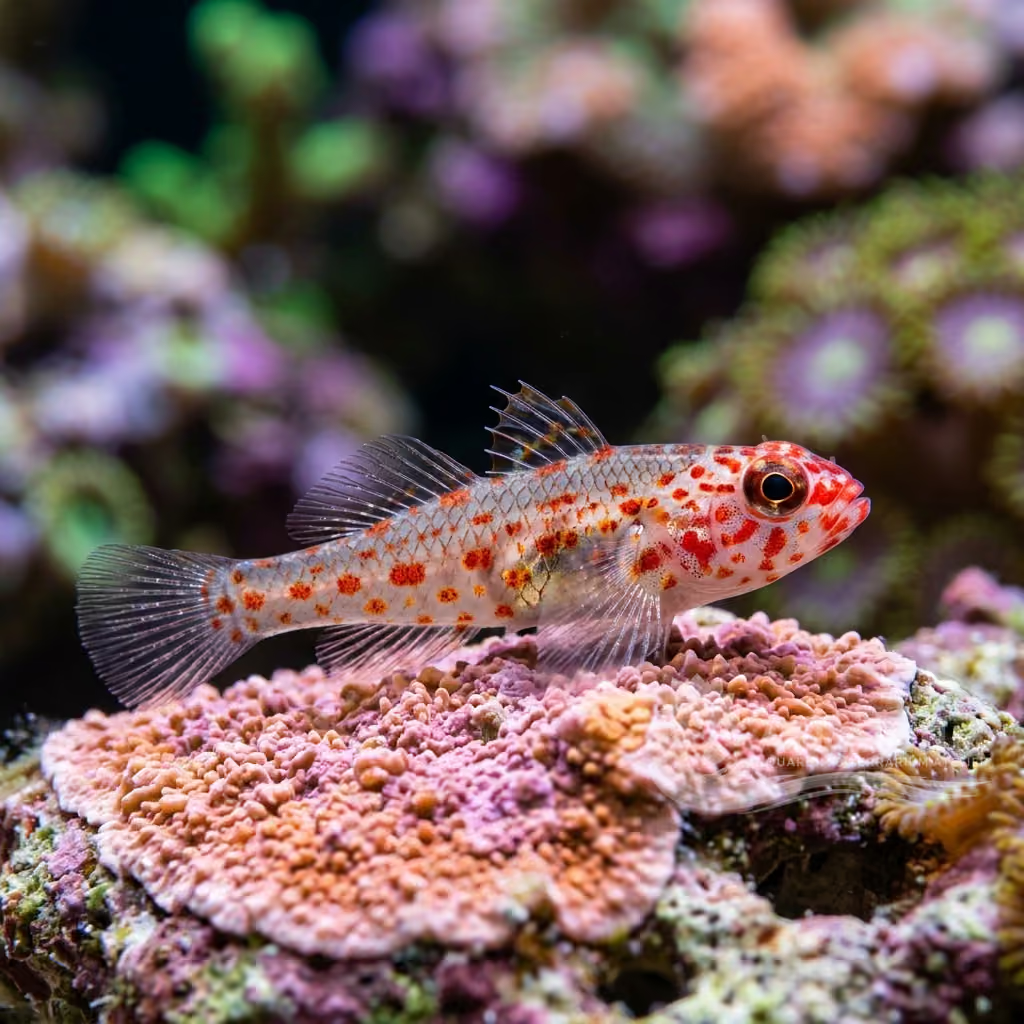
The Geometric Pygmy Hawkfish is a shy, heavily camouflaged benthic dweller. Featuring a distinct red-spotted pattern, it prefers sedentary perching among mature reef crevices.
Water Temperature
22 - 26 °C
pH Value
8.1 - 8.4
Water type
Marine
Tank level
Bottom
Adult size
5 cm
Minimum tank volume
>= 100 L
Minimum group
>= 1
KH
8 - 12 dKH

Species description
Geographical Origin and Habitat: Tropical Western Pacific: from the Ryukyu Islands in Japan to the Philippines, Papua New Guinea, and Indonesia. Inhabits rocky substrates and coral rubble near outer reefs at depths of 15 to 65 meters. This small serranid inhabits deep rocky walls and shaded reef caves, where it perches motionless on ledges waiting for tiny prey.
Taxonomy and Morphology: Belongs to the family Serranidae, subfamily Anthiadinae. Although classified with anthias, it behaves like a hawkfish due to modified pectoral fins used for resting on rocks. Reaches approximately 5 cm. Its compact morphology includes large eyes adapted to low-light depths and strong pectoral fins used to prop itself on substrates.
Social Behavior: Peaceful and sedentary. Spends most of its time resting on live rock, ready to dart after small crustaceans. Highly territorial toward conspecifics. It exhibits a solitary and sedentary behavior, defending a small territory against conspecifics while ignoring other fish species.
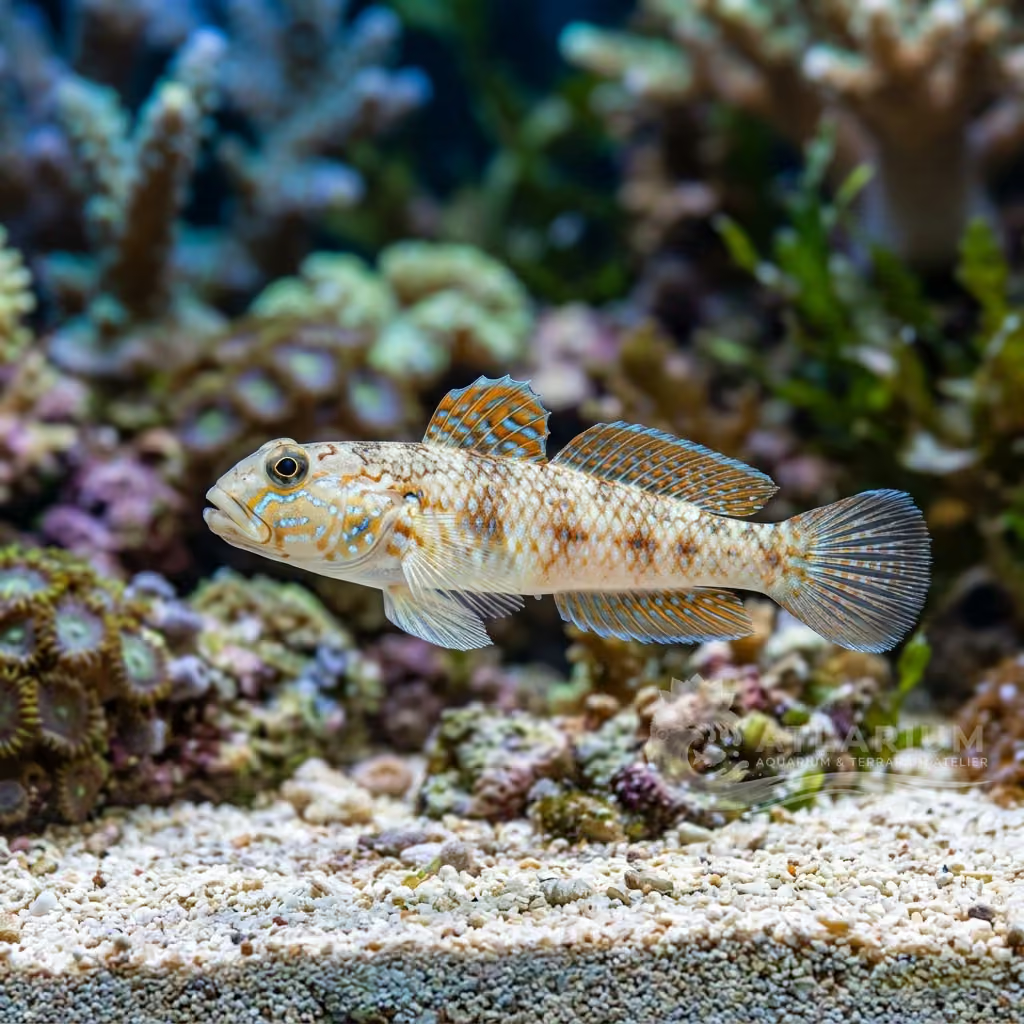
Coloration and Sexual Dimorphism: Camouflaged coloration with a silvery-white background and large, irregular red or orange spots arranged geometrically. Large ringed eyes. No visible dimorphism. The red and white checkered coloration provides exceptional camouflage among sponges and coralline algae covering the rocks.

Care, breeding and tankmates
Aquarium Setup: Requires a tank of at least 100 liters with plenty of live rock offering crevices or ledges. Lid recommended as it may jump if startled. Gentle to moderate water flow. Requires an aquarium with numerous crevices and shaded caves built from live rock, replicating its deep-water natural habitat.
Diet and Feeding: Carnivore. Extremely easy to feed in captivity: accepts frozen mysis, fine krill, brine shrimp, and pieces of crustaceans. Feed 1-2 times daily. Feeds primarily on small benthic crustaceans, frozen foods like mysis, brine shrimp, and krill, captured with lightning-fast lunges.
Water Quality: Keep parameters stable. Temperature 22-26°C, pH 8.1-8.4, salinity SG 1.020-1.026. GH 15-25. Sensitive to high nitrate levels. Prefers moderate water flow and well-oxygenated water, with stable chemical parameters and low levels of nitrogenous waste.
Compatibility and Cohabitation: 100% reef safe with corals. Ideal for small reef tanks. Avoid housing with small ornamental shrimp (such as Sexy Shrimp) which will be preyed upon. Compatible with peaceful reef fish. Extremely peaceful toward community fish, though it may prey on very small ornamental shrimp if they fit into its mouth.
Aquarium Breeding: No successful captive breeding recorded due to the benthic larval phase. There are no documented successful breeding events in home aquariums due to the complex pelagic larval stage of this species.
Risks and Diseases: Very hardy. Jumping risk if harassed by territorial bottom-dwellers or large cleaners. Main risks include acclimation stress and potential bacterial infections if introduced into immature aquarium systems.

Geographic origin and distribution
Tropical Western Pacific: from the Ryukyu Islands in Japan to the Philippines, Papua New Guinea, and Indonesia. Inhabits rocky substrates and coral rubble near outer reefs at depths of 15 to 65 meters. This small serranid inhabits deep rocky walls and shaded reef caves, where it perches motionless on ledges waiting for tiny prey.
Origin
Tropical oceans and reefsAfrica and MadagascarSouth and Southeast AsiaEast AsiaAustralia, New Guinea, and Oceania

Fish profile
- Temperament
- Semi-aggressive
- Xenanthias inermis has a shy, observant, and peaceful temperament. They are classic ambush predators that rely on stealth rather than aggression. Once acclimated, they become bolder and will spend more time perching in the open. They are fascinating to watch as they survey their territory with independently moving eyes.
- Diet
- Carnivore
- As ambush predators, they primarily consume small crustaceans and zooplankton in the wild. In the aquarium, they readily accept frozen mysis shrimp, enriched brine shrimp, and finely chopped seafood. Getting them to accept dry pellets may require some patience and weaning. Target feeding with a pipette ensures they get their share without competing.
- Life expectancy
- 2-5 years
- Adult size
- 5 cm
- Sex ratio
- Solitary
- There are no obvious external differences between males and females. They are generally solitary by nature and keeping multiple individuals in a small tank may lead to territorial squabbles. In a large enough aquarium with ample rockwork, a pair might coexist peacefully. Most aquarists choose to keep only a single specimen.
- Feeding frequency
- Twice daily
- Feeding them once or twice a day with small, meaty portions is ideal. Because they are ambush predators, they will often wait for food to drift past their hiding spot. They are not fast swimmers, so care must be taken that aggressive eaters don't steal their food. Offering live foods occasionally can stimulate their natural hunting instincts.
- Bioload
- Low
- Xenanthias inermis has a very low bioload due to its small size and relatively inactive lifestyle. They do not require massive amounts of food and produce minimal waste. This makes them excellent candidates for smaller nano reefs or carefully managed marine setups. Routine water changes and standard protein skimming are more than sufficient.
- Flow
- Moderate
- They prefer low to moderate water flow, typical of the deep reef environments they often inhabit. Strong, laminar flow can easily blow these small, poor swimmers around the tank. Gentle, randomized currents allow them to perch comfortably on the rockwork. Make sure there are plenty of sheltered areas where the flow is minimal.
- Jump risk
- Yes
- There is a moderate risk of jumping, especially if they are startled by larger tankmates or sudden lighting changes. A tight-fitting lid or mesh screen is highly recommended for their enclosure. Like many small benthic fish, a sudden darting motion can unintentionally send them airborne. Securing the top will prevent unfortunate accidents.
- Reproduction
- Oviparous
- Breeding Xenanthias inermis in the home aquarium is extremely rare and undocumented. They are likely pelagic spawners that release eggs and sperm into the water column. Raising the microscopic larvae would require specialized cultures of rotifers and copepods. Currently, almost all specimens in the hobby are wild-caught.
- Compatibility & tankmates
- Reef safe
- They are generally peaceful but can be cryptic and highly predatory towards very small ornamental shrimp. They are entirely reef safe and will not bother corals, clams, or sessile invertebrates. They can be kept with other peaceful nano fish like gobies and blennies. Avoid housing them with large, aggressive fish that might view them as a snack.
- Tank level
- Bottom
- They are benthic fish that spend almost all their time perching on live rock or coral rubble. They rarely free-swim in the open water column, preferring to remain hidden. They require complex rockwork with numerous caves and overhangs to feel secure. You will typically spot them peeking out from a crevice to observe the tank.

Scientific Parameters & Models
FishBase
Window to the official scientific data of the species
FishBase v25.04Data synced on: 06/15/2026
- Trophic level
- 3.7 ± 0.5 se
- Resilience
- High (less than 15 months)
- Phylogenetic uniqueness (PD50)
- 0.5005
- Bayesian Length-Weight
- a = 0.01413, b = 3
- VulnerabilityLow vulnerability (10 / 100)

Related species
Recommendations grouped by close relatives, companion choices, and similar care.