Bleeker's Shrimpgoby
Amblyeleotris bleekeri
A marine goby known for its beautiful banded pattern and strict symbiotic relationship with Alpheus snapping shrimps. A vigilant sentinel requiring a deep sand bed to thrive.
Water Temperature
22 - 27 °C
pH Value
8.1 - 8.4
Water type
Marine
Tank level
Bottom
Adult size
11 cm
Minimum tank volume
>= 100 L
Minimum group
>= 1

Species description
Geographical Origin and Habitat: Amblyeleotris bleekeri is native to the Western Pacific Ocean, ranging from southern Indonesia to Taiwan. It inhabits shallow sandy bottoms and rubble zones near coral reefs, typically at depths of 5 to 30 meters.
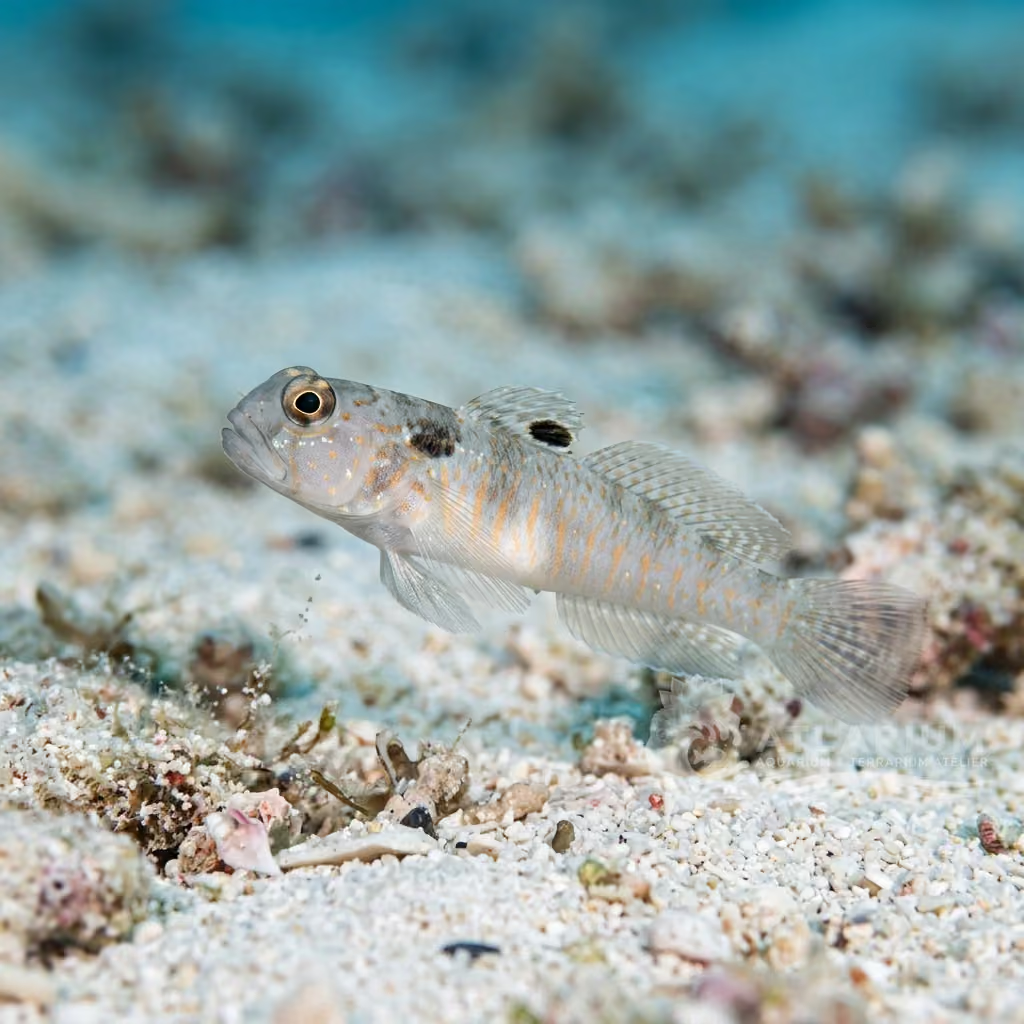
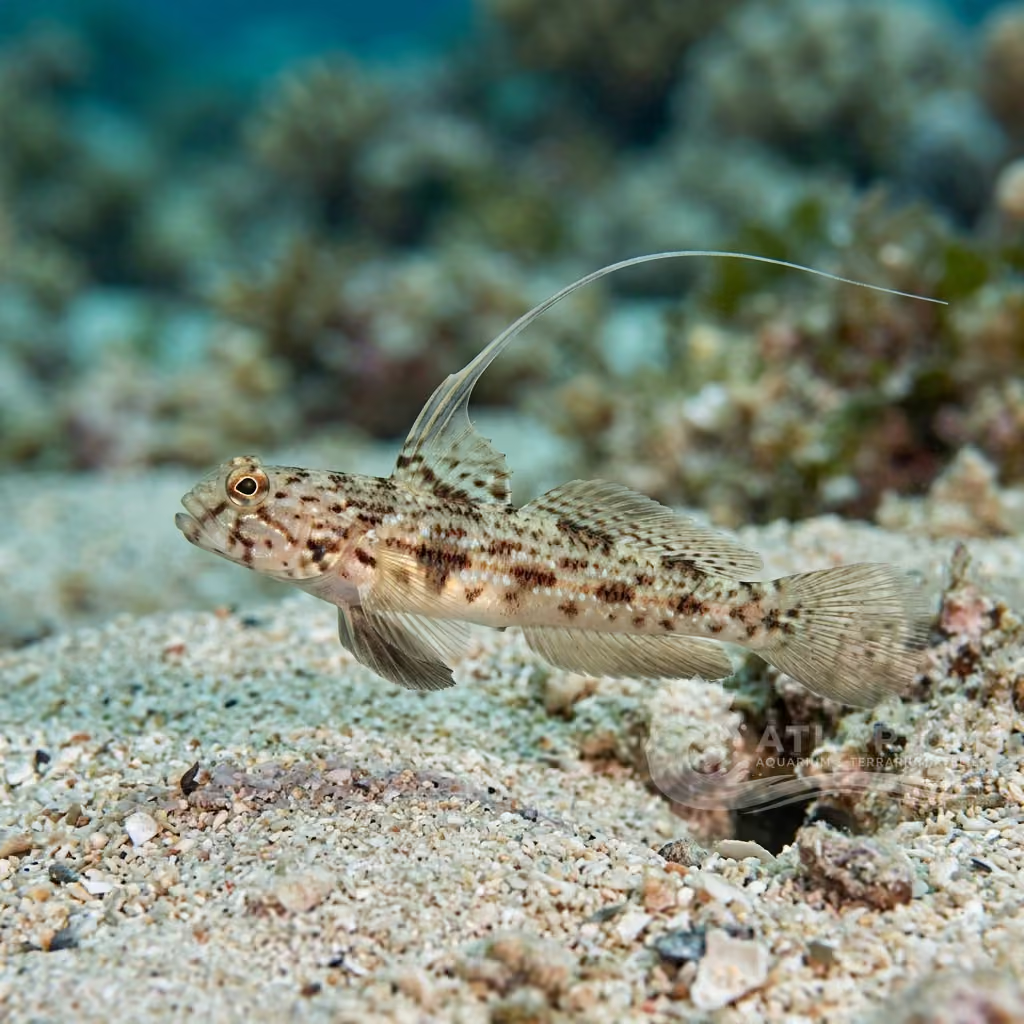
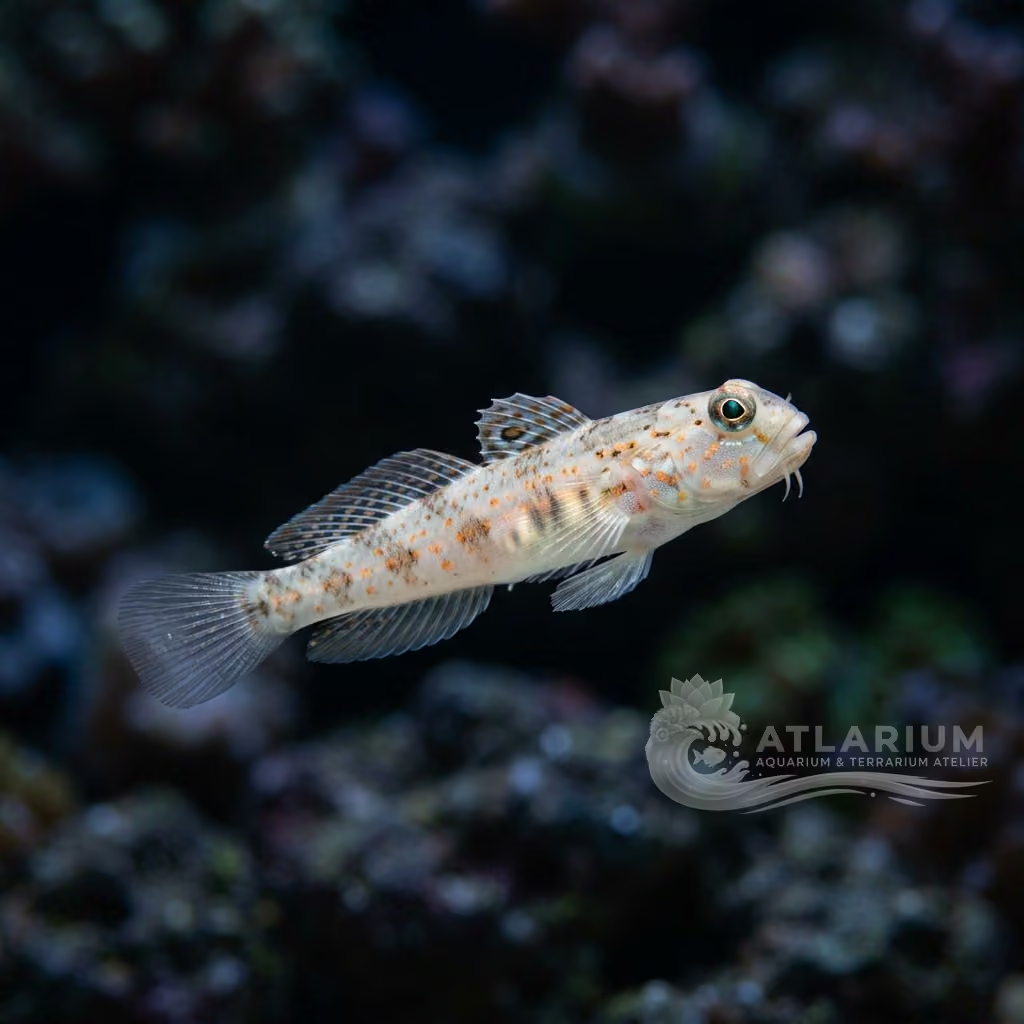
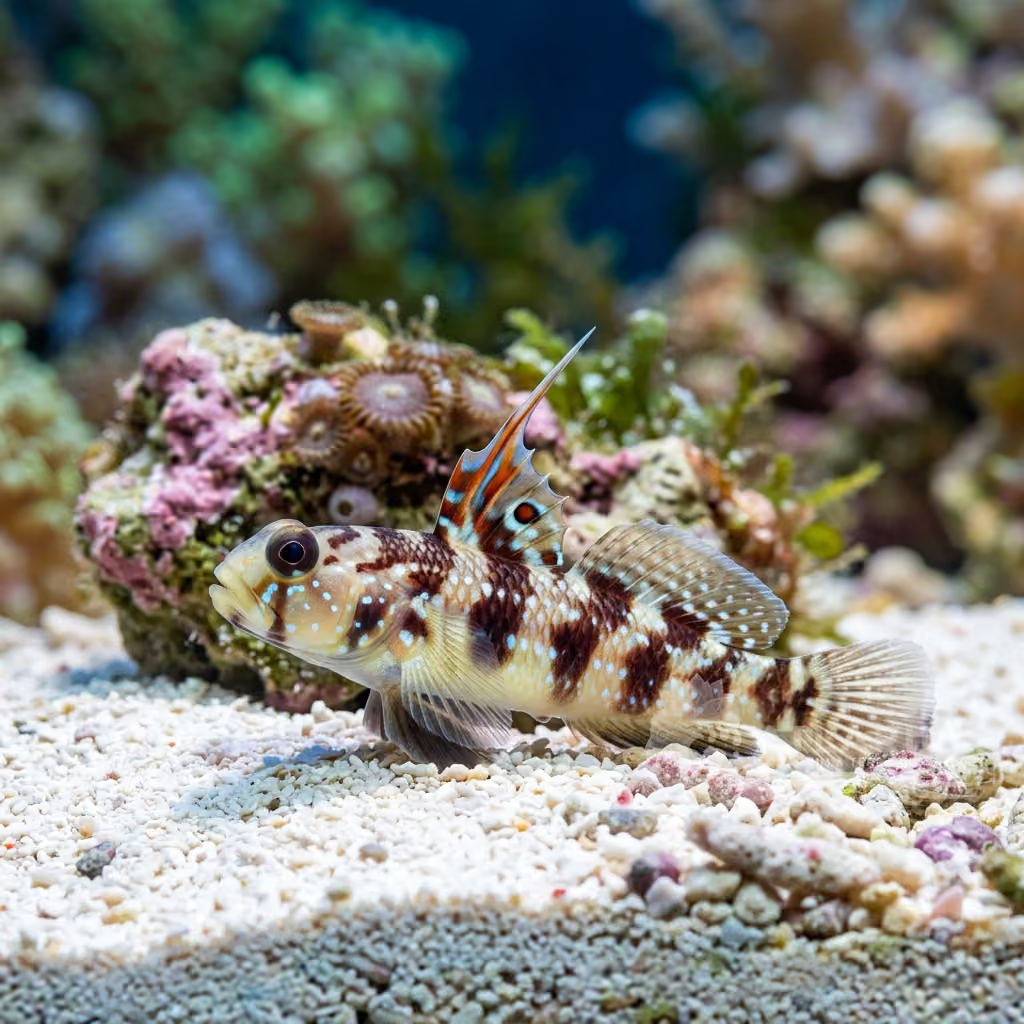
Taxonomy and Morphology: Member of the family Gobiidae, genus Amblyeleotris. Features a slender, streamlined body, large upward-pointing eyes, and a broad mouth for capturing micro-prey. Adults reach a maximum length of about 11 cm.
Social Behavior: Peaceful sentinel goby. It shares a sandy burrow with a snapping shrimp of the genus Alpheus. The goby stands guard at the burrow entrance, keeping physical contact with the shrimp's antennae to signal warning signs.
Coloration and Sexual Dimorphism: Body is light beige or whitish, marked by 4-5 wide vertical reddish-brown bands. Iridescent blue spots decorate the cheeks and the dorsal fins. No significant external sexual dimorphism is observed.

Care, breeding and tankmates
Aquarium Setup: Requires a marine tank of at least 100 liters. A fine sand bed of 5-8 cm depth is essential to support the burrowing behavior of the symbiotic shrimp. Rock structures must be secure and rest on the bottom glass to prevent collapses.
Diet and Feeding: Carnivorous. Naturally feeds on small benthic organisms. Feed a variety of small frozen foods (mysis, brine shrimp, copepods) twice daily near the burrow entrance. Sinking marine granules are also accepted once acclimated.
Water Quality: Keep standard marine parameters stable: temperature 22°C to 27°C, pH 8.1 to 8.4, and specific gravity 1.020 to 1.025. Good water circulation, biological filtration, and protein skimming are necessary to maintain clear water.
Compatibility and Cohabitation: Peaceful and reef-safe. Highly recommended to keep with a symbiotic Alpheus partner. Do not house with large predatory fish or aggressive bottom-dwellers that could challenge them for the burrow.
Aquarium Breeding: Spawning in private aquariums is undocumented. Adhesive eggs are laid inside the safety of the burrow and guarded by the pair. Raising the resulting planktonic larvae is extremely difficult due to food requirements.
Risks and Diseases: High jumping risk when startled, making a tight cover or mesh screen mandatory. Shy feeders; they can starve if housed with highly active, fast-swimming tankmates that consume all the food before it reaches the bottom.

Geographic origin and distribution
Amblyeleotris bleekeri is native to the Western Pacific Ocean, ranging from southern Indonesia to Taiwan. It inhabits shallow sandy bottoms and rubble zones near coral reefs, typically at depths of 5 to 30 meters.
Origin
Tropical oceans and reefsSouth and Southeast AsiaEast Asia

Fish profile
- Temperament
- Territorial
- The Amblyeleotris bleekeri possesses a generally peaceful yet somewhat timid and cautious temperament. It relies completely on its burrow as a safe haven, retreating instantly at any sign of perceived danger. In the wild and in captivity, it acts as the vigilant lookout while its visually impaired shrimp partner maintains their shared home.
- Diet
- Carnivore
- In its natural habitat, the Amblyeleotris bleekeri functions as a micro-predator, consuming benthic invertebrates and passing zooplankton. Captive specimens typically adapt quickly to a carnivorous diet consisting of frozen mysis shrimp, enriched brine shrimp, and sinking micropellets. Ensuring that food reaches the lower levels of the aquarium is essential for their long-term nutritional health.
- Life expectancy
- 3-5 years
- Adult size
- 11 cm
- Sex ratio
- Flexible
- It is generally advisable to keep the Amblyeleotris bleekeri singly unless you can acquire a confirmed mated pair. Attempting to house two males or incompatible individuals in the same tank often leads to severe territorial disputes. A harmonious pair will usually share a single burrow and collaborate with the same pistol shrimp.
- Feeding frequency
- Twice daily
- To support their metabolic needs, the Amblyeleotris bleekeri should be offered small meals one to two times daily. Frequent, appropriately sized feedings are far more beneficial than infrequent large meals. Target feeding near the entrance of their burrow often yields the best results and ensures they outcompete faster tank mates.
- Bioload
- Low to Medium
- The Amblyeleotris bleekeri has a minimal bioload, making it an excellent candidate for reef aquariums of various sizes. Because of its small physical stature and efficient metabolism, it contributes very little waste to the water column. This characteristic helps aquarists maintain pristine water parameters without putting undue stress on biological filtration systems.
- Flow
- Strong
- The Amblyeleotris bleekeri strongly prefers areas of the tank with low to moderate water flow. Gentle currents allow them to hover comfortably above the substrate without expending excessive energy. Furthermore, calmer water facilitates clear tactile communication with their symbiotic shrimp partner.
- Jump risk
- Yes
- Like most members of its genus, the Amblyeleotris bleekeri presents a significant risk of jumping out of an open aquarium. Startling events, such as abrupt lighting changes or aggressive encounters, can trigger a panic response. A tight-fitting lid or a specialized mesh screen is a mandatory requirement to prevent loss of life.
- Reproduction
- Oviparous
- The Amblyeleotris bleekeri is a demersal spawner, carefully depositing its eggs within the protected confines of its substrate burrow. After fertilization, the male typically assumes the role of guarding the clutch until the fry hatch. While captive breeding is quite rare in home aquaria, it can sometimes be achieved in dedicated breeding setups with pristine conditions.
- Compatibility & tankmates
- Reef safe
- This goby exhibits a highly peaceful demeanor and thrives in community setups alongside other tranquil fish. The Amblyeleotris bleekeri is particularly prized for its ability to form a fascinating mutualistic bond with alpheid pistol shrimp. It is imperative to avoid housing them with large, boisterous, or predatory tank mates that could intimidate or consume them.
- Tank level
- Bottom
- As a dedicated benthic species, the Amblyeleotris bleekeri spends the vast majority of its life resting directly on or hovering slightly above the substrate. They establish their territory around a primary burrow entrance and rarely venture into the middle or upper water column. Providing a deep bed of fine or mixed-grade sand is crucial to support their natural behaviors.

Scientific Parameters & Models
FishBase
Window to the official scientific data of the species
FishBase v25.04Data synced on: 06/15/2026
- Trophic level
- 3.2 ± 0.3 se
- Resilience
- High (less than 15 months)
- Phylogenetic uniqueness (PD50)
- 0.5
- Bayesian Length-Weight
- a = 0.00741, b = 3.09
- VulnerabilityLow vulnerability (10 / 100)

Related species
Recommendations grouped by close relatives, companion choices, and similar care.