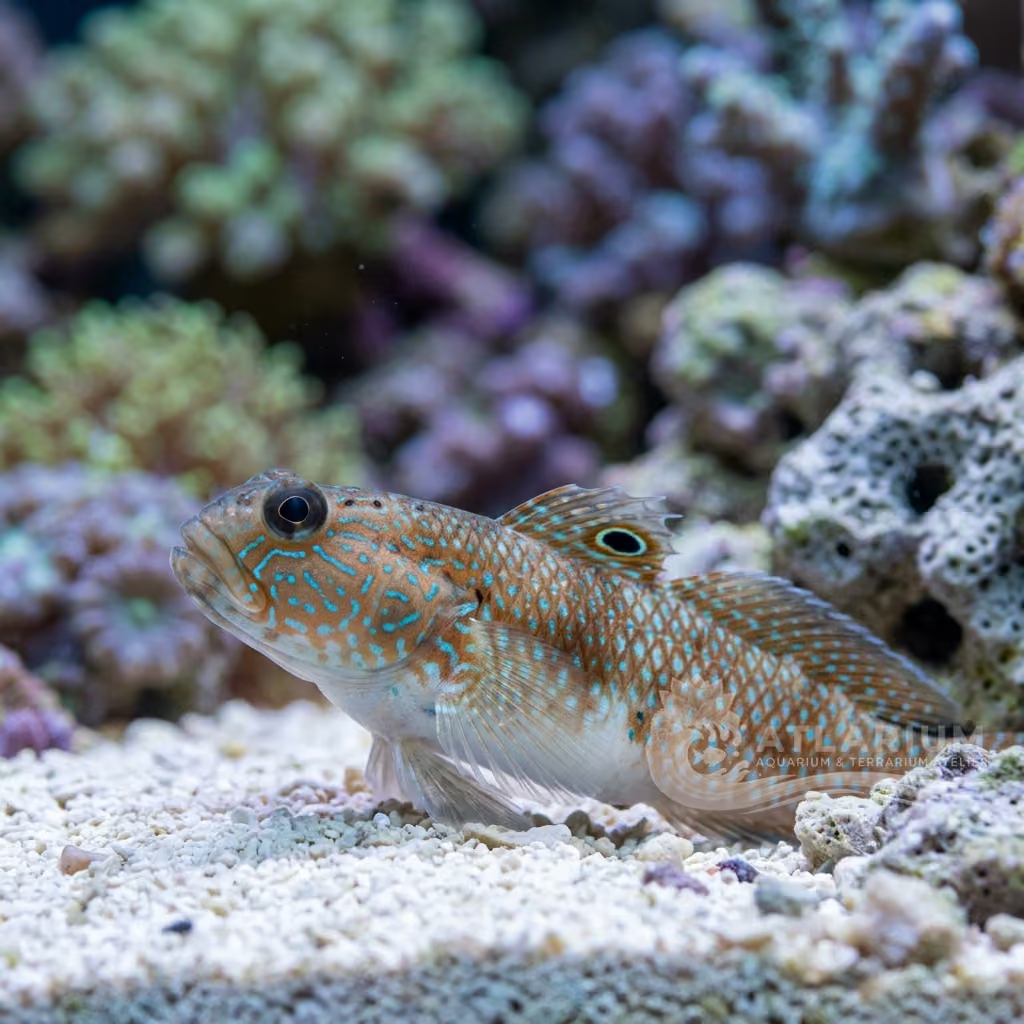
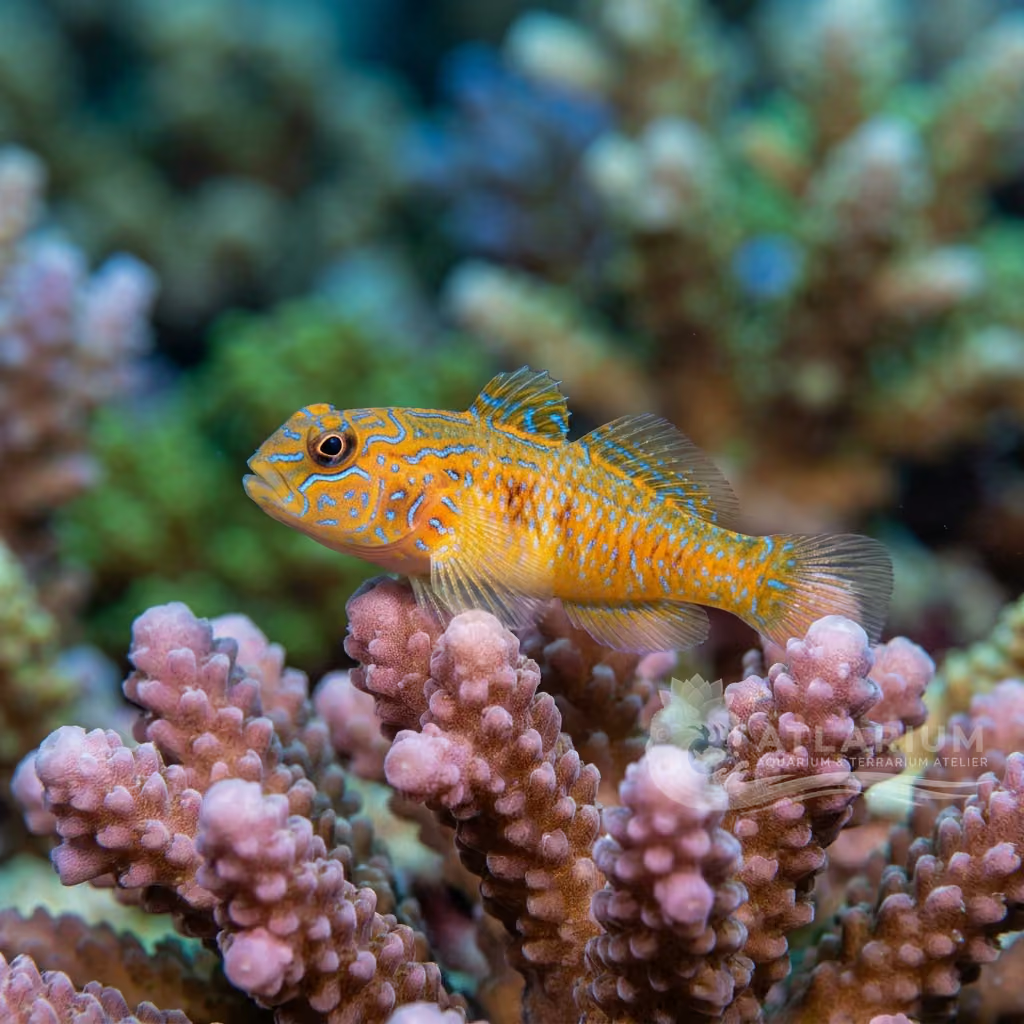
Blackray shrimp goby
Stonogobiops nematodes
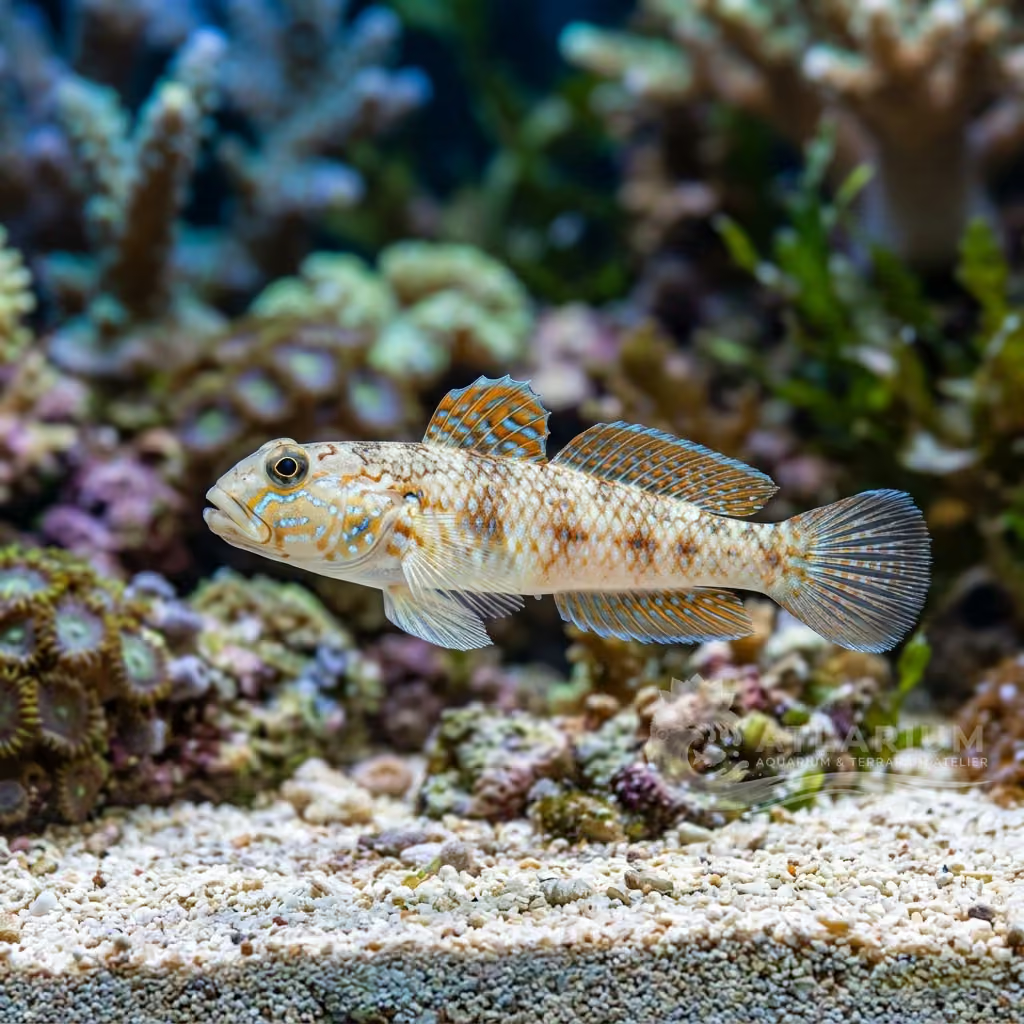
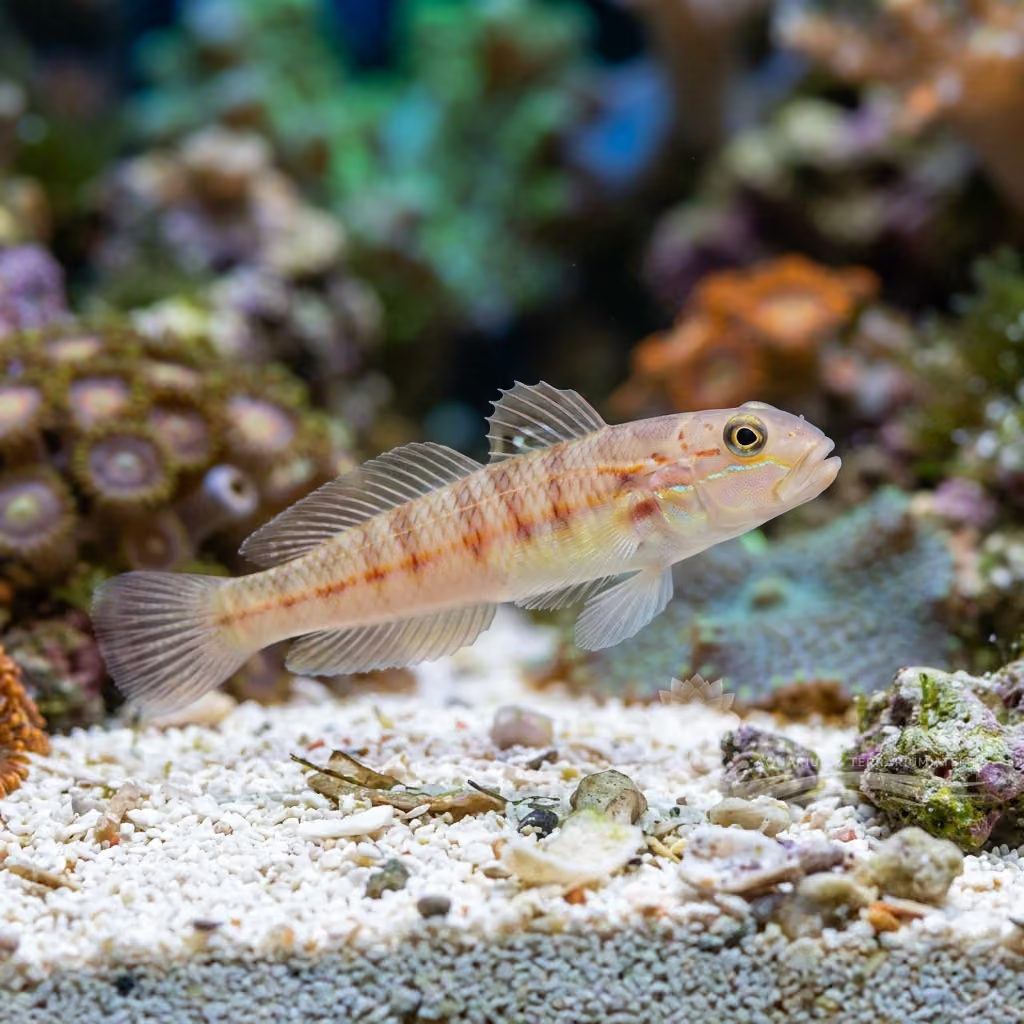
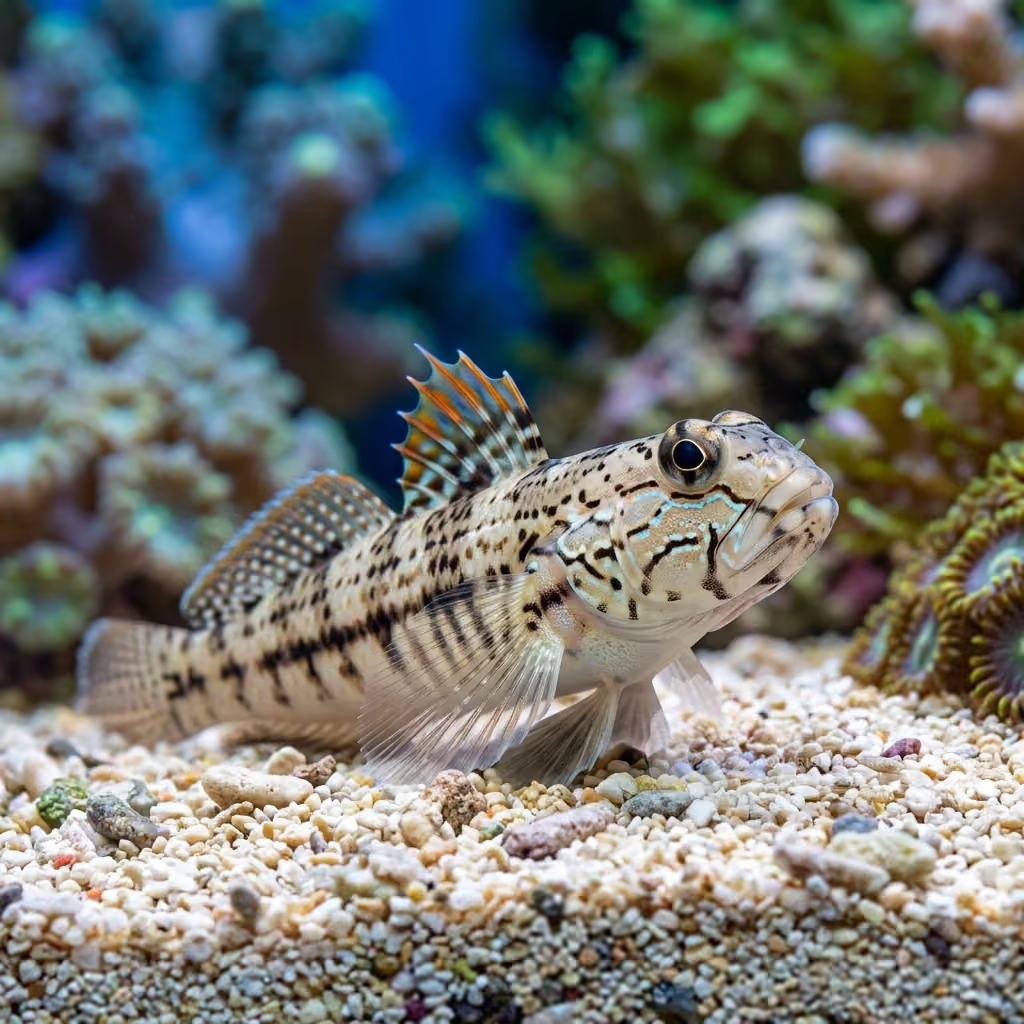
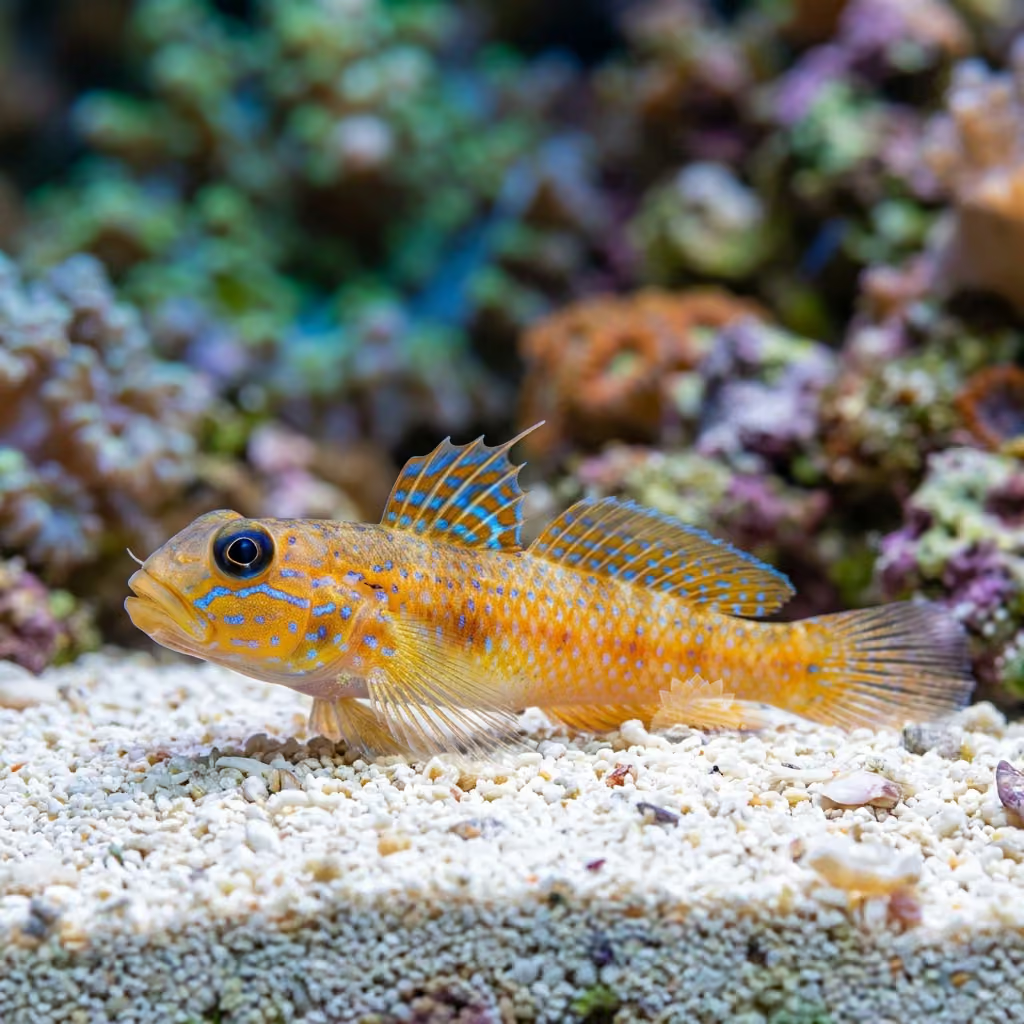
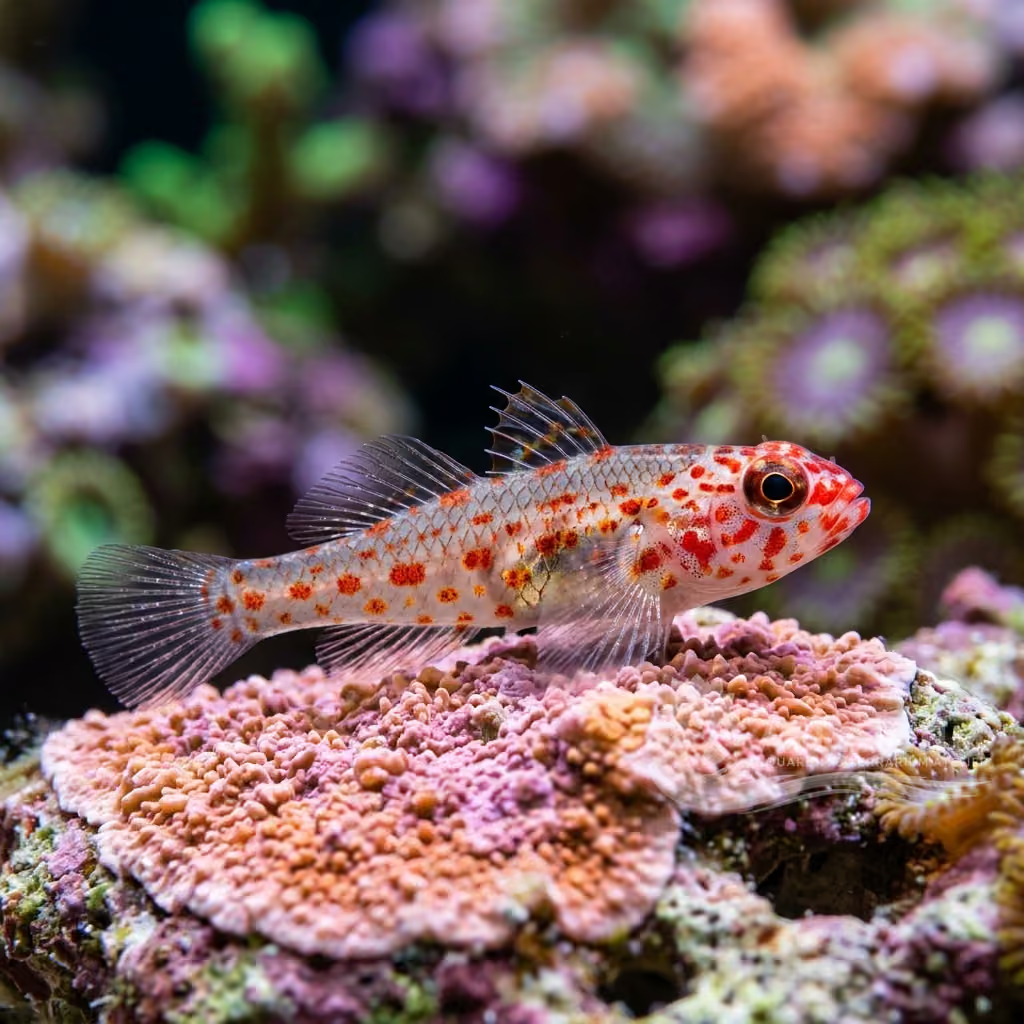
The Blackray Shrimp Goby forms a captivating symbiotic relationship with Alpheus shrimp. It features striking stripes and a prominent dorsal ray, acting as the watchful guard for its blind partner.
Water Temperature
22 - 27 °C
pH Value
8.1 - 8.4
Water type
Marine
Tank level
Bottom
Adult size
5 cm
Minimum tank volume
>= 60 L
Minimum group
>= 1
KH
8 - 12 dKH

Species description
Geographical Origin and Habitat: The Blackray Shrimp Goby is native to the Indo-West Pacific, ranging from the Seychelles in the Indian Ocean to the Philippines, Indonesia, and east to Fiji. It lives in coastal reefs and sheltered lagoons on sandy or muddy bottoms near reef structures, typically at depths of 15 to 30 meters.
Taxonomy and Morphology: Belonging to the family Gobiidae and the genus Stonogobiops. It is distinguished by a slender, cylindrical body and a significantly elongated, black-colored first dorsal spine that it raises and lowers. The maximum adult size is around 5-6 cm (2.2 inches).
Social Behavior: Peaceful, secretive, and non-aggressive. It establishes a lifelong mutualistic relationship with snapping shrimps (especially Alpheus randalli). The goby acts as the lookout due to its excellent vision, while the nearly blind shrimp excavates and maintains their shared burrow.
Coloration and Sexual Dimorphism: The body features a brilliant white base color, decorated with four broad, diagonal dark brown or black bands. The head is highlighted in bright, glowing yellow. There are no easily distinguishable physical differences between males and females.

Care, breeding and tankmates
Aquarium Setup: A minimum tank size of 60-80 liters (approx. 20 gallons) is suitable. It is vital to provide a deep sand bed (at least 5-7 cm) consisting of fine sand mixed with coral rubble and shell fragments, which the shrimp needs to construct and reinforce the burrow walls.
Diet and Feeding: Carnivorous. Feed a variety of small frozen foods, including mysis shrimp, brine shrimp, cyclops, and finely chopped seafood. It will also accept high-quality small pellet foods. Target feeding near the burrow entrance is highly beneficial.
Water Quality: Keep standard marine reef conditions: temperature 23-26°C (73-79°F), pH 8.1-8.4, specific gravity 1.022-1.025, and low nitrates. Water flow at the bottom of the aquarium should be gentle to moderate to prevent sand drift.
Compatibility and Cohabitation: Excellent for peaceful reef aquariums or nano tanks. Keep only with non-aggressive tankmates. Avoid housing with large predatory fishes like groupers, hawkfish, or large wrasses that could easily swallow the goby.
Aquarium Breeding: Rarely bred in home aquaria. They spawn inside the burrow where the male guards the adhesive eggs. The larvae hatch in darkness and enter a pelagic phase, which requires specialized micro-zooplankton (like rotifers) to rear.
Risks and Diseases: Hardy once established, but prone to jumping out of uncovered tanks when startled. Ensure the aquarium has a tight-fitting mesh lid. Stress from lack of a symbiotic shrimp partner can lead to hiding and starvation.

Geographic origin and distribution
The Blackray Shrimp Goby is native to the Indo-West Pacific, ranging from the Seychelles in the Indian Ocean to the Philippines, Indonesia, and east to Fiji. It lives in coastal reefs and sheltered lagoons on sandy or muddy bottoms near reef structures, typically at depths of 15 to 30 meters.
Origin
Tropical oceans and reefsAfrica and MadagascarSouth and Southeast Asia

Fish profile
- Temperament
- Peaceful
- The overall temperament of the Hi Fin Red Banded Goby can be best described as peaceful. Their disposition makes them a unique addition to the appropriate aquatic community, provided their specific needs are respected. Stressful conditions, such as poor water quality or overcrowding, can drastically alter their typical behavioral patterns. A quiet environment and a stable routine will bring out the most confident and engaging personality from this species.
- Diet
- Carnivore
- This species is known to be a carnivorous in its natural habitat, requiring a varied diet in captivity. To ensure optimal health and coloration, provide high-quality prepared foods alongside live or frozen options like brine shrimp or bloodworms. It is essential to match the food particle size to the fish's mouth structure to facilitate easy consumption. Regular rotation of dietary items will prevent nutritional deficiencies and keep the fish highly active.
- Life expectancy
- 5 years
- Adult size
- 5 cm
- Sex ratio
- Flexible
- To prevent undue stress, it is recommended to keep the Hi Fin Red Banded Goby in a carefully managed sex ratio. Providing more females than males reduces the constant harassment that a single female might endure. If keeping multiple males, the aquarium must be sufficiently large to allow for the establishment of distinct territories. Careful observation during the first few weeks will dictate if any aggressive individuals need to be rehomed.
- Feeding frequency
- Twice daily
- To mimic its natural foraging behavior, the Hi Fin Red Banded Goby should be fed small portions two to three times a day. Overfeeding can lead to severe health issues and quickly degrade the water quality. It is crucial to only provide an amount of food that the fish can consume within a few minutes. Adjusting the feeding frequency based on the fish's age and activity level is a best practice for long-term care.
- Bioload
- Low to Medium
- The Hi Fin Red Banded Goby (Stonogobiops nematodes) produces a low bioload in the home aquarium. Proper filtration is an absolute necessity to handle the waste output generated by this species. Enthusiasts should be prepared to maintain a strict water change regimen to keep parameters stable. Monitoring the biological capacity of the tank will ultimately prevent unwanted algae spikes and water quality deterioration.
- Flow
- Moderate
- In terms of water movement, the Hi Fin Red Banded Goby thrives best in environments with moderate flow. Replicating the hydrodynamic conditions of their native habitat is key to reducing stress and promoting natural behaviors. Powerheads or spray bars can be strategically placed to create adequate currents without overwhelming the fish. Careful placement of hardscape and plants can also provide sheltered resting zones away from the main flow.
- Jump risk
- Yes
- Due to its energetic nature, the Hi Fin Red Banded Goby carries a high probability of jumping out of an open-top aquarium. It is highly advised to secure the perimeter of the tank with a glass canopy or custom netting. Instances of leaping often happen at night or during sudden lighting changes, making a gentle sunrise/sunset lighting schedule beneficial. Maintaining exceptional water quality further discourages attempts to escape the enclosure.
- Reproduction
- Oviparous
- The reproductive strategy of the Hi Fin Red Banded Goby involves being a cave spawner. Breeding this species in captivity can be a rewarding challenge that requires dedicated conditioning of the broodstock. Specific triggers such as changes in temperature, diet, or water chemistry are often necessary to induce spawning. Once breeding occurs, specialized care for the fry, including appropriately sized live foods, is critical for their survival and development.
- Compatibility & tankmates
- Species only
- When considering tankmates, the Hi Fin Red Banded Goby is generally considered forms symbiotic relationship with pistol shrimp. It is important to avoid housing them with overly aggressive or large predatory fish that could bully them or outcompete them for food. Careful observation during the initial introduction period is highly recommended to ensure harmony within the community. Selecting species that occupy different levels of the water column can further reduce territorial disputes.
- Tank level
- Bottom
- This species is predominantly a bottom dweller within the aquarium setup. Providing the appropriate spatial layout with open swimming areas or dense vegetation where they feel secure is highly beneficial. By understanding their preferred depth, aquarists can carefully select complementary species that occupy other regions of the tank. This spatial separation helps to reduce competition for food and minimizes unnecessary territorial disputes.

Scientific Parameters & Models
FishBase
Window to the official scientific data of the species
FishBase v25.04Data synced on: 06/15/2026
- Trophic level
- 3.3 ± 0.3 se
- Resilience
- High (less than 15 months)
- Phylogenetic uniqueness (PD50)
- 0.5078
- Bayesian Length-Weight
- a = 0.00741, b = 3.09
- VulnerabilityLow vulnerability (10 / 100)

Related species
Recommendations grouped by close relatives, companion choices, and similar care.