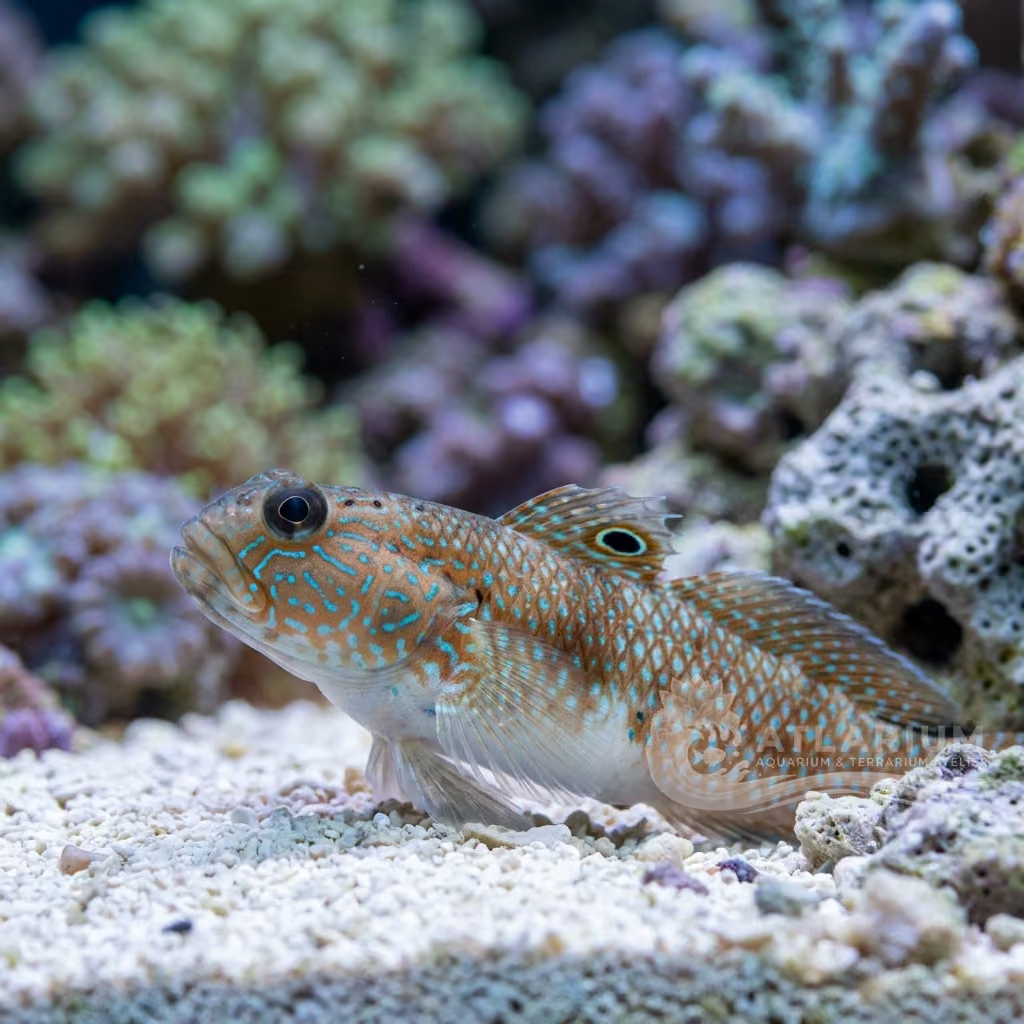
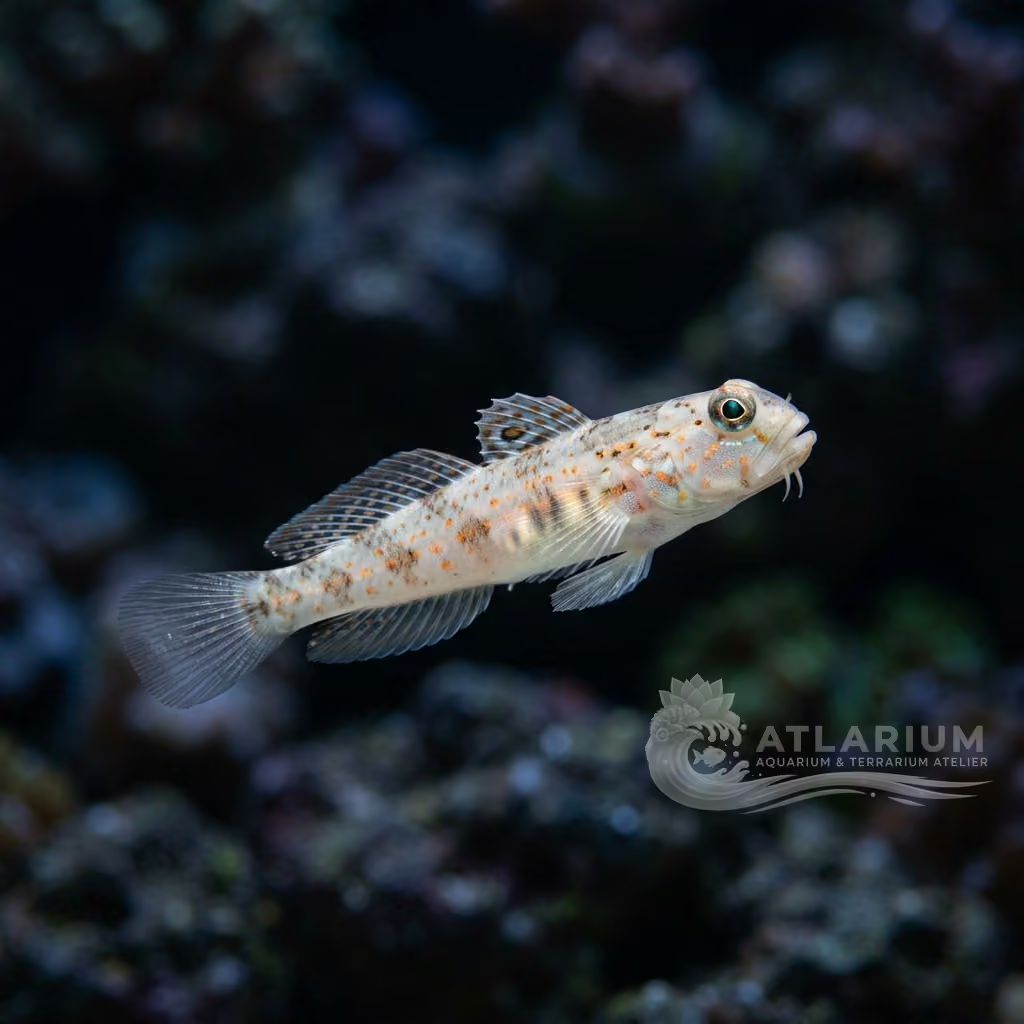
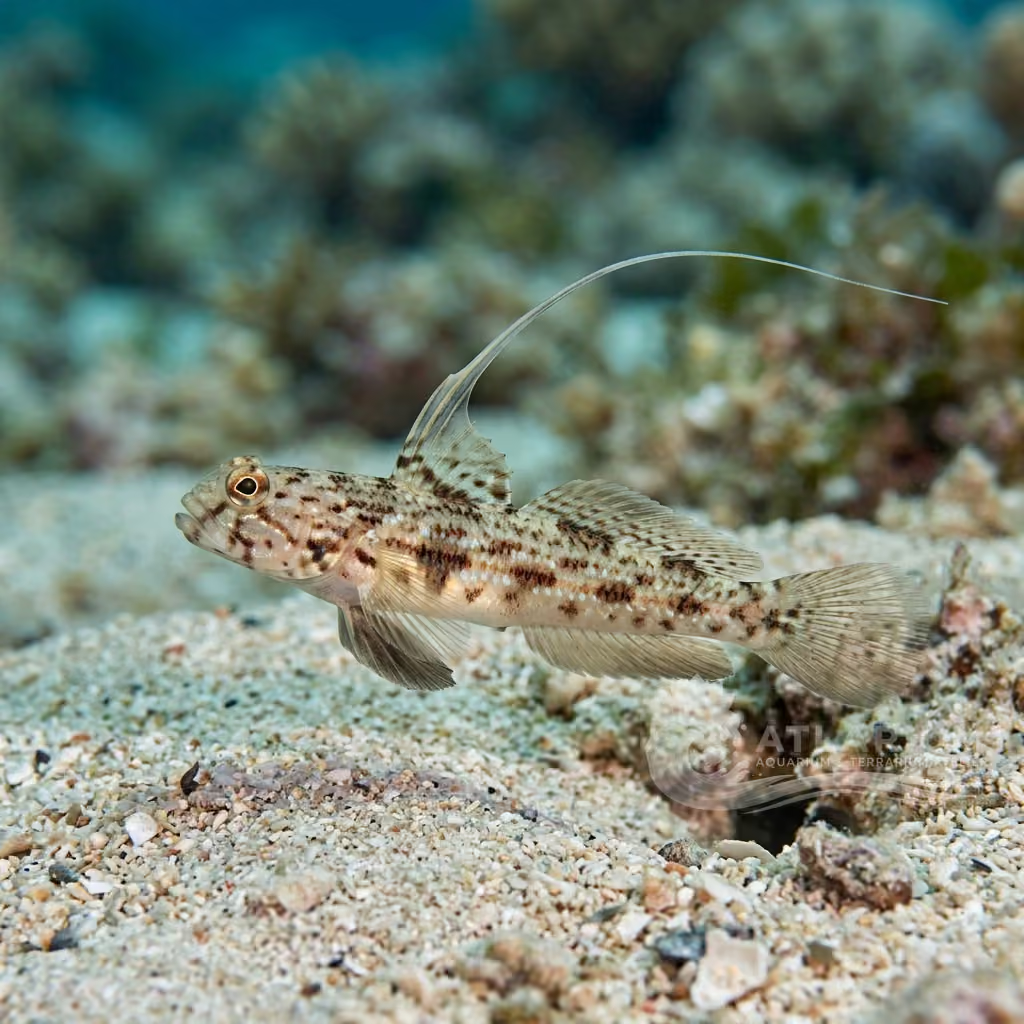
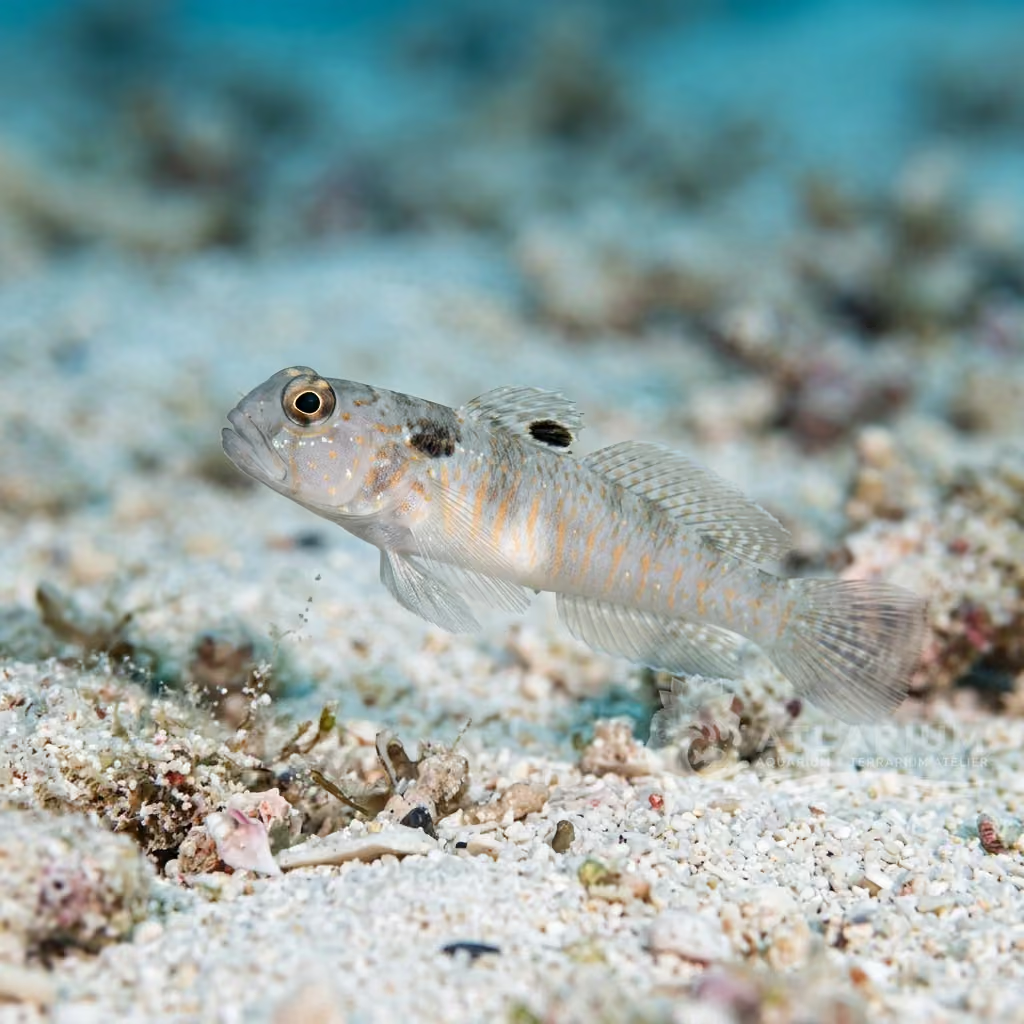
Spikefin goby
Discordipinna griessingeri
This striking, tiny micro-carnivore thrives in sheltered coral rubble. It requires a 40L micro-reef with ample mature rockwork to hunt small invertebrates.
Water Temperature
22 - 26 °C
pH Value
8.1 - 8.4
Water type
Marine
Tank level
Bottom
Adult size
3 cm
Minimum tank volume
>= 30 L
Minimum group
>= 1
KH
8 - 12 dKH

Species description
Geographical Origin and Habitat: Discordipinna griessingeri is native to the tropical Indo-Pacific. Its geographical distribution ranges from the Red Sea and the East African coast to the Marquesas Islands, extending north to southern Japan and south to Australia. It inhabits sheltered coral reefs, lagoons, and sandy slopes mixed with coral rubble at depths of 2 to 45 meters.
Taxonomy and Morphology: Belonging to the Gobiidae family and the genus Discordipinna, this is one of the smallest vertebrate species kept in the marine hobby, with adults reaching a maximum size of just 2.5-3 cm. It features a slender body and a highly modified, flag-like first dorsal fin that it raises and lowers rhythmically.
Social Behavior: Very shy, peaceful, and cryptobenthic. It spends most of its time hovering near its chosen cave or rocky crevice. It moves with a unique, jerky swimming style, coordinating its movements with the flicking of its oversized dorsal fin. It is entirely peaceful and will not bother any tankmates.
Coloration and Sexual Dimorphism: Displays a stunning color pattern: a white or translucent body covered in red, orange, and black spots on the head and anterior section. The tall dorsal fin features white, red, and black bands, resembling a flame. There is no visible external sexual dimorphism between males and females.

Care, breeding and tankmates
Aquarium Setup: Perfect for nano-reefs and micro-reefs of at least 30-40 liters (approx. 8-10 gallons). The aquascape must provide plenty of mature live rock with micro-caves and crevices. A substrate of sand mixed with small coral rubble fragments is highly recommended to replicate their natural foraging grounds.
Diet and Feeding: Micro-carnivore. In the wild, it feeds on tiny benthic invertebrates and copepods. In captivity, it must be offered small portions of food multiple times a day. Feed high-quality live or frozen foods such as copepods, rotifers, baby brine shrimp, and finely minced mysis. They rarely accept dry foods.
Water Quality: Requires stable and high-quality reef parameters: water temperature 24-26°C (75-79°F), pH 8.1-8.4, and specific gravity 1.022-1.025. Nitrates and phosphates should be kept near zero. Keep water flow gentle to moderate, as strong currents will cause the goby to remain hidden.
Compatibility and Cohabitation: Completely reef-safe. Because of its tiny size and shy nature, it should never be housed with large, active, or aggressive fish. Ideal tankmates include other nano gobies (such as Eviota or Trimma species), neon gobies, and small commensal invertebrates like sexy shrimp.
Aquarium Breeding: Breeding in home aquariums is extremely difficult and has not been successfully achieved on a commercial scale. In nature, they lay adhesive eggs inside small crevices or shells, which the male guards until hatching. The pelagic larvae are microscopic and require specialized rotifer cultures.
Risks and Diseases: Starvation due to food competition is the greatest risk; ensure it gets fed by targeting food near its cave. They are sensitive to sudden parameter fluctuations. Due to their cryptic nature, they may hide for several days when first introduced; monitor them closely during acclimation.

Geographic origin and distribution
Discordipinna griessingeri is native to the tropical Indo-Pacific. Its geographical distribution ranges from the Red Sea and the East African coast to the Marquesas Islands, extending north to southern Japan and south to Australia. It inhabits sheltered coral reefs, lagoons, and sandy slopes mixed with coral rubble at depths of 2 to 45 meters.
Origin
Tropical oceans and reefsNorth AmericaAfrica and MadagascarEast AsiaAustralia, New Guinea, and Oceania

Fish profile
- Temperament
- Territorial
- The overall temperament of the Flaming Prawn Goby can be best described as shy and peaceful. Their disposition makes them a unique addition to the appropriate aquatic community, provided their specific needs are respected. Stressful conditions, such as poor water quality or overcrowding, can drastically alter their typical behavioral patterns. A quiet environment and a stable routine will bring out the most confident and engaging personality from this species.
- Diet
- Carnivore
- This species is known to be a carnivorous in its natural habitat, requiring a varied diet in captivity. To ensure optimal health and coloration, provide high-quality prepared foods alongside live or frozen options like brine shrimp or bloodworms. It is essential to match the food particle size to the fish's mouth structure to facilitate easy consumption. Regular rotation of dietary items will prevent nutritional deficiencies and keep the fish highly active.
- Life expectancy
- 2-4 years
- Adult size
- 3 cm
- Sex ratio
- Flexible
- To prevent undue stress, it is recommended to keep the Flaming Prawn Goby in a carefully managed sex ratio. Providing more females than males reduces the constant harassment that a single female might endure. If keeping multiple males, the aquarium must be sufficiently large to allow for the establishment of distinct territories. Careful observation during the first few weeks will dictate if any aggressive individuals need to be rehomed.
- Feeding frequency
- 2-3 times daily
- Establishing a consistent feeding routine is important, with 1-2 small meals per day being ideal for the Flaming Prawn Goby. Aquarists should carefully monitor the fish during feeding time to ensure every individual gets its share. Any uneaten food should be promptly removed with a net or siphon to preserve the pristine aquatic environment. During periods of breeding or elevated temperatures, the feeding frequency may be slightly increased.
- Bioload
- Low
- The Flaming Prawn Goby (Discordipinna griessingeri) produces a very low bioload in the home aquarium. Proper filtration is an absolute necessity to handle the waste output generated by this species. Enthusiasts should be prepared to maintain a strict water change regimen to keep parameters stable. Monitoring the biological capacity of the tank will ultimately prevent unwanted algae spikes and water quality deterioration.
- Flow
- Strong
- In terms of water movement, the Flaming Prawn Goby thrives best in environments with low to moderate flow. Replicating the hydrodynamic conditions of their native habitat is key to reducing stress and promoting natural behaviors. Powerheads or spray bars can be strategically placed to create adequate currents without overwhelming the fish. Careful placement of hardscape and plants can also provide sheltered resting zones away from the main flow.
- Jump risk
- Yes
- Aquarists should be aware that the Flaming Prawn Goby presents a moderate jump risk, especially when initially introduced or startled. A tightly fitting lid or a mesh screen cover is absolutely essential to prevent accidental escapes. Keeping the water parameters stable and avoiding aggressive tankmates will minimize the stress that often triggers jumping behavior. Ensuring the tank is kept in a relatively quiet environment can also help keep them securely in the water.
- Reproduction
- Oviparous
- As a known cave spawner, the Flaming Prawn Goby exhibits fascinating breeding behaviors when conditions are optimal. Providing a separate, specialized breeding setup is often the best approach to ensure a high yield of fry. Parents may require removal post-spawning depending on the specific parental care traits of the species. Raising the young demands pristine water parameters and a steady supply of infusoria or newly hatched artemia.
- Compatibility & tankmates
- Peaceful
- When considering tankmates, the Flaming Prawn Goby is generally considered best in nano setups without aggressive tankmates. It is important to avoid housing them with overly aggressive or large predatory fish that could bully them or outcompete them for food. Careful observation during the initial introduction period is highly recommended to ensure harmony within the community. Selecting species that occupy different levels of the water column can further reduce territorial disputes.
- Tank level
- Bottom
- The Flaming Prawn Goby naturally gravitates towards the bottom section of the water column. Decorating this specific zone with appropriate hardscape, such as driftwood branches or rocky caves, encourages them to display their natural behaviors. It is important to ensure that water flow and lighting are optimized for this specific depth. Layering the tank inhabitants thoughtfully creates a visually dynamic and biologically sound ecosystem.

Scientific Parameters & Models
FishBase
Window to the official scientific data of the species
FishBase v25.04Data synced on: 06/15/2026
- Trophic level
- 3.1 ± 0.3 se
- Resilience
- High (less than 15 months)
- Phylogenetic uniqueness (PD50)
- 0.75
- Bayesian Length-Weight
- a = 0.00741, b = 3.09
- VulnerabilityLow vulnerability (10 / 100)

Related species
Recommendations grouped by close relatives, companion choices, and similar care.