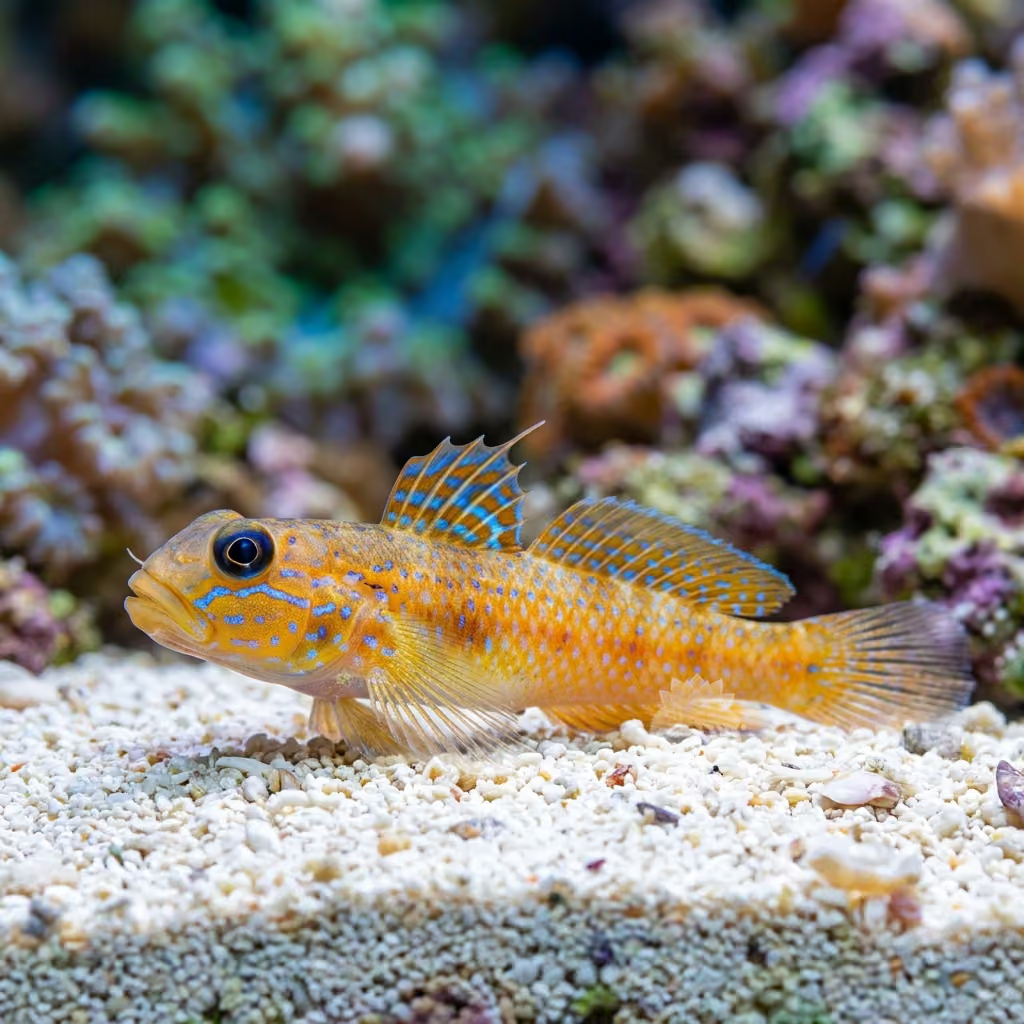
Dracula Goby
Stonogobiops dracula
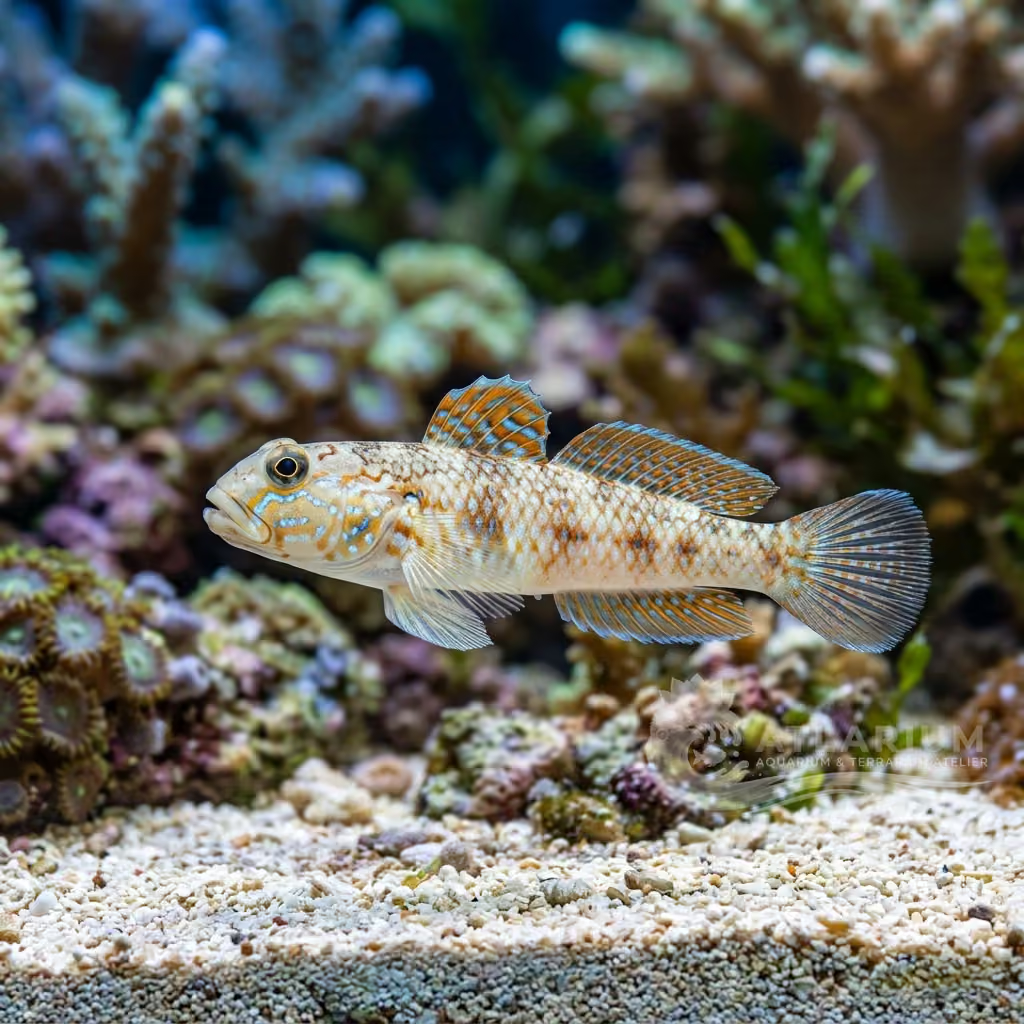
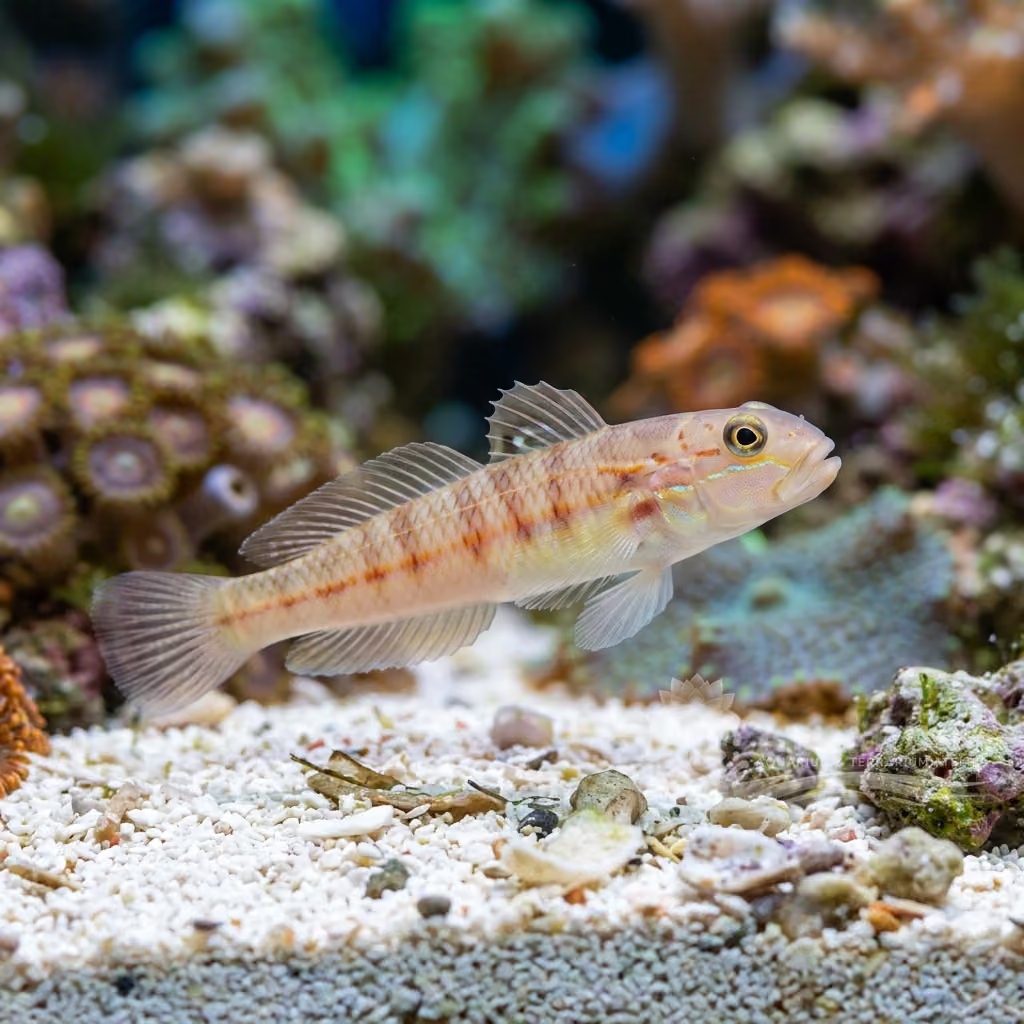
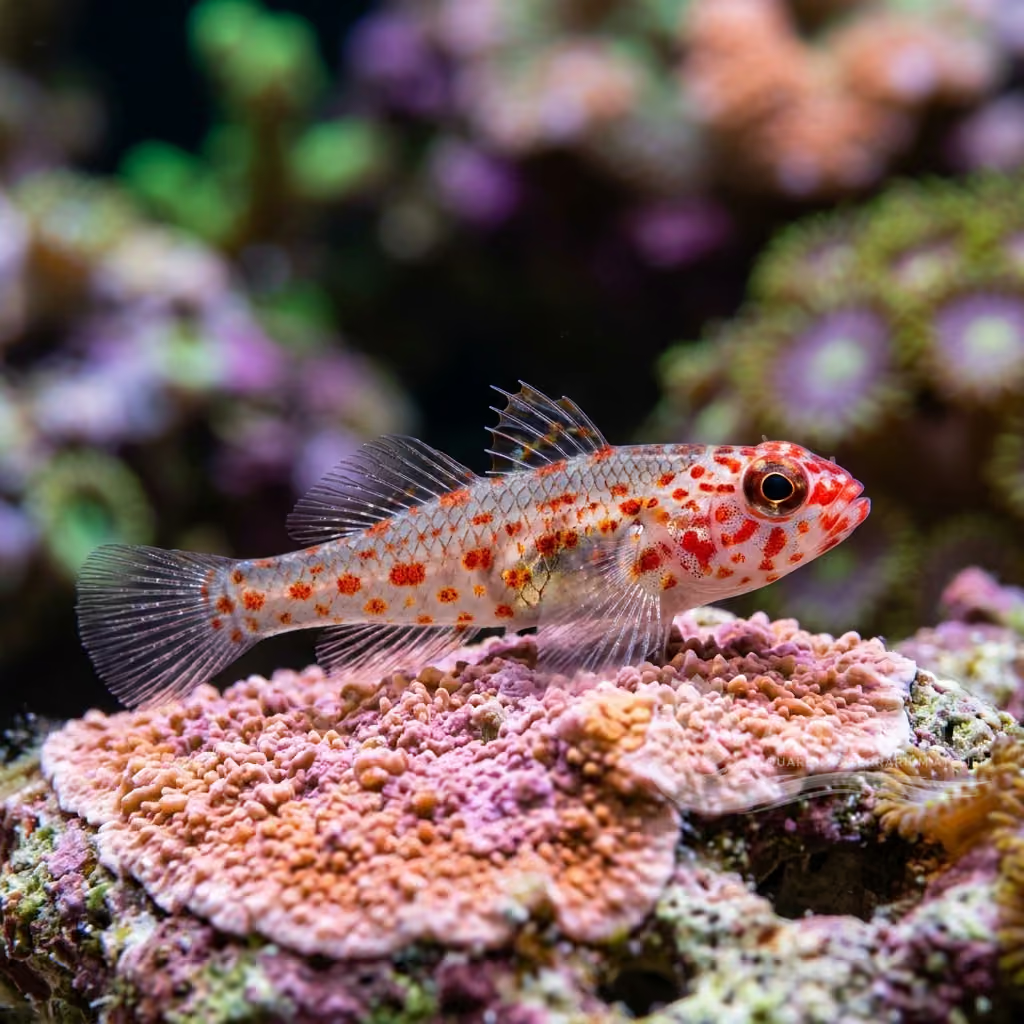
The Dracula Goby is a striking marine fish with vivid red and white stripes. It forms a fascinating mutualistic bond with pistol shrimp, acting as the vigilant lookout for their shared sandy burrow.
Water Temperature
22 - 28 °C
pH Value
8.1 - 8.4
Water type
Marine
Tank level
Bottom
Adult size
7 cm
Minimum tank volume
>= 75 L
Minimum group
>= 1
KH
8 - 12 dKH

Species description
Geographical Origin and Habitat: Tropical Indian Ocean, almost exclusively native to the Maldives. Inhabits sandy areas adjacent to coral reefs at depths of 15 to 37 meters.
Taxonomy and Morphology: Belongs to the family Gobiidae. Reaches a maximum length of about 7 cm. Features an elongated, cylindrical body, large forward-facing eyes, and a tall, flag-like first dorsal fin.
Social Behavior: Peaceful but very shy goby. Lives in a mutualistic symbiosis with the pistol shrimp *Alpheus randalli*, sharing the burrow dug by the shrimp while acting as a vigilant lookout.
Coloration and Sexual Dimorphism: Stunning pattern of alternating oblique orange/red and white vertical bands on a light background. Head shows yellow coloration and metallic highlights. No visible sexual dimorphism.

Care, breeding and tankmates
Aquarium Setup: Requires a tank of at least 75 liters (20 gallons). A fine sand bed at least 5-7 cm deep, mixed with small shell fragments and rubble, is mandatory for burrow construction.
Diet and Feeding: Carnivorous micropredator. Must be fed 2-3 times daily with small frozen foods (mysis, brine shrimp, fish eggs, copepods). Only consumes food swept close to its burrow by currents.
Water Quality: Demands clean, stable water. pH 8.1-8.4, specific gravity 1.020-1.025, dKH 8-12, temperature 22-28°C (72-82°F). Sensitive to high nitrates.
Compatibility and Cohabitation: 100% reef-safe. Perfect for nano-reefs. Avoid aggressive tankmates, predatory fish, or fast-feeding species that consume food before the goby dares to emerge.
Aquarium Breeding: Captive breeding is extremely difficult. Eggs are laid inside the shared burrow, but the pelagic larval stage is nearly impossible to raise successfully.
Risks and Diseases: High jump risk: when startled, it darts upward. It is essential to cover the aquarium with a tight mesh screen or lid.

Geographic origin and distribution
Tropical Indian Ocean, almost exclusively native to the Maldives. Inhabits sandy areas adjacent to coral reefs at depths of 15 to 37 meters.
Origin
Tropical oceans and reefsSouth and Southeast AsiaEast Asia

Fish profile
- Temperament
- Peaceful
- Behaviorally, the Dracula Goby is characterized as being peaceful. They exhibit fascinating social dynamics that can be a true joy to observe in a well-planned display. While generally agreeable, unexpected aggression can sometimes occur if their fundamental environmental needs are not met. Providing adequate hiding spots and sufficient swimming space will go a long way in ensuring their temperament remains calm and manageable.
- Diet
- Carnivore
- Feeding the Dracula Goby properly requires acknowledging its natural role as a carnivorous. A staple diet of premium flakes or pellets should be supplemented with nutrient-rich treats to replicate natural foraging. It is advisable to soak dry foods beforehand to prevent digestive issues and swim bladder complications. Consistently offering a diverse menu will significantly boost their immune system and overall vitality.
- Life expectancy
- 3-5 years
- Adult size
- 7 cm
- Sex ratio
- Pair
- Maintaining an appropriate sex ratio is vital, and a balanced distribution of males and females often works best for the Dracula Goby. In many cases, keeping a ratio heavily skewed towards females can help disperse male aggression during the breeding season. It is important to monitor the group dynamics closely to quickly identify and isolate any bullied individuals. A well-structured environment with plenty of visual barriers will support a harmonious mixed-sex group.
- Feeding frequency
- Twice daily
- Establishing a consistent feeding routine is important, with 1-2 small meals per day being ideal for the Dracula Goby. Aquarists should carefully monitor the fish during feeding time to ensure every individual gets its share. Any uneaten food should be promptly removed with a net or siphon to preserve the pristine aquatic environment. During periods of breeding or elevated temperatures, the feeding frequency may be slightly increased.
- Bioload
- Low
- Maintaining this marine species requires understanding its low bioload profile. The Dracula Goby will thrive when the filtration system is carefully matched to its specific waste production. Frequent testing of the water chemistry is highly recommended to ensure no dangerous spikes occur. Excellent water quality is the foundation for preventing disease and promoting a vibrant, active fish.
- Flow
- Strong
- Providing a moderate current is highly recommended for the overall well-being of the Dracula Goby. Adequate water circulation not only mimics their natural ecosystem but also ensures high dissolved oxygen levels throughout the aquarium. Hobbyists should avoid creating localized dead spots where debris might accumulate. Adjusting the filtration output angle can help achieve the perfect balance between steady circulation and calm resting areas.
- Jump risk
- Yes
- Due to its energetic nature, the Dracula Goby carries a high probability of jumping out of an open-top aquarium. It is highly advised to secure the perimeter of the tank with a glass canopy or custom netting. Instances of leaping often happen at night or during sudden lighting changes, making a gentle sunrise/sunset lighting schedule beneficial. Maintaining exceptional water quality further discourages attempts to escape the enclosure.
- Reproduction
- Oviparous
- As a known cave spawner, the Dracula Goby exhibits fascinating breeding behaviors when conditions are optimal. Providing a separate, specialized breeding setup is often the best approach to ensure a high yield of fry. Parents may require removal post-spawning depending on the specific parental care traits of the species. Raising the young demands pristine water parameters and a steady supply of infusoria or newly hatched artemia.
- Compatibility & tankmates
- Peaceful
- The Dracula Goby is known to be pairs well with Alpheus pistol shrimp when integrated into a carefully planned setup. They tend to exhibit the best colors and natural behaviors when kept with species of a similar temperament. Aquarists must be cautious to provide enough visual barriers if housing them with semi-aggressive tankmates. Overall, a well-thought-out stocking plan will yield a beautiful, drama-free aquatic display.
- Tank level
- Bottom
- The Dracula Goby naturally gravitates towards the bottom section of the water column. Decorating this specific zone with appropriate hardscape, such as driftwood branches or rocky caves, encourages them to display their natural behaviors. It is important to ensure that water flow and lighting are optimized for this specific depth. Layering the tank inhabitants thoughtfully creates a visually dynamic and biologically sound ecosystem.

Scientific Parameters & Models
FishBase
Window to the official scientific data of the species
FishBase v25.04Data synced on: 06/15/2026
- Trophic level
- 3.2 ± 0.3 se
- Resilience
- High (less than 15 months)
- Phylogenetic uniqueness (PD50)
- 0.5078
- Bayesian Length-Weight
- a = 0.01023, b = 3.01
- VulnerabilityLow vulnerability (10 / 100)

Related species
Recommendations grouped by close relatives, companion choices, and similar care.