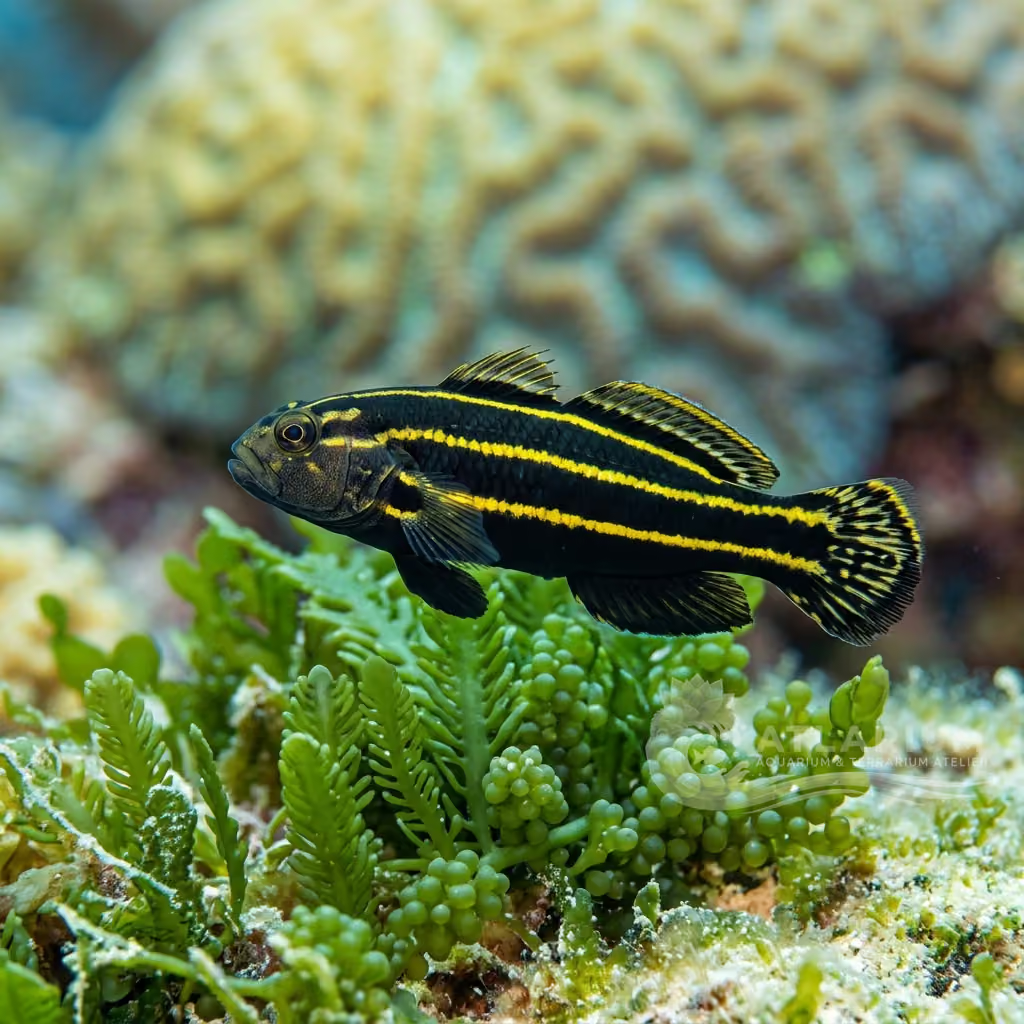
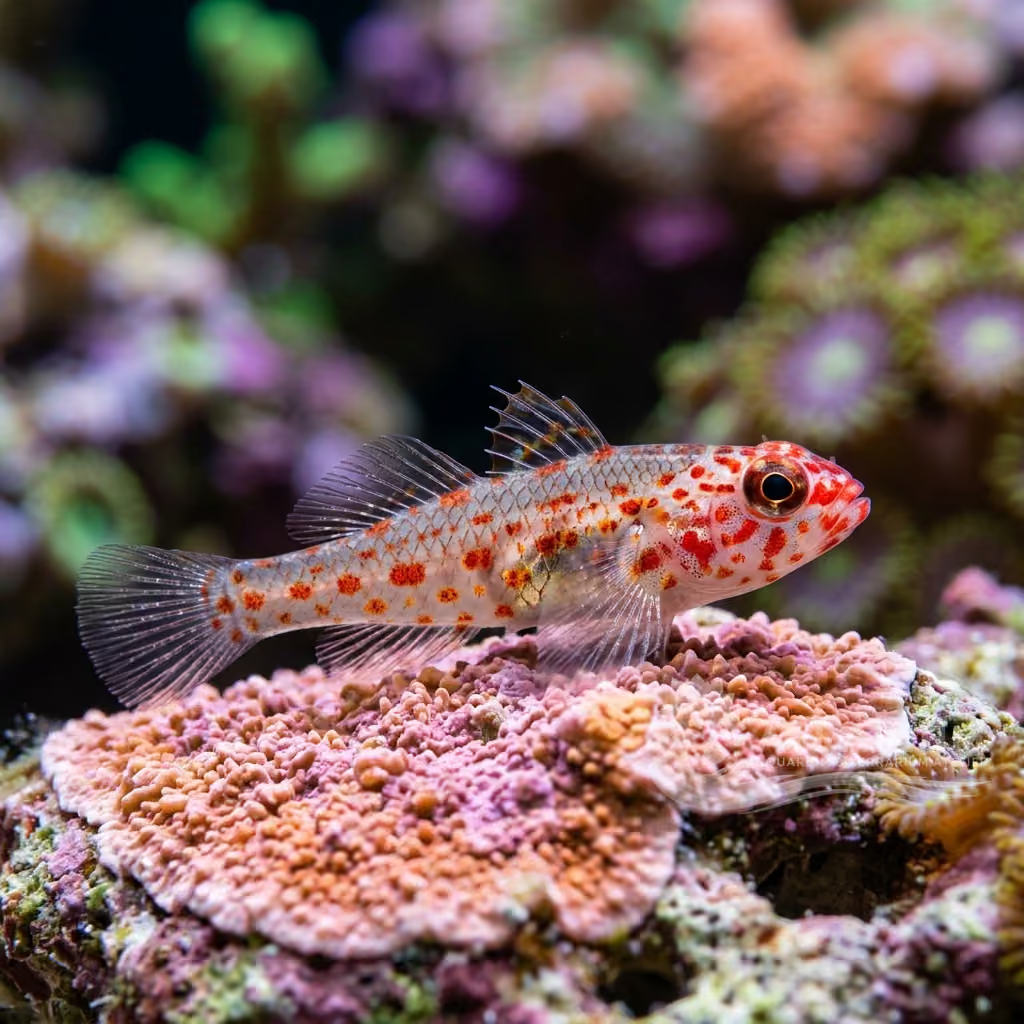
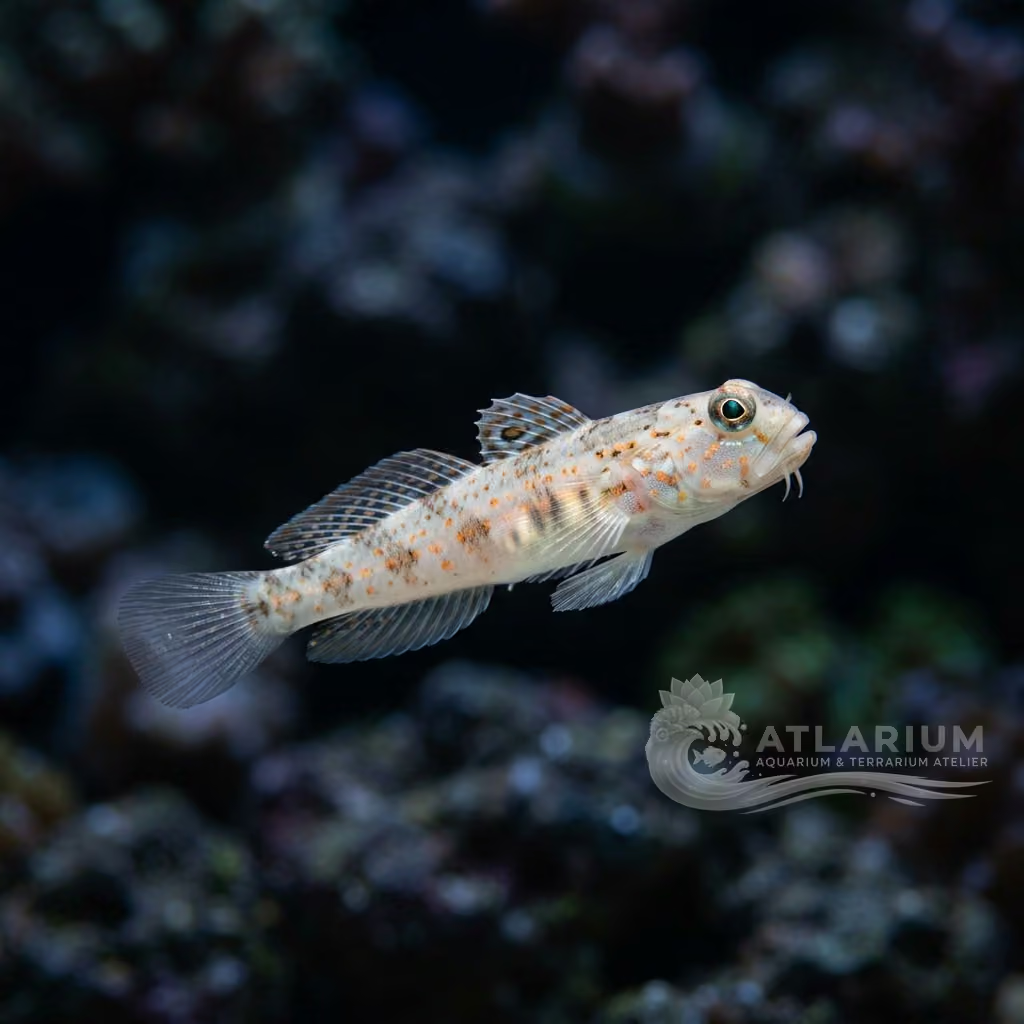
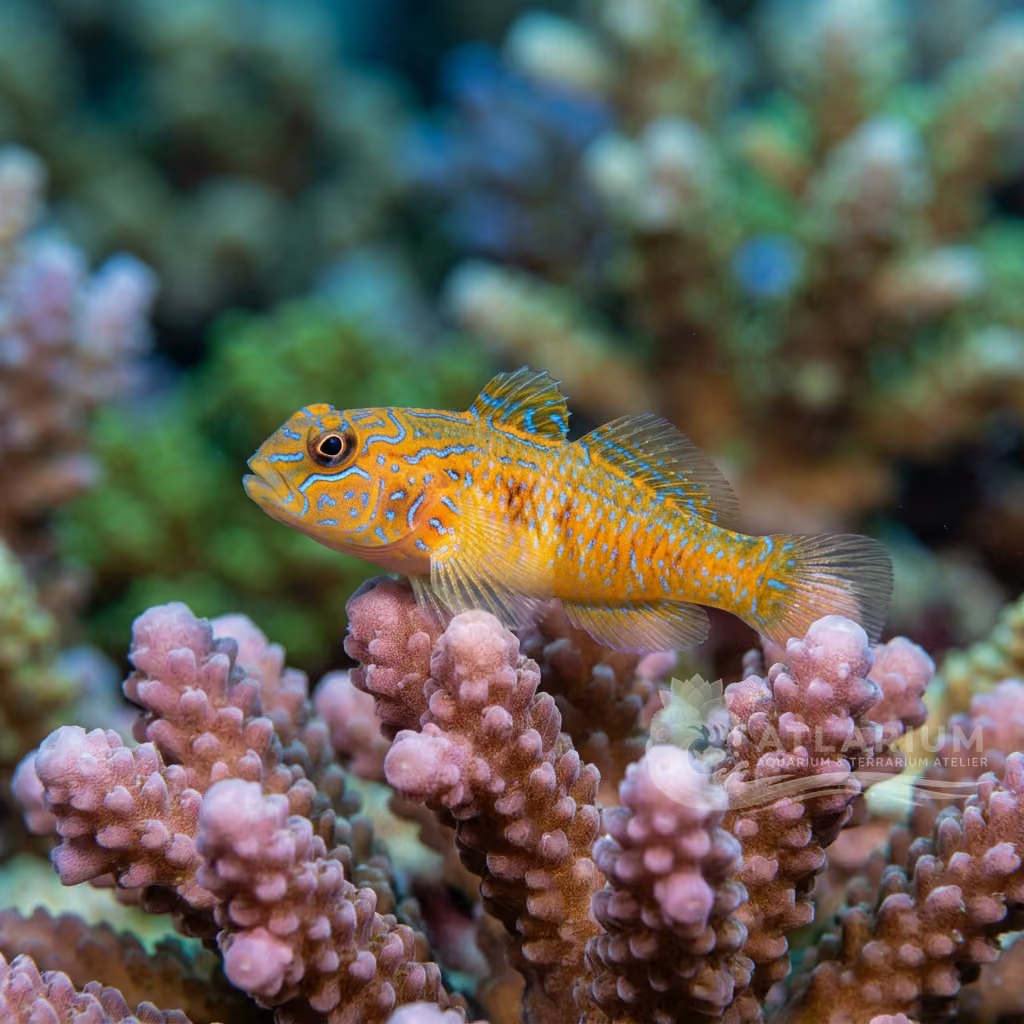
Wheeler's watchman goby
Amblyeleotris wheeleri
Wheeler's Shrimp Goby is a vibrant marine fish native to the Indo-Pacific. It cohabitates with pistol shrimp and thrives in peaceful reef tanks with a deep sandy substrate.
Water Temperature
22 - 27 °C
pH Value
8 - 8.5
Water type
Marine
Tank level
Bottom
Adult size
10 cm
Minimum tank volume
>= 80 L
Minimum group
>= 1
KH
8 - 12 dKH

Species description
Geographical Origin and Habitat: This species is widely distributed throughout the tropical Indo-Pacific, from East Africa and the Seychelles to Indonesia, the Great Barrier Reef, Fiji, and southern Japan. It inhabits sheltered lagoons, coral reefs, and outer sandy slopes at depths between 5 and 40 meters, typically associating with sandy substrates.
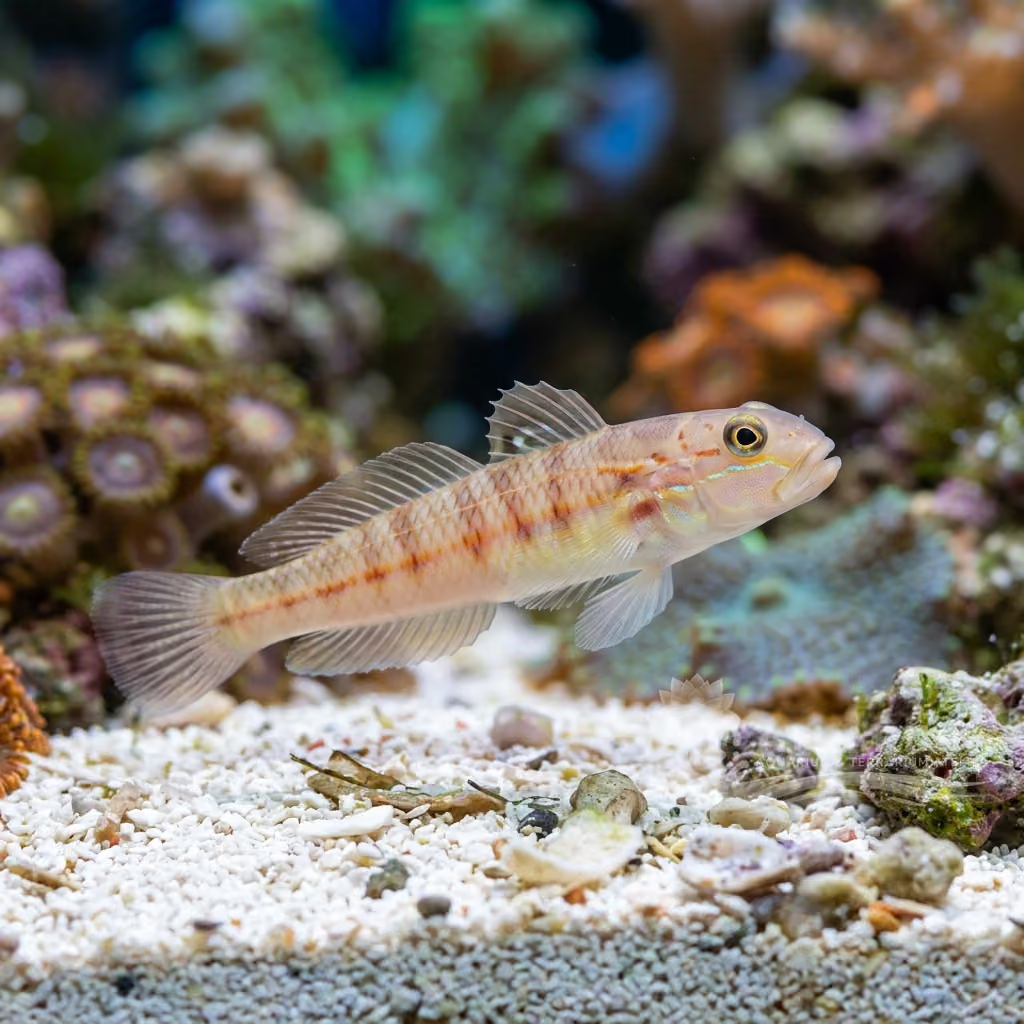
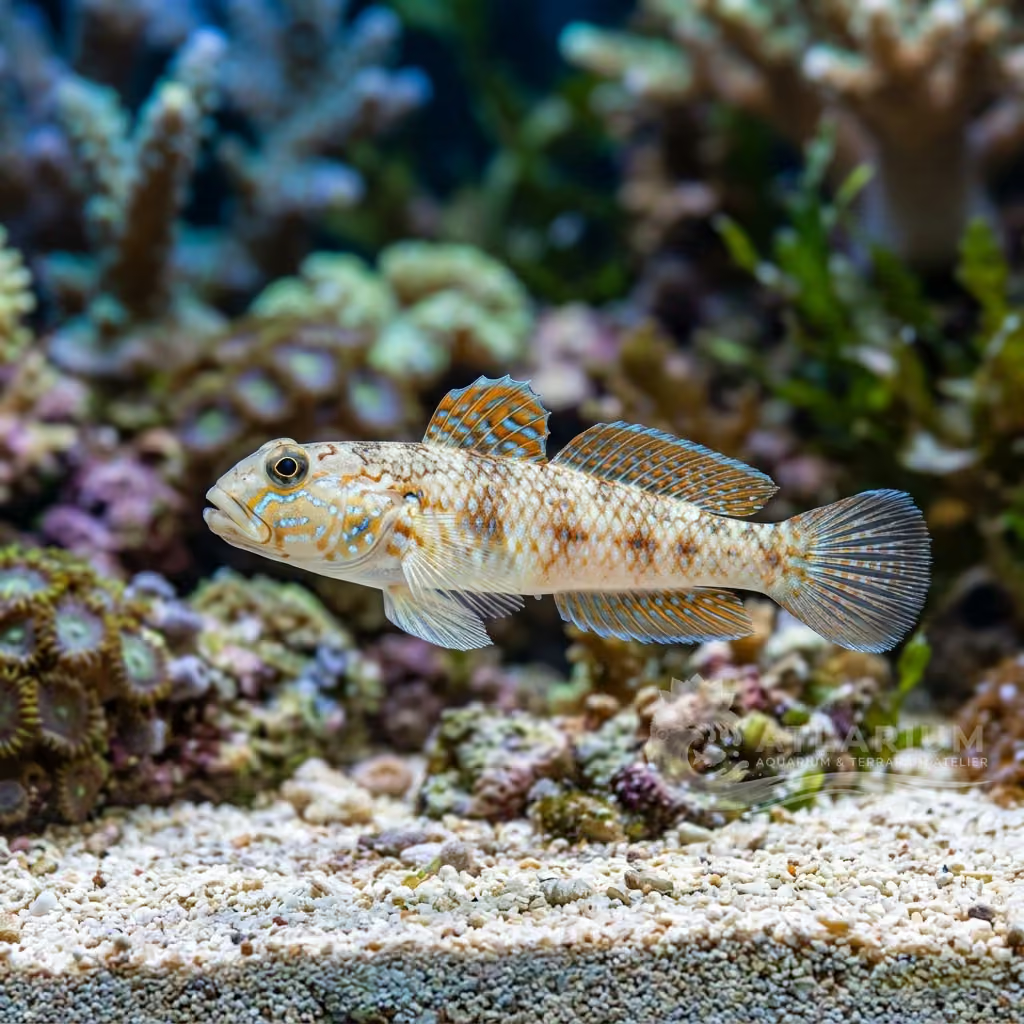
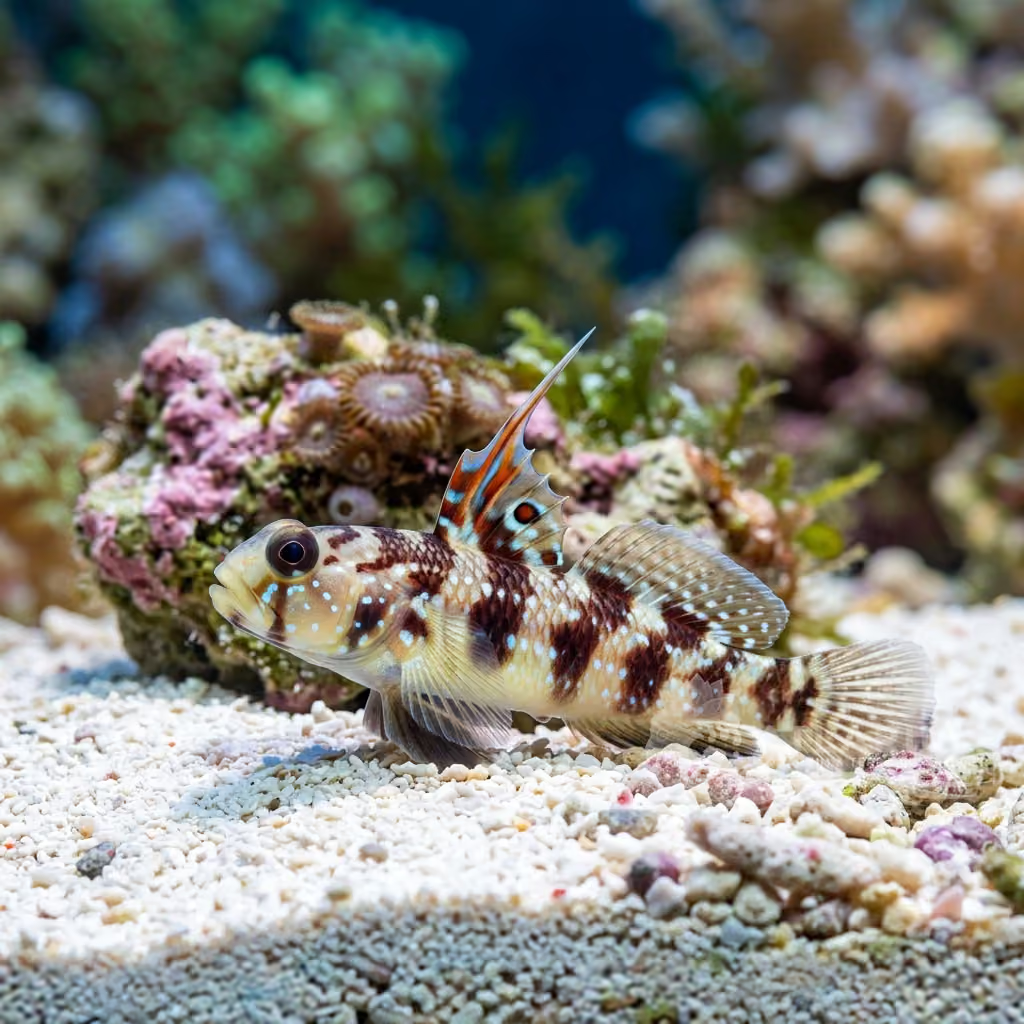
Taxonomy and Morphology: Amblyeleotris wheeleri belongs to the Gobiidae family, genus Amblyeleotris. It features an elongated, cylindrical body characteristic of benthic gobies, with large, upward-pointing eyes. Adults reach a maximum length of about 8-10 cm (3-4 inches). Its wide mouth is adapted for sifting sand and catching small prey.
Social Behavior: Famous for its mutualistic symbiotic relationship with pistol shrimps of the genus Alpheus (specifically Alpheus ochrostriatus). The shrimp digs and maintains the burrow, while the goby acts as a sentry, warning the shrimp of predators. It is peaceful toward other tankmates but territorial toward similar sand-dwelling gobies.
Coloration and Sexual Dimorphism: Displays a vibrant pattern with 5-6 broad reddish-brown or bright red vertical bands on a white-silver body, covered with small iridescent blue dots along its flanks. The dorsal fins feature red and blue speckles. Sexual dimorphism is minimal, with males sometimes having slightly longer dorsal fin rays.

Care, breeding and tankmates
Aquarium Setup: Requires a tank of at least 80-100 liters (20-26 gallons). The most critical requirement is a deep bed of fine sand mixed with medium coral rubble (at least 5-8 cm deep) to allow the goby and its symbiotic shrimp to dig their tunnel system. Place live rocks directly on the bottom glass to prevent collapses due to digging.
Diet and Feeding: Carnivorous, feeding on small benthic invertebrates. In the aquarium, it readily accepts frozen foods such as mysis shrimp, brine shrimp, finely chopped krill, and sinking high-quality pellets or flakes. Feed 1-2 times daily, preferably target-feeding near the burrow entrance.
Water Quality: Requires stable marine parameters: specific gravity between 1.023 and 1.025, stable temperature between 24°C and 27°C (75°F - 81°F), pH between 8.1 and 8.4, and carbonate hardness (dKH) between 8 and 12. Maintain low nitrate and phosphate levels through regular maintenance.
Compatibility and Cohabitation: Reef-safe and very peaceful, making it compatible with clownfish, anthias, small wrasses, and cardinalfish. It is highly recommended to purchase it along with a compatible Alpheus pistol shrimp. Do not house with large predatory fish (such as lionfish or groupers) or similar territorial gobies.
Aquarium Breeding: Spontaneous breeding in home aquariums is exceptionally rare. The pair spawns inside their burrow, where the eggs are guarded by the male. Rearing the pelagic larvae requires a dedicated breeding setup with microscopic live food (rotifers) and very gentle filtration.
Risks and Diseases: Generally hardy, but can be a jump risk if startled, especially during its acclimation period. A covered tank is recommended. It can be susceptible to common external parasites like marine ich (Cryptocaryon) if stressed by poor water quality or aggressive tankmates.

Geographic origin and distribution
This species is widely distributed throughout the tropical Indo-Pacific, from East Africa and the Seychelles to Indonesia, the Great Barrier Reef, Fiji, and southern Japan. It inhabits sheltered lagoons, coral reefs, and outer sandy slopes at depths between 5 and 40 meters, typically associating with sandy substrates.
Origin
Cosmopolitan or introducedNorth AmericaAfrica and MadagascarSouth and Southeast AsiaEast AsiaTropical oceans and reefs

Fish profile
- Temperament
- Territorial
- This goby is generally peaceful, shy, and cautious, showing little interest in other peaceful reef inhabitants. However, they exhibit strong territorial behavior toward members of their own species or similar burrow-dwelling gobies, especially in confined spaces. They are otherwise non-aggressive and spend most of their day keeping watch at the entrance of their burrow. They are boldest when paired with a symbiotic pistol shrimp, which provides them with a constant sense of security.
- Diet
- Carnivore
- Amblyeleotris wheeleri is a carnivore that requires a varied diet consisting of high-quality meaty foods. In captivity, they readily accept frozen preparations such as mysis shrimp, brine shrimp, and finely chopped seafood like krill or clams. Sinking carnivore pellets can also be offered once the fish becomes accustomed to them. Because they feed primarily near the bottom, it is important to ensure that food reaches their lower swimming zone before being consumed by faster-moving fish.
- Life expectancy
- 3-5 years
- Adult size
- 10 cm
- Sex ratio
- 1:1 ratio
- These gobies are best kept singly or in established male-female pairs, as they can be highly territorial toward conspecifics of the same sex. In smaller aquariums, trying to keep multiple males will almost certainly lead to aggressive territorial disputes. If you wish to keep a pair, it is safest to purchase a verified mated pair or introduce them simultaneously into a large tank with plenty of space. For general community tanks, stocking a single individual alongside its symbiotic shrimp partner is highly recommended.
- Feeding frequency
- Twice daily
- It is recommended to feed this species once or twice daily to maintain their energy levels and health. Since they are bottom-dwellers and relatively shy, special care must be taken during feeding times to ensure they receive their share of food. Using a target feeding tool or pipette to deliver food directly near their burrow entrance is an excellent practice. Regular, smaller feedings prevent food from decaying in their burrow while keeping the fish properly nourished.
- Bioload
- Low to Medium
- Amblyeleotris wheeleri has a relatively low biological load due to its small adult size of approximately 10 cm. However, because it lives in close proximity to sandy substrates and constructs deep burrows, organic waste and debris can accumulate in its nesting area. A reliable filtration system and routine substrate vacuuming are recommended to keep the water parameters stable and prevent localized nitrate buildup. Providing a proper sand depth with mild circulation helps manage any waste generated within its burrow.
- Flow
- Strong
- This species prefers moderate to weak water flow, particularly near the substrate where they build their homes. High, direct current can disrupt their burrows, making it difficult for the goby and its symbiotic shrimp partner to maintain the structure of their sandy tunnels. Moderate circulation throughout the tank is beneficial for oxygenation and carrying food, but there should always be calm zones on the bottom. Ensuring a stable, low-flow zone at the substrate level is key to their comfort.
- Jump risk
- Yes
- Like many other members of the Gobiidae family, this species presents a high risk of jumping out of the aquarium when startled or stressed. They can easily escape through very small gaps in the hood or lid, especially during the acclimatization period or at night. To prevent tragic losses, a tight-fitting glass lid or a fine mesh screen cover is absolutely mandatory. Providing ample hiding spots and a secure burrow with a symbiotic pistol shrimp will also reduce their anxiety and likelihood of jumping.
- Reproduction
- Oviparous
- Breeding Amblyeleotris wheeleri in the home aquarium is rarely achieved and is considered highly difficult. In the wild, they form monogamous pairs that spawn inside the safety of their shared burrow, where the male guards the adhesive egg mass. After hatching, the larvae enter a planktonic, pelagic stage that is extremely difficult to sustain in a captive environment due to their microscopic size and specific feeding needs. Successfully rearing the fry requires specialized live cultures like rotifers and a dedicated larval rearing tank.
- Compatibility & tankmates
- Peaceful
- They are highly compatible with most peaceful reef fish, such as firefish, cardinalfish, and small wrasses. They should not be housed with large, predatory, or highly aggressive species like groupers, lionfish, or large dottybacks that could easily swallow them or harass them. Their most famous compatibility is with alpheid pistol shrimps, particularly Alpheus ochrostriatus or Alpheus bellulus, with which they form a fascinating mutualistic partnership. Avoid keeping them with other territorial bottom-dwellers unless the aquarium is exceptionally large.
- Tank level
- Bottom
- Amblyeleotris wheeleri is strictly a bottom-dwelling species that spends almost all of its time on or just above the substrate. It remains near the entrance of its burrow, rarely venturing into the middle or upper water columns unless startled or feeding. The aquarium must feature a thick, fine-grained sand bed mixed with shell rubble to allow the fish to establish its natural home. Its spatial preference makes it an ideal candidate for occupying the lower zone of a reef or community marine aquarium.

Scientific Parameters & Models
FishBase
Window to the official scientific data of the species
FishBase v25.04Data synced on: 06/15/2026
- Trophic level
- 3.4 ± 0.4 se
- Resilience
- High (less than 15 months)
- Phylogenetic uniqueness (PD50)
- 0.5
- Bayesian Length-Weight
- a = 0.00741, b = 3.09
- VulnerabilityLow vulnerability (10 / 100)

Related species
Recommendations grouped by close relatives, companion choices, and similar care.