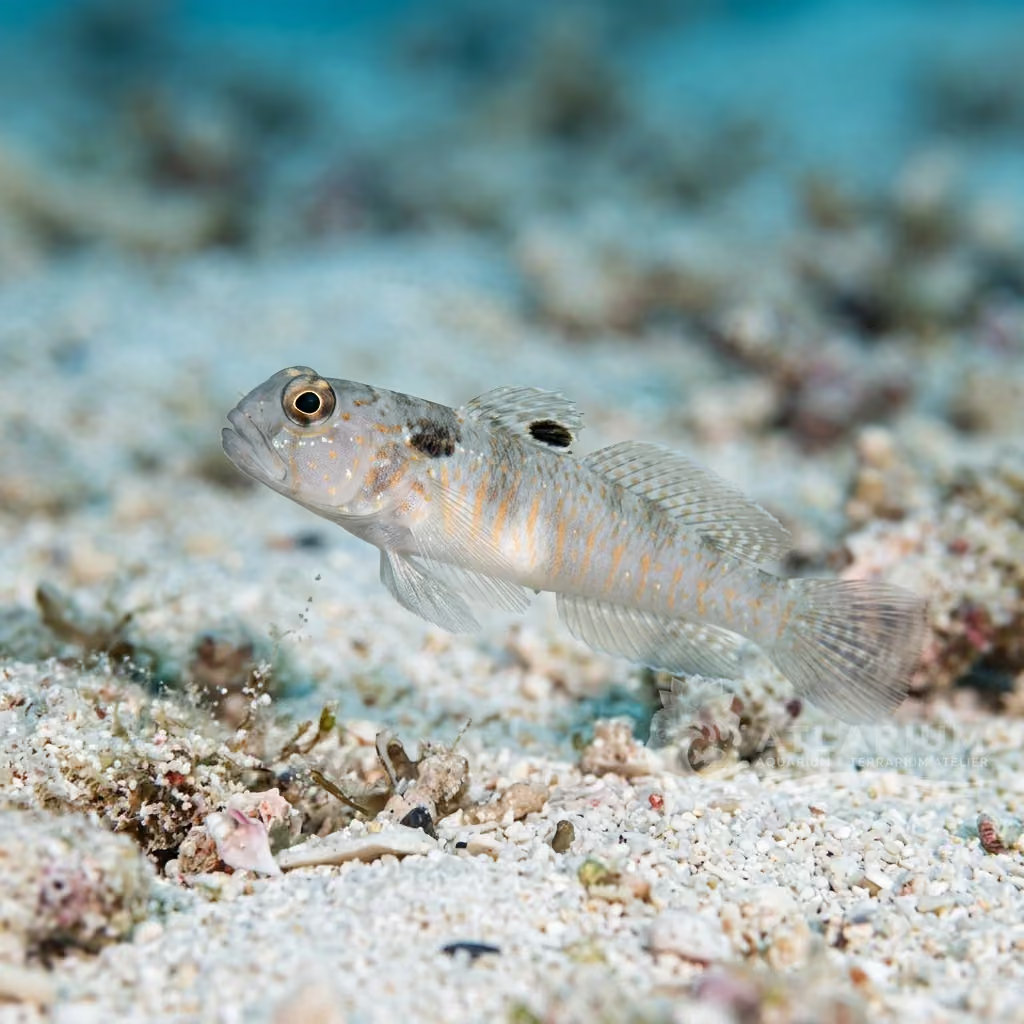
Candycane pygmy goby
Trimma cana
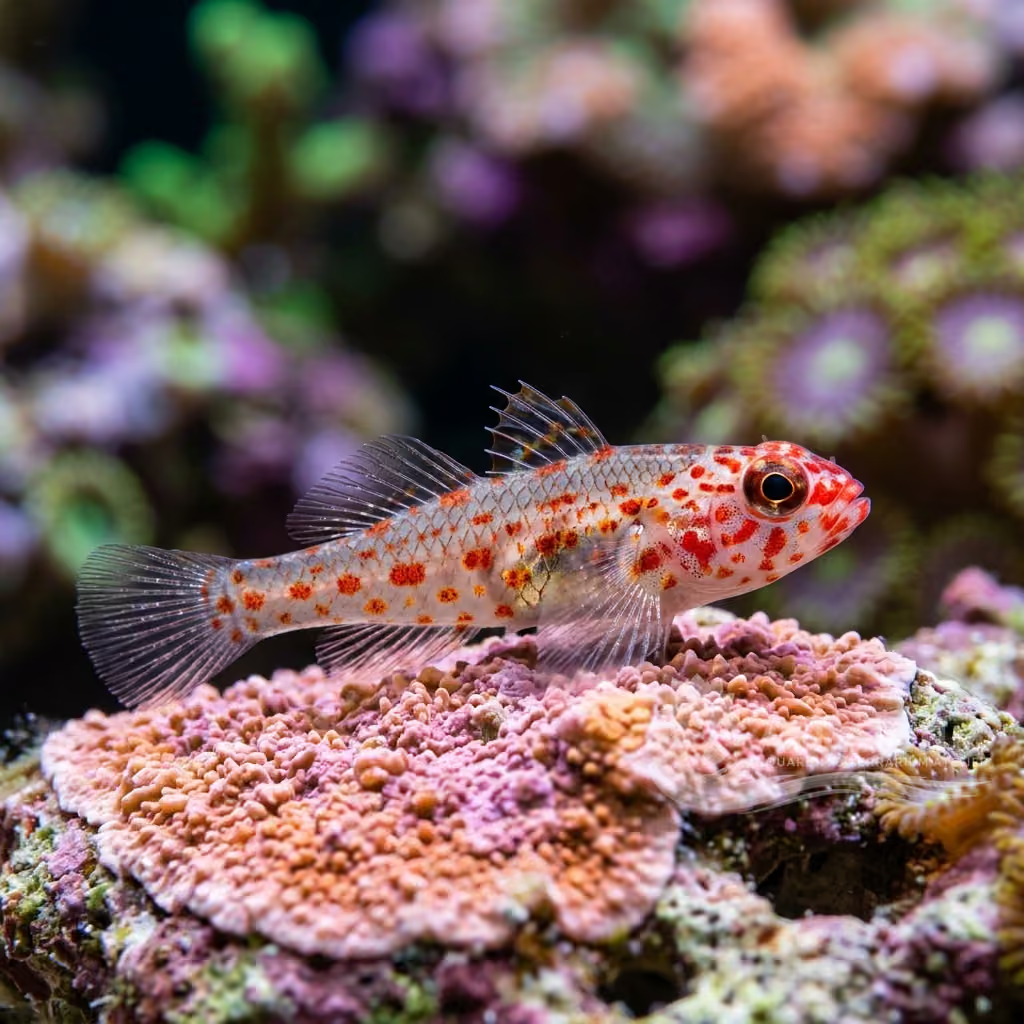
The Candycane Goby is a brilliantly colored micro-fish sporting red and white zebra stripes. Perfect for established nano reefs, it perches prominently on live rock to casually observe its surroundings.
Water Temperature
22 - 27 °C
pH Value
8 - 8.4
Water type
Marine
Tank level
Bottom
Adult size
2.5 cm
Minimum tank volume
>= 30 L
Minimum group
>= 2
KH
8 - 12 dKH

Species description
Geographical Origin and Habitat: Trimma cana, the candycane pygmy goby, is native to the Western Pacific Ocean, with confirmed ranges including the Philippines, Palau, Indonesia, and Western Australia. It typically inhabits steep seaward reef slopes and vertical drop-offs at depths of 12 to 35 meters, living close to hard corals and rocky crevices.
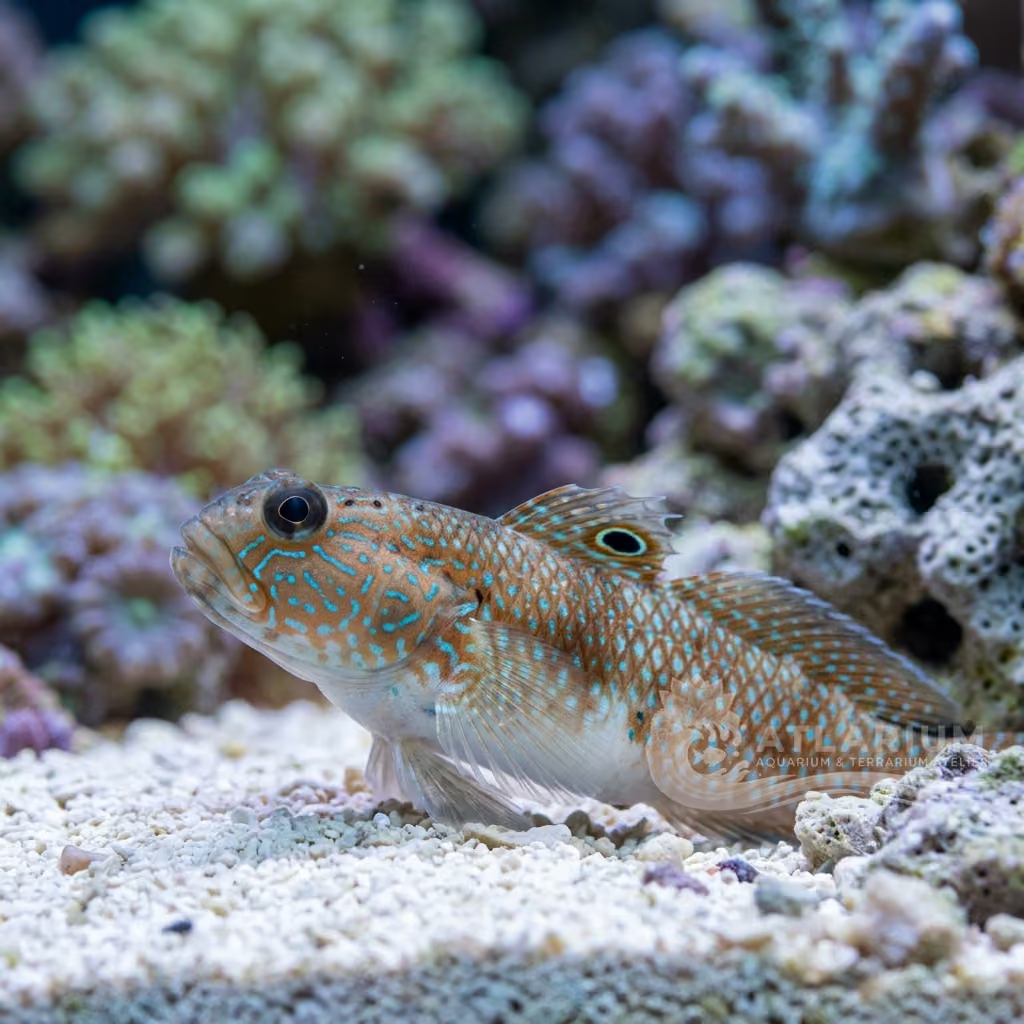
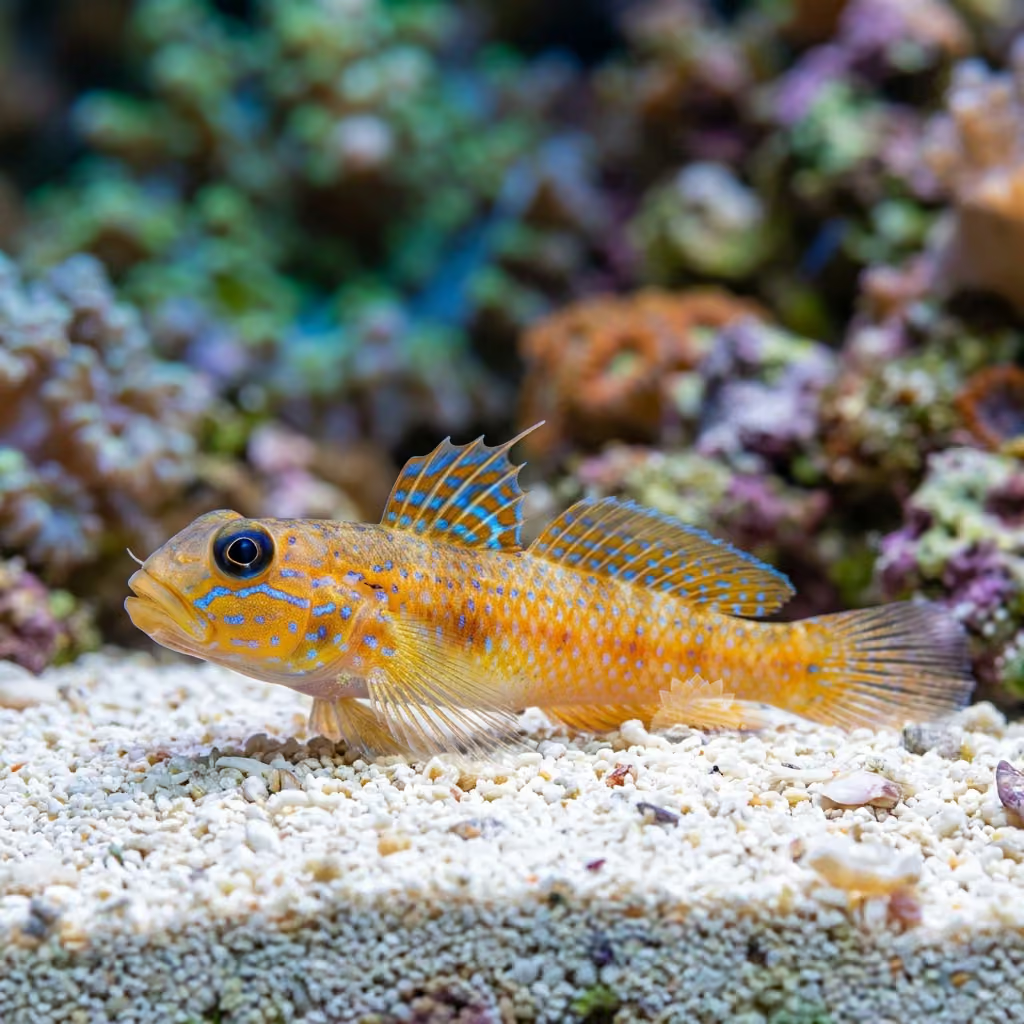
Taxonomy and Morphology: A member of the Gobiidae family and the genus Trimma, this micro-fish reaches a maximum adult size of only 2.5 centimeters (1 inch). It has a slender, cylindrical body, a short snout, and large eyes relative to its head size, which helps it spot zooplankton in dimly lit reef environments.
Social Behavior: It is a peaceful, cryptic species that spends its time resting on rock ledges or hiding within coral branches. It is generally solitary or lives in pairs but can be kept in small groups in a spacious tank. It shows no aggression towards tankmates and is very non-threatening.
Coloration and Sexual Dimorphism: The species is named for its distinctive red and white zebra-striped pattern, mimicking a traditional candy cane. Bright orange-red bands cross a translucent white body. External sexual dimorphism is not noticeable, though males may have slightly longer dorsal fin rays.

Care, breeding and tankmates
Aquarium Setup: An ideal choice for nano reef aquariums of 8 gallons (30 liters) or more. The aquarium should have plenty of live rock with micro-crevices and caves to provide shelter. Water flow should be gentle to moderate, and lighting should not be overly intense.
Diet and Feeding: A strict micro-predator feeding on zooplankton. In captivity, it requires very small foods such as live or frozen copepods, rotifers, cyclops, and baby brine shrimp. They are slow feeders and may ignore dry foods. Feed multiple times per day to prevent weight loss.
Water Quality: Requires stable marine reef conditions. Keep the water temperature between 23 and 26 °C (73 to 79 °F), pH between 8.1 and 8.4, and specific gravity from 1.020 to 1.025. Nitrates must be kept below 10 ppm, and ammonia and nitrites must be zero.
Compatibility and Cohabitation: Fully reef-safe and will not disturb corals or small decorative shrimp. It must only be housed with very peaceful, small, and non-competitive tankmates like other Trimma gobies or small blennies. Avoid keeping with larger or active predatory fish.
Aquarium Breeding: They are bidirectional hermaphrodites. Although spawning in aquariums occurs, raising the fry is extremely difficult. They lay adhesive eggs in caves that are guarded by the male. Rearing the tiny, delicate larvae requires specialized micro-plankton cultures.
Risks and Diseases: Starvation is the leading cause of death in captivity, as they easily lose out on food to faster fish. They are susceptible to marine velvet and ich. Treatments involving copper must be monitored carefully due to the goby's high sensitivity to chemicals.

Geographic origin and distribution
Trimma cana, the candycane pygmy goby, is native to the Western Pacific Ocean, with confirmed ranges including the Philippines, Palau, Indonesia, and Western Australia. It typically inhabits steep seaward reef slopes and vertical drop-offs at depths of 12 to 35 meters, living close to hard corals and rocky crevices.
Origin
Tropical oceans and reefsSouth and Southeast AsiaEast AsiaAustralia, New Guinea, and Oceania

Fish profile
- Temperament
- Peaceful
- They are very peaceful, observant, and sometimes shy until they become accustomed to their surroundings. Once comfortable, they spend their days conspicuously perched in plain sight. They never bother corals or mobile invertebrates, making them ideal reef citizens.
- Diet
- Carnivore
- In the wild, they feed on microscopic zooplankton floating in the water column. In captivity, they eagerly accept newly hatched brine shrimp, copepods, and high-quality micro-foods. They can often be trained to eat crushed marine flakes and very small frozen mysis shrimp.
- Life expectancy
- 1-2 years
- Adult size
- 2.5 cm
- Sex ratio
- Group
- They can generally be kept in small groups without major issues if enough space is provided. Males may occasionally display territorial behavior toward one another over preferred perching spots. Keeping a harem with one male and several females is the safest long-term approach.
- Feeding frequency
- Twice daily
- Due to their small digestive tracts, they should be fed small portions two to three times a day. Target feeding can be helpful if they are housed in larger tanks with competitive eaters. Providing a continuous supply of live pods in the tank helps sustain them between meals.
- Bioload
- Low
- These tiny marine gobies have an incredibly small bioload impact on the aquarium. A standard protein skimmer and regular water changes easily process their minimal waste. They are perfect candidates for nano and pico reef tanks where bioload management is crucial.
- Flow
- Moderate
- They prefer moderate to low water movement that allows them to perch comfortably on the rockwork. Excessively strong wavemakers can blow these tiny fish around and cause them stress. Gentle alternating currents mimic the sheltered reef crevices they naturally inhabit.
- Jump risk
- Yes
- Like most gobies, they are prone to jumping when frightened or chased by tank mates. A tight-fitting mesh lid is an absolute requirement to prevent them from carpet surfing. Ensuring they have plenty of hiding spots also reduces their flight response.
- Reproduction
- Oviparous
- Breeding in captivity is extremely rare but occasionally documented by dedicated breeders. They are demersal spawners that lay their eggs in small caves or crevices. The male carefully guards the egg clutch until the microscopic larvae hatch and enter the water column.
- Compatibility & tankmates
- Peaceful
- They are completely reef-safe and extremely peaceful toward other fish and invertebrates. Aggressive or large predatory fish must be avoided, as these gobies easily become snacks. Best kept with other small, docile species like blennies, firefish, or peaceful shrimp.
- Tank level
- Bottom
- They are classic benthic and lower-level dwellers that spend most of their time perched. You will frequently see them resting on live rock, corals, or the sand bed. They only occasionally dart up into the water column to snatch passing particles of food.

Scientific Parameters & Models
FishBase
Window to the official scientific data of the species
FishBase v25.04Data synced on: 06/15/2026
- Resilience
- High (less than 15 months)
- Phylogenetic uniqueness (PD50)
- 0.5
- Bayesian Length-Weight
- a = 0.01023, b = 3.01
- VulnerabilityLow vulnerability (10 / 100)

Related species
Recommendations grouped by close relatives, companion choices, and similar care.