Hector's Goby
Koumansetta hectori
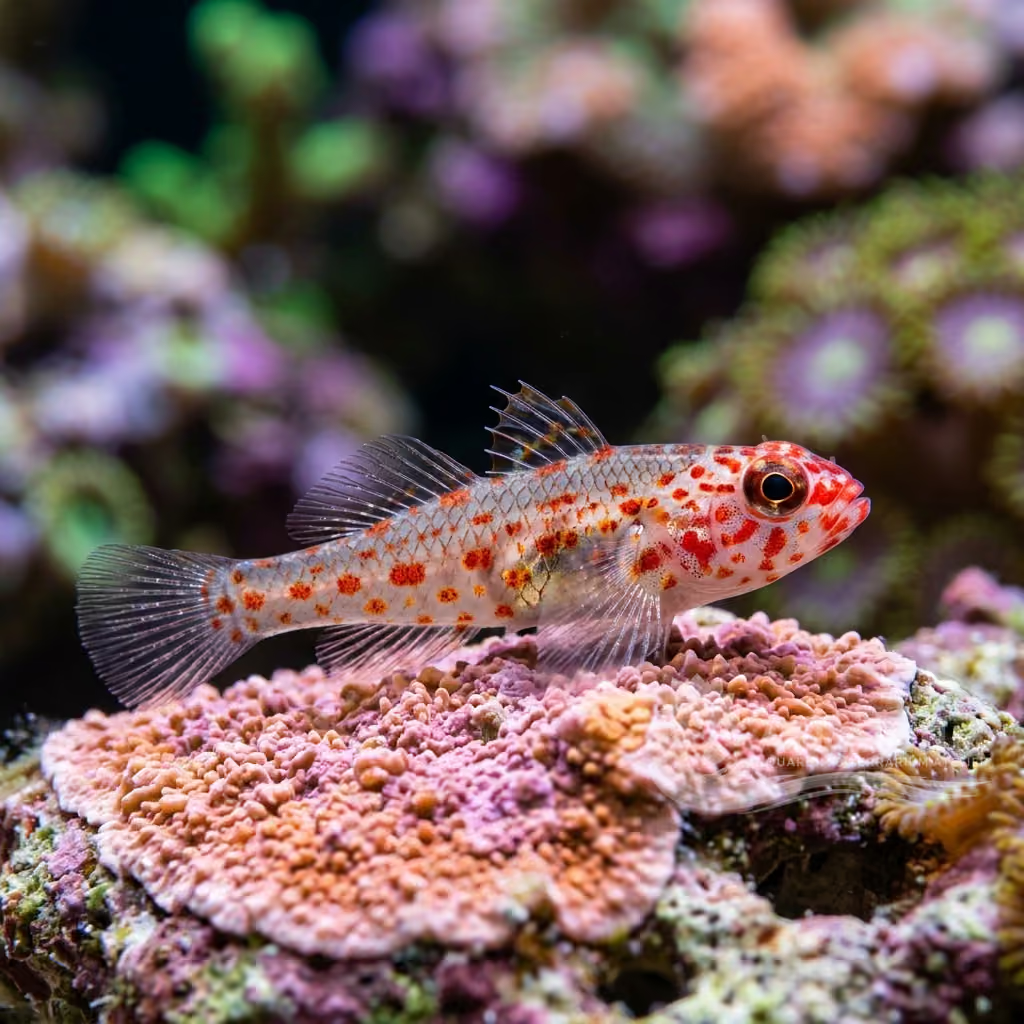
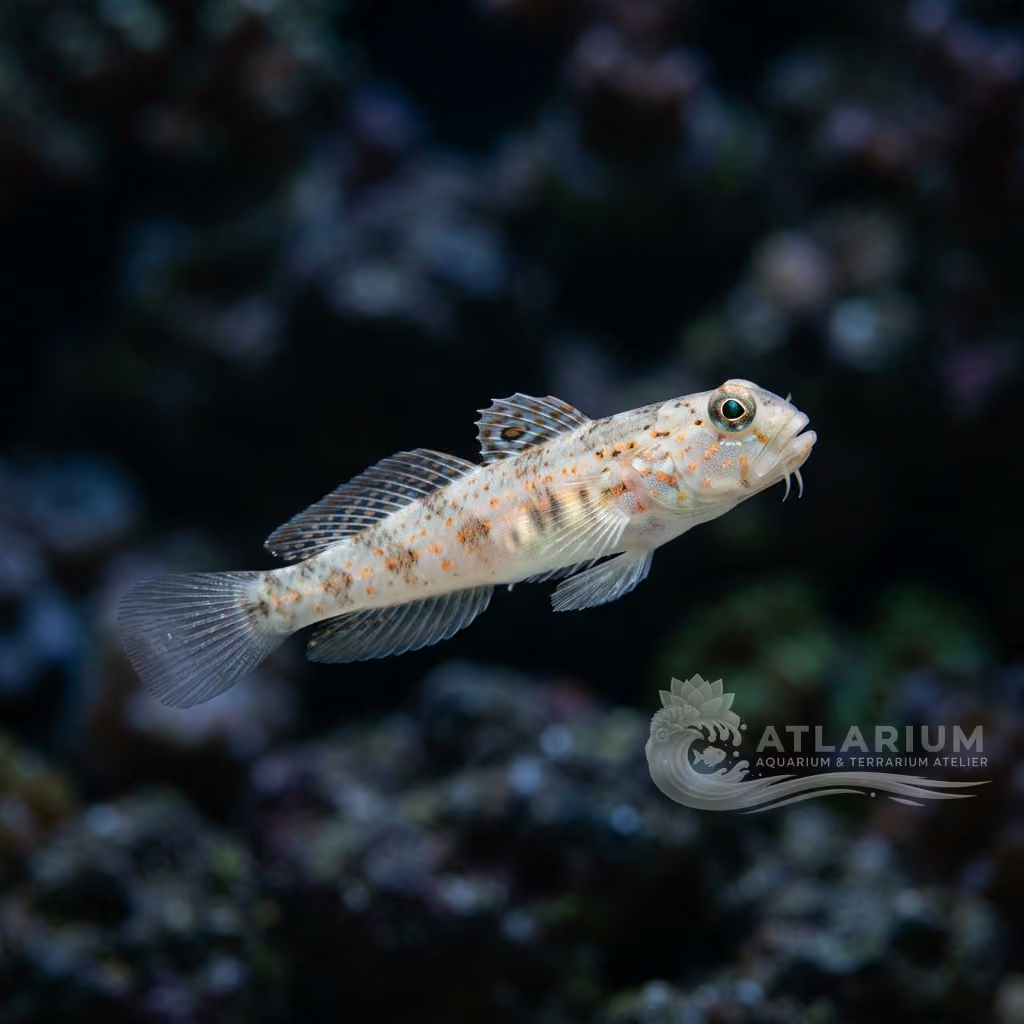
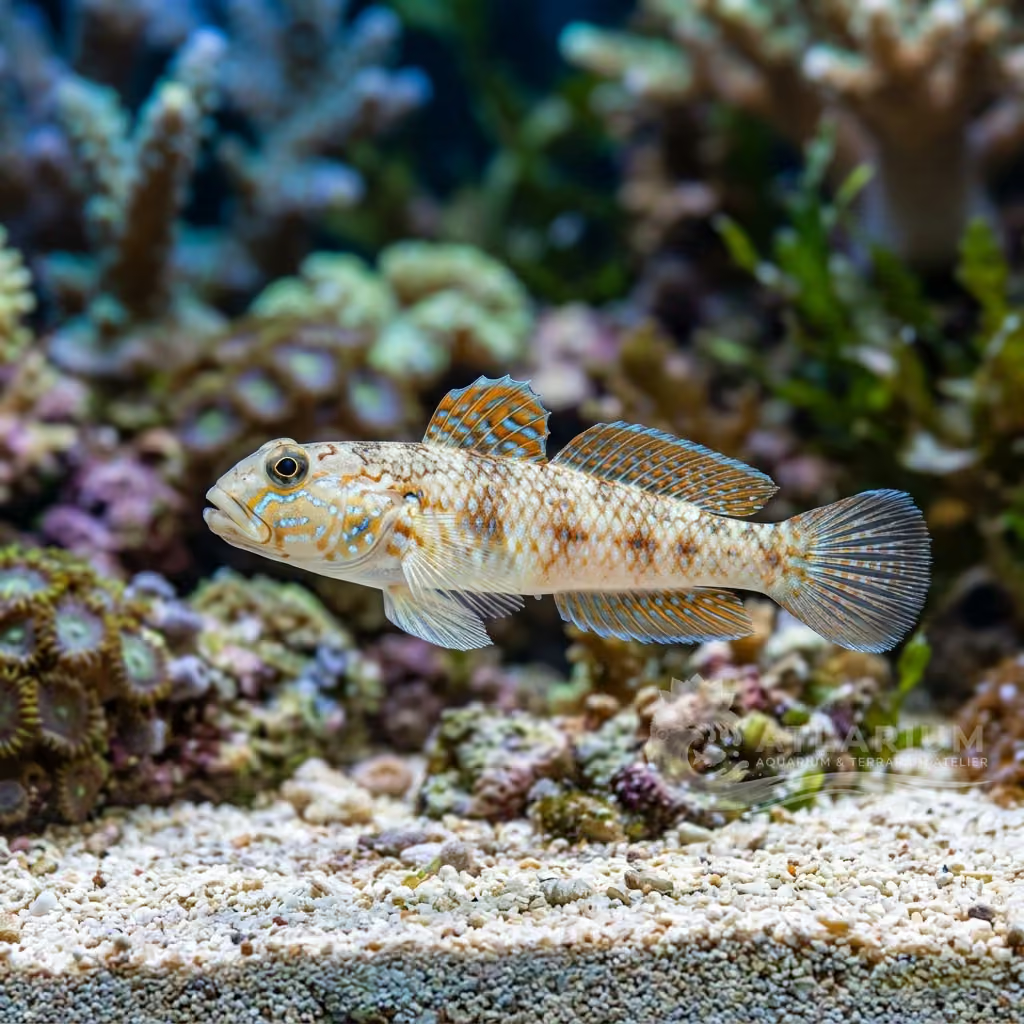
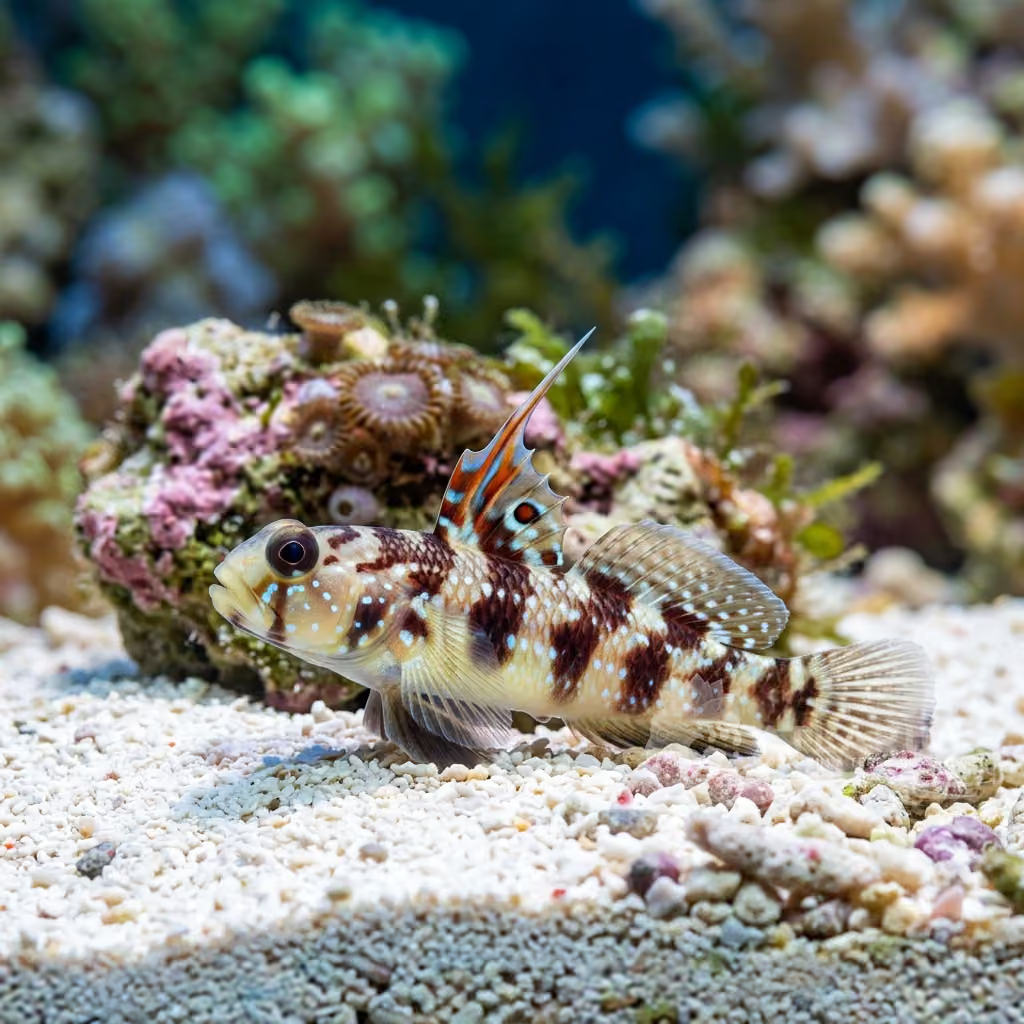
Hector's Goby is a small, peaceful reef fish with striking yellow stripes. Ideal for nano-reefs, it hovers over the substrate, feeding on microalgae and benthic microfauna.
Water Temperature
22 - 27 °C
pH Value
8 - 8.4
Water type
Marine
Tank level
Bottom and middle
Adult size
6.5 cm
Minimum tank volume
>= 80 L
Minimum group
>= 1
KH
8 - 12 dKH

Species description
Geographical Origin and Habitat: Amblygobius hectori is widely distributed in the tropical waters of the Indo-West Pacific, ranging from the Red Sea and East Africa to the Solomon Islands, north to southern Japan, and south to the Great Barrier Reef in Australia. It occupies protected coastal lagoons, seagrass meadows, and sandy zones immediately adjacent to coral reefs at depths of 3 to 30 meters where currents are relatively gentle.
Taxonomy and Morphology: Belonging to the family Gobiidae and the genus Amblygobius, it has a slender, cylindrical body shape typical of gobies, with eyes set high on the head. Its pelvic fins are fused into a cup-like shape, enabling it to rest securely on sandy and rocky substrates. It reaches a very small maximum size of only 6 to 8 centimeters, making it highly suitable for nano-reef setups.
Social Behavior: It is a very peaceful and shy species that spends most of its time hovering just a few centimeters above the substrate or picking at the sand. It exhibits strong intraspecific territoriality if kept in small spaces with members of the same sex. Thus, it should be kept singly or in established pairs. It is completely non-aggressive toward other tankmates.
Coloration and Sexual Dimorphism: The coloration is striking, consisting of a dark brown or black base color broken by five to six prominent golden-yellow longitudinal stripes running from head to tail. Distinct black eyespots ringed in yellow are present on the dorsal fin and the caudal peduncle. There is no clear external sexual dimorphism, though mature females may appear slightly plumper and larger than males.

Care, breeding and tankmates
Aquarium Setup: Requires an aquarium of at least 80 liters with a deep layer of fine live sand, as the fish relies on sifting the sand for food. Live rock should be arranged to provide plenty of caves and shaded zones to help reduce stress. A tight-fitting lid is highly recommended to prevent the goby from jumping out of the tank when startled.
Diet and Feeding: In nature, its diet consists of microfauna sifted from the sand and filamentous algae or diatoms. In captivity, it must be offered small frozen foods such as mysis, brine shrimp, and copepods, along with herbivore-specific pellets or finely chopped nori seaweed. A well-established aquarium with a rich benthic population is ideal for its long-term survival.
Water Quality: Stable marine conditions are mandatory: water temperature between 24°C and 27°C, pH between 8.1 and 8.4, and specific gravity (salinity) between 1.021 and 1.025. Ensure low levels of nitrate and phosphate and maintain high oxygen levels in the water column using an efficient powerhead or wavemaker.
Compatibility and Cohabitation: Coexists perfectly with other peaceful reef-associated fishes like clownfish, blennies, small wrasses, and reef invertebrates. Under no circumstances should it be housed with aggressive, highly territorial, or predatory species (such as lionfish or groupers) that could intimidate it or prey upon it.
Aquarium Breeding: While pair formation and egg-laying in small burrows under rocks have been observed in aquariums, raising the planktonic larvae is extremely difficult. It requires specialized cultivation of rotifers and phytoplankton in separate breeding tanks to successfully raise the offspring.
Risks and Diseases: Highly susceptible to common marine external parasites like Cryptocaryon irritans (marine ich). Because they are sand-sifters, an unclean or decaying substrate can lead to bacterial infections of the mouthparts. Strict quarantine and regular gravel cleaning are key preventative measures.

Geographic origin and distribution
Amblygobius hectori is widely distributed in the tropical waters of the Indo-West Pacific, ranging from the Red Sea and East Africa to the Solomon Islands, north to southern Japan, and south to the Great Barrier Reef in Australia. It occupies protected coastal lagoons, seagrass meadows, and sandy zones immediately adjacent to coral reefs at depths of 3 to 30 meters where currents are relatively gentle.
Origin
Tropical oceans and reefsAfrica and MadagascarEast AsiaAustralia, New Guinea, and Oceania

Fish profile
- Temperament
- Territorial
- This is an extremely peaceful and timid fish toward other reef inhabitants. It shows no aggression toward fish of other families, making it an ideal inhabitant for community reef aquariums. However, it can exhibit territoriality and intolerance toward conspecifics or other gobies with similar shapes and coloration. For this reason, it is recommended to keep only one individual per tank unless you have a confirmed mated pair or a very large aquarium.
- Diet
- Omnivore
- This species has a primarily omnivorous diet, constantly grazing on live rock and sifting sand. It consumes filamentous algae, organic detritus, and small benthic invertebrates such as copepods. In the aquarium, it should be offered finely chopped frozen foods like brine shrimp and mysis, supplemented with high-quality marine pellets or flakes. The presence of mature live rock is crucial, as it provides a continuous supply of live microorganisms essential for its long-term health.
- Life expectancy
- 4-7 years
- Adult size
- 6.5 cm
- Sex ratio
- 1:1 ratio
- This species can be housed singly or as a mated pair in smaller aquariums. Introducing multiple individuals of the same sex, especially males, is not recommended as it often leads to severe territorial aggression. If you wish to keep a group, a spacious tank with plenty of rockwork and visual barriers is necessary. This setup allows each individual to establish its own territory without constant pressure from dominant conspecifics.
- Feeding frequency
- 2-3 times daily
- Koumansetta hectori requires frequent feedings, ideally two to three times a day, due to its small stomach and active metabolism. In addition to the food provided by the aquarist, the fish will spend most of the day grazing on microalgae and small organisms from the rockwork. If the tank is not mature enough to offer supplementary natural foods, artificial feedings must be precise and consistent to prevent wasting. It is recommended to offer small portions that can be consumed within a few minutes to avoid water pollution.
- Bioload
- Low
- Koumansetta hectori produces a minimal amount of biological waste due to its small adult size, which rarely exceeds 3 inches. This makes it an ideal candidate for nano reef aquariums where maintaining a low nutrient level is crucial. Despite its low bioload, a reliable filtration system and regular water changes are still recommended to keep the environment stable. Standard biological and mechanical filtration is generally sufficient to manage the waste of this species in small setups.
- Flow
- Moderate
- This goby tolerates and appreciates weak to moderate water movement, simulating the currents of the sheltered lagoons it inhabits in the wild. While it can adapt to stronger flows typical of SPS reef aquariums, it requires calm, sheltered areas to rest without exhausting itself. The layout of rocks and natural barriers allows the fish to hover comfortably near the bottom without being swept away. Avoiding direct, strong laminar flow on its preferred grazing areas is essential to minimize stress.
- Jump risk
- Yes
- Like many other gobies, this species presents a high risk of jumping, especially when startled or chased by more active tankmates. It is essential to equip the aquarium with a tight-fitting lid or a fine mesh cover to prevent them from jumping out. Even small gaps around filters or plumbing lines can become escape routes for these small, agile fish. Providing ample hiding spots and maintaining a calm aquarium environment will also help minimize the stress that triggers jumping.
- Reproduction
- Oviparous
- Reproduction in the home aquarium is extremely challenging and has been achieved successfully almost exclusively by professional breeders or specialized facilities. They are oviparous egg-layers that deposit their spawns inside caves or hidden crevices, with the male guarding the nest. The hatched larvae are extraordinarily small, fragile, and undergo a very long planktonic stage that often exceeds 60 days. Feeding the fry during the initial development stages requires ultra-fine live cultures, making successful rearing impractical for most hobbyists.
- Compatibility & tankmates
- Aggressive
- Thanks to its peaceful temperament, Koumansetta hectori is an ideal tankmate for other calm, non-aggressive species such as pipefish, blennies, and small clownfish. It must not be housed with predatory fish or highly territorial species that could bully it or compete aggressively for food. Care should also be taken when housing it with similar species of the same genus, such as Koumansetta rainfordi, to prevent territorial disputes. It is completely compatible with corals and ornamental invertebrates, making it 100% reef-safe.
- Tank level
- Middle/Bottom
- Koumansetta hectori prefers the lower to middle zones of the aquarium, typically hovering just above the sandy substrate. It spends most of its time near the base of live rockwork, searching for food and organic debris. This goby rarely ventures to the top levels of the tank unless it is feeding time or if it feels threatened. Providing ample open space on the sand bed and rock bases is essential to accommodate its natural swimming habits.

Scientific Parameters & Models
FishBase
Window to the official scientific data of the species
FishBase v25.04Data synced on: 06/15/2026
- Trophic level
- 2.1 ± 0.1 se
- Resilience
- High (less than 15 months)
- Phylogenetic uniqueness (PD50)
- 0.625
- Bayesian Length-Weight
- a = 0.00741, b = 3.09
- VulnerabilityLow vulnerability (10 / 100)

Related species
Recommendations grouped by close relatives, companion choices, and similar care.