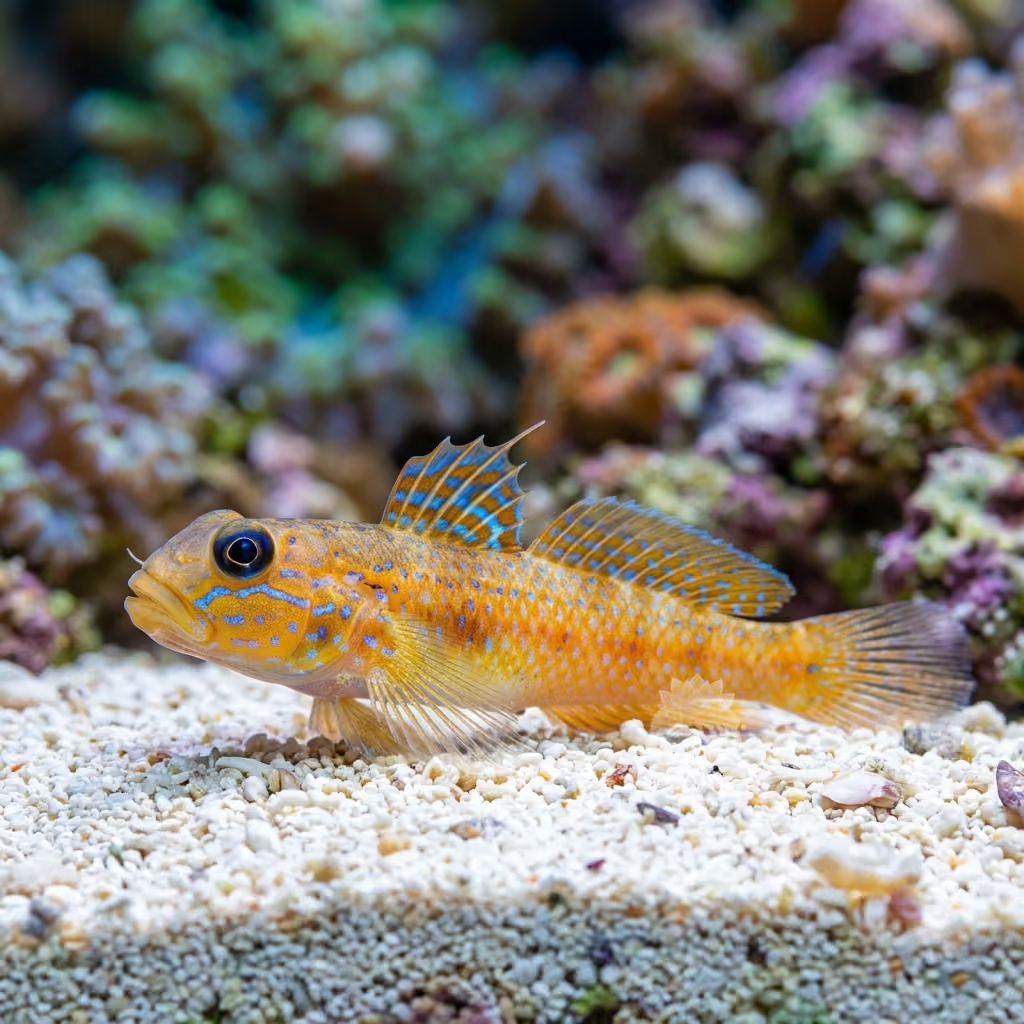
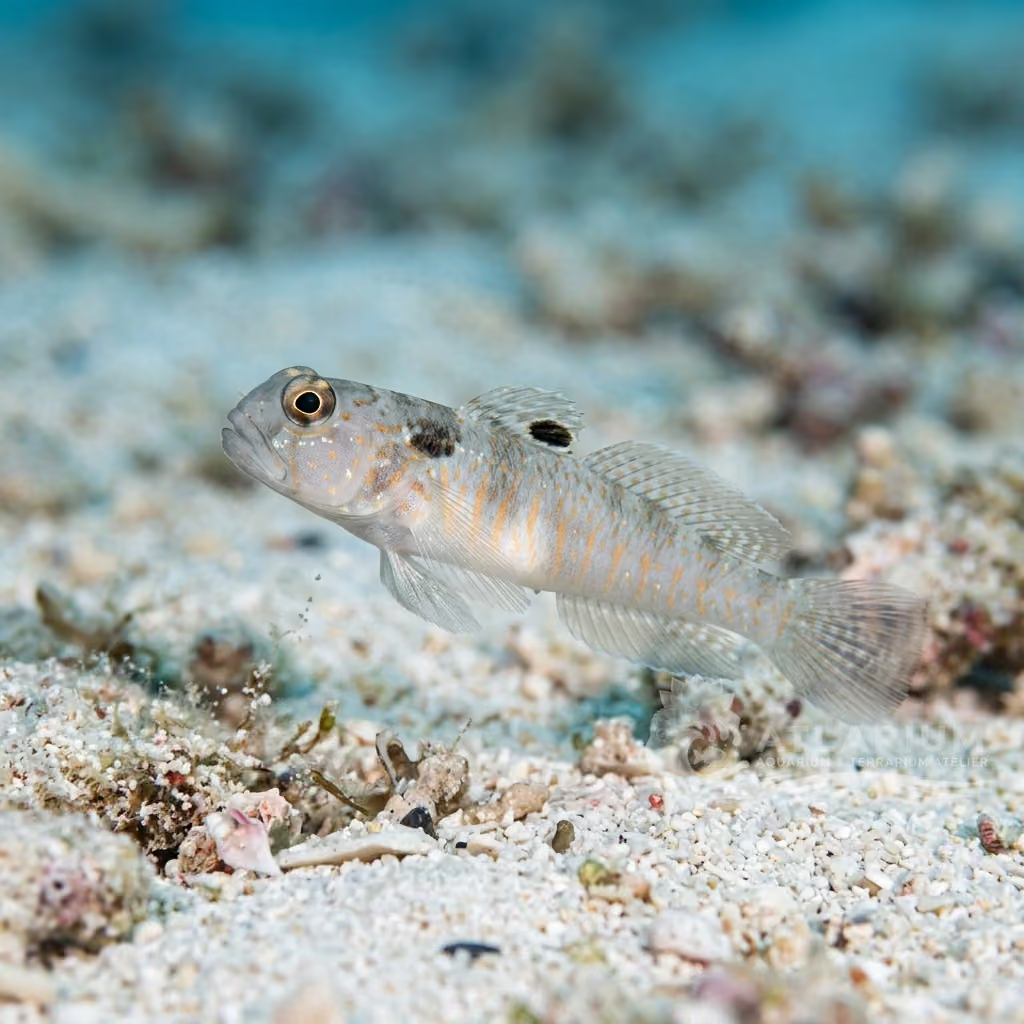
Red-spotted Pygmy Goby
Trimma rubromaculatum
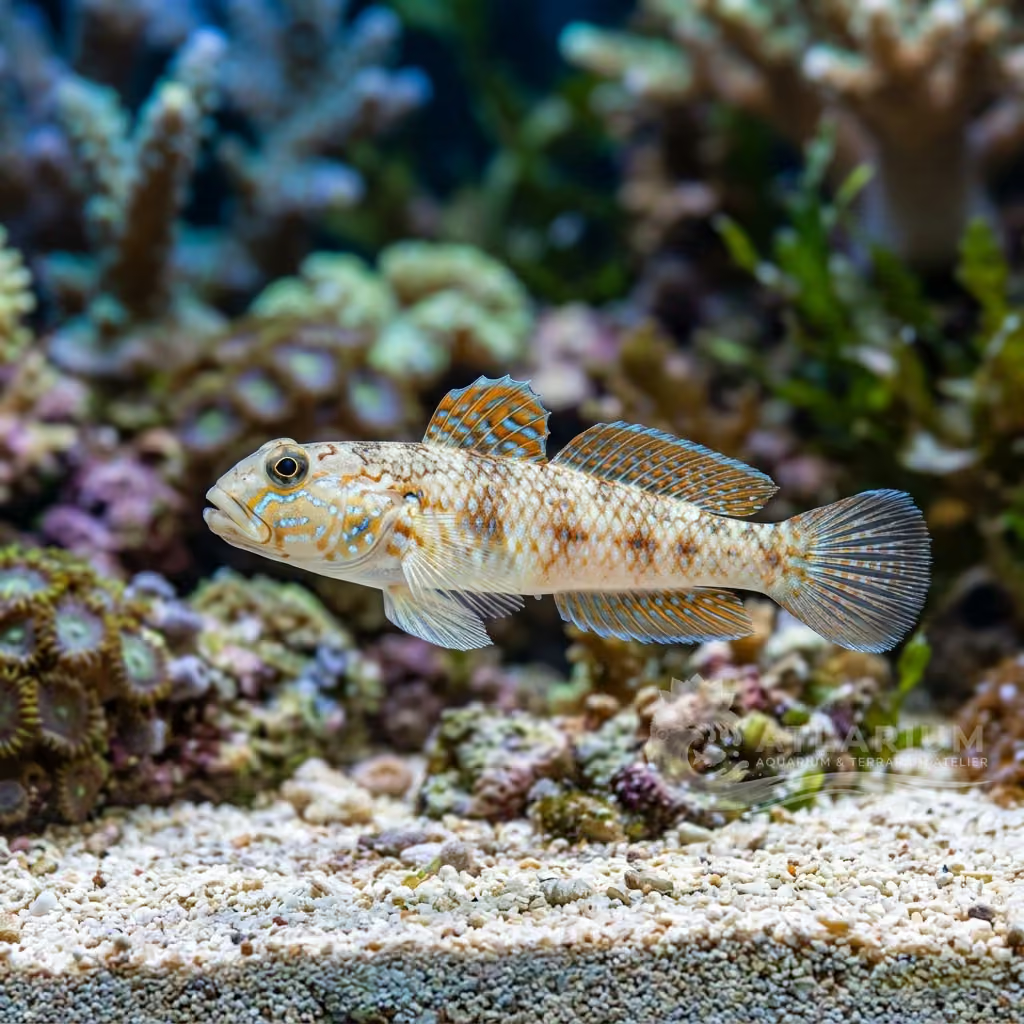
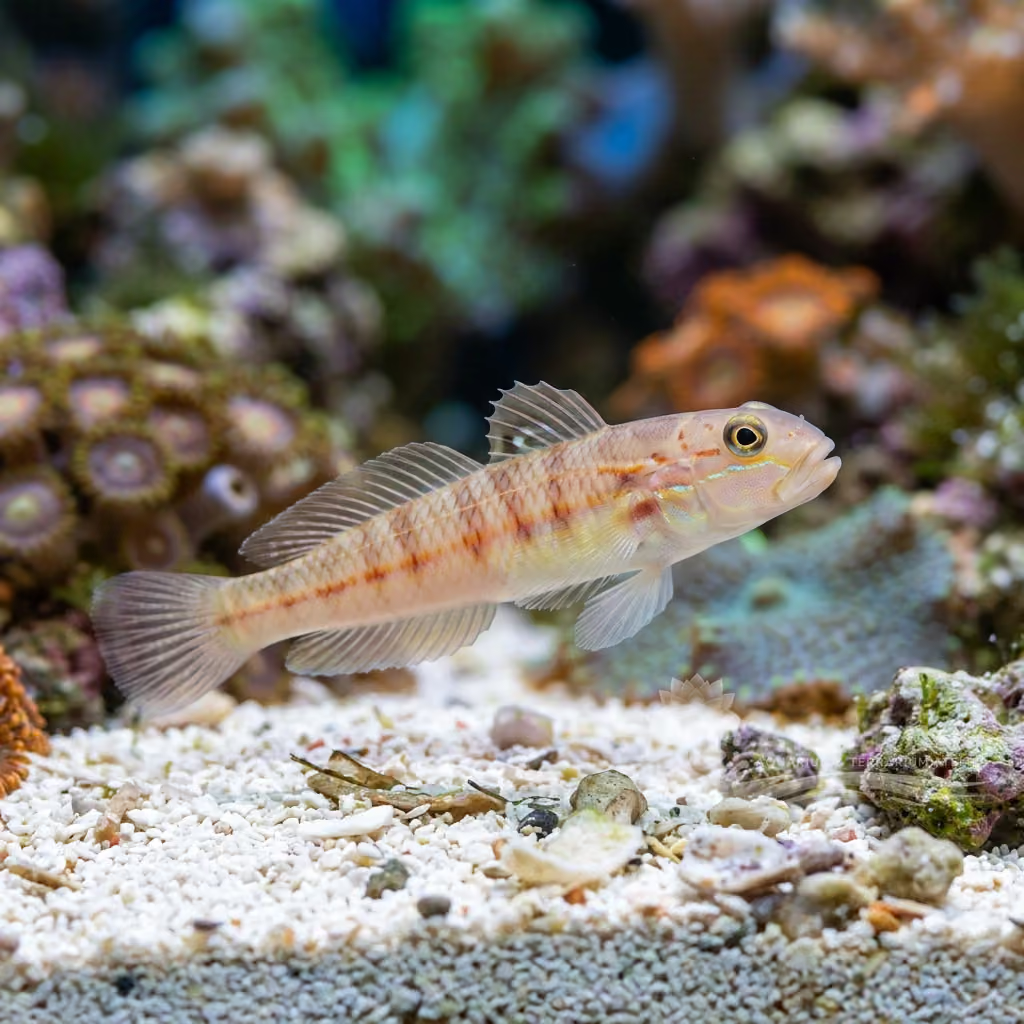
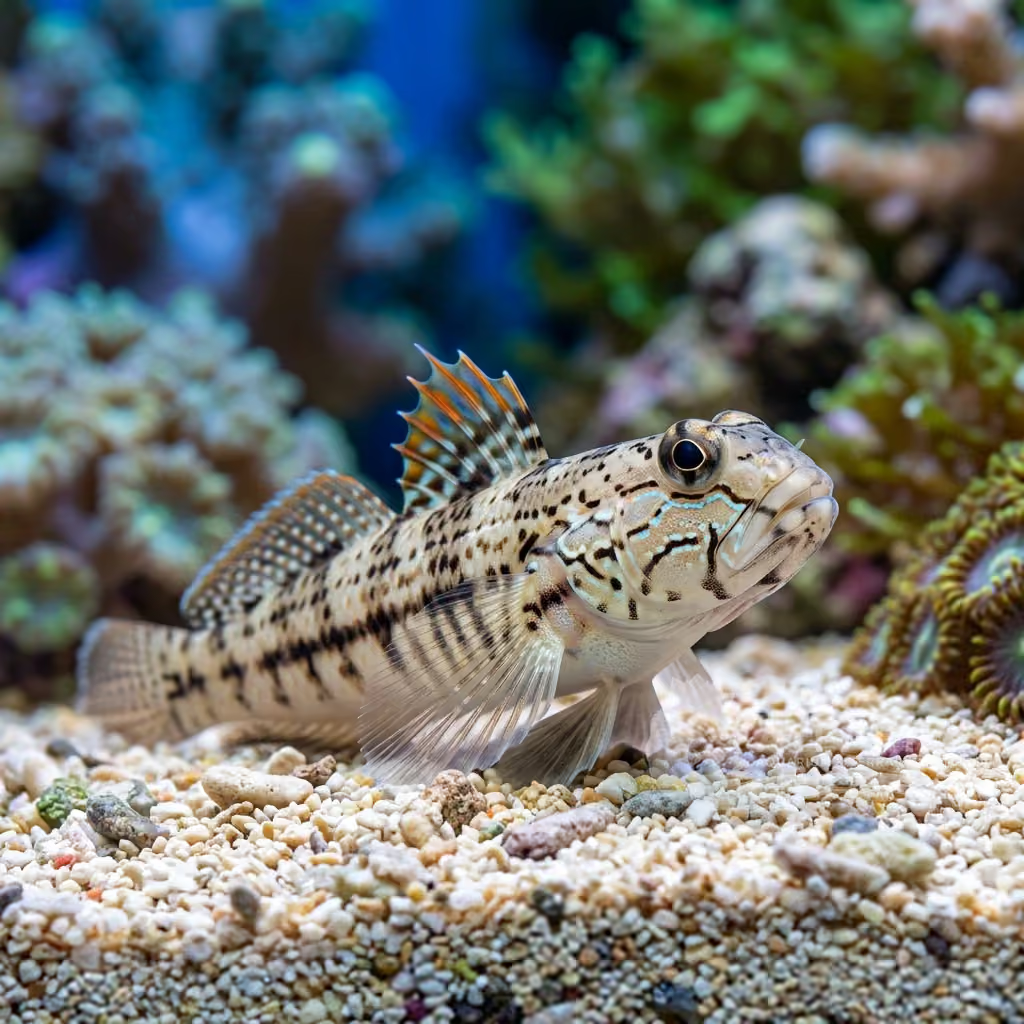
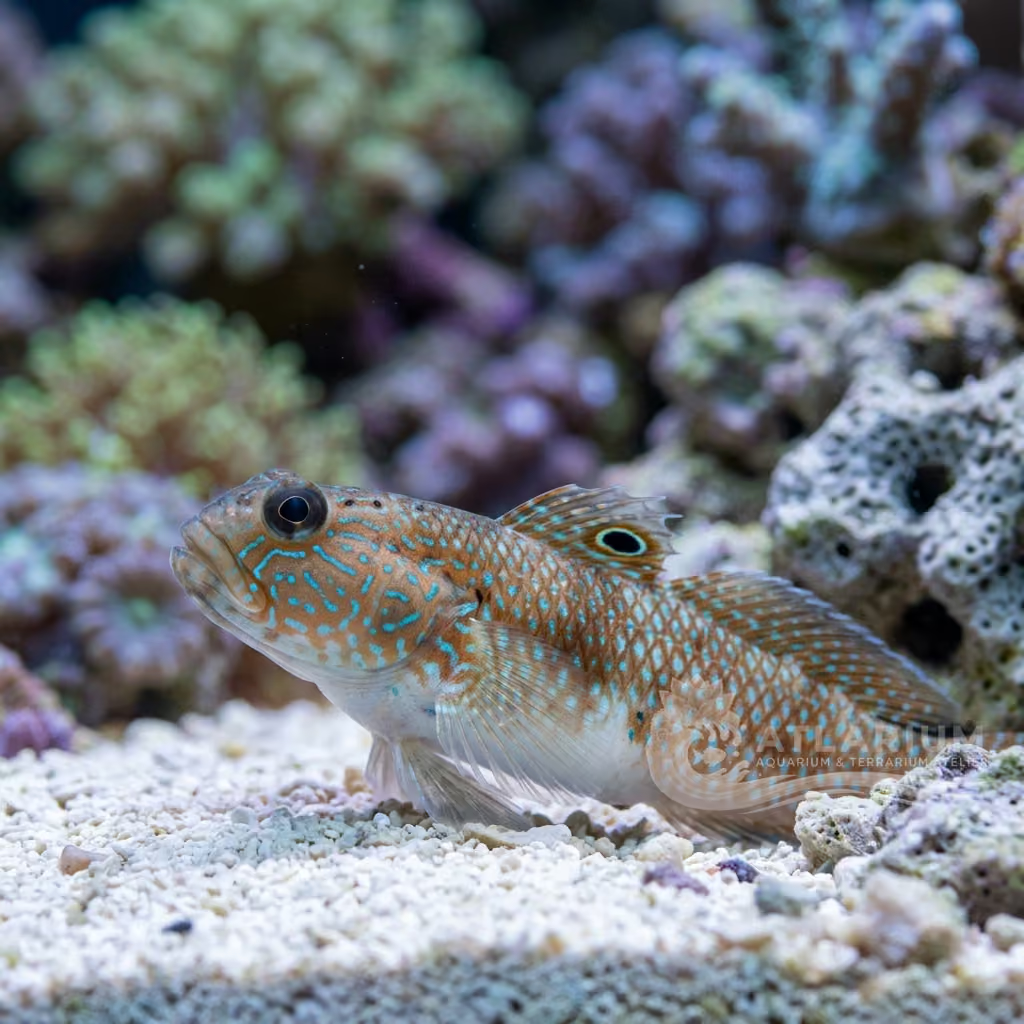
An incredibly diminutive reef goby adorned with delicate red speckles. Its peaceful demeanor and tiny proportions make it a spectacular focal point for the most intricately curated nano marine aquariums.
Water Temperature
22 - 27 °C
pH Value
8 - 8.4
Water type
Marine
Tank level
Bottom
Adult size
2.5 cm
Minimum tank volume
>= 30 L
Minimum group
>= 2
KH
8 - 12 dKH

Species description
Geographical Origin and Habitat: Western Indo-Pacific: distributed throughout the tropical areas of Micronesia, Indonesia, the Philippines, and Palau. It primarily inhabits vertical rocky outer reef slopes, marine caves, and deep crevices in hard coral formations, at depths ranging from 5 to 35 meters, in areas with moderate currents.
Taxonomy and Morphology: Belongs to the family Gobiidae, subfamily Gobiinae, genus Trimma. It is one of the smallest fish species in the world, with a maximum length that rarely exceeds 2.5 centimeters in adulthood. It presents a slightly compressed body shape, prominent eyes, and large pectoral fins that allow it to rest on vertical surfaces.
Social Behavior: Generally peaceful and gregarious species that prefers to live in small groups. They often hang upside down under rocky ledges or at the entrance of caves. They do not show aggressive behavior towards other species, though dominant males may establish small territories, defending them with brief chases.
Coloration and Sexual Dimorphism: Translucent body with a background shade varying from pale pink to yellowish, covered with numerous and prominent red-orange or fiery red spots distributed along the sides and on the head. The fins are transparent with slight red reflections. Sexual dimorphism is visible mainly in the shape of the urogenital papillae.

Care, breeding and tankmates
Aquarium Setup: Ideal for nano and pico reefs starting from 30 liters. The tank must offer plenty of small crevices, rocky cracks, and overhangs under which the fish can position itself. It is essential to have stable rockwork and a cover to prevent accidental escapes. It feels more secure in small groups of 3 to 5 individuals.
Diet and Feeding: Carnivorous and micro-predator. In nature, it feeds on tiny suspended zooplankton. In the aquarium, it must be fed with very small frozen foods such as copepods, rotifers, newly hatched brine shrimp nauplii, and micronized dry foods. Due to its rapid metabolism, it should be fed several times a day.
Water Quality: Requires excellent and stable water quality: optimal temperature between 24 and 27 °C, pH between 8.1 and 8.4, and density at 1.022-1.025. It is important to keep nitrate and phosphate levels low with regular water changes and efficient filtration, but without excessively violent currents.
Compatibility and Cohabitation: Very peaceful, does not disturb corals or invertebrates. It must only be associated with equally peaceful and tiny fish (such as other pygmy gobies, Elacatinus, or small neon gobies). Absolutely incompatible with large, active, or predatory fish that could swallow it instantly.
Aquarium Breeding: Many members of the genus Trimma are bidirectional hermaphrodites. They can form pairs and lay eggs on hidden rocky substrates or under cave ledges. The male guards the nest, but hatching and subsequent survival of the larvae are extremely rare and difficult to manage in home aquariums.
Risks and Diseases: Given its minute size, it is vulnerable to starvation if there is too much competition for food. It can suffer from severe stress caused by turbulent tankmates. It is moderately sensitive to skin diseases, but chemical treatments must be dosed with extreme caution due to the low tolerance of its organism.

Geographic origin and distribution
Western Indo-Pacific: distributed throughout the tropical areas of Micronesia, Indonesia, the Philippines, and Palau. It primarily inhabits vertical rocky outer reef slopes, marine caves, and deep crevices in hard coral formations, at depths ranging from 5 to 35 meters, in areas with moderate currents.
Origin
Tropical oceans and reefsSouth and Southeast AsiaEast Asia

Fish profile
- Temperament
- Peaceful
- They are very peaceful, observant, and sometimes shy until they become accustomed to their surroundings. Once comfortable, they spend their days conspicuously perched in plain sight. They never bother corals or mobile invertebrates, making them ideal reef citizens.
- Diet
- Carnivore
- In the wild, they feed on microscopic zooplankton floating in the water column. In captivity, they eagerly accept newly hatched brine shrimp, copepods, and high-quality micro-foods. They can often be trained to eat crushed marine flakes and very small frozen mysis shrimp.
- Life expectancy
- 1-1.67 years
- Adult size
- 2.5 cm
- Sex ratio
- Group
- They can generally be kept in small groups without major issues if enough space is provided. Males may occasionally display territorial behavior toward one another over preferred perching spots. Keeping a harem with one male and several females is the safest long-term approach.
- Feeding frequency
- Twice daily
- Due to their small digestive tracts, they should be fed small portions two to three times a day. Target feeding can be helpful if they are housed in larger tanks with competitive eaters. Providing a continuous supply of live pods in the tank helps sustain them between meals.
- Bioload
- Low
- These tiny marine gobies have an incredibly small bioload impact on the aquarium. A standard protein skimmer and regular water changes easily process their minimal waste. They are perfect candidates for nano and pico reef tanks where bioload management is crucial.
- Flow
- Moderate
- They prefer moderate to low water movement that allows them to perch comfortably on the rockwork. Excessively strong wavemakers can blow these tiny fish around and cause them stress. Gentle alternating currents mimic the sheltered reef crevices they naturally inhabit.
- Jump risk
- Yes
- Like most gobies, they are prone to jumping when frightened or chased by tank mates. A tight-fitting mesh lid is an absolute requirement to prevent them from carpet surfing. Ensuring they have plenty of hiding spots also reduces their flight response.
- Reproduction
- Oviparous
- Breeding in captivity is extremely rare but occasionally documented by dedicated breeders. They are demersal spawners that lay their eggs in small caves or crevices. The male carefully guards the egg clutch until the microscopic larvae hatch and enter the water column.
- Compatibility & tankmates
- Highly aggressive
- They are completely reef-safe and extremely peaceful toward other fish and invertebrates. Aggressive or large predatory fish must be avoided, as these gobies easily become snacks. Best kept with other small, docile species like blennies, firefish, or peaceful shrimp.
- Tank level
- Bottom
- They are classic benthic and lower-level dwellers that spend most of their time perched. You will frequently see them resting on live rock, corals, or the sand bed. They only occasionally dart up into the water column to snatch passing particles of food.

Scientific Parameters & Models
FishBase
Window to the official scientific data of the species
FishBase v25.04Data synced on: 06/15/2026
- Resilience
- High (less than 15 months)
- Phylogenetic uniqueness (PD50)
- 0.5
- Bayesian Length-Weight
- a = 0.01023, b = 3.01
- VulnerabilityLow vulnerability (10 / 100)

Related species
Recommendations grouped by close relatives, companion choices, and similar care.