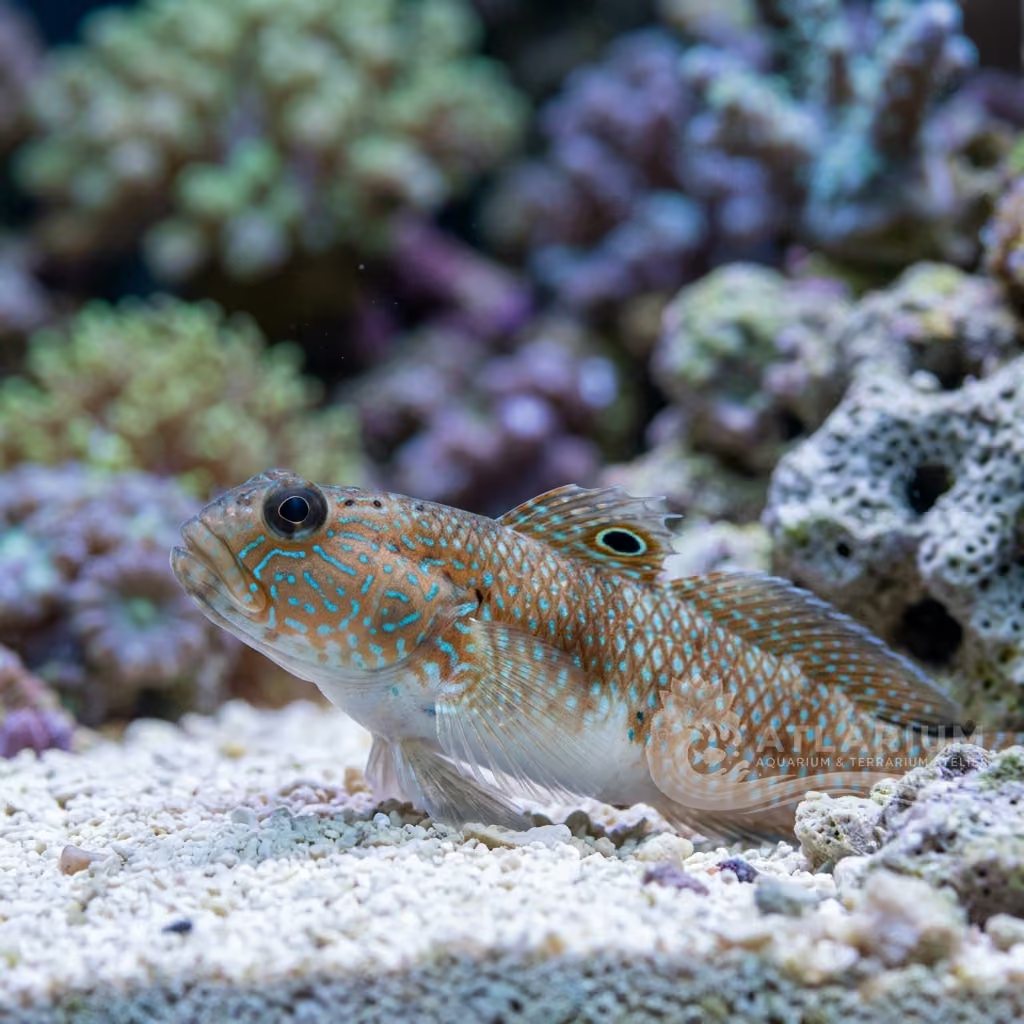
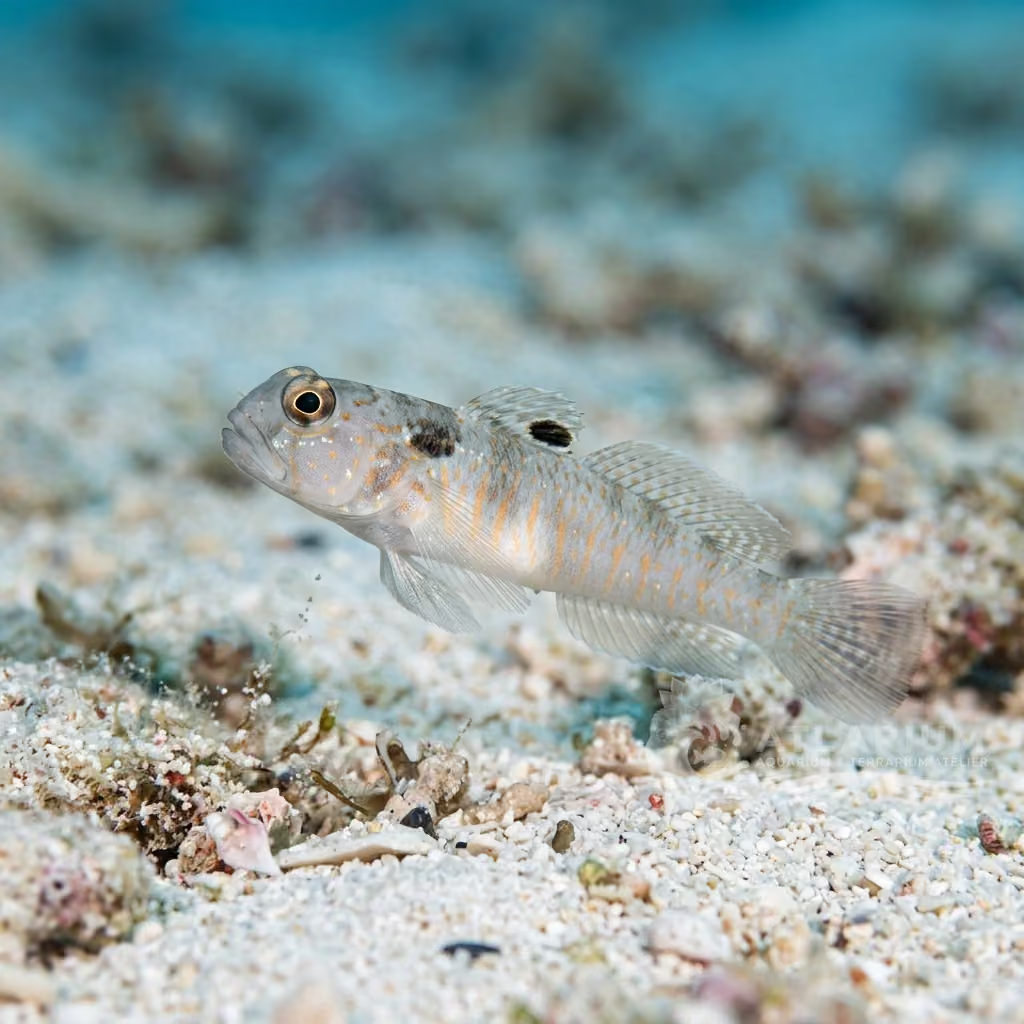
Tiger Goby
Tigrigobius macrodon
A shy, tiny micro-predator from the Western Atlantic that seeks refuge in crevices. It thrives in nano aquariums with ample live rock and tiny frozen foods.
Water Temperature
23 - 27 °C
pH Value
8.1 - 8.4
Water type
Marine
Tank level
Bottom
Adult size
5 cm
Minimum tank volume
>= 40 L
Minimum group
>= 1
KH
8 - 12 dKH

Species description
Geographical Origin and Habitat: Widespread throughout the Western Atlantic, ranging from Florida and the Bahamas to the Gulf of Mexico and south to Brazil. It inhabits shallow coral reefs, rocky shores, and tidal pools, frequently seeking shelter among sea urchin spines and tiny rock crevices.
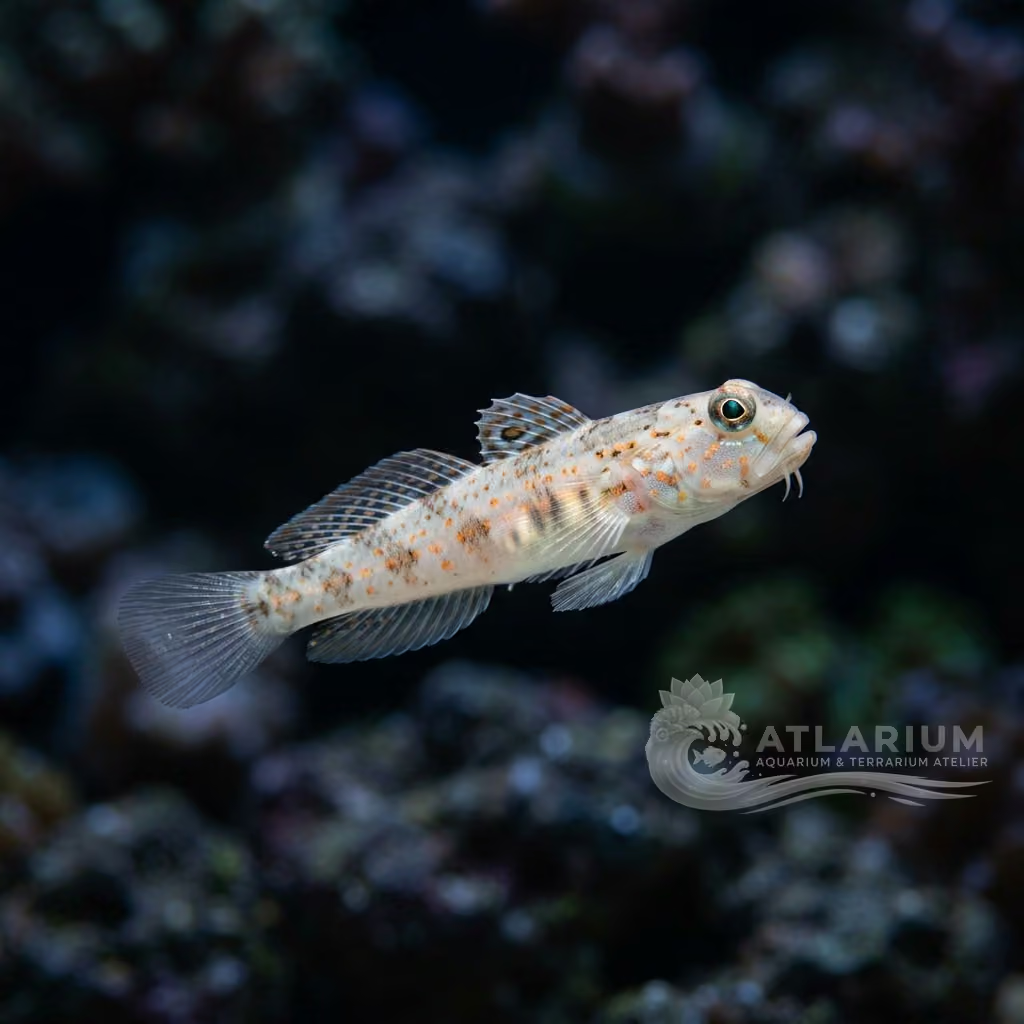
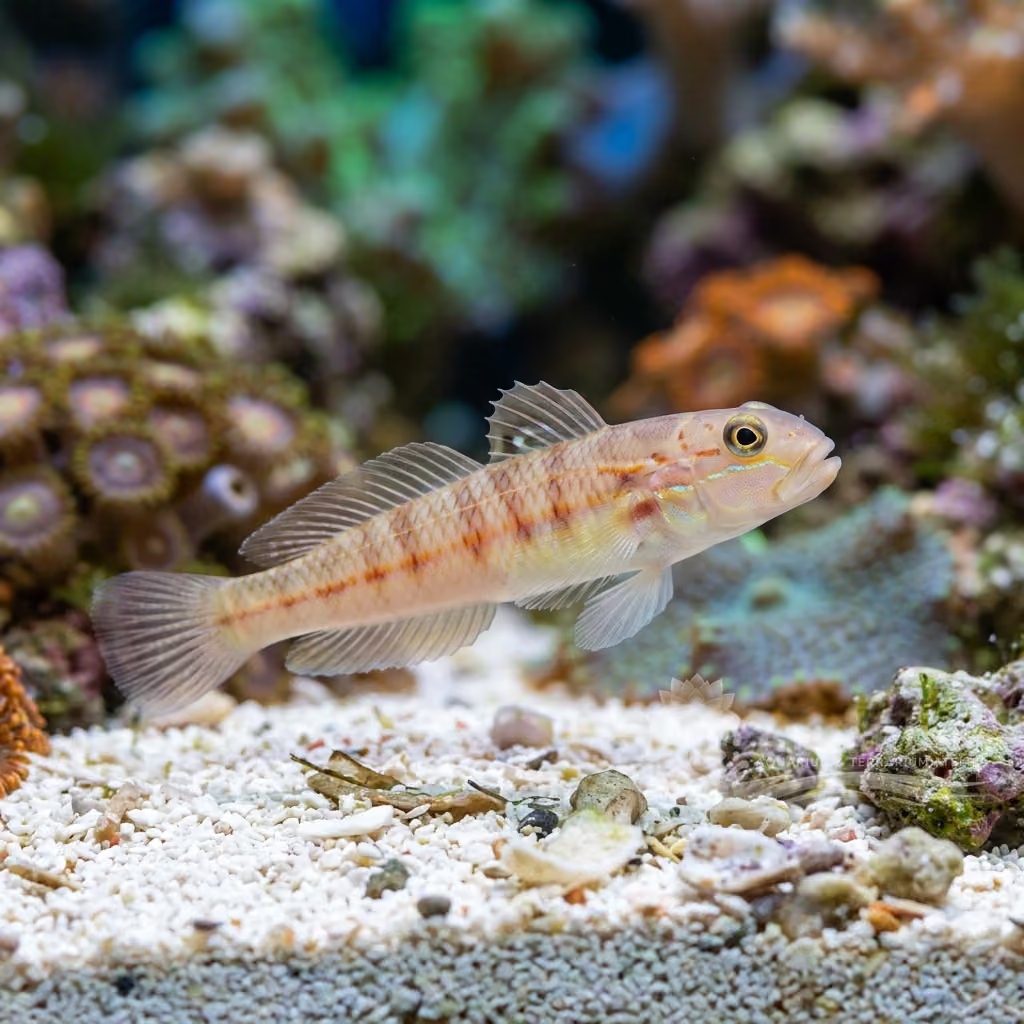
Taxonomy and Morphology: Belongs to the family Gobiidae and the genus Elacatinus. It is a very small fish, reaching a maximum adult length of only 3 to 5 centimeters. Features a slender body, large prominent eyes on top of the head, and pelvic fins modified into a suction cup.
Social Behavior: Peaceful and non-aggressive. It shows minor territoriality only toward conspecifics of the same sex in small tanks. Spends most of its time perching on rocks or clinging vertically to the glass, observing its territory.
Coloration and Sexual Dimorphism: Displaying a striking pattern of dark olive-green or brown vertical bars along a pale body (resembling tiger stripes), accented by a bright yellow or orange stripe on the snout and head. Genders are visually identical.

Care, breeding and tankmates
Aquarium Setup: An aquarium of at least 40-50 liters is recommended, decorated with plenty of live rock containing small holes and crevices. Providing numerous hiding spots is key to help this shy species feel safe and secure.
Diet and Feeding: Carnivorous micro-predator. Feed fine frozen foods such as baby brine shrimp, copepods, cyclops, and finely chopped mysis; it may accept premium micro-pellets and flakes once acclimated to aquarium life.
Water Quality: Requires stable marine parameters: temperature of 23-27 °C, pH of 8.1-8.4, and a specific gravity of 1.020-1.025. Ensure efficient protein skimming and weekly water changes to maintain low nitrate and phosphate levels.
Compatibility and Cohabitation: Excellent addition to reef tanks. It is completely reef-safe and does not bother corals or ornamental shrimp. Keep with other peaceful, small fish; avoid large predators or aggressive bottom dwellers.
Aquarium Breeding: Breeding is difficult in home aquaria. They lay adhesive eggs in narrow crevices or empty shells; the male guards the nest diligently until hatching, but raising the pelagic larvae requires specialized live rotifer cultures.
Risks and Diseases: Susceptible to common marine ectoparasites such as Marine Ich (Cryptocaryon) and Marine Velvet (Amyloodinium). Since they lack scales, copper treatments should be avoided; use UV sterilizers and quarantine.

Geographic origin and distribution
Widespread throughout the Western Atlantic, ranging from Florida and the Bahamas to the Gulf of Mexico and south to Brazil. It inhabits shallow coral reefs, rocky shores, and tidal pools, frequently seeking shelter among sea urchin spines and tiny rock crevices.
Origin
Tropical oceans and reefsExtra-Amazon South AmericaCentral America and CaribbeanNorth America

Fish profile
- Temperament
- Peaceful
- They are extremely peaceful, somewhat shy, and highly inquisitive little fish. They will cautiously peek out from their caves to observe the surrounding tank activity. They provide wonderful micro-level interest to any well-planned nano reef aquarium.
- Diet
- Carnivore
- They are strict carnivores that feed on tiny benthic crustaceans in the wild. Offer them high-quality frozen cyclops, rotifers, and very finely crushed flakes. They will constantly scour the live rock and substrate for natural copepods.
- Life expectancy
- 3-5 years
- Adult size
- 5 cm
- Sex ratio
- Flexible
- They can be kept singly, in pairs, or even in small groups if space permits. They are very peaceful towards their own kind in adequately sized aquariums. Buying a group of juveniles is the best way to naturally establish a pair.
- Feeding frequency
- Twice daily
- Feed them very small amounts of appropriate food once or twice daily. Because they are shy bottom-dwellers, ensure the food actually reaches the substrate. Target feeding with a pipette is an excellent way to ensure they eat properly.
- Bioload
- Low
- The Tiger goby is a minuscule fish that produces a completely negligible bioload. It is perfect for small desktop or nano aquariums with standard filtration. Normal weekly maintenance will easily process its microscopic waste footprint.
- Flow
- Moderate
- They strongly prefer areas of low to moderate, very gentle water flow. Intense flow will prevent them from comfortably resting on the substrate or rocks. Gentle circulation provides enough oxygen without forcing them to expend unnecessary energy.
- Jump risk
- Yes
- They are bottom-dwelling fish, making them an extremely low jump risk overall. They prefer to dart into crevices rather than swim up towards the surface. A standard tank lid is recommended mostly for keeping out dust and limiting evaporation.
- Reproduction
- Oviparous
- Breeding has been occasionally documented in very stable, well-established nano reef tanks. They lay small clutches of eggs deep within completely hidden rock crevices. Raising the tiny fry is incredibly difficult and requires dedicated, specialized culturing setups.
- Compatibility & tankmates
- Peaceful
- It is totally peaceful and completely reef safe with all corals and invertebrates. It must be housed exclusively with other tiny, incredibly peaceful nano fish. Larger tankmates will easily intimidate or even eat this very small species.
- Tank level
- Bottom
- They are obligate bottom dwellers that almost never leave the substrate or lower rockwork. They spend their time hopping between rocks and resting on the sandy bottom. They require plenty of small caves and rubble to feel entirely secure.

Scientific Parameters & Models
FishBase
Window to the official scientific data of the species
FishBase v25.04Data synced on: 06/15/2026
- Trophic level
- 3.2 ± 0.3 se
- Resilience
- High (less than 15 months)
- Phylogenetic uniqueness (PD50)
- 0.5
- Bayesian Length-Weight
- a = 0.00741, b = 3.09
- VulnerabilityLow vulnerability (10 / 100)

Related species
Recommendations grouped by close relatives, companion choices, and similar care.