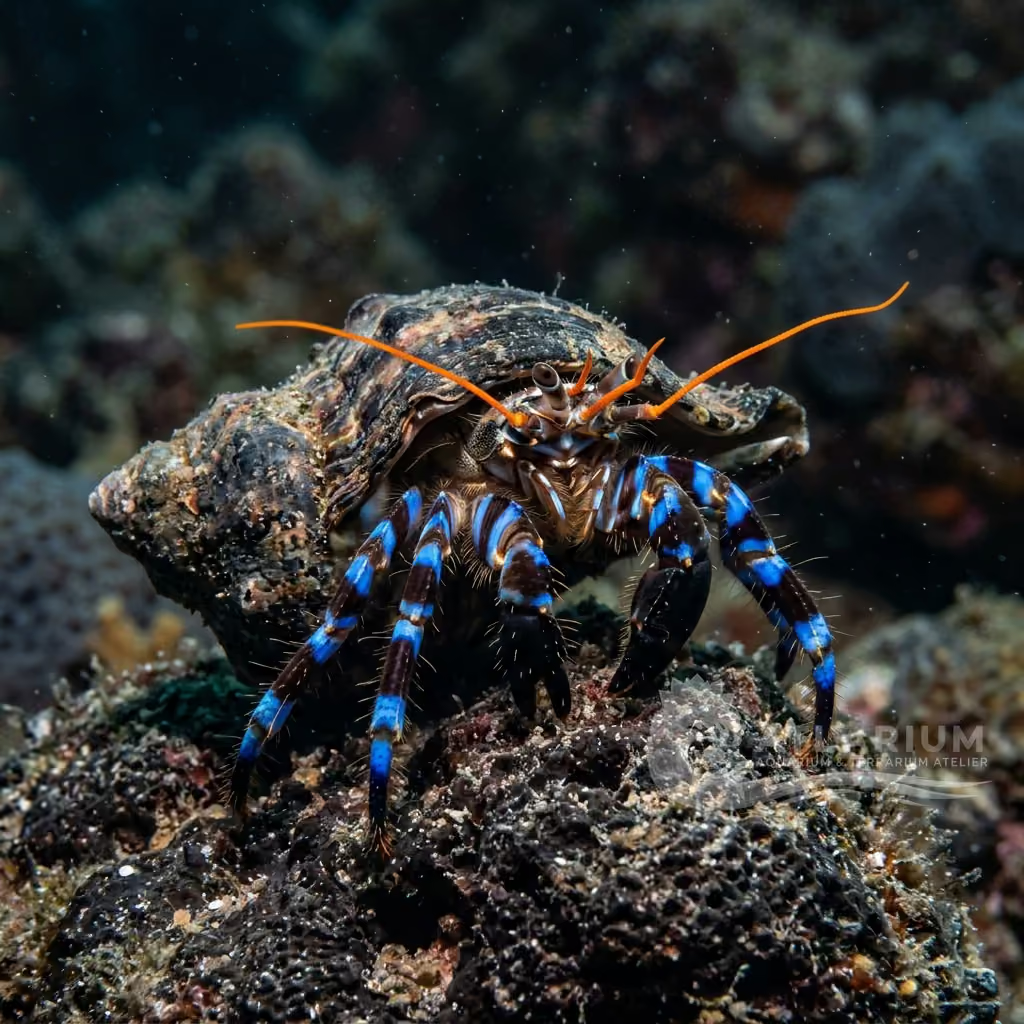
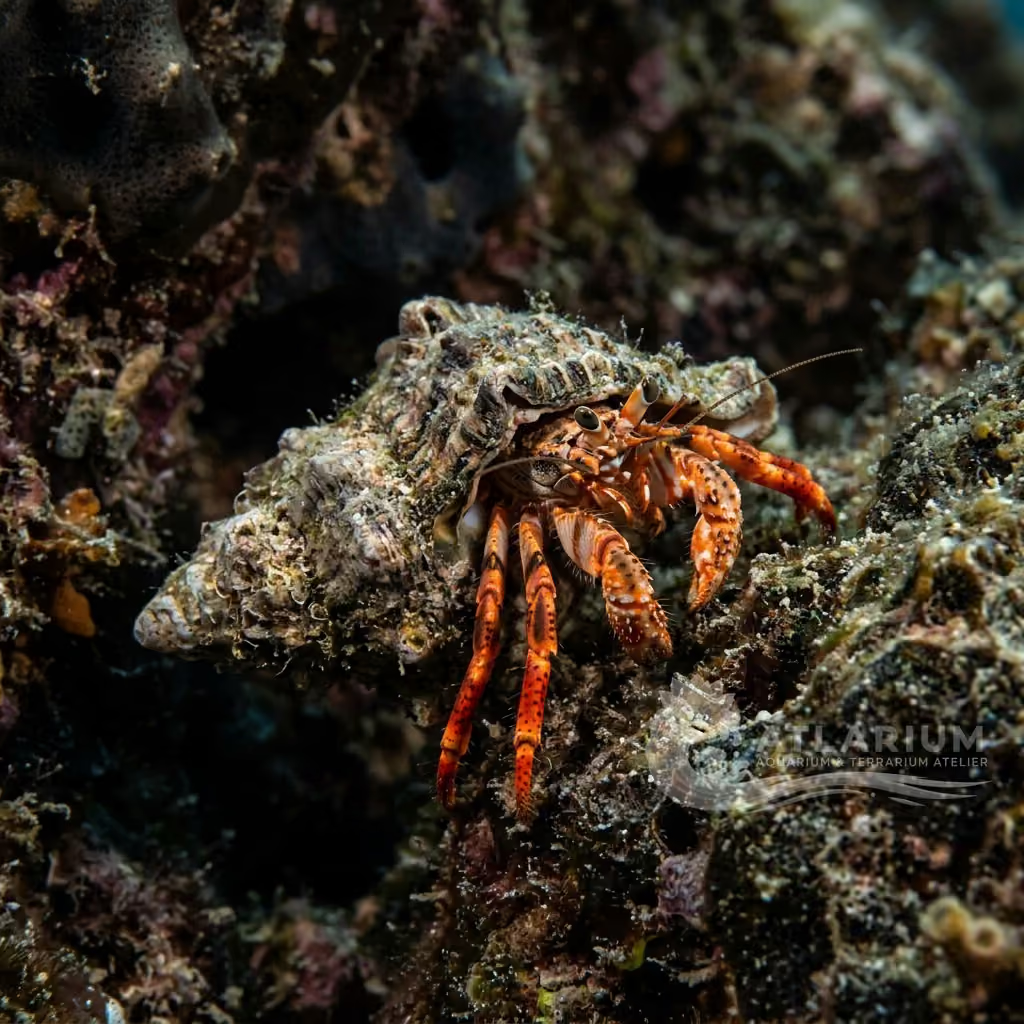
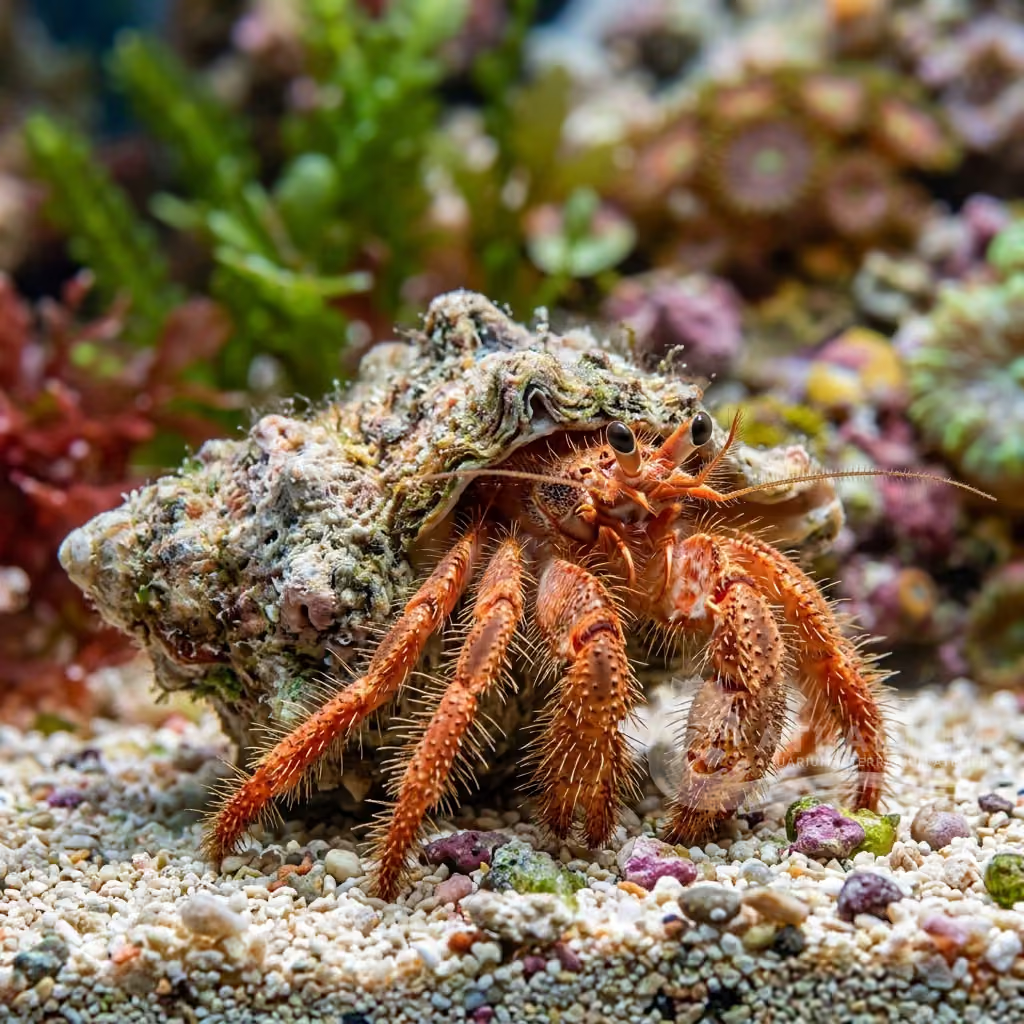
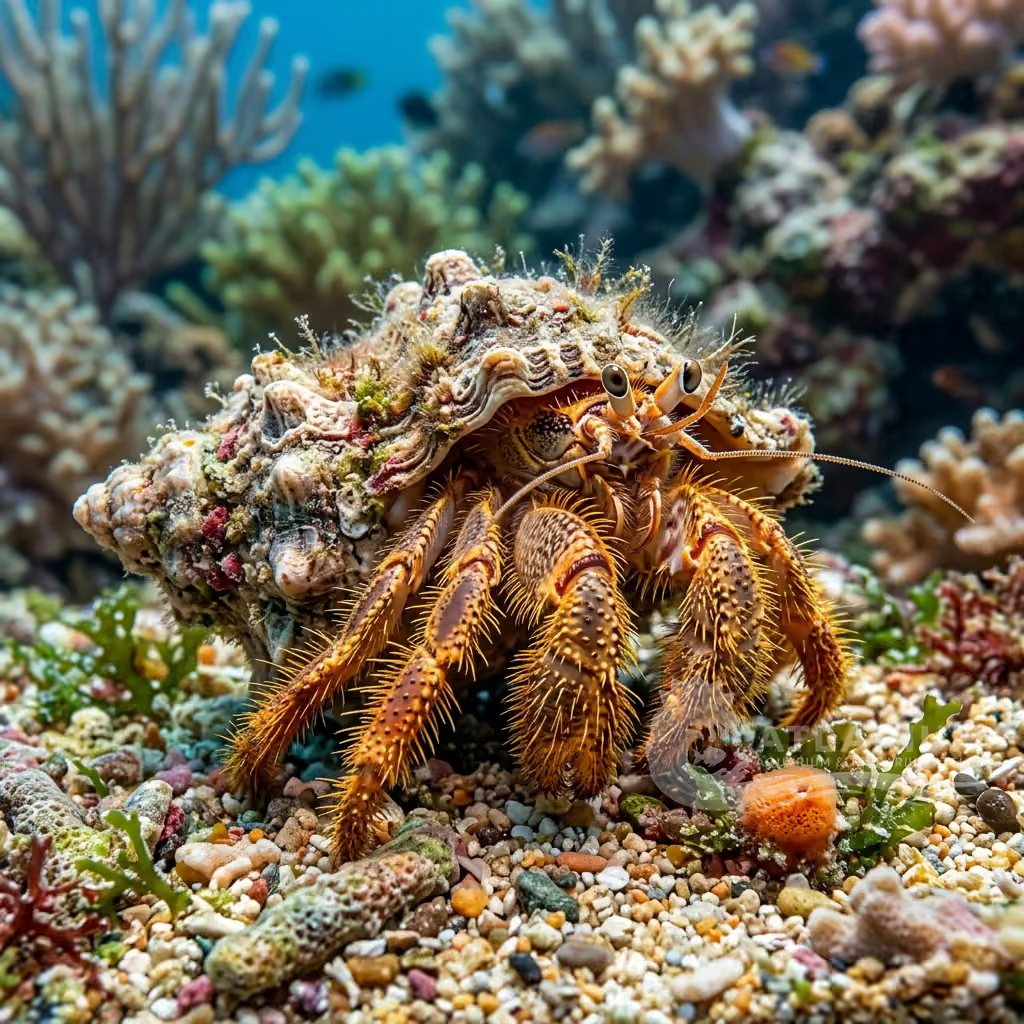
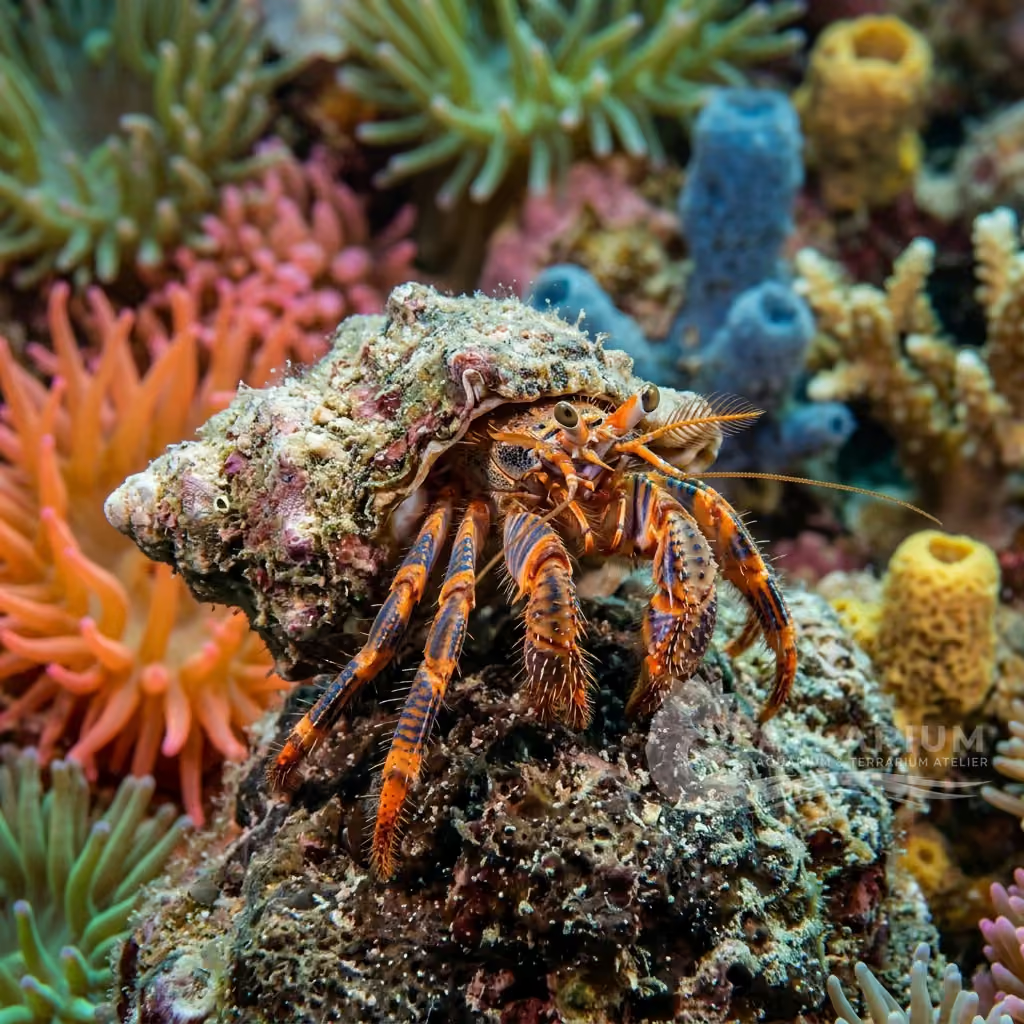
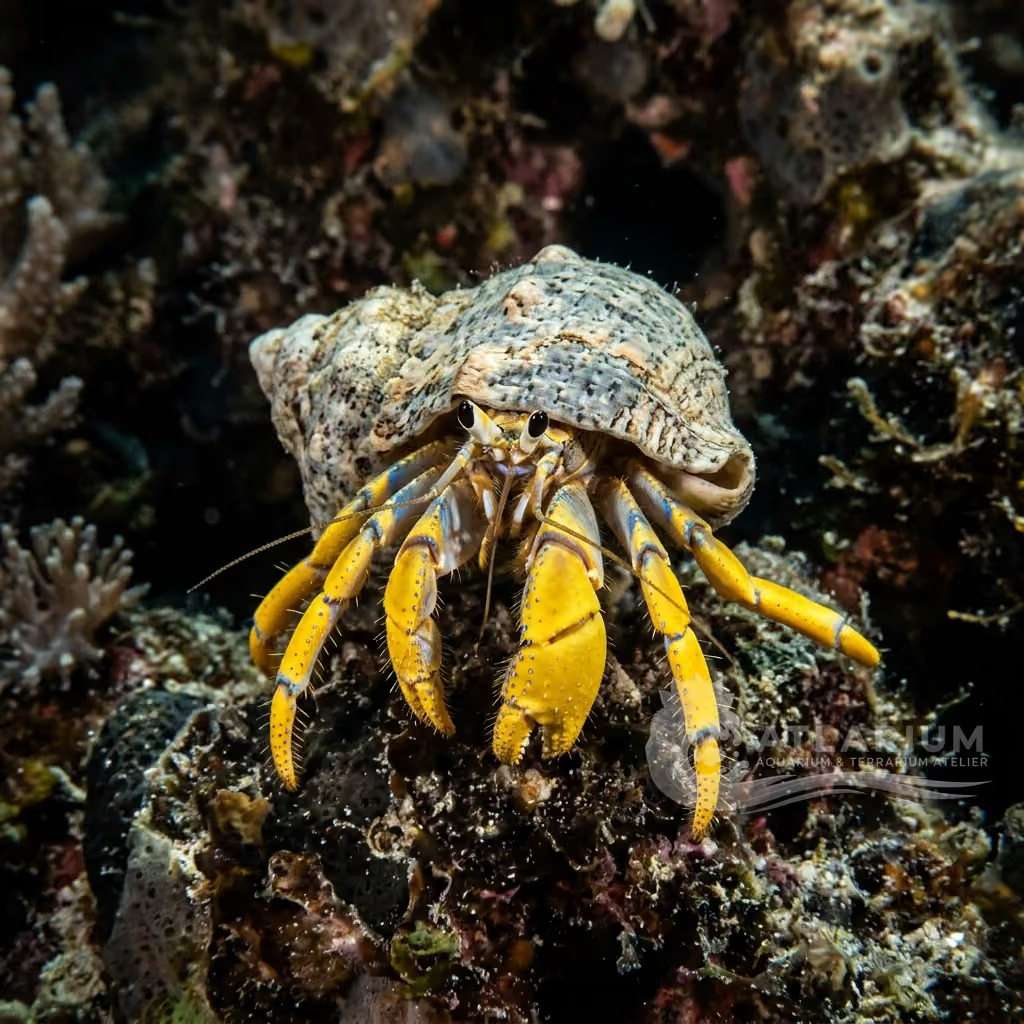
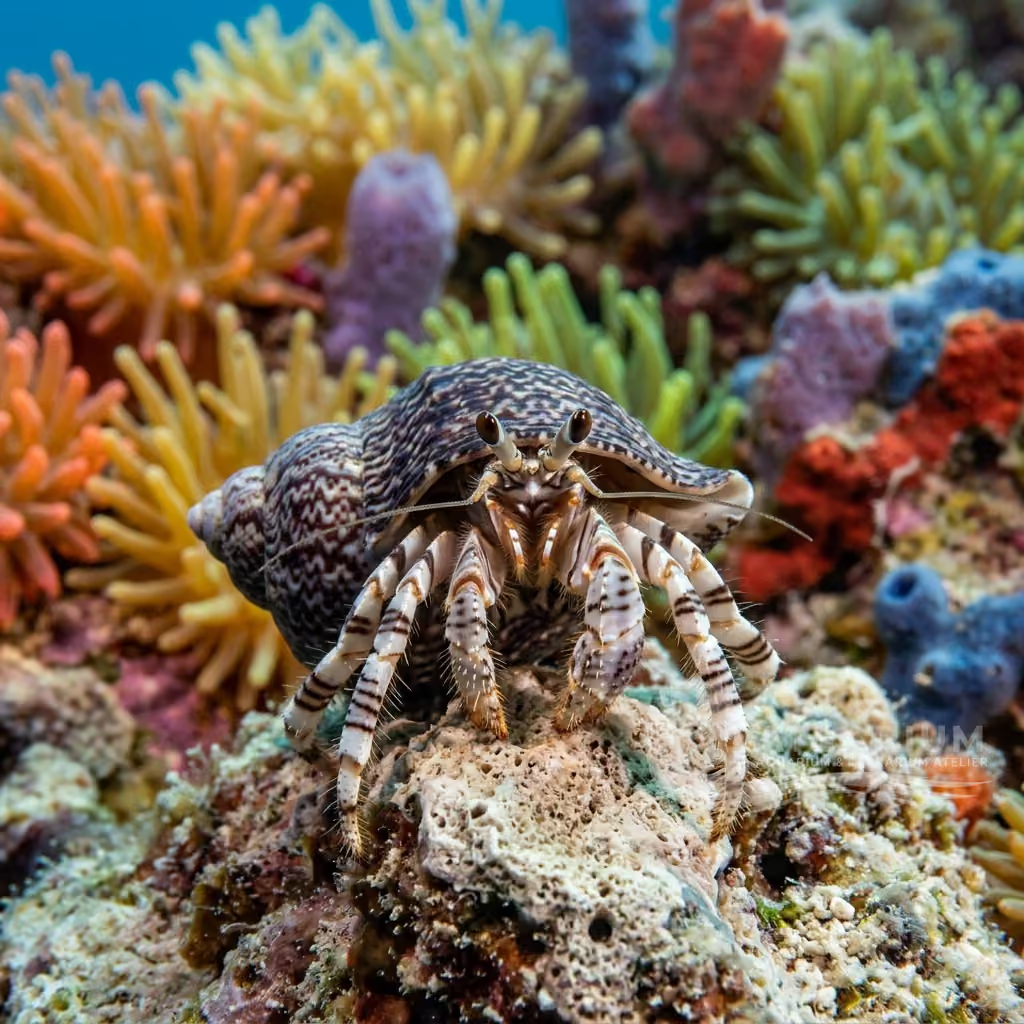
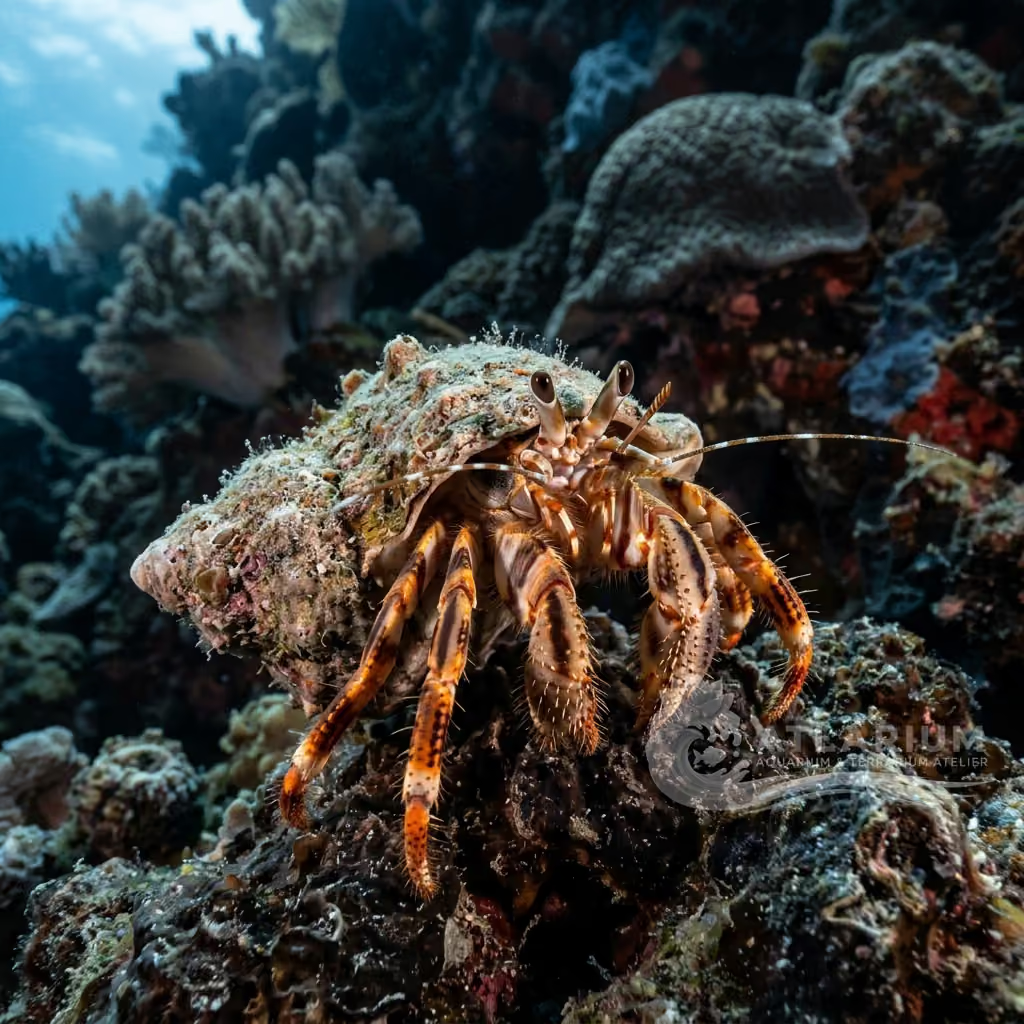
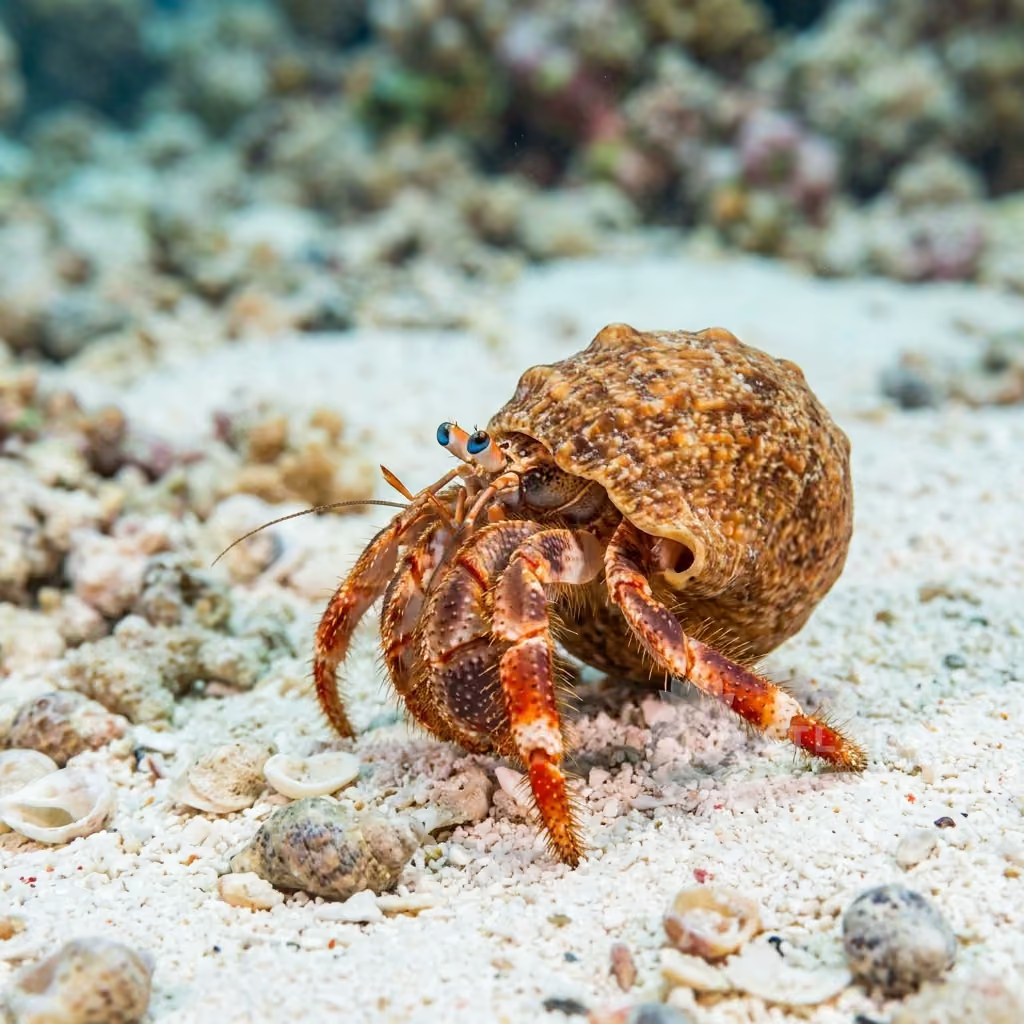
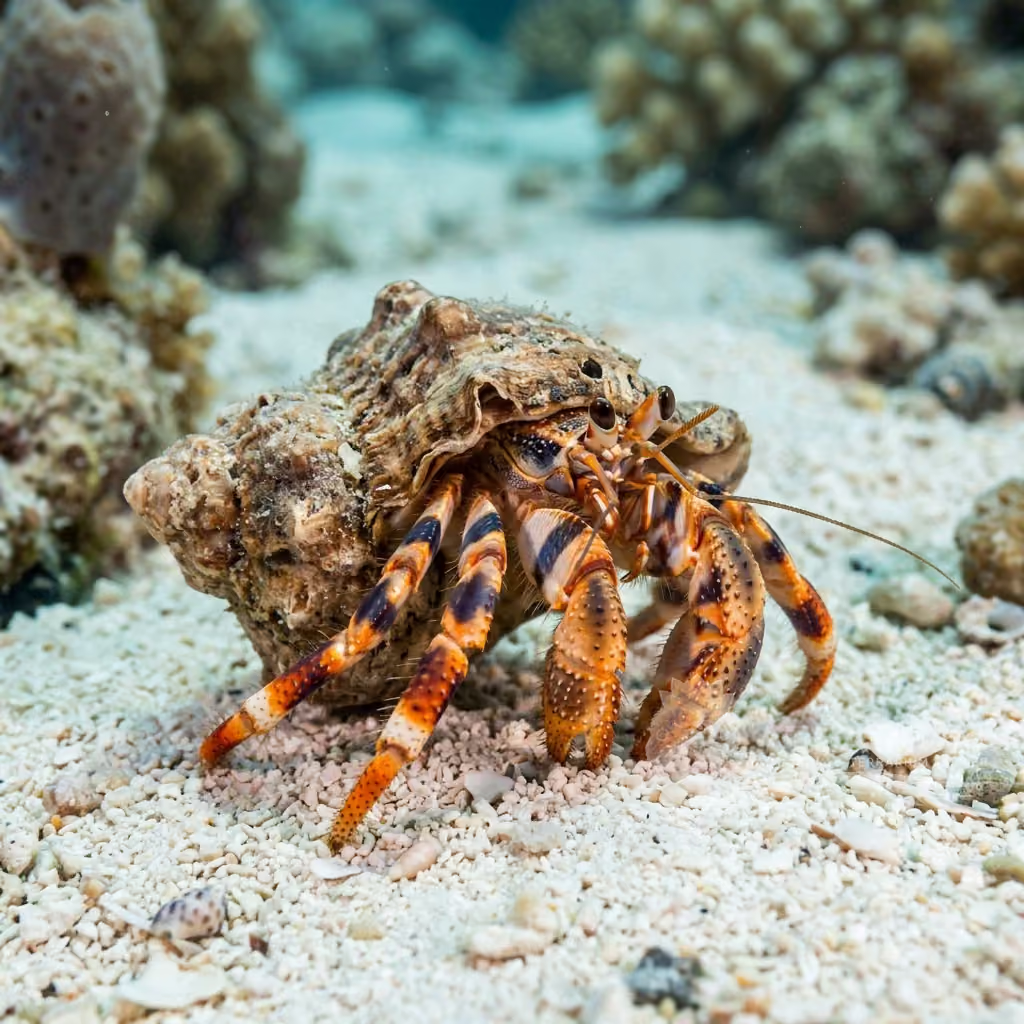
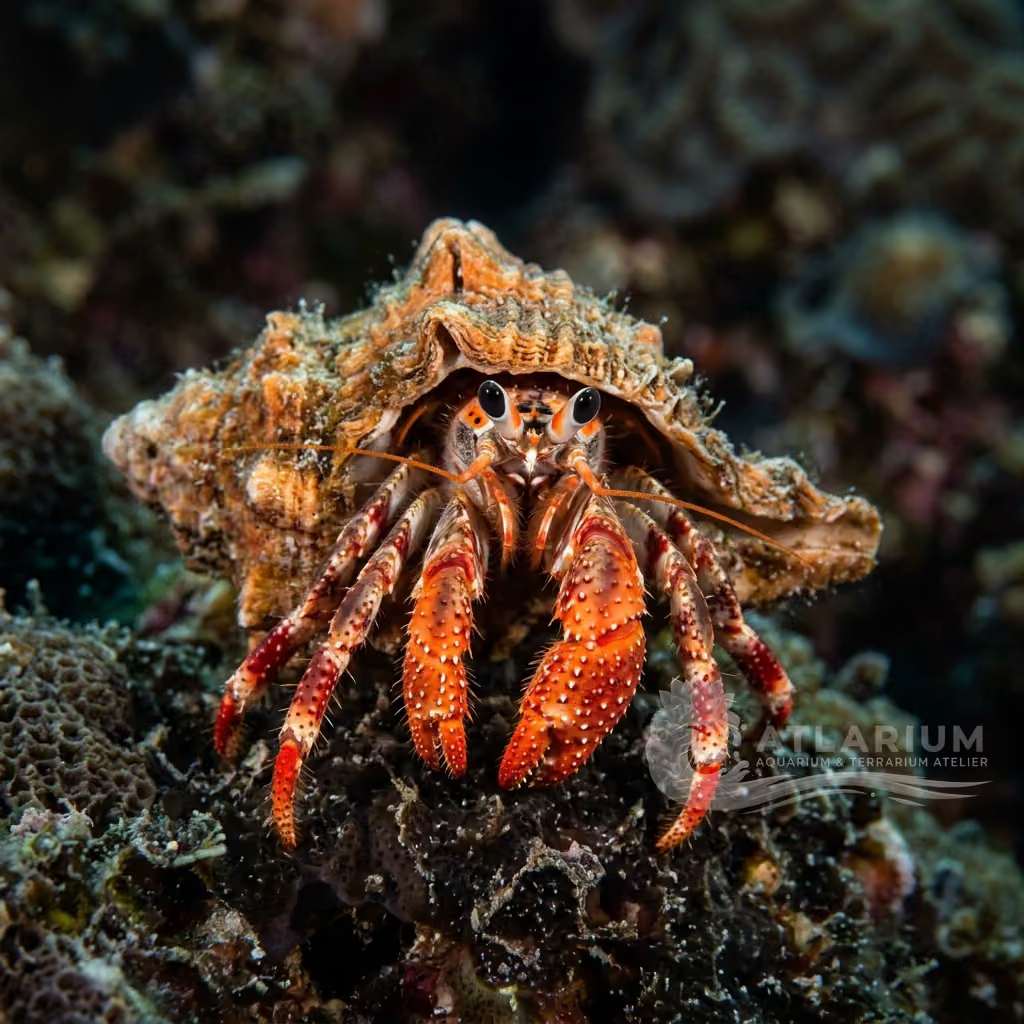
White hermit crab
Calcinus minutus
The White Hermit Crab is a tiny, peaceful reef-safe species. A masterful climber, it meticulously cleans live rocks and corals from nuisance algae, essential for pristine nano aquarium maintenance.
Water Temperature
22 - 28 °C
pH Value
8.1 - 8.4
Water type
Marine
Invertebrate type
Hermit crab
Adult size
1.5 cm
Minimum group
>= 1
KH
8 - 12 dKH
Ecological role
Scavenger
Copper sensitivity
High

Species description
Geographical Origin and Habitat: Calcinus minutus is widely distributed in the tropical waters of the Indo-Pacific, ranging from the coast of East Africa to the islands of French Polynesia, north to southern Japan, and south to the Great Barrier Reef. It inhabits shallow lagoons, coral reefs, and rubble zones at depths between 1 and 15 meters. It shows a strong preference for branching stony coral colonies like Acropora and Pocillopora, where it climbs to feed and shelter.
Taxonomy: Belonging to the class Malacostraca, order Decapoda, family Diogenidae, genus Calcinus. This family includes marine hermit crabs known for having the left claw usually larger than the right claw. The specific name 'minutus' emphasizes the small size of this species compared to other members of the genus.
Social Behavior: It is a peaceful, active, and gregarious organism. It spends its time scanning rocks and coral branches in search of food. Unlike larger and more aggressive hermit crabs, Calcinus minutus is harmless to corals and does not attack fish or other invertebrates. It undergoes regular molts, requiring empty gastropod shells to grow.
Coloration and Sexual Dimorphism: The coloration is unique and makes it easily recognizable: the body and legs are a uniform milky-white or cream color, with the tips of the legs and claws colored a bright orange or red. The eyes are positioned on long bluish eyestalks. There is no obvious sexual dimorphism to the naked eye.

Care, breeding and tankmates
Tank Setup: Suitable for nano-reefs starting from 30 liters (approx. 8 gallons). The setup must include live rock for climbing and a sandy bottom. It is critical to scatter empty snail shells of various sizes (slightly larger than the hermit's current shell) on the sand to allow for successful molts and prevent it from attacking live snails for their shells.
Diet and Feeding: An opportunistic detritivore and herbivore. It is an excellent cleaner that consumes filamentous algae, organic debris, leftover fish food, and bacterial biofilms. In the aquarium, it does not require targeted feeding, but benefits from occasional feedings of pellet foods or spirulina tablets.
Water Quality: Requires stable parameters: temperature 23-27°C (73-81°F), pH 8.1-8.4, specific gravity 1.021-1.025. Like all crustaceans, it is sensitive to sudden changes in salinity and the presence of copper in the water (often used in fish medications), which is lethal. It is important to maintain adequate levels of calcium and magnesium for shell growth.
Compatibility and Tankmates: It is completely reef-safe and an excellent member of the cleanup crew. It coexists peacefully with reef fish, hard corals, and soft corals. It can be housed with other hermit crabs and snails (such as Turbo or Astraea), provided there is an abundance of empty shells. Avoid predatory fish like triggerfish.
Aquarium Breeding: Breeding in the aquarium is extremely difficult. In the wild, after mating, the fertilized female carries the eggs under her abdomen until releasing the larvae (zoea) into the water. The planktonic larvae go through several developmental stages before settling on the bottom, requiring microscopic live food.
Risks and Diseases: The primary risk is molting failure due to a lack of iodine or calcium in the water, or the absence of suitable replacement shells. During molting, the hermit crab sheds its old exoskeleton and remains vulnerable for a few days; it is normal for it to stay hidden inside its shell until the new exoskeleton hardens.

Geographic origin and distribution
Calcinus minutus is widely distributed in the tropical waters of the Indo-Pacific, ranging from the coast of East Africa to the islands of French Polynesia, north to southern Japan, and south to the Great Barrier Reef. It inhabits shallow lagoons, coral reefs, and rubble zones at depths between 1 and 15 meters. It shows a strong preference for branching stony coral colonies like Acropora and Pocillopora, where it climbs to feed and shelter.
Origin
Tropical oceans and reefsAfrica and MadagascarEast Asia

Invertebrate profile
- Diet
- Omnivore
- Omnivorous detritivore. Scavenges for uneaten food and algae.
- Ecological role
- Scavenger
- Excellent cleanup crew member. Sifts through detritus and controls nuisance algae.
- Adult size
- 1.5 cm
- Jump risk
- Yes
- Does not jump, but can climb out of open aquariums. A lid is recommended.
- Shock sensitivity
- Medium
- Sensitive to sudden changes in salinity and temperature.
- Calcium and minerals
- Medium
- Requires adequate calcium levels to maintain a healthy exoskeleton.
- Molting
- Shell growth
- Will hide in the rockwork during molting. Leave the shed exoskeleton in the tank.
- Reproduction
- Oviparous
- While mating can occur in captivity, successfully breeding this hermit crab is exceptionally difficult. They exhibit an abbreviated larval development, producing a small number of large eggs. The female shelters the developing larvae inside her shell, but rearing the resulting offspring to their land-dwelling juvenile stage is rarely achieved by hobbyists.
- Compatibility & tankmates
- Peaceful
- Generally reef safe and peaceful. Provide empty shells to prevent snail predation.

Related species
Recommendations grouped by close relatives, companion choices, and similar care.