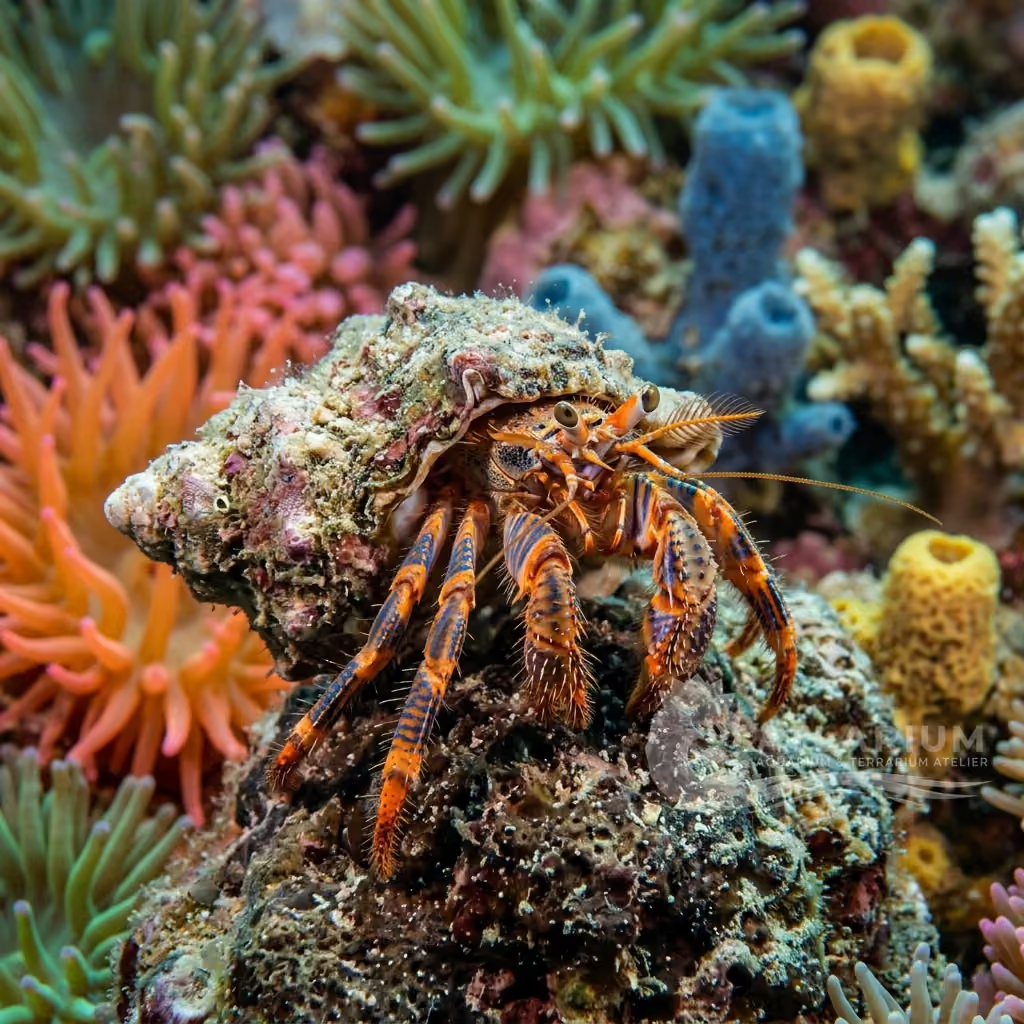
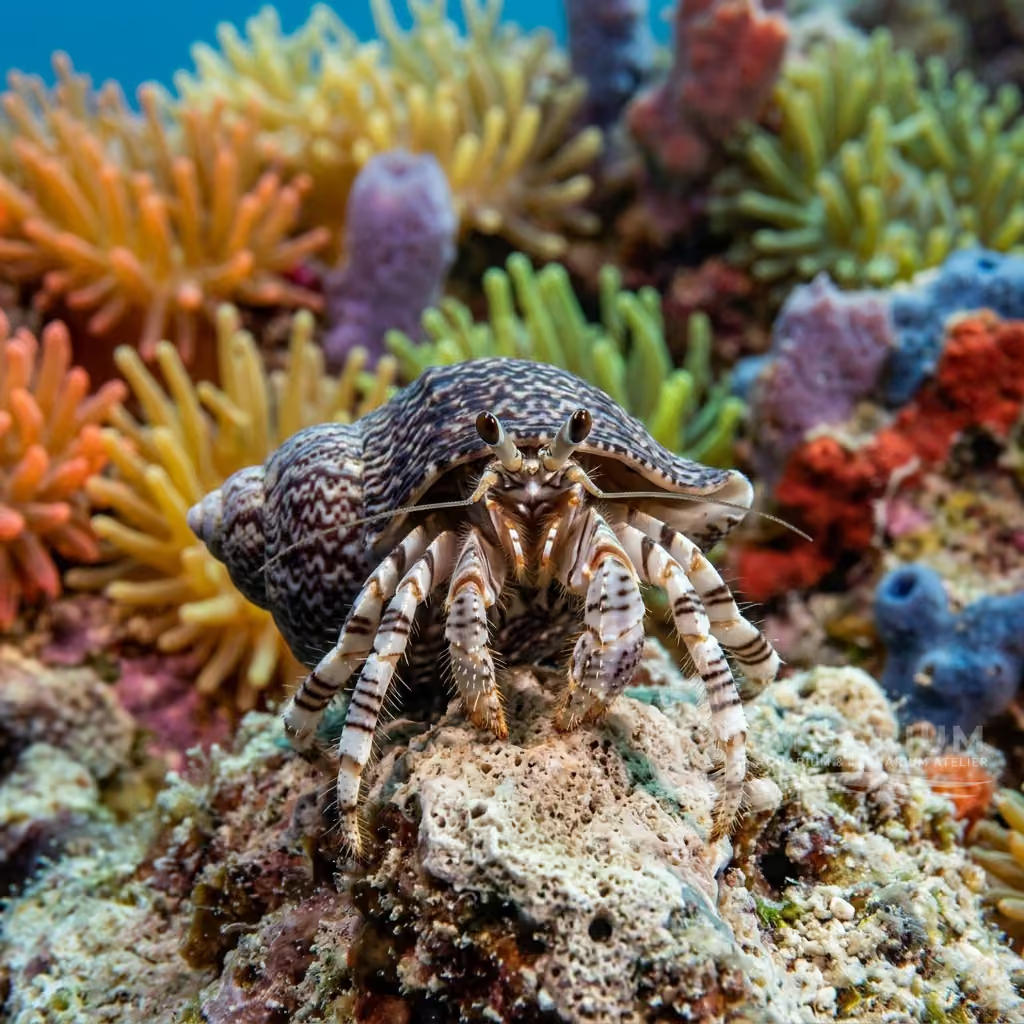
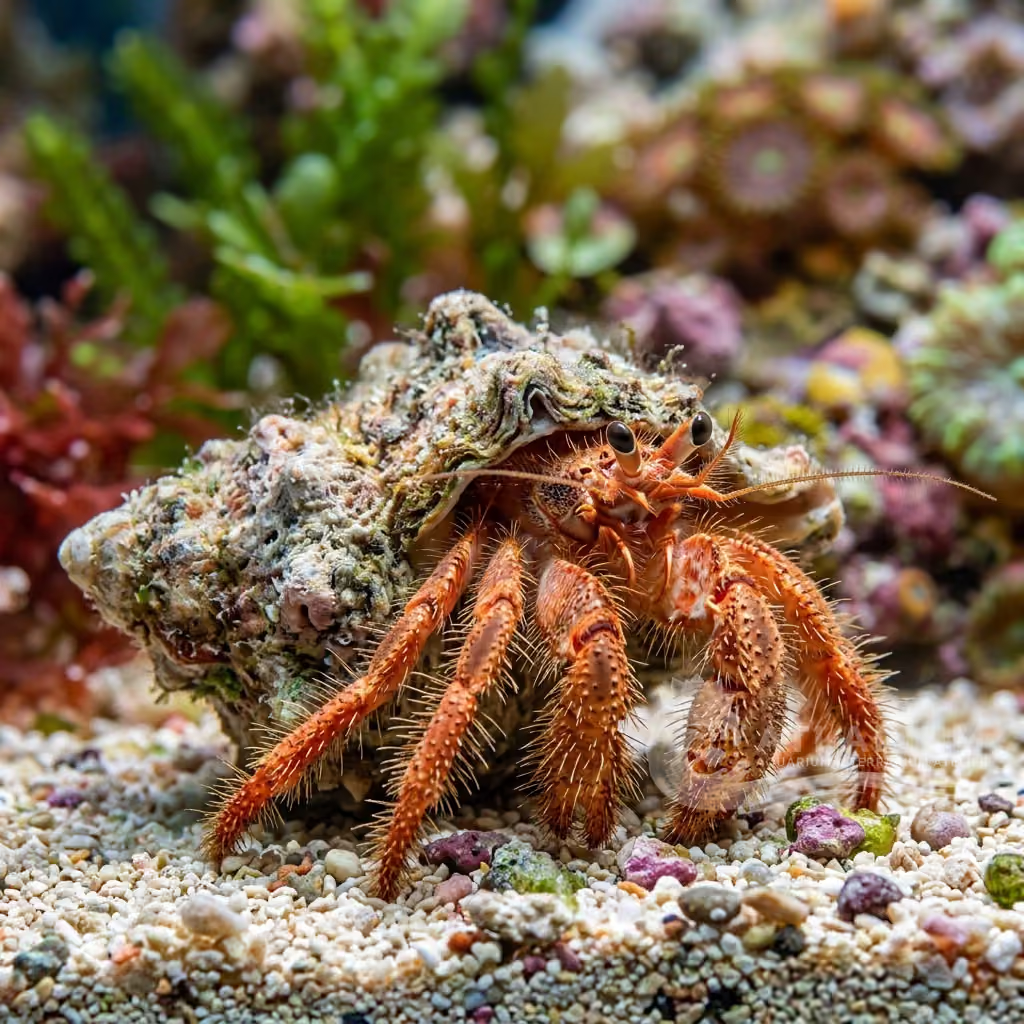
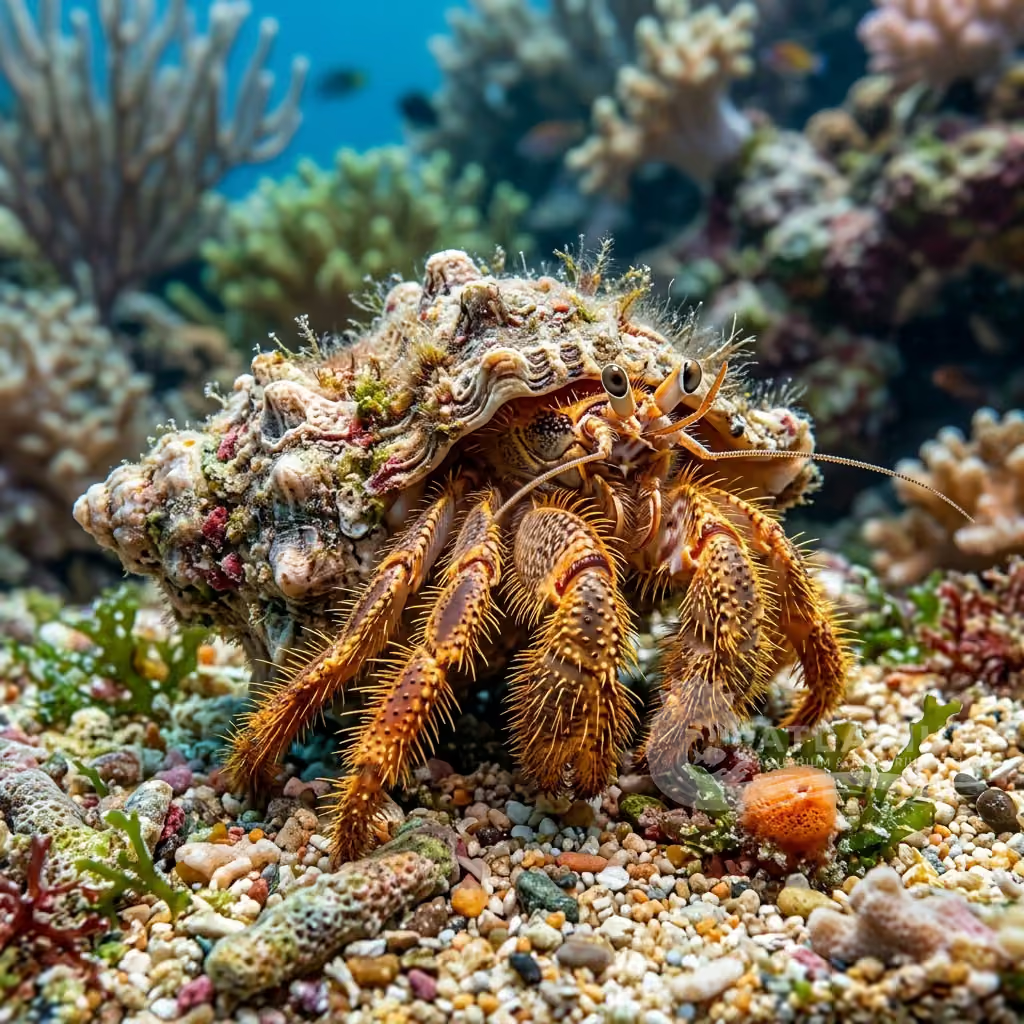
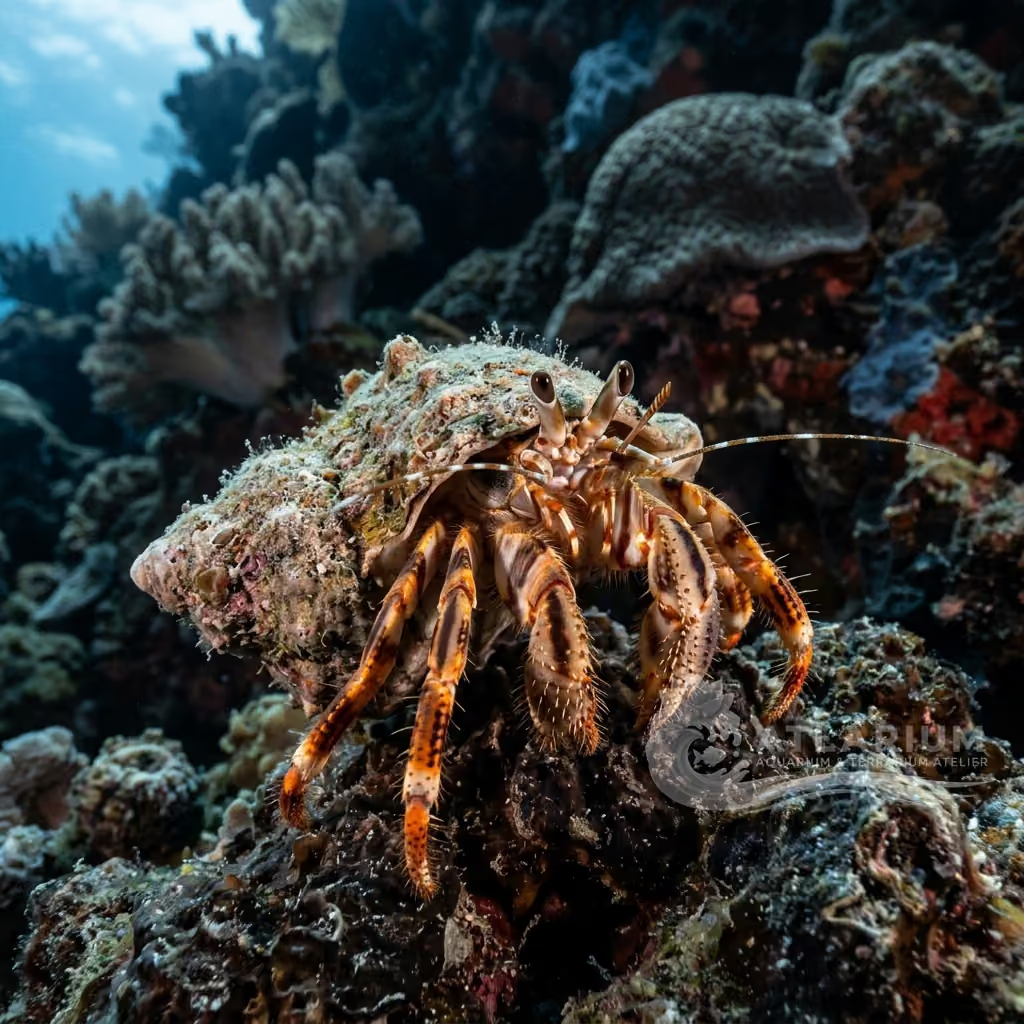
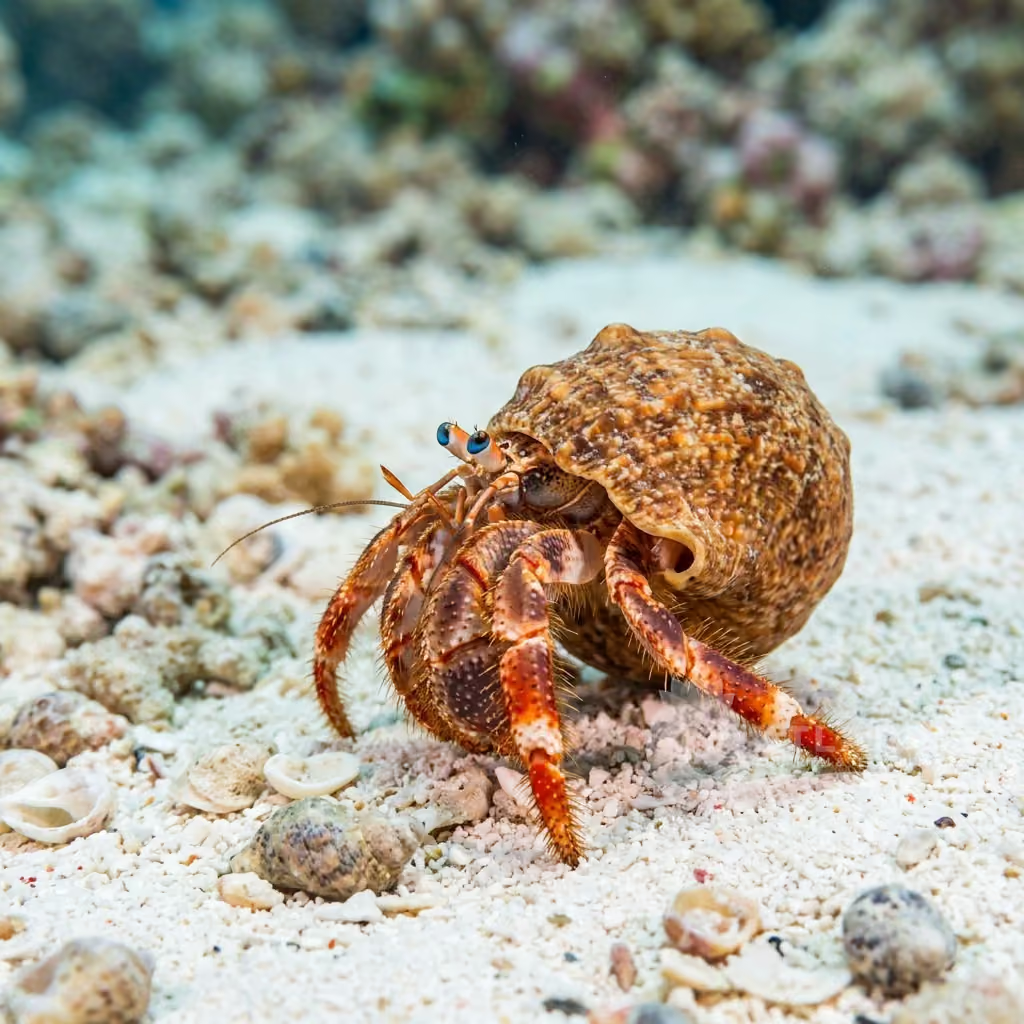
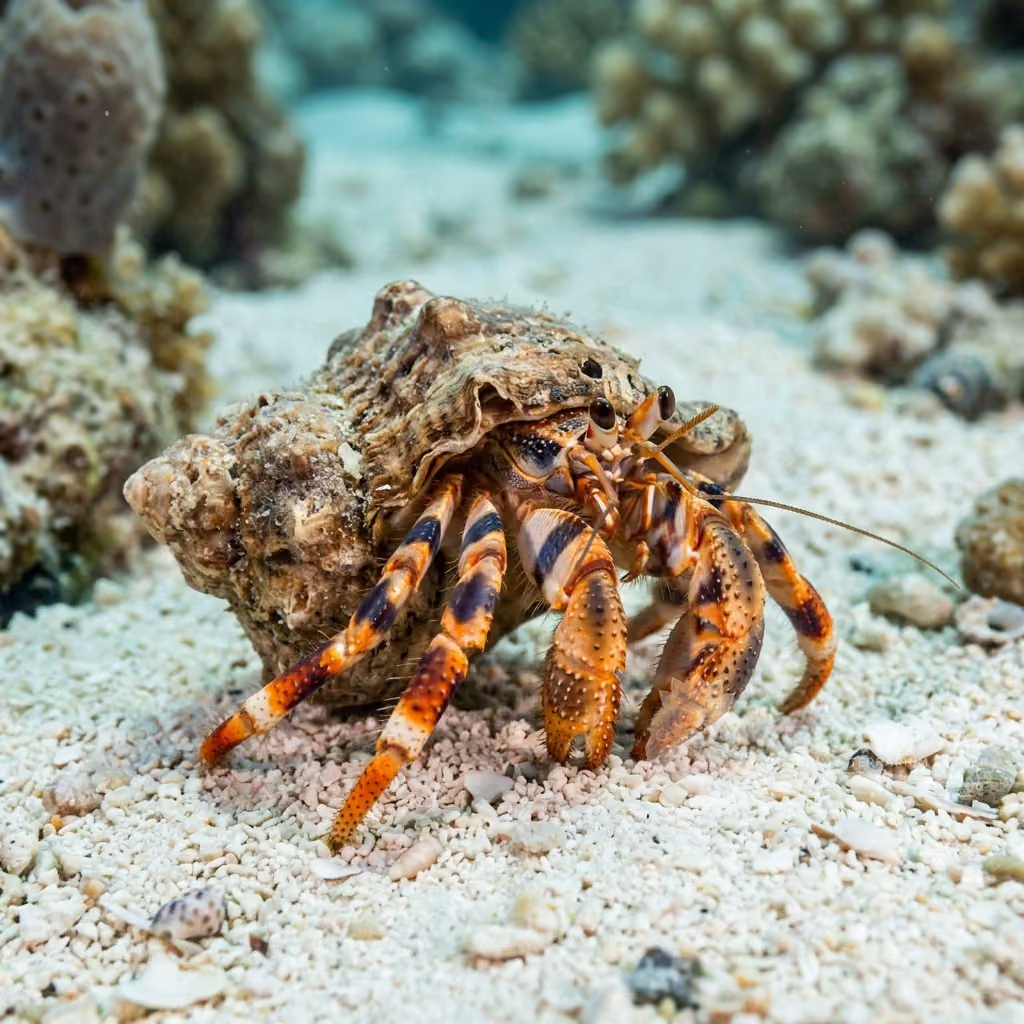
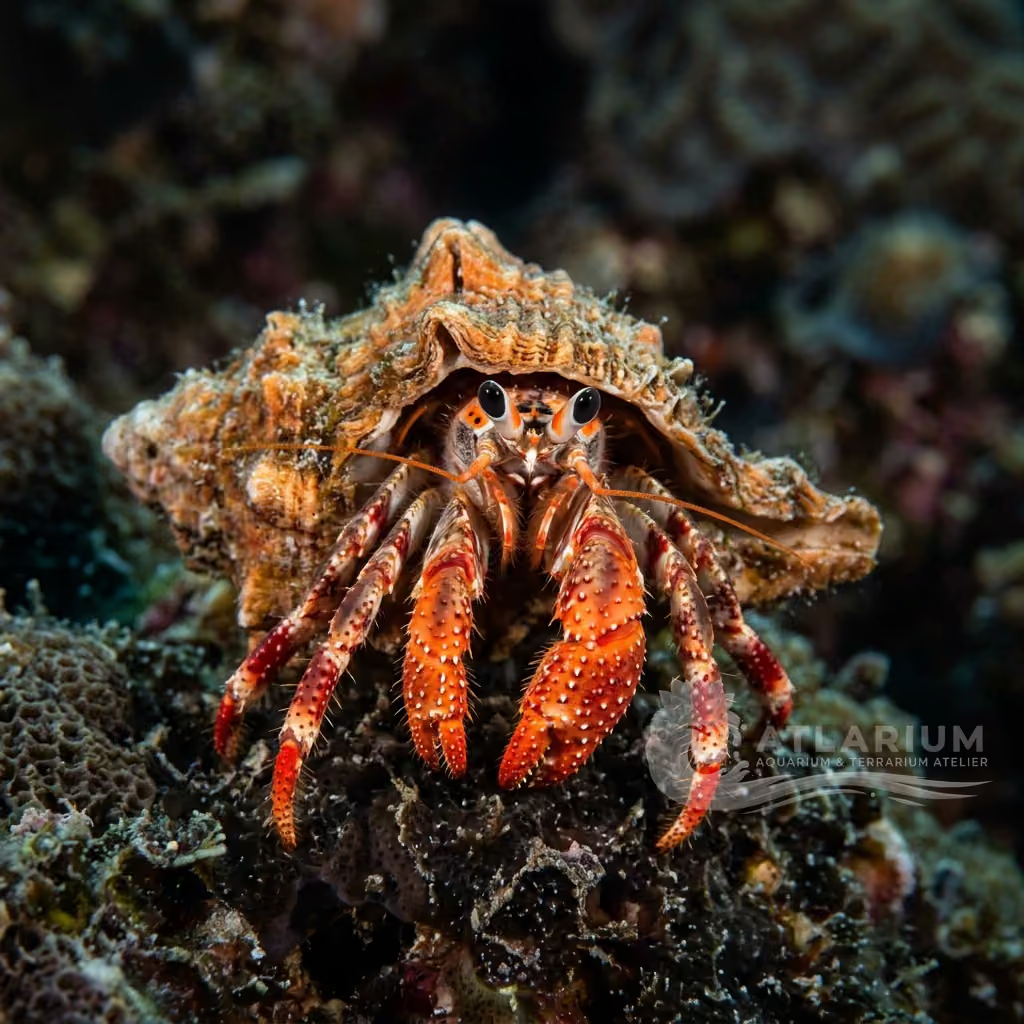
Yellow-tipped Hermit Crab
Clibanarius virescens
A resilient, highly common Indo-Pacific hermit crab with dark green legs tipped in yellow-cream. It serves as an exceptionally diligent reef scavenger.
Water Temperature
22 - 28 °C
pH Value
8.1 - 8.4
Water type
Marine
Invertebrate type
Hermit crab
Adult size
3 cm
Minimum group
>= 1
KH
8 - 12 dKH
Ecological role
Scavenger
Copper sensitivity
High

Species description
Geographical Origin and Habitat: Highly common throughout the tropical Indo-Pacific, from East Africa and the Red Sea to Australia, Polynesia, and southern Japan. Inhabits rocky shorelines and tide pools. They are highly resilient, having evolved to survive temporary exposure to air during low tide. They occupy the upper intertidal zones of rocky shores.
Taxonomy: Member of the family Diogenidae. Small hermit crab species growing to around 3 cm in total length. Has a robust body and prefers gastropod shells with round openings. The genus Clibanarius is widely distributed in tropical and subtropical shallow waters. They are commonly known as the yellow-tipped hermit crab.
Social Behavior: Peaceful, active, and highly gregarious. Forms very large groups along the intertidal shoreline. Excellent climber that active explores live rocks. They actively search for new shells, often inspecting and fighting over available options. Shell exchange rituals are common in large groups.
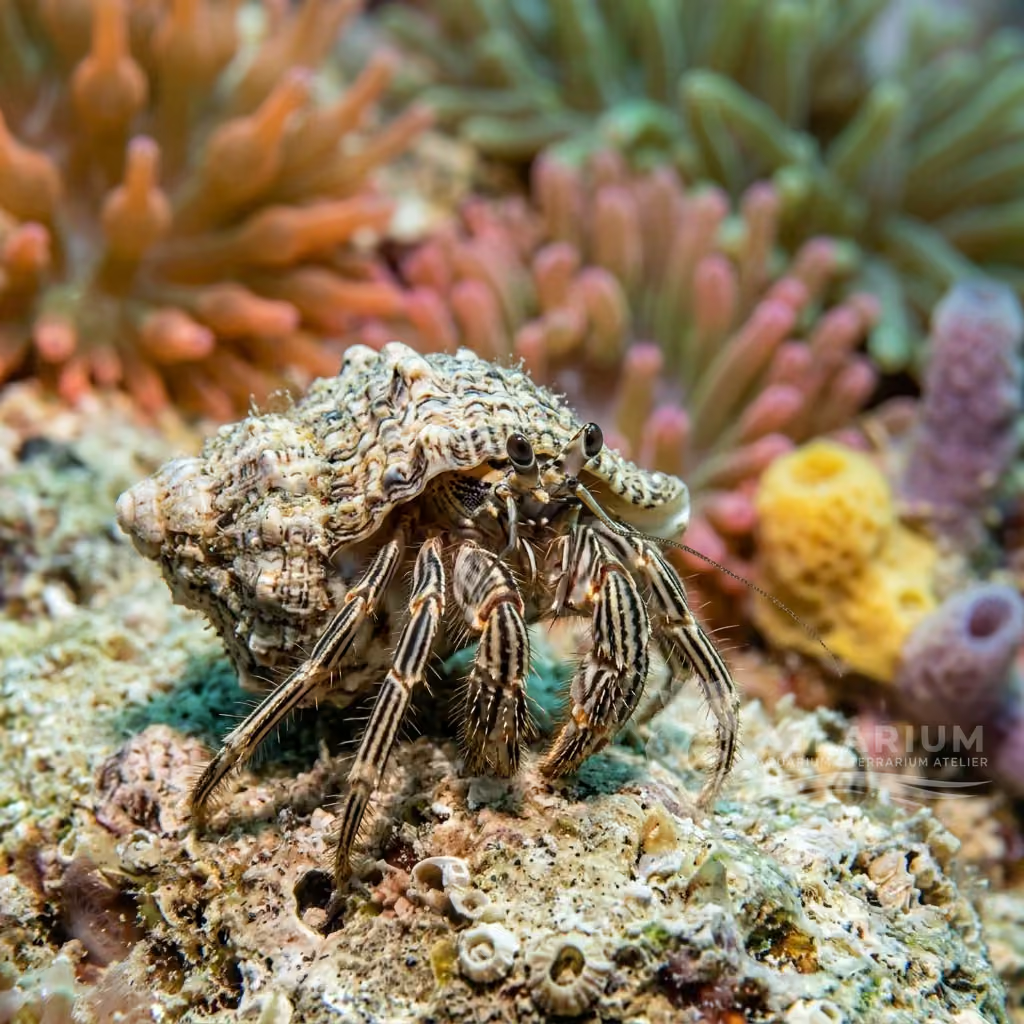
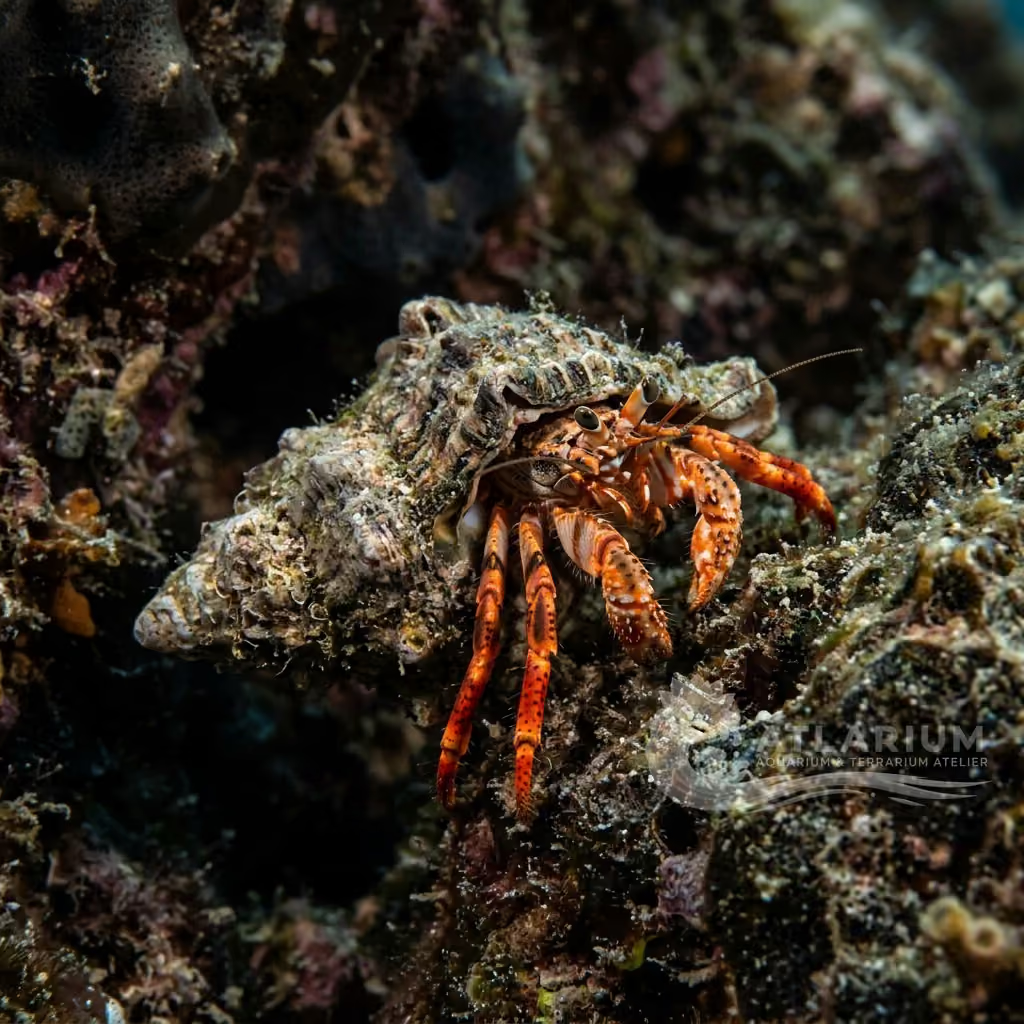
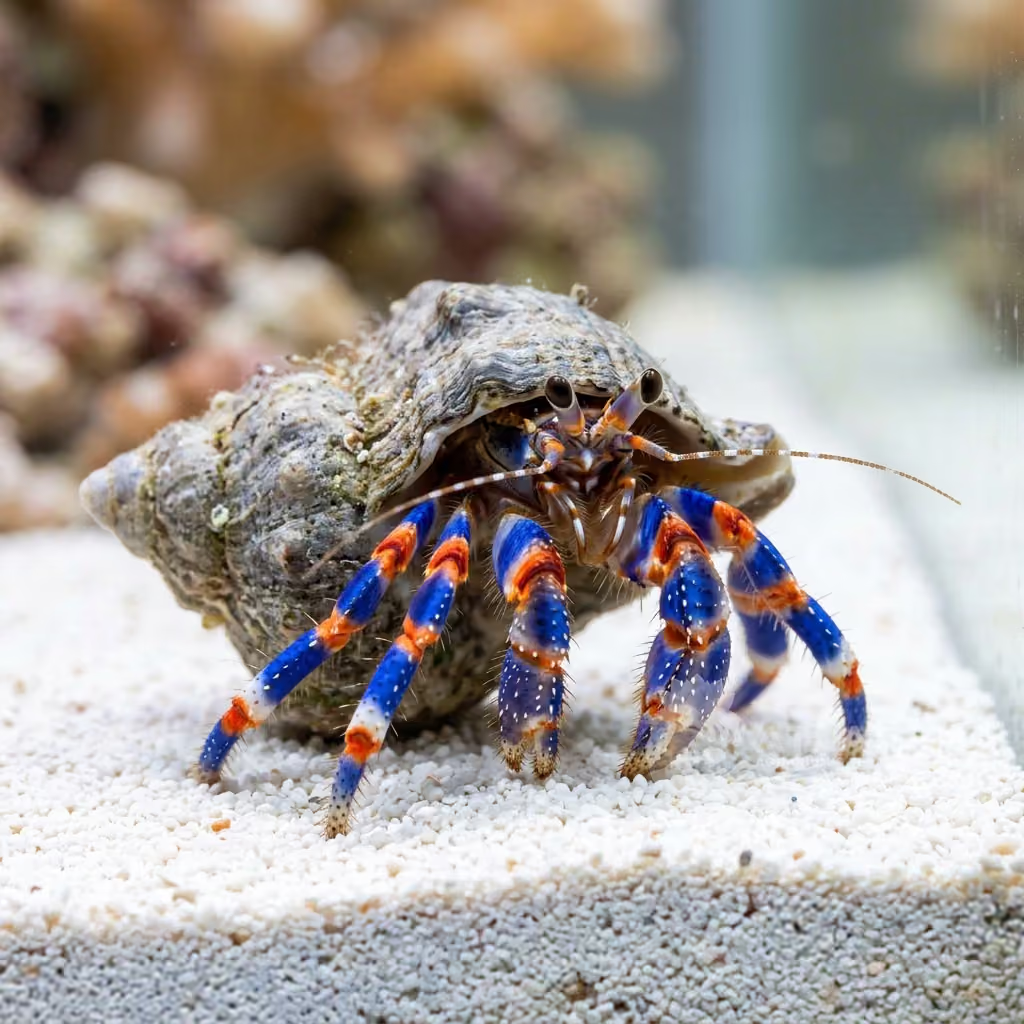
Coloration and Sexual Dimorphism: Walking legs are dark olive-green, greenish-brown, or almost black. Characterized by pale yellow, cream, or white tips on the claws and legs. No visible sexual dimorphism. Their legs are banded, which serves as a visual identifier and camouflage. The claws have distinctive yellow or cream-colored tips.

Care, breeding and tankmates
Tank Setup: Suitable for tanks of 8 gallons or larger. Provide plenty of live rock for climbing and algae grazing. Empty gastropod shells of various sizes must be added to allow growth. Provide a mix of sandy areas and rocky structures to mimic their natural intertidal zone. Aragonite sand is ideal for buffering water pH.
Diet and Feeding: Herbivore and detritivore. Highly efficient at eating green hair algae, film algae, diatoms, and cyanobacteria. Accepts spirulina wafers and sinking pellets. They will graze on green hair algae, making them excellent members of a reef clean-up crew. Supplement their diet with pellet foods.
Water Quality: Stable marine parameters: SG 1.020-1.025, pH 8.1-8.4, temperature 22-28°C. Highly sensitive to copper treatments and elevated nitrates. Perform regular water changes to replenish essential minerals needed for shell growth. Calcium and magnesium levels must remain stable.
Compatibility and Tankmates: 100% reef-safe. Perfect Clean-Up Crew (CUC) member. Compatible with peaceful fish and corals. May occasionally target small live snails if empty shells are lacking. Avoid housing them with large predatory crabs or aggressive fish like puffers. Wrasses and hawkfish are also potential predators.
Aquarium Breeding: Microscopic larval stages are pelagic and complex, and do not survive standard home aquarium filtration systems. Breeding is difficult due to the planktonic larvae being easily damaged by filtration systems. Larval rearing requires specialized rotifers.
Risks and Diseases: Low iodine or calcium leading to failed molts. Lack of suitable replacement shells causes high stress. Highly sensitive to copper treatments. Ensure a slow acclimation process to prevent osmotic shock when introducing them to the tank. Use drip acclimation over at least one hour.

Geographic origin and distribution
Highly common throughout the tropical Indo-Pacific, from East Africa and the Red Sea to Australia, Polynesia, and southern Japan. Inhabits rocky shorelines and tide pools. They are highly resilient, having evolved to survive temporary exposure to air during low tide. They occupy the upper intertidal zones of rocky shores.
Origin
Tropical oceans and reefsAfrica and MadagascarEast AsiaAustralia, New Guinea, and Oceania

Invertebrate profile
- Diet
- Omnivore
- Omnivorous scavenger. Feeds on detritus, uneaten fish food, and nuisance algae. Supplemental feeding with sinking pellets is recommended if algae is scarce.
- Ecological role
- Scavenger
- Acts as part of the clean-up crew in marine aquariums. It helps keep the substrate aerated and free of decaying organic matter.
- Adult size
- 3 cm
- Jump risk
- Yes
- Not known to jump, but may climb out of the tank using equipment or exposed rockwork. A tight-fitting lid is recommended.
- Shock sensitivity
- Medium
- Sensitive to rapid changes in salinity, pH, and temperature. Acclimation should be done slowly using the drip method.
- Calcium and minerals
- Medium
- Requires adequate calcium levels in the water to maintain a healthy exoskeleton and support proper growth.
- Molting
- Shell growth
- Molts periodically as it grows. During this time, it is vulnerable and needs a safe hiding spot while its new exoskeleton hardens.
- Reproduction
- Oviparous
- Difficult to breed in captivity. Larvae require specialized planktonic stages and complex rearing environments to survive.
- Compatibility & tankmates
- Peaceful
- Generally peaceful with most fish and corals. May prey on small snails to steal their shells if empty ones are not provided.

Related species
Recommendations grouped by close relatives, companion choices, and similar care.