Tricolor Hermit Crab
Clibanarius sclopetarius
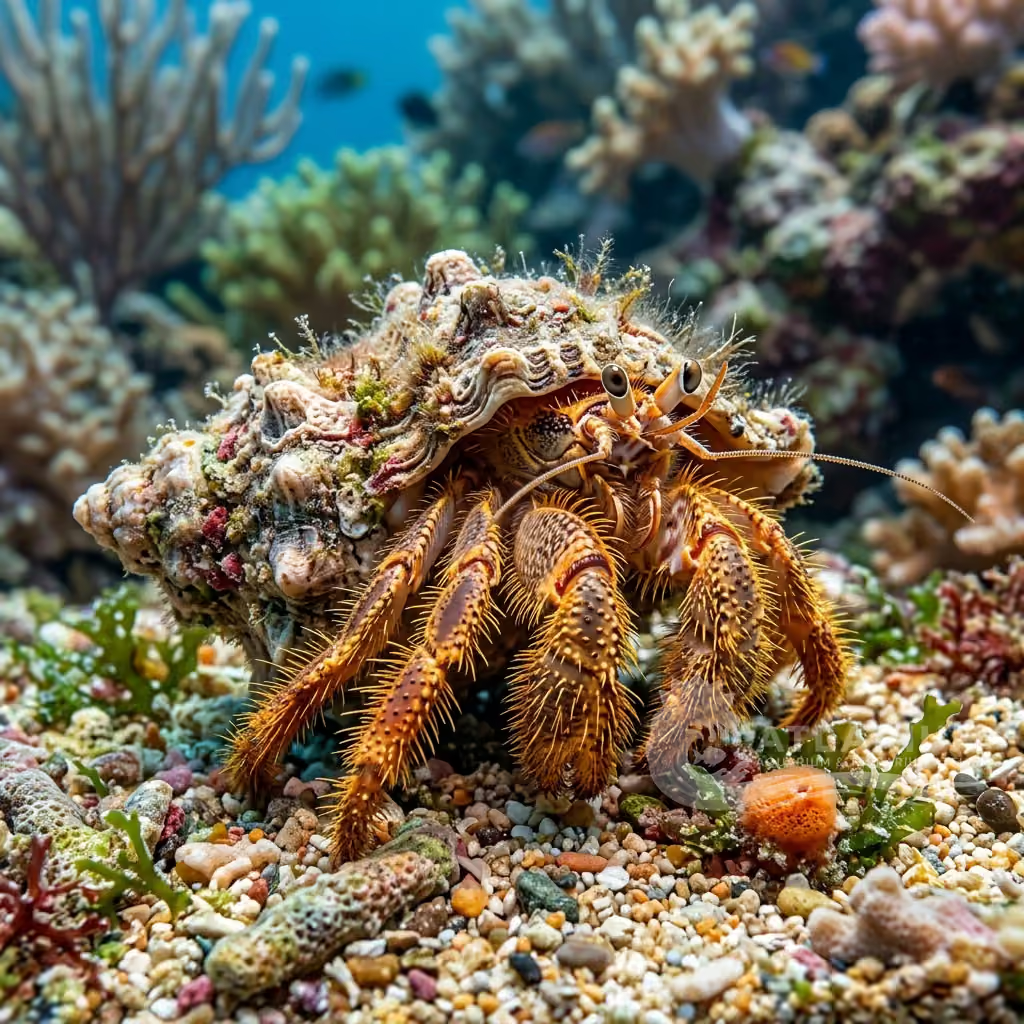
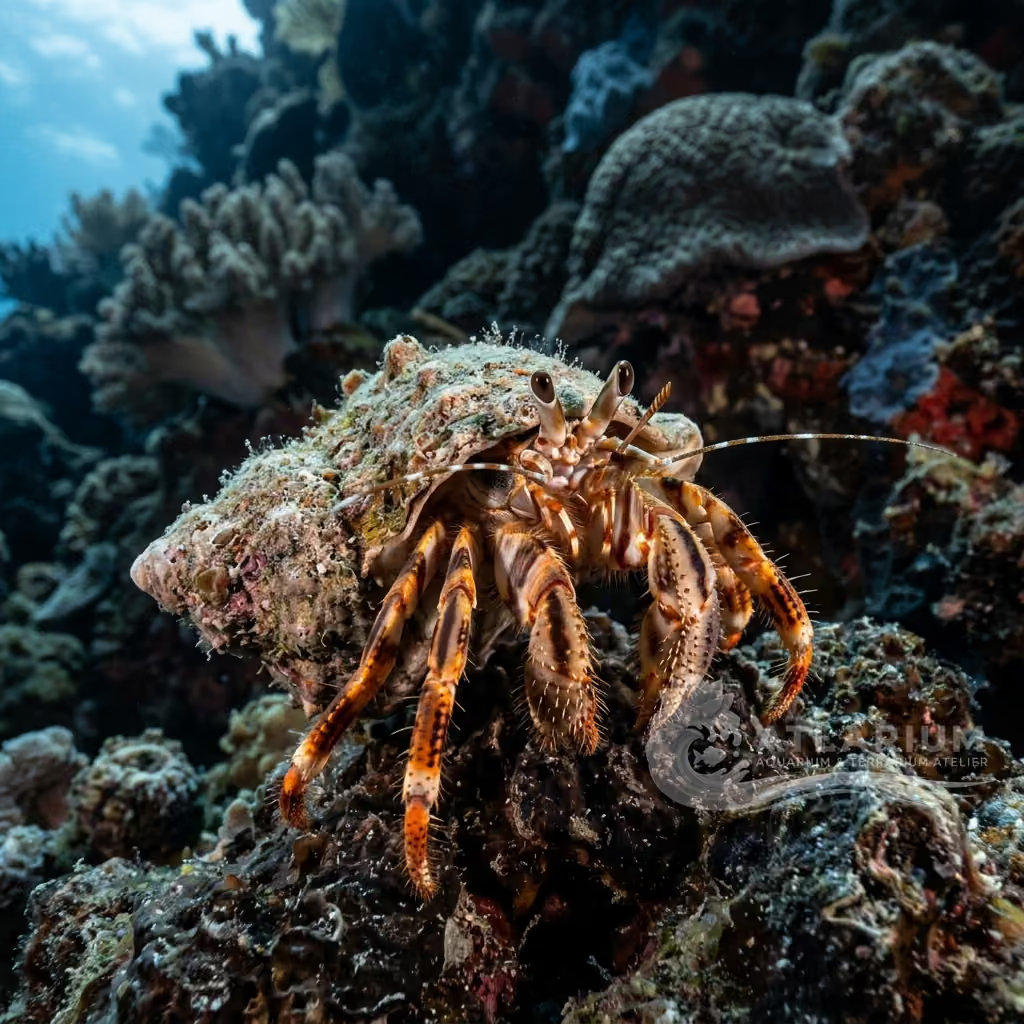
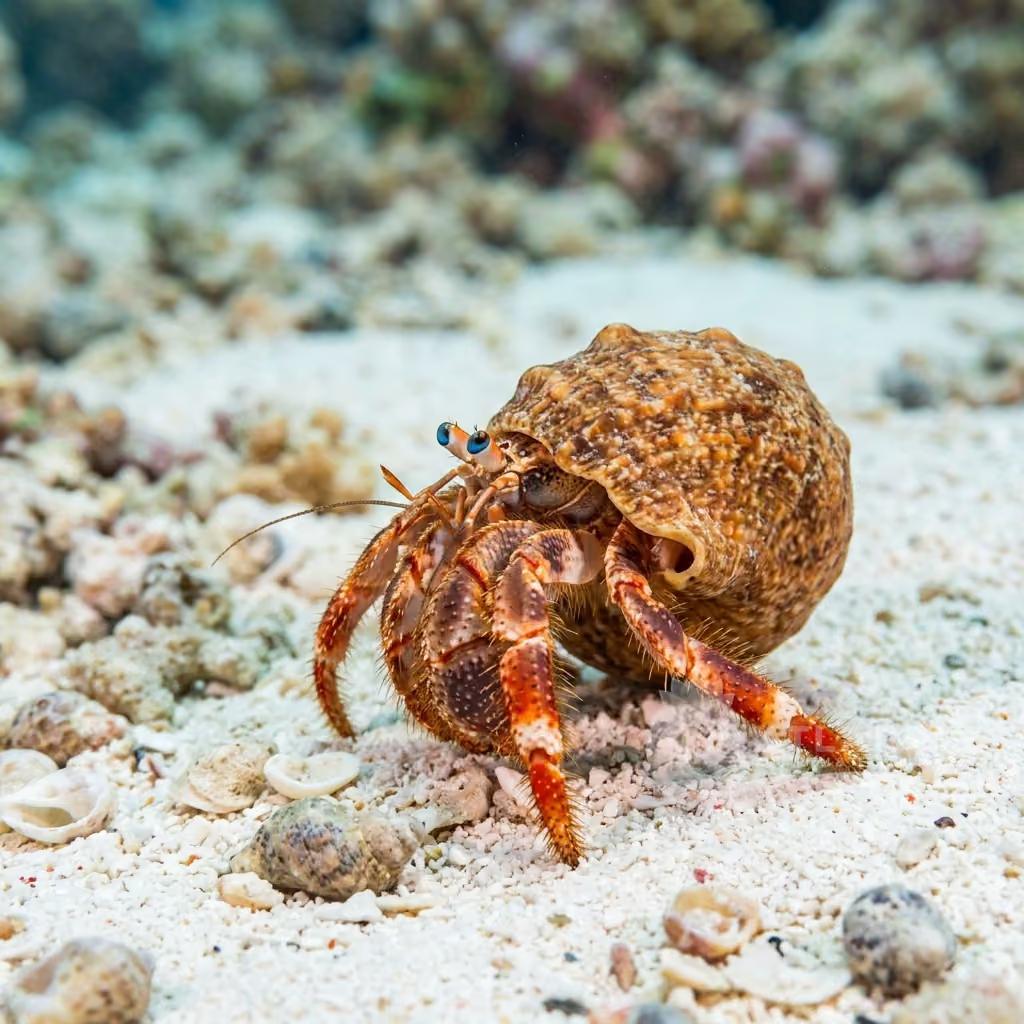
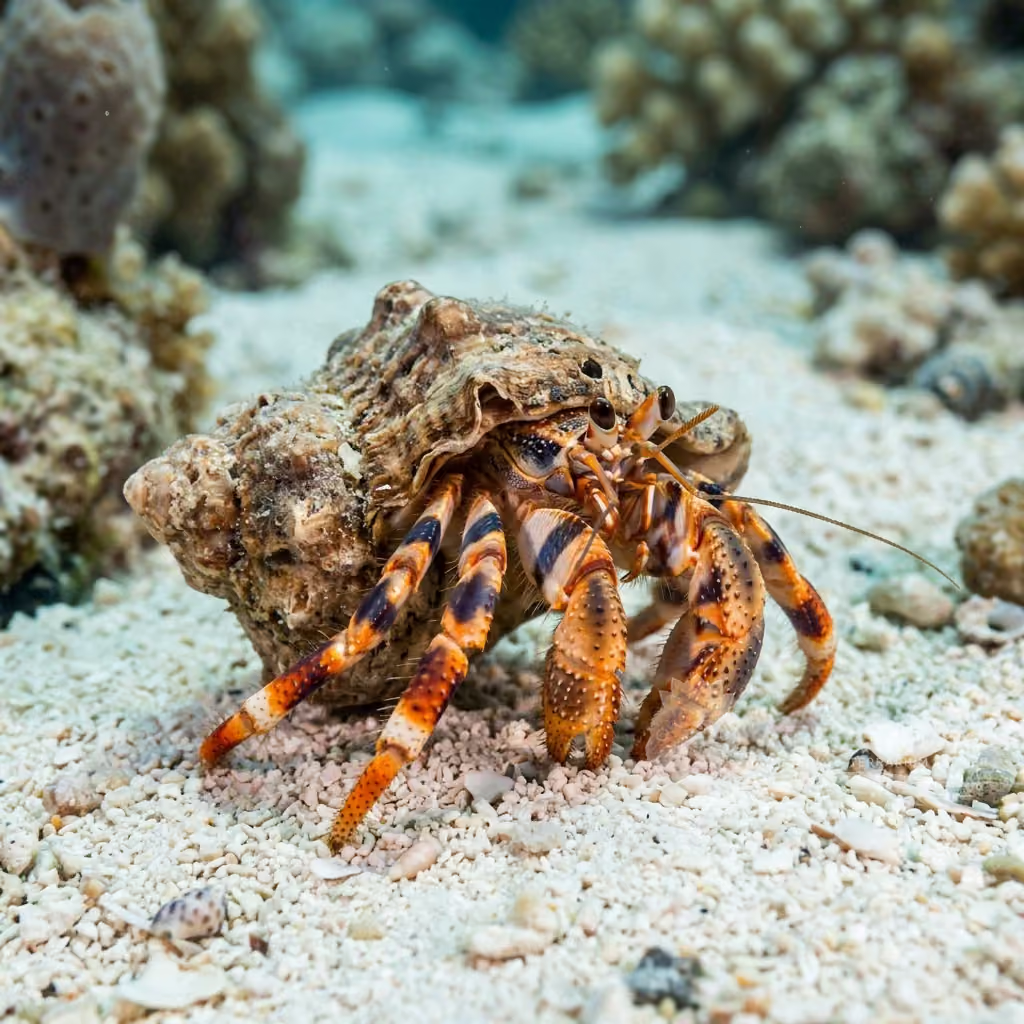
The tricolor hermit crab is a small, hard-working detritivore native to the Western Atlantic, highly valued in marine aquariums for its algae-eating habits.
Water Temperature
22 - 28 °C
pH Value
8.1 - 8.4
Water type
Marine
Invertebrate type
Hermit crab
Adult size
2.5 cm
Minimum group
>= 1
KH
8 - 12 dKH
Ecological role
Scavenger
Copper sensitivity
High

Species description
Geographical Origin and Habitat: Clibanarius cubensis is a small decapod crustacean widely distributed throughout the tropical and subtropical waters of the Western Atlantic Ocean. Its range includes the coastal waters of Florida, the Gulf of Mexico, the Caribbean Sea, and the northern coast of South America. It primarily inhabits shallow, sheltered coastal environments such as mangrove swamps, intertidal mud flats, seagrass beds, and tidal pools, where it can easily forage and find shelter from predators during low and high tide cycles.
Taxonomy: Taxononomically, it belongs to the family Diogenidae, a diverse group of marine hermit crabs characterized by having a left claw that is typically similar in size or slightly larger than the right. It is commonly referred to as the tricolor hermit crab or the Cuban mangrove hermit crab, highlighting its striking coloration and its close ecological association with estuarine and coastal mangrove habitats.
Social Behavior: This species is gregarious and is often found in large, dense aggregations along sandy or muddy shores in the wild. In an aquarium, they are active, peaceful, and relentless scavengers. They display no aggression toward other aquarium tankmates, except for occasional competition over vacant shells with other hermit crabs. This shell-seeking behavior is characteristic of all anomuran decapods, which must find progressively larger shells to house their growing soft abdomens.
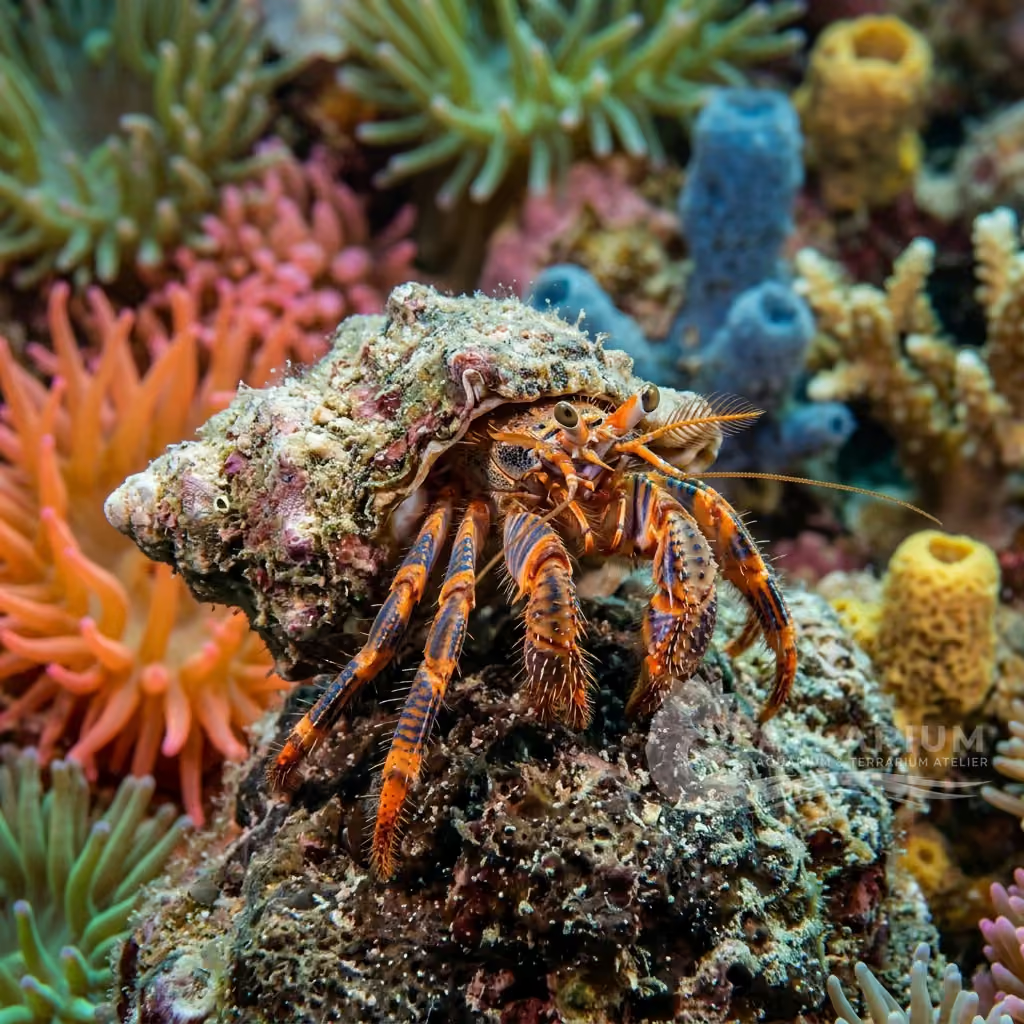
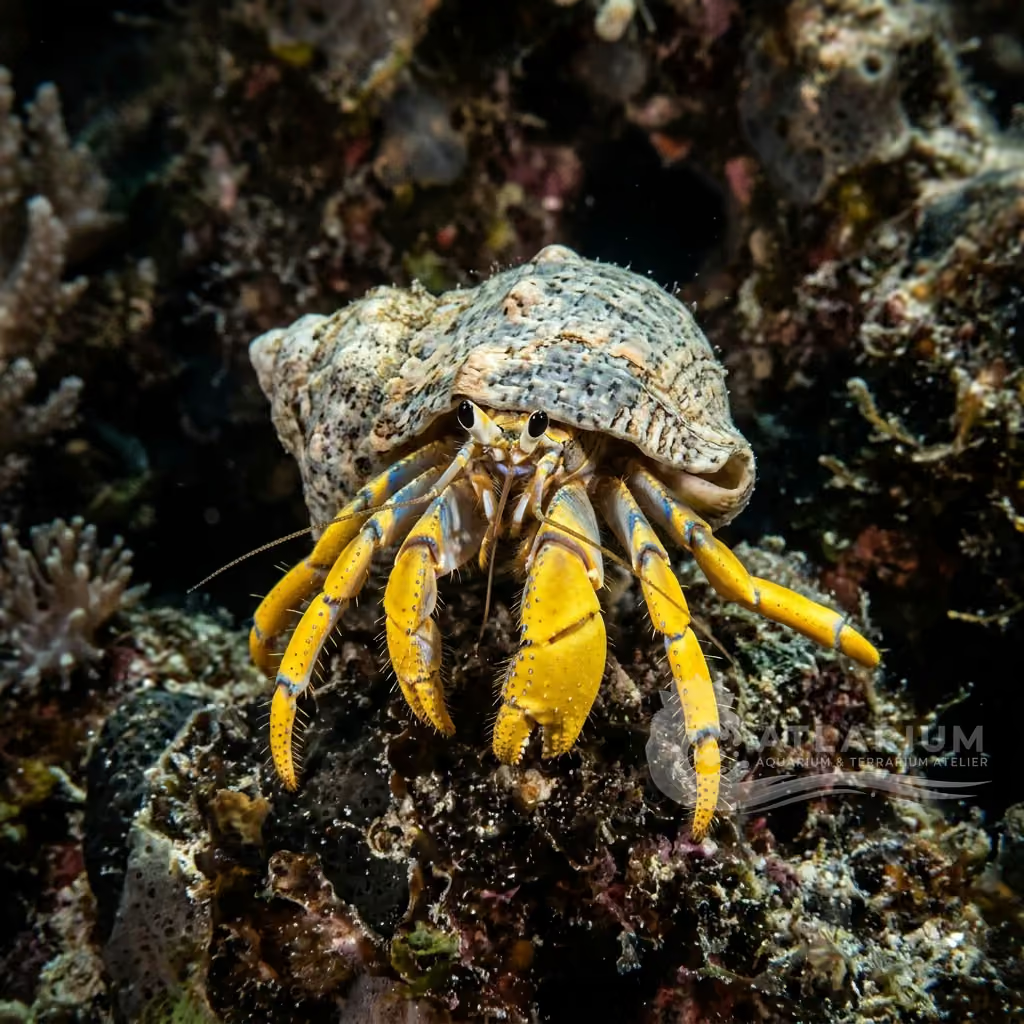
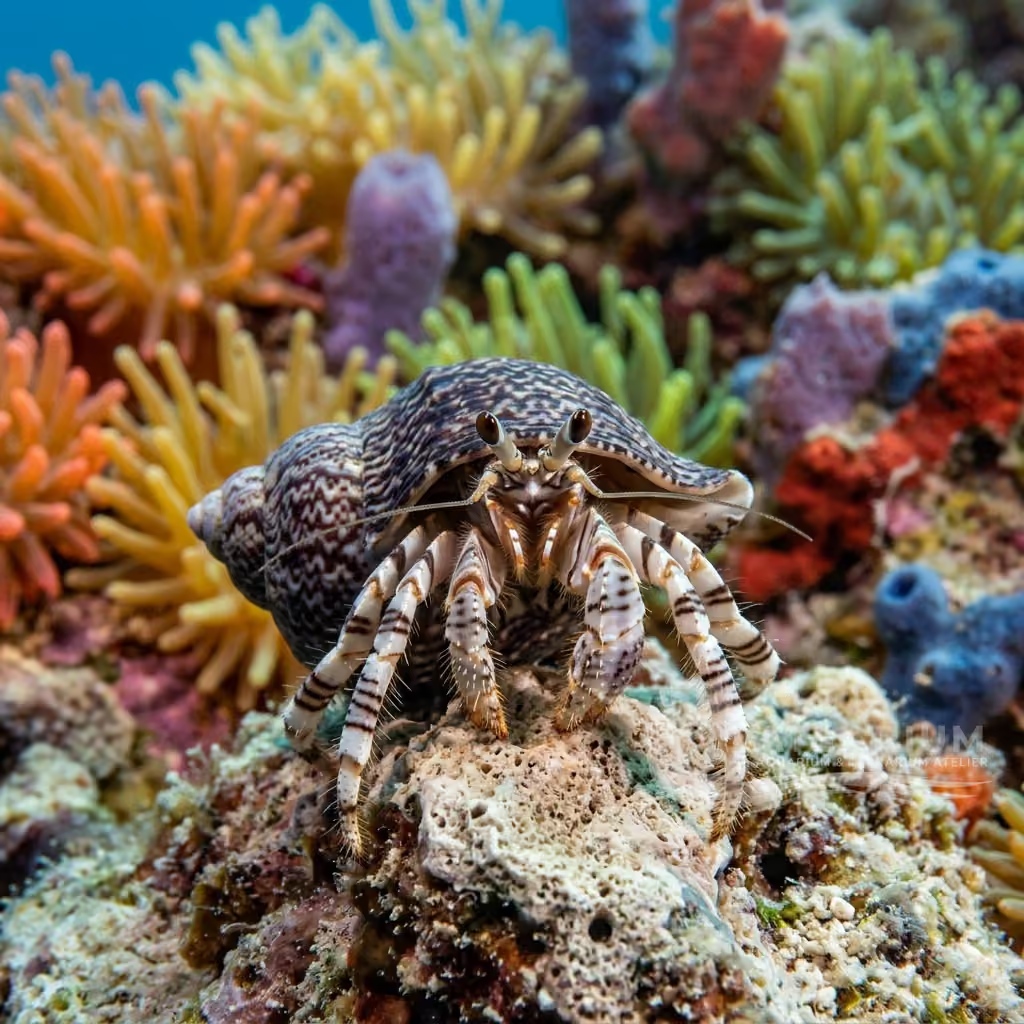
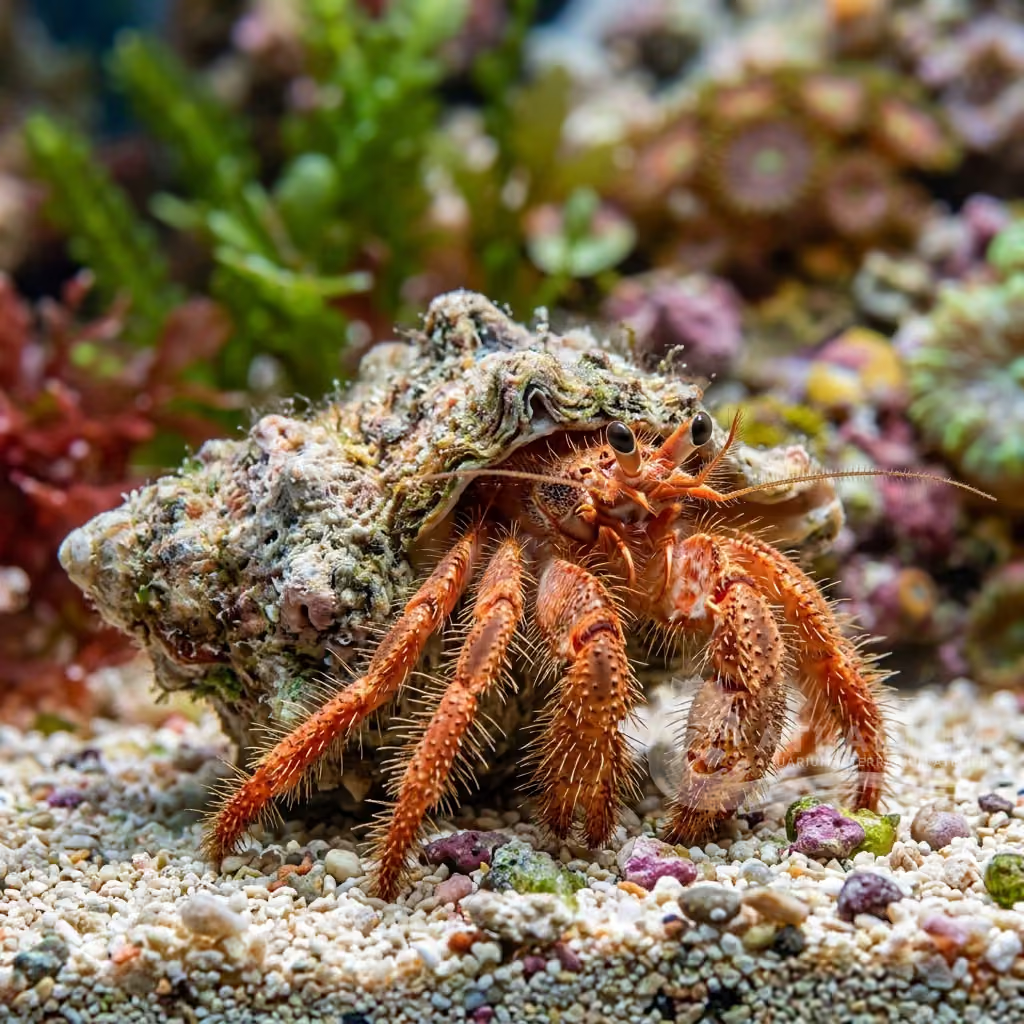
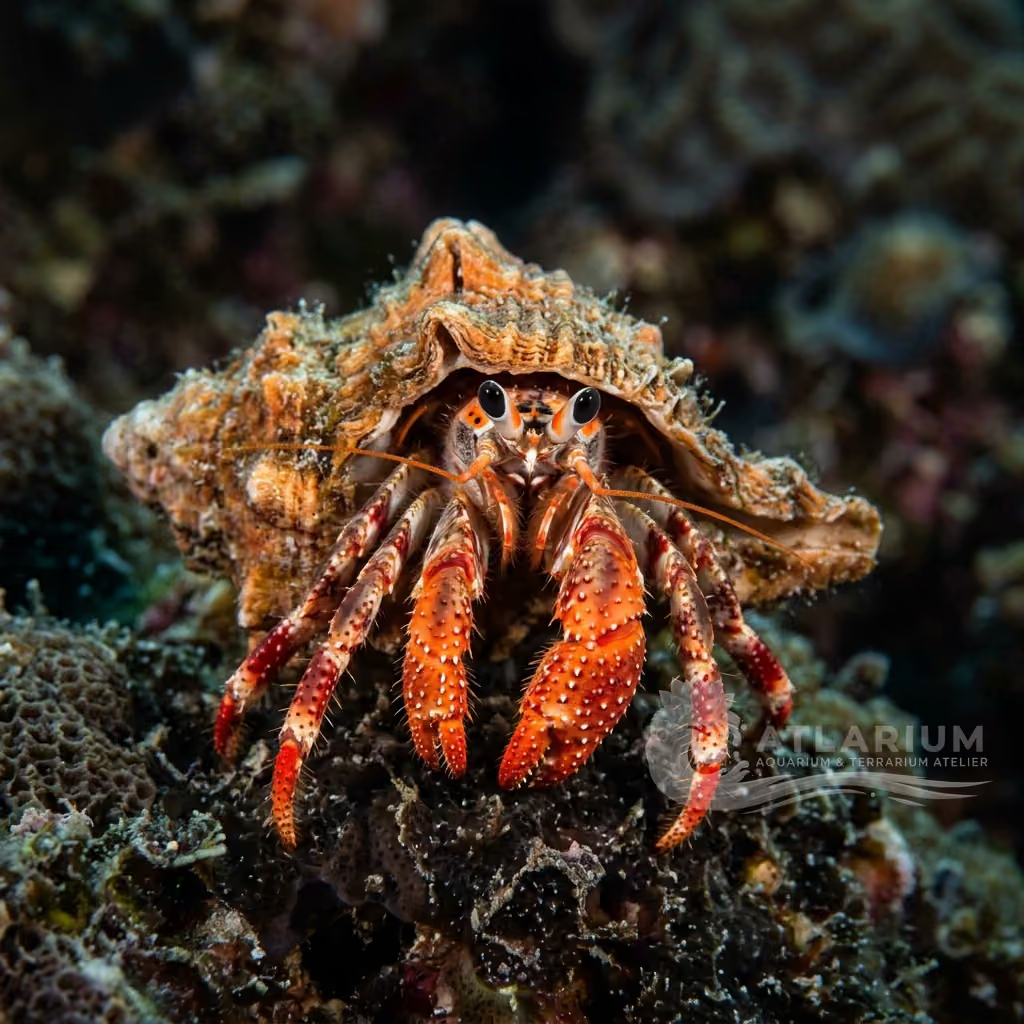
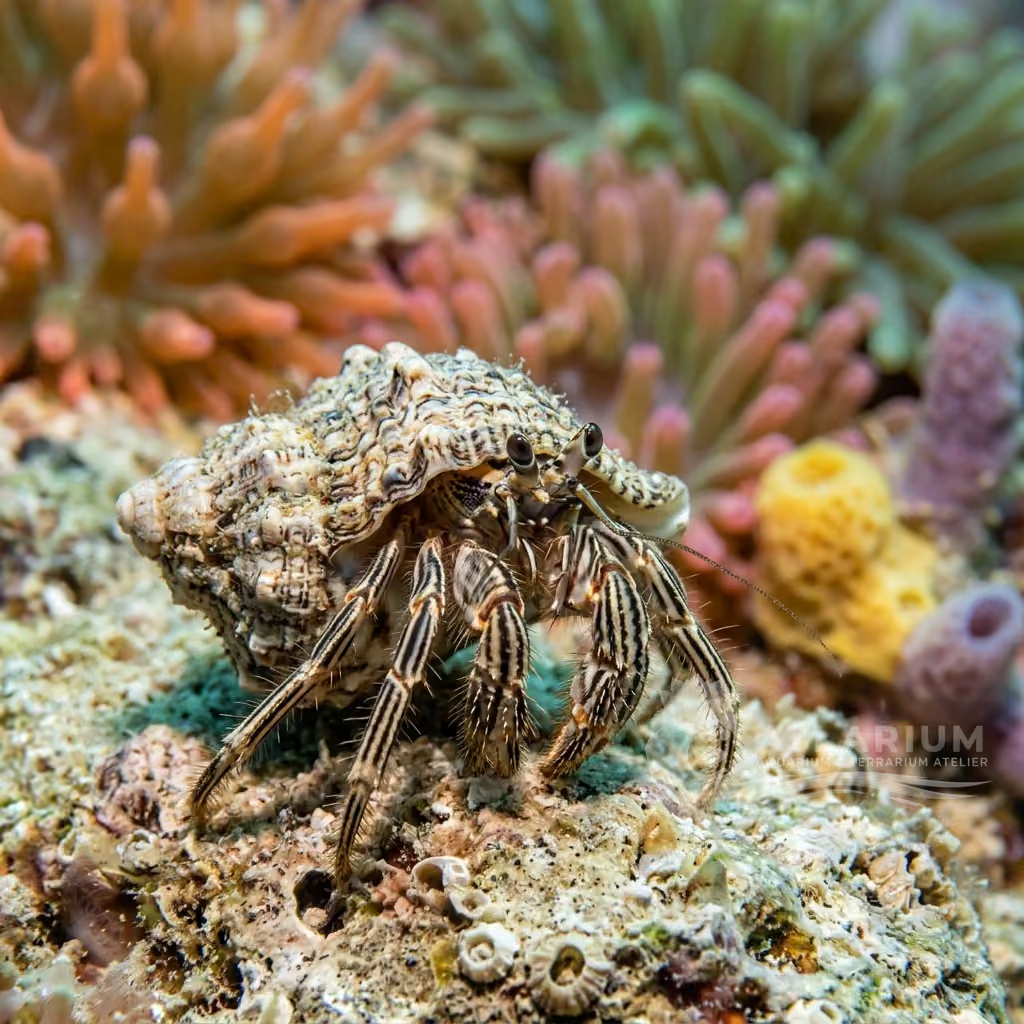
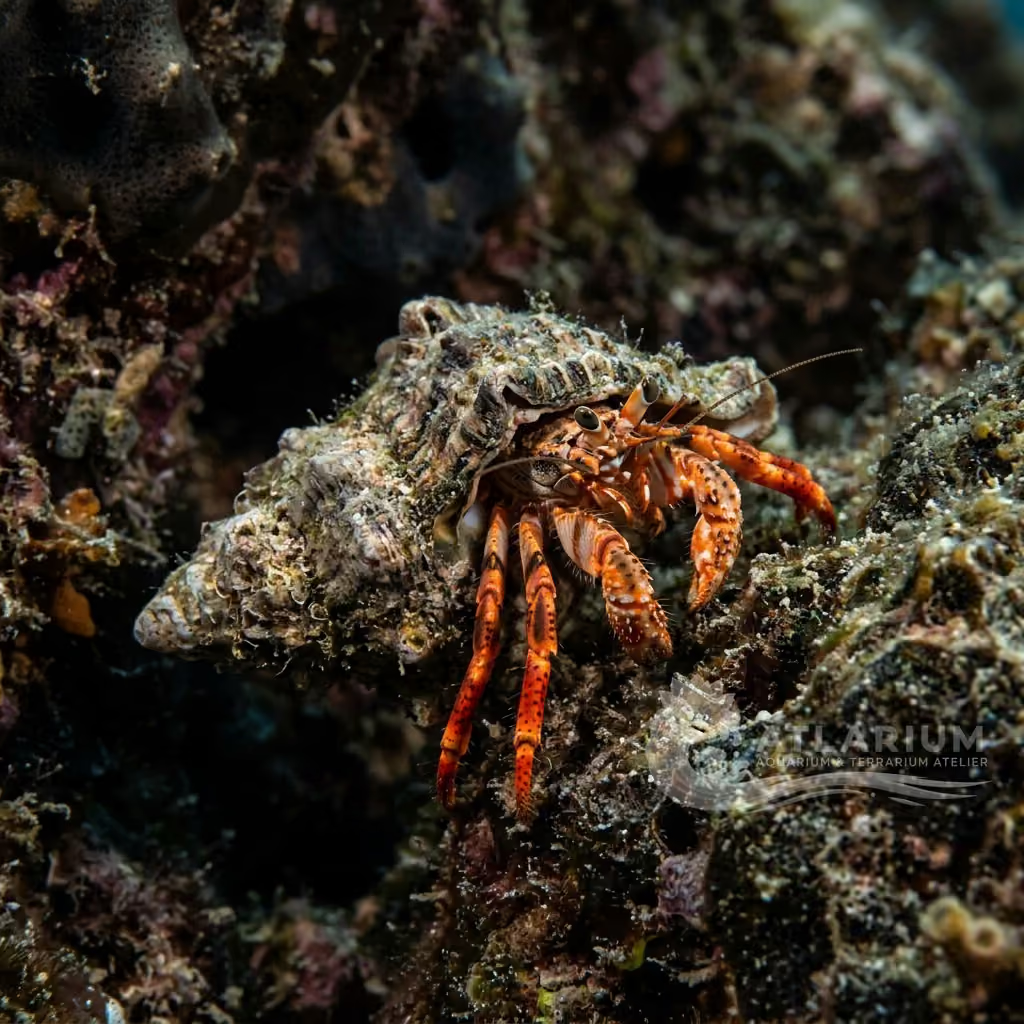
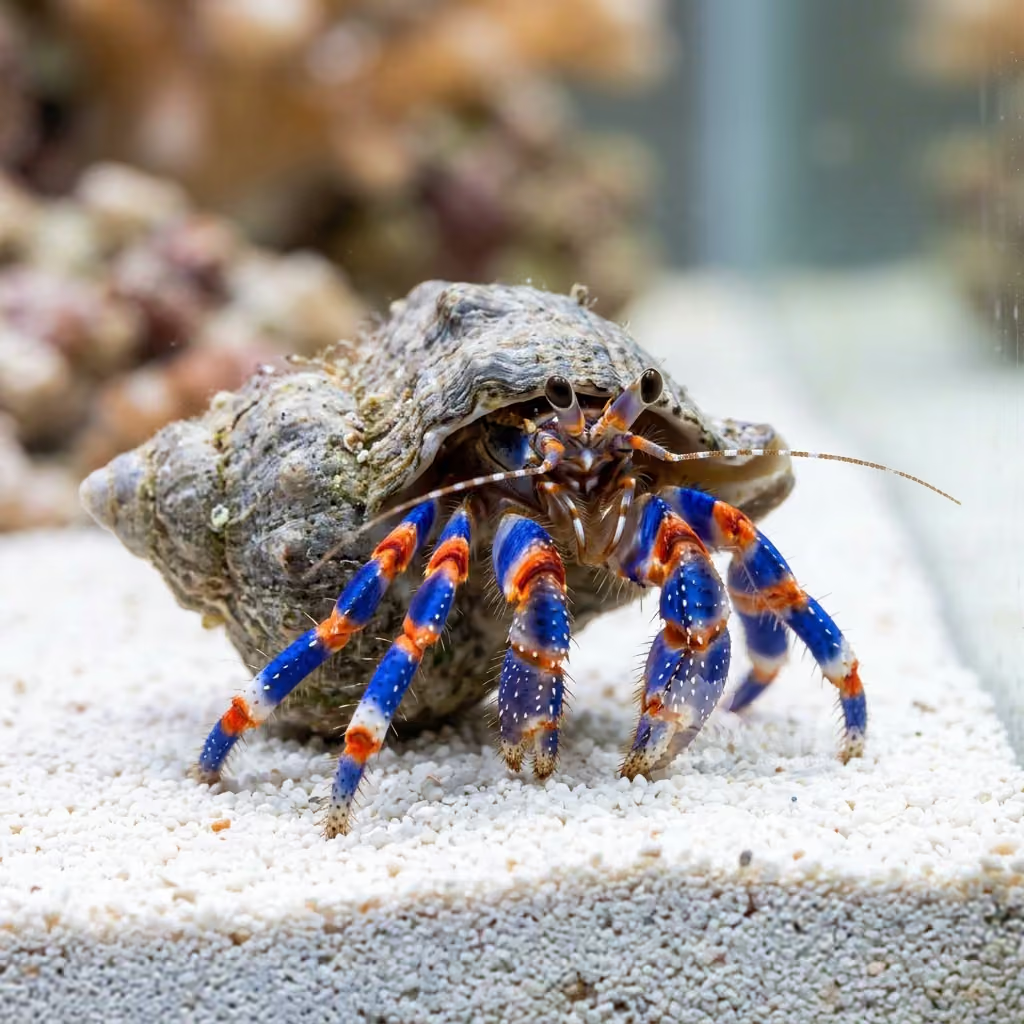
Coloration and Sexual Dimorphism: The body and legs of Clibanarius cubensis are marked by distinct longitudinal stripes on a grayish-olive or light brown background. The walking legs display prominent bands of orange, white, and blue, which give the species its common name, the tricolor hermit crab. Its claws are covered in small, whitish tubercles. There is no obvious external sexual dimorphism; determining the sex of an individual requires a close examination of the pleopods on the abdomen, which are modified in females for carrying eggs.

Care, breeding and tankmates
Tank Setup: Requires a mature marine aquarium of at least 30 to 50 liters. It is essential to provide a sandy substrate and plenty of live rock with narrow crevices and passageways. While a dedicated land area or mangrove roots are not strictly necessary, they enjoy shallow areas. A critical requirement is a constant supply of vacant snail shells of various sizes (particularly from gastropods like Cerithium or Nerita) to allow safe molting and growth without interspecific conflicts.
Diet and Feeding: This hermit crab is an opportunistic detritivore and an extremely efficient clean-up crew member. It actively feeds on filamentous green algae, diatoms, cyanobacteria, uneaten fish food, and decaying organic matter. In a captive environment, they will readily accept commercial food pellets, dried nori seaweed sheets, and small pieces of frozen foods such as mysis or brine shrimp.
Water Quality: As an intertidal species, it is remarkably hardy and tolerant of fluctuating water parameters. However, for long-term health, water temperatures should be maintained between 22°C and 27°C, pH between 8.1 and 8.4, and specific gravity (salinity) between 1.021 and 1.025. Nitrates should be kept low, and copper must be completely absent, as heavy metals are highly toxic to all marine crustaceans.
Compatibility and Tankmates: It is an ideal, reef-safe resident for community reef aquariums. It coexists peacefully with small reef fish, corals, and other invertebrates. Avoid housing them with natural crustacean predators such as triggerfish, hawkfish, large wrasses, or octopuses, which can easily crush their protective shells to consume them.
Aquarium Breeding: Breeding in home aquariums is extremely difficult and rarely documented. While females frequently carry fertilized orange egg masses under their abdomens, the released larvae (zoea) enter a planktonic stage that is easily removed by mechanical filtration or consumed by tankmates before they can undergo metamorphosis and settle as tiny hermit crabs.
Risks and Diseases: The primary risk is associated with the molting process (ecdysis). During a molt, the hermit crab sheds its old exoskeleton and remains extremely soft and vulnerable to predation until its new shell hardens. Iodine or calcium deficiencies can lead to failed molts, resulting in death. Regularly dosing these trace elements is highly recommended to support healthy shell development.

Geographic origin and distribution
Clibanarius cubensis is a small decapod crustacean widely distributed throughout the tropical and subtropical waters of the Western Atlantic Ocean. Its range includes the coastal waters of Florida, the Gulf of Mexico, the Caribbean Sea, and the northern coast of South America. It primarily inhabits shallow, sheltered coastal environments such as mangrove swamps, intertidal mud flats, seagrass beds, and tidal pools, where it can easily forage and find shelter from predators during low and high tide cycles.
Origin
Tropical oceans and reefsExtra-Amazon South AmericaCentral America and CaribbeanNorth America

Invertebrate profile
- Diet
- Omnivore
- Omnivore. Constantly scavenges for algae, detritus, and leftover meaty foods.
- Ecological role
- Scavenger
- Hardworking member of the clean-up crew that helps keep nuisance algae and detritus in check.
- Adult size
- 2.5 cm
- Jump risk
- Yes
- Does not jump, but keep tanks lidded as they may climb powerhead cords.
- Shock sensitivity
- Medium
- Drip acclimate slowly over an hour. Sensitive to sudden salinity drops.
- Calcium and minerals
- Medium
- Requires normal marine calcium levels to maintain proper molting cycles.
- Molting
- Shell growth
- Will molt periodically and requires appropriately sized empty shells to upgrade its home as it grows.
- Reproduction
- Oviparous
- Captive breeding is highly difficult due to the planktonic larval development stage.
- Compatibility & tankmates
- Peaceful
- Peaceful towards fish and corals. May occasionally bicker with other hermits or snails over shells.

Related species
Recommendations grouped by close relatives, companion choices, and similar care.