Zebra Hermit Crab
Clibanarius zebra
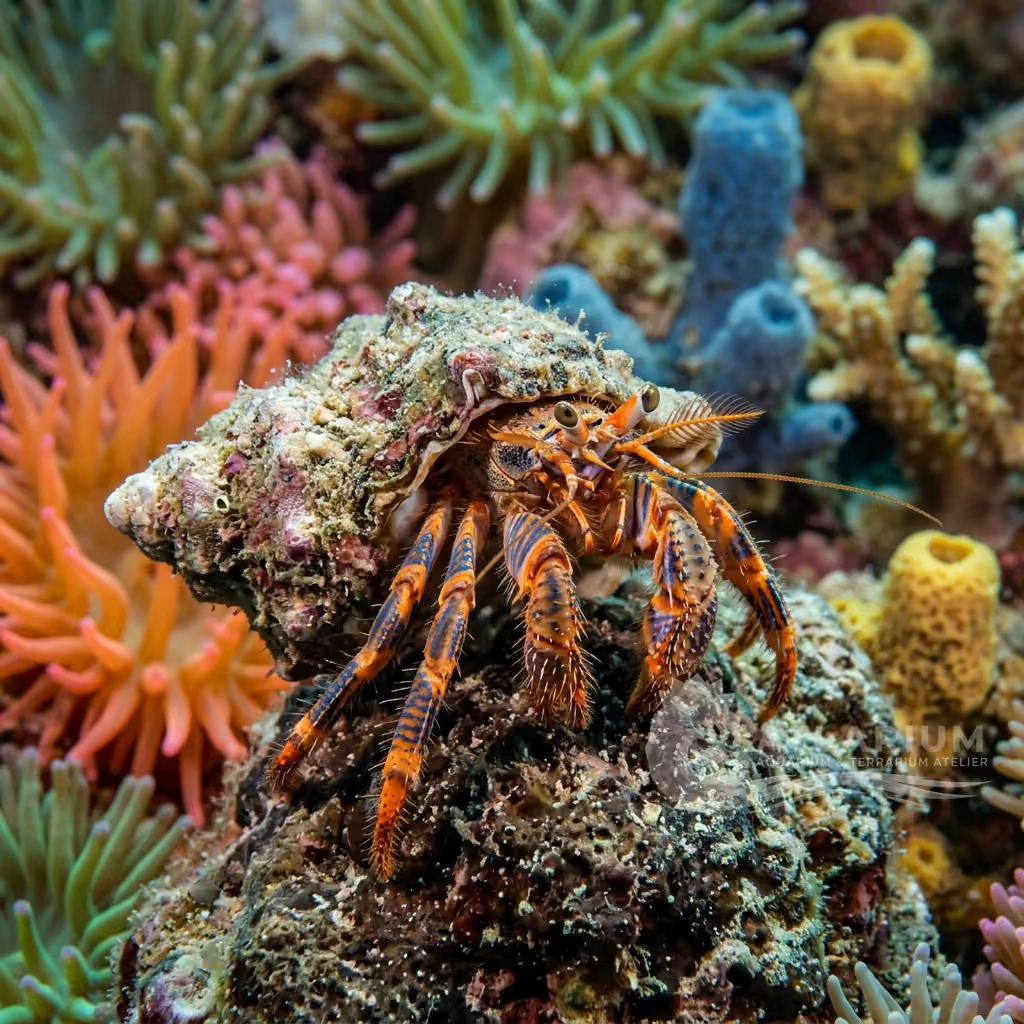
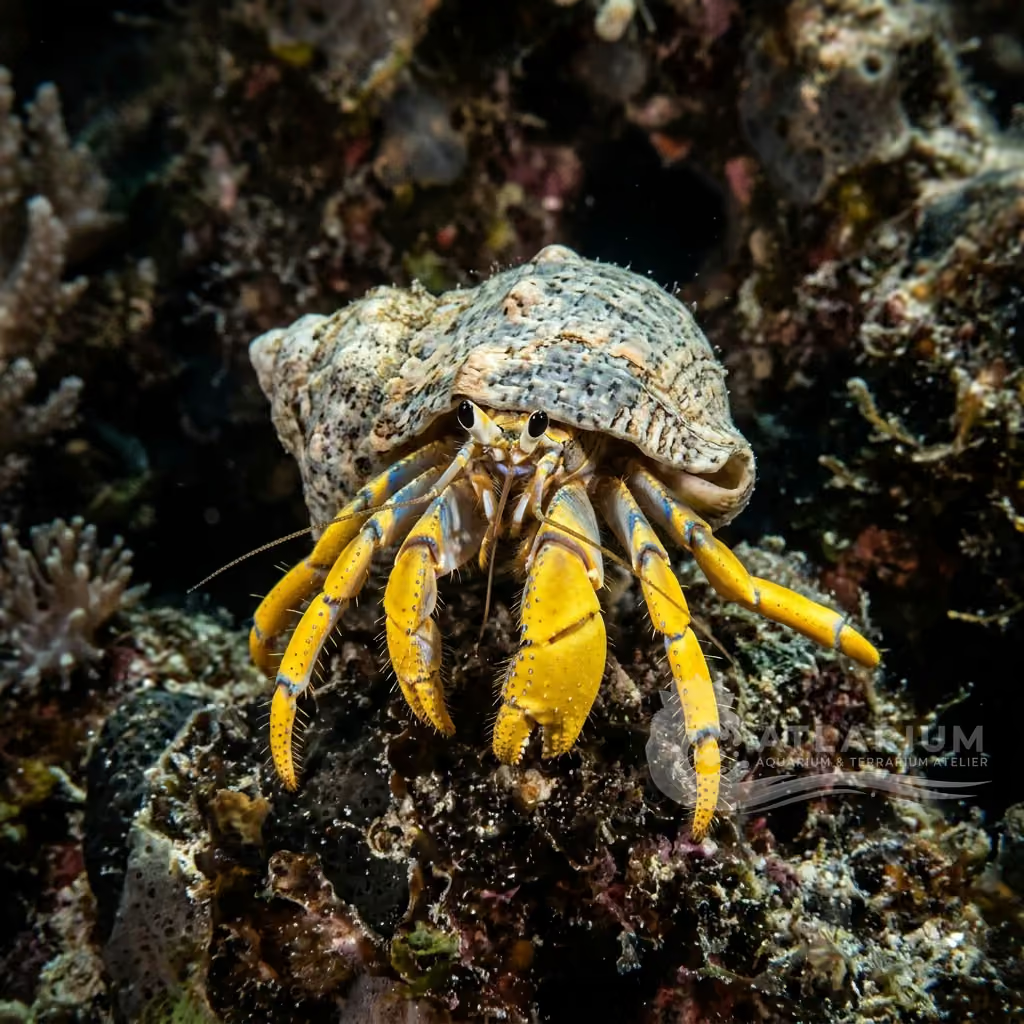
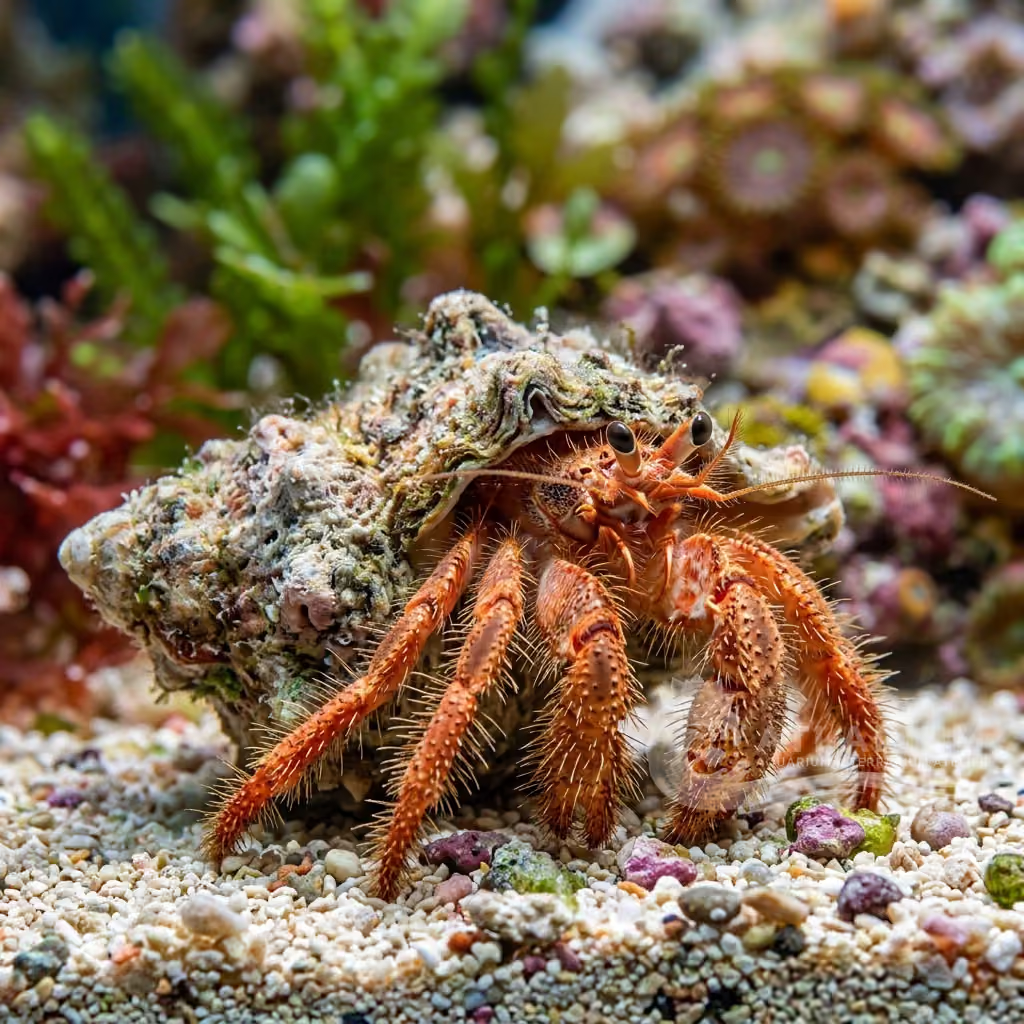
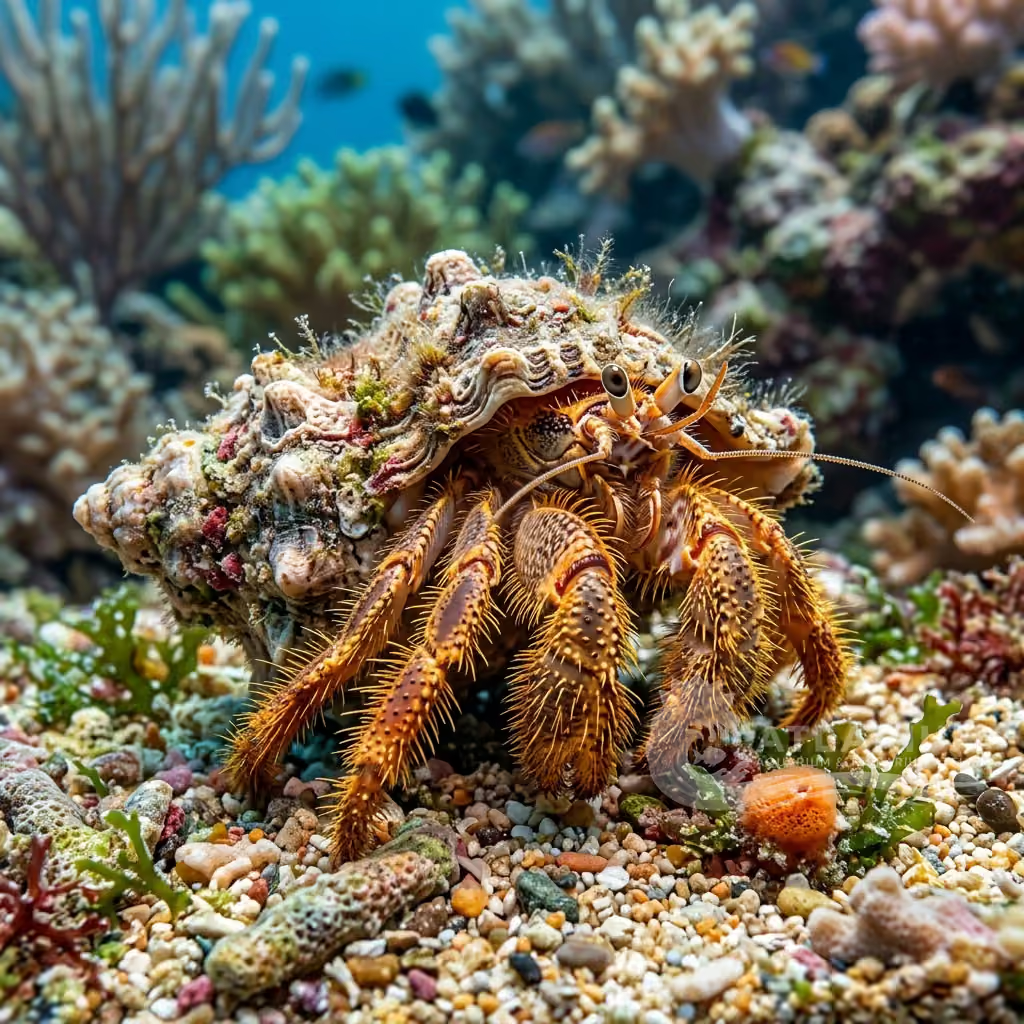
The zebra hermit crab is a tiny, peaceful marine hermit crab from the Indo-Pacific, highly valued in reef aquariums as a hard-working algae scavenger.
Water Temperature
22 - 28 °C
pH Value
8.1 - 8.4
Water type
Marine
Invertebrate type
Hermit crab
Adult size
2.5 cm
Minimum group
>= 1
KH
8 - 12 dKH
Ecological role
Scavenger
Copper sensitivity
High

Species description
Geographical Origin and Habitat: Clibanarius zebra, commonly known as the zebra hermit crab, is widely distributed in the warm tropical waters of the Indo-Pacific, with notable concentrations in the Hawaiian Islands. Its primary habitat is the intertidal zone, where it lives in shallow reef flats, volcanic rock pools, and coral rubble fields. These environments are subject to tidal variations, and the crabs are well-adapted to surviving in shallow areas that are periodically exposed to air.
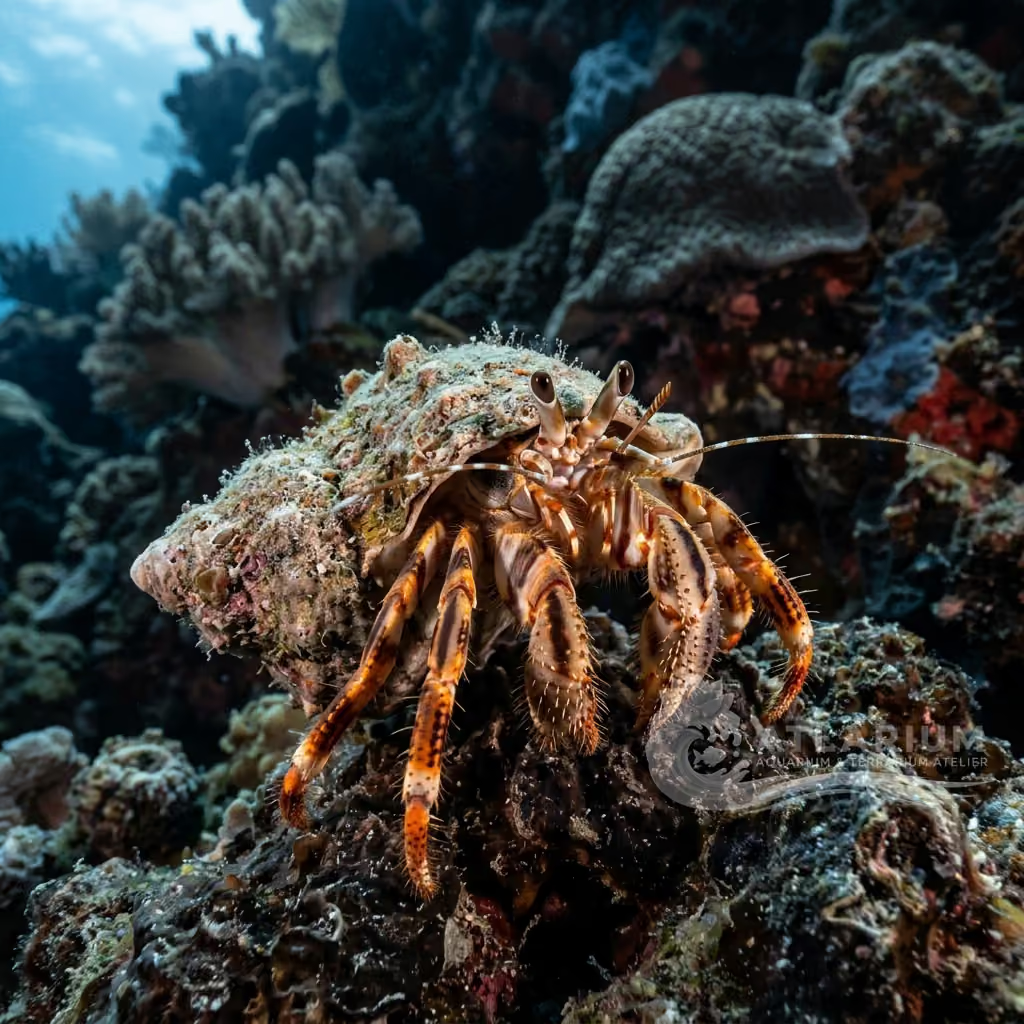
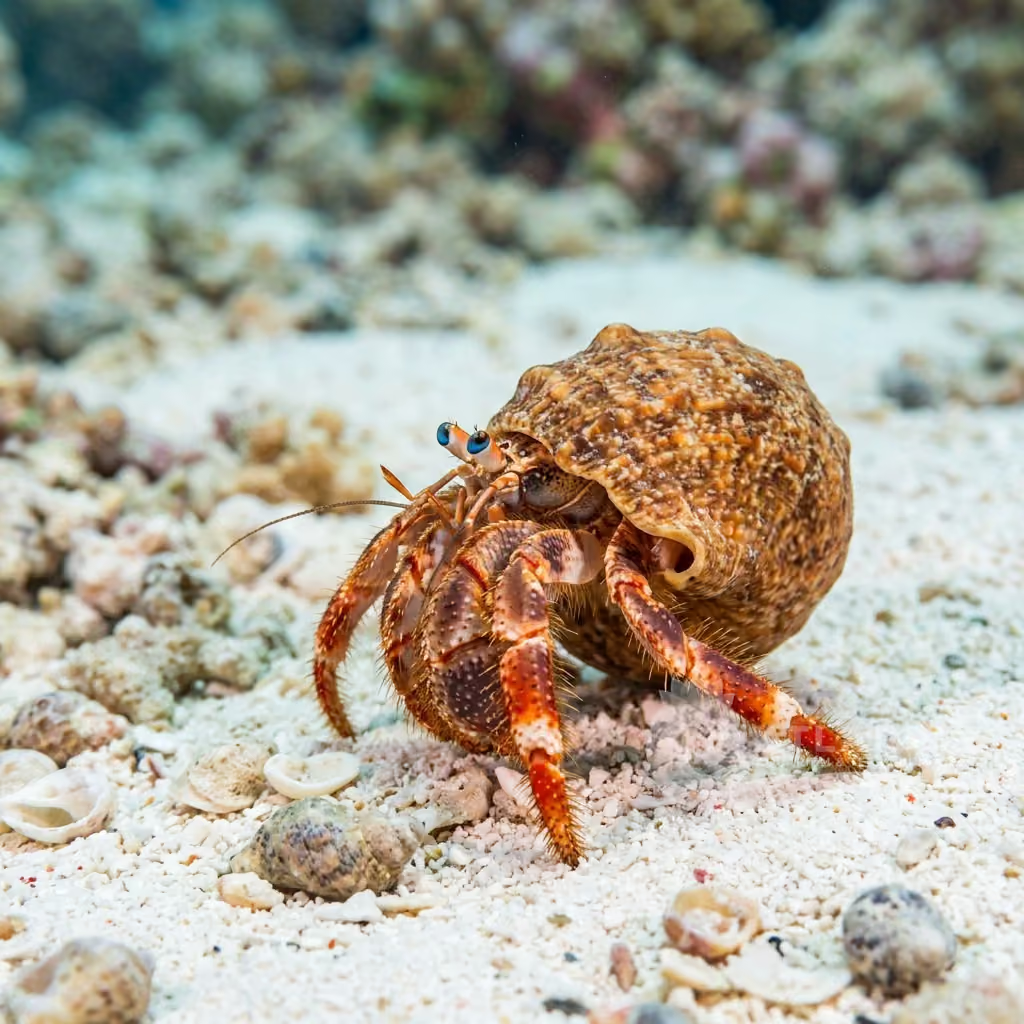
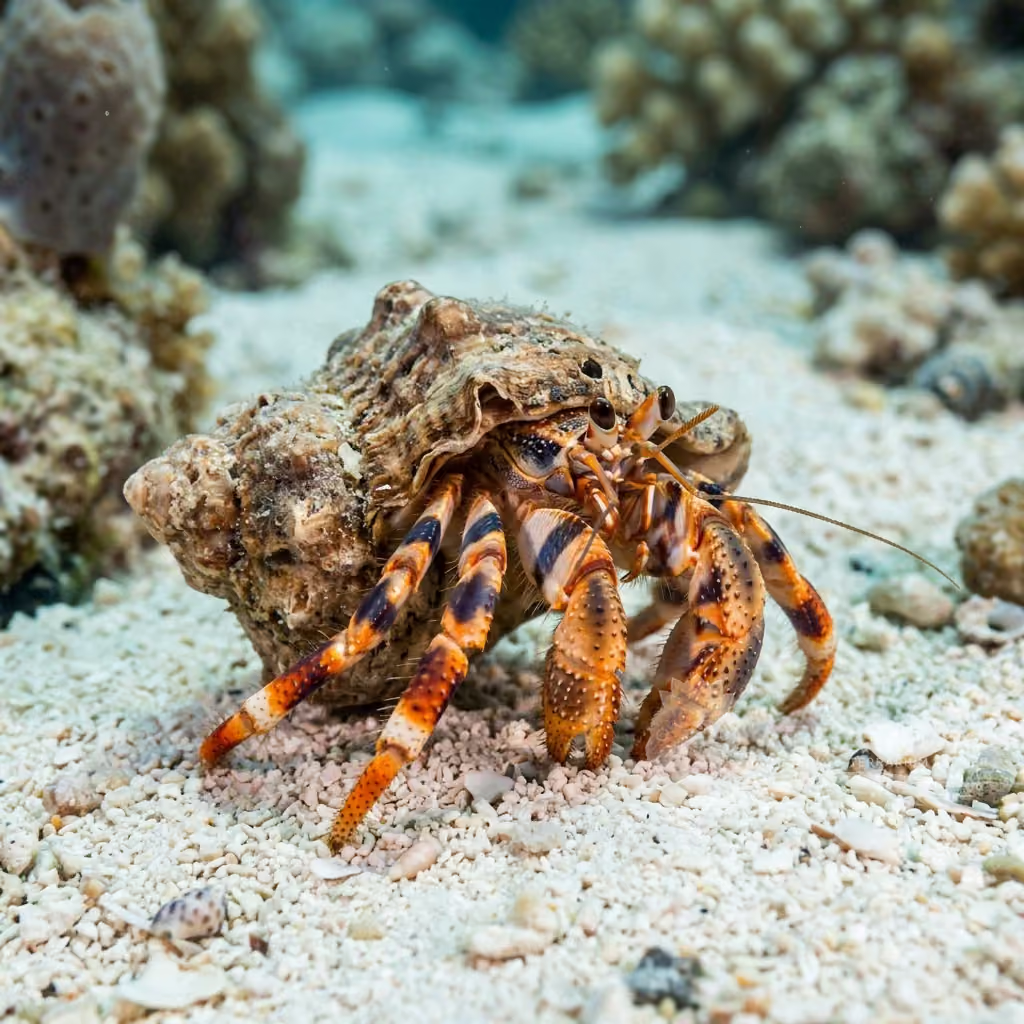
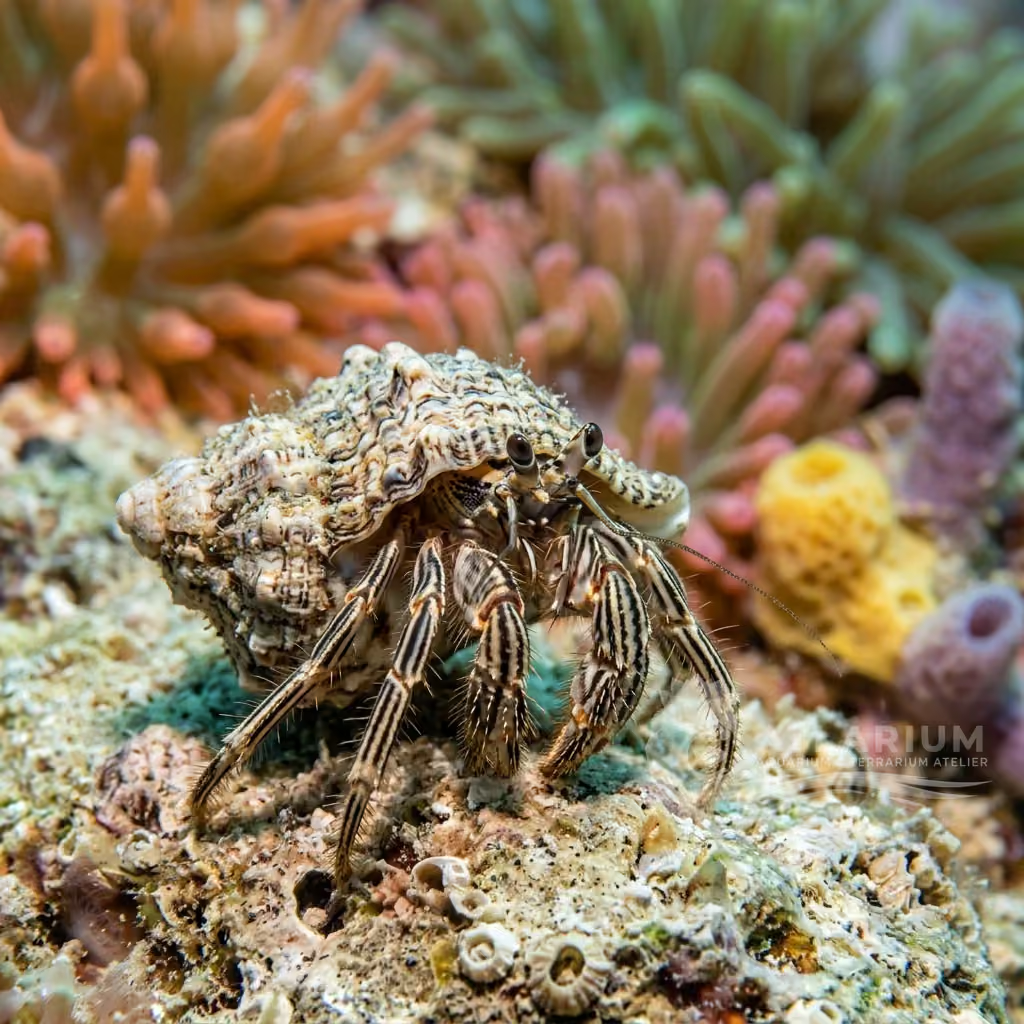
Taxonomy: It belongs to the family Diogenidae and the genus Clibanarius. It is a miniature species, with an adult body length that rarely exceeds 2 to 3 centimeters. Its scientific and common names are derived from the bold black and white striping on its walking legs, which serves as a key identifying morphological feature in its natural habitat.
Social Behavior: This hermit crab is gregarious and active during both day and night, forming dense populations in tide pools. It has a very peaceful temperament, constantly crawling over the substrate to forage. They show minimal aggression, and territorial disputes are generally limited to non-fatal wrestling matches over suitable shells for growth.
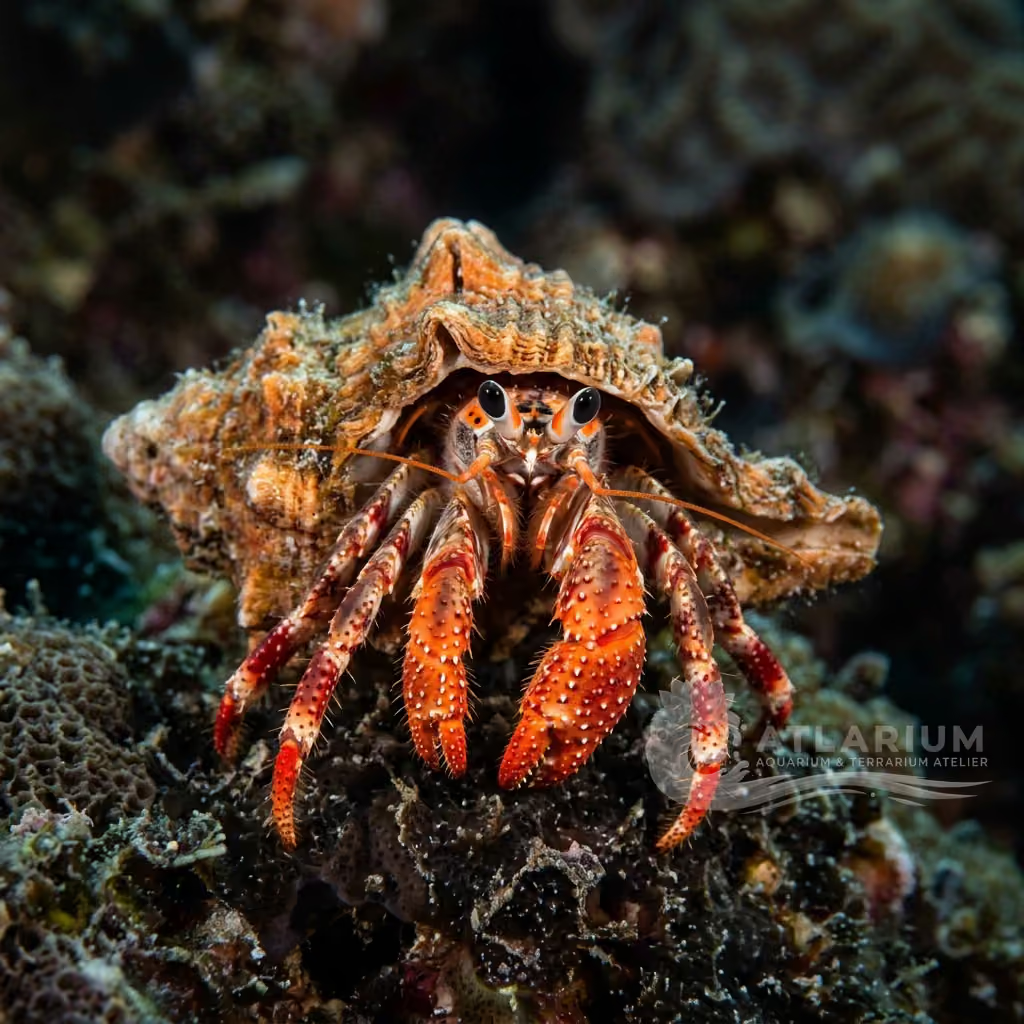
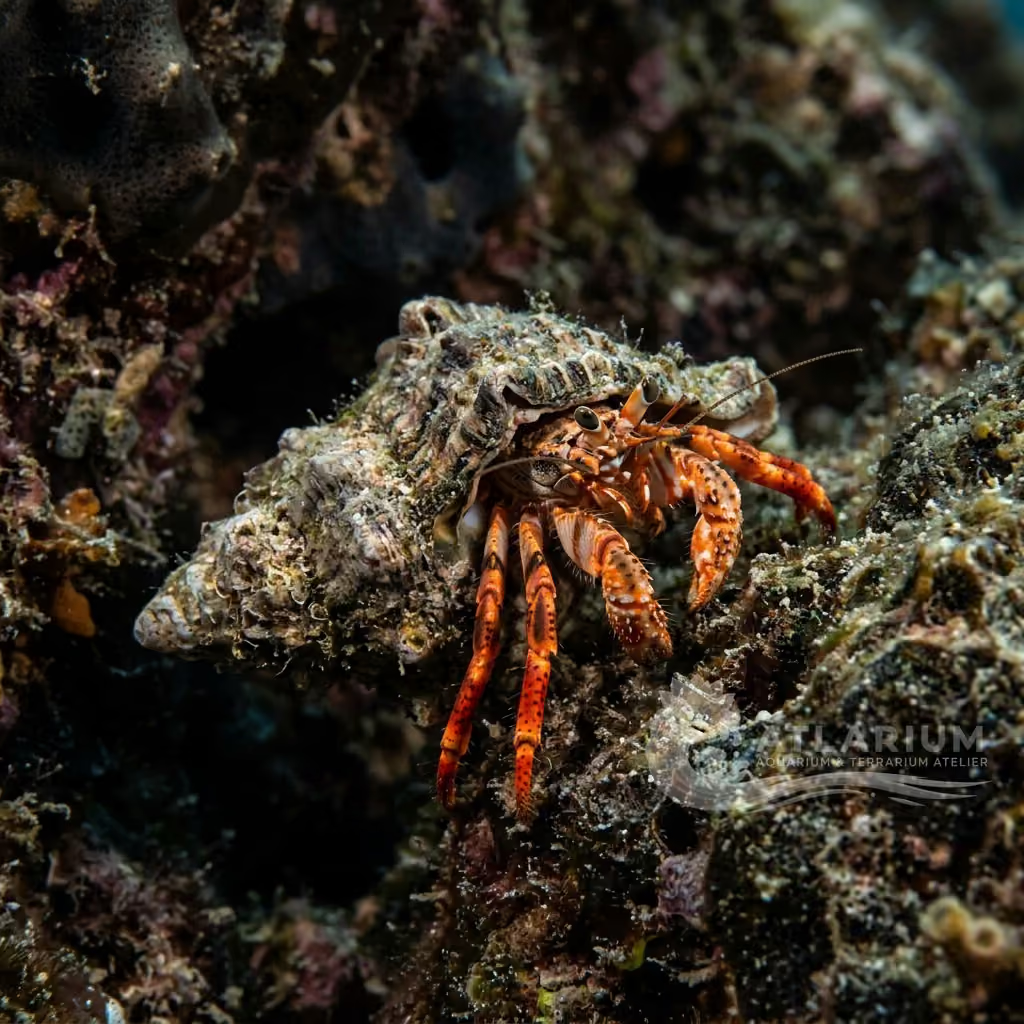
Coloration and Sexual Dimorphism: The color pattern is characterized by distinct alternating black (or dark brown) and white (or light blue) vertical stripes along its walking legs. The claws are smaller and feature bluish or orange tips with small tubercles. There is no visible external sexual dimorphism; females can only be identified when carrying egg masses under their soft, twisted abdomens.

Care, breeding and tankmates
Tank Setup: Requires a small marine aquarium of at least 20 to 30 liters, decorated with plenty of live rock and a sandy substrate. It is crucial to scatter numerous small, vacant gastropod shells (such as Cerithium, Nerita, or Turbo shells) throughout the aquarium to allow the crab to molt and house itself safely without attacking live snails.
Diet and Feeding: An exceptional herbivorous and detritivorous scavenger. It actively feeds on filamentous green algae, diatoms, cyanobacteria (including red slime algae), and organic detritus. In captivity, they do not require targeted feeding, as they will readily consume fish food leftovers, dried nori sheets, and sinking pellets.
Water Quality: Very hardy due to its intertidal origin, but prefers stable marine parameters: water temperature between 22°C and 27°C, pH between 8.1 and 8.4, and specific gravity (salinity) between 1.021 and 1.025. Nitrates should be kept low, and copper must be completely absent from the water column as it is lethal to invertebrates.
Compatibility and Tankmates: Completely reef-safe and a popular choice for the reef aquarium cleanup crew. It coexists peacefully with small community fish, corals, and other non-predatory invertebrates. Avoid housing them with crustacean-eating predators such as triggerfish, large wrasses, hawkfish, and octopuses.
Aquarium Breeding: Captive reproduction is highly unlikely to succeed in home aquariums. Females carry fertilized eggs under their abdomen until they hatch into planktonic larvae (zoeae). These larvae require microscopic planktonic food and open marine conditions, and are typically removed by the mechanical filters or eaten by other fish.
Risks and Diseases: The primary risk occurs during the periodic molting process. The crab sheds its old hard shell and remains soft and vulnerable, hiding deep within the rockwork for several days. Insufficient levels of iodine or calcium can lead to incomplete molts and death. Regularly dosing these trace minerals is beneficial.

Geographic origin and distribution
Clibanarius zebra, commonly known as the zebra hermit crab, is widely distributed in the warm tropical waters of the Indo-Pacific, with notable concentrations in the Hawaiian Islands. Its primary habitat is the intertidal zone, where it lives in shallow reef flats, volcanic rock pools, and coral rubble fields. These environments are subject to tidal variations, and the crabs are well-adapted to surviving in shallow areas that are periodically exposed to air.
Origin
Tropical oceans and reefs

Invertebrate profile
- Diet
- Omnivore
- *Clibanarius zebra* is an omnivorous scavenger that constantly forages for food. It primarily feeds on detritus, uneaten fish food, and various types of nuisance algae. Supplemental feedings of sinking pellets or meaty foods may be necessary in very clean tanks.
- Ecological role
- Scavenger
- This species serves as an essential part of the aquarium's clean-up crew. By consuming decaying matter and controlling algae growth, it helps maintain optimal water quality. Its continuous sifting of the sand bed also promotes healthy substrate aeration.
- Adult size
- 2.5 cm
- Jump risk
- Yes
- As bottom-dwelling crustaceans, *Clibanarius zebra* does not jump and poses no risk of leaping out of the water. They can, however, climb rockwork or equipment to reach the surface. A standard aquarium setup without a tight lid is usually safe from escapees.
- Shock sensitivity
- Medium
- *Clibanarius zebra* is susceptible to sudden fluctuations in water parameters, particularly salinity and temperature. Careful drip acclimation is highly recommended when introducing them to a new environment. Stable parameters are crucial for their long-term health and survival.
- Calcium and minerals
- Medium
- Sufficient calcium and alkalinity levels are required for *Clibanarius zebra* to build and harden its exoskeleton during molting. While they don't grow their own shells, a healthy exoskeleton is vital. Regular partial water changes usually replenish these elements adequately.
- Molting
- Shell growth
- During the molting process, *Clibanarius zebra* will shed its old exoskeleton and remain in hiding while the new one hardens. It is crucial to provide slightly larger empty shells for them to move into as they grow. Never disturb a molting hermit crab, as they are extremely vulnerable.
- Reproduction
- Oviparous
- Breeding *Clibanarius zebra* in a home aquarium is extraordinarily difficult due to their complex planktonic larval stages. Females carry the fertilized eggs on their pleopods until they hatch into the water column. The larvae require specialized microscopic foods and precise conditions to survive.
- Compatibility & tankmates
- Peaceful
- Generally peaceful, *Clibanarius zebra* is considered highly reef-safe and won't intentionally harm healthy corals. However, they may occasionally trample over delicate zoanthids or snatch food from slow-moving tank mates. If a larger empty shell is not provided, they might attack snails to steal theirs.

Related species
Recommendations grouped by close relatives, companion choices, and similar care.