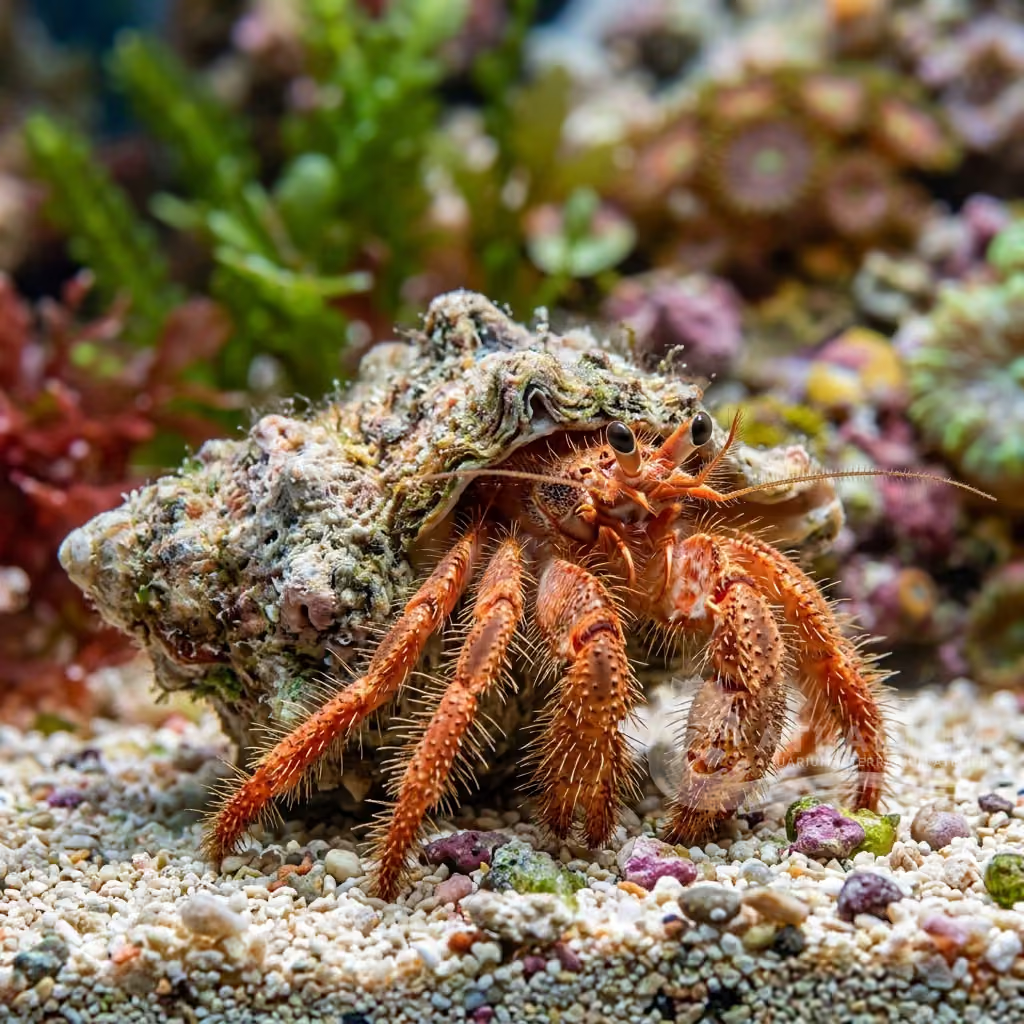
Mangrove Hermit Crab
Clibanarius longitarsus
A highly robust and adaptable hermit crab native to Indo-Pacific mangroves, extremely tolerant of varying salinity and excellent for brackish or marine tanks.
Water Temperature
22 - 30 °C
pH Value
7.8 - 8.4
Water type
Brackish / Marine
Invertebrate type
Hermit crab
Adult size
5 cm
Minimum group
>= 1
KH
8 - 12 dKH
Ecological role
Scavenger
Copper sensitivity
High

Species description
Geographical Origin and Habitat: Clibanarius longitarsus is widely distributed across the tropical Indo-Pacific, from East Africa and the Red Sea to the Western Pacific islands. It primarily inhabits brackish mangrove swamps, tidal mudflats, and estuary mouths, where it can survive out of water for extended periods during low tides.
Taxonomy: Belongs to the family Diogenidae and the genus Clibanarius. It is characterized by its elongated legs, which inspired its scientific species name. It protects its soft abdomen with empty gastropod shells, commonly selecting shells of mangrove-dwelling snails. Adults reach up to 4-5 centimeters.
Social Behavior: Peaceful, active, and highly gregarious. They gather in large numbers around mangrove roots and muddy banks. While harmless to other tankmates, they are continuous climbers and excavators, and may knock over small, unanchored decorations in the tank.
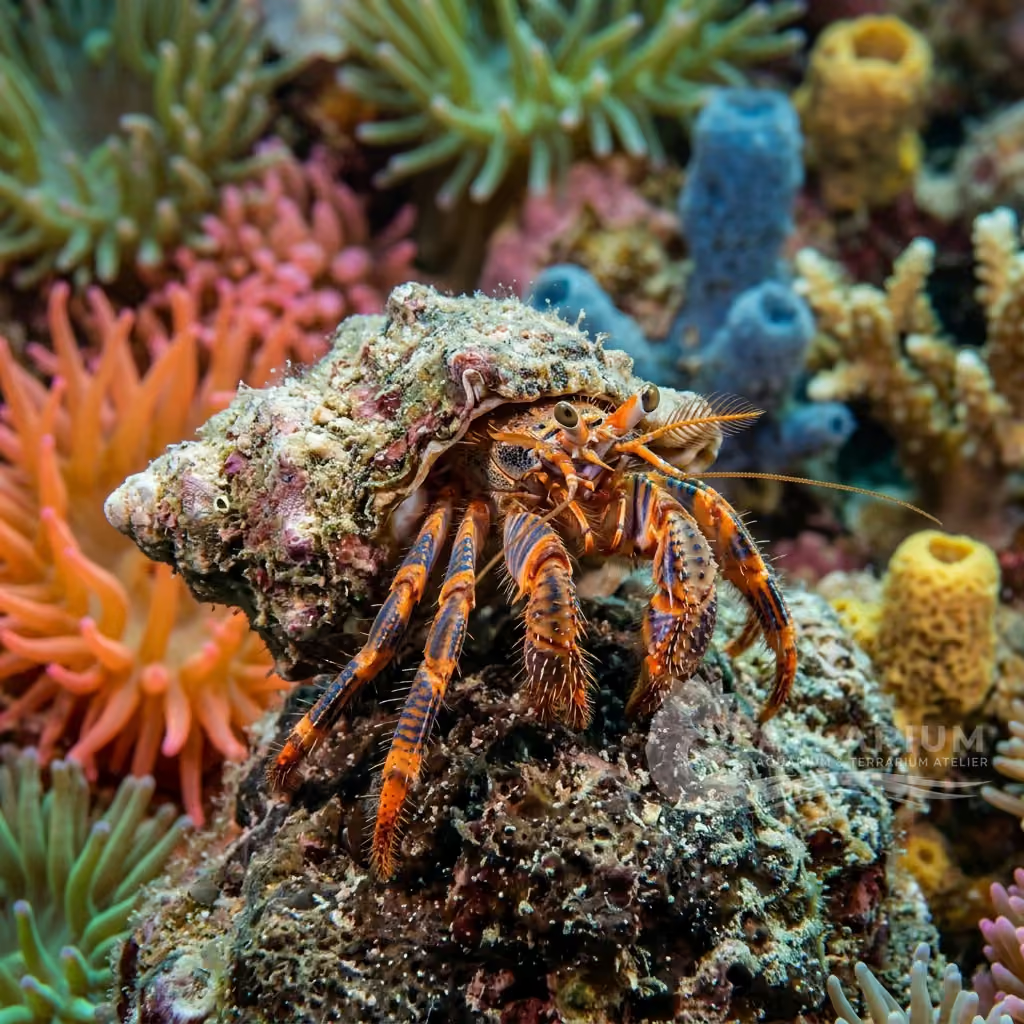
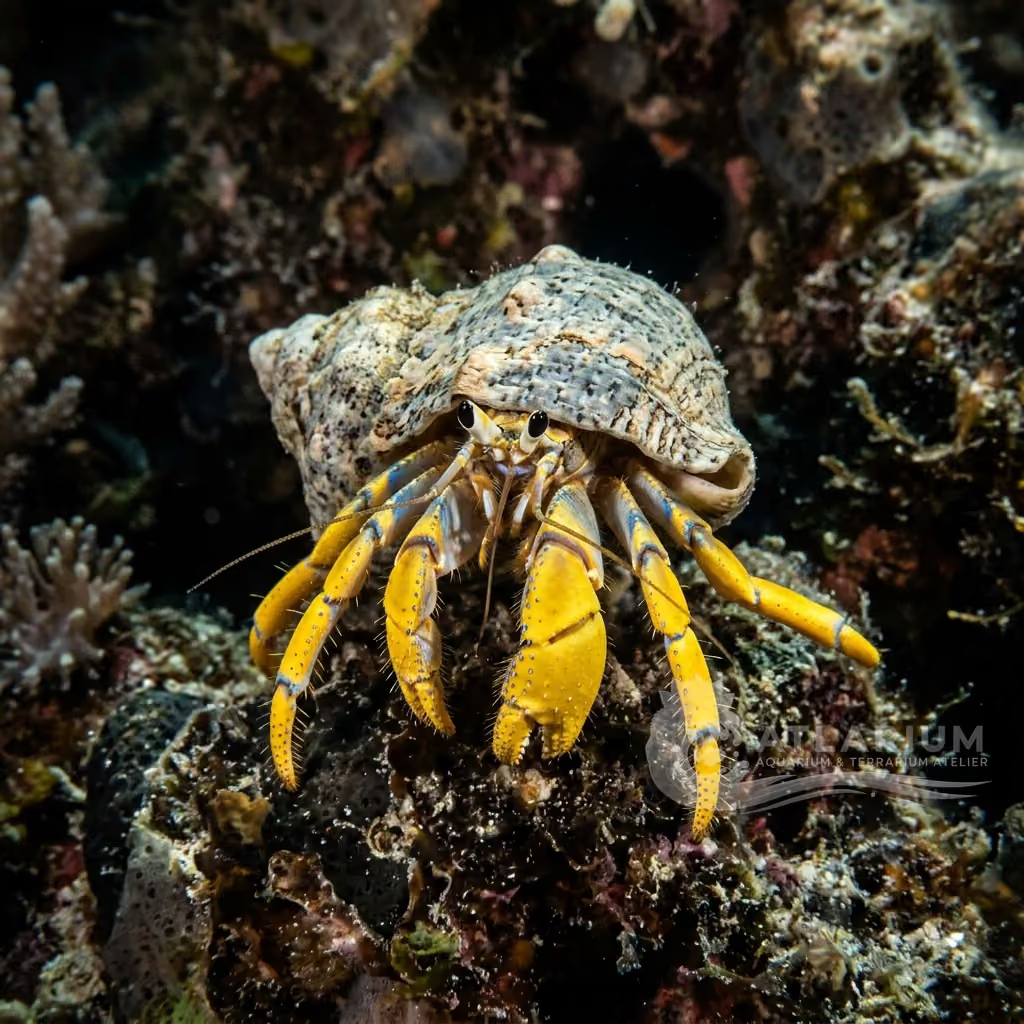
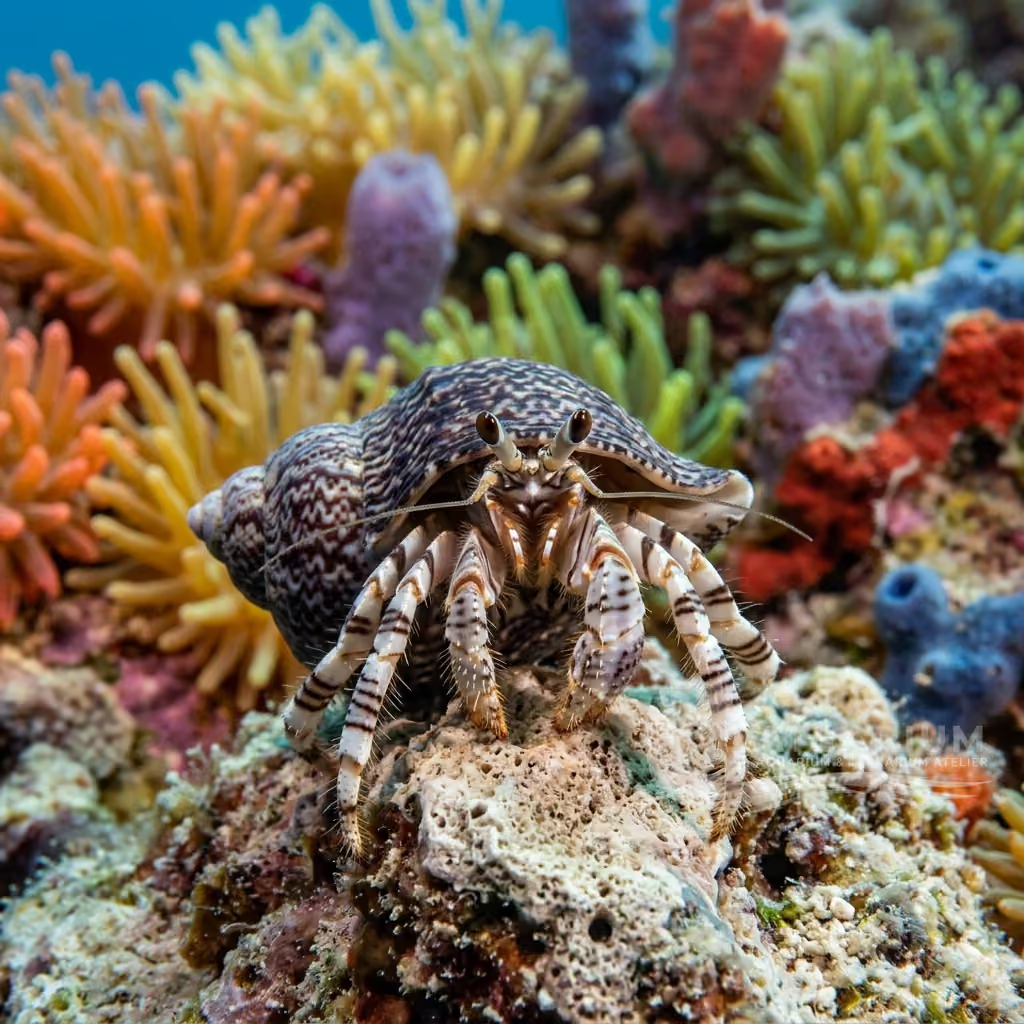
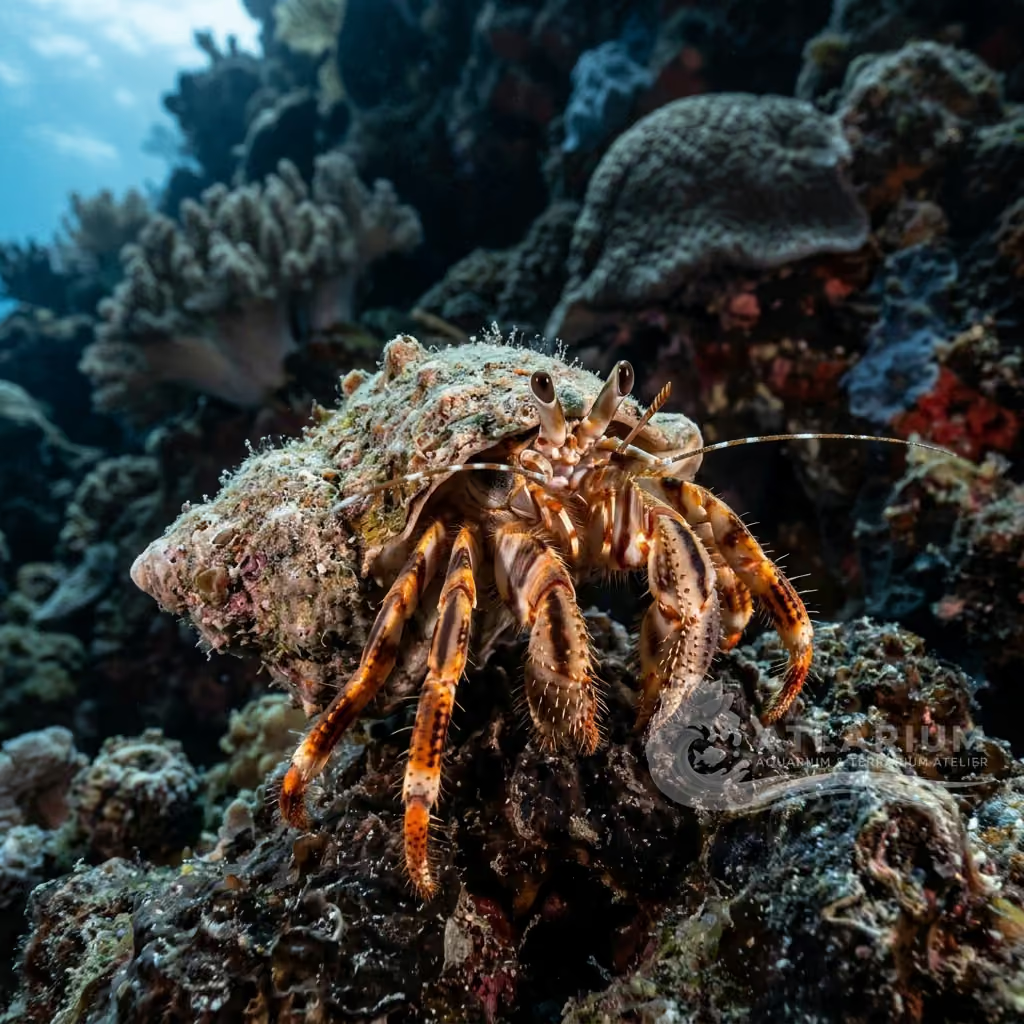
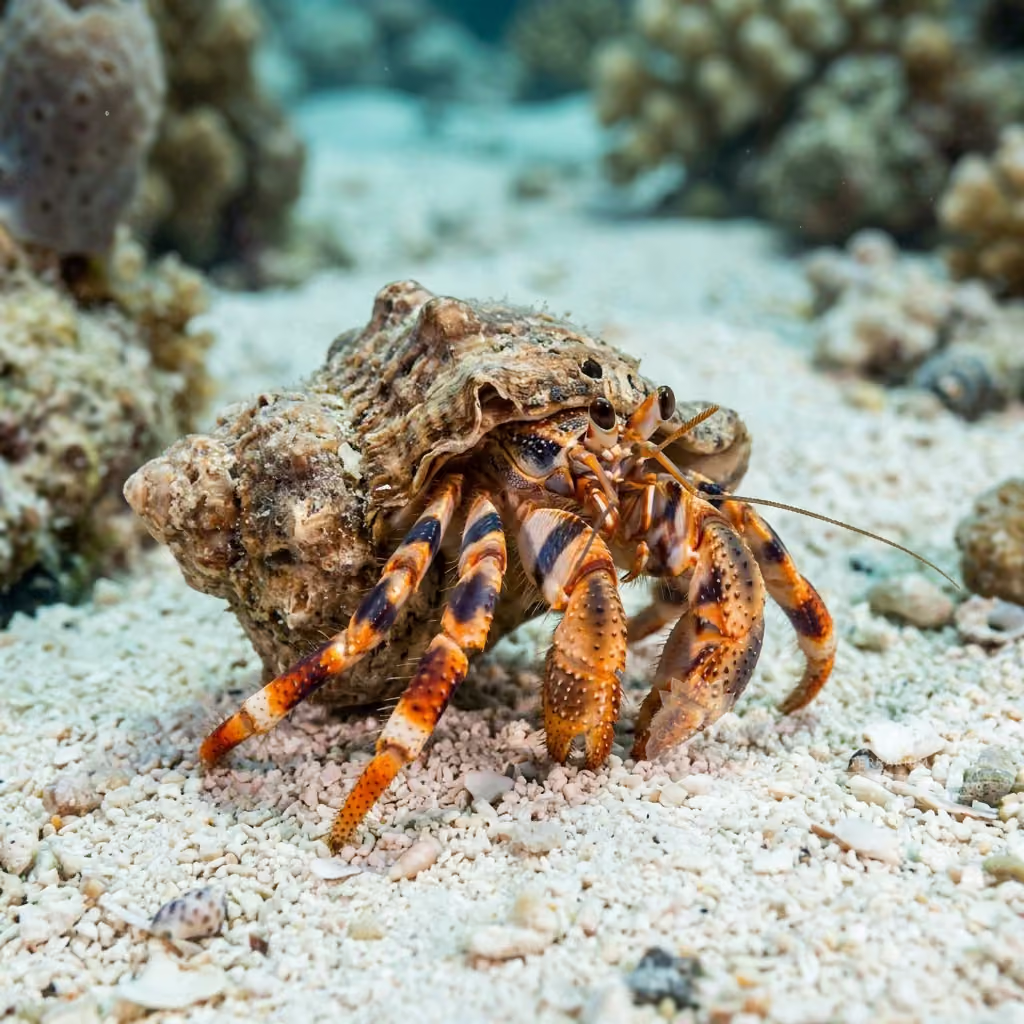
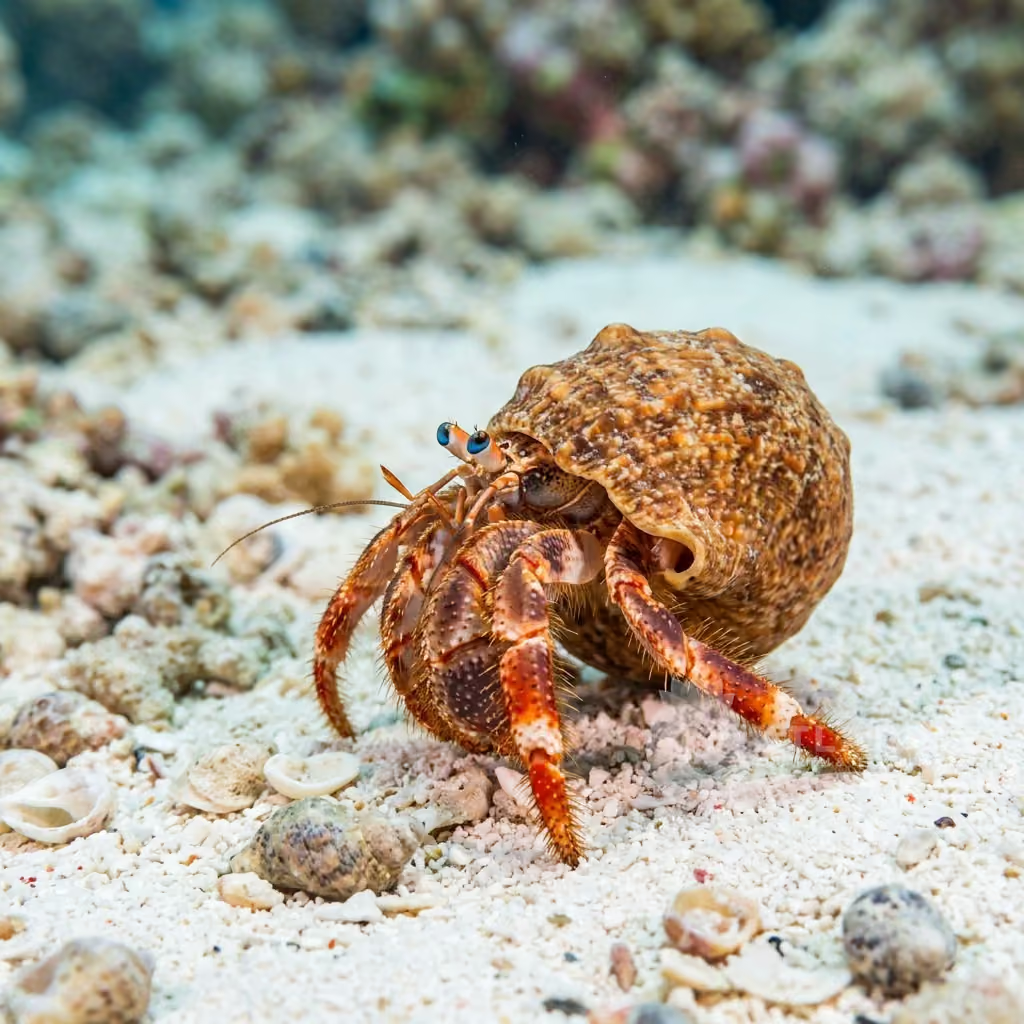
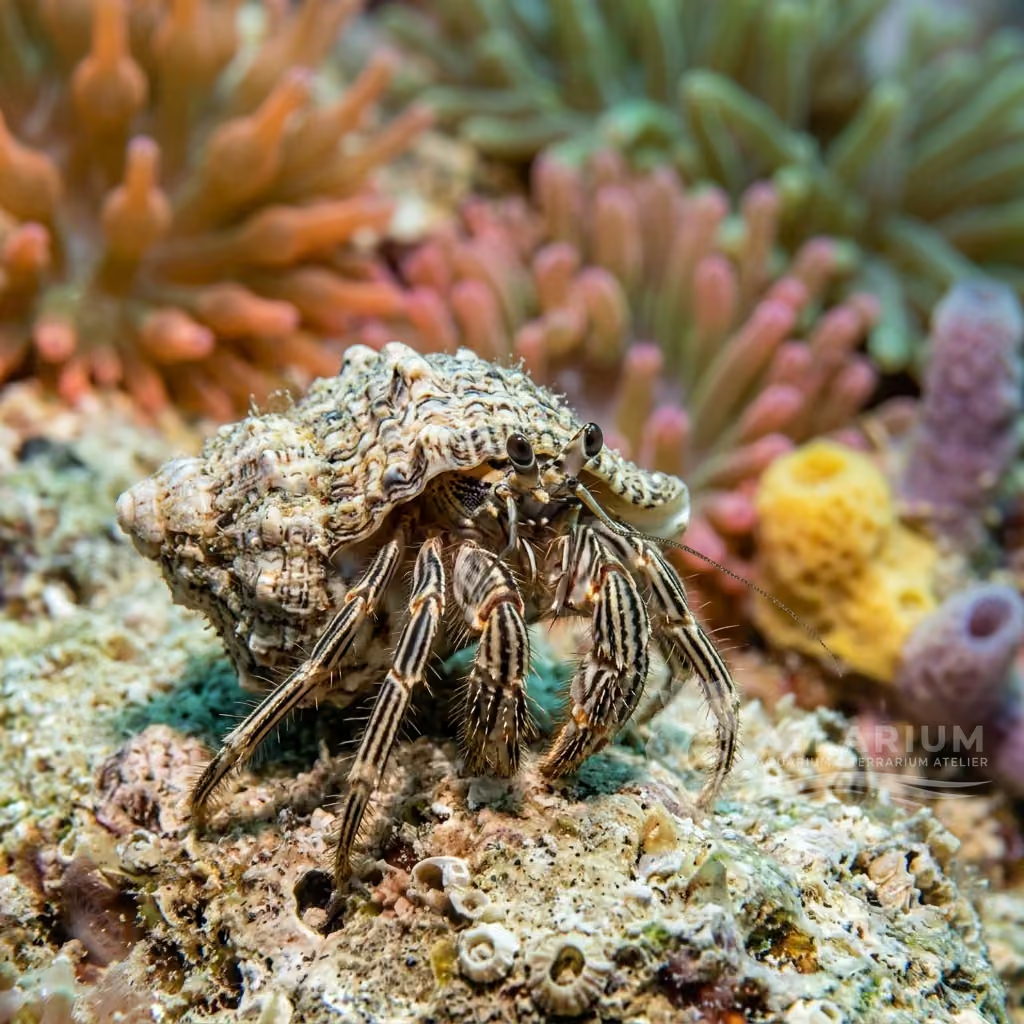
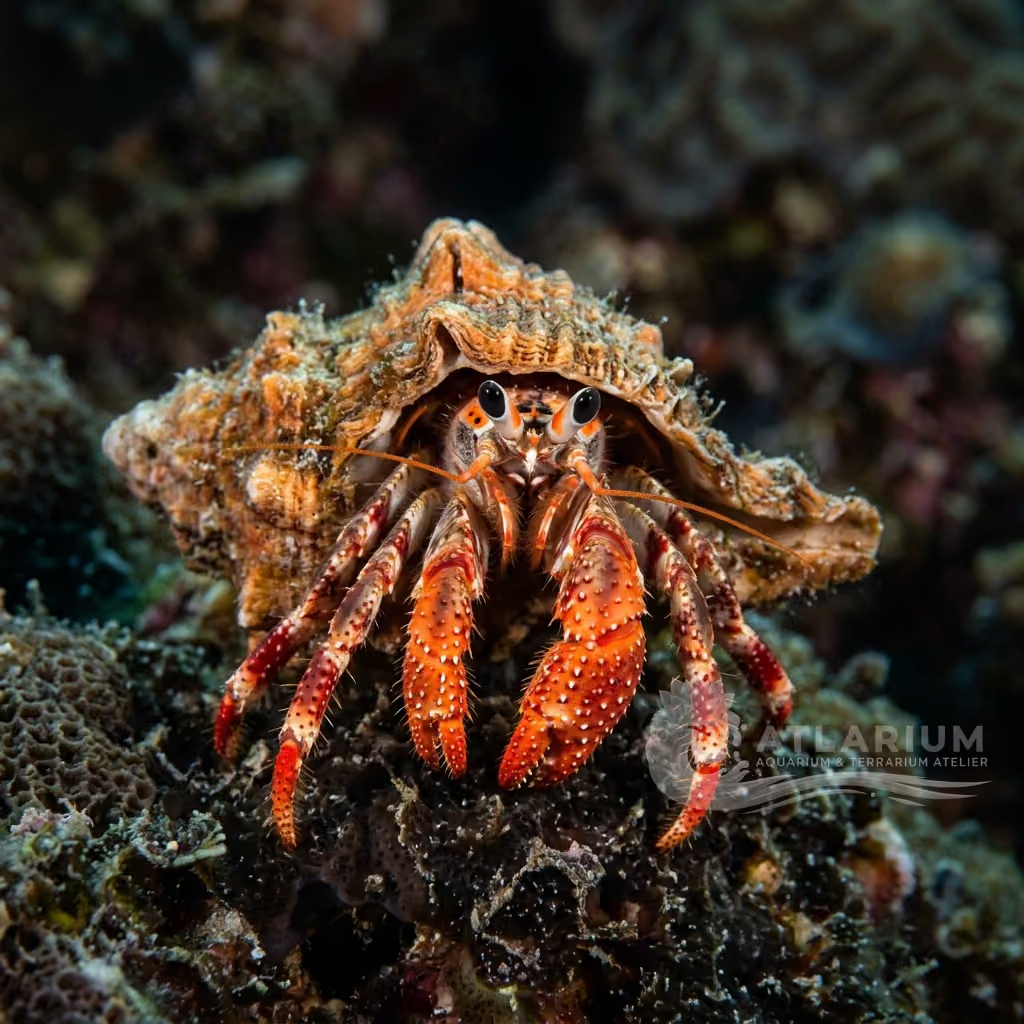
Coloration and Sexual Dimorphism: The limbs are colored in shades of olive-green, dark brown, or gray, marked with prominent pale yellow or orange longitudinal stripes running down the legs. The claws have black tips. No external dimorphism is visible, and sexing requires detailed anatomical observation.

Care, breeding and tankmates
Tank Setup: Can be housed in brackish paludariums or full marine setups of at least 60 liters. The substrate should consist of fine sand or mud. Providing climbing structures like mangrove roots or driftwood that emerge above the water surface is highly recommended, alongside plenty of empty shells.
Diet and Feeding: An opportunistic omnivore and detritivore. It feeds on decaying plant matter (including mangrove leaves), algae, detritus, frozen foods, and sinking pellets. It acts as an excellent cleaner, keeping the substrate turned over and preventing toxic anaerobic pockets from forming.
Water Quality: Highly adaptable, tolerating specific gravity from 1.010 (brackish) to 1.025 (marine). The temperature should be kept between 22°C and 28°C, with pH stable between 7.8 and 8.4. Despite its toughness, ensure the water remains free of ammonia, nitrites, and toxic heavy metals.
Compatibility and Tankmates: Safe to keep with brackish fish (such as archerfish, mudskippers, or gobies) and peaceful marine species. While reef-safe, they are best suited for biotope tanks, mangrove displays, or refugiums. Do not house with crustacean predators like puffers or large crabs.
Aquarium Breeding: Breeding in captivity is extremely difficult due to the complex planktonic larval stages that drift in changing salinity gradients in the wild. The female carries the fertilized eggs under her tail until they hatch into free-swimming zoea.
Risks and Diseases: Highly sensitive to copper. Iodine and calcium are necessary to prevent molting issues. Because of their strong climbing instincts, they can easily escape unsecured enclosures; ensure the tank is tightly sealed to prevent escape and subsequent dehydration.

Geographic origin and distribution
Clibanarius longitarsus is widely distributed across the tropical Indo-Pacific, from East Africa and the Red Sea to the Western Pacific islands. It primarily inhabits brackish mangrove swamps, tidal mudflats, and estuary mouths, where it can survive out of water for extended periods during low tides.
Origin
Tropical oceans and reefsAfrica and Madagascar

Invertebrate profile
- Diet
- Omnivore
- These crabs are invaluable omnivorous scavengers that spend their time grazing on various types of nuisance algae, including hair algae and cyanobacteria. They will also greedily consume detritus, uneaten fish food, and decaying organic matter. If natural food sources run low in the aquarium, their diet should be supplemented with dried seaweed and sinking pellets.
- Ecological role
- Scavenger
- They are quintessential members of the reef clean-up crew, performing essential janitorial duties across the rockwork and substrate. By continuously grazing on algae and processing detritus, they prevent organic buildup and assist in maintaining overall water quality. Their foraging activities also subtly sift the top layers of sand, preventing stagnation.
- Adult size
- 5 cm
- Jump risk
- Yes
- These heavy, shell-dwelling bottom feeders are completely incapable of jumping or swimming out of the water. Their anatomy and weight confine them strictly to the substrate and rockwork. While they can climb up powerhead cords or silicone seams to the water surface, they pose absolutely zero risk of leaping from the tank.
- Shock sensitivity
- High
- Hermit crabs are comparatively hardy, but they still require careful acclimation to new water chemistry and temperature. Drastic shifts in salinity are particularly dangerous and can interfere with their osmoregulation. A slow drip acclimation is the recommended standard practice to ensure long-term survival.
- Calcium and minerals
- High
- Proper calcium, magnesium, and trace element levels are mandatory to facilitate a healthy molting process and allow their new exoskeleton to harden. Regular water changes with a high-quality reef salt mix usually provide sufficient elements for their needs. Without adequate calcium, their new shell remains soft, making them highly susceptible to predation.
- Molting
- Yes
- When it is time to molt, the crab may temporarily leave its shell and hide within the live rock until its new exoskeleton is sufficiently hard. The shed exoskeleton strongly resembles a dead crab and is often mistaken as such by inexperienced aquarists. Ensure spare empty shells of various sizes are always available so they can upgrade safely post-molt.
- Reproduction
- Oviparous
- Reproduction in the home aquarium is an extremely rare occurrence and generally unsuccessful. They release microscopic, free-swimming larvae into the water column, which are usually swiftly consumed by corals and fish. Successfully raising these larvae requires dedicated pelagic feeding regimens and isolated rearing systems.
- Compatibility & tankmates
- Verify
- They are exceptionally peaceful toward fish and corals, making them an ideal and safe addition to any reef aquarium clean-up crew. However, they may occasionally squabble with other hermit crabs over desirable empty shells if resources are scarce. They generally ignore snails, provided there are enough empty shells to prevent them from killing snails for their homes.

Related species
Recommendations grouped by close relatives, companion choices, and similar care.