Mediterranean Hermit Crab
Clibanarius erythropus
The Mediterranean hermit crab is a hardy, red-legged intertidal scavenger widely found in Mediterranean tide pools and suitable for both coldwater and tropical aquariums.
Water Temperature
15 - 24 °C
pH Value
8 - 8.4
Water type
Marine
Invertebrate type
Hermit crab
Adult size
3 cm
Minimum group
>= 1
KH
8 - 12 dKH
Ecological role
Scavenger
Copper sensitivity
High

Species description
Geographical Origin and Habitat: Clibanarius erythropus is native to the Mediterranean Sea, the Black Sea, and the eastern Atlantic coast, ranging from Portugal north to the English Channel and west to the Azores. It inhabits the rocky intertidal zone, where it lives in shallow tide pools, rocky fissures, and gravel beaches. It is well-adapted to surviving high sun exposure and dry periods when the tide recedes.
Taxonomy: Belonging to the family Diogenidae and the genus Clibanarius, it is a small decapod crustacean. Adults reach a maximum body length of only 2 to 3 centimeters. It is one of the most common and easily observed hermit crabs along the rocky coastlines of southern Europe, playing a major ecological role in littoral zones.
Social Behavior: It is a gregarious species that often forms dense groups in tide pools. They are active during both day and night, crawling over rocks to graze on algae and search for food. They display a peaceful temperament, and conflicts between individuals are limited to non-injurious shell fights.
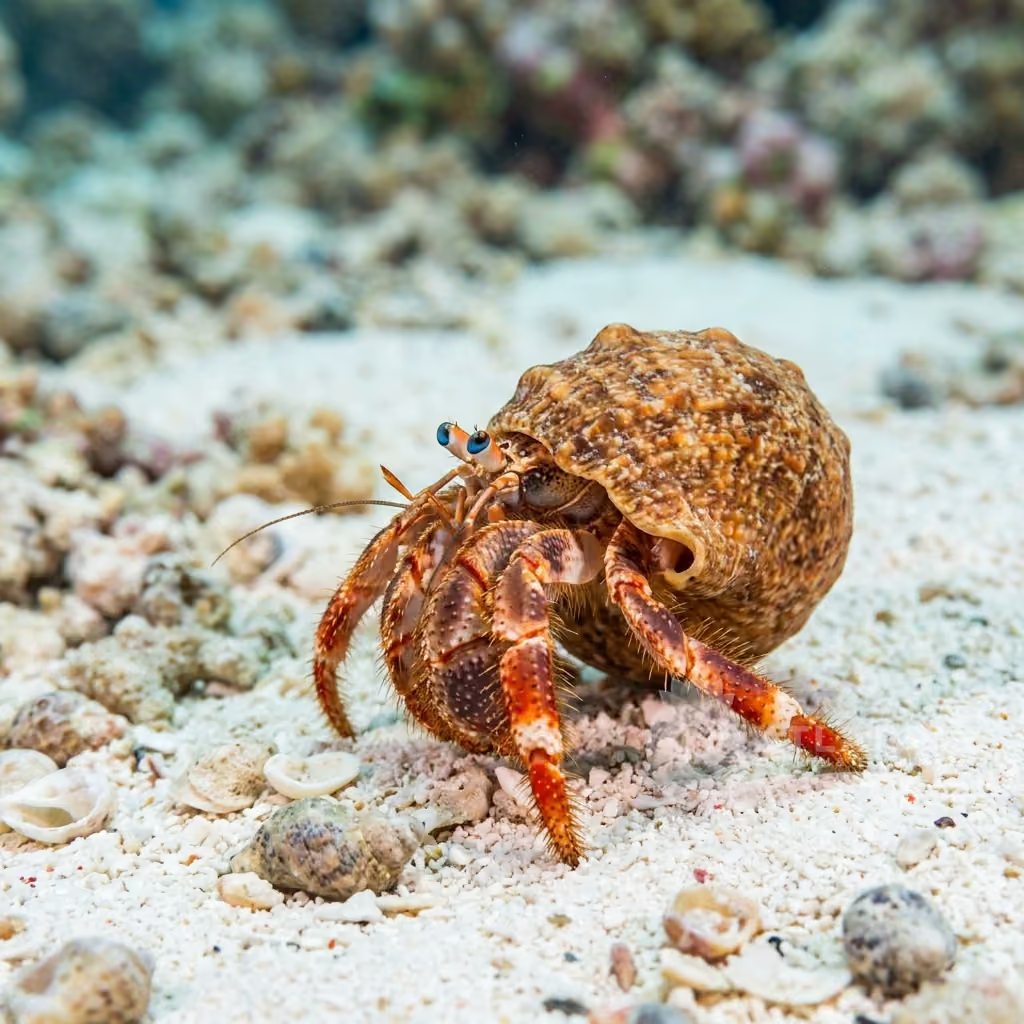
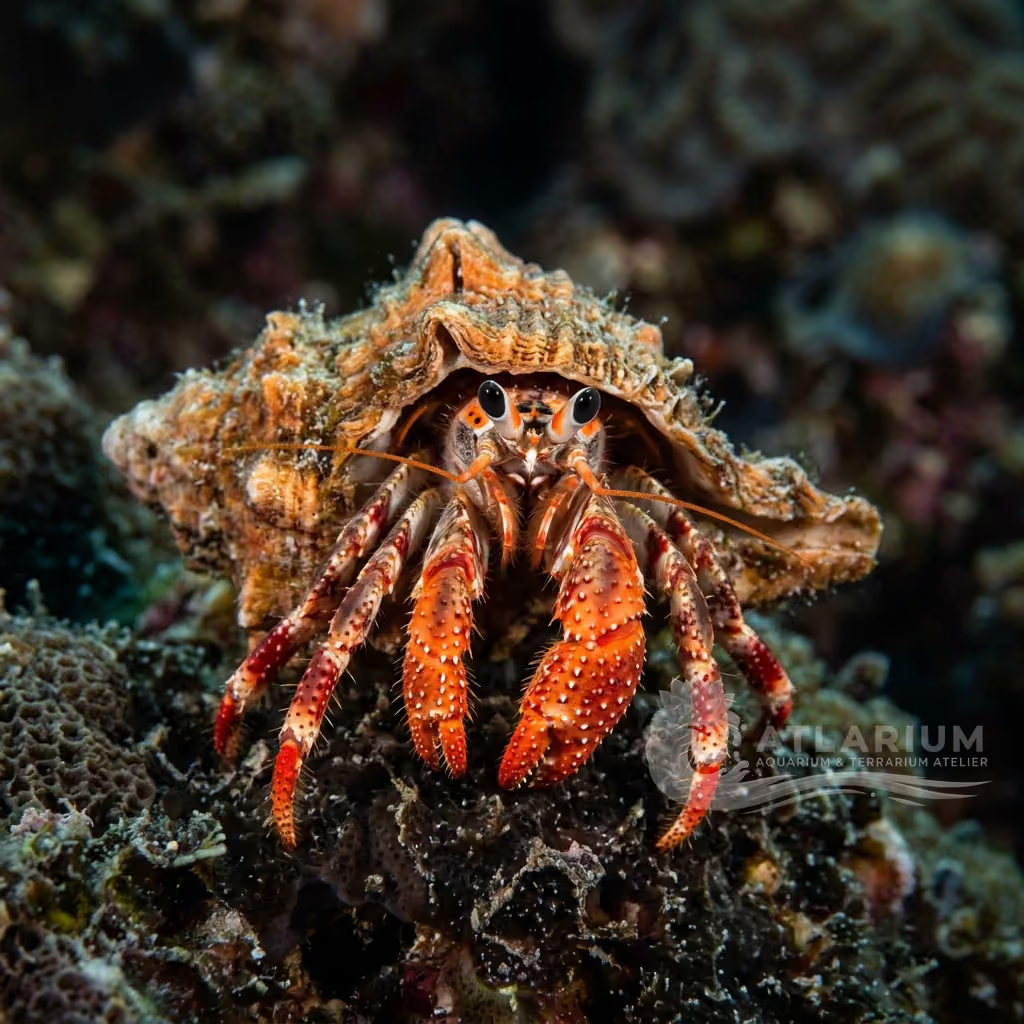
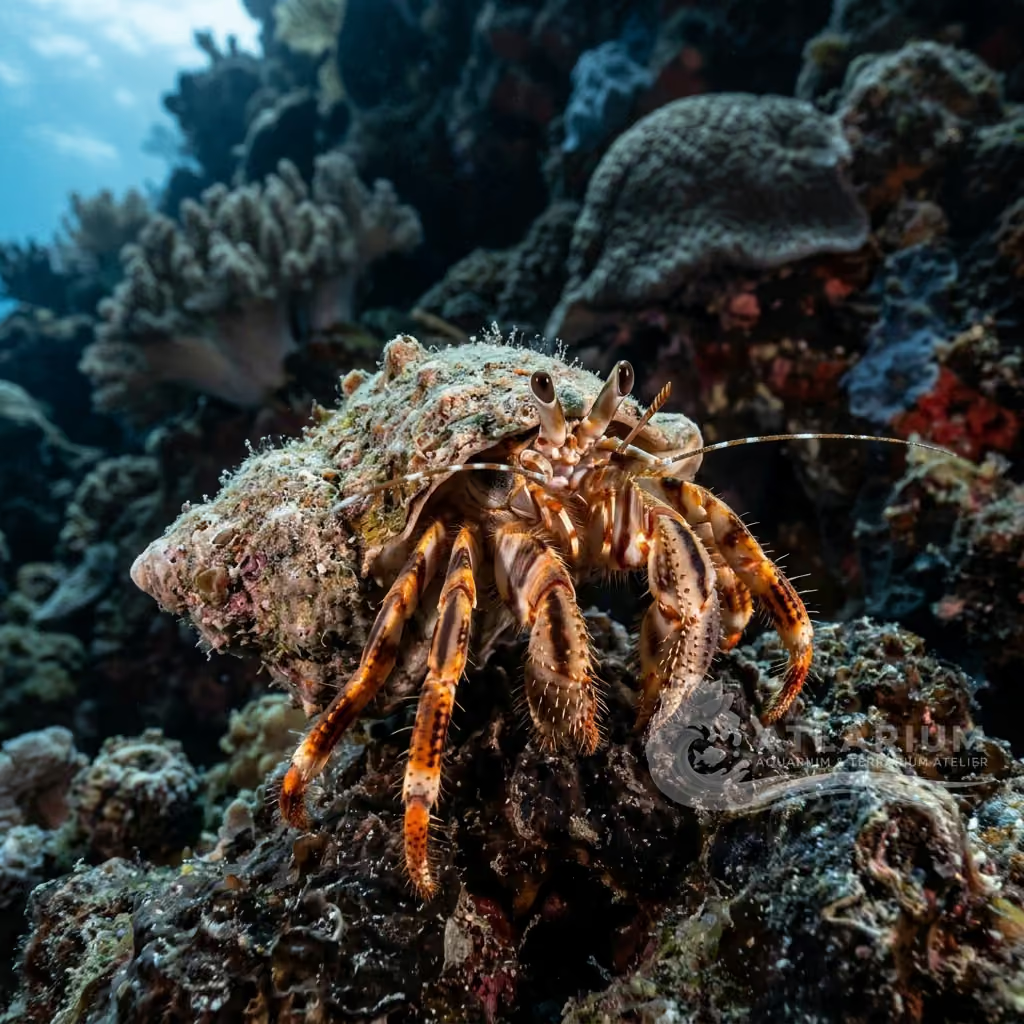
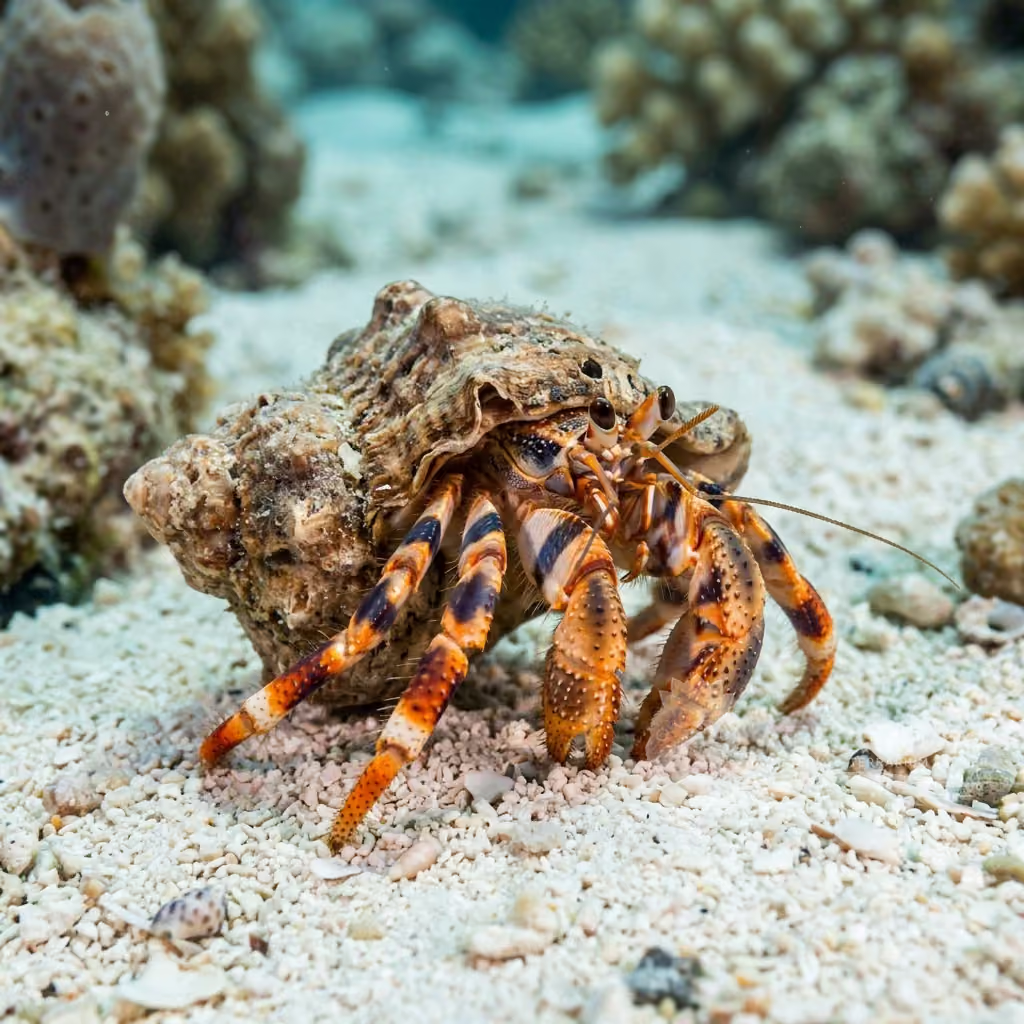
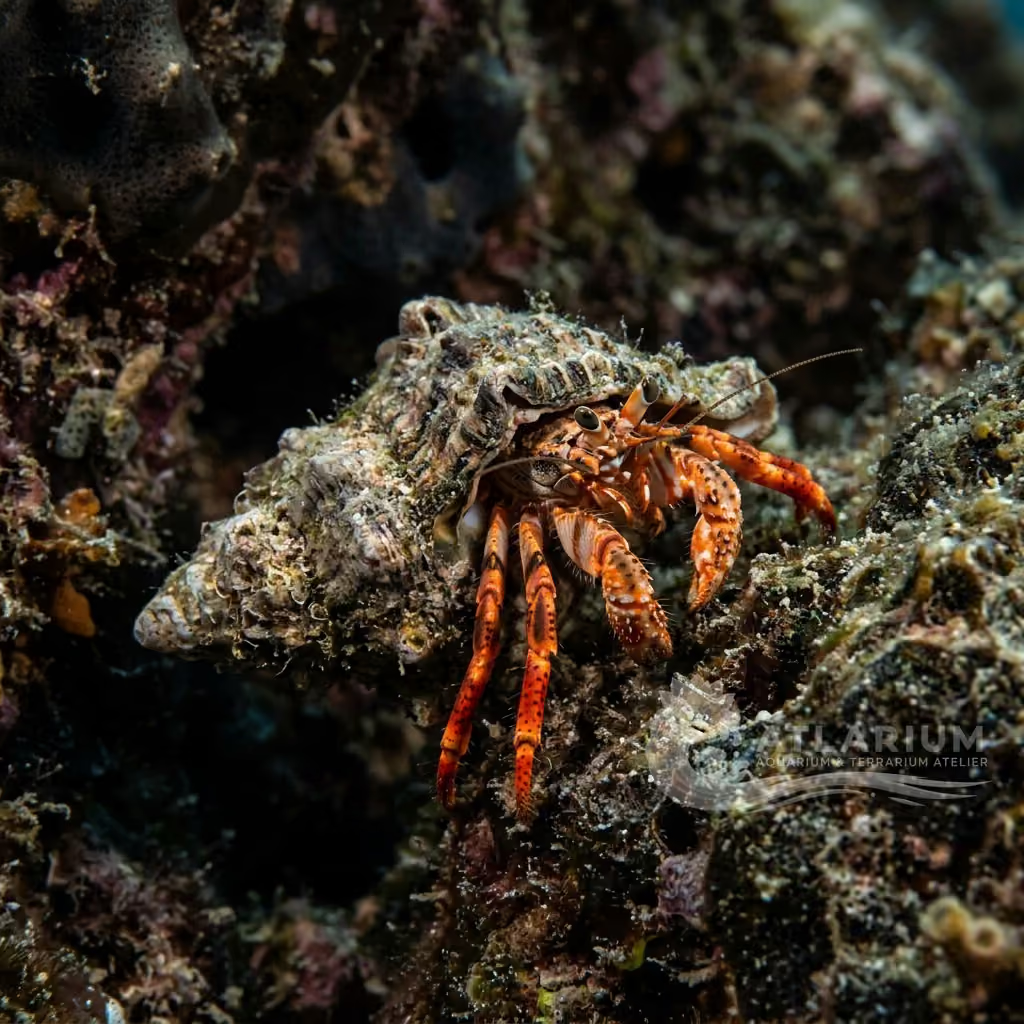
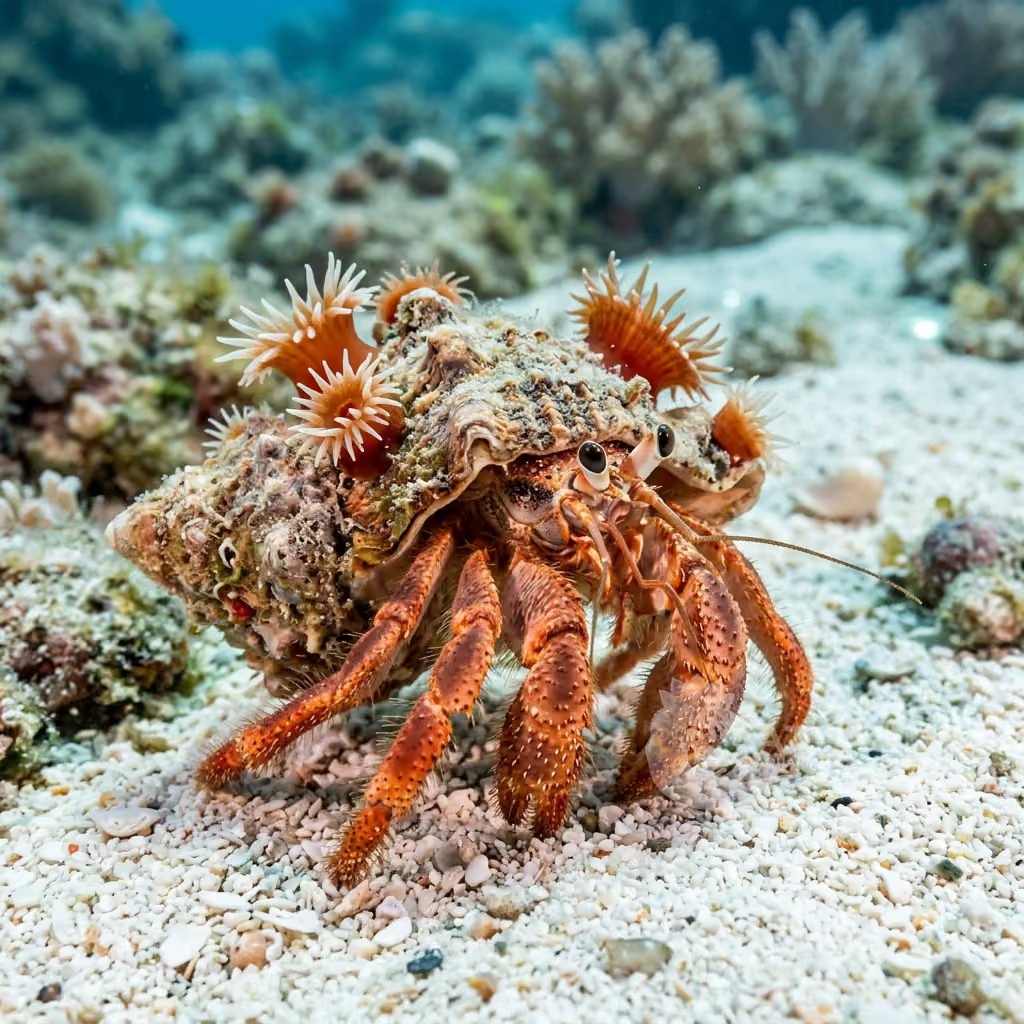
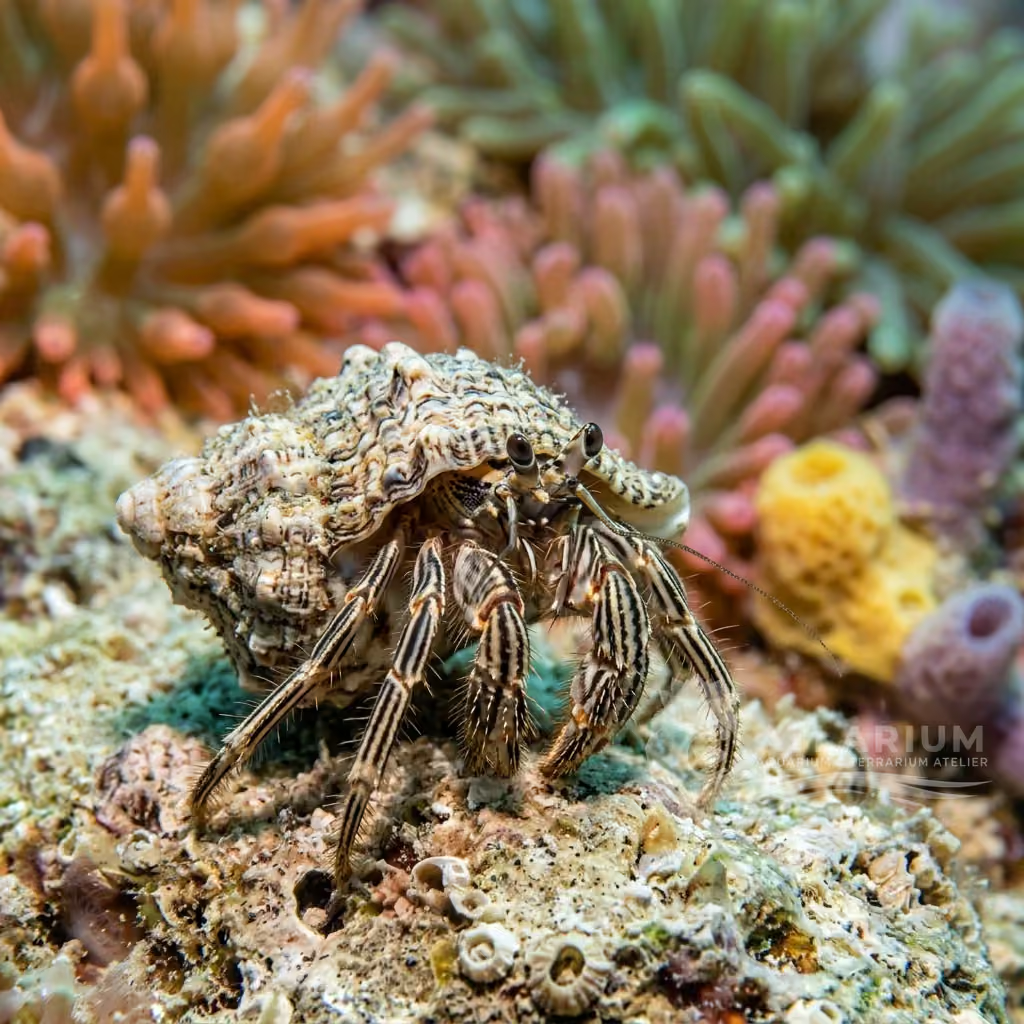
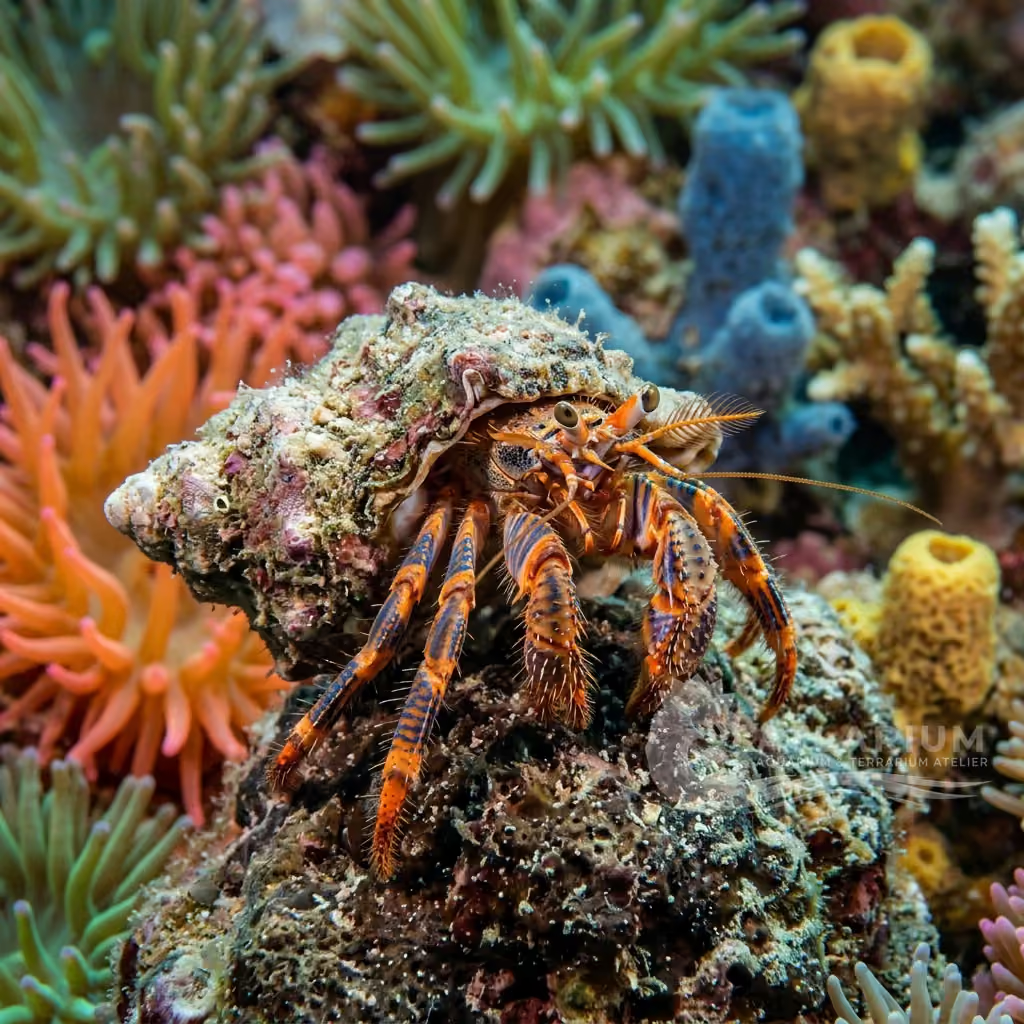
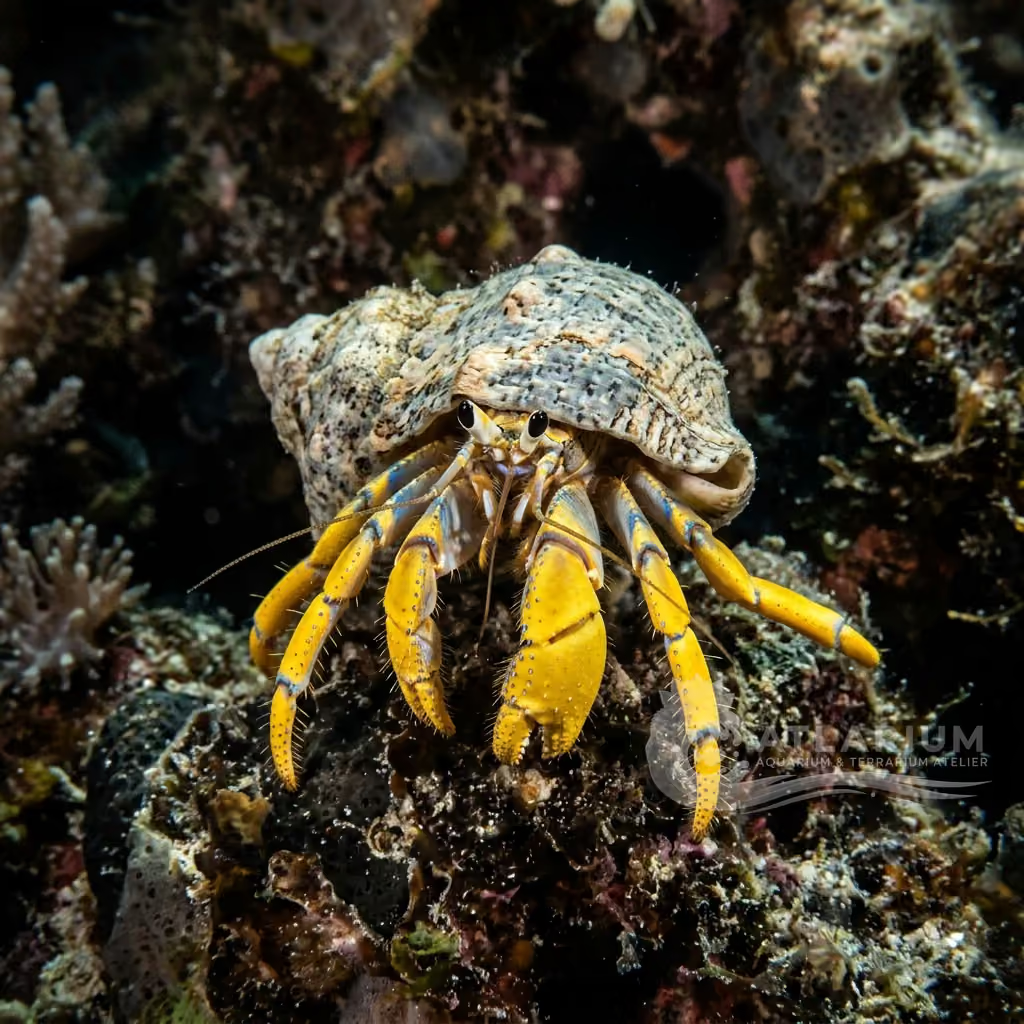
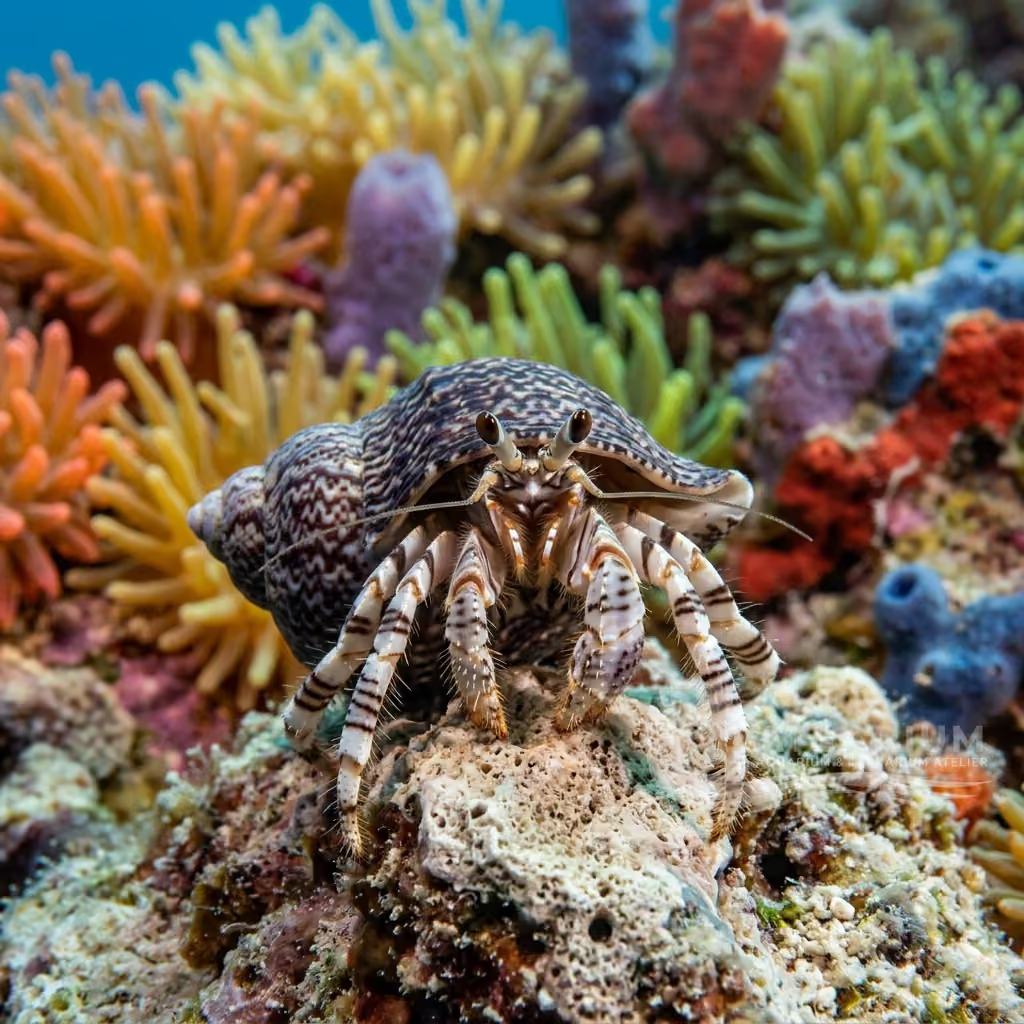
Coloration and Sexual Dimorphism: The most prominent morphological feature is the bright red or reddish-orange color of its walking legs and claws. The eyestalks are also red, supporting black eyes. The tips of the claws are slightly greyish-blue. There is no visible external sexual dimorphism; sexes can only be distinguished by examining the internal pleopods of the abdomen.

Care, breeding and tankmates
Tank Setup: Can be kept in temperate or tropical aquariums of at least 30 to 50 liters. The setup should include a sandy or gravel substrate and plenty of live rock with crevices. It is essential to supply a wide selection of empty gastropod shells (especially from genera like Gibbula or Monodonta) of various sizes to support growth and prevent conflicts.
Diet and Feeding: An excellent herbivorous and detritivorous scavenger. It feeds on filamentous algae, diatoms, organic detritus, and decaying matter. In captivity, they do not require specialized feeding, as they will consume leftover fish foods, spirulina flakes, nori seaweed, and small amounts of frozen foods.
Water Quality: Extremely hardy and tolerant of fluctuating salinity and temperature due to its intertidal nature. It can be housed in temperate systems (15-20°C) or tropical reefs (22-26°C). Maintain pH between 8.1 and 8.4, and specific gravity (salinity) between 1.021 and 1.025. Copper must be absent from the water.
Compatibility and Tankmates: Completely reef-safe and compatible with small community fish, corals, and other peaceful invertebrates. Do not house them with crustacean-eating predators such as triggerfish, pufferfish, large wrasses, or octopuses, which can easily crush their shells to consume them.
Aquarium Breeding: Breeding in captivity is extremely difficult and rarely documented. While females frequently carry fertilized eggs beneath their abdomens, the hatched larvae are planktonic and require specific planktonic foods and aquatic currents to survive, and are typically lost to mechanical filtration.
Risks and Diseases: The primary risk is related to the periodic molting process (ecdysis). The crab sheds its exoskeleton and remains soft and vulnerable, hiding deep in the rocks for a few days. Calcium and iodine deficiencies can lead to failed molts. Regularly dosing these trace elements is recommended to support shell development.

Geographic origin and distribution
Clibanarius erythropus is native to the Mediterranean Sea, the Black Sea, and the eastern Atlantic coast, ranging from Portugal north to the English Channel and west to the Azores. It inhabits the rocky intertidal zone, where it lives in shallow tide pools, rocky fissures, and gravel beaches. It is well-adapted to surviving high sun exposure and dry periods when the tide recedes.
Origin
Tropical oceans and reefsEurope, Mediterranean, and West Asia

Invertebrate profile
- Diet
- Herbivore
- As a herbivore/scavenger, Clibanarius erythropus plays an active role in consuming various organic matters in its environment. Its diet in captivity should be varied, including specialized pellets, frozen foods, and natural algae or detritus depending on its specific preferences. Regular and balanced feeding is crucial for its health and longevity.
- Ecological role
- Scavenger
- The primary ecological role of Clibanarius erythropus is acting as a cleaner within the aquarium ecosystem. By constantly foraging, it helps manage waste, uneaten food, or pests, contributing significantly to water quality. Its presence introduces a natural balance and mimics complex biological interactions found in the wild.
- Adult size
- 3 cm
- Jump risk
- Yes
- The jump or escape risk for Clibanarius erythropus is considered low. Like many active invertebrates, it may attempt to climb out of the water if it feels stressed, threatened, or if water conditions deteriorate. A tight-fitting lid or mesh screen is highly recommended to prevent accidental escapes.
- Shock sensitivity
- Low
- Clibanarius erythropus is quite sensitive to sudden shifts in water parameters, particularly salinity, temperature, and pH. It is highly recommended to use a slow drip acclimation method over several hours when introducing it to a new tank. Maintaining stable conditions is vital to prevent stress-induced ailments or mortality.
- Calcium and minerals
- High
- To support healthy molting and exoskeleton growth, Clibanarius erythropus requires adequate calcium and trace elements like iodine in the water. Regular water changes with a high-quality salt mix usually provide sufficient levels, but specific supplementation may be necessary in heavily stocked reef tanks. Monitoring calcium and alkalinity ensures proper skeletal development.
- Molting
- Periodic
- During the molting process, Clibanarius erythropus becomes extremely vulnerable to predators and aggressive tankmates. It will typically retreat to a secure hiding spot until its new exoskeleton hardens. It is important to leave the discarded molt in the tank, as the invertebrate will often consume it to reclaim valuable minerals.
- Reproduction
- Oviparous
- Breeding Clibanarius erythropus in a home aquarium is incredibly challenging due to its complex reproductive cycle. It typically involves a planktonic larval stage that requires highly specialized foods and precise water conditions to survive. In most standard setups, any spawned larvae will quickly become food for fish and corals.
- Compatibility & tankmates
- Peaceful
- When considering tankmates, Clibanarius erythropus is generally compatible with peaceful fish and other similarly sized invertebrates. Since its reef compatibility is rated as 'yes', careful observation is required if kept with delicate corals or smaller ornamental shrimp. Aggressive or large predatory fish should always be avoided to ensure its safety.

Related species
Recommendations grouped by close relatives, companion choices, and similar care.