Thinstripe Hermit Crab
Clibanarius vittatus
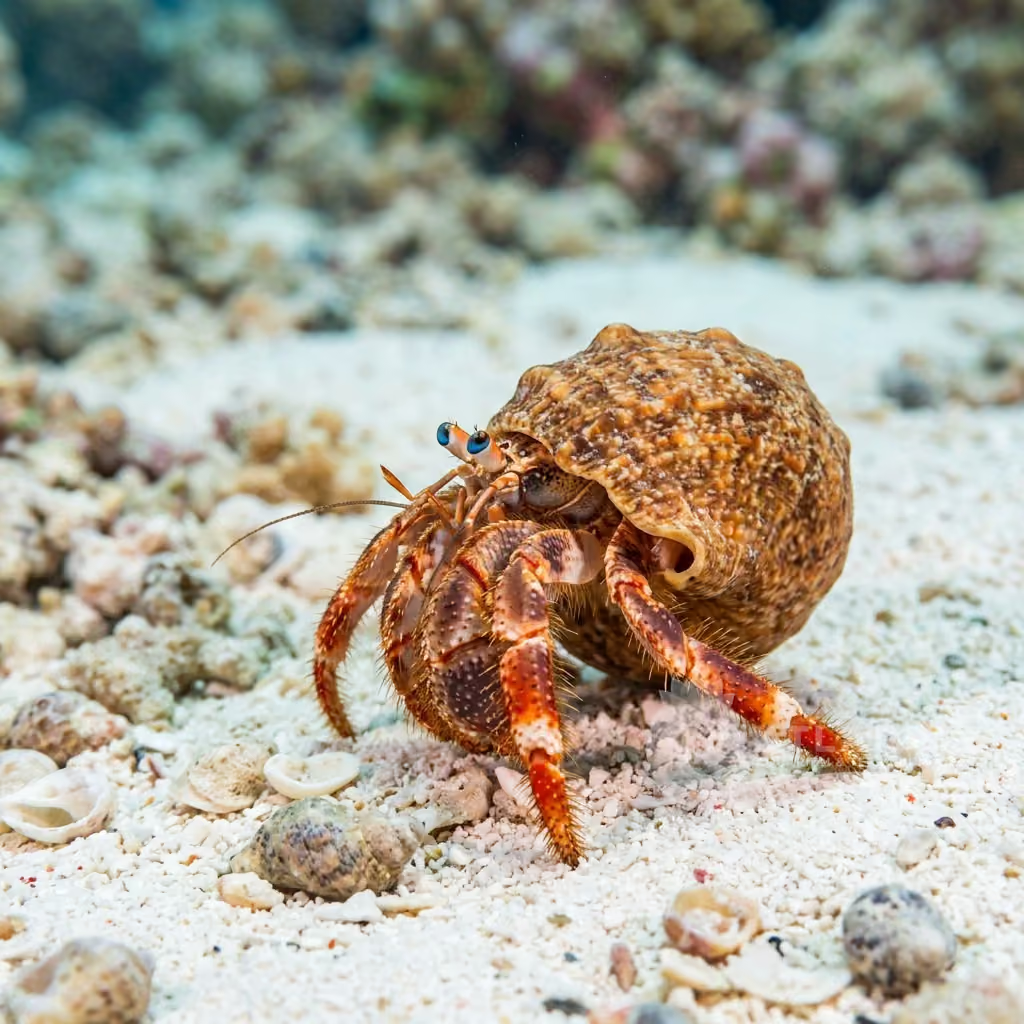
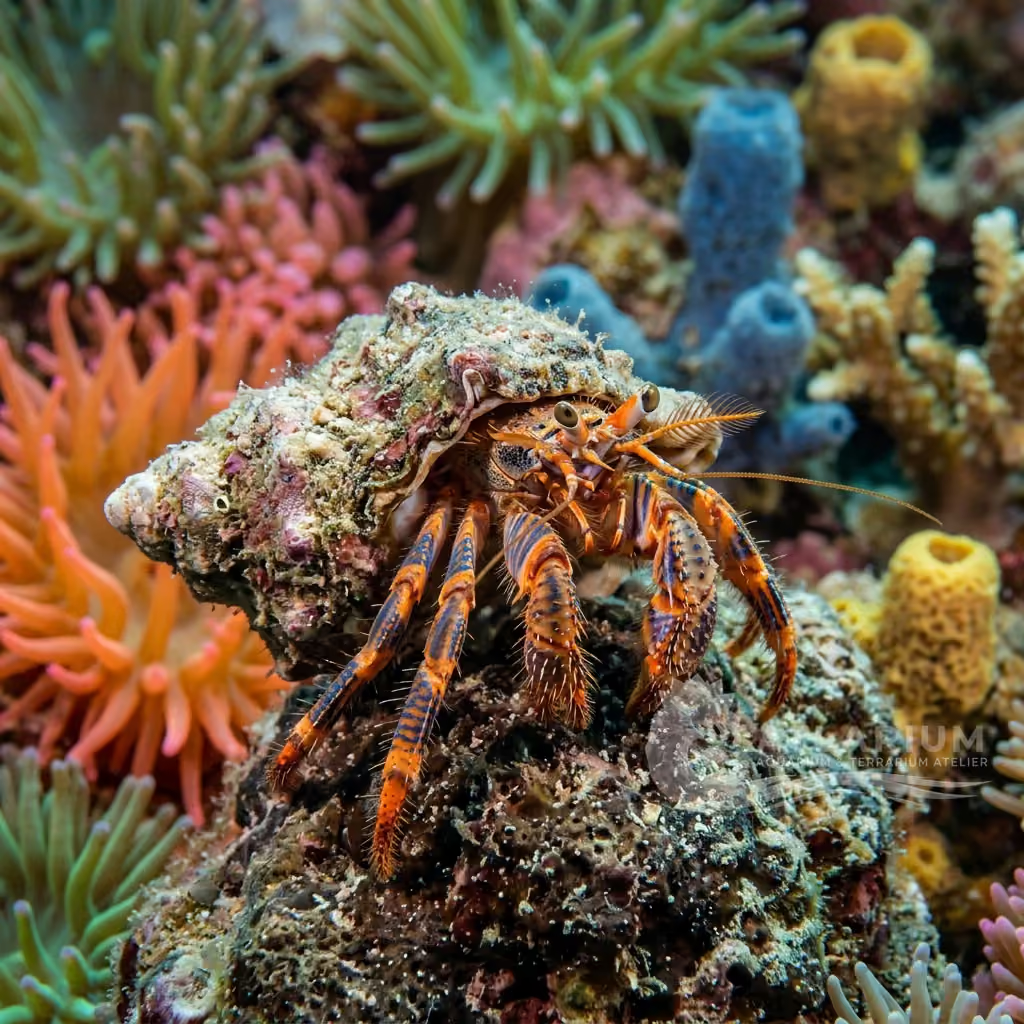
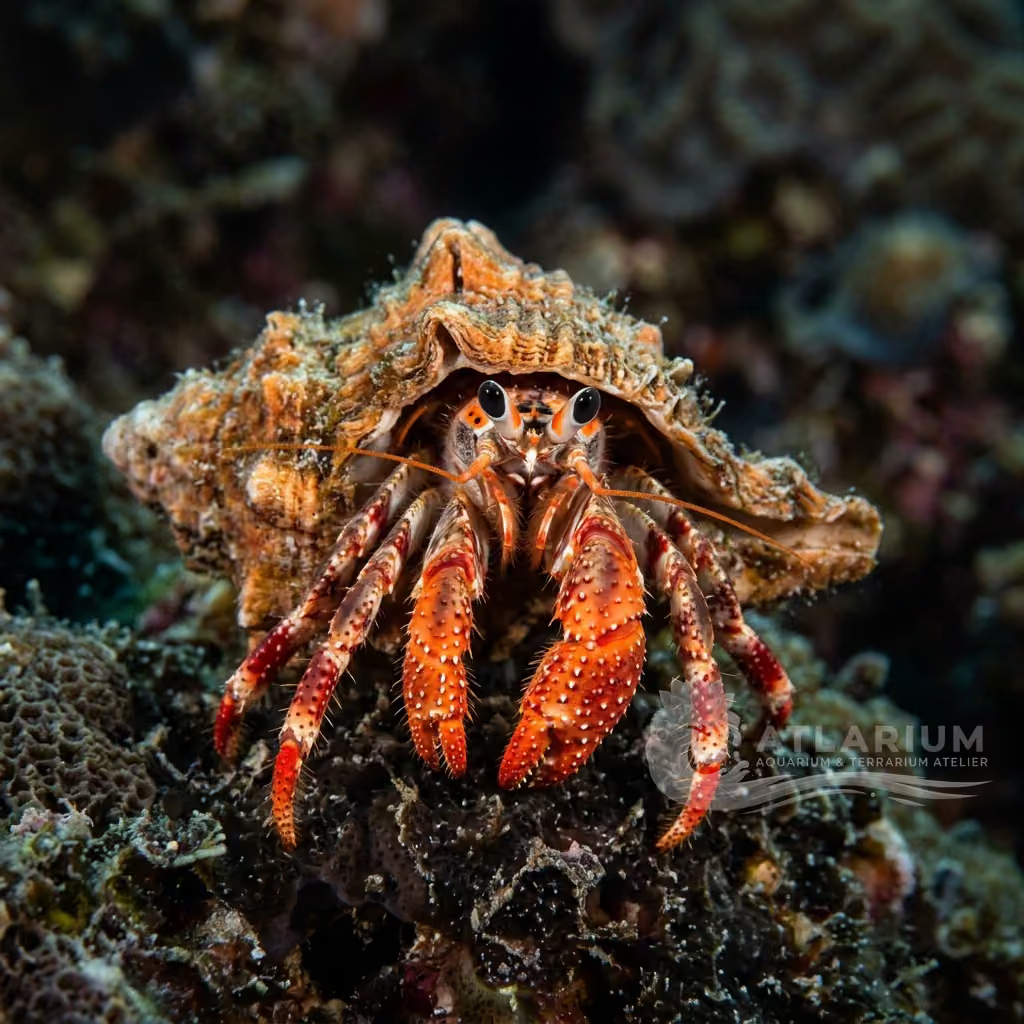
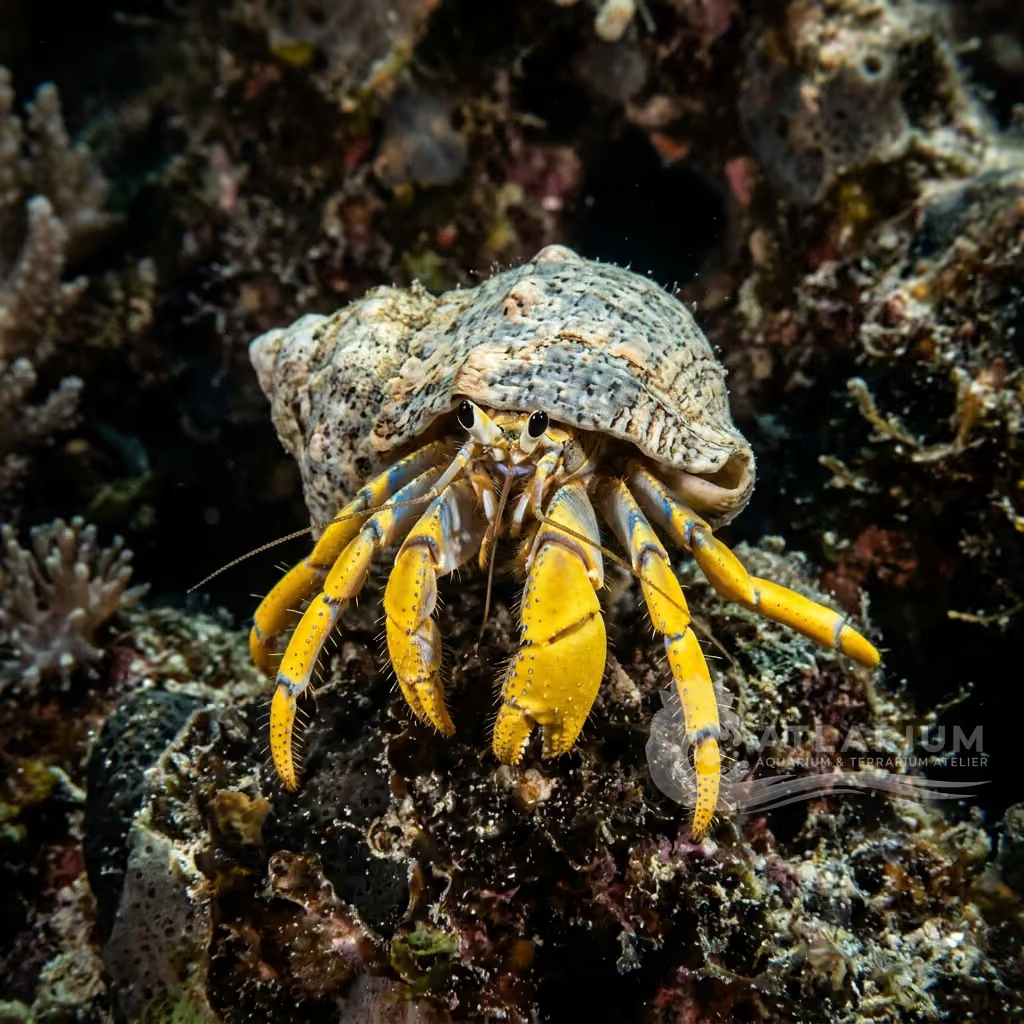
The Thinstripe Hermit Crab is a robust, dynamic scavenger from Atlantic mudflats. It is highly efficient at turning over sand beds and devouring detritus, requiring various shells for molting.
Water Temperature
15 - 28 °C
pH Value
8 - 8.4
Water type
Marine / Brackish
Invertebrate type
Hermit crab
Adult size
6 cm
Minimum group
>= 1
KH
8 - 12 dKH
Ecological role
Scavenger
Copper sensitivity
High

Species description
Geographical Origin and Habitat: This species is widely distributed in the western Atlantic Ocean, ranging from the coast of North Carolina down to southern Brazil, including the Gulf of Mexico and the Caribbean Sea. It inhabits shallow mud flats, sandy beaches, mangrove swamps, and estuarine waters.
Taxonomy: Classified within the family Diogenidae and the genus Clibanarius, scientific name Clibanarius vittatus. Characterized by short claws of equal size and a soft, coiled abdomen. It relies on finding empty gastropod shells (such as those of whelks or conchs) to shelter its vulnerable body.
Social Behavior: Peaceful and non-aggressive towards fish and corals, but highly active and opportunistic. It spends its time climbing and walking across sandy substrates and rocks. It shows social interaction with conspecifics, but will compete aggressively for suitable shells if they are scarce.
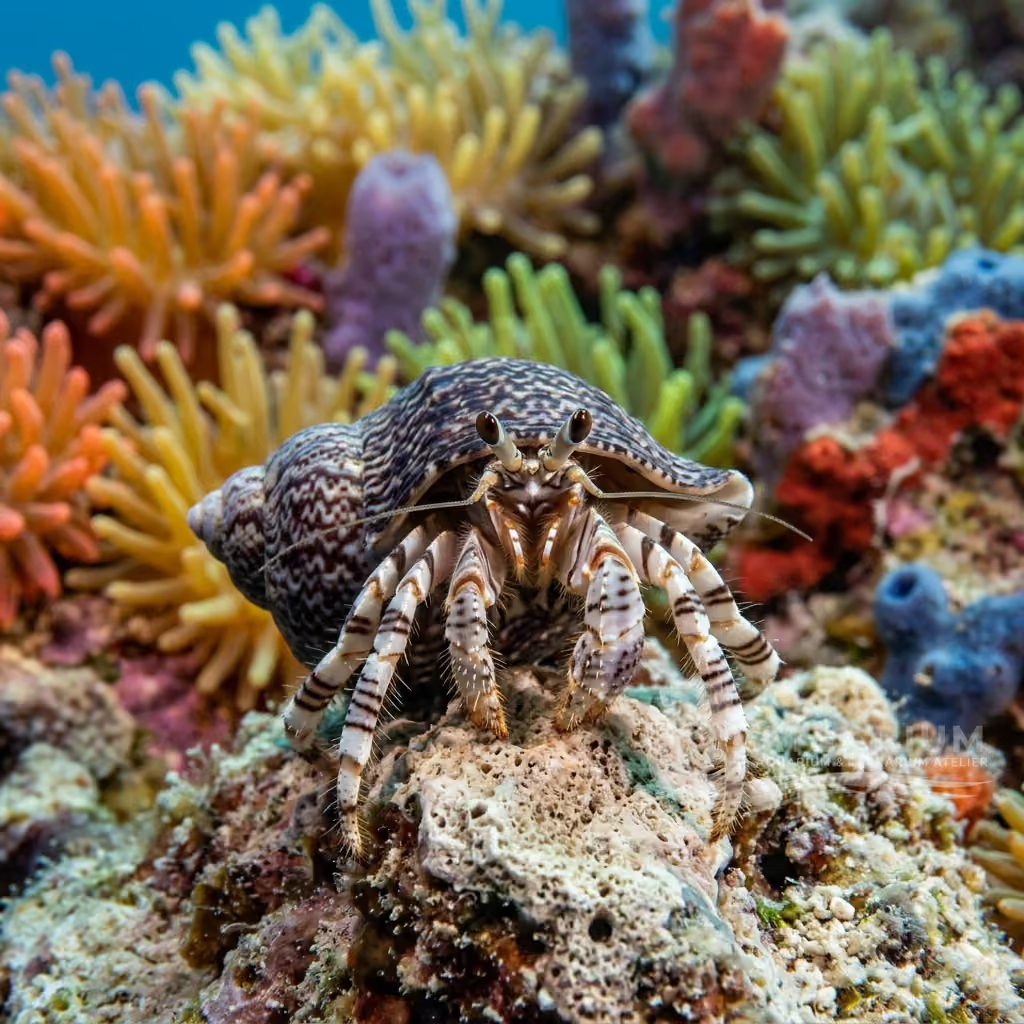
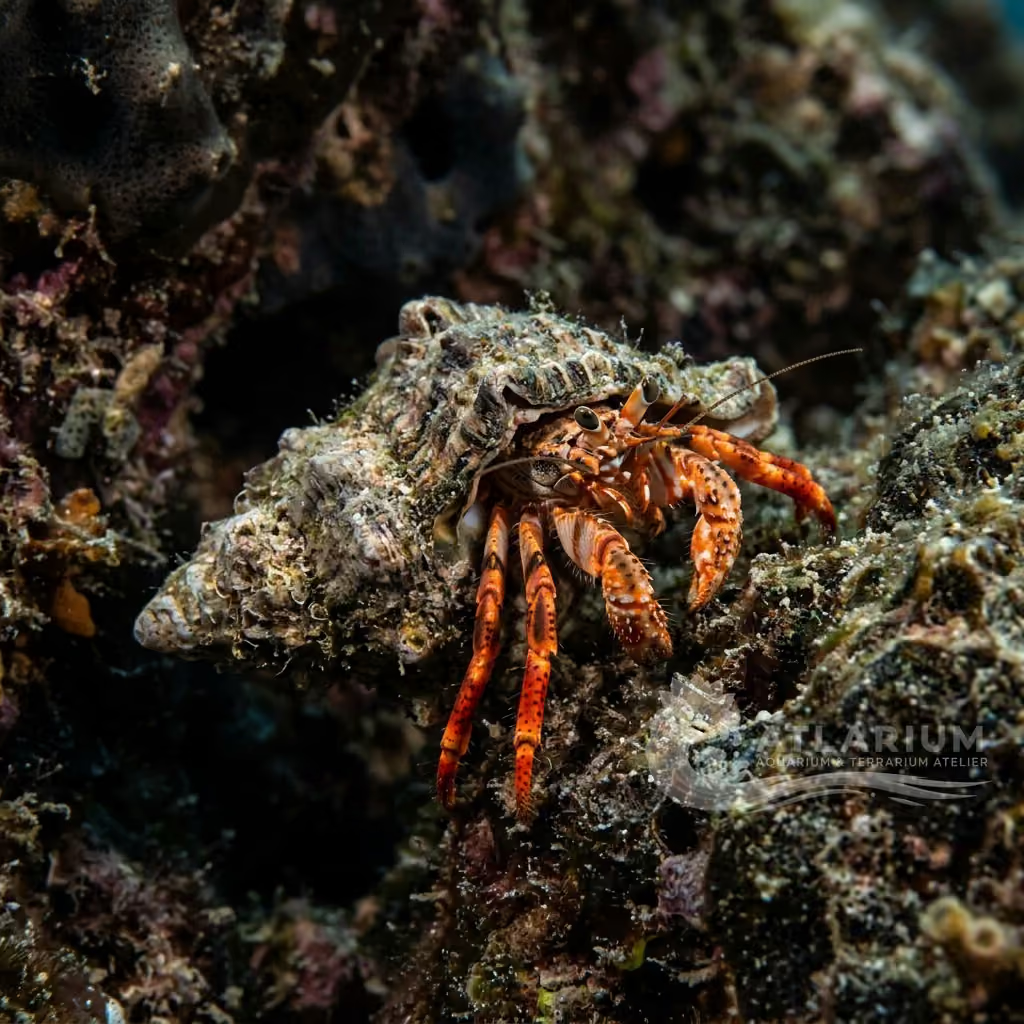
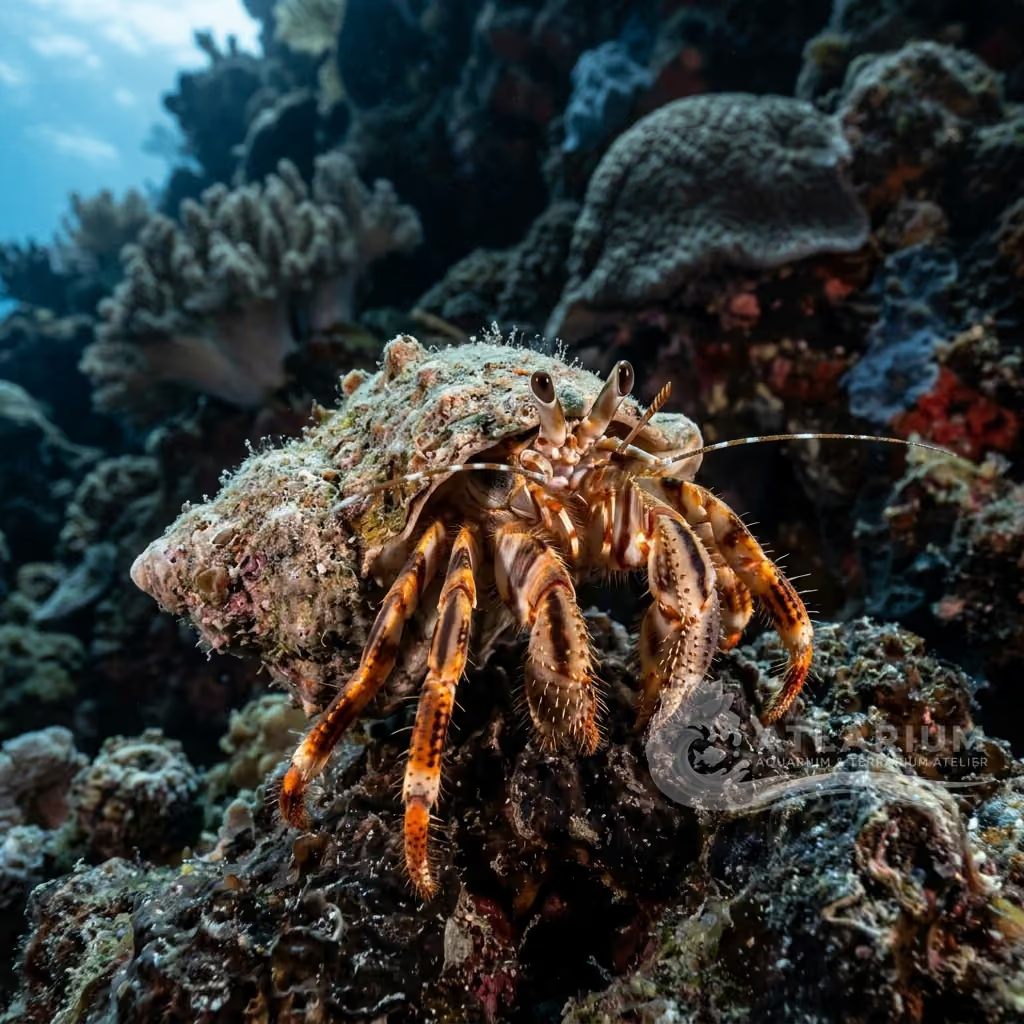
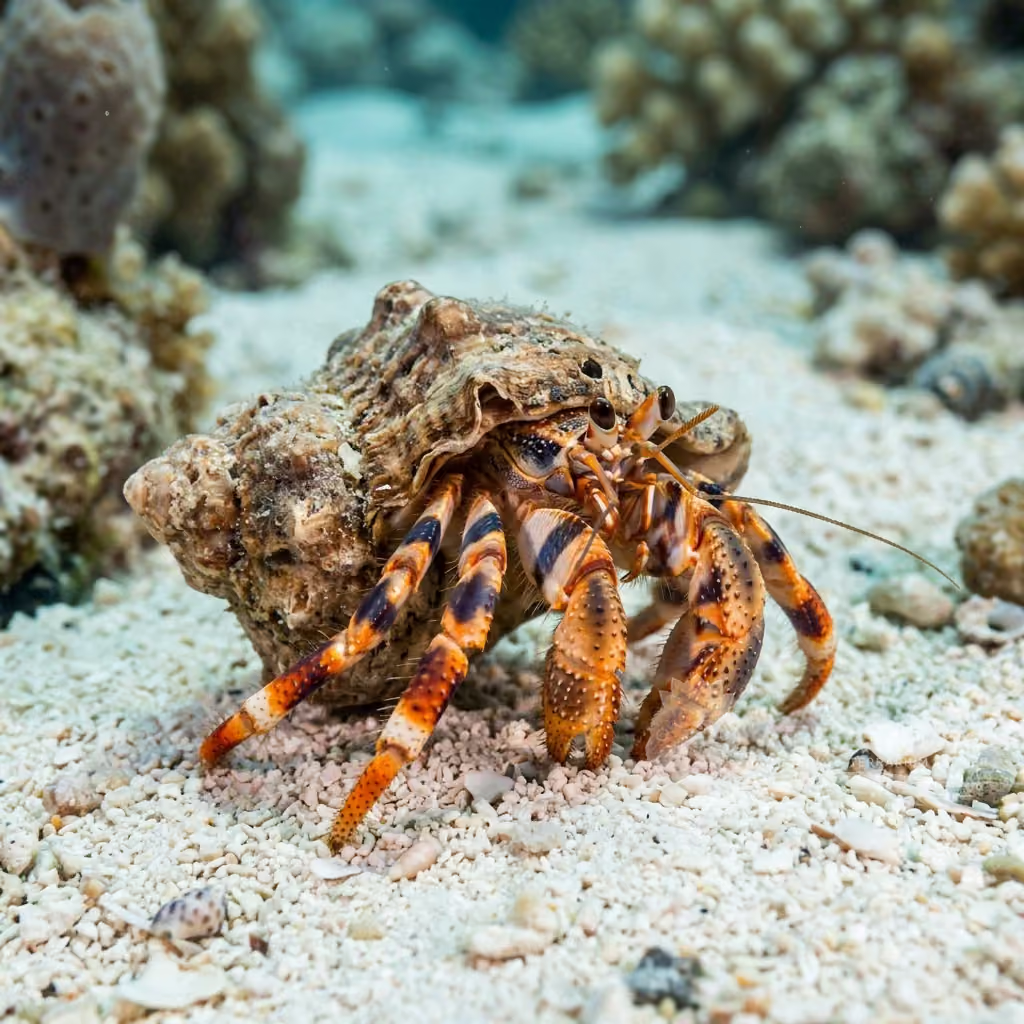
Coloration and Sexual Dimorphism: Features a striking coloration pattern on its walking legs, which display alternating longitudinal stripes of white, bright orange, and dark greyish-green. Claws are dark brown or olive-green with pale tips. Sexual dimorphism is not externally apparent.

Care, breeding and tankmates
Tank Setup: A tank of at least 80 liters is recommended, featuring a deep sand bed and live rock. It is crucial to supply a large selection of empty gastropod shells of various sizes and shapes so the hermit crab can safely molt and transition into larger shells as it grows.
Diet and Feeding: An excellent detritivore and scavenger. It voraciously consumes detritus, organic waste, uneaten fish food, algae (including green hair algae and cyanobacteria), and fish carcasses. Supplying supplemental sinking pellets is recommended if the tank is very clean.
Water Quality: Highly adaptable to fluctuations in salinity and temperature, reflecting its estuarine origin. Maintain temperature between 15°C and 28°C (59-82°F), pH 8.0 to 8.4, and specific gravity 1.018 to 1.025. Standard marine filtration and moderate water flow are sufficient.
Compatibility and Tankmates: Reef-safe and compatible with most peaceful community fish. However, they may attack and kill live ornamental snails (such as Astraea or Cerith snails) to steal their shells if a diverse supply of empty shells is not readily available in the aquarium.
Aquarium Breeding: Mating involves internal fertilization. Females carry the fertilized egg mass under their abdomen. Planktonic larvae (zoea) are eventually released into the water column, but they do not survive in home aquariums due to filtration systems and predation.
Risks and Diseases: The primary risk is stress or death during the molting process, which can occur if water levels of calcium and iodine are deficient. Never expose the aquarium to copper-based medications, as copper is highly toxic to all marine crustaceans.

Geographic origin and distribution
This species is widely distributed in the western Atlantic Ocean, ranging from the coast of North Carolina down to southern Brazil, including the Gulf of Mexico and the Caribbean Sea. It inhabits shallow mud flats, sandy beaches, mangrove swamps, and estuarine waters.
Origin
Tropical oceans and reefsExtra-Amazon South AmericaCentral America and CaribbeanNorth America

Invertebrate profile
- Diet
- Omnivore
- As a diligent scavenger, Clibanarius vittatus spends its days foraging across rockwork and sandbeds. Its diet is largely composed of detritus, uneaten meaty foods, and nuisance algae. Providing sinking pellets can ensure they receive enough nutrition when natural food is scarce.
- Ecological role
- Scavenger
- Hermit crabs like Clibanarius vittatus play a vital role as part of the benthic cleanup crew. They tirelessly consume decaying matter, helping to prevent the buildup of toxic ammonia and nitrites. By constantly shifting the substrate, they also promote beneficial oxygen exchange.
- Adult size
- 6 cm
- Jump risk
- Yes
- Clibanarius vittatus relies entirely on its shell and the substrate for protection and does not jump. However, they are excellent climbers and can scale silicone seams, equipment cords, or rock structures. A secure lid helps ensure they do not accidentally venture out of the tank.
- Shock sensitivity
- Medium
- Clibanarius vittatus requires stable water conditions to thrive over the long term. Rapid changes in specific gravity or temperature can induce significant stress. Drip acclimation is recommended over at least an hour before addition to the main display.
- Calcium and minerals
- Medium
- Proper calcium and alkalinity levels are critical for Clibanarius vittatus to sustain a healthy exoskeleton. Furthermore, they depend entirely on finding abandoned calcareous shells for housing. Providing an assortment of slightly larger empty shells is mandatory for their continued growth.
- Molting
- Periodic
- When it is time to molt, Clibanarius vittatus will often bury itself in the sand to protect its highly vulnerable state. It will shed its old exoskeleton and remain hidden until the new one is adequately hardened. Do not disturb a molting crab, as it can easily suffer fatal damage.
- Reproduction
- Bubble nest builder
- Captive reproduction of Clibanarius vittatus is extremely rare due to its complex planktonic larval stages. Females will brood eggs underneath their bodies until they are ready to be released into the water column. The larvae require highly specialized foods and stable marine conditions to survive.
- Compatibility & tankmates
- Peaceful
- Clibanarius vittatus is a peaceful scavenger but may fight with other hermit crabs over desirable shells. It should not be trusted around sluggish snails, as it may kill them to steal their housing. Keep with appropriately sized fish that will not harass or eat small crustaceans.

Scientific Parameters & Models
SeaLifeBase
Window to the official scientific data of the species
SeaLifeBase v26.04Data synced on: 06/15/2026
- Resilience
- High (less than 15 months)

Related species
Recommendations grouped by close relatives, companion choices, and similar care.