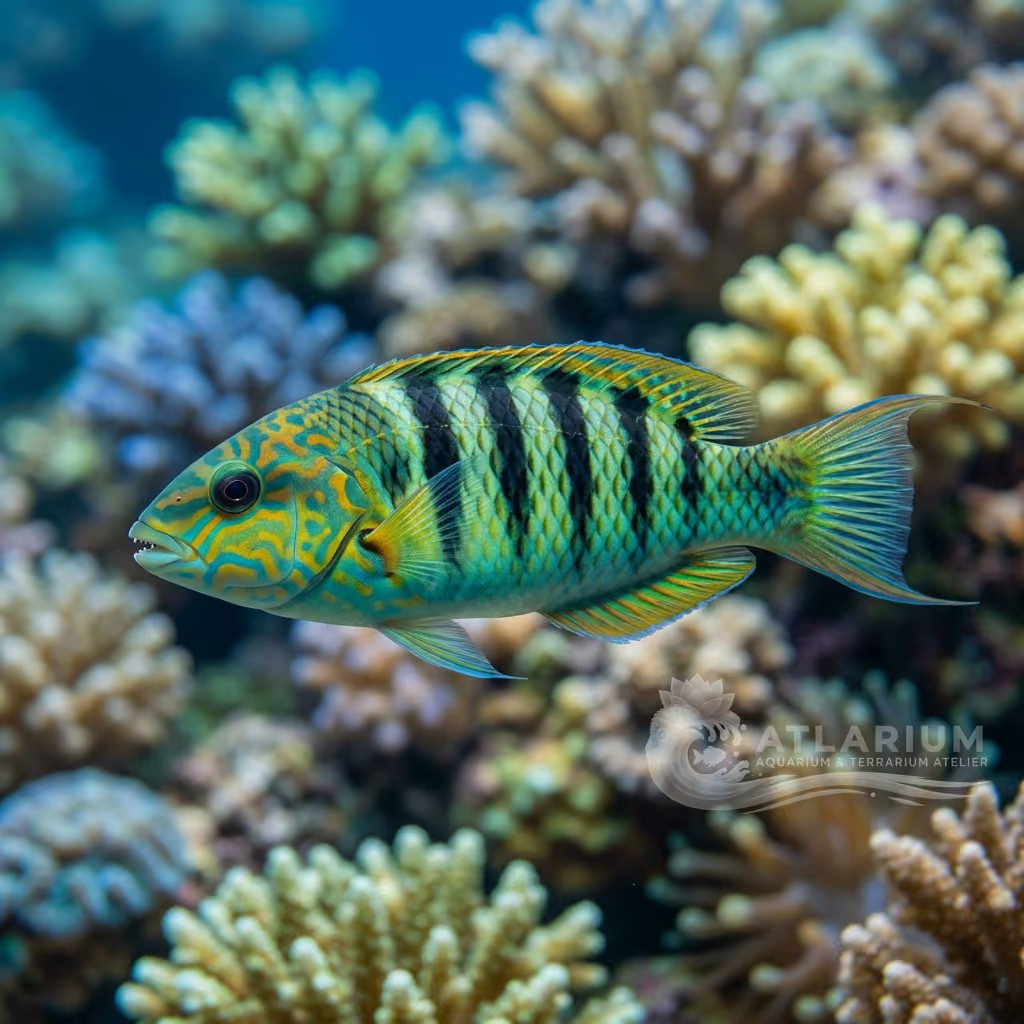
Christmas Wrasse
Halichoeres claudia
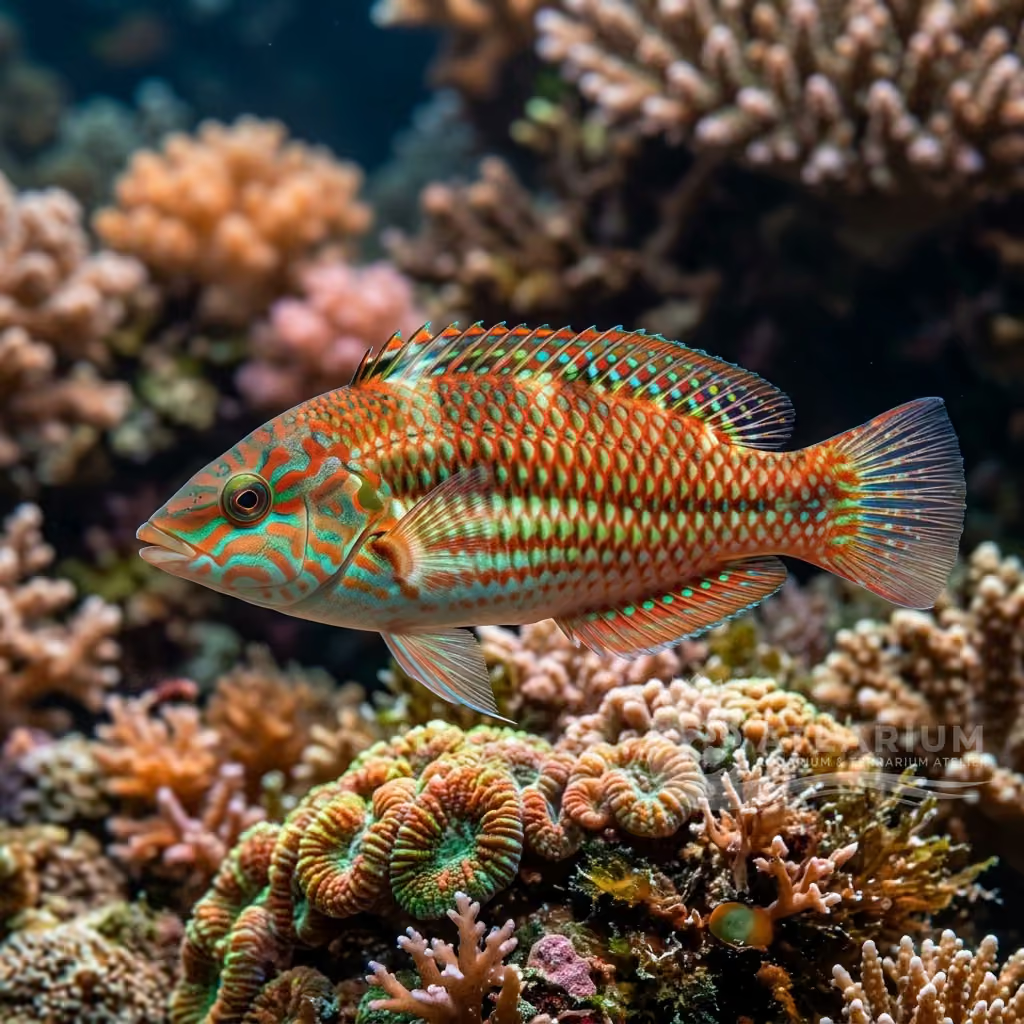
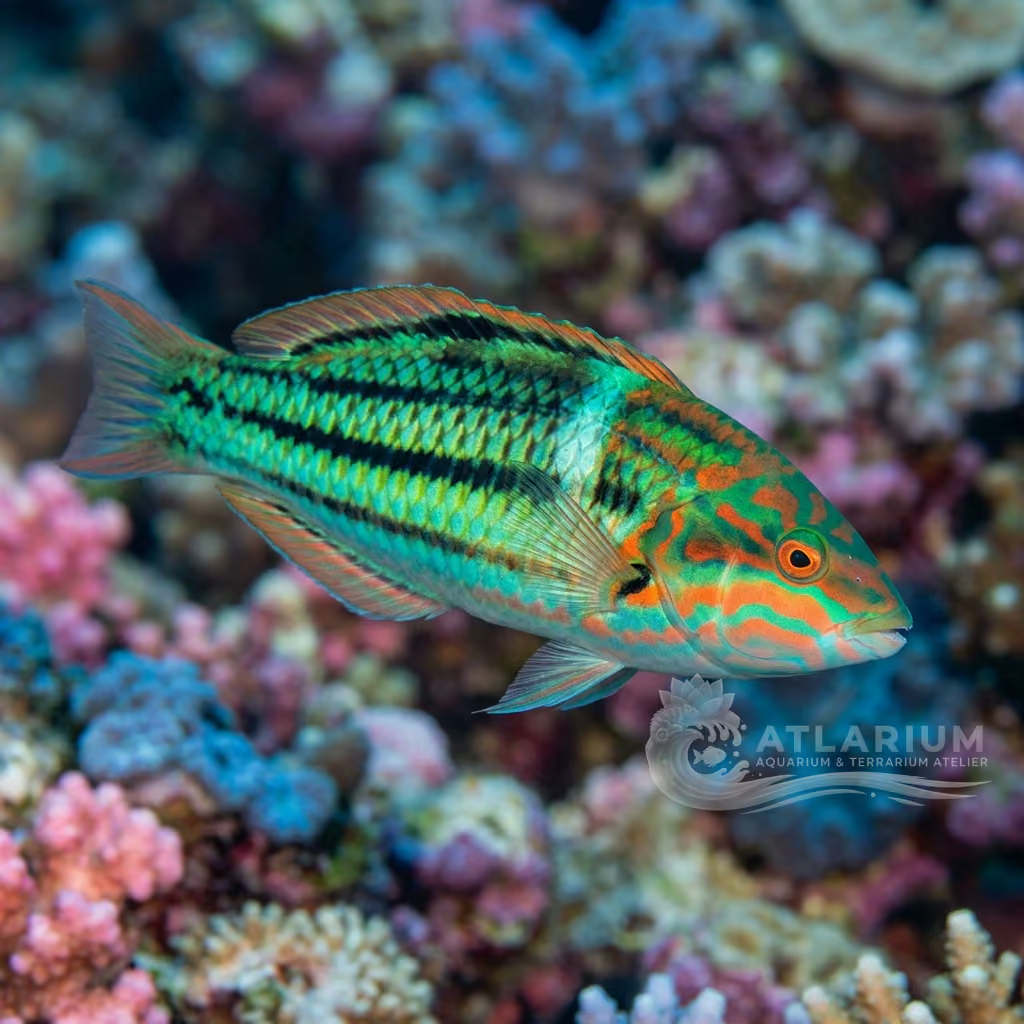
Claudia's Wrasse is a colorful pest-eating fish adorned with green and reddish-orange lines. Reef-safe with caution, it absolutely requires a deep fine sand bed to burrow in and a secure tank lid.
Water Temperature
23 - 27 °C
pH Value
8.1 - 8.4
Water type
Marine
Tank level
All levels
Adult size
9 cm
Minimum tank volume
>= 280 L
Minimum group
>= 1
KH
8 - 12 dKH

Species description
Geographical Origin and Habitat: Widespread in the tropical Indo-Pacific, from Christmas Island and the Cocos-Keeling Islands to French Polynesia, north to the Mariana Islands. Inhabits surge zones of seaward reefs and sandy-gravel mixed areas at depths of 1 to 35 meters.
Taxonomy and Morphology: Member of the family Labridae, genus Halichoeres. Previously considered a geographic variant of H. ornatissimus, it has been described as a separate species. Features an elongated, compressed body and pointed snout. Reaches about 9 cm.
Social Behavior: Diurnal and inquisitive. Spends daylight hours exploring rocks and corals. An energetic swimmer, generally solitary, but forms small temporary harems led by a dominant male in the wild.
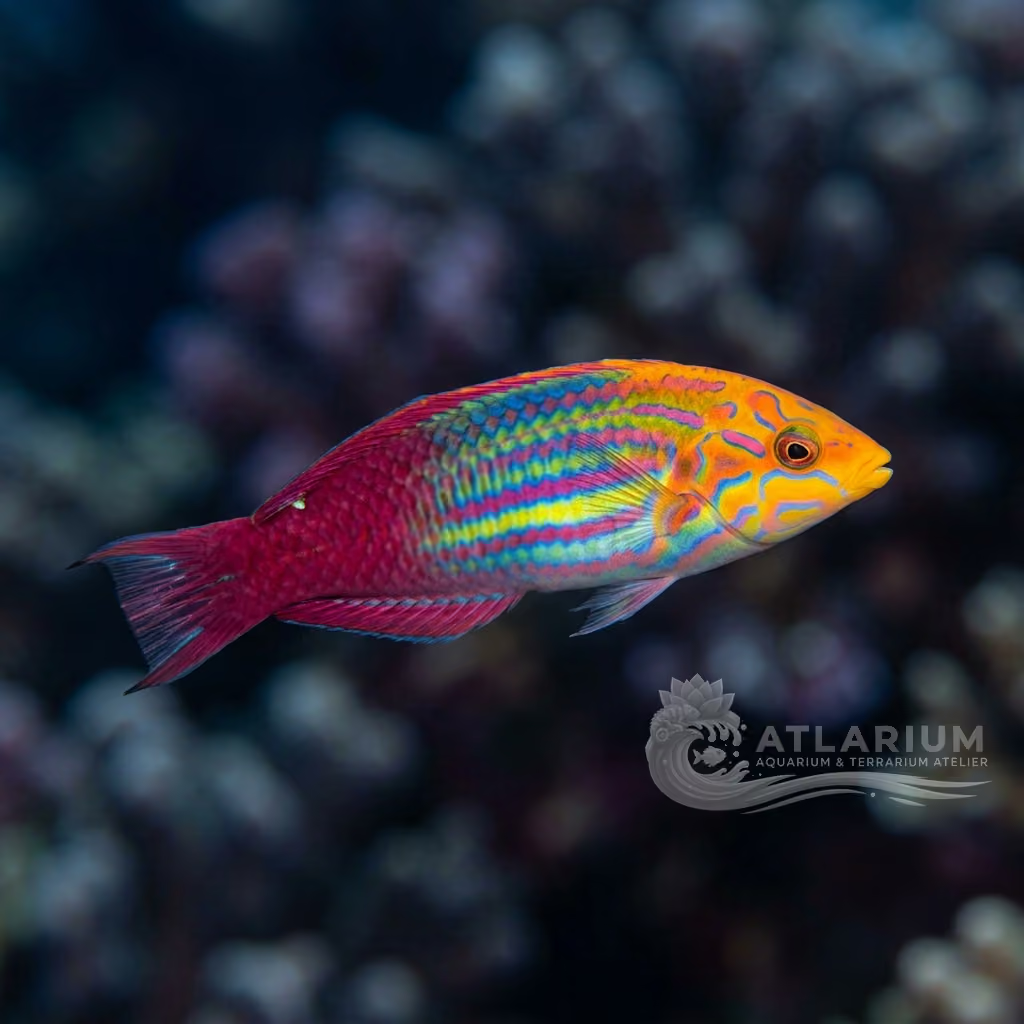
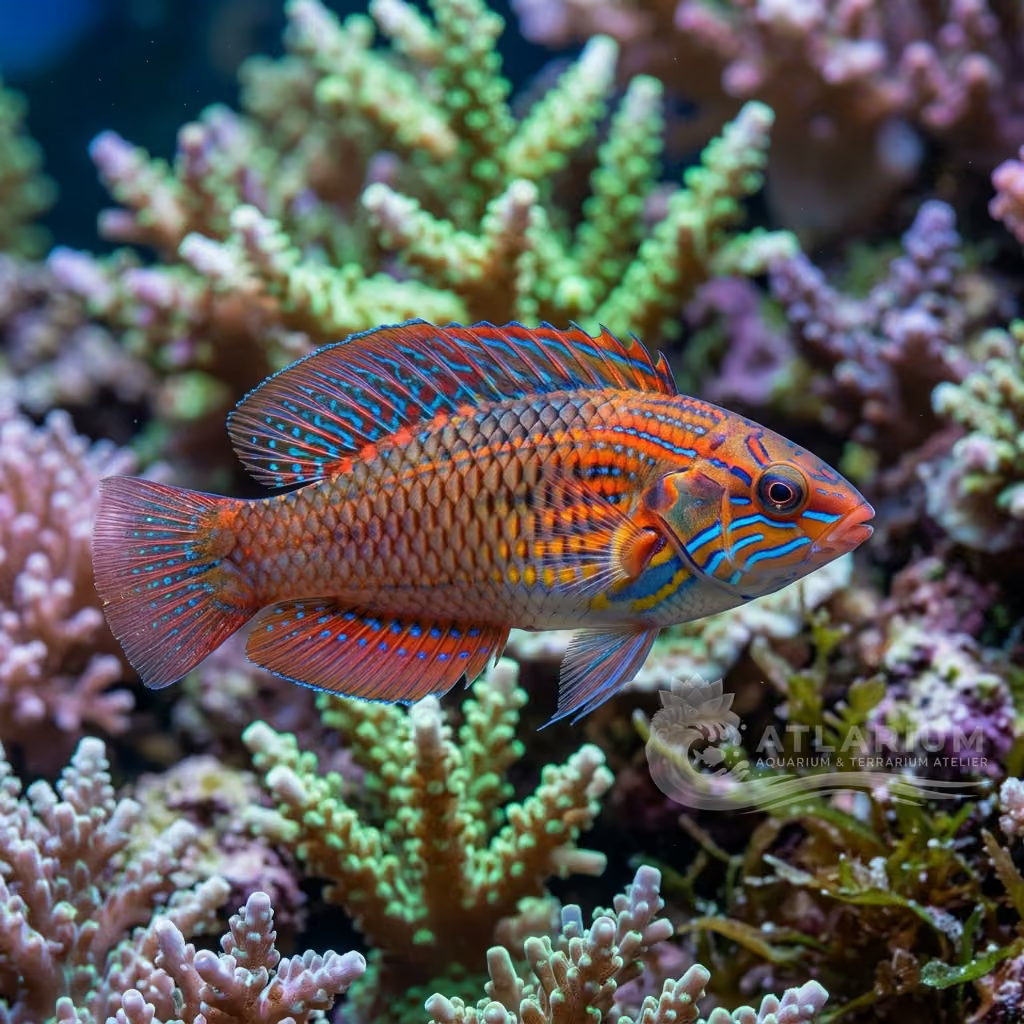
Coloration and Sexual Dimorphism: Stunning color pattern with alternating green and reddish-orange horizontal lines and a black spot on the dorsal fin. Dominant adult males display much more intense red and green facial markings compared to females.

Care, breeding and tankmates
Aquarium Setup: Demands an aquarium of at least 280 liters with a fine sand bed of at least 5 cm deep for burrowing. Plenty of open swimming area and live rock are essential. The tank must have a secure tight-fitting lid.
Diet and Feeding: Carnivorous and micro-fauna predator. Actively feeds on hard coral pests like flatworms and pyramidellid snails. In captivity, feed 2-3 times daily with mysis, brine shrimp, and enriched dry pellets.
Water Quality: Stable reef parameters: temperature 23-27°C, pH 8.1-8.4, specific gravity (SG) 1.020-1.025, GH 15-25, KH 8-12. Appreciates moderate to strong water movement and excellent filtration.
Compatibility and Cohabitation: Reef safe with caution. Excellent for pest control in SPS/LPS tanks. May prey on small beneficial invertebrates such as ornamental snails and small shrimp. Peaceful toward other reef fish.
Aquarium Breeding: Protogynous hermaphrodite. Captive breeding is undocumented due to the difficulties in raising pelagic larvae in open water.
Risks and Diseases: High jumping risk if the aquarium is uncovered. Acclimation stress. Coarse or absent substrate causes physical injury and severe stress. Susceptible to external parasites under stress.

Geographic origin and distribution
Widespread in the tropical Indo-Pacific, from Christmas Island and the Cocos-Keeling Islands to French Polynesia, north to the Mariana Islands. Inhabits surge zones of seaward reefs and sandy-gravel mixed areas at depths of 1 to 35 meters.
Origin
Tropical oceans and reefsSouth and Southeast Asia

Fish profile
- Temperament
- Territorial
- Claudia's Wrasse is known for its constantly active, bold, and generally peaceful temperament, bringing a burst of kinetic energy to the aquarium. They are incredibly inquisitive, spending their entire day meticulously inspecting the aquascape for small invertebrates and pests. Once acclimated, they are not shy and will confidently swim in the open, often interacting with the aquarist during feeding times. While peaceful toward dissimilar fish, their predatory nature makes them a threat to very small inverts. They are hardy and adaptable, making them a highly desirable utility and display fish.
- Diet
- Carnivore
- In the wild, Claudia's Wrasse spends its day foraging for small crustaceans, worms, and mollusks among the reef structure and sand bed. In captivity, they require a varied, carnivorous diet to maintain their health and vibrant, intricate coloration. They should be offered high-quality frozen foods such as mysis shrimp, enriched brine shrimp, and finely chopped clam or squid. Once accustomed to the tank, they will also readily accept marine flakes and sinking pellets. Their natural foraging behavior makes them an invaluable asset for keeping nuisance pest populations, like bristle worms, in check.
- Life expectancy
- 7-8 years
- Adult size
- 9 cm
- Sex ratio
- Harem
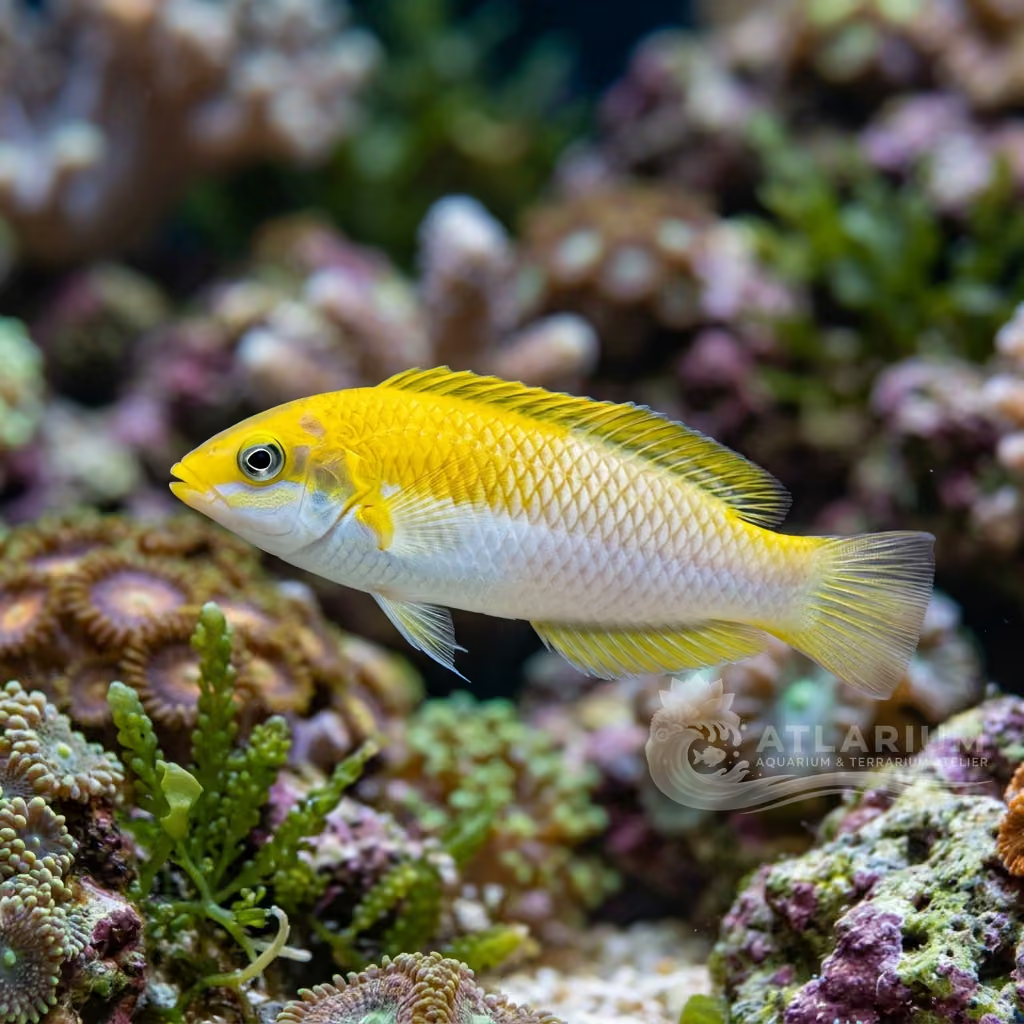
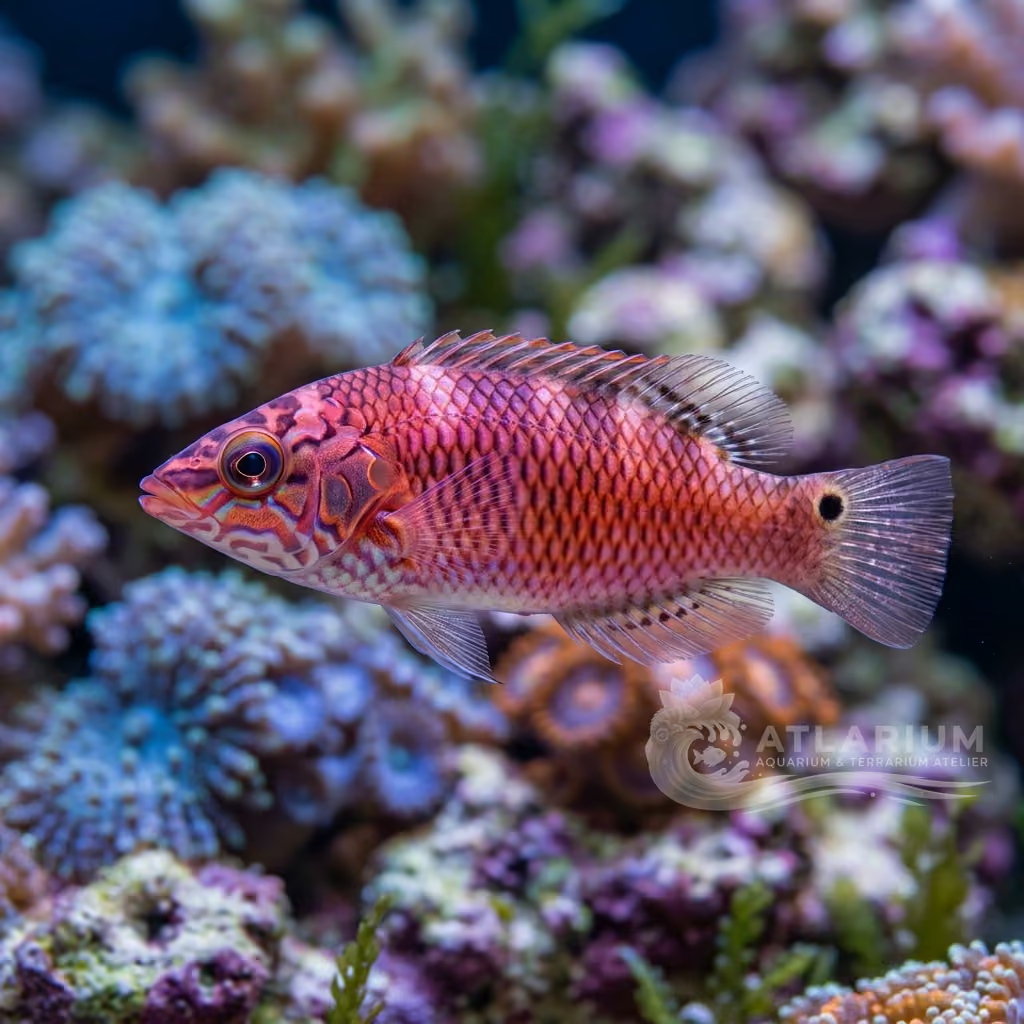
- They are protogynous hermaphrodites, meaning all individuals start their lives as females and the most dominant fish transitions into a male. Males generally exhibit more intense coloration and distinct, complex facial patterns compared to females. In the home aquarium, it is strongly advised to keep only a single specimen, as keeping multiple males will result in severe, often fatal aggression. Even male-female pairs can experience tension unless the aquarium is exceptionally large with complex rockwork to break lines of sight. A single Claudia's Wrasse makes a peaceful and stunning display fish.
- Feeding frequency
- 2-3 times daily
- Because of their rapid metabolism and energetic swimming habits, they should be fed two to three times daily. Offering several small meals is far more natural for them than a single large feeding, and it helps ensure they maintain optimal body weight. They are aggressive and fast eaters, often darting through the water column to intercept food before it hits the substrate. It is important to monitor feeding times to ensure that slower or more timid fish get enough to eat. Care must be taken not to overfeed, which can quickly degrade the aquarium's water quality.
- Bioload
- Medium
- Claudia's Wrasse produces a moderate bioload typical of the highly active Halichoeres genus. Their constant swimming and high metabolic rate necessitate a protein-rich diet, which translates to a steady production of both dissolved and solid waste. A high-quality protein skimmer and an effective biological filtration system are necessary to manage this waste and maintain the pristine water conditions they require. Routine water changes are important to prevent the buildup of nitrates, which can lead to stress and color loss. With proper husbandry, their bioload is easily accommodated in a standard reef aquarium.
- Flow
- Strong
- This species originates from dynamic reef environments and thrives in aquariums with moderate to strong, varied water flow. Strong water circulation ensures high dissolved oxygen levels, which are critical for supporting their highly active, high-energy lifestyle. Good flow also prevents detritus from settling on the rocks, allowing the filtration system to remove it efficiently. While they enjoy swimming in the current, they must have access to calmer areas within the rockwork where they can rest or navigate without struggle. Excellent surface agitation is vital for promoting healthy gas exchange.
- Jump risk
- Yes
- Like all wrasses, Claudia's Wrasse is an extreme jump risk and is virtually guaranteed to leap from an open-top aquarium. They are easily startled by sudden changes in lighting, movement outside the tank, or being chased by a tank mate, prompting them to bolt upward. A tightly fitting, fully secured mesh lid or canopy is an absolute necessity to prevent a fatal escape. They are incredibly agile and can find and squeeze through small gaps around plumbing and overflow boxes. Securing the tank top is the single most important preventative measure when keeping this fish.
- Reproduction
- Oviparous
- Successful captive breeding of Claudia's Wrasse in a home aquarium setting is exceptionally rare and effectively impossible for average hobbyists. They are pelagic spawners that perform an upward mating sprint, releasing their gametes into the water column where fertilization occurs. The resulting eggs are buoyant and drift in the oceanic plankton layer before hatching into microscopic larvae. The massive water volume, specific planktonic diet, and precise environmental cues required for larval development cannot be provided in a standard tank. All specimens found in the hobby are wild-caught.
- Compatibility & tankmates
- With caution
- They are generally peaceful fish that make fantastic additions to community reef aquariums, getting along well with most similarly sized tank mates. While they are completely reef safe regarding corals, they possess a predatory instinct toward small benthic invertebrates. Small ornamental shrimp, tiny crabs, and small snails may be viewed as food, though larger, established cleaner shrimp are usually ignored. They can be highly territorial toward other wrasses, particularly those of similar shape and color, so they should ideally be the only wrasse in the tank. They are excellent natural controllers of common reef pests like flatworms.
- Tank level
- All levels
- They are highly active fish that utilize the entire water column but focus their hunting efforts on the lower and middle sections of the rockwork. A deep, soft sand bed (at least two to three inches) is absolutely mandatory for their survival and well-being. They dive headfirst into the sand to sleep every night and use it as an immediate refuge to escape perceived threats or stress. Aquariums with bare bottoms or coarse crushed coral will cause severe physical injury and immense psychological stress. They require ample open swimming space combined with plenty of live rock.

Scientific Parameters & Models
FishBase
Window to the official scientific data of the species
FishBase v25.04Data synced on: 06/15/2026
- Trophic level
- 3.4 ± 0.5 se
- Phylogenetic uniqueness (PD50)
- 0.5
- Bayesian Length-Weight
- a = 0.01, b = 3.09
- VulnerabilityLow vulnerability (10 / 100)

Related species
Recommendations grouped by close relatives, companion choices, and similar care.