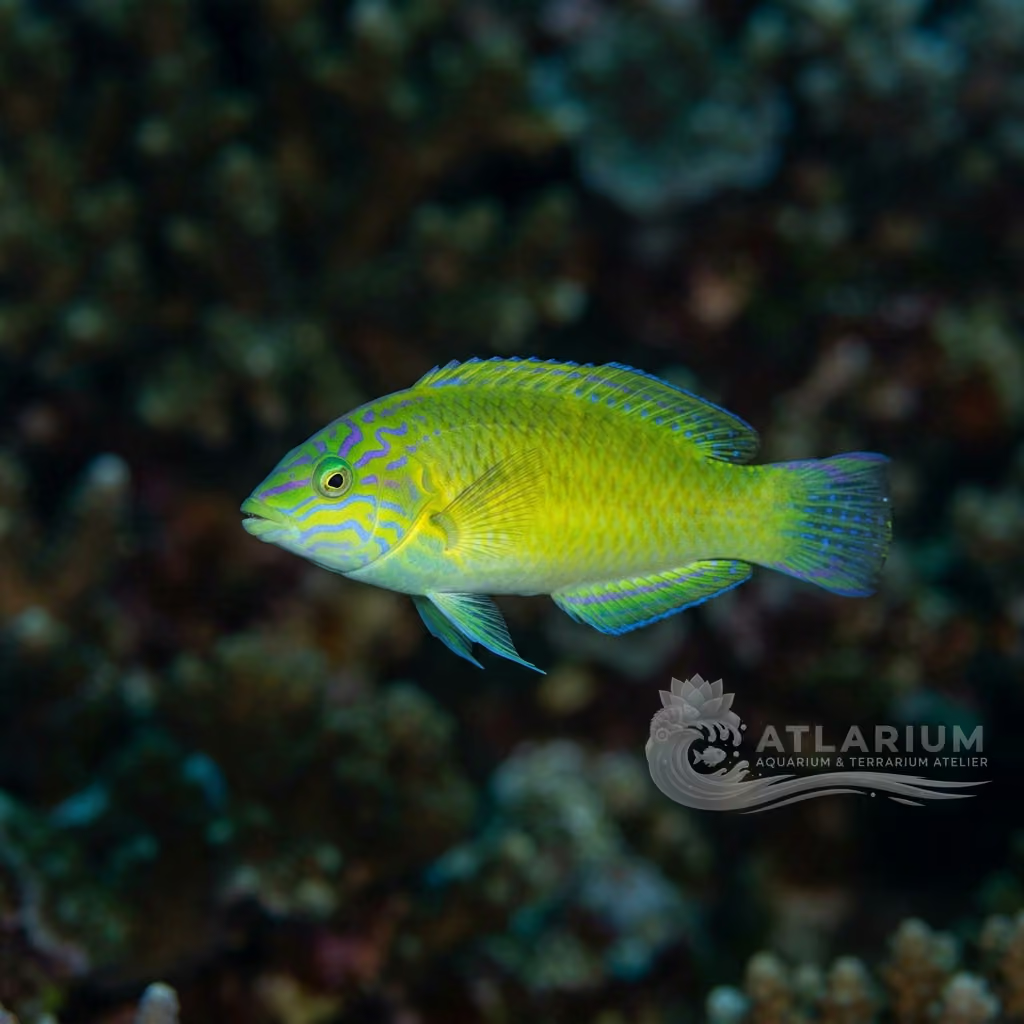
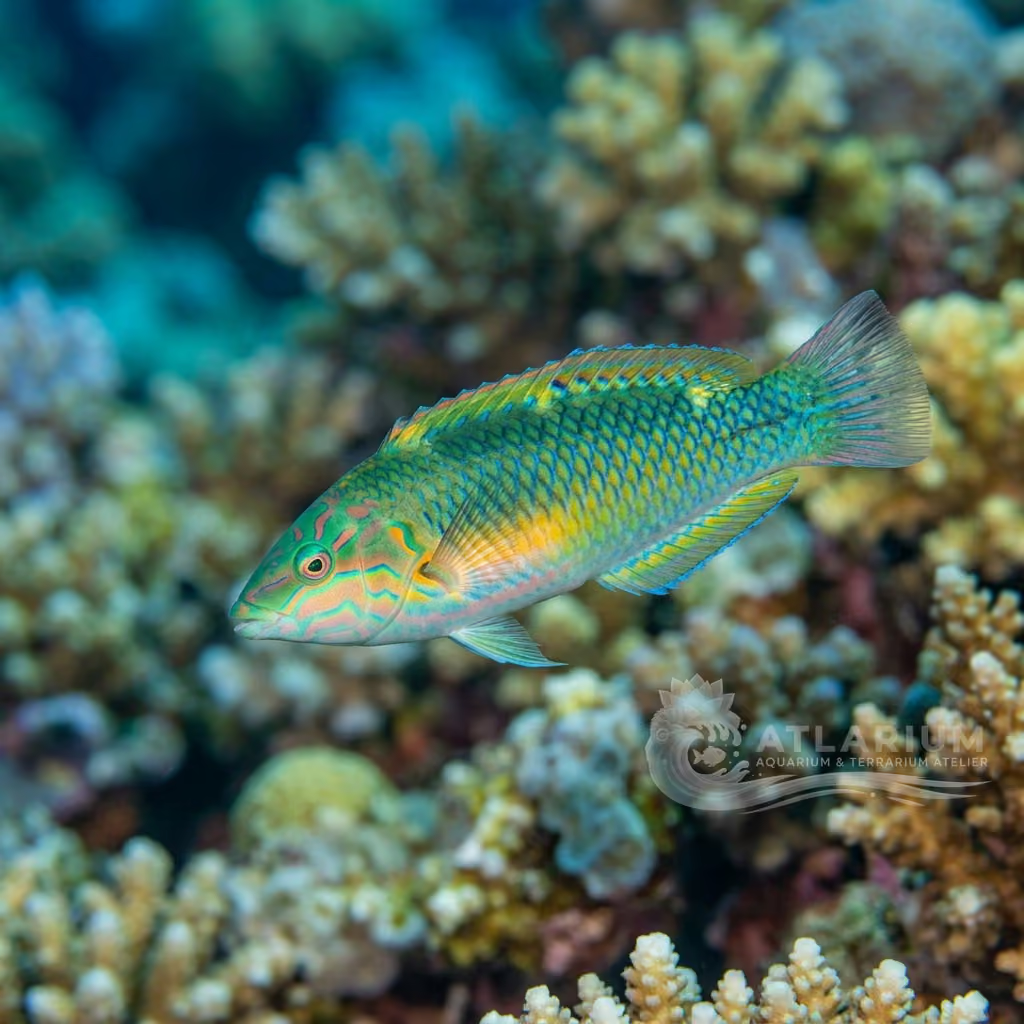
Golden-ear Wrasse
Halichoeres melanotis
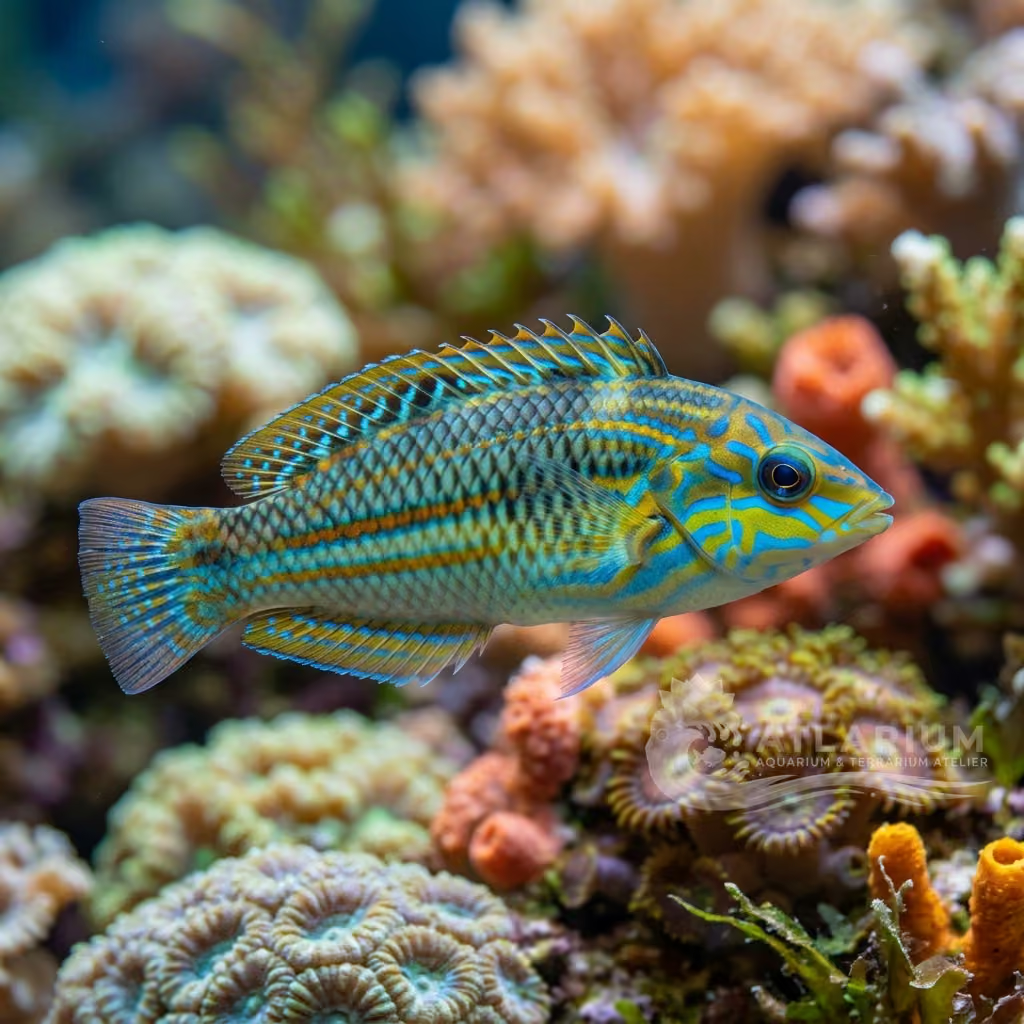
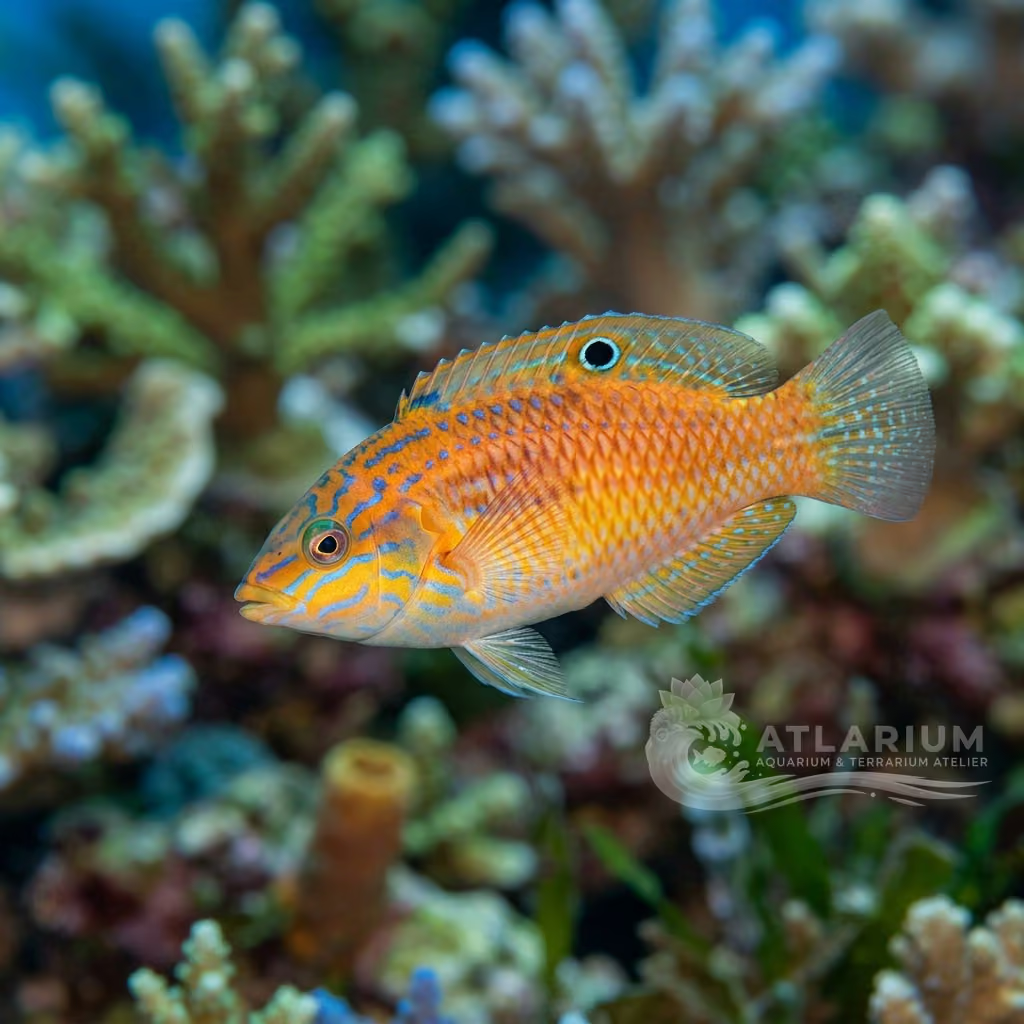
This active and hardy marine wrasse from the Eastern Pacific features a distinct dark spot behind its eye, making it a captivating addition to spacious reef setups.
Water Temperature
22 - 26 °C
pH Value
8.1 - 8.4
Water type
Marine
Tank level
Bottom and middle
Adult size
12 cm
Minimum tank volume
>= 200 L
Minimum group
>= 1

Species description
Geographical Origin and Habitat: Halichoeres melanotis is native to the Eastern Pacific Ocean, ranging from the Gulf of California in Mexico down to Ecuador. It inhabits shallow rocky reefs, coral margins, sandy flats, and seaweed beds at depths typically between 1 and 15 meters.
Taxonomy and Morphology: A member of the Labridae family, classified under the genus Halichoeres. It features a slender, laterally compressed body with a terminal mouth housing small canine teeth adapted for crushing tiny prey. Adults reach up to 12 cm in length.
Social Behavior: Active during the day, this wrasse swims constantly, searching the substrate for food. It displays a natural burying behavior, diving headfirst into the sand to sleep at night or to seek refuge when startled by predators.
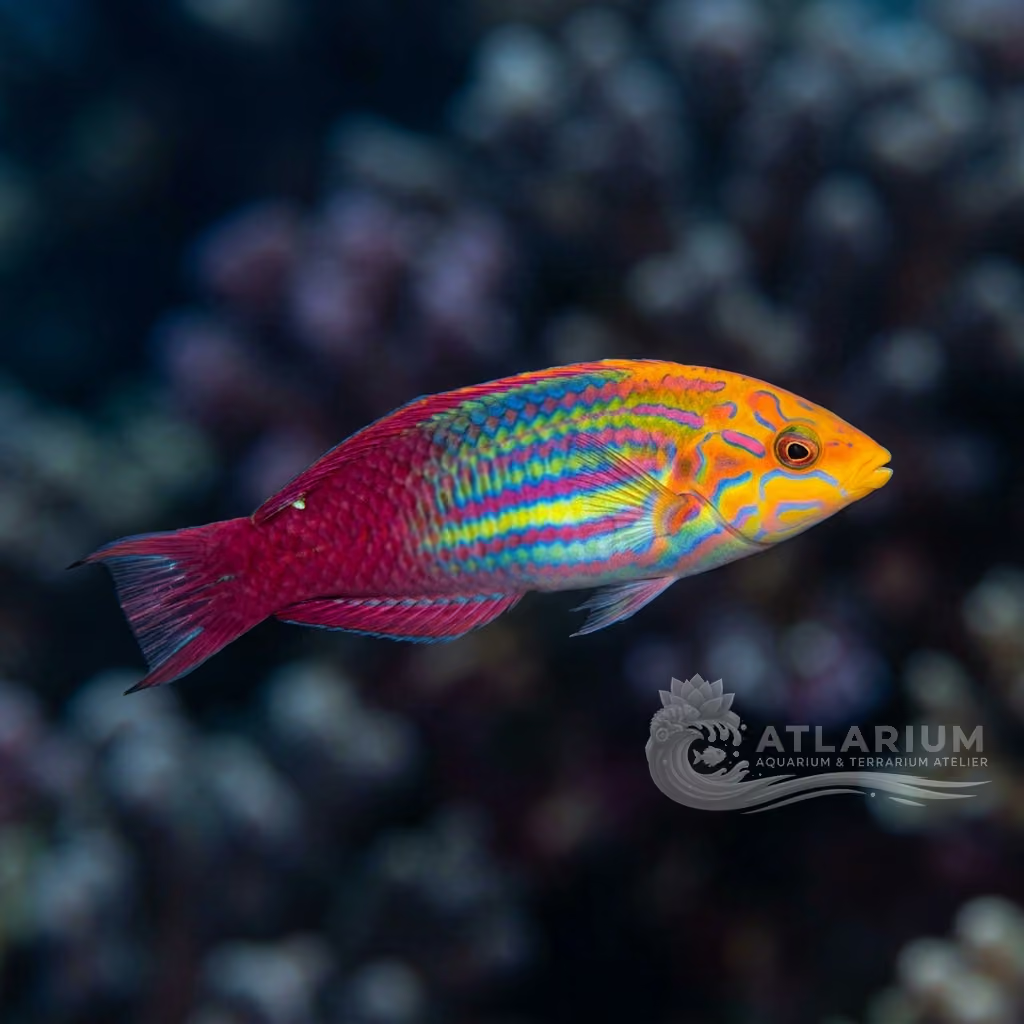
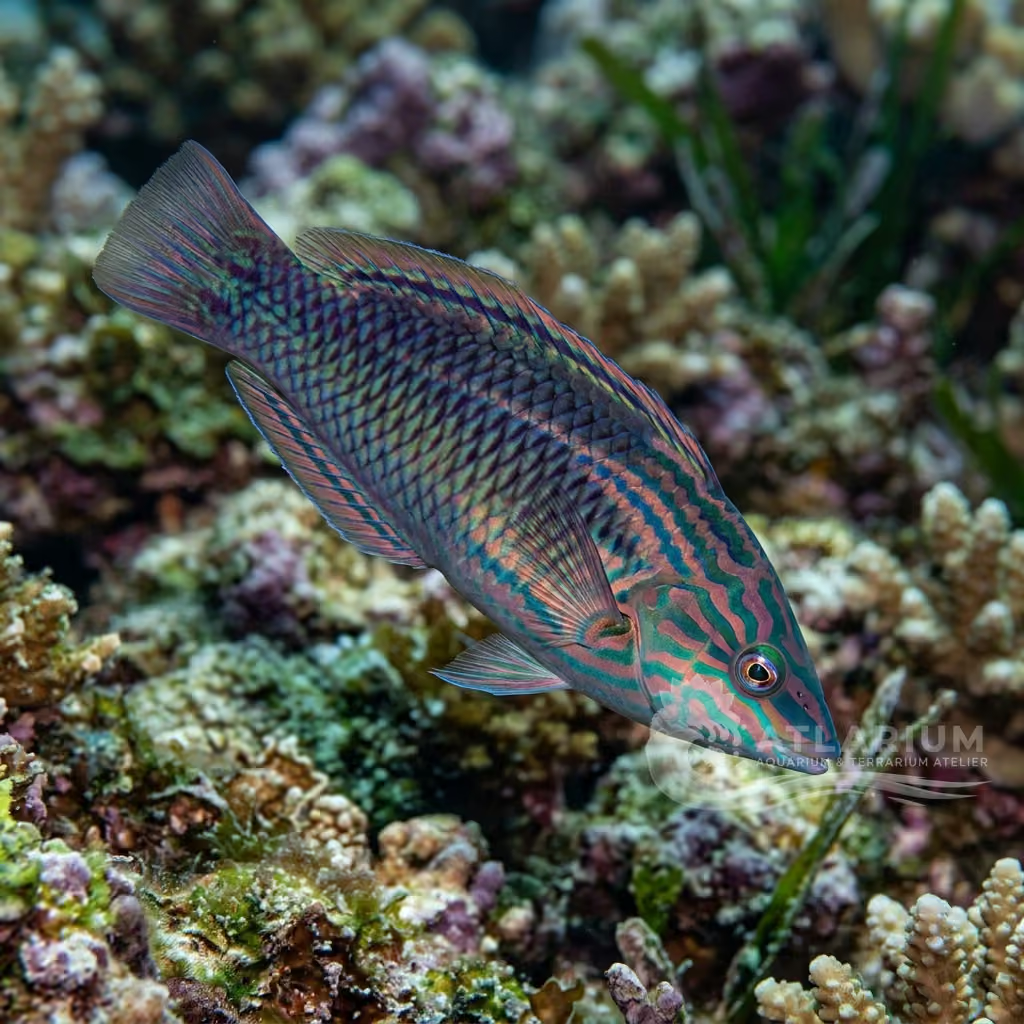
Coloration and Sexual Dimorphism: Body base color is golden-yellow to olive-green, marked by a distinct black spot behind the eye ringed with a golden-yellow border. Terminal phase males develop intricate pink, green, and blue markings on their facial area.

Care, breeding and tankmates
Aquarium Setup: A minimum aquarium size of 200 liters is required. An absolute necessity is a fine, non-abrasive sand bed of at least 5-8 cm depth for sleeping. The aquarium layout should feature stable live rock with plenty of open swimming channels.
Diet and Feeding: Carnivorous. Naturally feeds on small benthic invertebrates. In captivity, feed a varied diet of frozen mysis, brine shrimp, krill, and high-quality marine flakes or pellets. They are known to hunt flatworms and pyramidellid snails.
Water Quality: Keep standard marine parameters stable: temperature 22°C to 26°C, pH 8.1 to 8.4, and specific gravity 1.020 to 1.025. Excellent skimming and high dissolved oxygen levels are beneficial to sustain their high activity levels.
Compatibility and Cohabitation: Peaceful with most reef fish, but may exhibit territorial behavior toward other wrasses of similar shape. Reef safe with caution; they do not harm corals but will readily consume small ornamental shrimp, crabs, and feather dusters.
Aquarium Breeding: Pelagic spawners. There are no successful breeding reports in private aquariums, as the larvae require prolonged planktonic care and specialized live micro-foods that are difficult to cultivate at home.
Risks and Diseases: Starvation or physical injury to the snout can occur if kept in tanks with coarse gravel instead of soft sand. They are also notorious jumpers, so a secure tight-fitting lid or mesh screen is highly critical.

Geographic origin and distribution
Halichoeres melanotis is native to the Eastern Pacific Ocean, ranging from the Gulf of California in Mexico down to Ecuador. It inhabits shallow rocky reefs, coral margins, sandy flats, and seaweed beds at depths typically between 1 and 15 meters.
Origin
Tropical oceans and reefsExtra-Amazon South AmericaCentral America and CaribbeanNorth America

Fish profile
- Temperament
- Territorial
- They are constantly on the move during daylight hours. While usually peaceful, they are opportunistic predators. Their bold nature makes them a fascinating addition.
- Diet
- Carnivore
- They are carnivores feeding on benthic invertebrates. In the aquarium, offer meaty foods like mysis shrimp. Providing a varied diet maintains their vibrant colors.
- Life expectancy
- 5-8 years
- Adult size
- 12 cm
- Sex ratio
- Solitary
- It is best to keep them singly. Adding multiple males results in severe aggression. A group of females might establish a pecking order.
- Feeding frequency
- Twice daily
- They are highly active with a fast metabolism. Feeding them two to three times a day is ideal. Small frequent meals help reduce aggression.
- Bioload
- Medium
- This species contributes a moderate bioload. They produce moderate waste due to their diet. A good skimmer and regular water changes are required.
- Flow
- Strong
- They originate from reef environments with strong water movement. Good water flow helps oxygenate the water. Varying flow patterns mimics their natural habitat well.
- Jump risk
- Yes
- Wrasses are notorious for jumping out of aquariums. A tight-fitting lid or screen mesh is mandatory. Ensure all gaps are properly covered to prevent escape.
- Reproduction
- Oviparous
- These fish are broadcast spawners in the water column. Breeding in captivity is extremely rare. Specialized setups with deep tanks and planktonic food are required.
- Compatibility & tankmates
- Peaceful
- They are generally peaceful towards other fish. However, they may become territorial with other wrasses. Use caution as they might eat small ornamental crustaceans.
- Tank level
- Middle/Bottom
- They actively swim in the mid-water regions. They require a deep fine sand bed to sleep. Coarse substrate can damage their bodies and should be avoided.

Scientific Parameters & Models
FishBase
Window to the official scientific data of the species
FishBase v25.04Data synced on: 06/15/2026
- Trophic level
- 3.5 ± 0.37 se
- Resilience
- High (less than 15 months)
- Phylogenetic uniqueness (PD50)
- 0.5
- Bayesian Length-Weight
- a = 0.01, b = 3.09
- VulnerabilityLow vulnerability (10 / 100)

Related species
Recommendations grouped by close relatives, companion choices, and similar care.