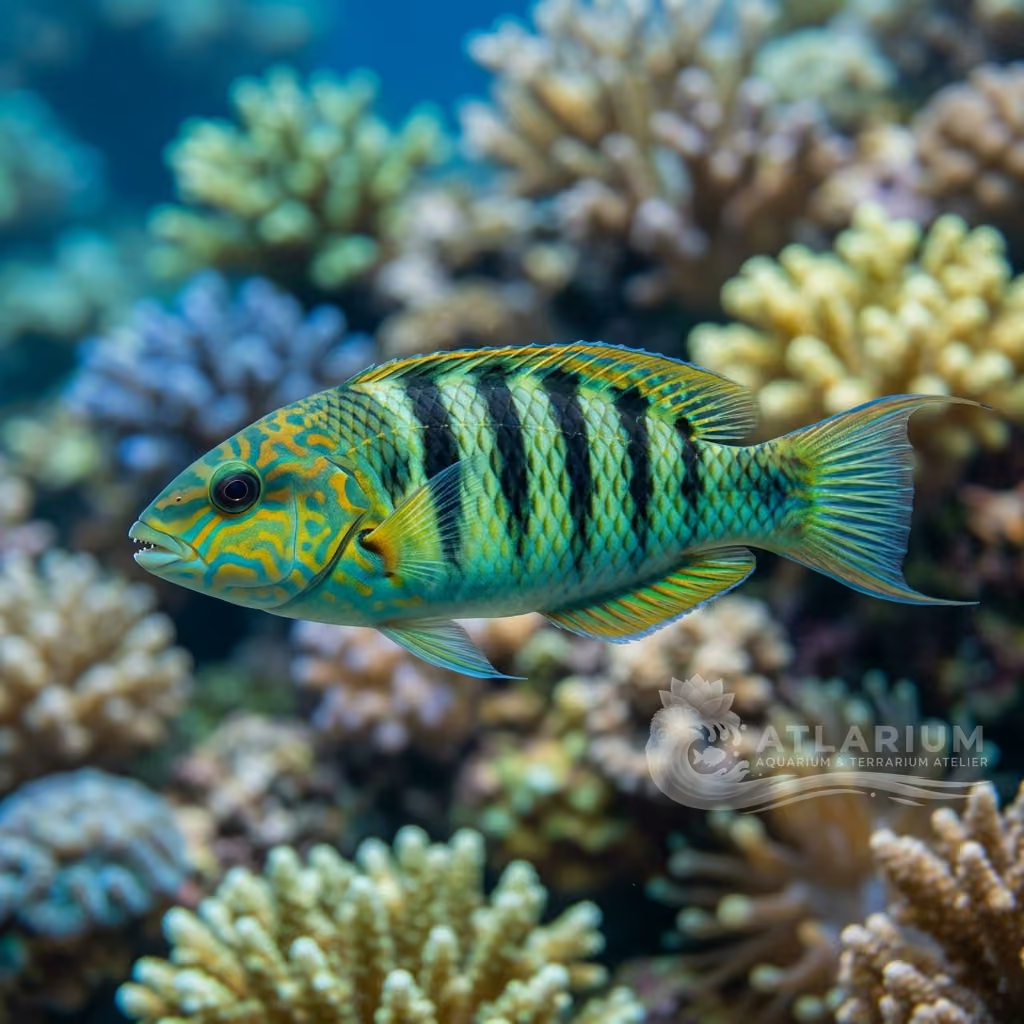
Red-green wrasse
Halichoeres rubrovirens
A vibrant marine wrasse endemic to Brazilian oceanic islands, prized for its energetic swimming and striking red-and-green patterns among rocky reef aquarium setups.
Water Temperature
22 - 26 °C
pH Value
8.1 - 8.4
Water type
Marine
Tank level
Bottom and middle
Adult size
15 cm
Minimum tank volume
>= 250 L
Minimum group
>= 1

Species description
Geographical Origin and Habitat: Halichoeres rubrovirens is a marine fish endemic to the Trindade and Martin Vaz archipelago, located approximately 1,200 km off the southeastern coast of Brazil. It inhabits shallow rocky reefs and areas with sandy patches at depths between 5 and 30 meters.
Taxonomy and Morphology: It belongs to the family Labridae. The body is fusiform and elongated, typical of wrasses, with a terminal mouth featuring small canine teeth adapted for feeding on benthic invertebrates. Adults can reach a maximum length of about 10-12 cm.
Social Behavior: It is an exceptionally active fish and a constant swimmer. Juveniles have been observed exhibiting cleaning behaviors and mimicking other species, such as Thalassoma noronhanum. Adults are generally solitary or form small harems dominated by a single male.
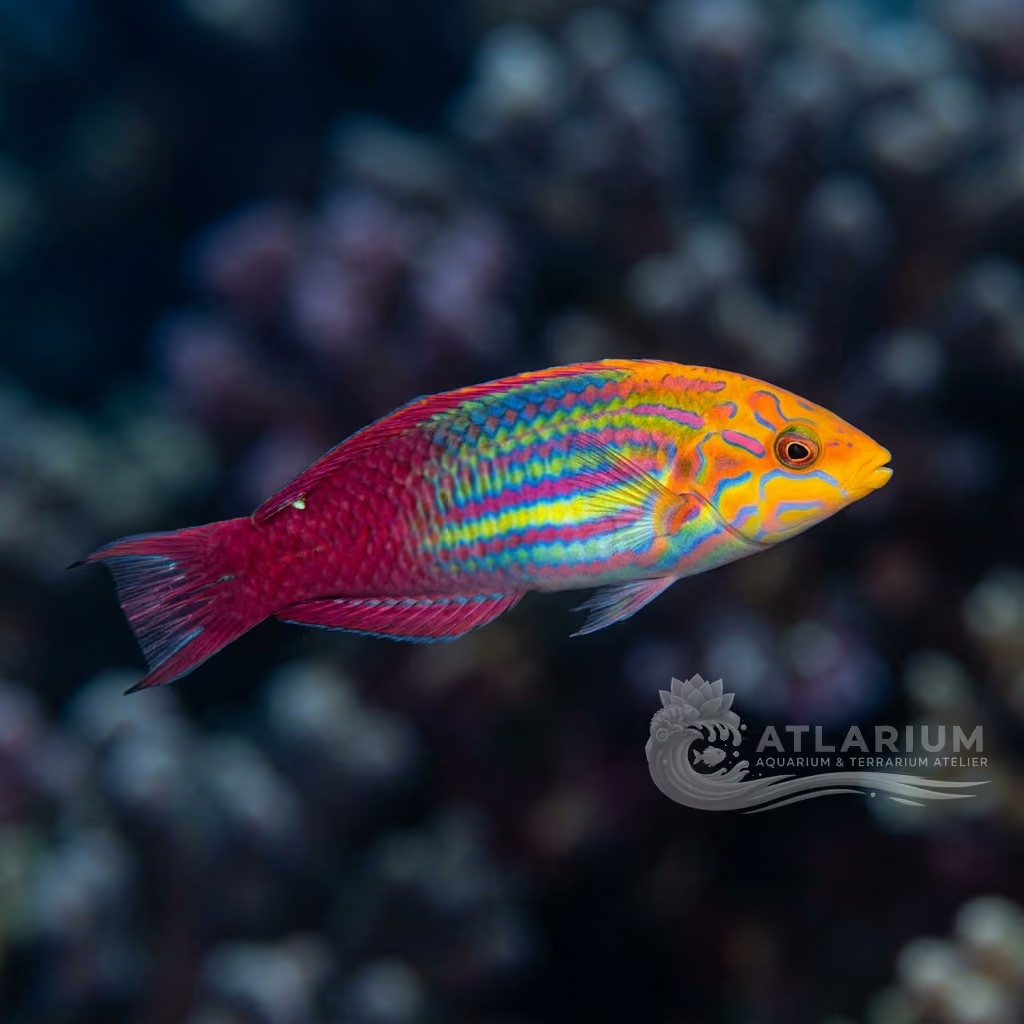
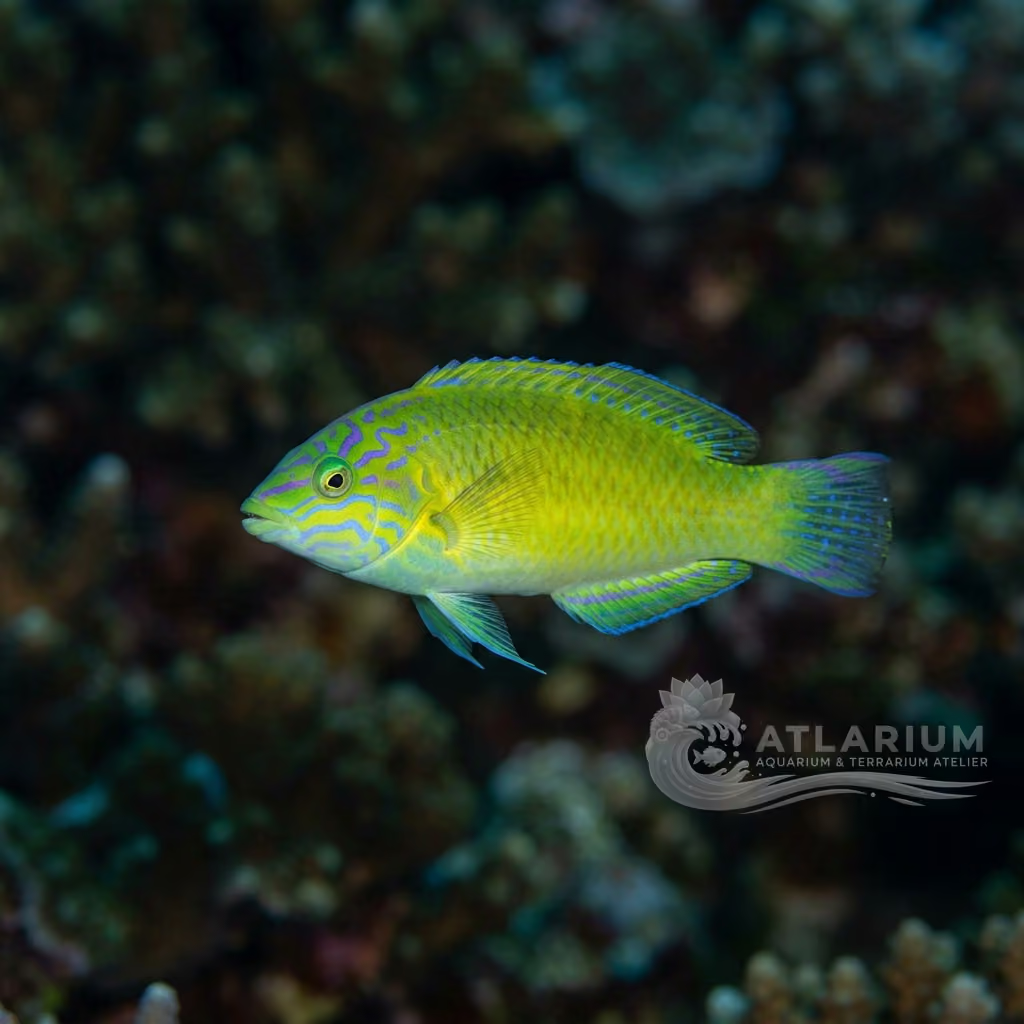
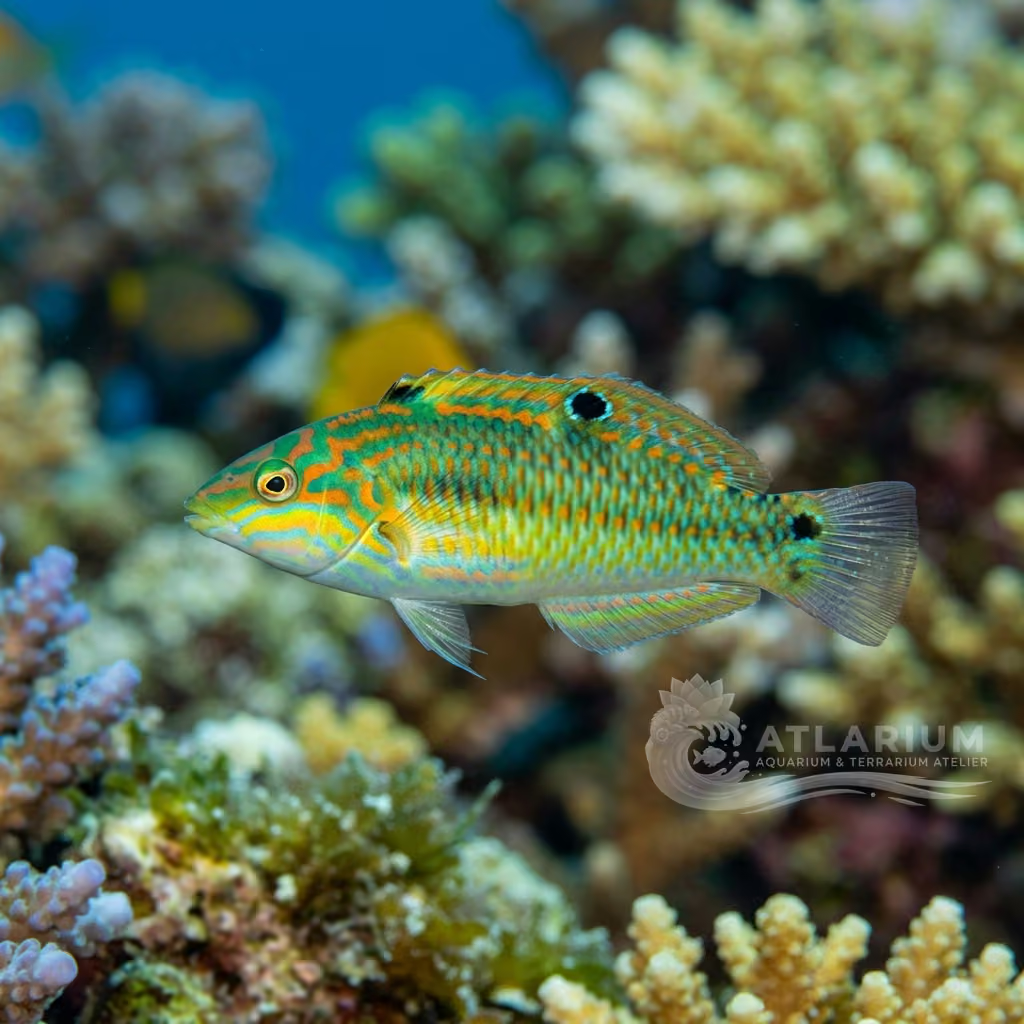
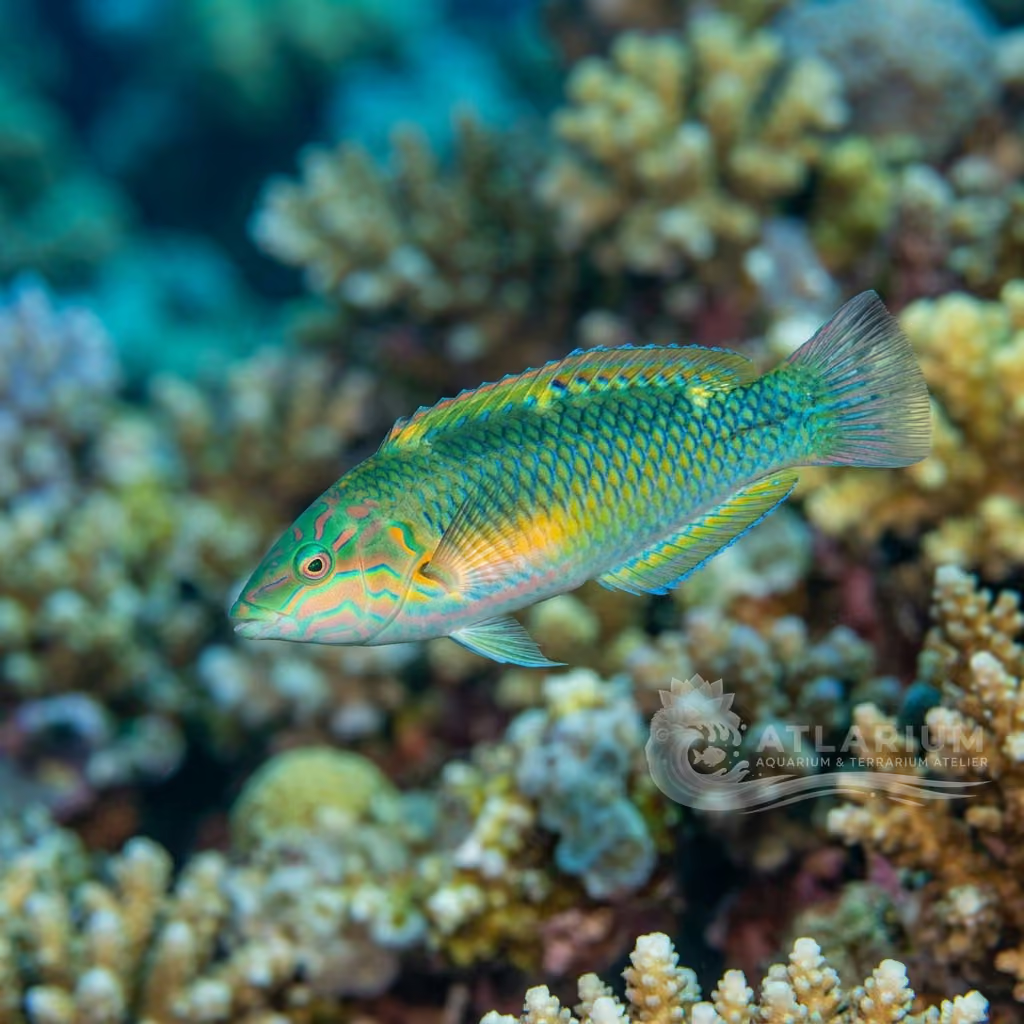
Coloration and Sexual Dimorphism: The scientific name reflects its vibrant red-and-green color pattern. Terminal phase males display a brilliant green body with reddish bands or markings on the head and flanks, while juveniles and initial phase females show subtler pinkish longitudinal stripes.

Care, breeding and tankmates
Aquarium Setup: Requires a spacious aquarium of at least 200-250 liters with plenty of open swimming room. A deep bed of fine, soft sand (at least 5-8 cm) is absolutely essential, as this fish buries itself in the substrate to sleep at night or to escape perceived threats.
Diet and Feeding: A benthic carnivore. It must be fed a varied diet consisting of high-quality frozen foods like brine shrimp, mysis, chopped clams, and marine pellets. Due to their high activity levels, they should be fed small portions two to three times a day.
Water Quality: Requires clean, well-oxygenated marine water with a temperature range of 23-26°C, pH of 8.1-8.4, and salinity between 1.020 and 1.025. A robust filtration system and a reliable protein skimmer are highly recommended to maintain low organic waste.
Compatibility and Cohabitation: Generally peaceful toward non-related fish, but can be aggressive toward similar wrasse species. It is not fully reef-safe as it will actively hunt and consume ornamental shrimps, small crabs, flatworms, and snails.
Aquarium Breeding: Spawning in home aquariums has not been successfully documented. In the wild, they are pelagic spawners, releasing eggs and sperm into the water column after elaborate courtship displays led by the dominant male.
Risks and Diseases: The greatest risk is stress and physical injury from the absence of a proper sand bed, which leads to immune decline. Susceptible to common marine parasites; a tight-fitting lid is mandatory as they are notorious jumpers when startled.

Geographic origin and distribution
Halichoeres rubrovirens is a marine fish endemic to the Trindade and Martin Vaz archipelago, located approximately 1,200 km off the southeastern coast of Brazil. It inhabits shallow rocky reefs and areas with sandy patches at depths between 5 and 30 meters.
Origin
Tropical oceans and reefsExtra-Amazon South America

Fish profile
- Temperament
- Territorial
- This wrasse is active, inquisitive, and generally agreeable with other community fish. It spends its day meticulously examining the rockwork and substrate for morsels of food. Its peaceful yet busy demeanor makes it a captivating addition to the reef aquarium.
- Diet
- Carnivore
- This species requires a varied carnivorous diet reflecting its natural benthic feeding habits. Provide an array of meaty items such as frozen mysis shrimp, brine shrimp, and krill. High-quality marine flakes and pellets should also be offered to ensure all nutritional bases are covered.
- Life expectancy
- 5-8 years
- Adult size
- 15 cm
- Sex ratio
- Solitary
- They are best kept individually or in a carefully planned male-female pair. Multiple males will exhibit severe territorial aggression towards each other. If keeping a harem, introduce the females before the male in a sufficiently large aquarium.
- Feeding frequency
- Twice daily
- Feeding should occur at least twice a day to satisfy their active lifestyle and fast metabolism. Consistent, smaller feedings are preferable to a single large meal. Proper feeding routines will help reduce any likelihood of them nipping at ornamental invertebrates.
- Bioload
- Medium to High
- The bioload of this wrasse is relatively moderate, depending on its feeding schedule and overall size. Good water parameters should be maintained with robust biological filtration and routine water replacements. Utilizing a quality protein skimmer is highly effective at managing dissolved organic compounds produced by this species.
- Flow
- Strong
- Moderate to strong water flow is ideal, closely mimicking the surge zones they often inhabit. The flow should be distributed evenly to eliminate dead spots and keep food suspended in the water column. Good surface agitation is necessary for proper gas exchange.
- Jump risk
- Yes
- Like all Halichoeres wrasses, they are notorious jumpers, especially during the initial acclimation period or when chased. A tight-fitting mesh or glass canopy is absolutely essential to prevent fatal accidents. Any openings for equipment should be properly screened off.
- Reproduction
- Oviparous
- Successful breeding in captivity is exceedingly rare due to their pelagic spawning nature. Eggs are fertilized in the water column and drift as part of the plankton before settling. Developing the larvae requires an elaborate setup and a continuous supply of highly specific micro-foods.
- Compatibility & tankmates
- Verify
- It is a peaceful species that fits well into community reef setups without threatening most corals. However, it may view very small shrimp, crabs, and feather dusters as potential food sources. It should be kept with other peaceful to semi-aggressive fish that will not outcompete it at feeding time.
- Tank level
- Middle/Bottom
- They are highly active in the middle to lower regions of the aquarium during daylight hours. A deep sand bed of at least two to three inches is mandatory, as they will burrow into it to sleep at night or when frightened. They also appreciate ample rockwork for exploring and picking at small organisms.

Scientific Parameters & Models
FishBase
Window to the official scientific data of the species
FishBase v25.04Data synced on: 06/15/2026
- Trophic level
- 3.6 ± 0.5 se
- Resilience
- Medium (1.4 - 4.4 years)
- Phylogenetic uniqueness (PD50)
- 0.5
- Bayesian Length-Weight
- a = 0.00977, b = 3.09
- VulnerabilityLow vulnerability (18 / 100)

Related species
Recommendations grouped by close relatives, companion choices, and similar care.