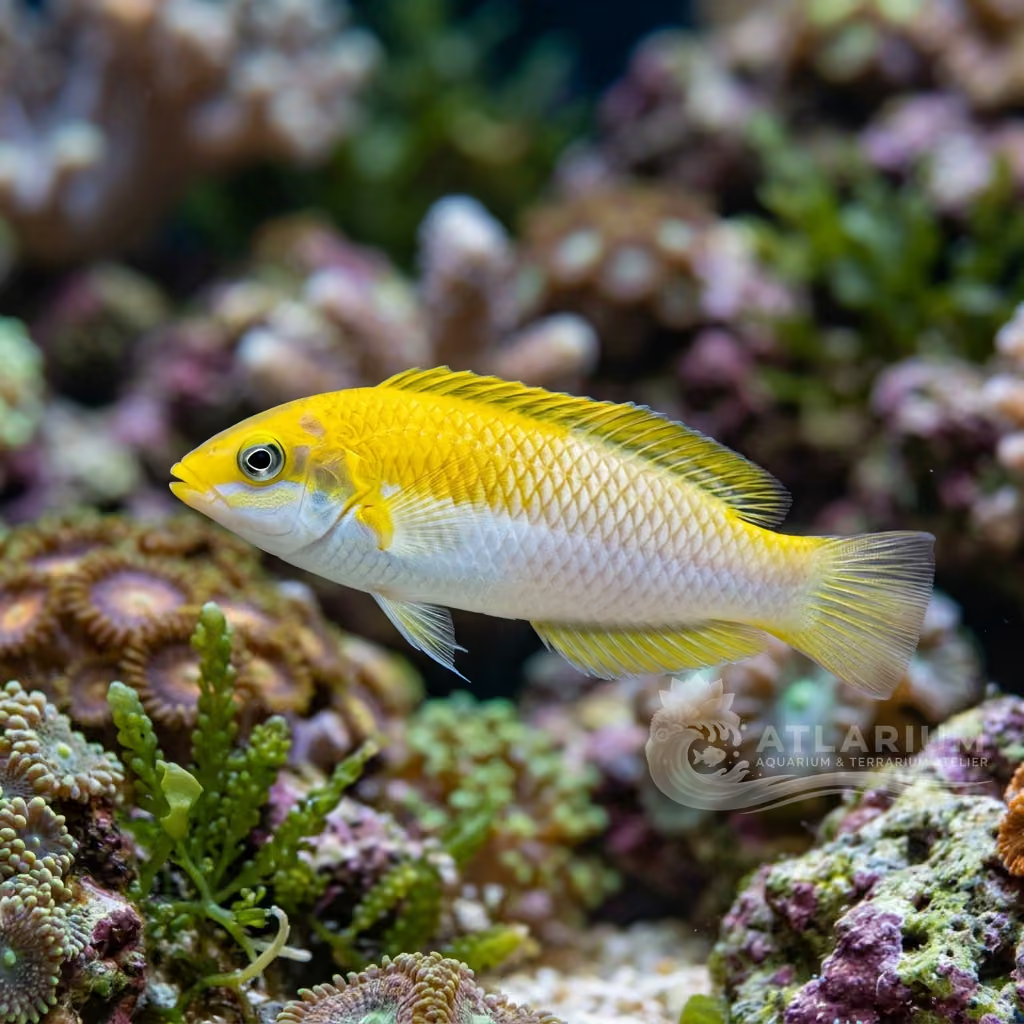
Striated Wrasse
Pseudocheilinus evanidus
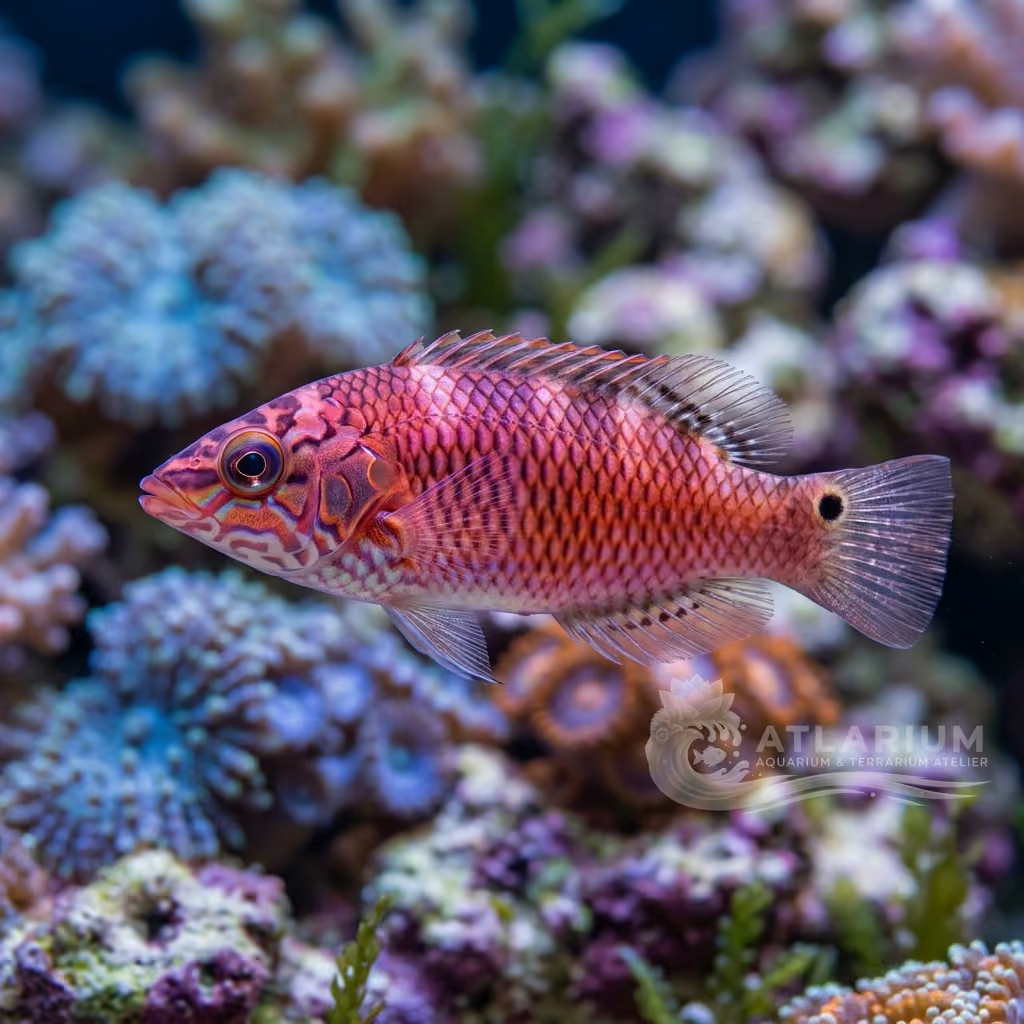
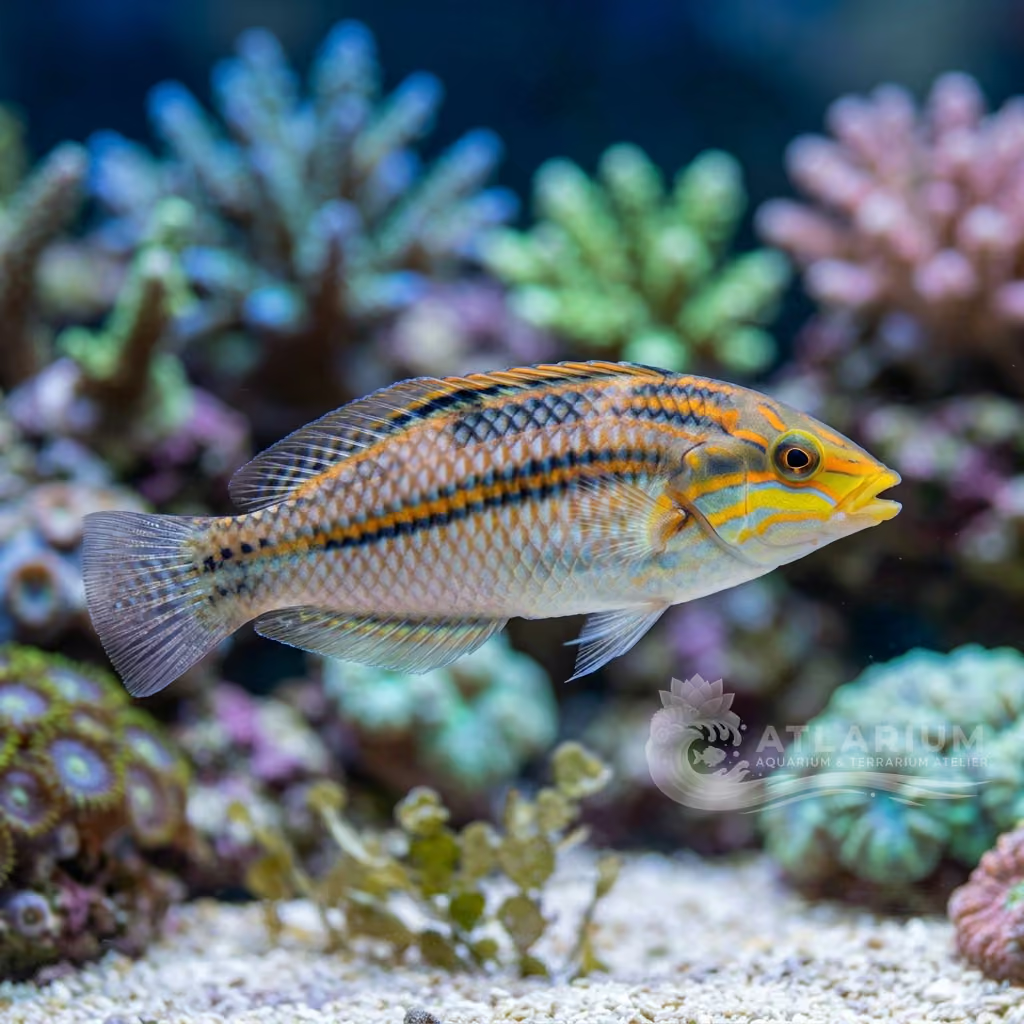
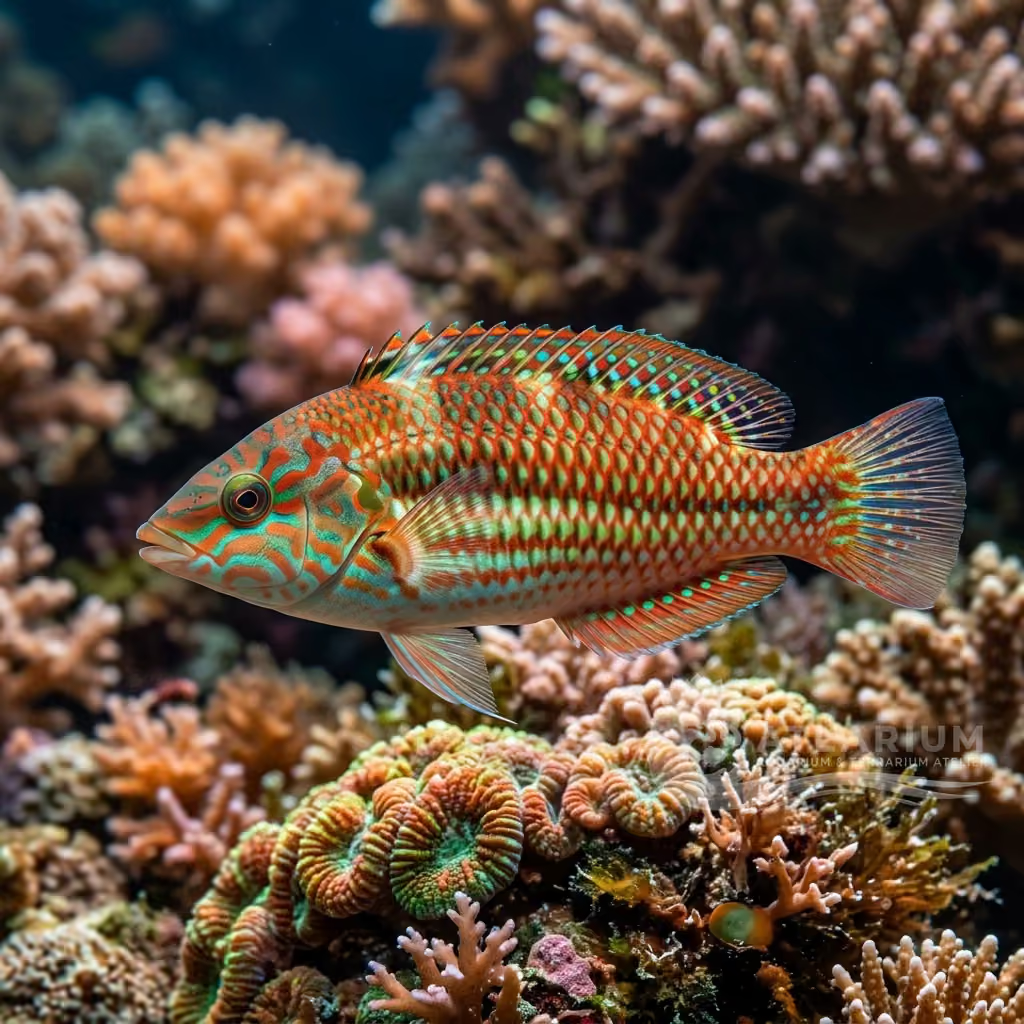
A small and elusive marine wrasse with a distinct red-orange body marked by fine white longitudinal stripes, highly useful for pest control.
Water Temperature
22 - 27 °C
pH Value
8.1 - 8.4
Water type
Marine
Tank level
Bottom and middle
Adult size
8 cm
Minimum tank volume
>= 120 L
Minimum group
>= 1
KH
8 - 12 dKH

Species description
Geographical Origin and Habitat: Widespread across the Indo-Pacific, from the Red Sea and East Africa to the Hawaiian, Marquesas, and Tuamotu islands, north to southern Japan, and south to the Great Barrier Reef. Inhabits reef slopes and coral-rich areas at depths of 2 to 40 meters.
Taxonomy and Morphology: Member of the family Labridae, genus Pseudocheilinus. Features an elongated, compressed body with a pointed snout and characteristic split-pupil eyes. Adults reach a maximum size of 8 cm.
Social Behavior: Solitary, secretive, and territorial. Spends most of daylight hours darting through live rock crevices hunting for prey. Can show aggression toward similarly shaped fishes, especially if introduced after it has established territory.
Coloration and Sexual Dimorphism: Red to orange-red body decorated with thin white or pinkish longitudinal lines. A distinct blue or white stripe is present below the eye. No clear sexual dimorphism is visible, though dominant males may be slightly larger.

Care, breeding and tankmates
Aquarium Setup: Demands a tank of at least 120 liters with plenty of mature live rock forming caves and overhangs. Unlike sand-dwelling wrasses, it sleeps within rock crevices encased in a protective mucus cocoon. A secure lid is mandatory.
Diet and Feeding: Benthic carnivore. Feeds on micro-crustaceans, worms, and small invertebrates. Readily accepts mysis, brine shrimp, lobster eggs, and high-quality frozen foods. Excellent at controlling flatworms and coral pests.
Water Quality: Stable conditions are required: temperature 22-27°C, pH 8.1-8.4, specific gravity (SG) 1.020-1.025, GH 15-25, KH 8-12. Heavy protein skimming and efficient filtration are necessary to keep organics low.
Compatibility and Cohabitation: Reef Safe. Harmless to corals, but may eat very small ornamental shrimps. Introduce last to the aquarium to minimize territorial aggression. Do not house with other Pseudocheilinus species.
Aquarium Breeding: Protogynous hermaphrodite. No reports of successful captive reproduction due to the complex husbandry of raising pelagic larvae.
Risks and Diseases: High jumping risk, especially when chased. A hardy fish, but susceptible to marine ich (Cryptocaryon) if subjected to chronic stress or poor water parameters.

Geographic origin and distribution
Widespread across the Indo-Pacific, from the Red Sea and East Africa to the Hawaiian, Marquesas, and Tuamotu islands, north to southern Japan, and south to the Great Barrier Reef. Inhabits reef slopes and coral-rich areas at depths of 2 to 40 meters.
Origin
Cosmopolitan or introducedAfrica and MadagascarEast AsiaTropical oceans and reefs

Fish profile
- Temperament
- Semi-aggressive
- They are generally peaceful but can exhibit a secretive and sometimes feisty temperament. They may become territorial over their chosen crevices and hiding spots. They are generally bolder than some other wrasses but can harass very passive tank mates.
- Diet
- Carnivore
- They are strictly carnivorous, feeding on benthic invertebrates and zooplankton. In the aquarium, they will readily accept frozen mysis shrimp, brine shrimp, and high-quality meaty pellets. They are also excellent at hunting nuisance pests like pyramidellid snails and flatworms.
- Life expectancy
- 4-6 years
- Adult size
- 8 cm
- Sex ratio
- Solitary
- They are best kept individually in most home aquariums. If attempting to keep a pair or harem, the tank must be very large with a complex rock structure. Keeping multiple males will almost certainly result in severe, often fatal aggression.
- Feeding frequency
- Twice daily
- Feeding them one to two times a day is generally sufficient. They spend their entire day foraging for microfauna among the live rock. Providing them with a mature tank full of copepods will supplement their diet between formal feedings.
- Bioload
- Low
- This wrasse produces a relatively low bioload compared to larger reef fish. Their waste output is highly manageable with standard reef filtration systems. Regular water changes and a good protein skimmer are more than sufficient.
- Flow
- Strong
- They prefer moderate water flow that simulates the natural movement over reef structures. They are comfortable navigating through varied flow zones in the aquarium. Ensure there are calmer spots within the rockwork where they can rest at night.
- Jump risk
- Yes
- Like almost all wrasses, they are extremely prone to jumping when startled. A tight-fitting mesh lid or glass canopy is absolutely required to keep them safely contained. They can find even the smallest gaps, so the cover must be completely secure.
- Reproduction
- Oviparous
- They are pelagic spawners that release their gametes into the water column during a quick upward dash. They are protogynous hermaphrodites, capable of changing sex from female to male. Rearing the larvae in captivity has not been successfully documented.
- Compatibility & tankmates
- With caution
- They are reef safe and will not harm corals or most sessile invertebrates. However, they may hunt small ornamental shrimp and delicate feather dusters. They can be slightly territorial toward other small wrasses or similarly shaped fish.
- Tank level
- Middle/Bottom
- They are highly active fish that utilize all levels of the aquarium. However, they spend most of their time darting in and out of the rockwork in the lower to middle levels. They require an intricate aquascape with plenty of caves and crevices to explore.

Scientific Parameters & Models
FishBase
Window to the official scientific data of the species
FishBase v25.04Data synced on: 06/15/2026
- Trophic level
- 3.5 ± 0.37 se
- Resilience
- High (less than 15 months)
- Phylogenetic uniqueness (PD50)
- 0.5078
- Bayesian Length-Weight
- a = 0.01072, b = 3.03
- VulnerabilityLow vulnerability (10 / 100)

Related species
Recommendations grouped by close relatives, companion choices, and similar care.