Deep-water Wrasse
Cirrhilabrus bathyphilus
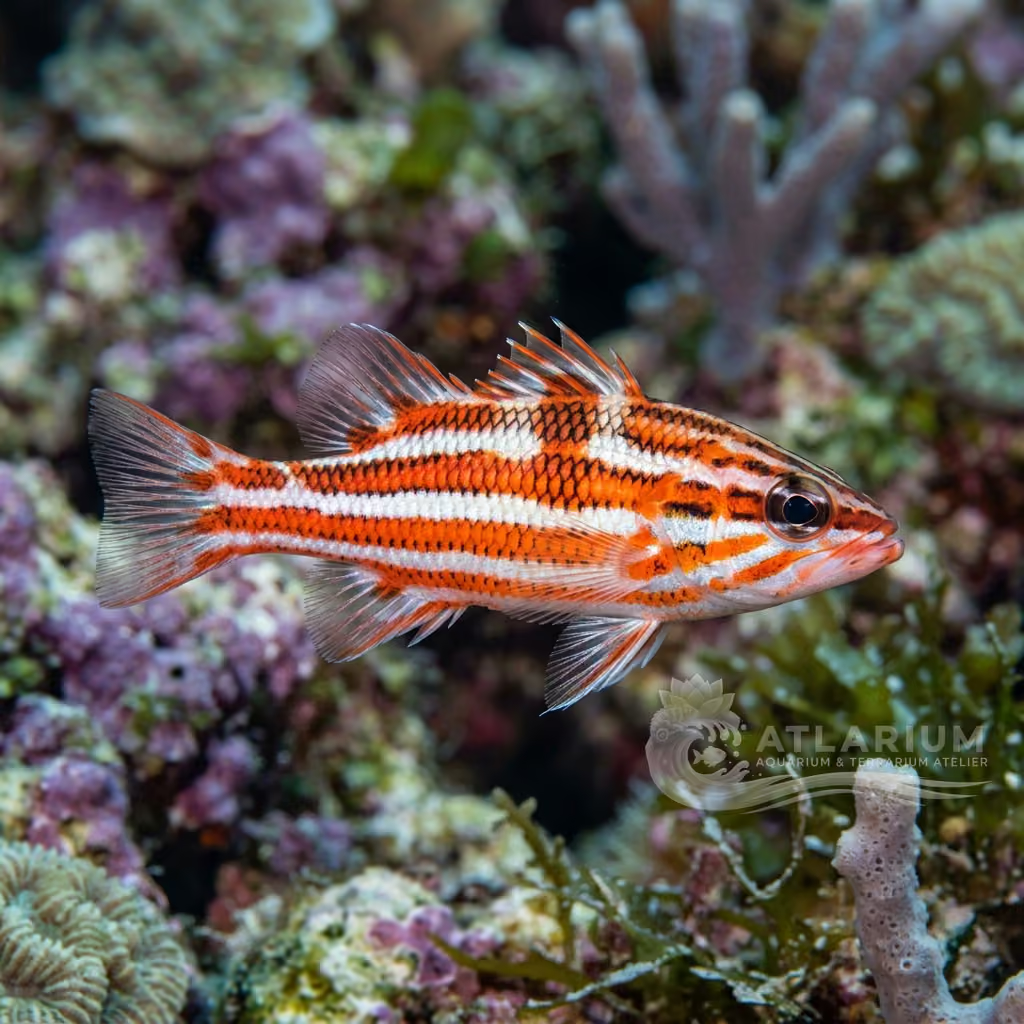
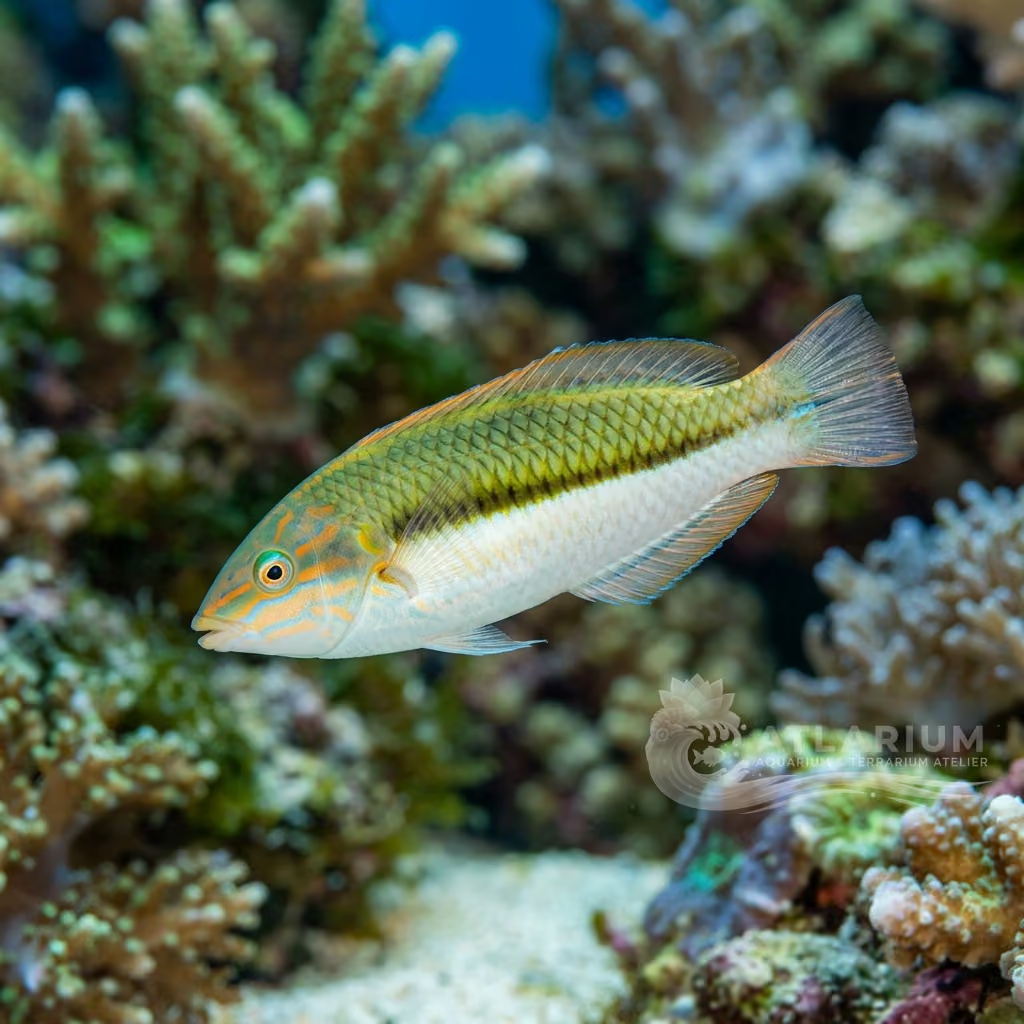
A stunning deep-reef fairy wrasse with a crimson red body and metallic fin edges. This reef-safe, haremic species needs a 150L tank with caves, a tight lid to prevent jumping, and a planktivorous meaty diet.
Water Temperature
22 - 26 °C
pH Value
8.1 - 8.4
Water type
Marine
Tank level
Surface and middle
Adult size
8 cm
Minimum tank volume
>= 150 L
Minimum group
>= 1
KH
8 - 12 dKH

Species description
Geographical Origin and Habitat: This species is native to the southwestern Pacific Ocean, primarily recorded from the Great Barrier Reef, Coral Sea, Vanuatu, and New Caledonia. It is a deep-reef dweller, typically found at depths of 60 to 220 meters on outer reef slopes among rubble fields and agariciid coral formations.
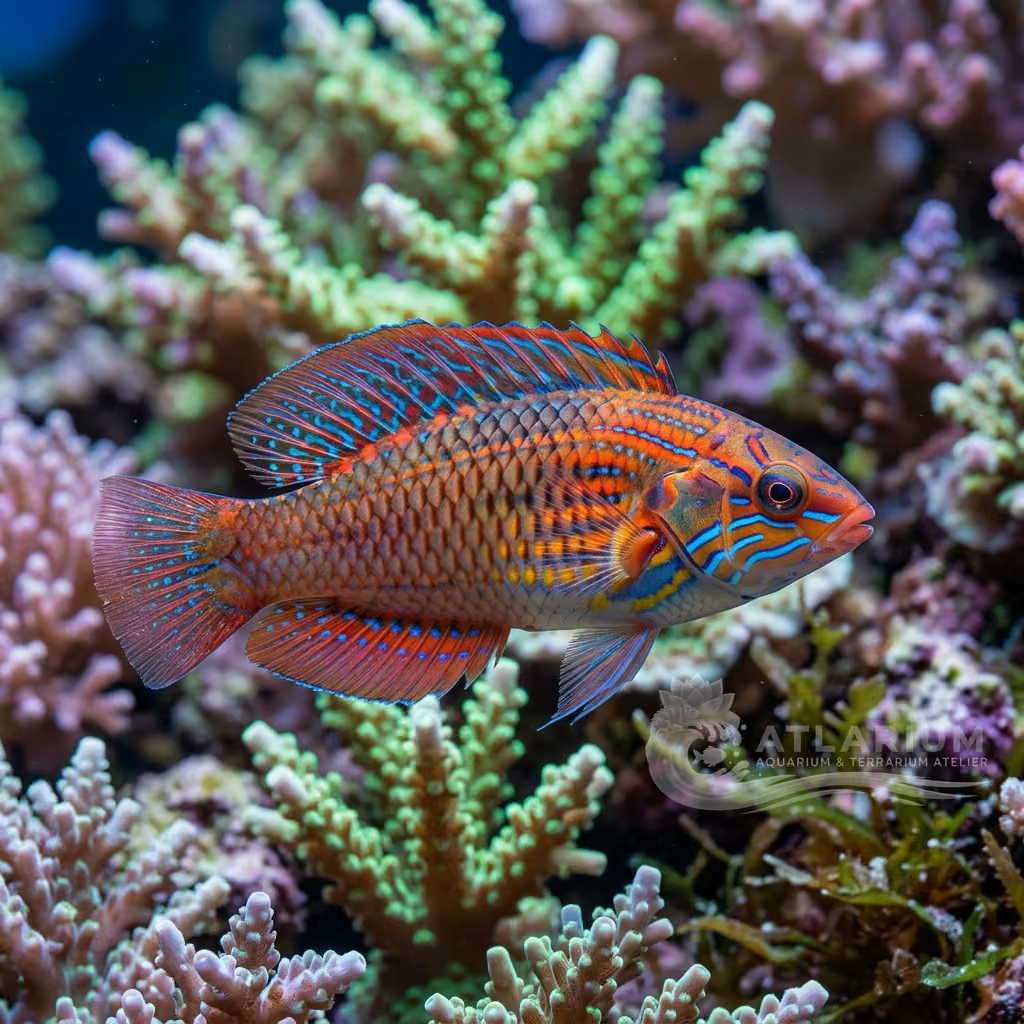
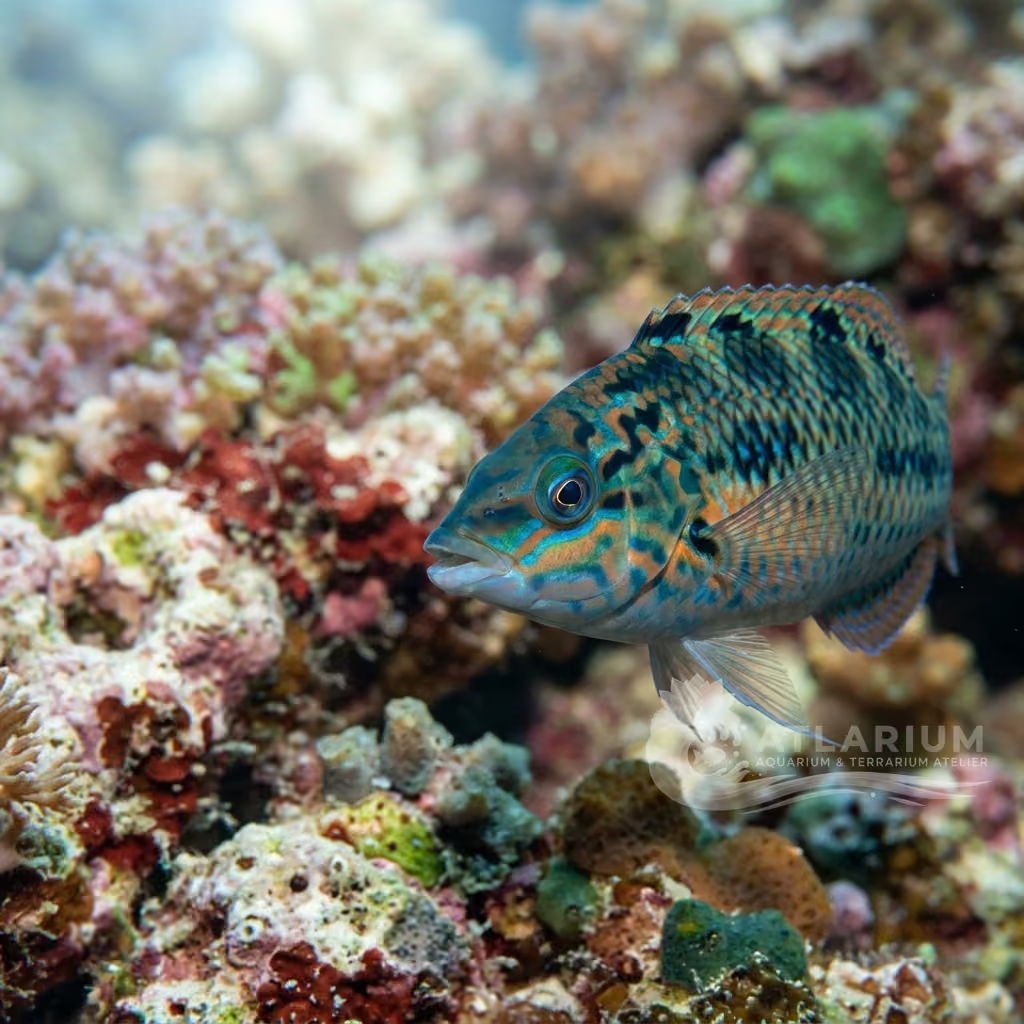
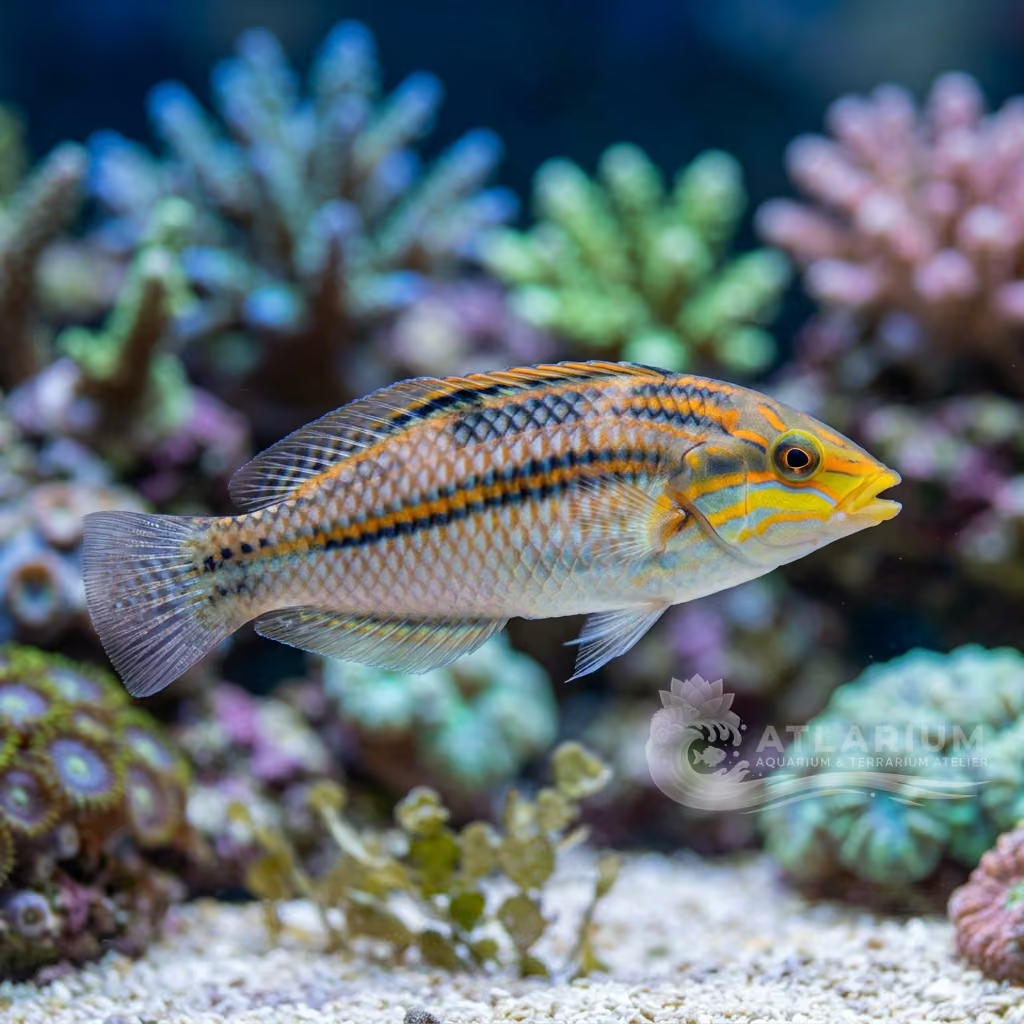
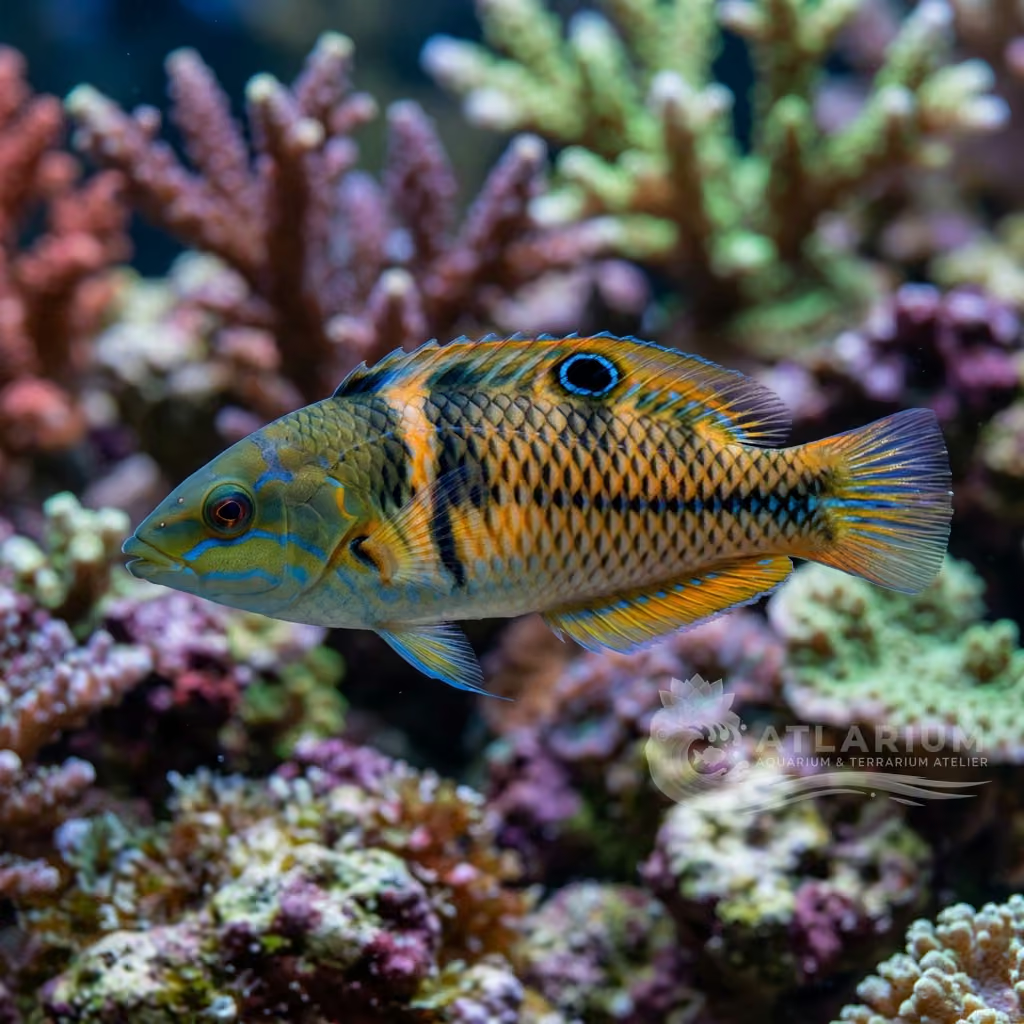
Taxonomy and Morphology: Belonging to the family Labridae and the genus Cirrhilabrus. It features an elongated, compressed body profile. Its large eyes are adapted for low-light environments. Males develop rounded, highly ornate dorsal and anal fins. The maximum adult size is around 7 to 8 cm.
Social Behavior: Peaceful, active, and social. It forms harems dominated by a single male and multiple females. Males engage in spectacular courtship displays, intensifying their coloration and flaring their fins to attract females. They are completely reef-safe and do not harm corals.
Coloration and Sexual Dimorphism: Displays extreme sexual dichromatism. Females are reddish-orange with pale bellies. Terminal males exhibit a brilliant yellow to orange head, transitioning to a deep crimson red body, with metallic purple and blue edges on the dorsal, anal, and caudal fins.

Care, breeding and tankmates
Aquarium Setup: A minimum tank size of 150 liters (40 gallons) is required. The tank should provide ample open swimming area along with live rock structures that offer shaded caves to mimic their deep-water habitat. A tight-fitting lid or mesh netting is mandatory, as fairy wrasses are notorious jumpers.
Diet and Feeding: Planktivorous. Requires feeding 2 to 3 times daily. Provide a varied diet of meaty frozen foods such as mysis shrimp, brine shrimp, krill, copepods, and fish eggs. It will also accept high-quality marine flakes and pellets enriched with vitamins to maintain color brilliance.
Water Quality: Demands stable marine conditions. Prefers slightly cooler water temperatures (22-25°C / 72-77°F) due to its deep-sea origin. Maintain pH 8.1-8.4, specific gravity 1.020-1.025, and KH 8-12. Low nitrate and phosphate levels are essential to prevent health decline.
Compatibility and Cohabitation: Highly compatible with other peaceful reef fish and corals. Can be kept in a harem (one male with several females, introduced simultaneously or females first). Avoid housing with aggressive, territorial tankmates like dottybacks, large angelfish, or boisterous damselfishes.
Aquarium Breeding: Spawning in captivity is undocumented. They are pelagic spawners that release eggs into the open water column at dusk. Raising the microscopic planktonic larvae requires specialized diets (such as copepod nauplii) and is not viable for standard home aquariums.
Risks and Diseases: Jumping out of the tank is the most common cause of mortality. Prone to skin parasites (marine ich) if stressed by bright aquarium lighting or aggressive tankmates. Drip acclimation in a dimly lit room is recommended to prevent shock.

Geographic origin and distribution
This species is native to the southwestern Pacific Ocean, primarily recorded from the Great Barrier Reef, Coral Sea, Vanuatu, and New Caledonia. It is a deep-reef dweller, typically found at depths of 60 to 220 meters on outer reef slopes among rubble fields and agariciid coral formations.
Origin
Tropical oceans and reefsAustralia, New Guinea, and Oceania

Fish profile
- Temperament
- Peaceful
- The overall temperament of Cirrhilabrus bathyphilus can be described as active and peaceful. Understanding their personality is vital for maintaining a peaceful and stress-free environment. They may exhibit unique behaviors when interacting with their surroundings or during feeding time. Careful consideration of their disposition leads to a more rewarding fishkeeping experience.
- Diet
- Carnivore
- The natural diet of Cirrhilabrus bathyphilus is primarily carnivorous. In captivity, they should be offered a varied selection of high-quality foods to meet their nutritional needs. Incorporating both dry commercial diets and frozen or live options will ensure optimal health and coloration. A varied diet prevents nutritional deficiencies.
- Life expectancy
- 6-8 years
- Adult size
- 8 cm
- Sex ratio
- Harem
- The ideal sex ratio for keeping Cirrhilabrus bathyphilus is typically harem. Keeping them in these numbers helps reduce intraspecific aggression and mimics their natural social structure. Providing ample hiding spots can further alleviate tension among dominant individuals. Always monitor the group dynamics when introducing new specimens.
- Feeding frequency
- Twice daily
- Feeding Cirrhilabrus bathyphilus should generally be done multiple times daily. It is important to provide only what they can consume in a few minutes to prevent leftover food from decaying. Establishing a regular feeding schedule helps keep the fish active and healthy. Adjust the frequency if you observe signs of undernourishment or overfeeding.
- Bioload
- Low to Medium
- The bioload produced by Cirrhilabrus bathyphilus is generally considered medium. This means that the filtration system must be adequately sized to handle their waste output. Regular water changes and tank maintenance are strongly recommended to keep the environment healthy. Failure to do so can result in poor water quality and stress the fish.
- Flow
- Strong
- In their natural habitat, Cirrhilabrus bathyphilus experiences water flow that is moderate. Replicating this in the aquarium is crucial for their well-being and natural behavior. Appropriate water movement aids in oxygenation and prevents dead spots in the tank. Utilizing adjustable powerheads can help achieve the perfect balance.
- Jump risk
- Yes
- The risk of Cirrhilabrus bathyphilus jumping out of the aquarium is rated as very high. Therefore, a tight-fitting lid or a secure mesh cover is highly recommended. Many fish jump when startled by sudden movements or poor water conditions. Securing the top ensures that your fish remain safely inside the tank.
- Reproduction
- Oviparous
- Regarding reproduction, Cirrhilabrus bathyphilus is known to be a pelagic spawner. Breeding them in a home aquarium requires specific water parameters and a dedicated setup. Providing the correct spawning media and conditioning the adults with high-quality foods will increase success. Raising the fry can be challenging and requires specialized microscopic foods initially.
- Compatibility & tankmates
- Community
- When it comes to compatibility, Cirrhilabrus bathyphilus is characterized as peaceful. They should be housed with tank mates that share similar water requirements and temperament. Care must be taken not to include species that could easily become prey or outcompete them for food. Observation is key to ensuring a harmonious community.
- Tank level
- Top/Middle
- In the aquarium, Cirrhilabrus bathyphilus prefers to occupy the mid-top level. Designing the aquascape to cater to this preference ensures the fish feel secure and display their best colors. Ensure that there is adequate swimming space and appropriate decor in their preferred zone. This vertical distribution also allows for careful selection of tank mates that occupy other levels.

Scientific Parameters & Models
FishBase
Window to the official scientific data of the species
FishBase v25.04Data synced on: 06/15/2026
- Trophic level
- 3.3 ± 0.4 se
- Resilience
- High (less than 15 months)
- Phylogenetic uniqueness (PD50)
- 0.5
- Bayesian Length-Weight
- a = 0.01072, b = 3.03
- VulnerabilityLow vulnerability (10 / 100)

Related species
Recommendations grouped by close relatives, companion choices, and similar care.