

Encyclopaedia
Orange-back Fairy Wrasse
Cirrhilabrus aurantidorsalis
The orange-back fairy wrasse (Cirrhilabrus aurantidorsalis) is a vibrant and active marine fish, prized for the brilliant orange patch running along the dorsal side of adult males.
Share
Check out Orange-back Fairy Wrasse on Atlarium
22 - 27 °C
8.1 - 8.4
Marine
Surface and middle
8 cm
>= 150 L
>= 1
Species description
Care, breeding and tankmates
Geographic Origin and Distribution
Origin
Fish profile
- Temperament
- Peaceful
- Diet
- Carnivore
- Sex ratio
- Harem
- Feeding frequency
- Twice daily
- Bioload
- The Cirrhilabrus aurantidorsalis has a moderate bioload impact on the aquarium. Due to their high activity levels and fast metabolism, they require frequent feedings. However, their small size means a standard, well-maintained filtration system can easily handle their waste output.
- Flow
- Moderate
- Jump risk
- Yes
- Reproduction
- Oviparous
- Compatibility & tankmates
- Community
- Tank level
- Top/Middle
Window to the official scientific data of the species
Scientific Parameters & Models
- Trophic level
- 3.4 ± 0.4 se
- Resilience
- High (less than 15 months)
- Phylogenetic uniqueness (PD50)
- 0.5
- Bayesian Length-Weight
- a = 0.01072, b = 3.03
Image gallery
Licensed images linked to the species or, when marked, to the closest representative taxon.
Related species
Recommendations grouped by close relatives, companion choices, and similar care.
Variants and close relatives
Same atlas type, nearby scientific identity, genus, or family.
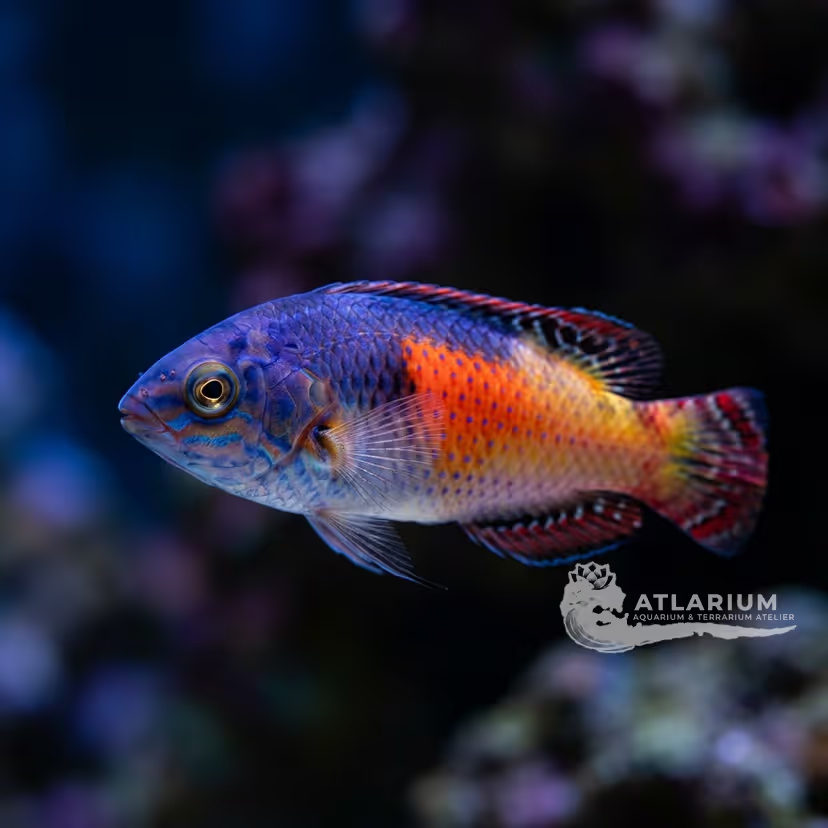
Girdled Wrasse
Cirrhilabrus balteatus
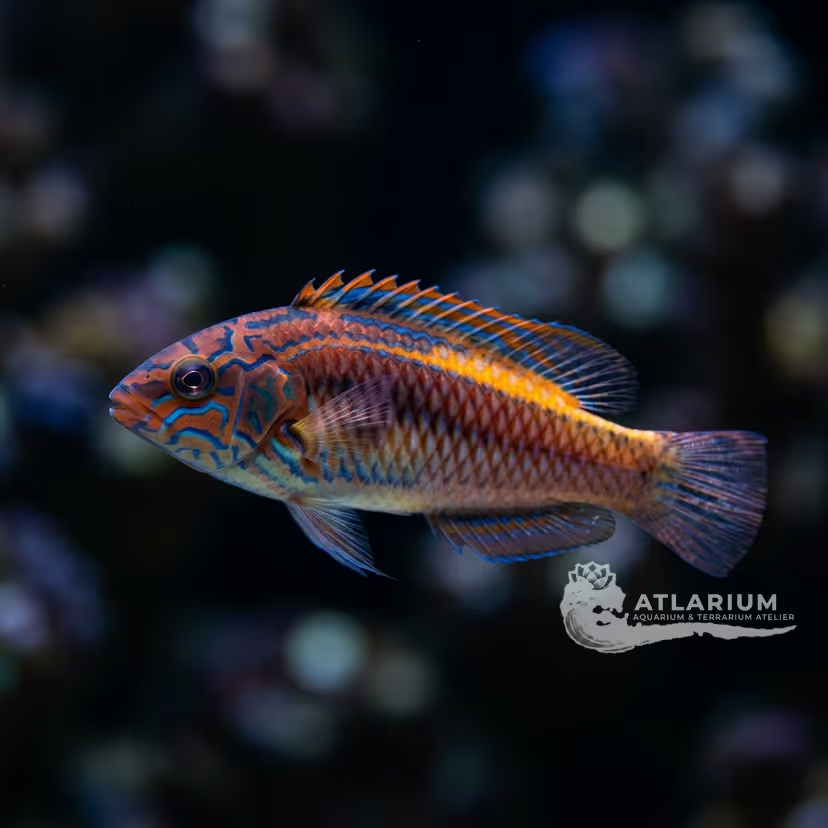
Labout's Fairy Wrasse
Cirrhilabrus laboutei
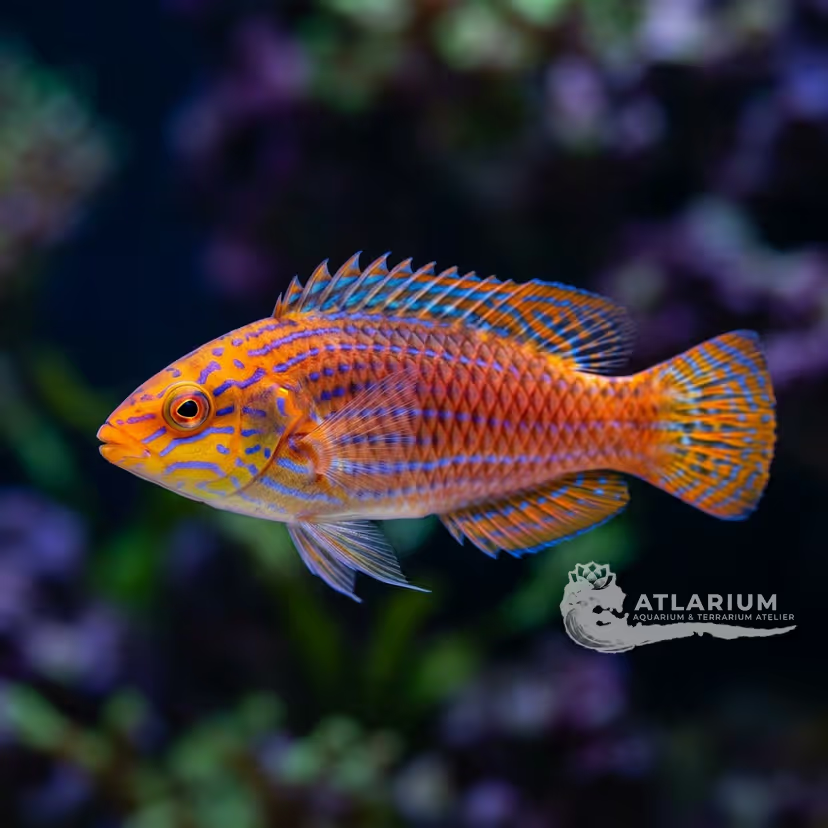
Lined fairy wrasse
Cirrhilabrus lineatus
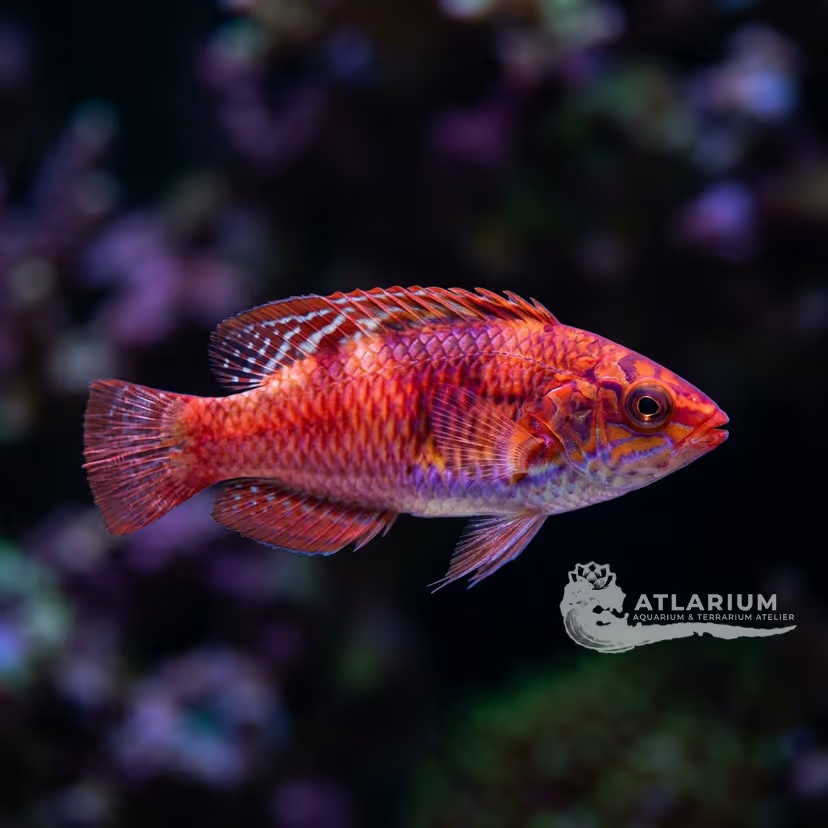
Ruby fairy wrasse
Cirrhilabrus rubeus
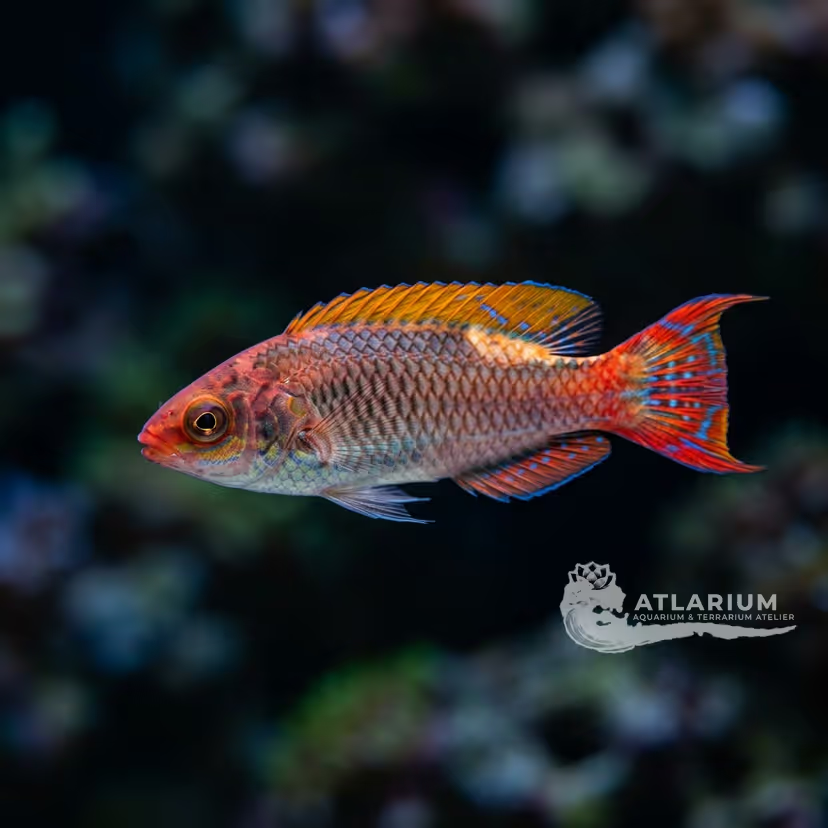
Temminck's Fairy Wrasse
Cirrhilabrus temminckii
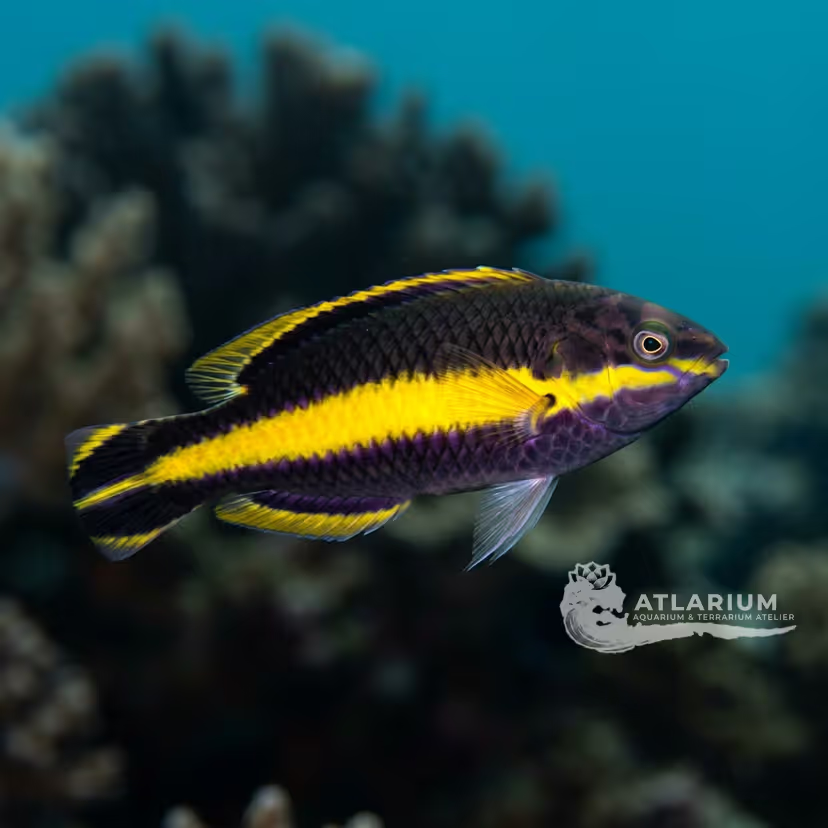
Yellowband Wrasse
Cirrhilabrus luteovittatus

African Lined Wrasse
Cirrhilabrus africanus

Aquamarine Wrasse
Cirrhilabrus aquamarinus
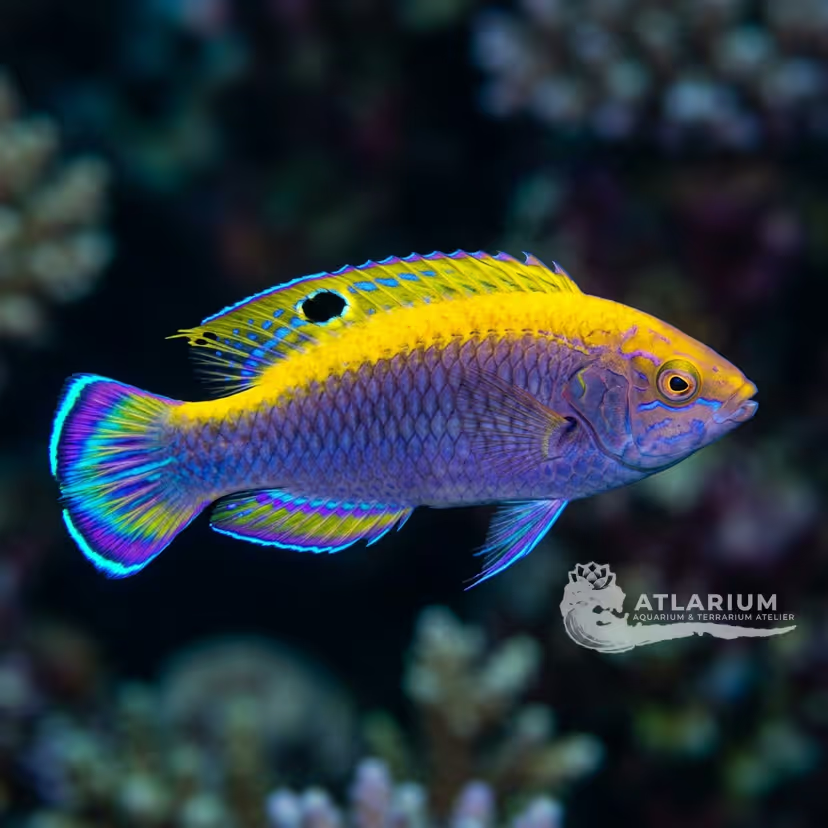
Beau's Fairy Wrasse
Cirrhilabrus beauperryi

Brian Greene's Fairy Wrasse
Cirrhilabrus briangreenei

Bronze Fairy Wrasse
Cirrhilabrus brunneus
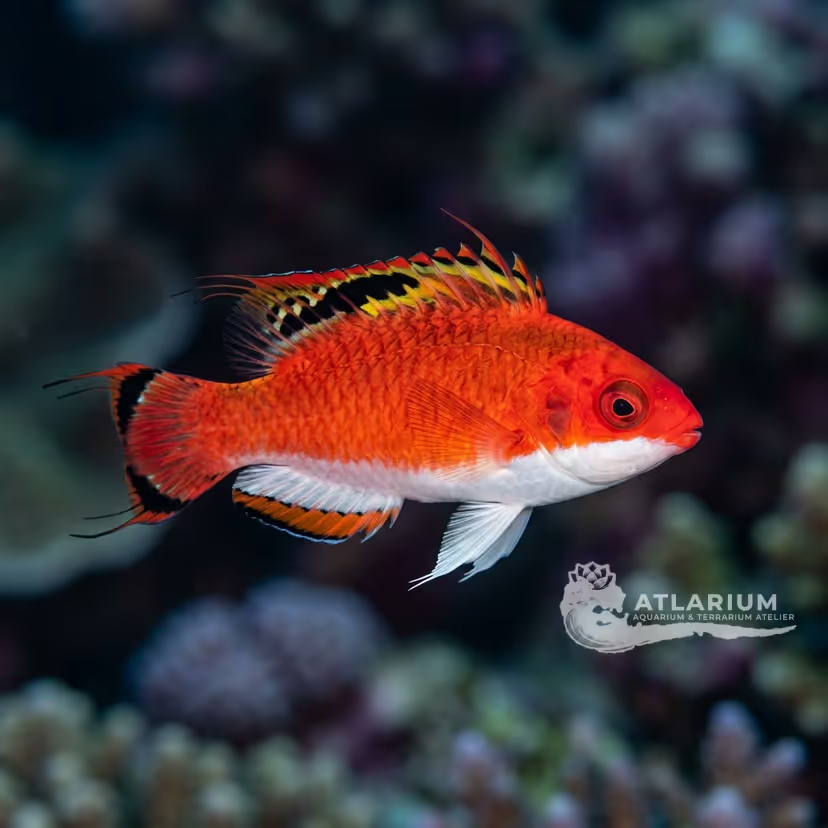
Conde's wrasse
Cirrhilabrus condei
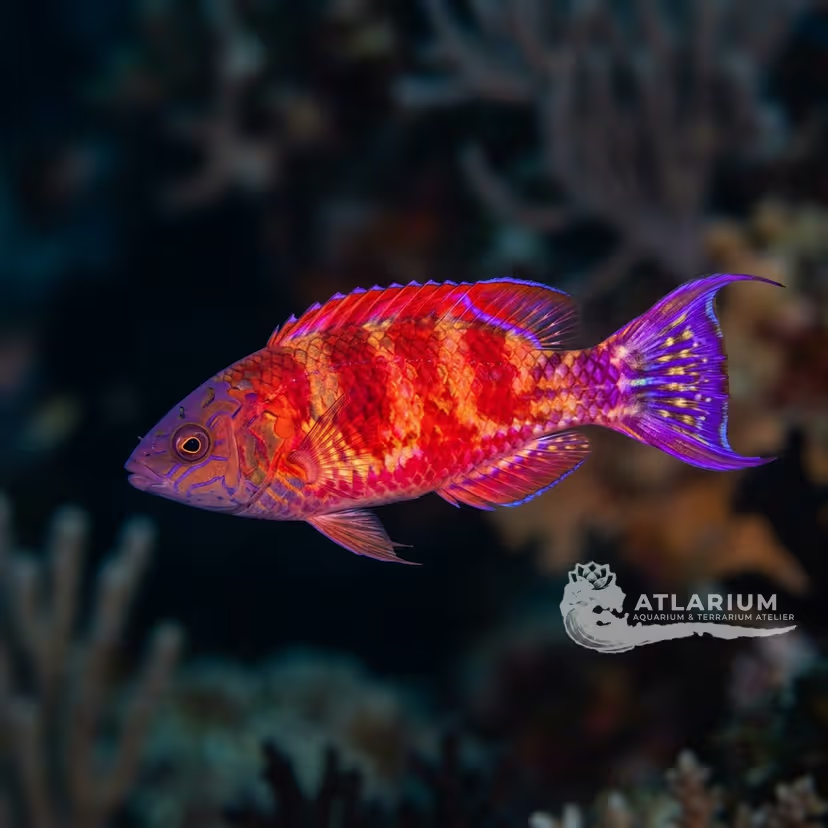
Deep-water Wrasse
Cirrhilabrus bathyphilus
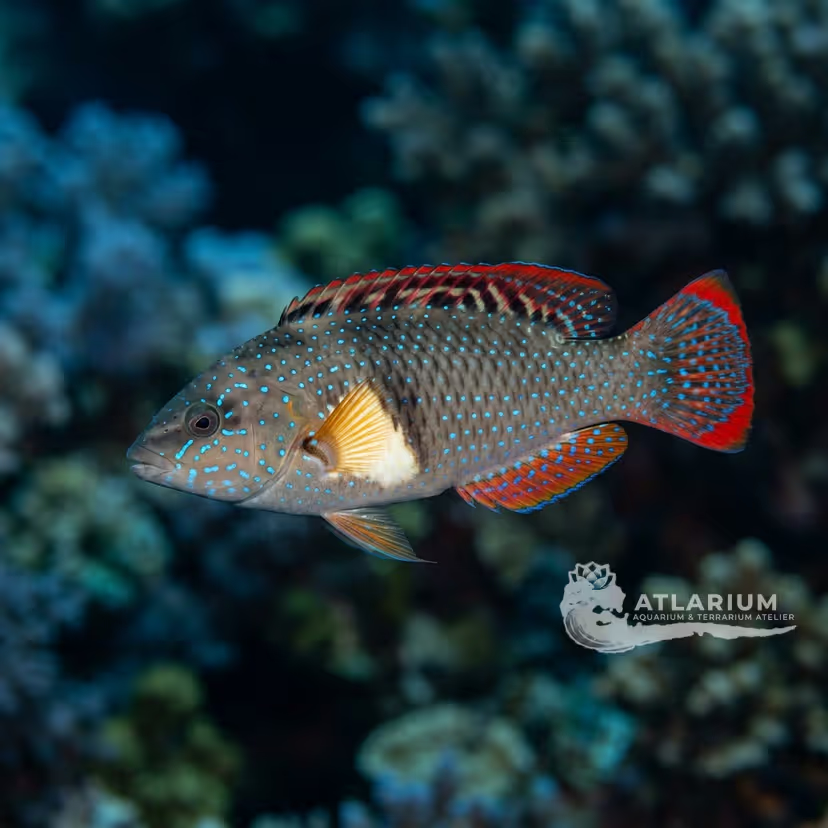
Dotted wrasse
Cirrhilabrus punctatus
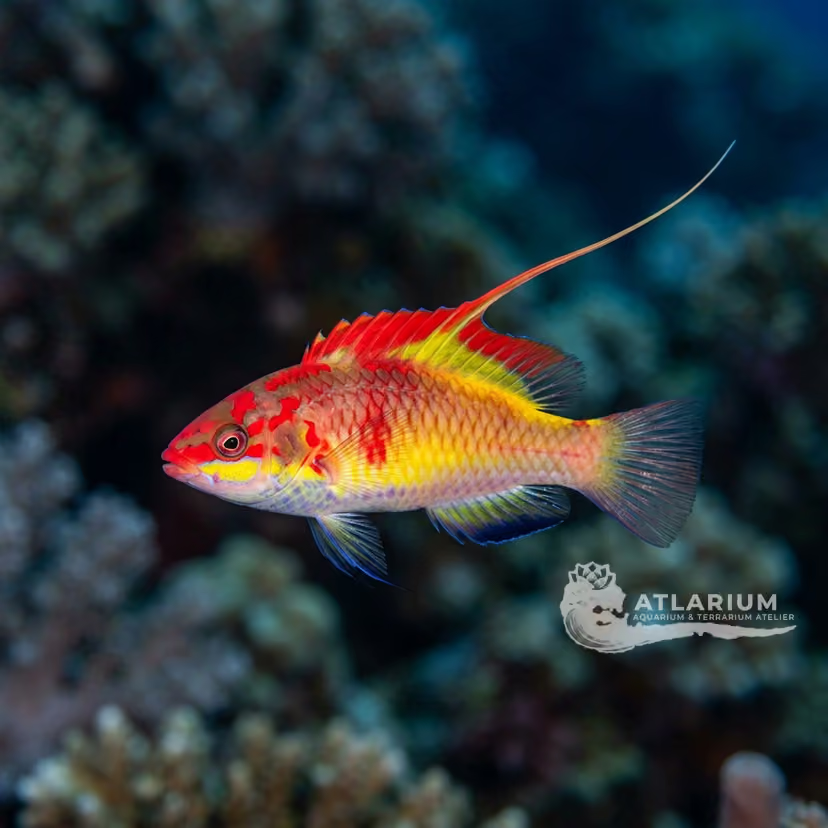
Filament-finned wrasse
Cirrhilabrus filamentosus
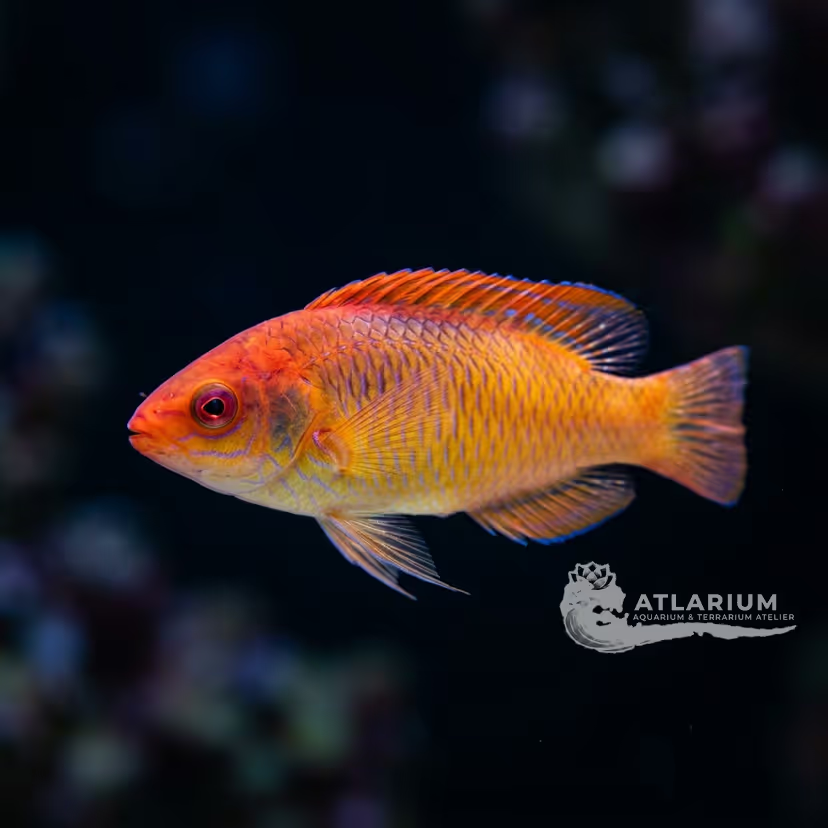
Flame wrasse
Cirrhilabrus jordani
Recommended companions
Compatible cards from coherent ecosystems with matching parameters.
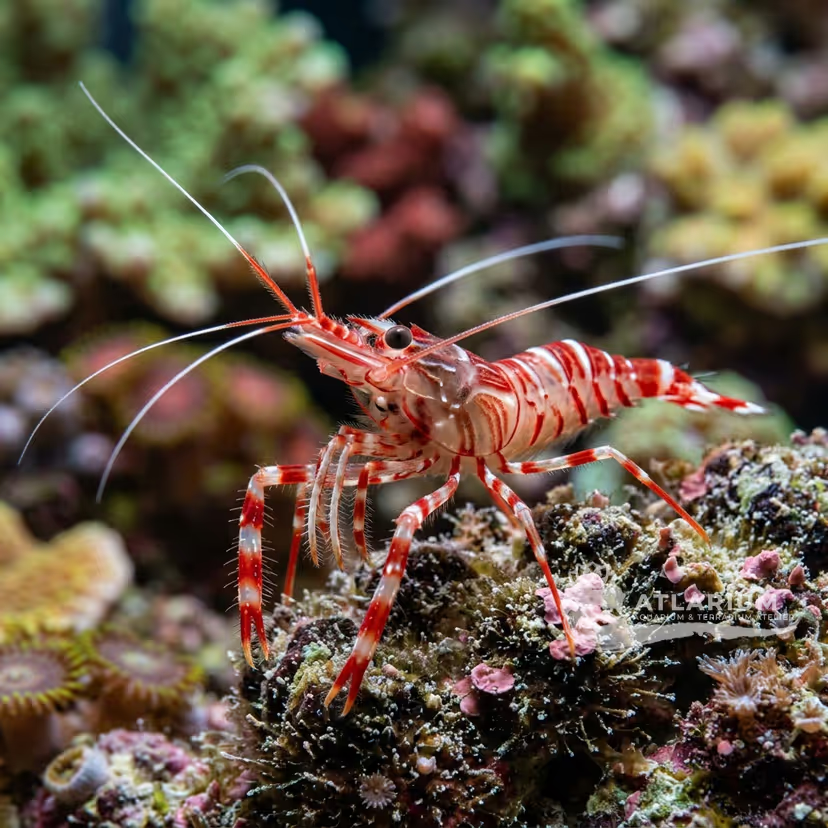
Anker's Cleaner Shrimp
Lysmata ankeri

Armed Snapping Shrimp
Alpheus armatus

Blood-spotted Hermit Crab
Clibanarius cruentatus
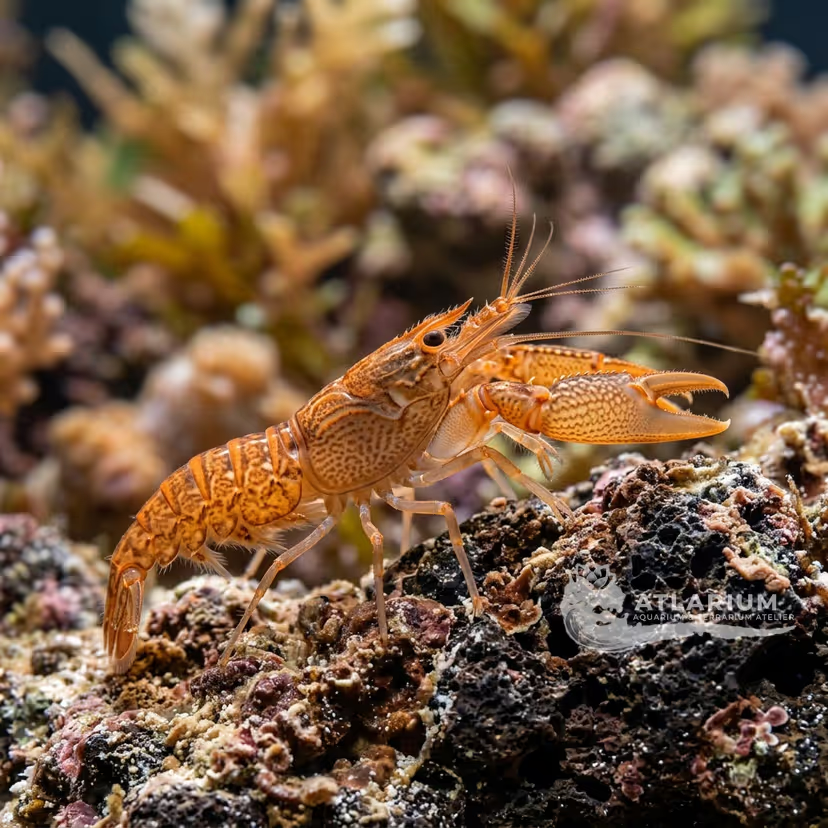
Bouvier's snapping shrimp
Alpheus bouvieri

Camel shrimp
Rhynchocinetes durbanensis

Chapin's Hermit Crab
Clibanarius chapini

Chocolate Chip Starfish
Protoreaster nodosus
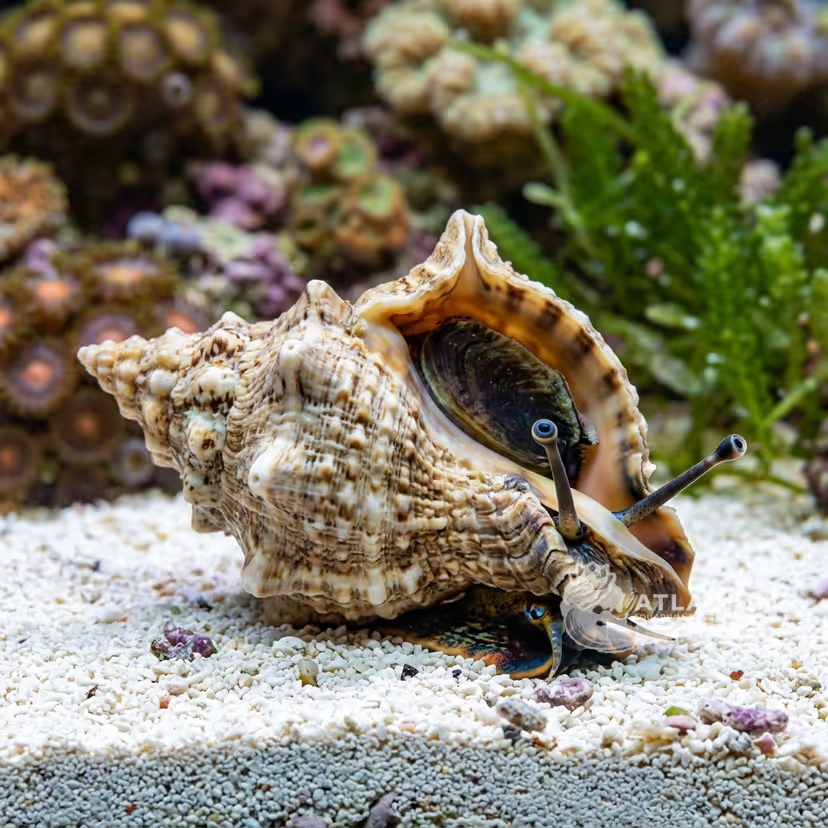
Florida Fighting Conch
Strombus alatus
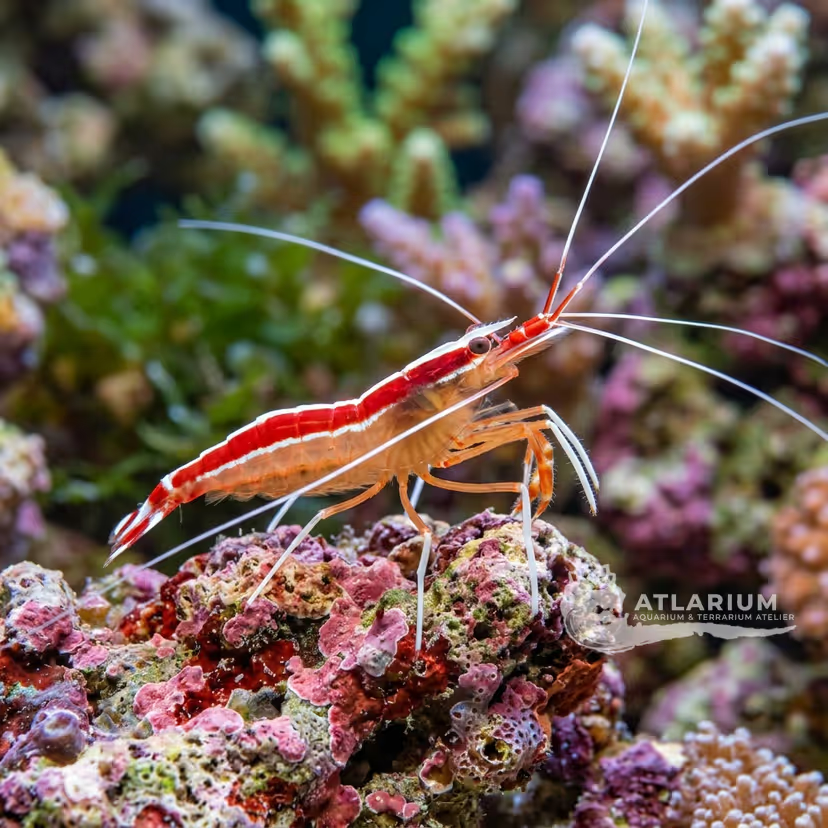
Grabham's cleaner shrimp
Lysmata grabhami

Green Sea Urchin
Lytechinus variegatus

Lipke's Cleaner Shrimp
Lysmata lipkei

Acorn dog whelk
Nassarius glans

Ambon Hermit Crab
Clibanarius ambonensis

Anchisteus Cleaner Shrimp
Lysmata anchisteus

Areola babylon snail
Babylonia areolata

Blue-eyed Hermit Crab
Clibanarius corallinus
Similar care
Cards with similar requirements, difficulty, habitat, and husbandry profile.
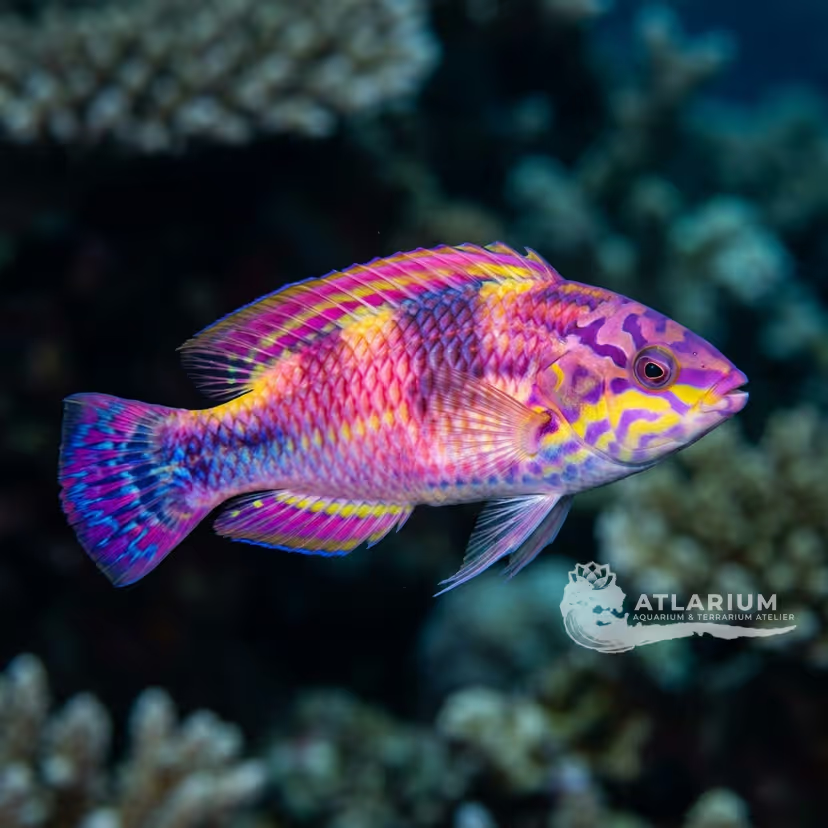
Mutant Wrasse
Cirrhilabrus apterygia
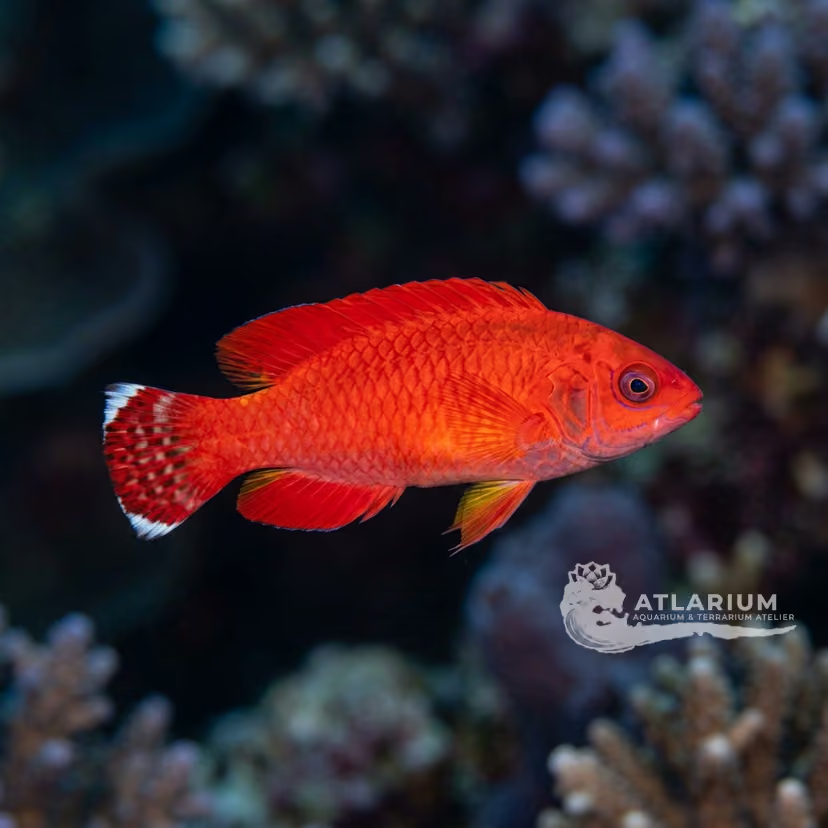
Magma Wrasse
Cirrhilabrus shutmani
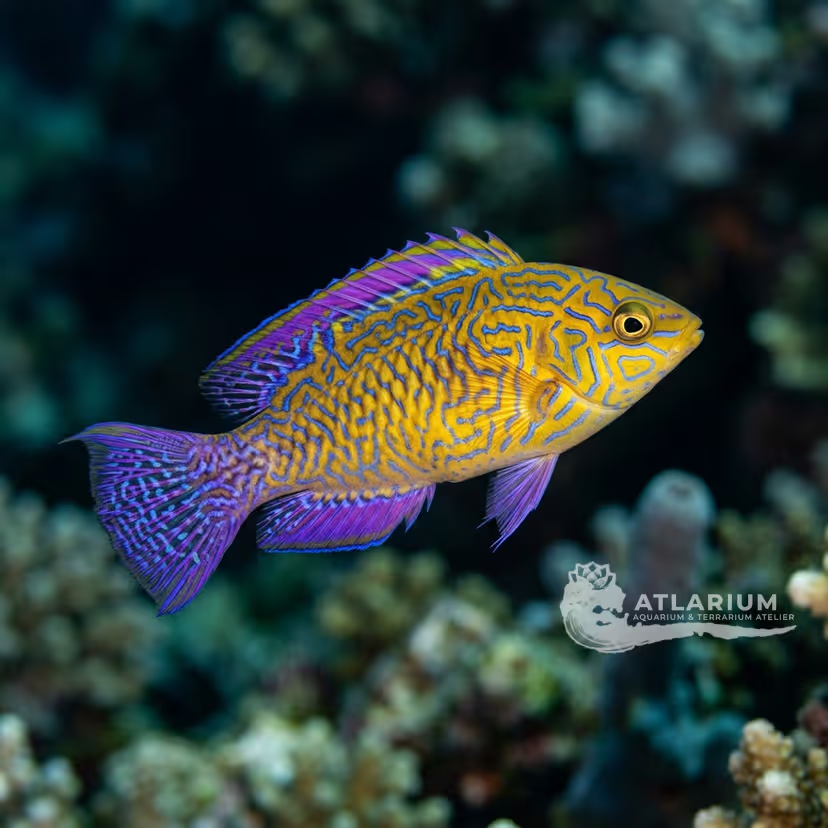
Rhomboid Fairy Wrasse
Cirrhilabrus rhomboidalis
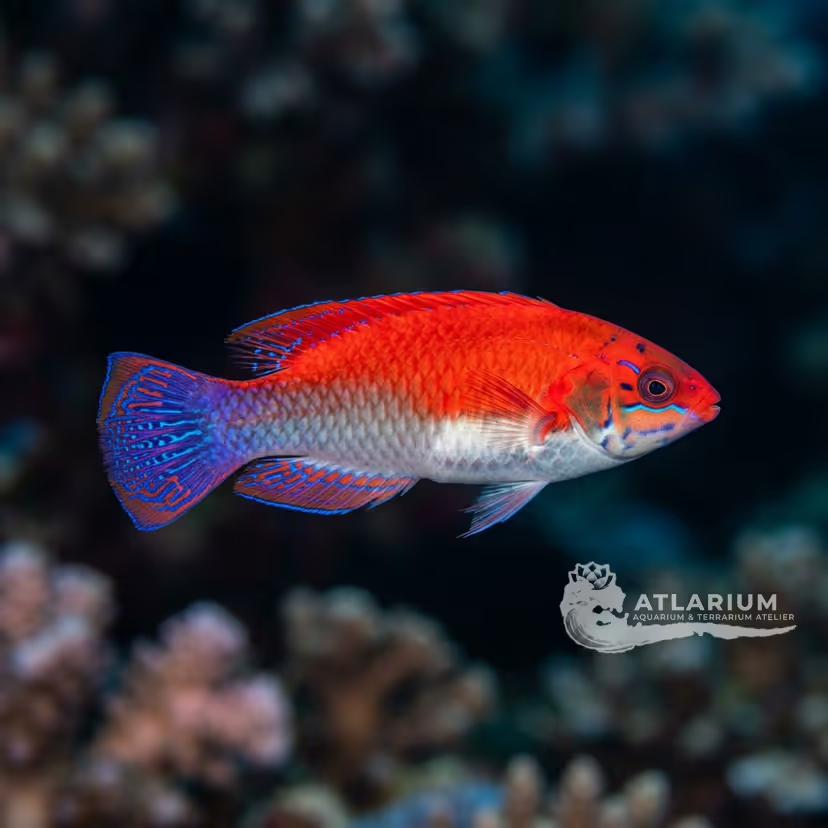
Katherine's fairy wrasse
Cirrhilabrus katherinae
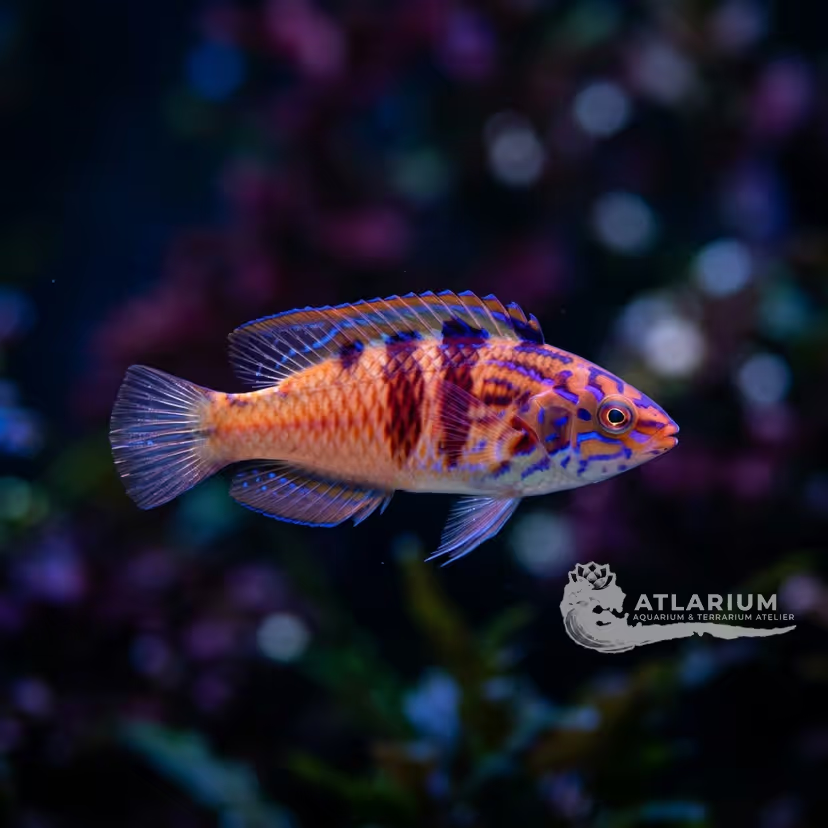
Tono's Fairy Wrasse
Cirrhilabrus tonozukai
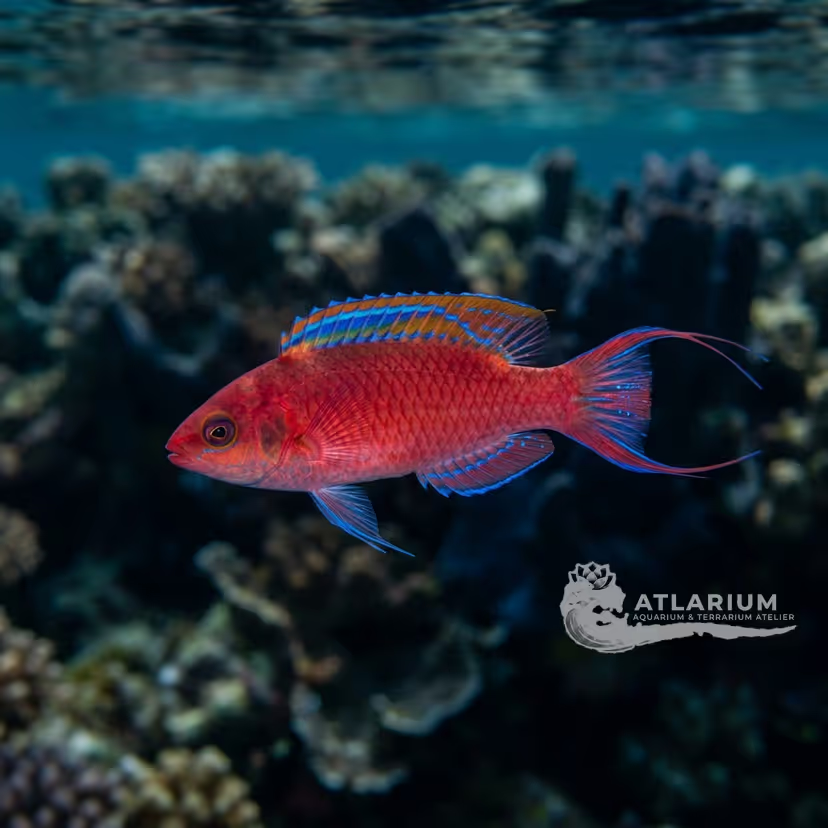
Kato's Fairy Wrasse
Cirrhilabrus katoi
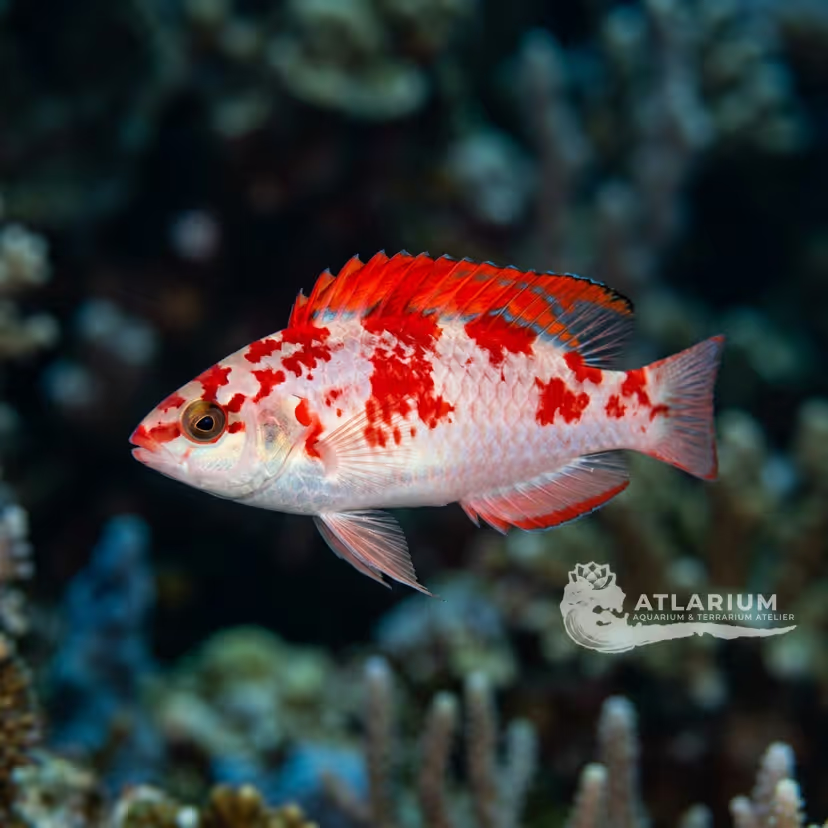
Red-fin Fairy Wrasse
Cirrhilabrus adornatus
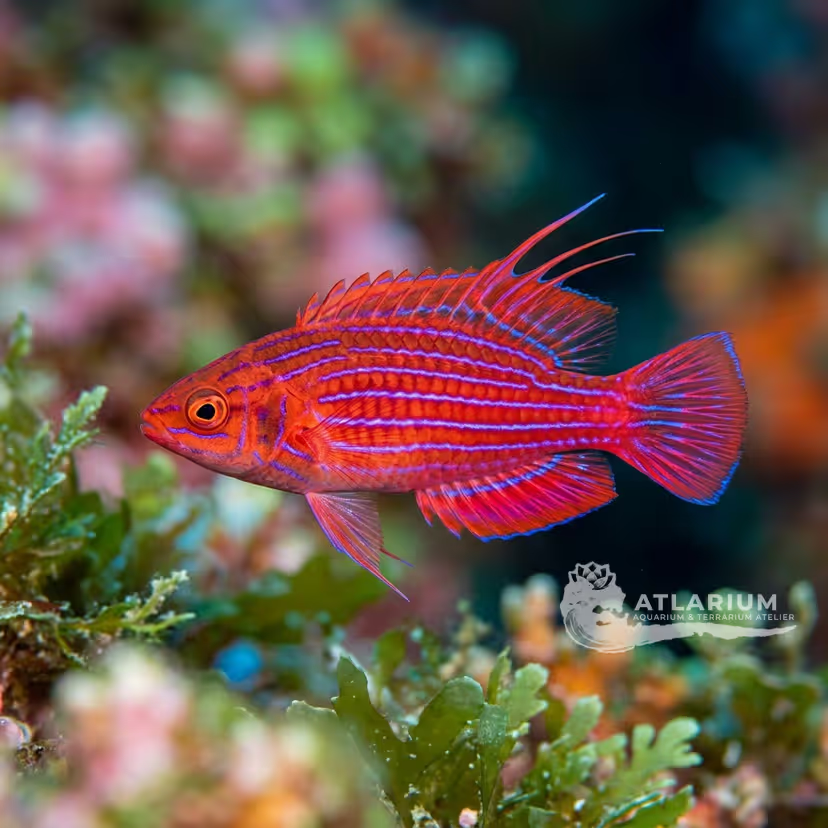
Eightline flasher wrasse
Paracheilinus octotaenia
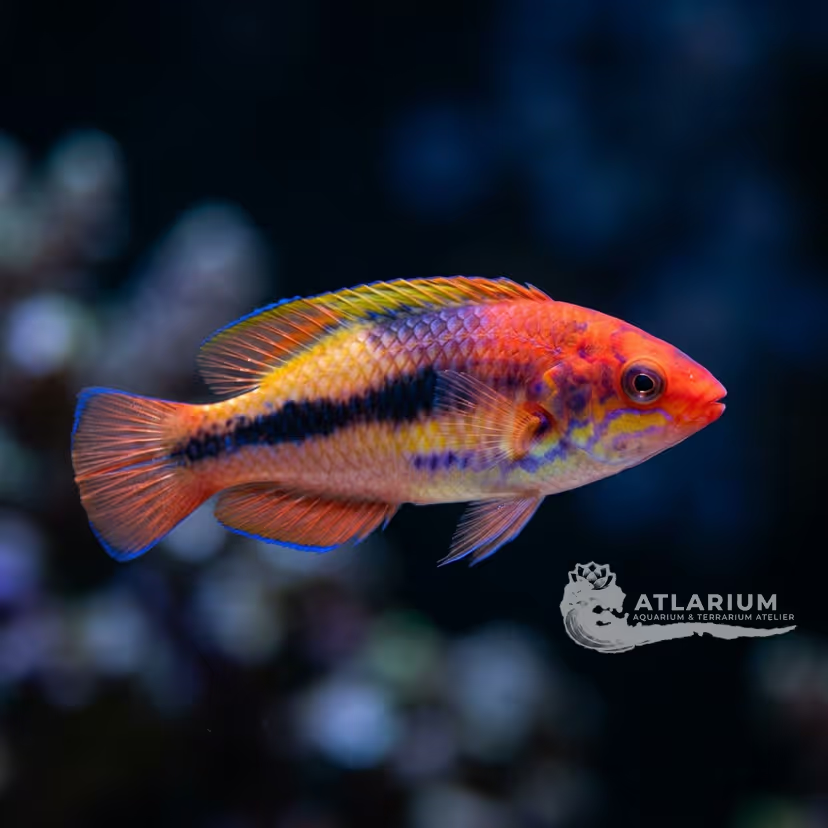
Lubbock's fairy wrasse
Cirrhilabrus lubbocki
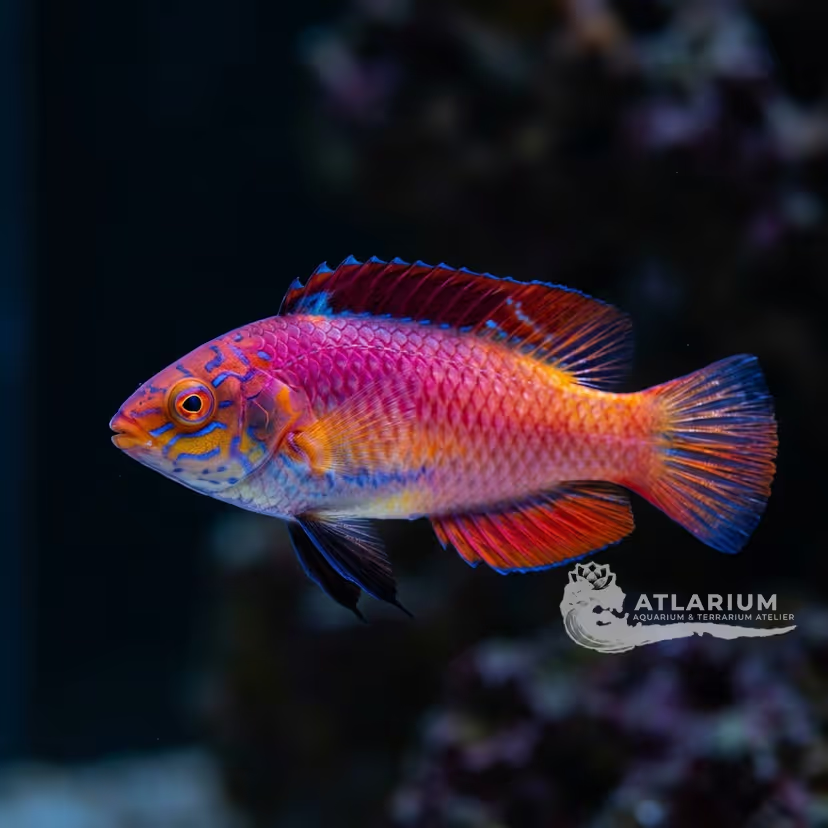
Redfin Fairy Wrasse
Cirrhilabrus rubripinnis
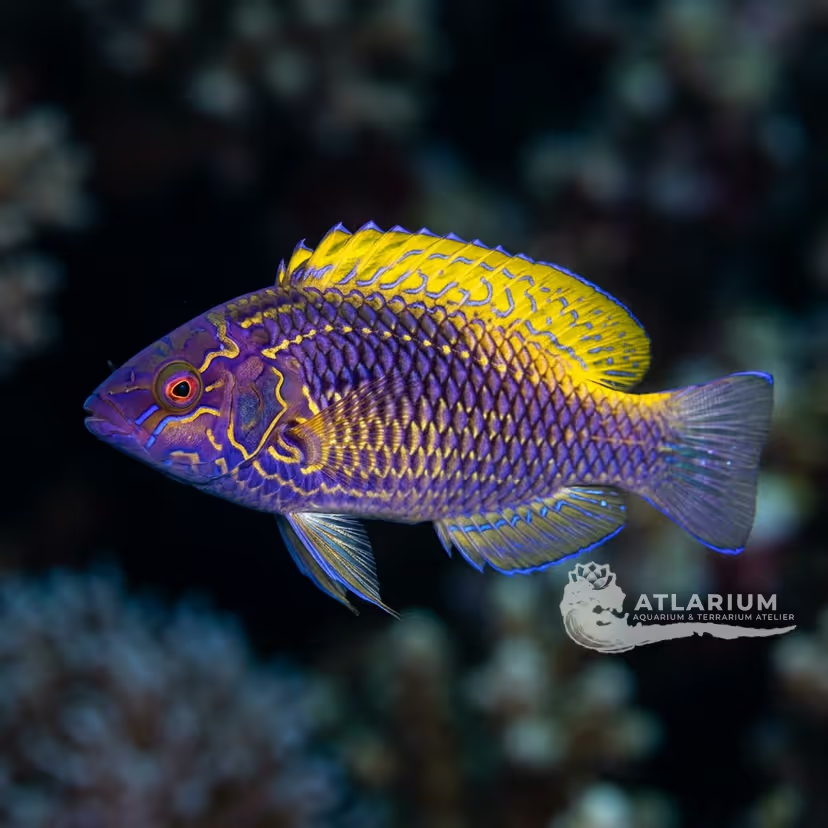
Vibranium fairy wrasse
Cirrhilabrus wakanda
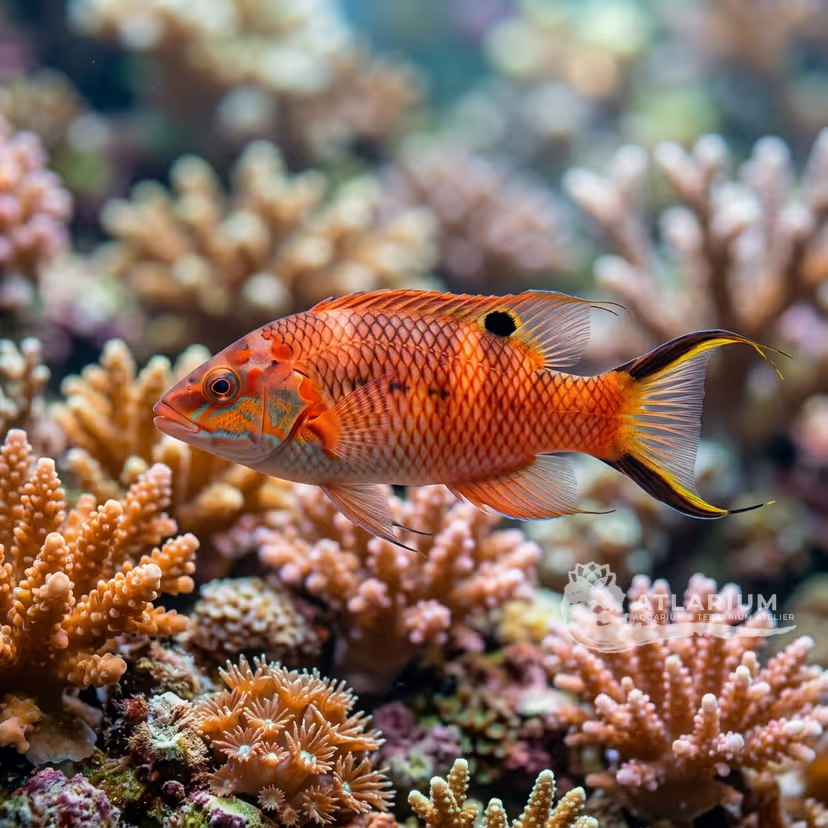
Crescent-tail Hogfish
Bodianus sepiacaudus
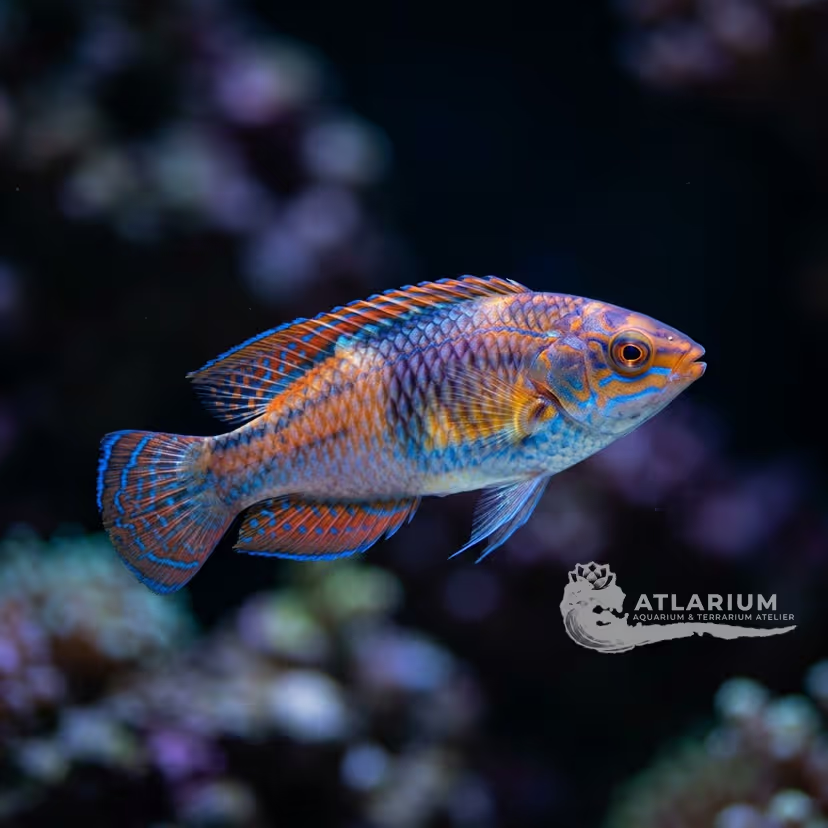
Red-headed fairy wrasse
Cirrhilabrus solorensis
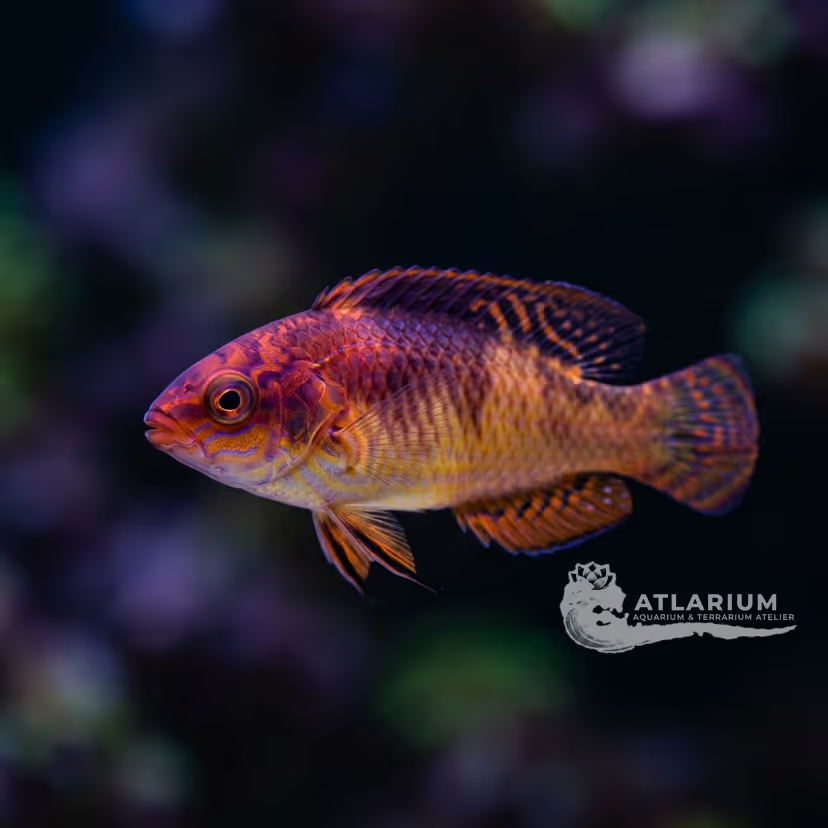
Pyle's fairy wrasse
Cirrhilabrus pylei

Butterfly wrasse
Halichoeres papilionaceus
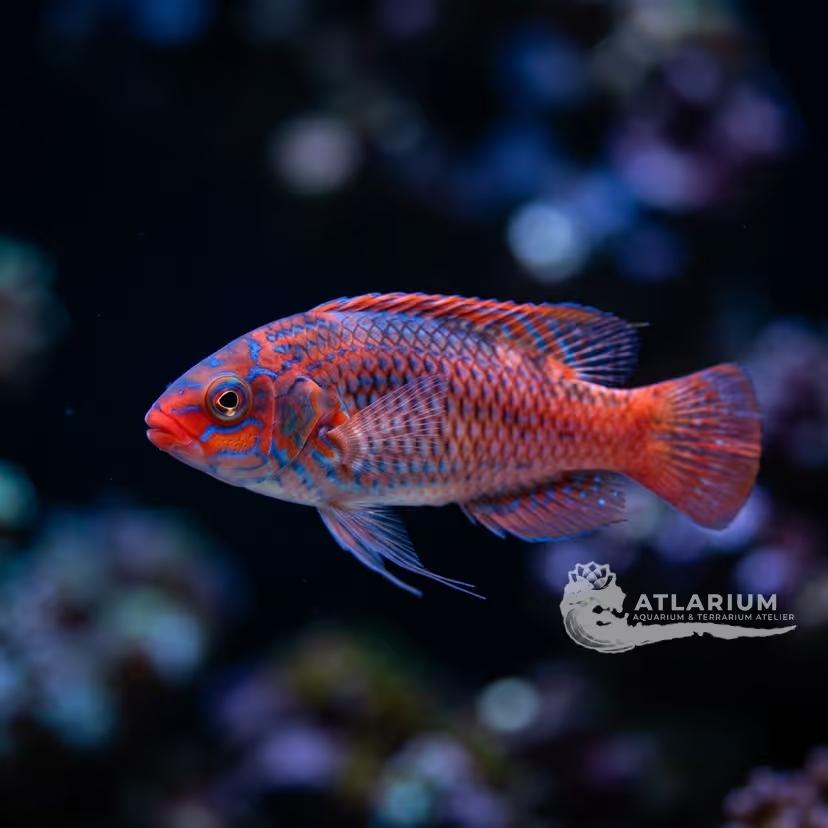
Scott's wrasse
Cirrhilabrus scottorum