Vibranium fairy wrasse
Cirrhilabrus wakanda
A stunning deep-water fairy wrasse from East African twilight reefs. Sporting vibrant violet-purple hues, it requires a 200L tank, cooler temperatures (22-25°C), and a tight lid due to jumping risks.
Water Temperature
22 - 25 °C
pH Value
8.1 - 8.4
Water type
Marine
Tank level
Middle
Adult size
7 cm
Minimum tank volume
>= 120 L
Minimum group
>= 1

Species description
Geographical Origin and Habitat: Cirrhilabrus wakanda is a marine fish described in 2019 that inhabits deep coral reefs, specifically within the mesophotic or twilight zone, of East Africa. It has been recorded off the coast of Tanzania (Zanzibar Island) at depths ranging from 50 to 80 meters below the surface. These environments are characterized by dim light, steep rocky slopes, and cooler water temperatures compared to shallow reefs.
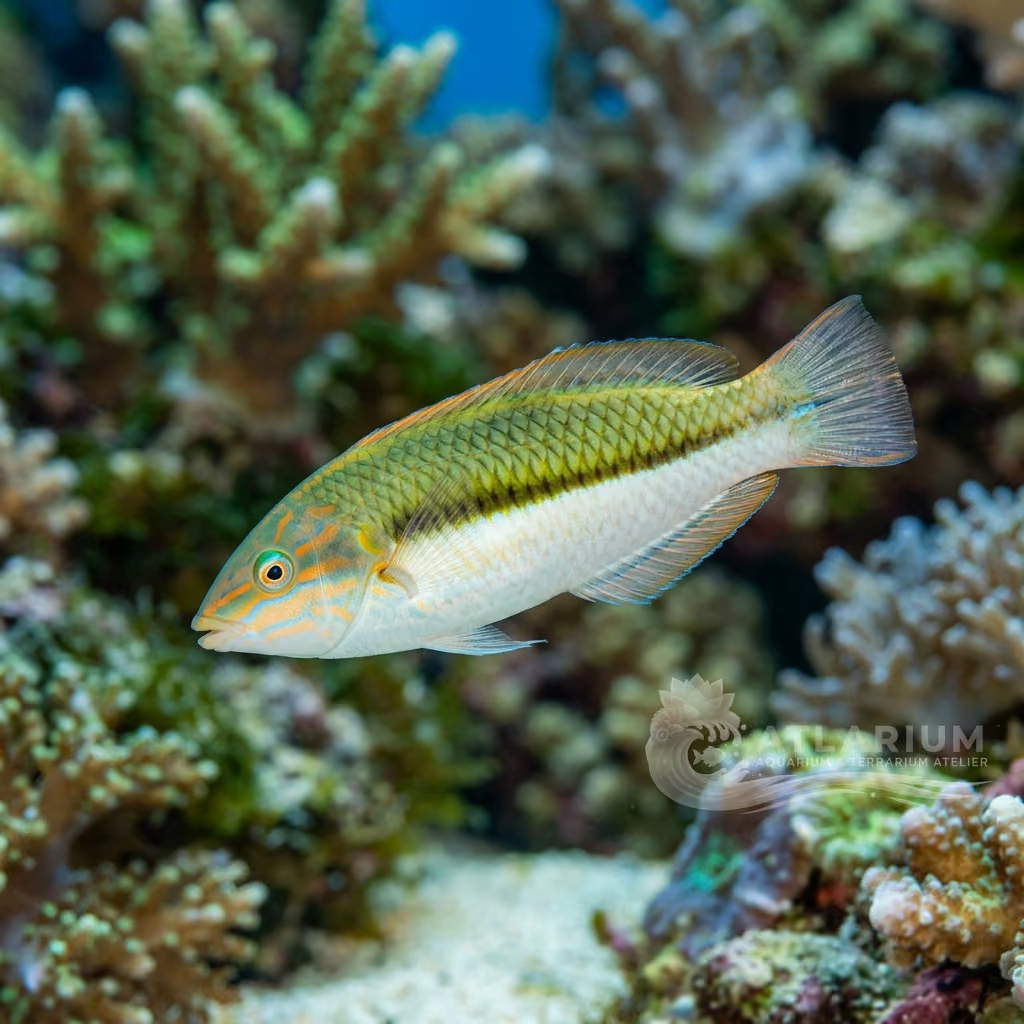
Taxonomy and Morphology: Belongs to the family Labridae, genus Cirrhilabrus. It displays the typical elongated, streamlined, and slightly compressed body of fairy wrasses. Adults reach a maximum length of approximately 7-8 cm. The species was named after the fictional Marvel nation of Wakanda, referencing its deep purple coloration that resembles the fictional metal vibranium, and the intricate geometric patterns on its scales.
Social Behavior: Active in the open water column just above the rocky substrate. It is a peaceful, schooling fish that naturally lives in small groups containing one dominant male and several females. The dominant male is territorial toward other male fairy wrasses and will perform colorful, flashing displays with extended fins to defend its harem and ward off rivals.
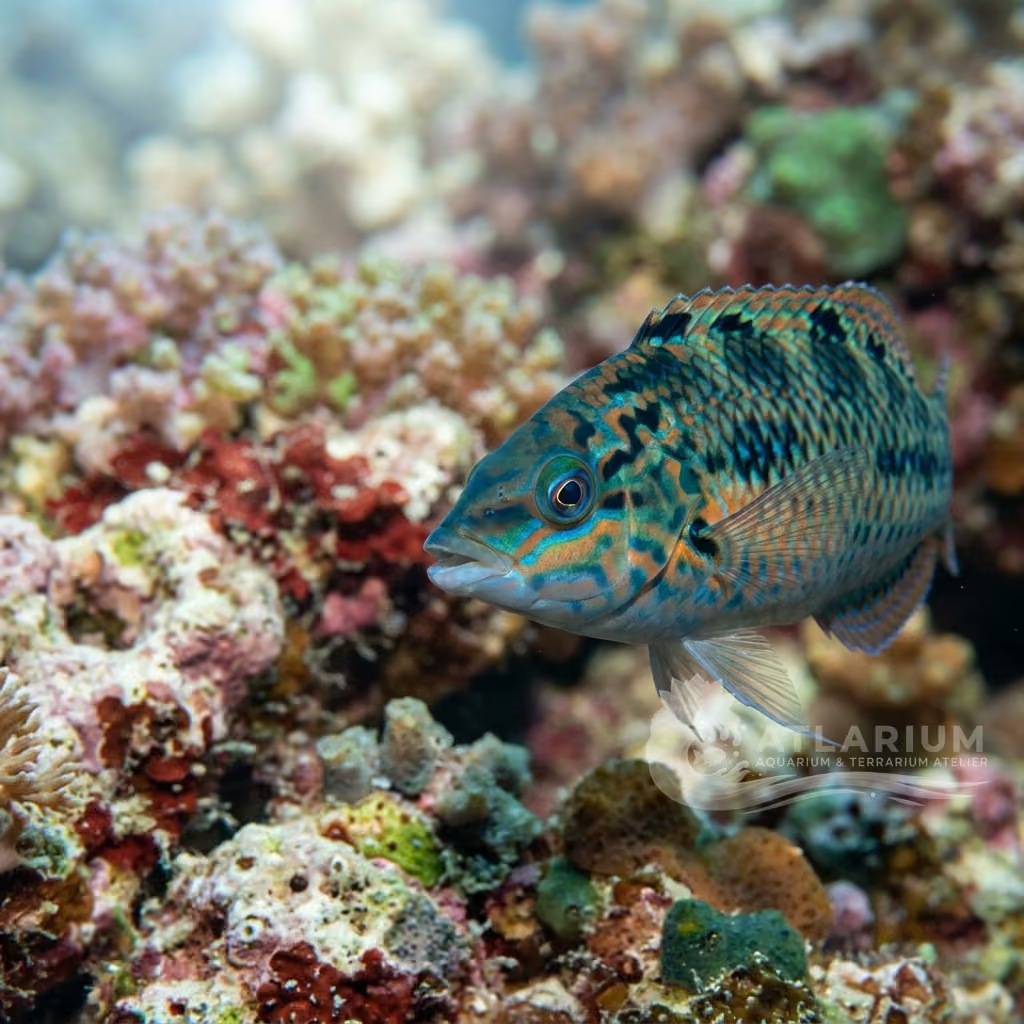
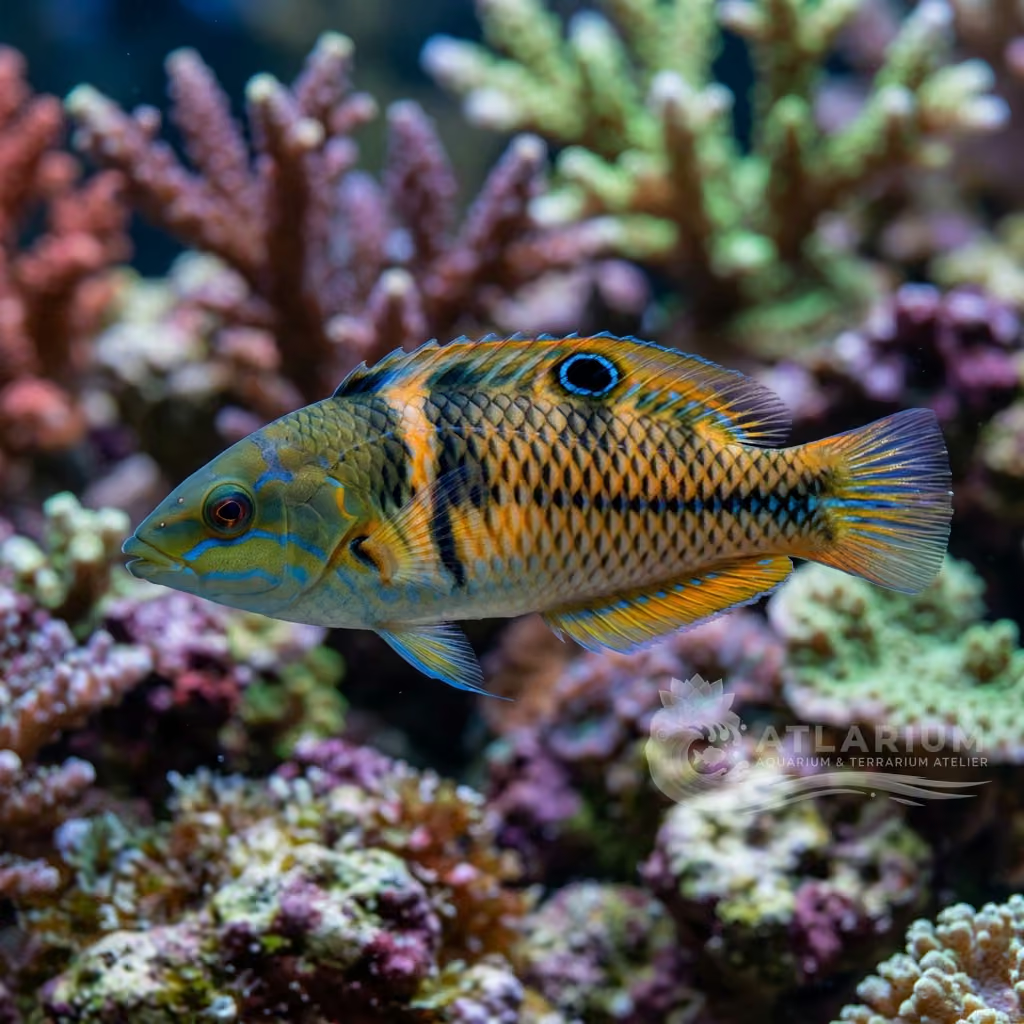
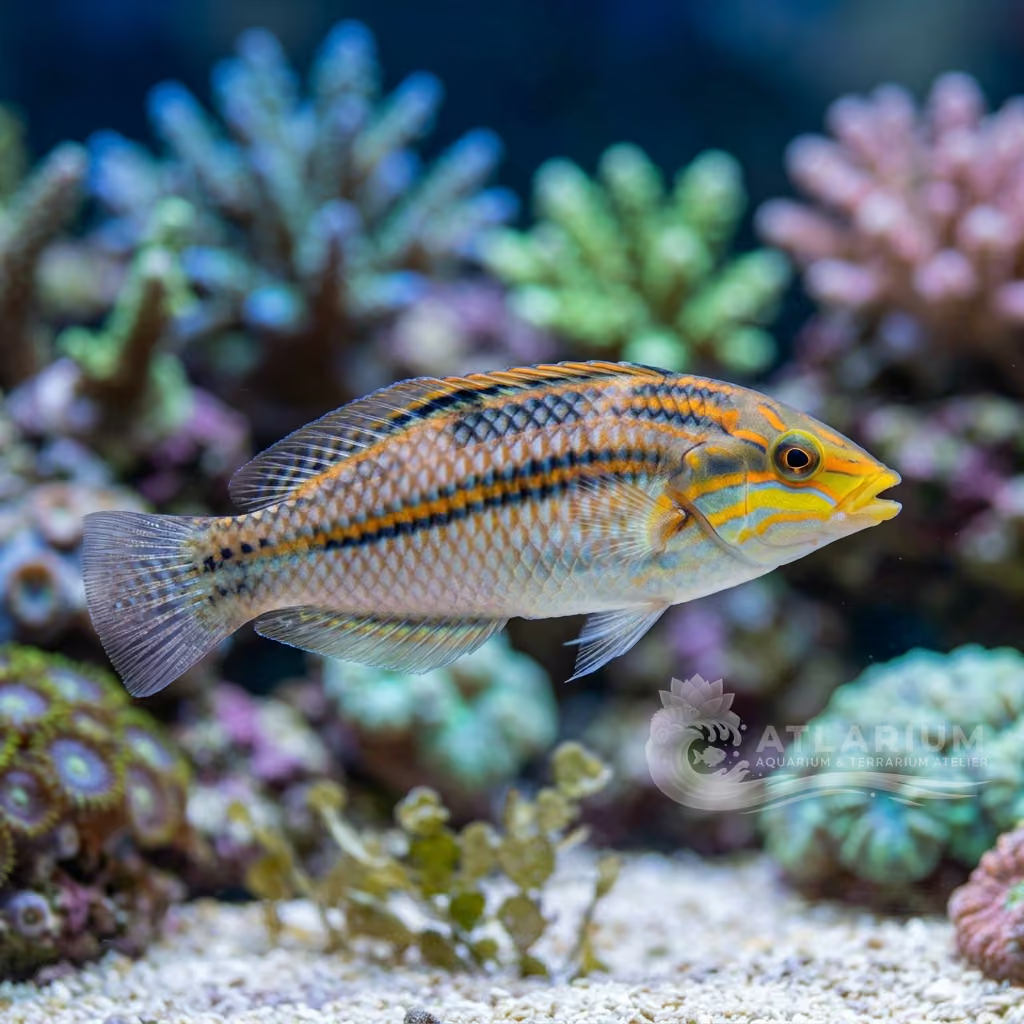
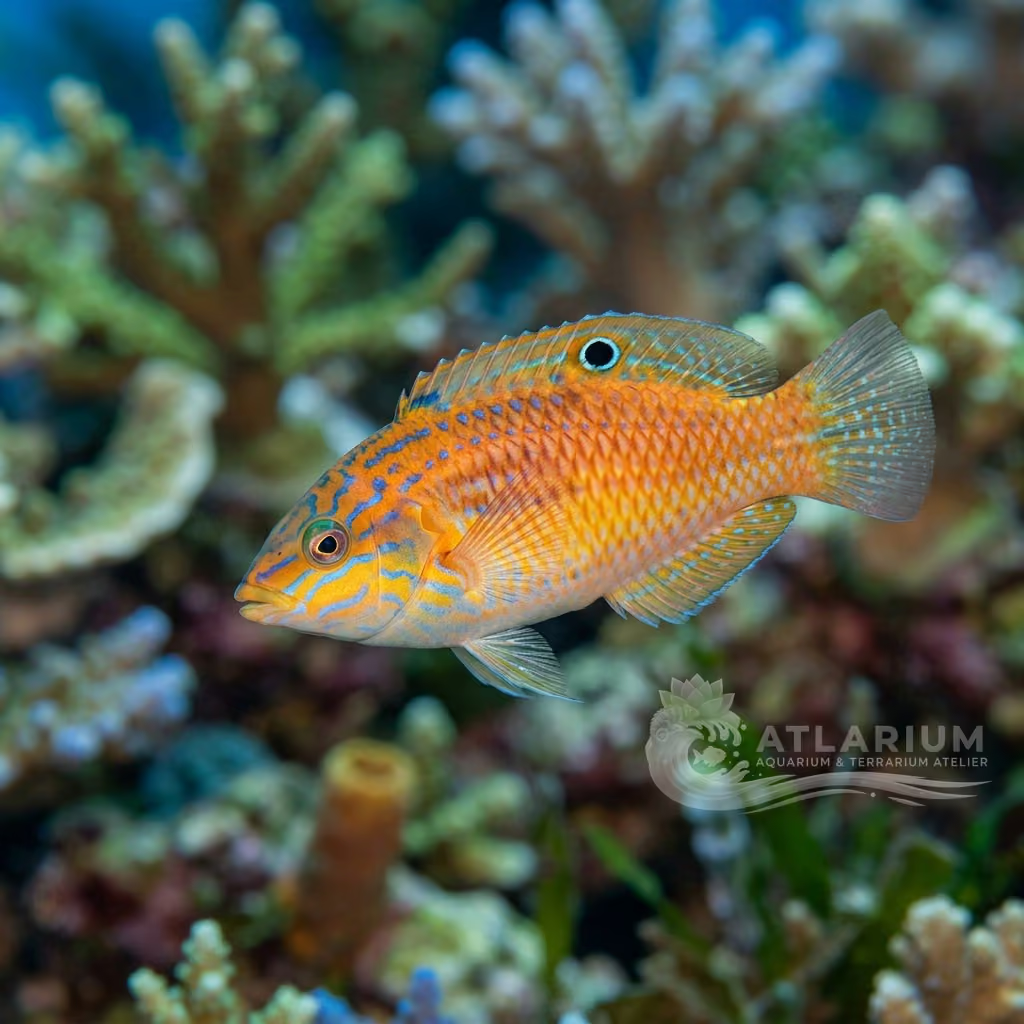
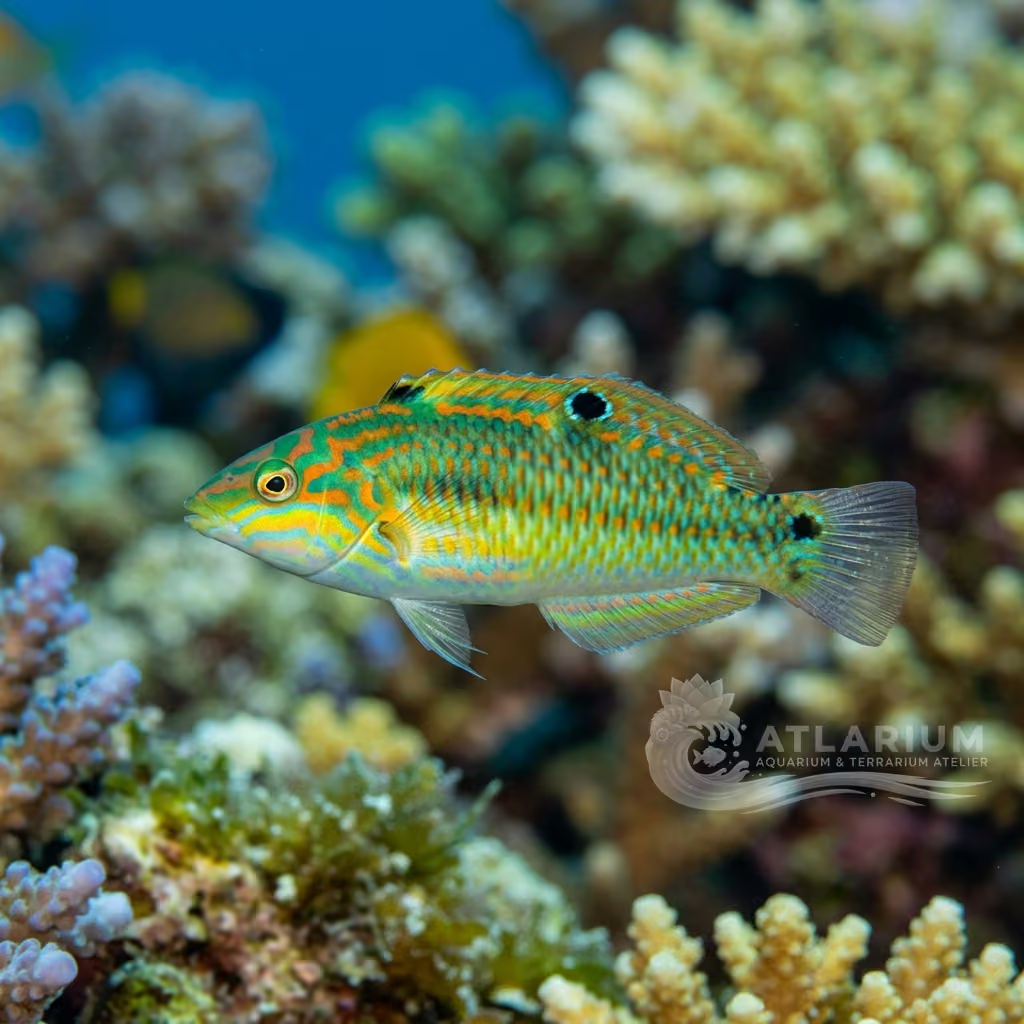
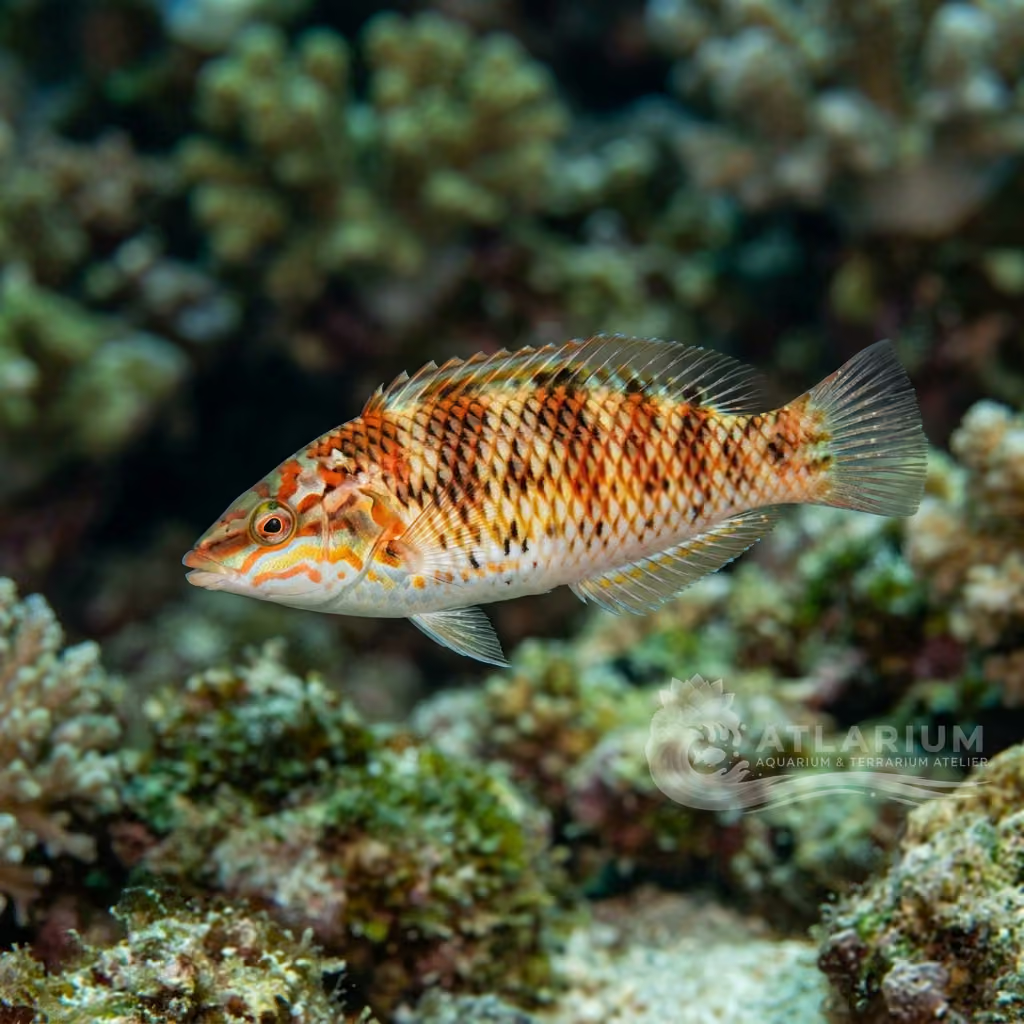
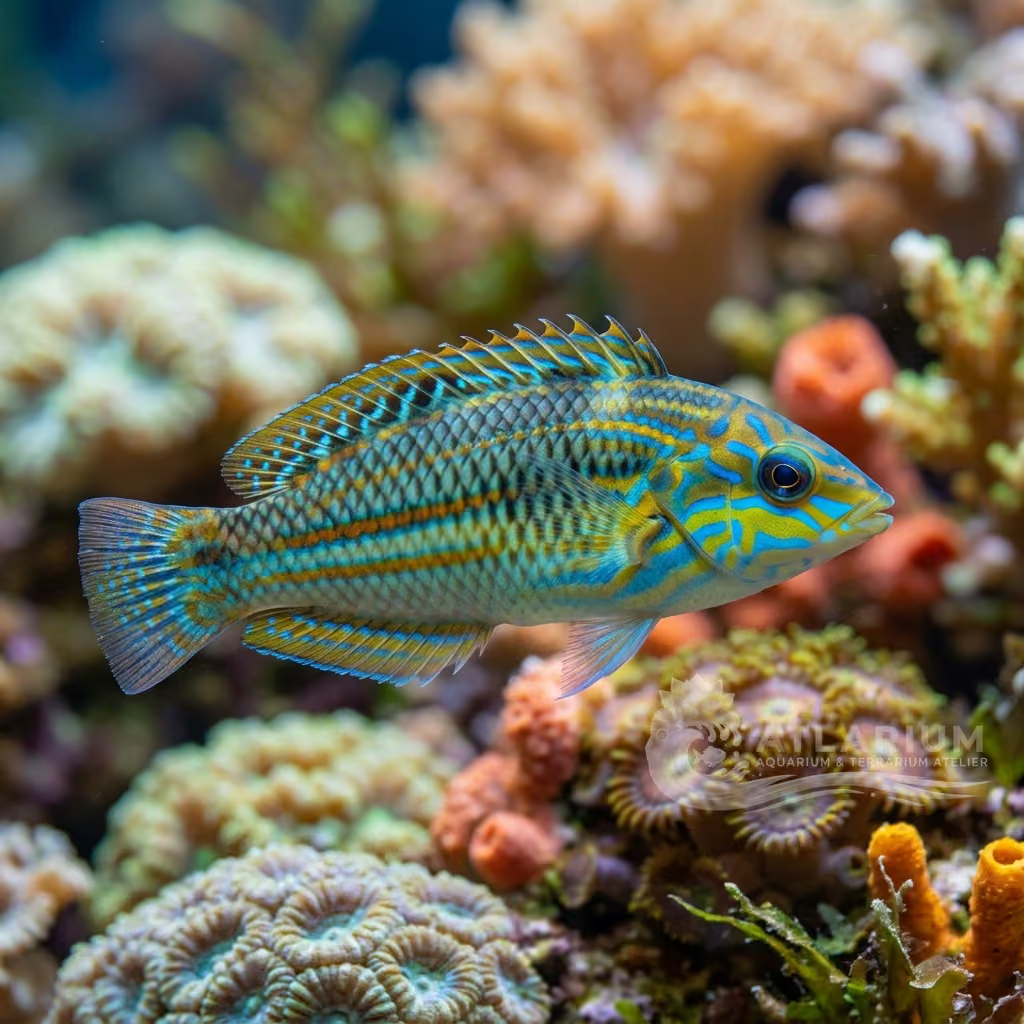
Coloration and Sexual Dimorphism: Sexual dimorphism is highly developed. Adult males possess a stunning violet-purple base coloration with metallic blue accents, yellow-orange horizontal stripes on the head and body, and brightly colored fins with electric-blue borders. Females and juveniles are smaller and display a more uniform pinkish-red coloration with semi-translucent fins. Females can change sex to male depending on social dynamics.

Care, breeding and tankmates
Aquarium Setup: Requires a tank size of at least 200 liters with plenty of live rock arranged to form caves, overhangs, and shaded areas to mimic their deep-reef habitat. It is absolutely essential to secure the aquarium with a tight cover or mesh screen, as all Cirrhilabrus species are notorious jumpers and can escape through the smallest openings when startled.
Diet and Feeding: A zooplanktivore that feeds on tiny crustaceans in the water column. In captivity, they accept a wide range of foods including high-quality marine flakes, pellets, and frozen foods like mysis shrimp, brine shrimp, copepods, and fish eggs. Feed at least 2-3 times daily in small amounts to maintain their active metabolism.
Water Quality: Because it comes from mesophotic reefs, it prefers slightly cooler temperatures than typical shallow reef fish, with a range of 22 to 25 °C. Maintain stable marine water parameters: pH 8.1-8.4, salinity 1.022-1.025, and low nutrient levels (nitrate/phosphate). Use a quality protein skimmer and ensure moderate water movement.
Compatibility and Cohabitation: 100% reef-safe as they do not bother corals, clams, or ornamental invertebrates like shrimp. They are highly compatible with other peaceful reef fish such as blennies, gobies, clownfish, smaller tangs, and anthias. Do not house more than one male per tank, and avoid highly aggressive tankmates.
Aquarium Breeding: Breeding in home aquariums is extremely difficult and rarely documented. They are protogynous hermaphrodites. Spawning involves broadcast releasing pelagic eggs into the water column during sunset. Rearing the larvae requires specialized setups and constant supplies of microscopic live foods (rotifers/copepods).
Risks and Diseases: The main hazard is jumping out of the tank. They are also sensitive to sudden temperature fluctuations, which can stress them and trigger marine ich (Cryptocaryon irritans). Since they are deep-water fish, acclimate them slowly to bright reef lighting, providing shaded areas and dimmed lights for the first few days.

Geographic origin and distribution
Cirrhilabrus wakanda is a marine fish described in 2019 that inhabits deep coral reefs, specifically within the mesophotic or twilight zone, of East Africa. It has been recorded off the coast of Tanzania (Zanzibar Island) at depths ranging from 50 to 80 meters below the surface. These environments are characterized by dim light, steep rocky slopes, and cooler water temperatures compared to shallow reefs.
Origin
Tropical oceans and reefsAfrica and MadagascarSouth and Southeast Asia

Fish profile
- Temperament
- Peaceful
- The Cirrhilabrus wakanda is widely known for its peaceful and somewhat timid demeanor. They make excellent additions to peaceful community tanks but can be easily intimidated by large, aggressive species. When kept in a suitable environment, they are incredibly active and outgoing, providing constant movement and vibrant flashes of color.
- Diet
- Carnivore
- In the wild, the Cirrhilabrus wakanda is predominantly a zooplanktivore that feeds continuously in the water column. In captivity, it adapts readily to a varied diet consisting of high-quality marine flakes, pellets, and frozen foods. Providing enriched mysis shrimp, brine shrimp, and Calanus will help maintain its vibrant coloration and overall health.
- Life expectancy
- 5-7 years
- Adult size
- 7 cm
- Sex ratio
- Harem
- A proper harem structure is the most natural way to keep the Cirrhilabrus wakanda. It is generally recommended to keep one male with several females to disperse any potential aggression. Keeping multiple males of the same species usually results in intense fighting unless the aquarium is exceptionally large with ample hiding spaces.
- Feeding frequency
- Twice daily
- Due to its active nature and small stomach, the Cirrhilabrus wakanda should be fed small amounts multiple times a day. Two to three feedings per day are generally recommended to keep them in optimal condition. Infrequent feeding may lead to weight loss and a weakened immune system over time.
- Bioload
- Low to Medium
- The Cirrhilabrus wakanda generally has a moderate bioload. These are highly active fish that require frequent feedings to sustain their high metabolic rate. Consequently, this leads to a proportional amount of waste being produced in the aquarium. Proper filtration and regular water changes are essential to maintain the pristine water quality they need.
- Flow
- Strong
- The Cirrhilabrus wakanda prefers moderate to strong water movement in the aquarium. This flow simulates their natural reef environment and encourages their natural swimming and foraging behaviors. Ensuring adequate flow also helps keep their preferred zooplankton foods suspended in the water column longer.
- Jump risk
- Yes
- There is an extremely high risk of jumping associated with the Cirrhilabrus wakanda. They are easily startled by sudden movements, changes in lighting, or aggressive tank mates, which often results in them darting towards the surface. A tight-fitting lid or fine mesh screen is absolutely mandatory to prevent them from leaping out of the aquarium.
- Reproduction
- Protogynous hermaphrodite
- Like most wrasses, the Cirrhilabrus wakanda is a protogynous hermaphrodite, meaning all individuals are born female. As they mature, the dominant female in a group will undergo a transformation into a male. Breeding in captivity is rare due to the complex pelagic larval stage, which requires specialized food and rearing conditions.
- Compatibility & tankmates
- Community
- The Cirrhilabrus wakanda is typically considered reef safe and a peaceful community fish. It will not bother corals, clams, or most ornamental invertebrates found in a reef tank. However, caution should be exercised when mixing them with other fairy wrasses or flasher wrasses, as males can become territorial towards similar species.
- Tank level
- Middle
- The Cirrhilabrus wakanda is primarily a mid-water swimmer that spends the majority of its time actively navigating the open water column. It will frequently dart in and out of the rockwork while searching for food or seeking refuge. At night, they secrete a mucus cocoon and sleep wedged within the crevices of the live rock.

Scientific Parameters & Models
FishBase
Window to the official scientific data of the species
FishBase v25.04Data synced on: 06/15/2026
- Trophic level
- 3.3 ± 0.4 se
- Resilience
- High (less than 15 months)
- Phylogenetic uniqueness (PD50)
- 0.5
- Bayesian Length-Weight
- a = 0.00389, b = 3.12
- VulnerabilityLow vulnerability (10 / 100)

Related species
Recommendations grouped by close relatives, companion choices, and similar care.