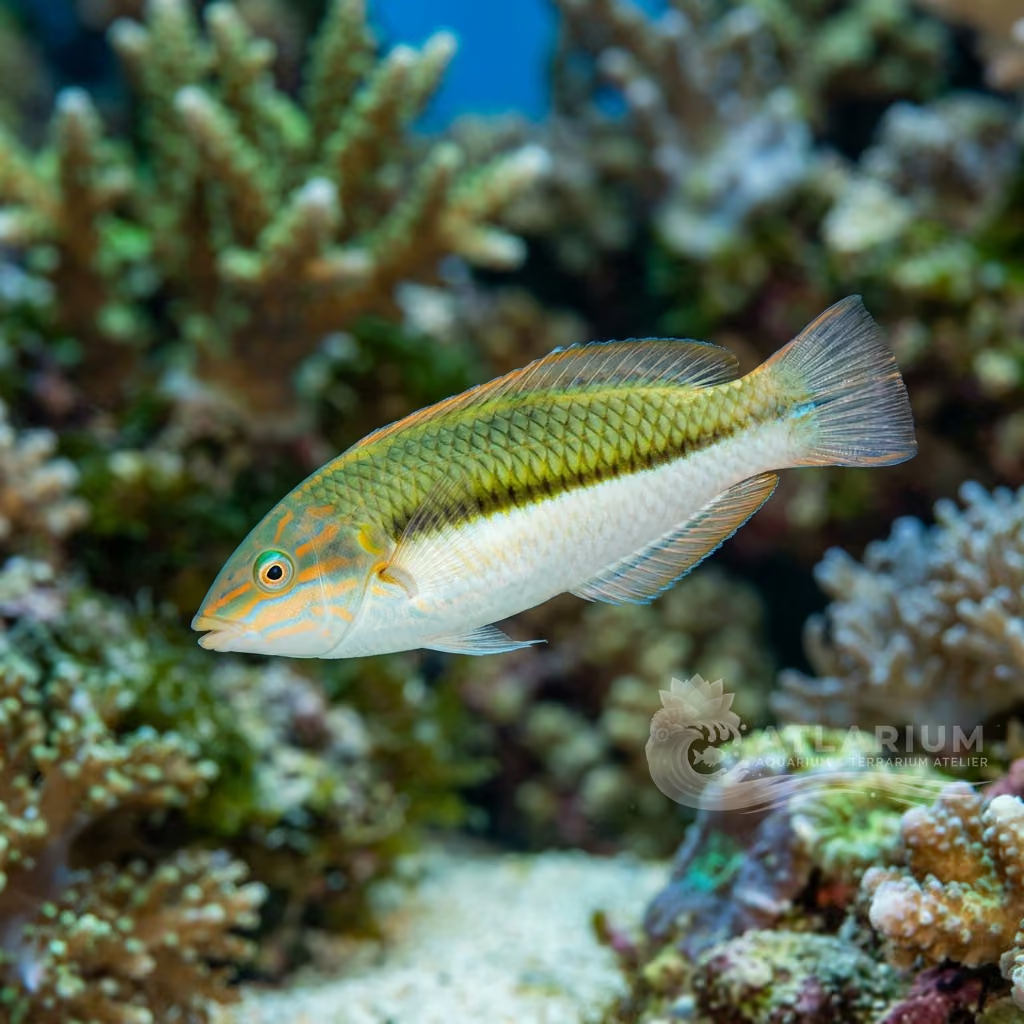
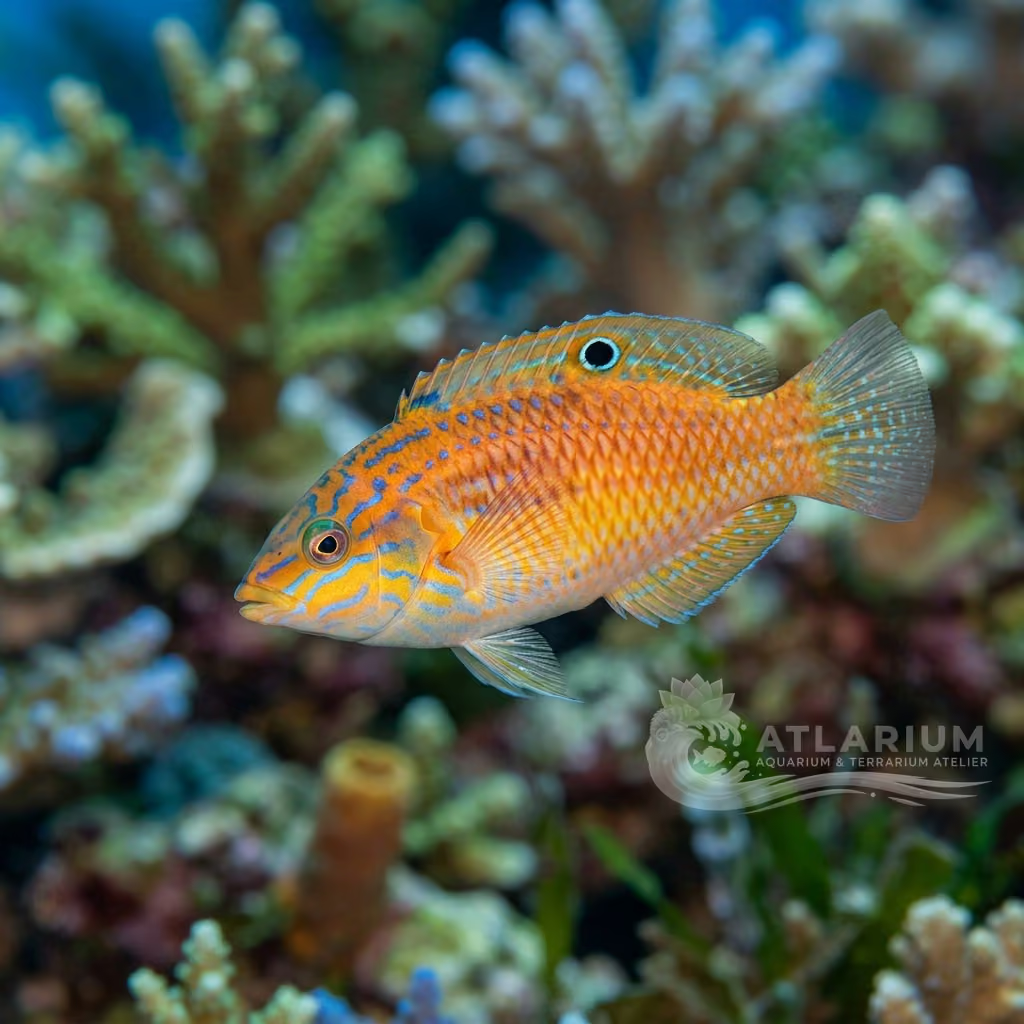
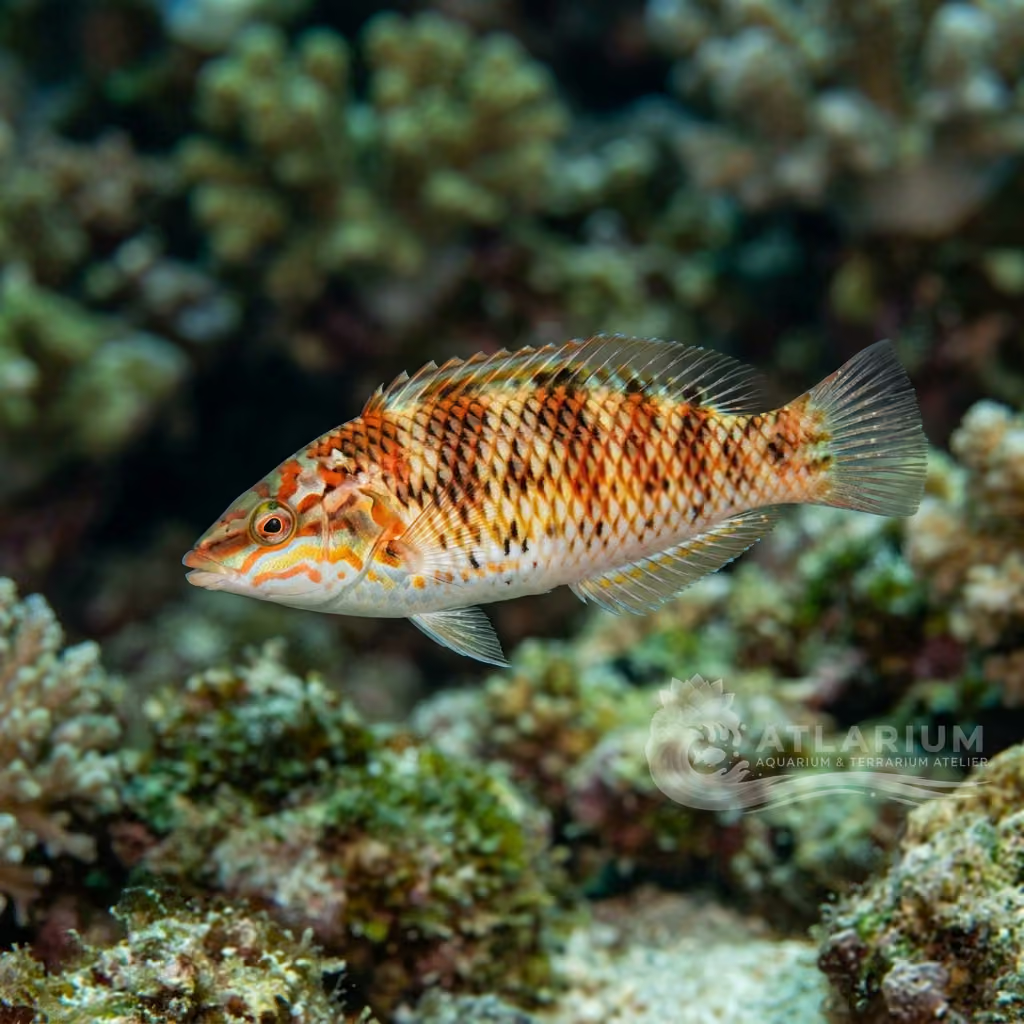
Red-striped wrasse
Halichoeres salmofasciatus
A small, lively endemic wrasse from Cocos Island adorned with distinct salmon-red stripes. It actively hunts microinvertebrates and mandates a 120-150L tank with a 5cm fine sand bed for burrowing.
Water Temperature
22 - 26 °C
pH Value
8.1 - 8.4
Water type
Marine
Tank level
Bottom and middle
Adult size
8 cm
Minimum tank volume
>= 150 L
Minimum group
>= 1

Species description
Geographical Origin and Habitat: This species is endemic to Cocos Island (Isla del Coco), located off the Pacific coast of Costa Rica. It inhabits shallow coral reefs and rocky coastal areas, frequently swimming over mixed sand and coral rubble zones at depths ranging from 5 to 25 meters.
Taxonomy and Morphology: Belongs to the family Labridae, genus Halichoeres. It is a fish of modest size; adult males reach a maximum total length of approximately 6.3 cm. It has a fusiform, elongated body with a streamlined head adapted for foraging in sandy substrates.
Social Behavior: A highly active, curious, and constant diurnal swimmer. It displays a peaceful temperament toward other reef fish, though it may show territorial behavior toward other wrasses of similar shape and size. It burrows completely into the sand to sleep or when threatened.
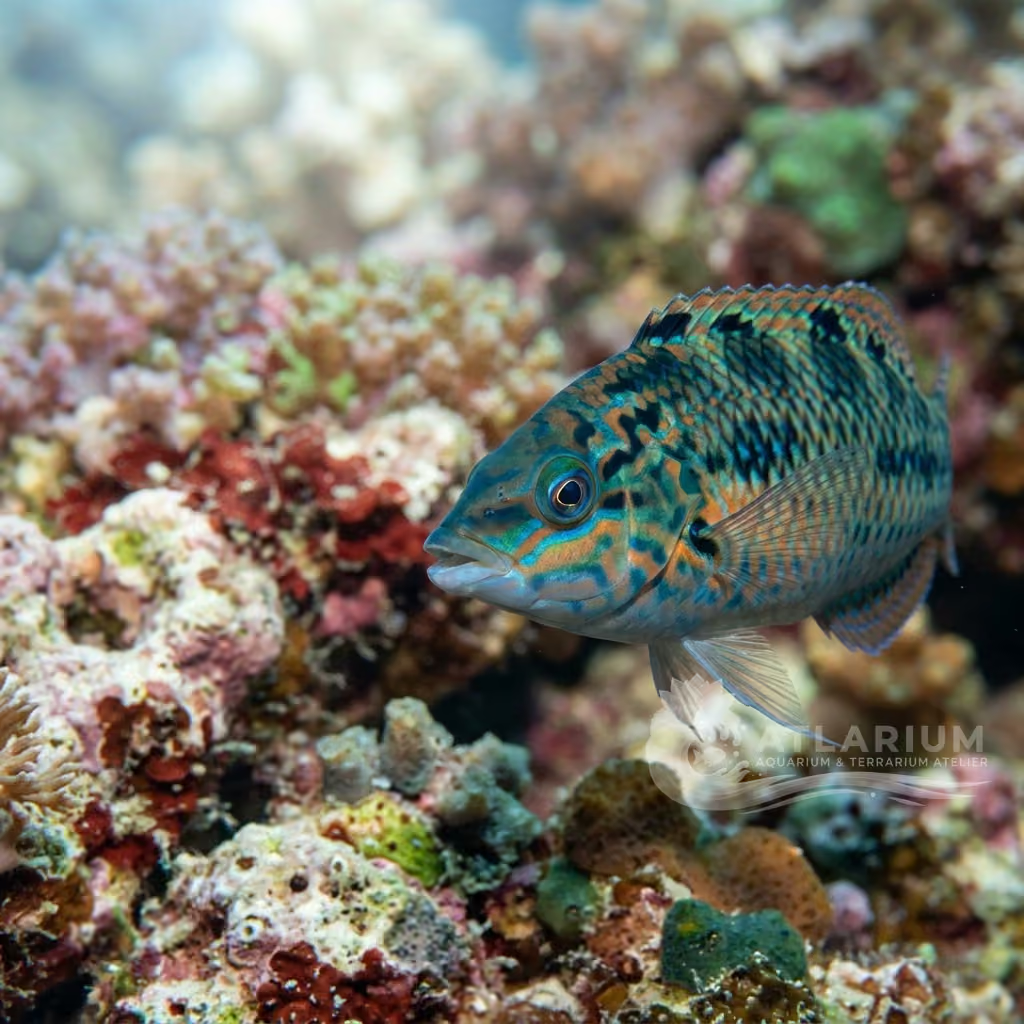
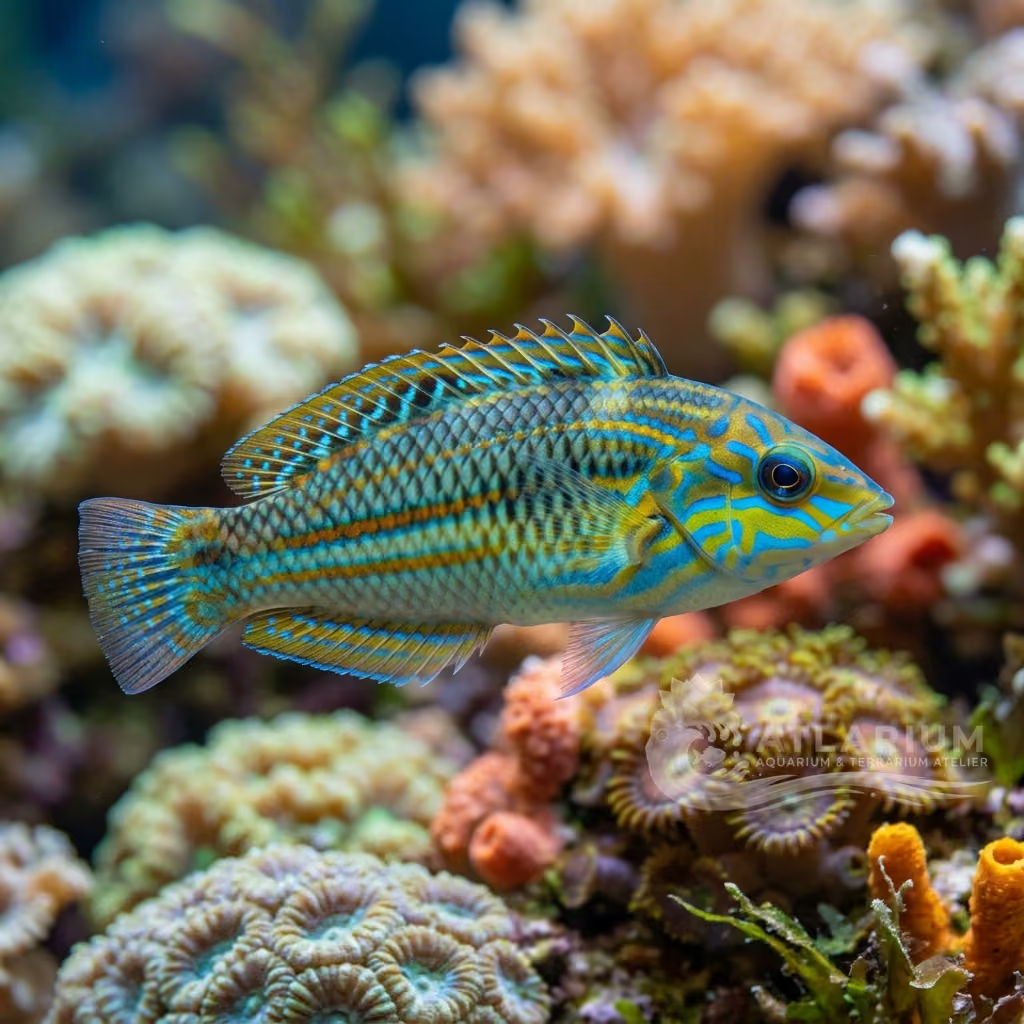
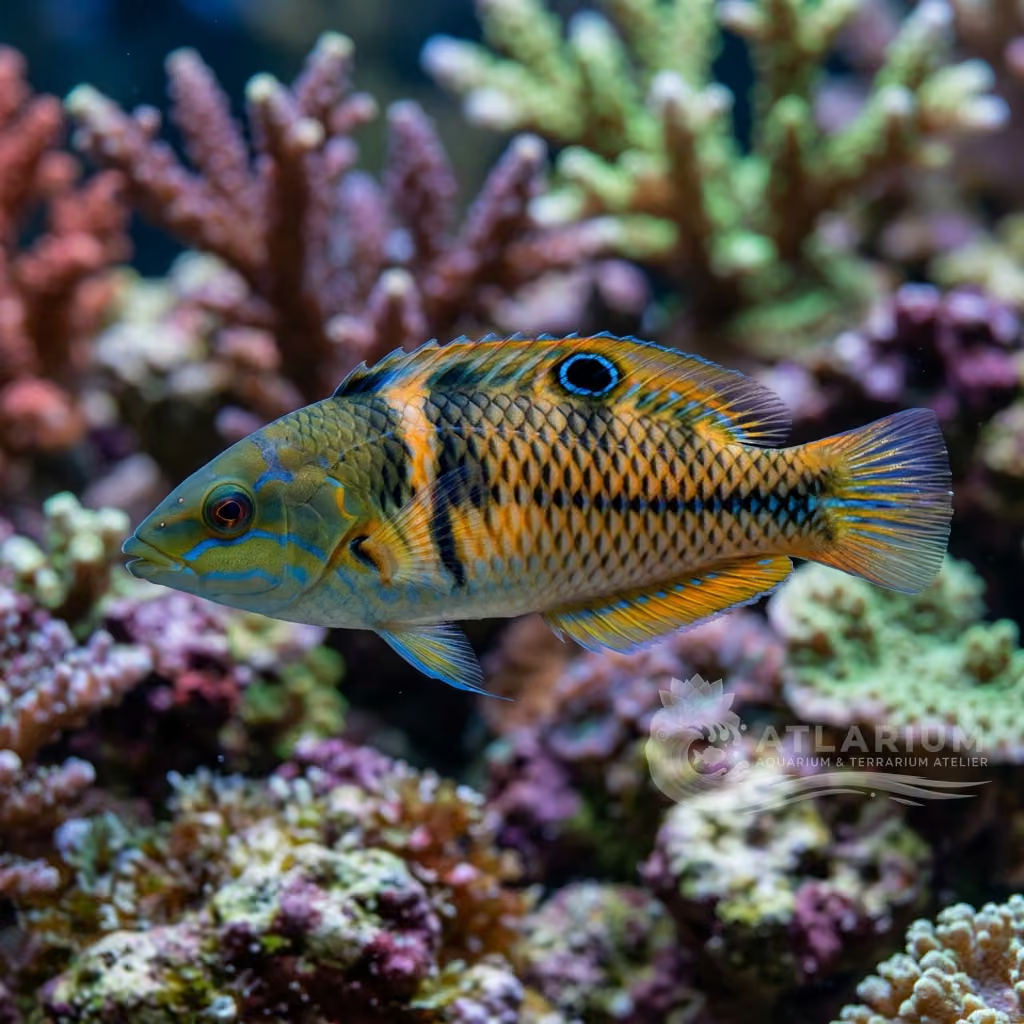
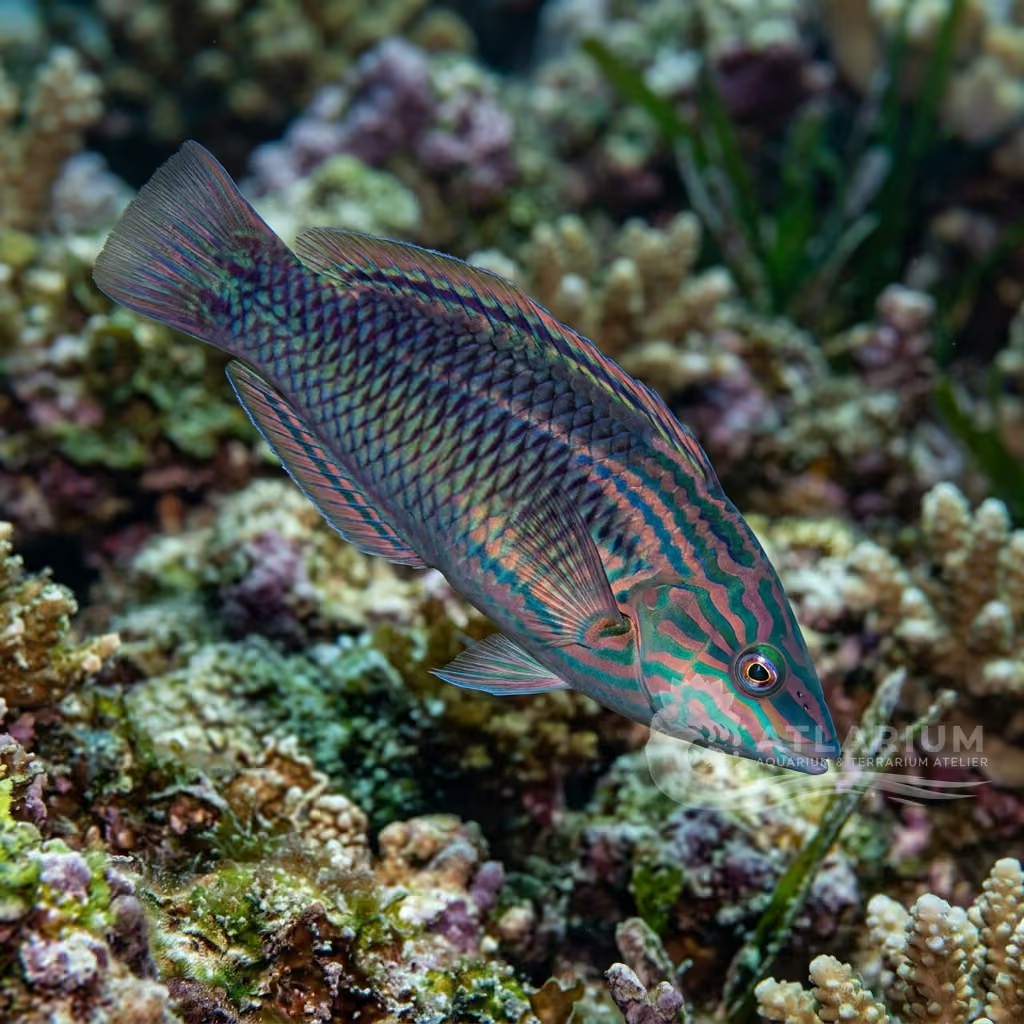
Coloration and Sexual Dimorphism: Coloration varies depending on the life phase. The initial phase (females and young males) displays two prominent salmon-red longitudinal stripes along the flanks on a pale background. Terminal phase males exhibit more complex patterns with greenish and pinkish hues.

Care, breeding and tankmates
Aquarium Setup: Requires a tank of at least 120-150 liters. A crucial, non-negotiable requirement is a bed of fine sand at least 5 cm deep, as this fish burrows completely into the substrate to sleep at night. The absence of suitable sand leads to severe stress and physical injuries that can be fatal.
Diet and Feeding: Carnivorous and an active hunter of microinvertebrates. In captivity, feed a variety of frozen foods such as brine shrimp, mysis, copepods, and finely chopped small crustaceans. It also readily accepts high-quality dry granules or flake foods.
Water Quality: Standard stable marine conditions are required: temperature 23 to 26 °C, pH 8.1-8.4, specific gravity 1.020-1.025. Keeping nitrate and phosphate levels low through efficient filtration and regular water changes is essential to maintain the fish's health.
Compatibility and Cohabitation: Generally reef-safe with corals, but may prey on tiny ornamental invertebrates such as micro-shrimp or tubeworms. Cohabits peacefully with calm reef fish. Avoid aggressive or large tankmates that might bully the wrasse and force it to remain buried.
Aquarium Breeding: Captive breeding has not been documented in home aquariums. They are protogynous sequential hermaphrodites in nature. Spawning occurs in open water, where pairs release gametes simultaneously during an upward rush, usually in the late afternoon.
Risks and Diseases: The primary risks include mouth injuries from coarse or sharp substrate and the risk of jumping out of uncovered aquariums. Susceptible to common external parasites if stressed. Ensure the fish is feeding regularly and has access to a safe sandy refuge.

Geographic origin and distribution
This species is endemic to Cocos Island (Isla del Coco), located off the Pacific coast of Costa Rica. It inhabits shallow coral reefs and rocky coastal areas, frequently swimming over mixed sand and coral rubble zones at depths ranging from 5 to 25 meters.
Origin
Tropical oceans and reefsCentral America and Caribbean

Fish profile
- Temperament
- Semi-aggressive
- The Halichoeres salmofasciatus exhibits a generally peaceful but incredibly active and curious temperament. They are constantly on the move, inspecting every crevice of the aquarium for potential food items. While they don't usually bother other fish, their active nature and potential to eat invertebrates should be carefully considered when choosing tank mates.
- Diet
- Carnivore
- The Halichoeres salmofasciatus is a specialized benthic predator that constantly scours the live rock and substrate for food. Its natural diet consists of small crustaceans, mollusks, and various polychaete worms. In the home aquarium, they eagerly accept a wide variety of frozen meaty foods, high-quality pellets, and marine flakes.
- Life expectancy
- 5-8 years
- Adult size
- 8 cm
- Sex ratio
- Solitary
- Keeping the Halichoeres salmofasciatus singly or as a male-female pair is typically the best approach in most home aquariums. While keeping a harem of one male and multiple females is possible, it requires a significantly large tank. Adding multiple males of the same species almost always leads to severe aggression and territorial disputes.
- Feeding frequency
- Twice daily
- To sustain its active foraging lifestyle, the Halichoeres salmofasciatus requires regular feeding. Offering varied meals two to three times daily is considered optimal for their health and coloration. Ensuring they have a steady food supply also helps curb their appetite for beneficial invertebrates in the reef tank.
- Bioload
- Low to Medium
- The Halichoeres salmofasciatus contributes a moderate bioload to the marine aquarium system. They are active foragers with hearty appetites, which naturally results in a fair amount of waste production. Maintaining a robust filtration system, including a good protein skimmer, is necessary to handle their bioload.
- Flow
- Strong
- The Halichoeres salmofasciatus appreciates a moderate to strong water flow throughout the aquarium. This water movement helps to keep the environment oxygenated and mimics the dynamic conditions of their natural reef habitats. Good flow also aids in keeping detritus suspended for the filtration system to remove.
- Jump risk
- Yes
- Similar to many other wrasses, the Halichoeres salmofasciatus is a notorious jumper and poses a significant risk of escaping the tank. They can easily be spooked by tank maintenance or sudden shadows. A secure and completely enclosed canopy or a tight-fitting mesh lid is an absolute necessity when housing these active fish.
- Reproduction
- Not bred in captivity
- The Halichoeres salmofasciatus shares the trait of being a protogynous hermaphrodite, beginning its life as a female. The largest and most dominant female will transition into a male if one is not present. Captive breeding has proven to be extremely difficult due to their complex mating rituals and challenging larval development stages.
- Compatibility & tankmates
- Reef safe
- While the Halichoeres salmofasciatus is generally peaceful towards other fish, its compatibility with invertebrates is a mixed bag. They are excellent at pest control, readily consuming flatworms, pyramidellid snails, and bristle worms. However, as they grow larger, they may also start to view desirable ornamental shrimp, small snails, and feather dusters as a food source.
- Tank level
- Middle/Bottom
- The Halichoeres salmofasciatus is highly active and utilizes all levels of the aquarium, from the bottom substrate to the mid-water column. They spend their days constantly swimming and hunting for prey among the rockwork and sandbed. Notably, they require a deep, fine sandbed, as they will bury themselves in the sand to sleep at night or when frightened.

Scientific Parameters & Models
FishBase
Window to the official scientific data of the species
FishBase v25.04Data synced on: 06/15/2026
- Trophic level
- 3.3 ± 0.5 se
- Resilience
- High (less than 15 months)
- Phylogenetic uniqueness (PD50)
- 0.5
- Bayesian Length-Weight
- a = 0.01, b = 3.09
- VulnerabilityLow vulnerability (10 / 100)

Related species
Recommendations grouped by close relatives, companion choices, and similar care.