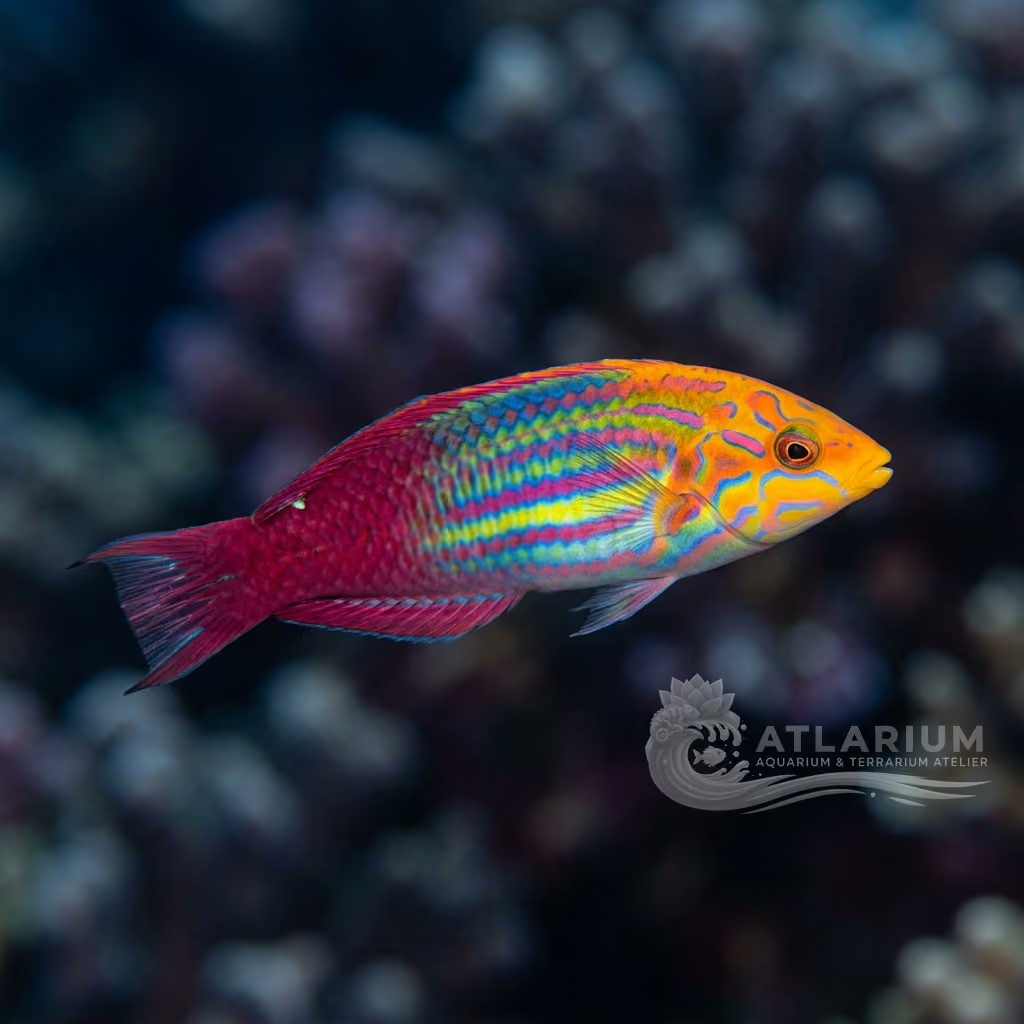
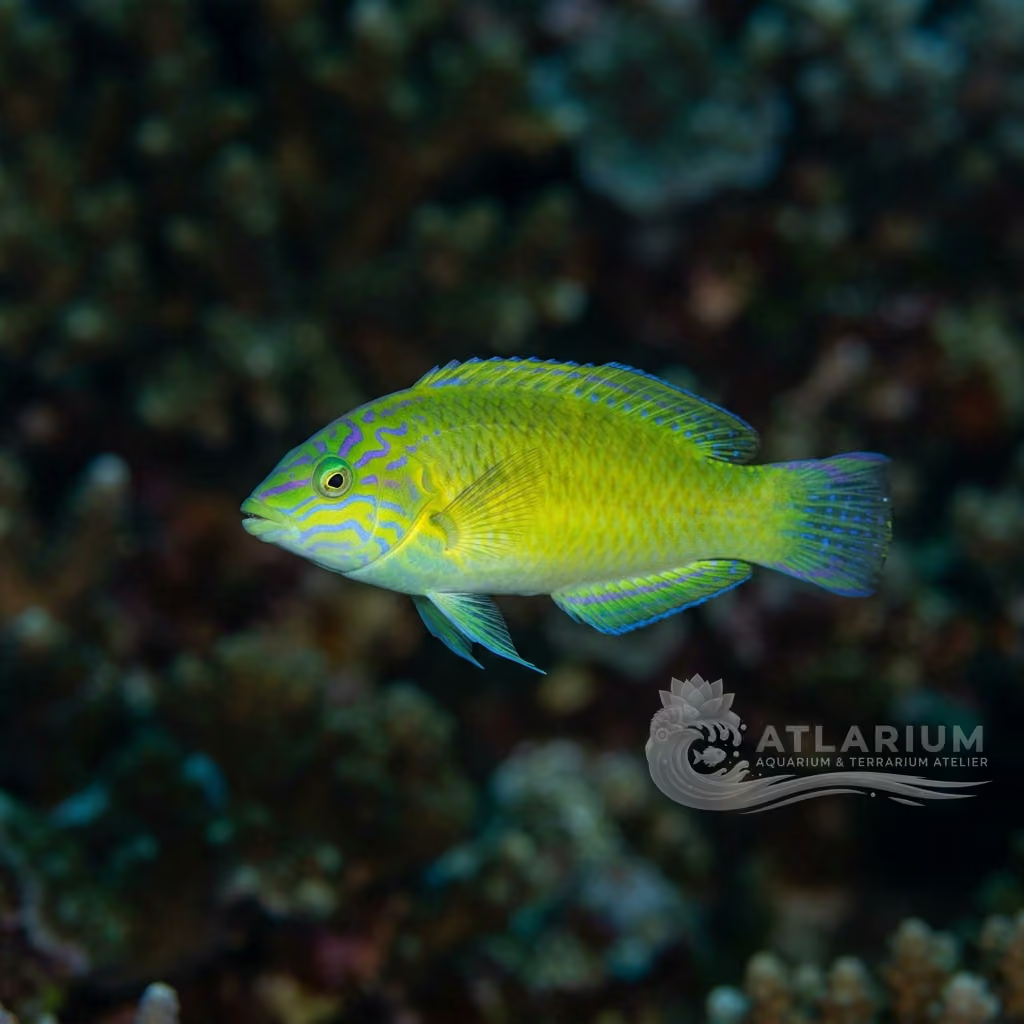
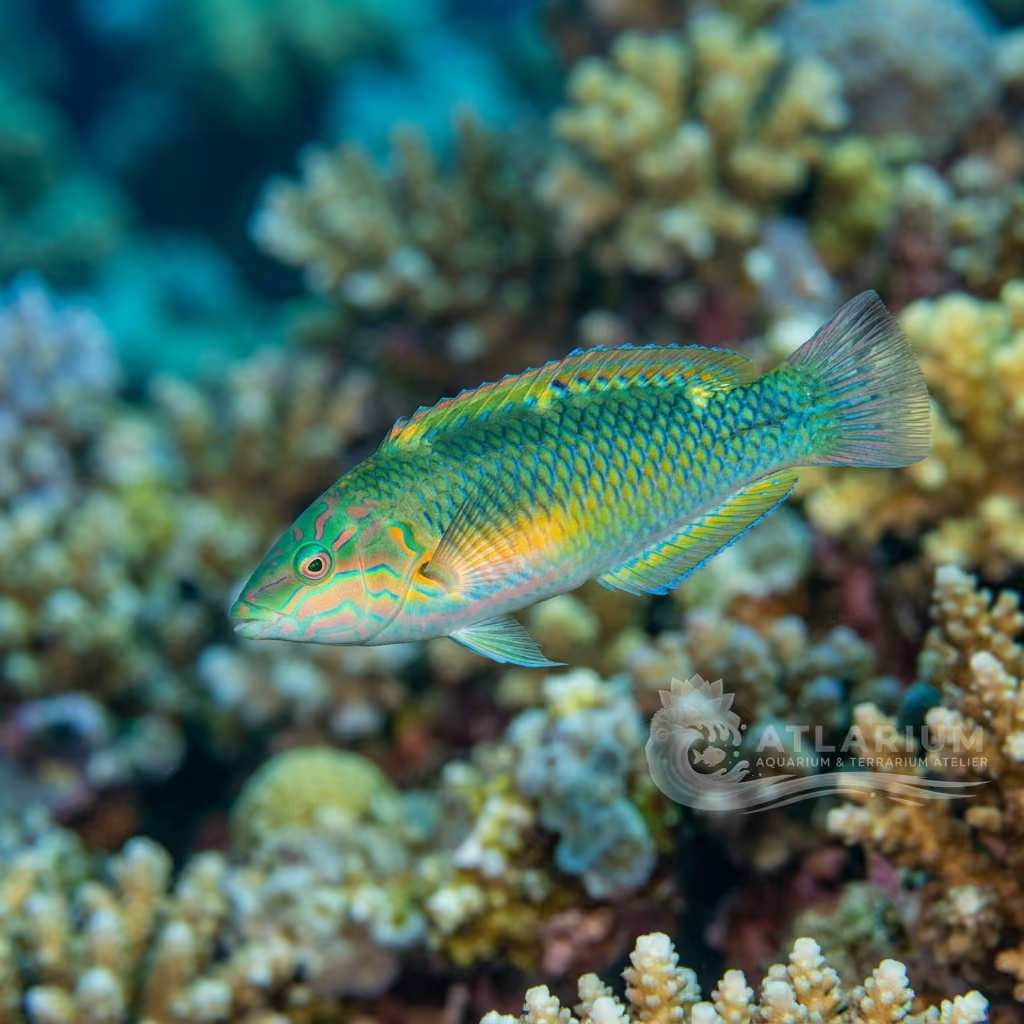
Stigmatic wrasse
Halichoeres stigmaticus
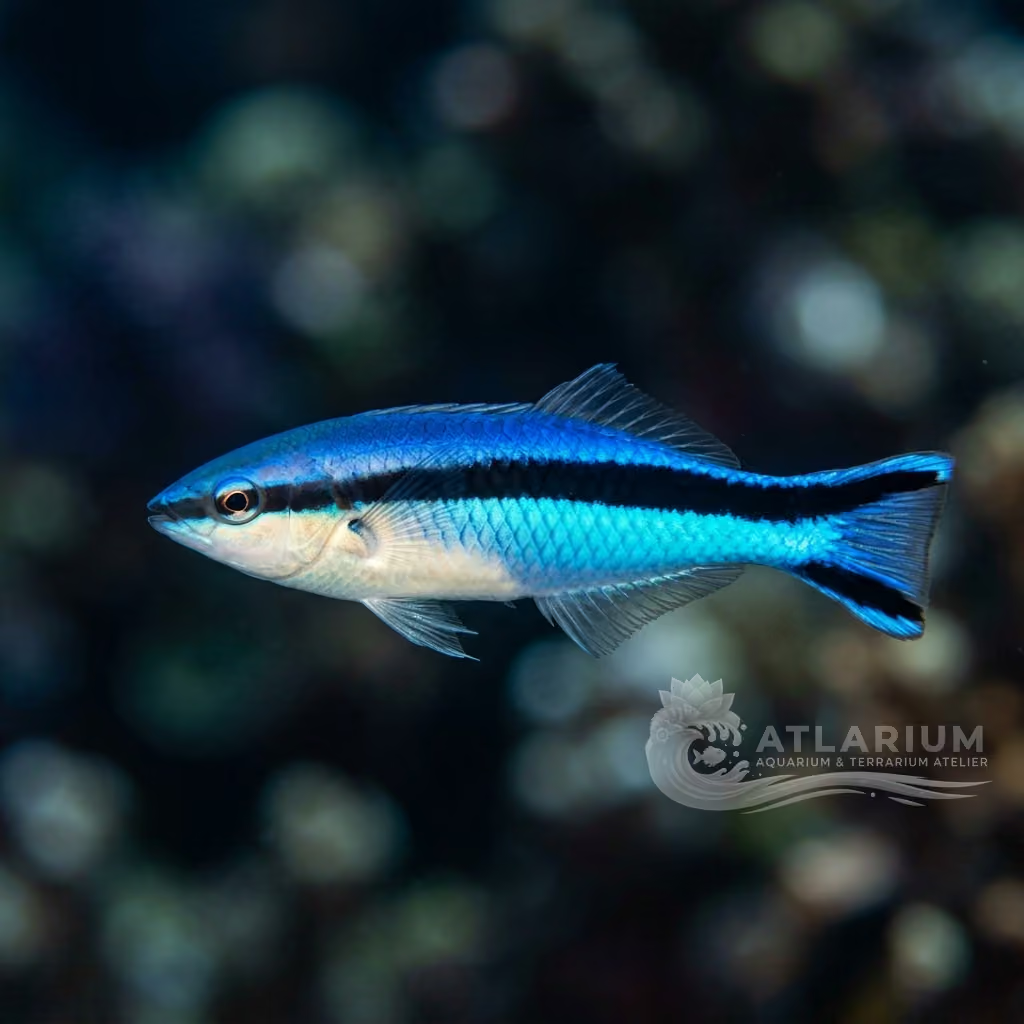
An active and inquisitive wrasse native to the Persian Gulf, showcasing a distinct dark flank spot. It spends days hunting micro-crustaceans and buries in sand at night.
Water Temperature
22 - 28 °C
pH Value
8.1 - 8.4
Water type
Marine
Tank level
Bottom and middle
Adult size
12 cm
Minimum tank volume
>= 250 L
Minimum group
>= 1

Species description
Geographical Origin and Habitat:
This species is native to the Persian Gulf, Gulf of Oman, and Arabian Sea. It inhabits shallow coastal lagoons and areas rich in coral rubble, sand patches, and seagrasses at depths of 1 to 15 meters.
Taxonomy and Morphology:
Belongs to the Labridae family. Features an elongated, fusiform body with a terminal mouth containing small canine-like teeth. Reaches about 12-14 cm in maximum length, using its pectoral fins for precise swimming.
Social Behavior:
An active, diurnal, and peaceful swimmer. It constantly inspects the sandy substrate for small micro-crustaceans and worms. At night, it quickly buries itself in the fine sand to sleep and hide from predators.
Coloration and Sexual Dimorphism:
Coloration is grayish-green with thin longitudinal pink, yellow, or orange lines. Displays a distinct dark spot on its flanks. Dominant adult males are much more vibrantly colored than females and juveniles.

Care, breeding and tankmates
Aquarium Setup:
Requires a tank of at least 200-250 liters. A layer of fine, soft sand at least 5-8 cm deep is absolutely critical for the fish to bury itself for sleeping.
Diet and Feeding:
Carnivorous. In the aquarium, feed high-quality frozen foods like mysis, brine shrimp, chopped krill, and small pieces of shellfish. Feed 2-3 times daily.
Water Quality:
Maintain stable water parameters: temperature 23-28 °C, pH 8.1-8.4, and specific gravity 1.020-1.025. Efficient filtration with good oxygenation is essential.
Compatibility and Cohabitation:
Compatible with corals and similar-sized or larger fish. It is not reef safe with small invertebrates like Sexy Shrimp and small snails, which are easily preyed upon.
Aquarium Breeding:
Breeding is not documented in home aquariums. In nature, they are pelagic spawners, releasing eggs and sperm into the open water column during twilight hours.
Risks and Diseases:
The primary risk is inadequate substrate: coarse or sharp sand damages the fish's skin during burrowing. The tank must be equipped with a tight lid.

Geographic origin and distribution
This species is native to the Persian Gulf, Gulf of Oman, and Arabian Sea. It inhabits shallow coastal lagoons and areas rich in coral rubble, sand patches, and seagrasses at depths of 1 to 15 meters.
Origin
Tropical oceans and reefsSouth and Southeast Asia

Fish profile
- Temperament
- Peaceful
- The U-spot wrasse is generally peaceful, inquisitive, and highly active during the day. They spend hours meticulously inspecting the substrate and live rock for tiny morsels. Their outgoing personality and constant movement make them a captivating centerpiece in a peaceful community tank.
- Diet
- Carnivore
- This species requires a varied, meat-based diet to stay healthy and vibrant. Feed them a mix of enriched mysis shrimp, chopped seafood, and high-quality marine carnivore pellets. They will also continuously hunt for small copepods and amphipods among the live rock.
- Life expectancy
- 5-8 years
- Adult size
- 12 cm
- Sex ratio
- Solitary
- It is best to house this species singly or as a single male alongside one or more females. Housing multiple males together will invariably lead to intense aggression and territorial disputes. Harems can be successful if the aquarium is large enough to provide adequate space for all individuals.
- Feeding frequency
- Twice daily
- Feed this active fish two to three times daily to support its energetic lifestyle. Regular, small feedings closely replicate its natural constant foraging behavior on the reef. Adequate feeding helps prevent them from harassing small beneficial invertebrates in the tank.
- Bioload
- Medium to High
- The U-spot wrasse adds a moderate bioload to the aquarium, similar to others in its genus. Effective mechanical filtration combined with a well-maintained protein skimmer is highly recommended. Routine water testing and changes will ensure the water quality remains pristine.
- Flow
- Strong
- A moderate to strong water flow is highly preferred, replicating the dynamic ocean currents of their natural habitat. Good flow ensures suspended detritus is removed and provides a highly oxygenated environment. They are adept swimmers that enjoy riding the currents across the aquarium.
- Jump risk
- Yes
- They are notorious jumpers and will quickly exploit any open gaps at the top of the aquarium. A securely fitted lid, ideally made of clear mesh to allow light penetration, is strictly required. Even minor disturbances or sudden lighting changes can trigger a leaping response.
- Reproduction
- Not bred in captivity
- Breeding the U-spot wrasse in a home aquarium is highly unlikely. They are pelagic spawners that release their eggs and sperm into the open water column. The resulting microscopic larvae require specialized live plankton diets that are notoriously difficult to cultivate.
- Compatibility & tankmates
- Peaceful
- It is a peaceful reef dweller that generally leaves corals alone, making it an excellent candidate for reef tanks. However, caution is advised as large adults may occasionally prey on very small ornamental crustaceans. It pairs well with a variety of other non-aggressive marine fish.
- Tank level
- Middle/Bottom
- They are active primarily in the middle and lower levels of the aquarium. A deep, soft sand bed (at least 2-3 inches) is vital, as they sleep buried in the sand and retreat there when threatened. During the day, they weave extensively in and out of the rockwork hunting for food.

Scientific Parameters & Models
FishBase
Window to the official scientific data of the species
FishBase v25.04Data synced on: 06/15/2026
- Trophic level
- 3.5 ± 0.5 se
- Resilience
- High (less than 15 months)
- Phylogenetic uniqueness (PD50)
- 0.5
- Bayesian Length-Weight
- a = 0.00955, b = 3.11
- VulnerabilityLow vulnerability (10 / 100)

Related species
Recommendations grouped by close relatives, companion choices, and similar care.