Hartzfeld's Wrasse
Halichoeres hartzfeldii
Hartzfeld's Wrasse is an active Western Indo-Pacific swimmer. It demands a large aquarium featuring a soft, fine sand substrate essential for its nightly refuge, along with a varied carnivorous diet.
Water Temperature
23 - 28 °C
pH Value
8 - 8.5
Water type
Marine
Tank level
Bottom and middle
Adult size
18 cm
Minimum tank volume
>= 400 L
Minimum group
>= 1
KH
8 - 12 dKH

Species description
Geographical Origin and Habitat: Halichoeres hartzfeldii is native to the warm tropical waters of the Western Indo-Pacific, ranging from southern Japan down to northern Australia and New Caledonia. It primarily inhabits seaward coral reefs and clear lagoons, favoring transitional zones characterized by wide sandy stretches mixed with coral rubble and scattered rocks, at depths between 10 and 70 meters. In these natural biotopes, the presence of fine sand is a vital component for its survival and daily habits.
Taxonomy and Morphology: Taxonomically, it belongs to the family Labridae and the genus Halichoeres. It features an elongated, streamlined body typical of reef-associated wrasses, which allows it to swim effortlessly against strong currents. The mouth is terminal and equipped with small, sharp canine teeth adapted for seizing prey from the substrate. Adults can reach a maximum length of approximately 18 to 20 centimeters.
Social Behavior: This is an active, diurnal species that spends the entire day cruising the tank in search of food. It exhibits territorial behavior towards conspecifics and other wrasses of similar shape and color, particularly among adult males. In the wild, they live as solitary individuals or in small harems dominated by a single male. At night or when startled, they instantly bury themselves in the sand.
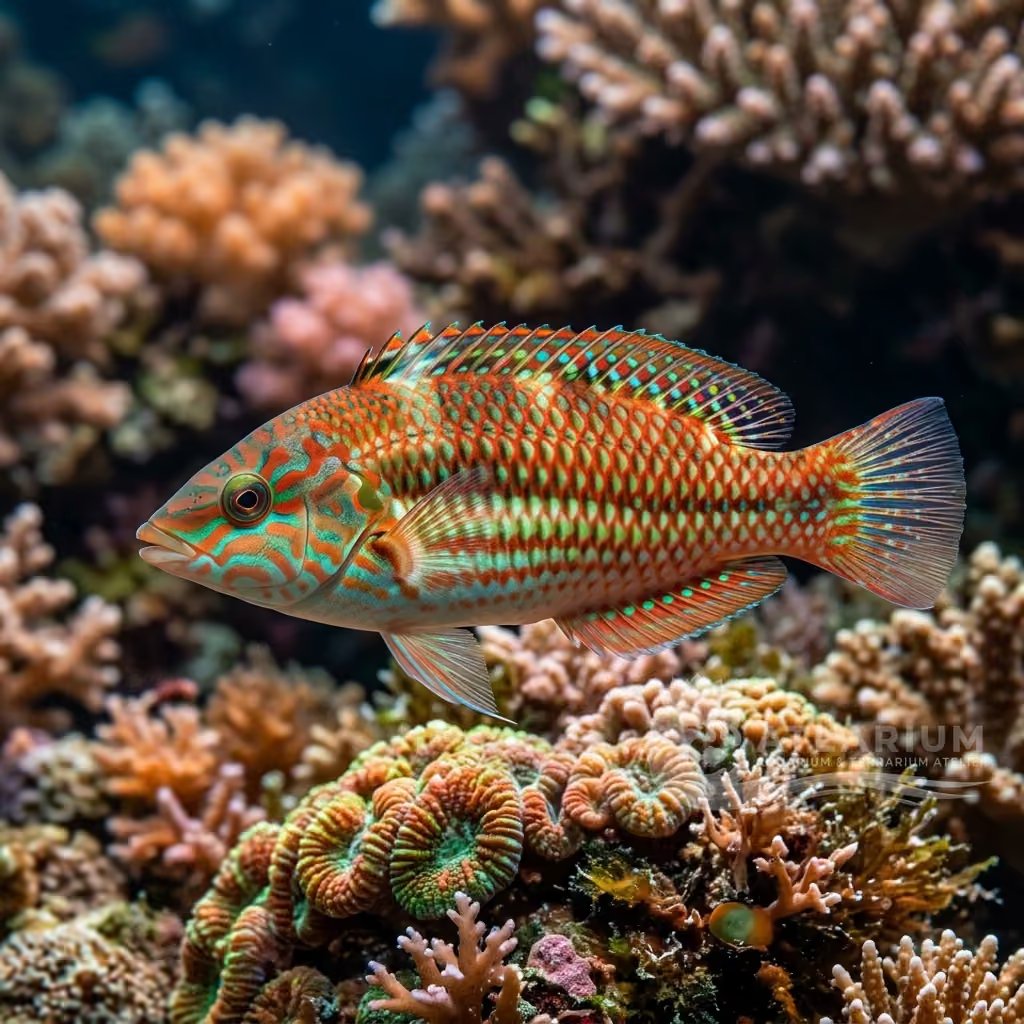
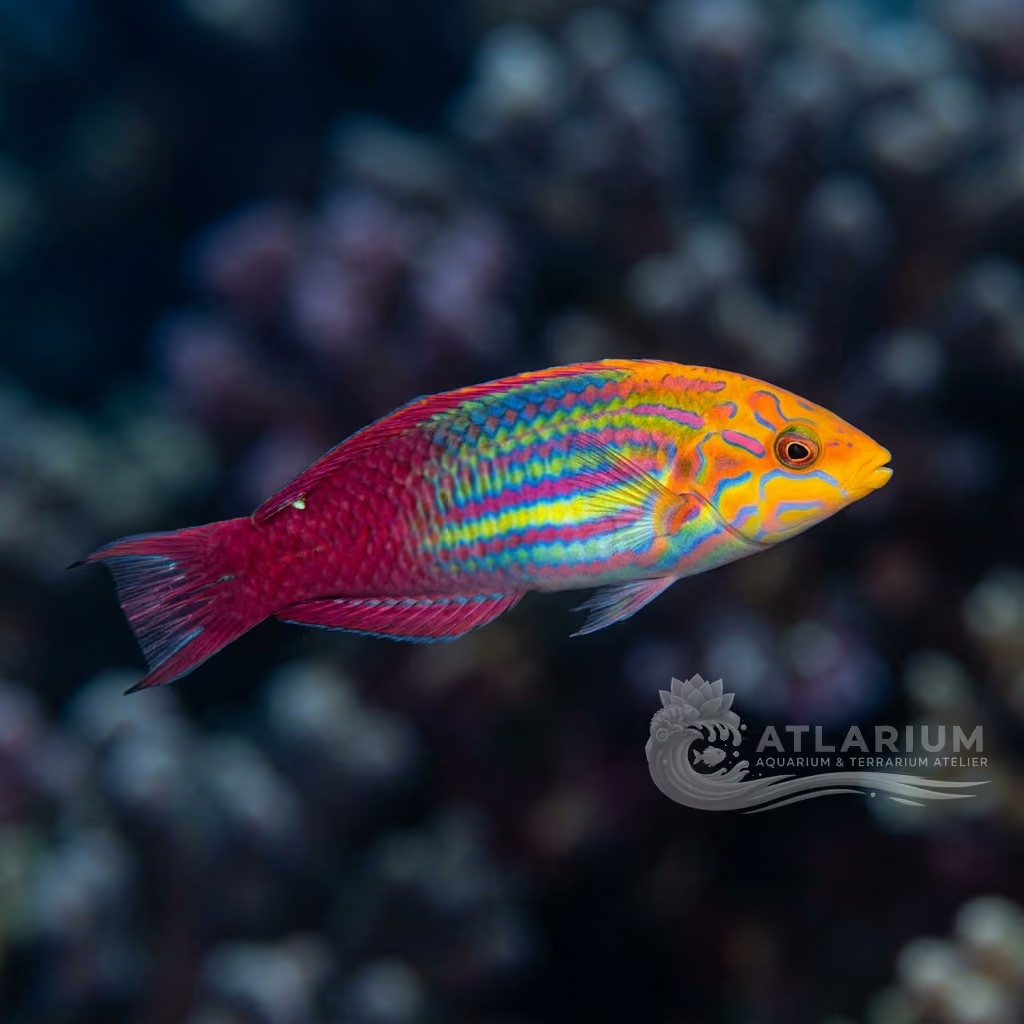
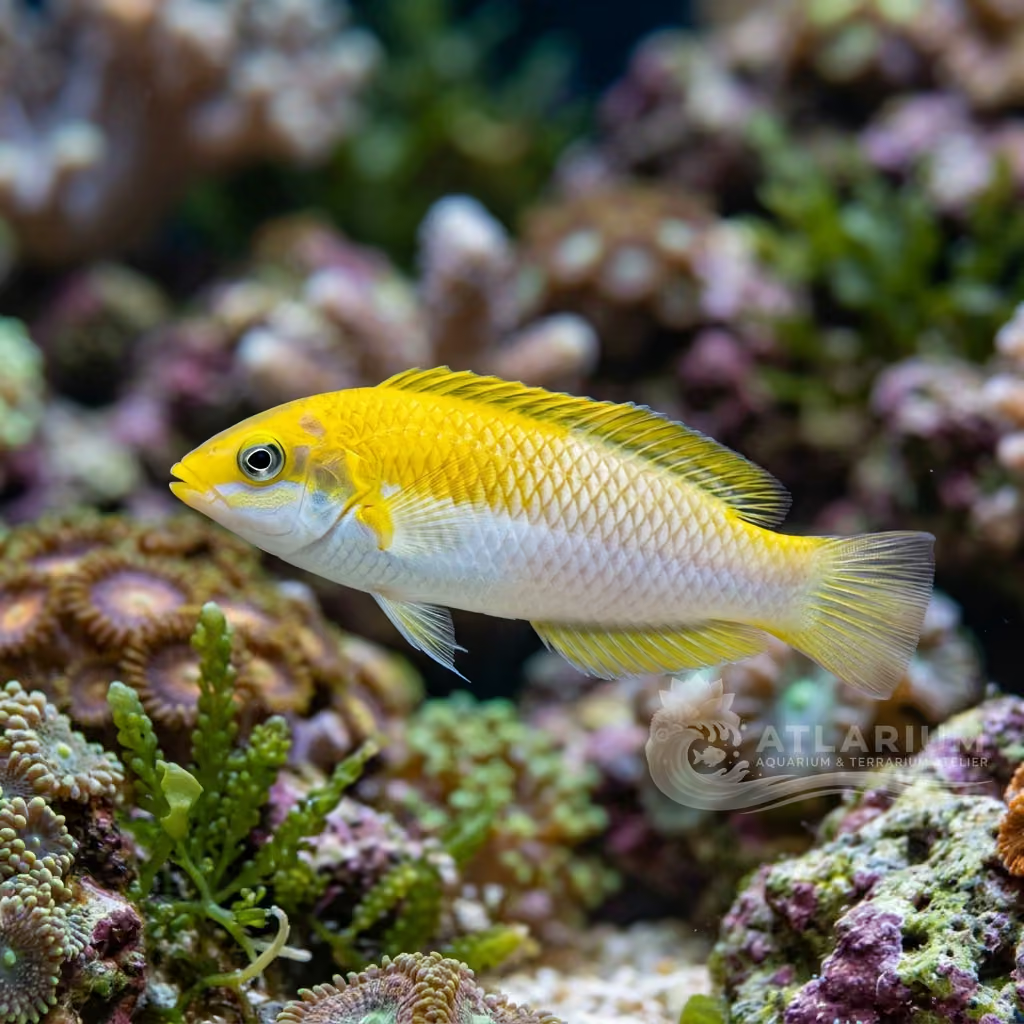
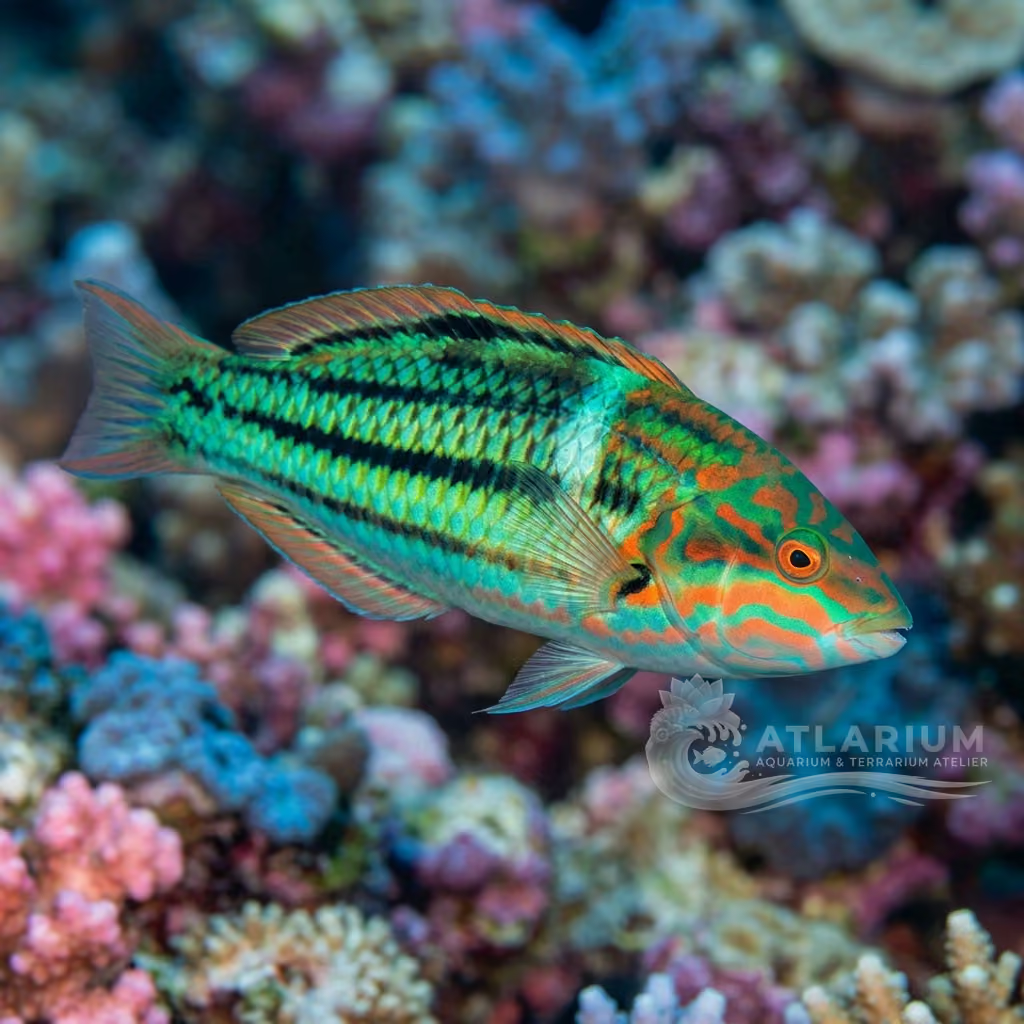
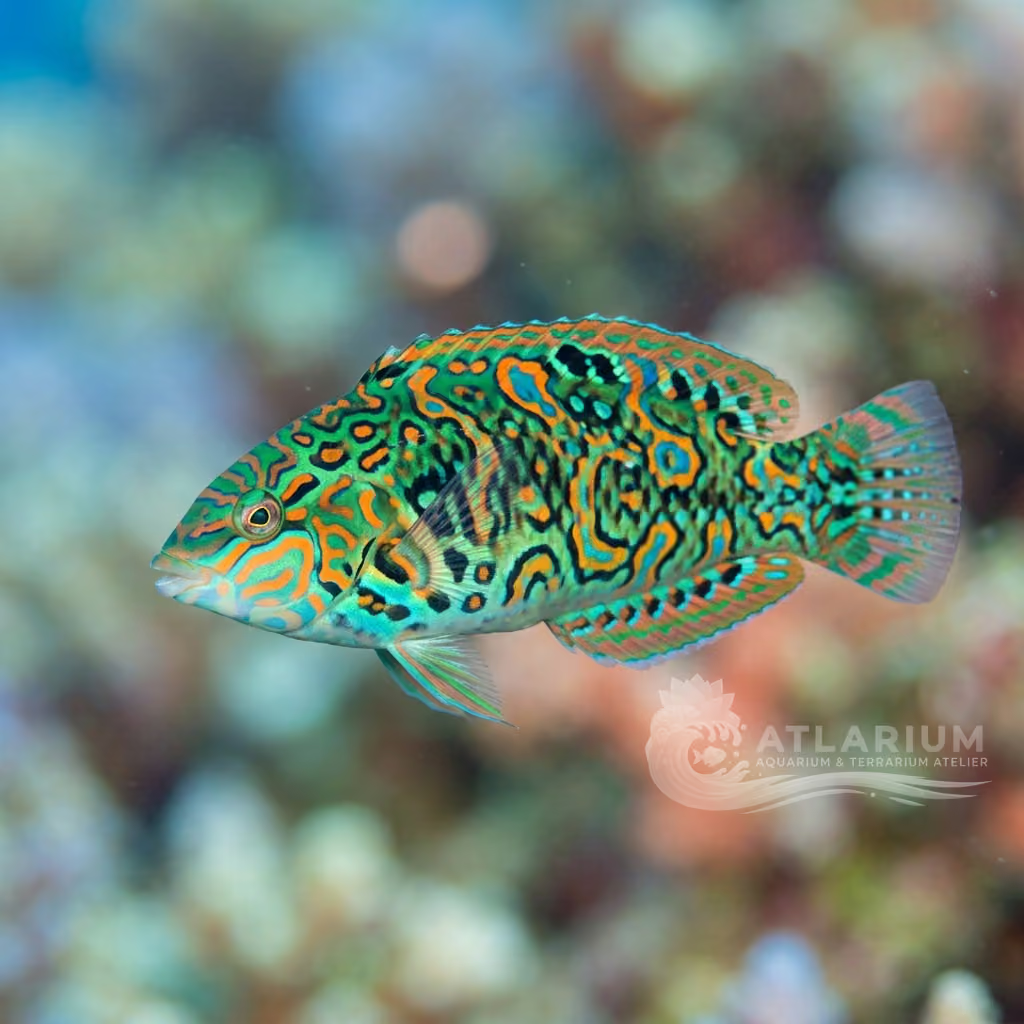
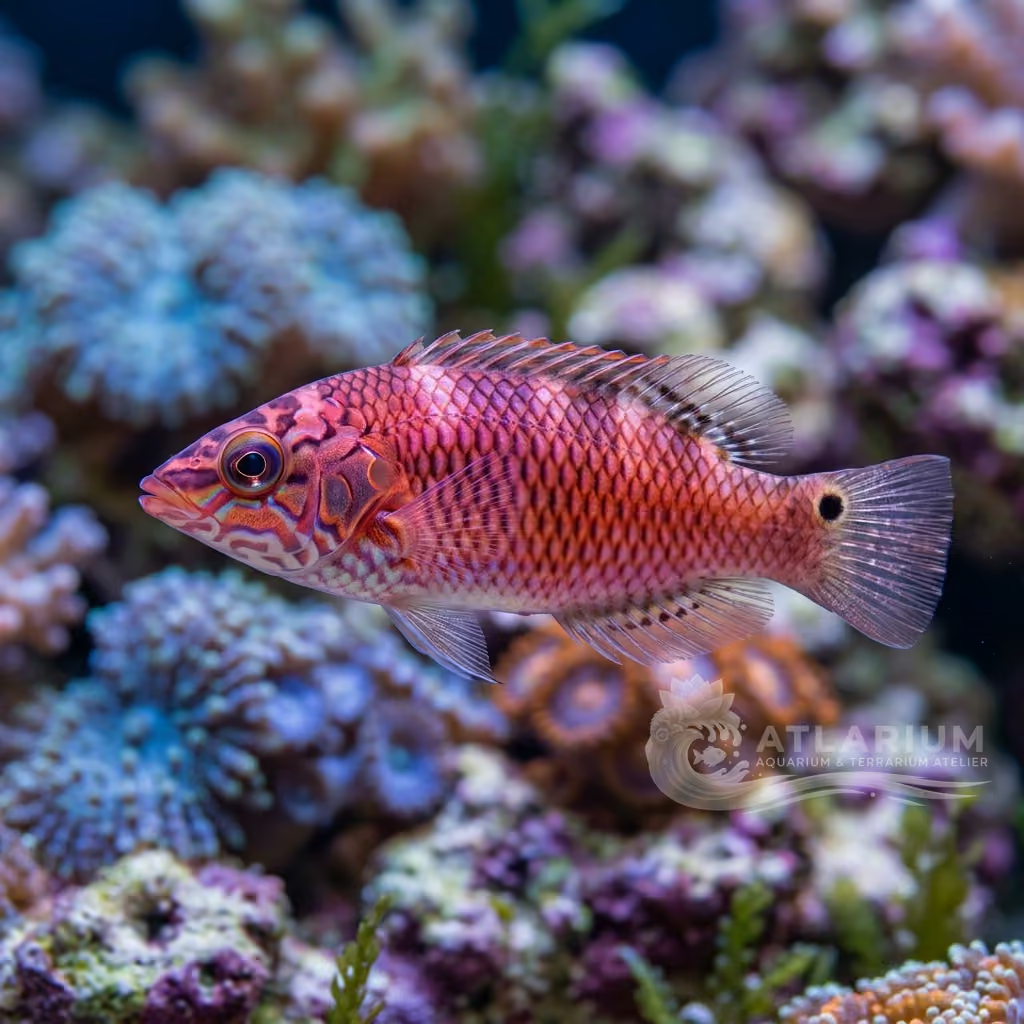
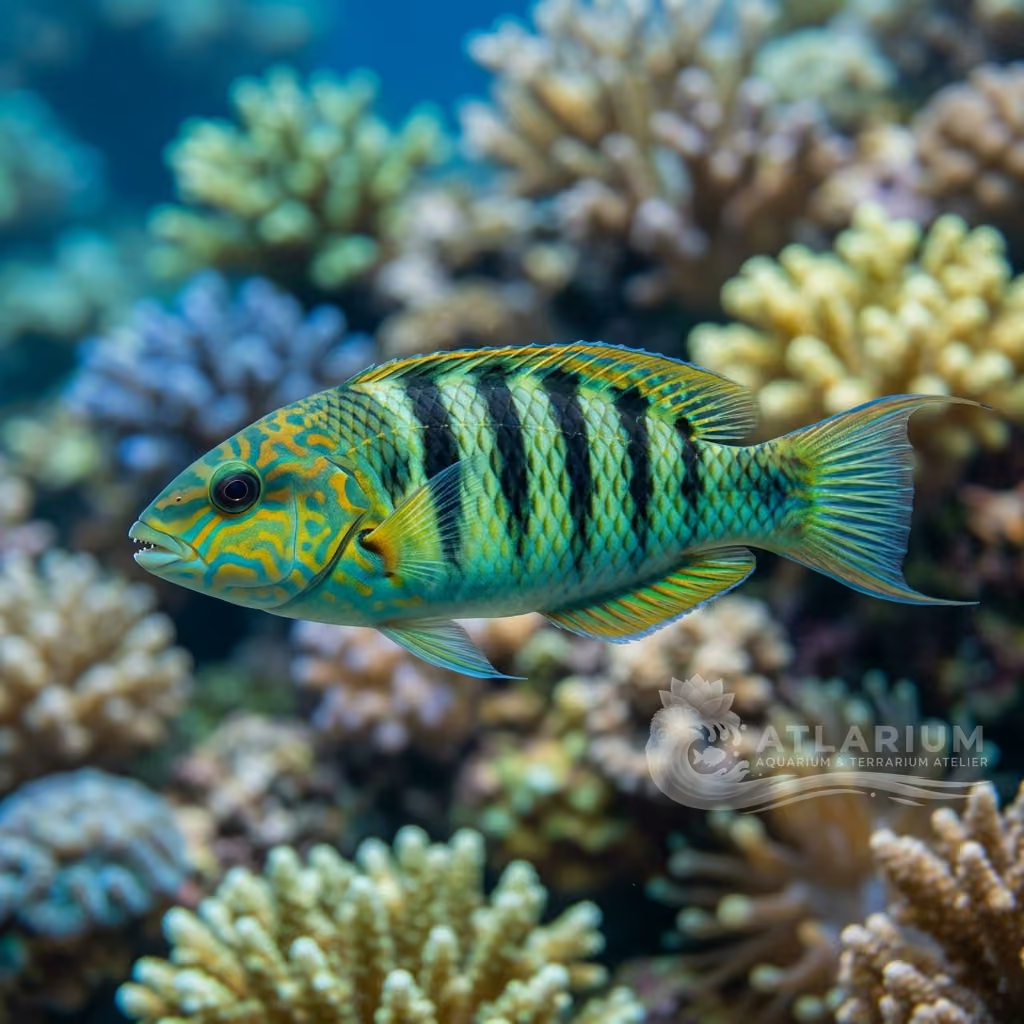
Coloration and Sexual Dimorphism: The coloration is vivid and highly attractive. The base body color ranges from blue-green to pinkish, adorned with bright orange or yellow longitudinal lines running along the flanks. Sexual dimorphism is pronounced: dominant metals display much brighter colors, a dark spot behind the eye, and iridescent hues on their fins, whereas females and juveniles are duller with thinner, less distinct lines.

Care, breeding and tankmates
Aquarium Setup: Requires a large aquarium of at least 350-400 liters to accommodate its active swimming habits. The most critical element of the setup is a soft, fine sand substrate (such as aragonite) at least 5-8 cm deep, which is indispensable for its nightly sleep and stress reduction. Rockwork must be securely placed on the tank bottom before adding sand to prevent collapsing when the wrasse digs. A tight-fitting lid or mesh cover is mandatory, as this species is a skilled jumper.
Diet and Feeding: A carnivore and active predator of microinvertebrates. In captivity, it must be fed multiple times a day with high-quality frozen foods such as mysis shrimp, krill, brine shrimp, and finely chopped seafood. Over time, it will accept enriched dry pellets and flakes. It is an excellent biological control agent for pests like flatworms, nudibranchs, and pyramidellid snails.
Water Quality: Requires stable and typical marine reef parameters: temperature between 24°C and 28°C, pH 8.1-8.4, specific gravity 1.020-1.025, and very low levels of nitrates and phosphates. Strong water movement and excellent oxygenation provided by a high-performance protein skimmer are necessary to support its high metabolic rate.
Compatibility and Cohabitation: Generally reef-safe with corals, but poses a threat to small mobile invertebrates such as ornamental shrimp, small crabs, and feather dusters. It should be housed with semi-aggressive, active tankmates of similar or larger size. Avoid keeping multiple males of the same species or closely related wrasses together.
Aquarium Breeding: Extremely difficult and not documented in home aquaria. They are protogynous hermaphrodites, meaning dominant females can transition into males. In nature, breeding occurs through pelagic spawning, where eggs and sperm are released simultaneously into the open water column.
Risks and Diseases: The primary risk is the lack of an adequate sandy substrate, leading to physical injuries, extreme stress, and eventual death. They can also suffer from external parasites like Cryptocaryon irritans or Amyloodinium if introduced to unstable or stressed environments. Jumping out of uncovered tanks is another major risk factor.

Geographic origin and distribution
Halichoeres hartzfeldii is native to the warm tropical waters of the Western Indo-Pacific, ranging from southern Japan down to northern Australia and New Caledonia. It primarily inhabits seaward coral reefs and clear lagoons, favoring transitional zones characterized by wide sandy stretches mixed with coral rubble and scattered rocks, at depths between 10 and 70 meters. In these natural biotopes, the presence of fine sand is a vital component for its survival and daily habits.
Origin
Tropical oceans and reefsEast AsiaAustralia, New Guinea, and Oceania

Fish profile
- Temperament
- Semi-aggressive
- Hartzfeld's Wrasse is known for its constant activity, bold nature, and generally peaceful temperament, adding vibrant movement to the aquarium. They are incredibly inquisitive and spend their days meticulously inspecting every rock and crevice for potential food, making them fantastic pest controllers. Once fully acclimated, they are not shy and will confidently swim in the open, often interacting with the aquarist during feeding times. While peaceful toward dissimilar fish, their predatory nature makes them a threat to very small ornamental invertebrates. They are a hardy, adaptable, and highly desirable species for appropriate setups.
- Diet
- Carnivore
- In the wild, they spend their days meticulously foraging the reef and sand for small crustaceans, mollusks, and worms. In the home aquarium, they need a varied, meaty diet to maintain their vibrant colors and sustain their high activity levels. Offerings should include high-quality frozen mysis shrimp, vitamin-enriched brine shrimp, finely chopped krill, and high-quality marine flakes or sinking pellets. Providing a diverse array of foods is crucial for supporting their robust immune system. Their natural hunting behavior makes them an exceptional biological control agent against common reef pests like bristle worms.
- Life expectancy
- 5-7 years
- Adult size
- 18 cm
- Sex ratio
- Solitary
- This species exhibits protogynous hermaphroditism; all individuals begin their lives as females, and the dominant fish can eventually transition into a male. Males are typically larger and display more intense, vibrant coloration and intricate facial markings compared to the females. In the confines of a home aquarium, it is strongly recommended to keep only a single specimen, as multiple males will engage in fierce and often fatal territorial disputes. Even maintaining a male-female pair requires an exceptionally large tank to successfully diffuse potential aggression. A single Hartzfeld's Wrasse makes a beautiful, solitary centerpiece.
- Feeding frequency
- Twice daily
- Because of their rapid metabolism and energetic nature, Hartzfeld's Wrasse should be fed two to three times daily. Multiple small feedings closely replicate their natural, continuous foraging habits and prevent them from losing weight. They are bold and aggressive during feeding time, quickly darting to the surface to intercept food before it can sink. It is important to monitor the tank during feedings to ensure that slower or more timid tank mates receive adequate nutrition. Avoid overfeeding, as any uneaten food will degrade the aquarium's water quality, so only offer what they can consume in a few minutes.
- Bioload
- Medium
- Hartzfeld's Wrasse produces a moderate bioload that aligns with its high-energy lifestyle and continuous swimming habits. As an active carnivore, it requires frequent, protein-dense feedings, resulting in a steady output of both physical and dissolved waste. To maintain the optimal water quality this species needs, a powerful protein skimmer and a mature, efficient biological filter are essential. Consistent water changes and routine siphoning of the substrate are necessary to prevent the accumulation of nitrates and phosphates, which can be detrimental to their health. In a well-maintained, appropriately sized reef or FOWLR system, their bioload is very manageable.
- Flow
- Moderate
- This wrasse naturally inhabits dynamic reef environments and thrives in an aquarium with moderate to strong, turbulent water flow. Good water circulation ensures high levels of dissolved oxygen, which are critical for supporting their highly active and fast-swimming lifestyle. Strong flow also helps to suspend detritus, allowing the mechanical filtration to remove it efficiently and keep the water clear. While they enjoy swimming in the current, it is also important to provide calm, sheltered areas within the rockwork where they can rest. Excellent surface agitation is vital for promoting healthy gas exchange.
- Jump risk
- Yes
- Like all species in the Halichoeres genus, Hartzfeld's Wrasse is an extreme jump risk and a very capable escape artist. Their immediate reflex when startled by aggressive tank mates, lighting changes, or sudden external movements is to dart rapidly upward. A tightly fitting, fully secured mesh lid or a completely enclosed canopy is an absolute requirement to prevent a fatal leap. They are agile enough to find and squeeze through surprisingly small gaps around return pipes and overflow boxes. Keeping them in an open-top tank is highly discouraged and will inevitably result in tragedy.
- Reproduction
- Oviparous
- Captive breeding of Hartzfeld's Wrasse is exceptionally rare and currently impossible for the average home aquarist to achieve. They are pelagic spawners, meaning they perform a rapid upward mating sprint to release their gametes into the ocean's water column. The fertilized eggs become buoyant and drift in the planktonic layer, eventually hatching into microscopic larvae with specific and complex dietary needs. The immense water volume and precise environmental cues required for this process cannot be replicated in a standard home aquarium. Therefore, all specimens available in the hobby are responsibly wild-caught.
- Compatibility & tankmates
- Species only
- They are relatively peaceful fish that make an excellent addition to a large community reef or saltwater aquarium. While they will not bother corals, making them 'reef safe', they are highly effective predators of small benthic invertebrates; small ornamental shrimp and feather dusters may be consumed. They coexist well with tangs, dwarf angelfish, and robust clownfish, but should not be kept with overly aggressive predators that might intimidate them. They can be very territorial toward other wrasses, especially those with similar body types, so it is usually best to keep them as the solitary wrasse in the tank. They are highly valued for eating nuisance flatworms and pyramidellid snails.
- Tank level
- Middle/Bottom
- They are highly active fish that utilize all levels of the aquarium, but they spend the majority of their time hunting along the rockwork and substrate. A deep, soft sand bed (at least 2 to 3 inches deep) is an absolute, non-negotiable requirement for their physical and psychological well-being. They sleep completely buried in the sand every night and will instantly dive into it to escape perceived threats or extreme stress. Keeping them in a bare-bottom tank or one with crushed coral will cause severe injury and stress. They require plenty of open swimming space combined with a complex aquascape.

Scientific Parameters & Models
FishBase
Window to the official scientific data of the species
FishBase v25.04Data synced on: 06/15/2026
- Trophic level
- 3.5 ± 0.5 se
- Resilience
- High (less than 15 months)
- Phylogenetic uniqueness (PD50)
- 0.5
- Bayesian Length-Weight
- a = 0.01, b = 3.09
- VulnerabilityLow vulnerability (10 / 100)

Related species
Recommendations grouped by close relatives, companion choices, and similar care.